vegetables



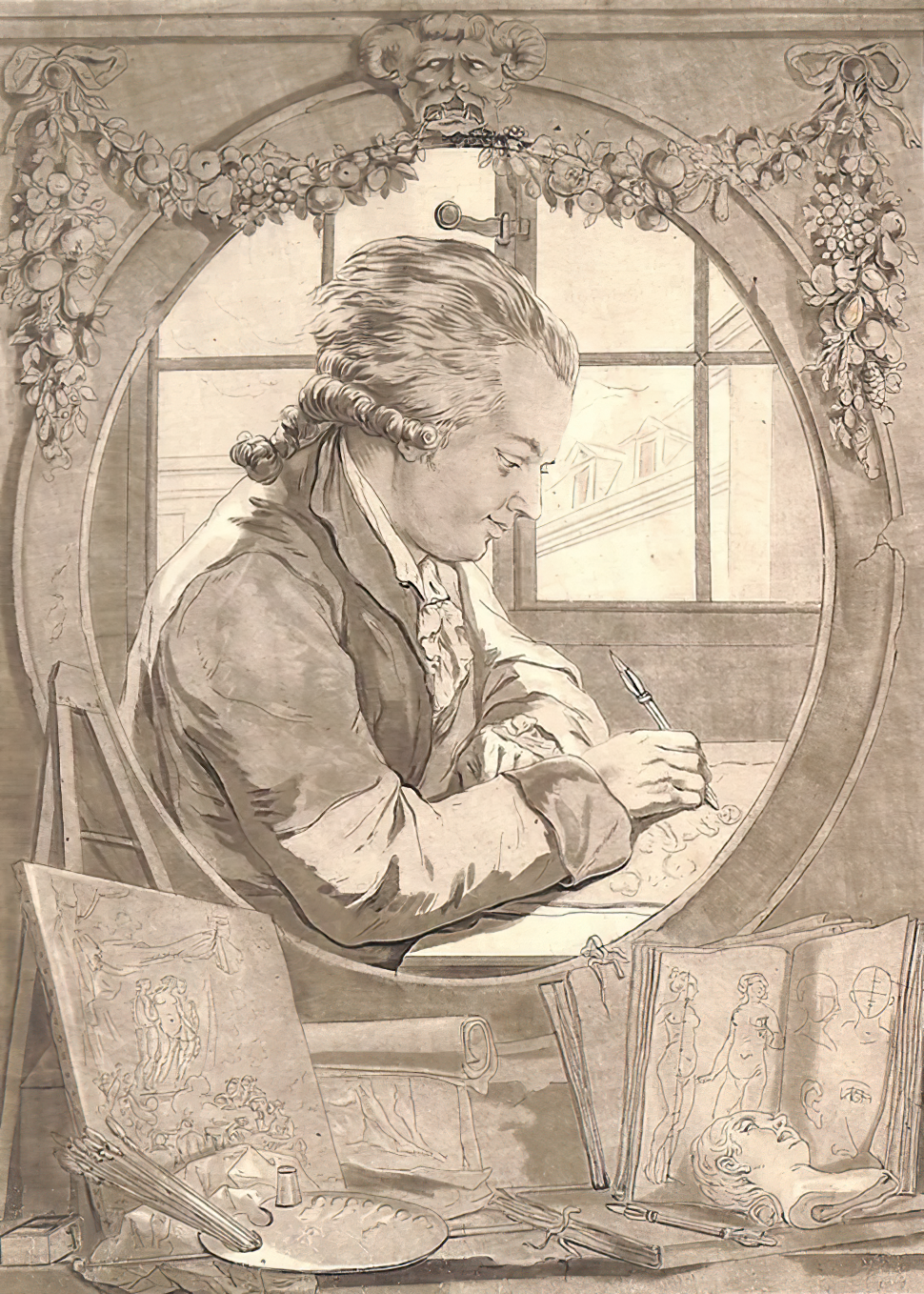
Jean-Baptiste Marie Huet was a French painter, engraver and designer associated with pastoral and genre scenes of animals in the Rococo manner, influenced by François Boucher.












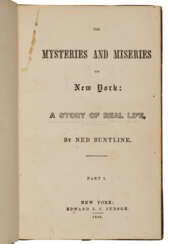

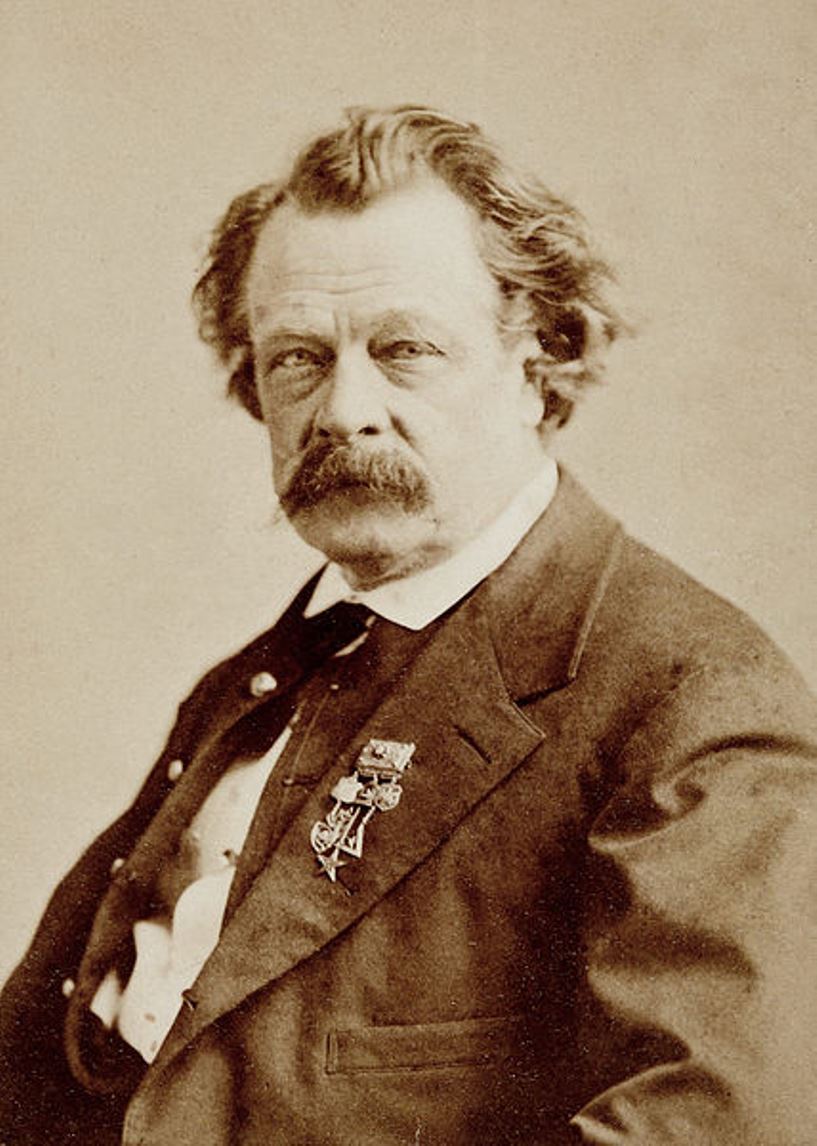
Edward Zane Carroll Judson Sr., known by his pen name Ned Buntline, is an American adventurer, journalist, and writer.
Edward Judson was characterized by hooligan antics from his youth, but always gravitated towards writing. He started to publish newspapers several times, but unsuccessfully, ran away from debts and shot in a duel because of his mistress, sat in prison for organizing a riot and became a successful scandalous reporter.
Judson invented a character named Buffalo Bill and wrote several novels featuring him. He also wrote a play, Scouts of the Plains (1872), based on his life. Judson also wrote hundreds of one-night novels and serials that were sensationalized stories of villainous heroes and violence. It was he who originated the so-called "dime novels" in the Western genre popular in the late nineteenth century.


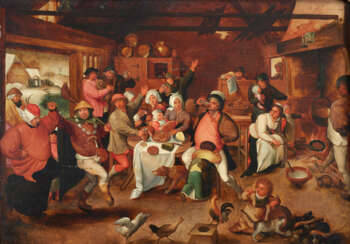

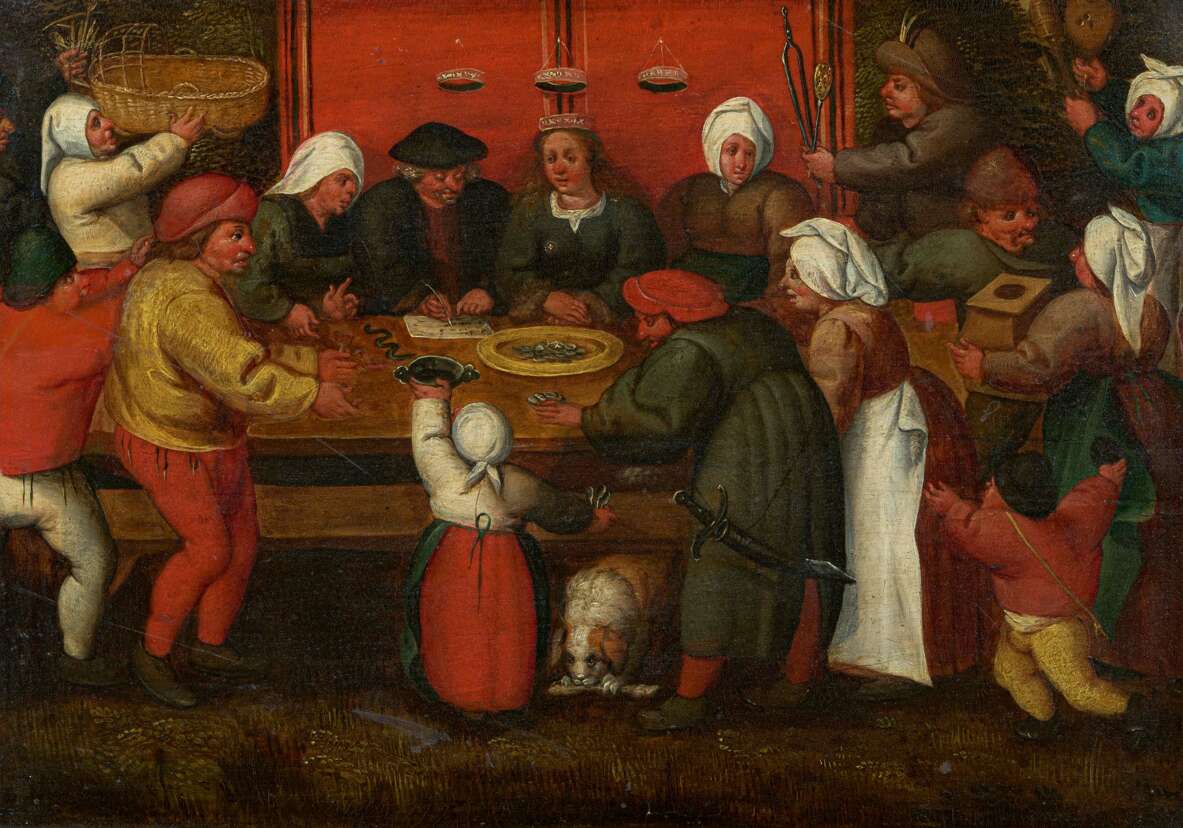
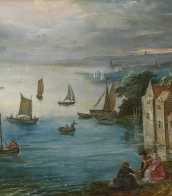
Marten van Cleve the Elder was a Flemish painter and draftsman active in Antwerp between 1551 and 1581. Van Cleve is mainly known for his genre scenes with peasants and landscapes, which show a certain resemblance with the work of Pieter Bruegel the Elder. Marten van Cleve was one of the leading Flemish artists of his generation. His subjects and compositions were an important influence on the work of Pieter Brueghel the Younger and other genre painters of his generation.
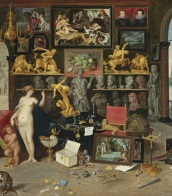
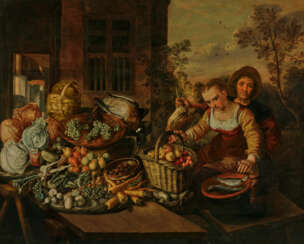

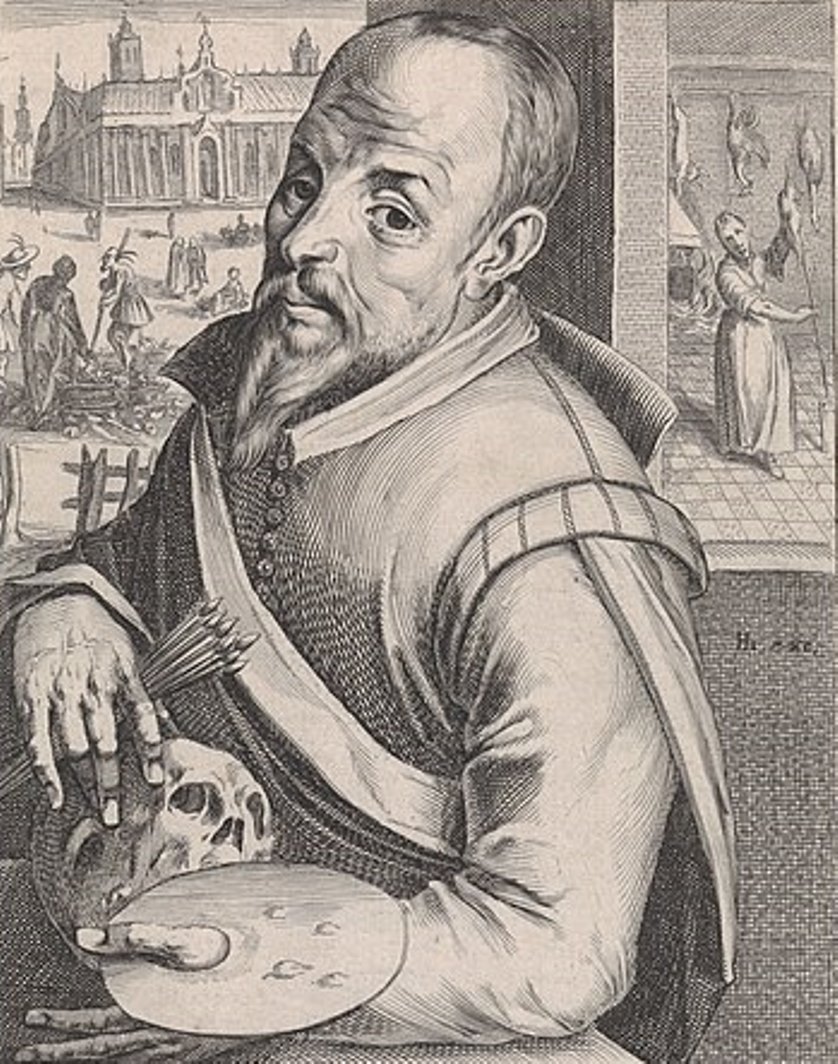
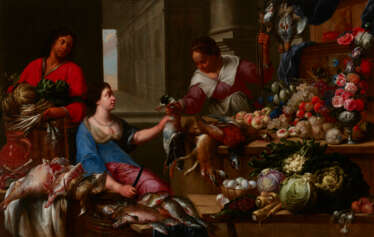
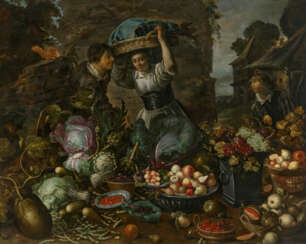
Joachim Beuckelaer, a masterful Flemish painter born around 1533, was renowned for his intricate market and kitchen scenes, which were abundant with detailed depictions of food and household items. His unique approach combined everyday life with religious narratives, often situating biblical episodes within the backdrop of bustling market scenes or domestic settings. This innovative blend of the mundane with the spiritual set the stage for future developments in Dutch and Flemish painting.
Beuckelaer's influence extended beyond his immediate geographic locale, impacting artists across Europe, from Italy to Spain, heralding a new appreciation for kitchen and market scenes that would flourish in seventeenth-century painting. His works were not only appreciated for their aesthetic and technical mastery but also for their ability to capture the essence of sixteenth-century Antwerp life, from the vibrancy of its markets to the intimacy of its kitchens.
His oeuvre includes a variety of subjects, from purely religious works to those that focus solely on still-life elements without any human figures, indicating his versatility and innovation as an artist. Beuckelaer was known for employing techniques that allowed him to efficiently reuse compositions, showcasing his ability to adapt and repurpose his work to meet the demands of his patrons.
Notable works by Beuckelaer, such as the "Four Elements" series, now housed in the National Gallery, London, demonstrate his skill in merging complex allegories with detailed observations from nature and daily life. These paintings are celebrated for their depth of detail and the way they foreground the role of women in the culinary and market spheres.
For collectors and experts in art and antiques, Joachim Beuckelaer's paintings offer a fascinating glimpse into the cultural and social dynamics of the sixteenth century, as well as the evolution of still-life and genre painting in the early modern period. His ability to weave together the secular and sacred, the abundant and the everyday, marks him as a significant figure in the history of art.
To remain informed about the latest discoveries, sales, and auction events related to Joachim Beuckelaer, consider signing up for updates. This subscription is an invaluable resource for those keen to explore the depths of Flemish painting and its enduring influence on European art history.








![Johann Wilhelm Weinmann | [Phytanthoza iconographia, Dutch edition], Amsterdam, 1736-1748, fine engraved and mezzotint plates, printed in colours and finished by hand](/assets/image/picture_3553150/3e7db/g2yw3bupouens3hdnhlq-noaoh-o2sqjso298iyjisgoiz0hhf44foapd1rd4p1699101121jpg__fix_374_244.jpeg)
![Johann Wilhelm Weinmann | [Phytanthoza iconographia, Dutch edition], Amsterdam, 1736-1748, fine engraved and mezzotint plates, printed in colours and finished by hand](https://veryimportantlot.com/assets/image/picture_3553150/3e7db/g2yw3bupouens3hdnhlq-noaoh-o2sqjso298iyjisgoiz0hhf44foapd1rd4p1699101121jpg__fix_374_244.jpeg)

,_by_Zheng_Jingkang.jpg)
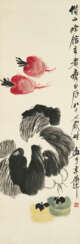
Qi Baishi was a Chinese painter, noted for the whimsical, often playful style of his works. Born to a peasant family from Xiangtan, Hunan, Qi taught himself to paint, sparked by the Manual of the Mustard Seed Garden. After he turned 40, he traveled, visiting various scenic spots in China. After 1917 he settled in Beijing. Some of Qi's major influences include the early Qing dynasty painter Bada Shanren (八大山人) and the Ming dynasty artist Xu Wei (徐渭).
The subjects of his paintings include almost everything, commonly animals, scenery, figures, toys, vegetables, and so on. He theorized that "paintings must be something between likeness and unlikeness, much like today's vulgarians, but not like to cheat popular people". In his later years, many of his works depict mice, shrimp or birds. He was also good at seal carving and called himself "the rich man of three hundred stone seals" (三百石印富翁). In 1953, he was elected president of the China Artists Association (中國美術家協會).
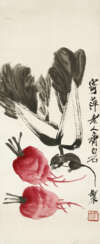

Qi Baishi was a Chinese painter, noted for the whimsical, often playful style of his works. Born to a peasant family from Xiangtan, Hunan, Qi taught himself to paint, sparked by the Manual of the Mustard Seed Garden. After he turned 40, he traveled, visiting various scenic spots in China. After 1917 he settled in Beijing. Some of Qi's major influences include the early Qing dynasty painter Bada Shanren (八大山人) and the Ming dynasty artist Xu Wei (徐渭).
The subjects of his paintings include almost everything, commonly animals, scenery, figures, toys, vegetables, and so on. He theorized that "paintings must be something between likeness and unlikeness, much like today's vulgarians, but not like to cheat popular people". In his later years, many of his works depict mice, shrimp or birds. He was also good at seal carving and called himself "the rich man of three hundred stone seals" (三百石印富翁). In 1953, he was elected president of the China Artists Association (中國美術家協會).


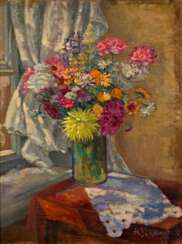

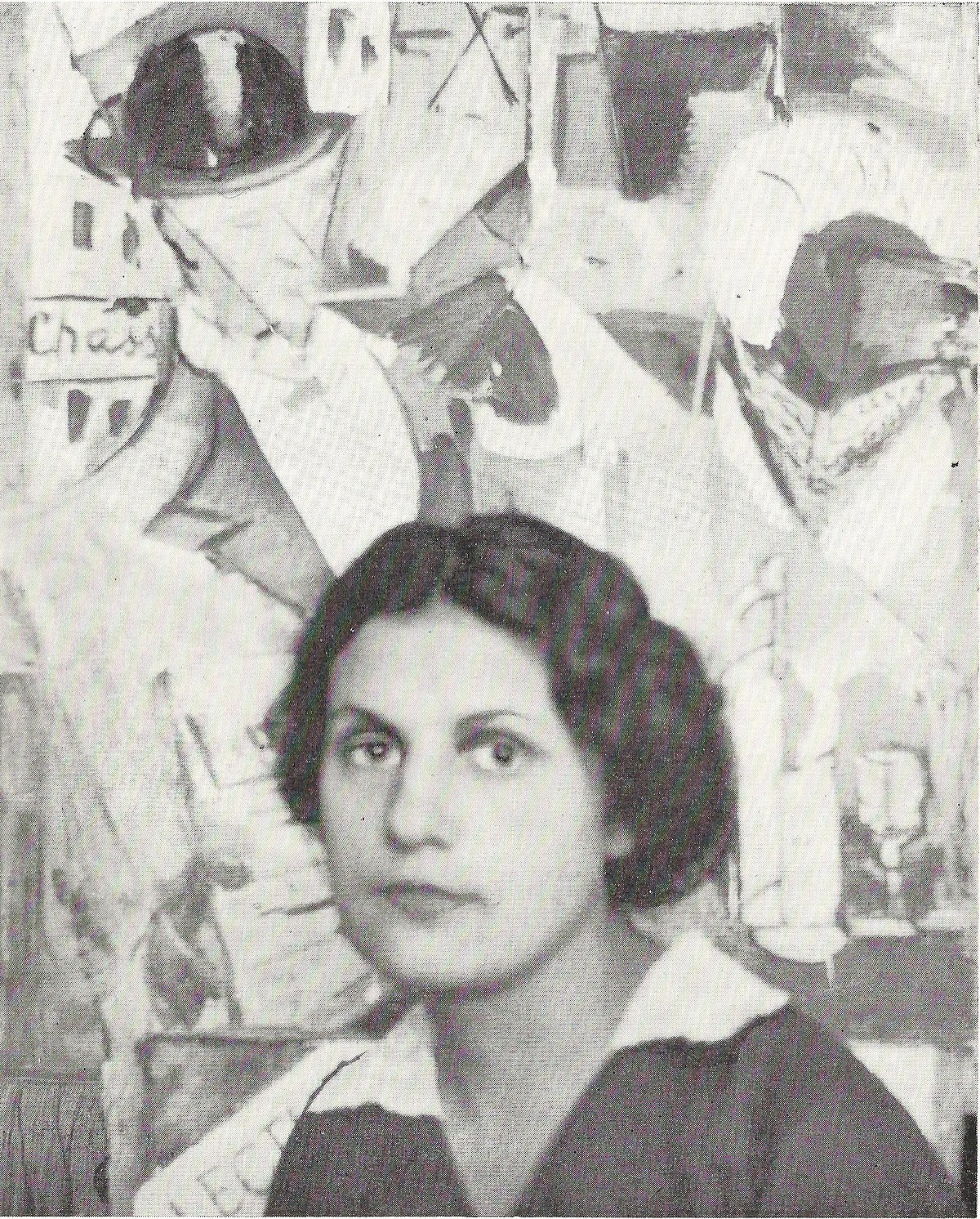
Nadezhda Andreevna Udaltsova (Russian: Наде́жда Андре́евна Удальцо́ва) was a Russian avant-garde artist known for her contributions to Cubism and Suprematism and her participation in the avant-garde movement of pre-revolutionary Russia. Udaltsova was born into an officer's family in Orel, western Russia, on December 29, 1886, and died on January 25, 1961, in Moscow, USSR. Udaltsova was deeply influenced by French Cubism, which she encountered in the art collection of Sergei Shchukin. This encounter was a decisive turning point in her artistic path, leading her to post-impressionism and then to avant-garde art forms.
After the 1917 revolution, her art was recognized by the new regime. Udaltsova played a significant role in education, as a professor and senior lecturer at VKhUTEMAS, the Higher Art and Technical Workshops, and a member of the Institute of Artistic Culture (Inhuk). Despite hardships, including the NKVD's execution of her husband Alexander Drevin in 1938, and becoming persona non grata in Soviet art circles, she continued her artistic endeavors, holding a solo exhibition in 1945 and participating in a group exhibition in 1958.
Udaltsova's legacy is remarkable not only for her artistic achievements, but also for the challenges she overcame. Her work is in prestigious collections, including the Museum of Modern Art (MoMA), attesting to her indelible impact on the art world.
For those interested in learning more about Nadezhda Andreevna Udaltsova's work and life, it will be helpful to visit the museums that house her works or subscribe to our newsletters about exhibitions and auctions featuring her art. This will allow a deeper understanding of this remarkable artist's contribution to the avant-garde movement and the art world in general.