vienne


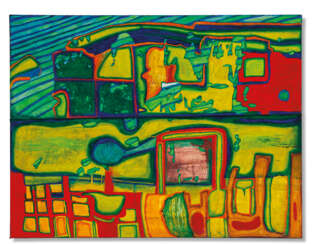

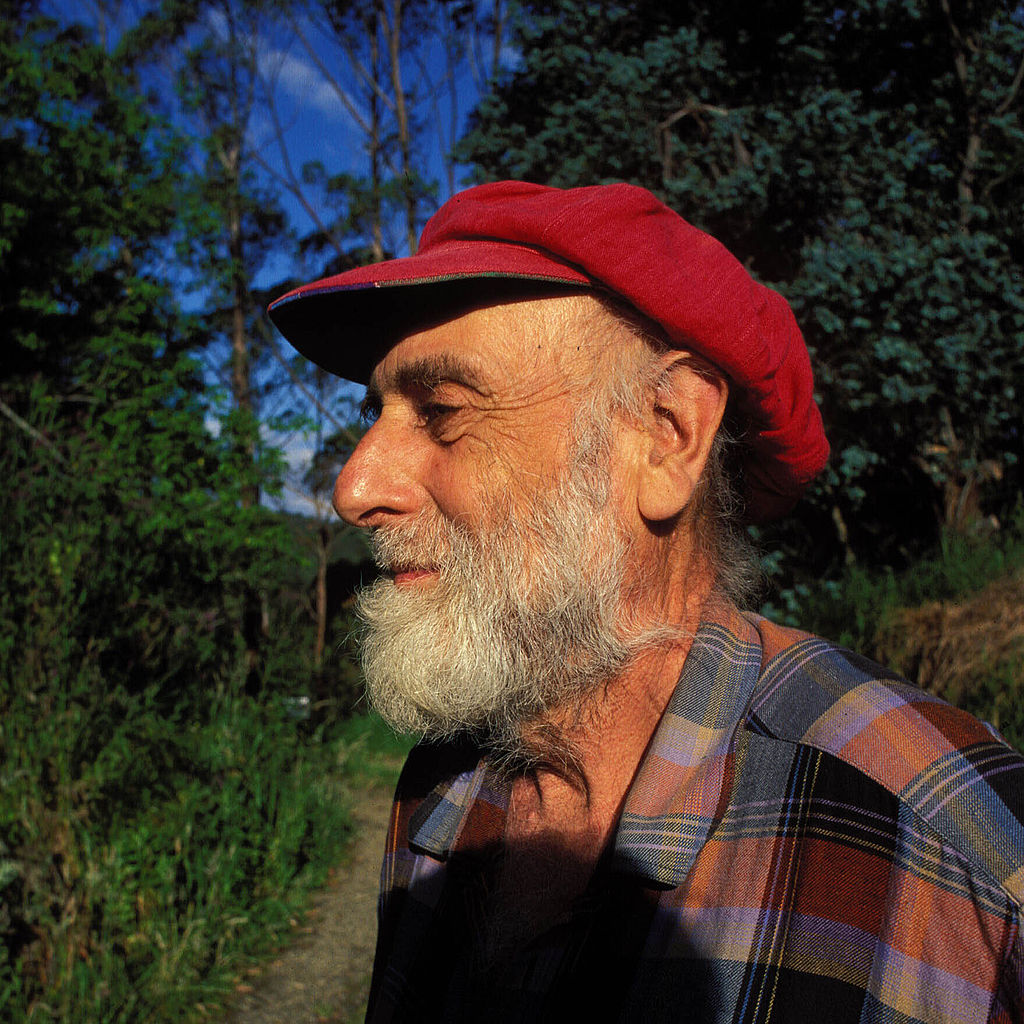
Friedensreich Regentag Dunkelbunt Hundertwasser was an Austrian visual artist and architect who also worked in the field of environmental protection.
Hundertwasser stood out as an opponent of "a straight line" and any standardization, expressing this concept in the field of building design. His best known work is the Hundertwasserhaus in Vienna, which has become a notable place of interest in the Austrian capital, characterised by imaginative vitality and uniqueness.







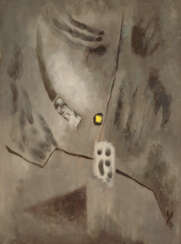

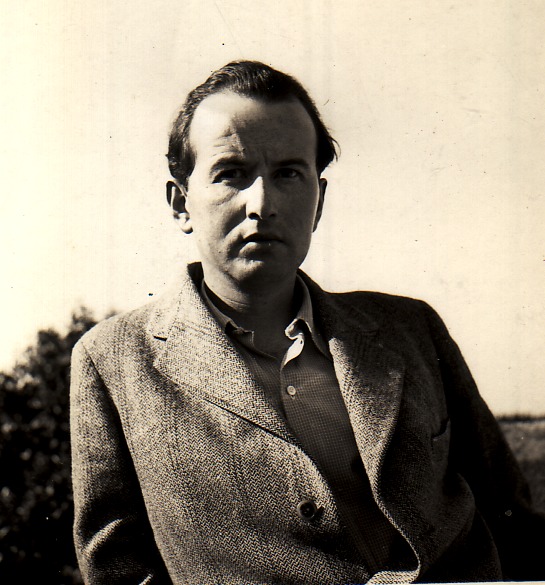
Wolfgang Robert Paalen was an Austrian-Mexican painter, sculptor, and art philosopher. A member of the Abstraction-Création group from 1934 to 1935, he joined the influential Surrealist movement in 1935 and was one of its prominent exponents until 1942. Whilst in exile in Mexico, he founded his own counter-surrealist art-magazine DYN, in which he summarized his critical attitude towards radical subjectivism and Freudo-Marxism in Surrealism with his philosophy of contingency. He rejoined the group between 1951 and 1954, during his sojourn in Paris.
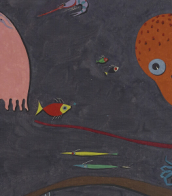


Wolfgang Robert Paalen was an Austrian-Mexican painter, sculptor, and art philosopher. A member of the Abstraction-Création group from 1934 to 1935, he joined the influential Surrealist movement in 1935 and was one of its prominent exponents until 1942. Whilst in exile in Mexico, he founded his own counter-surrealist art-magazine DYN, in which he summarized his critical attitude towards radical subjectivism and Freudo-Marxism in Surrealism with his philosophy of contingency. He rejoined the group between 1951 and 1954, during his sojourn in Paris.
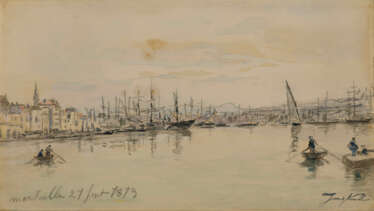

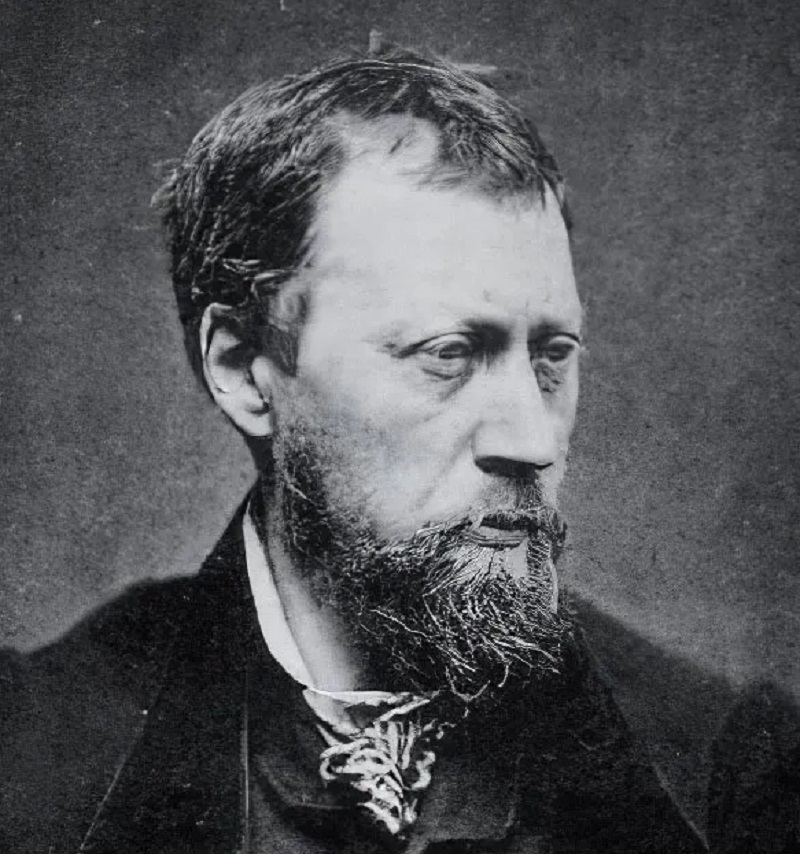
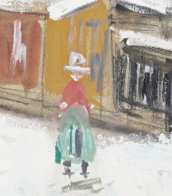
Johan Barthold Jongkind was a Dutch painter and printmaker. He painted marine landscapes in a free manner and is regarded as a forerunner of Impressionism.
Jongkind's most frequent subject was the marine landscape, which he painted both in the Netherlands and in France. Many of his works depict the Seine, particularly the area near Notre-Dame Cathedral. He painted watercolors out-of-doors, and used them as sketches for oil paintings made in his studio. His paintings are characterized by vigorous brushwork and strong contrasts. Like the 17th-century Dutch landscape painters of the Golden Age of Dutch painting, he typically composed his landscapes with a low horizon, allowing the sky to dominate.
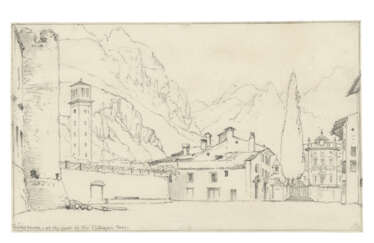

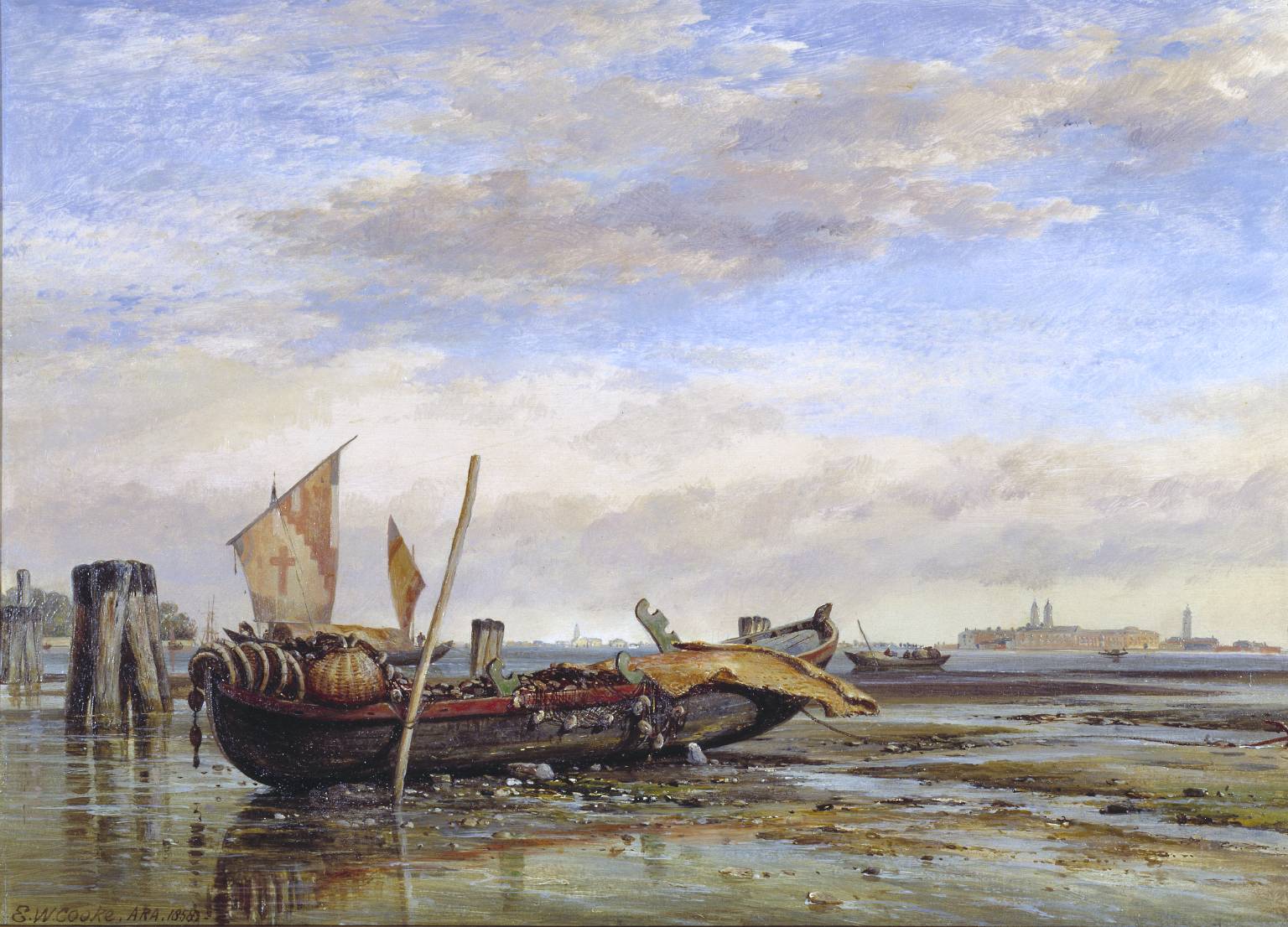
Edward William Cooke, a distinguished English artist, is celebrated for his mastery in maritime painting. His upbringing in an artistic family, with his father and uncle being notable engravers, significantly influenced his early development as an artist. Cooke's talent extended beyond the marine realm, as he was proficient in geological and botanical illustrations as well.
His works, which often depicted detailed ships and coastal scenes, were heavily inspired by 17th-century Dutch marine artists, a style that became synonymous with his name. Edward William Cooke's paintings, such as "Beaching a Pink at Scheveningen," exhibited at the Royal Academy, reflect his meticulous study of natural and light effects, particularly influenced by his travels across Europe, including the Netherlands, Scandinavia, and Venice.
Edward William Cooke's diverse interests led him to become a Fellow of several prestigious societies, including the Linnean Society, the Geological Society, and the Zoological Society. His contributions to the arts and sciences were further acknowledged when he was elected a Fellow of the Royal Society in 1863.
For art and antique enthusiasts, Edward William Cooke's legacy is a testament to his profound impact on maritime art, making his works valuable pieces in collections worldwide. If you're keen on exploring more about Cooke's art and contributions, consider signing up for updates on new product sales and auction events related to his works.
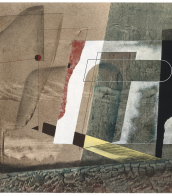


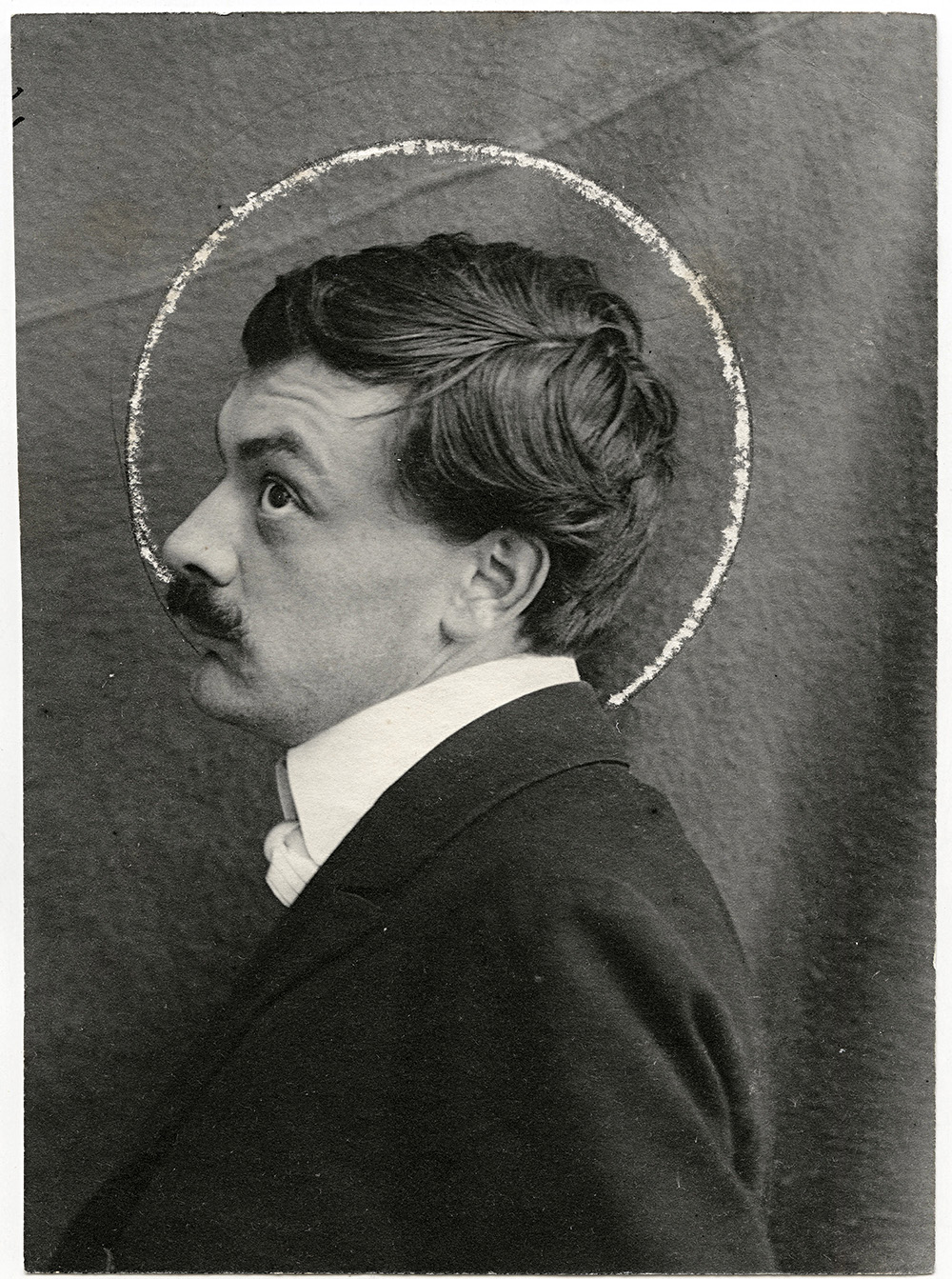
Koloman Moser, an Austrian artist, was a pivotal figure in the Vienna Secession movement and a co-founder of Wiener Werkstätte. His diverse portfolio includes graphic works, fashion designs, stained glass windows, ceramics, silverware, jewelry, and furniture. Moser's style, characterized by precise geometric patterns and a harmonious blend of colors, made a significant impact on 20th-century graphic art and design.
Koloman Moser's work extended beyond art; he designed currency and stamps, notably the Austrian-Hungarian 50 Crown Banknote and a stamp featuring Emperor Franz Joseph. His legacy is preserved in various museums, including the Museum of Applied Arts Vienna (MAK), which hosted a comprehensive exhibition to commemorate the centenary of his death.
For collectors and art enthusiasts, Koloman Moser's creations offer a unique glimpse into the evolution of modern design and the rich cultural tapestry of early 20th-century Vienna. To stay informed about upcoming sales and auction events related to Koloman Moser's work, signing up for updates is an excellent way to stay connected with this influential artist's enduring legacy.

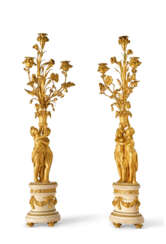

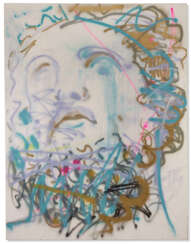

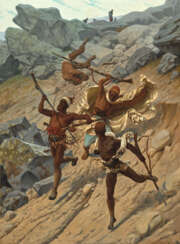

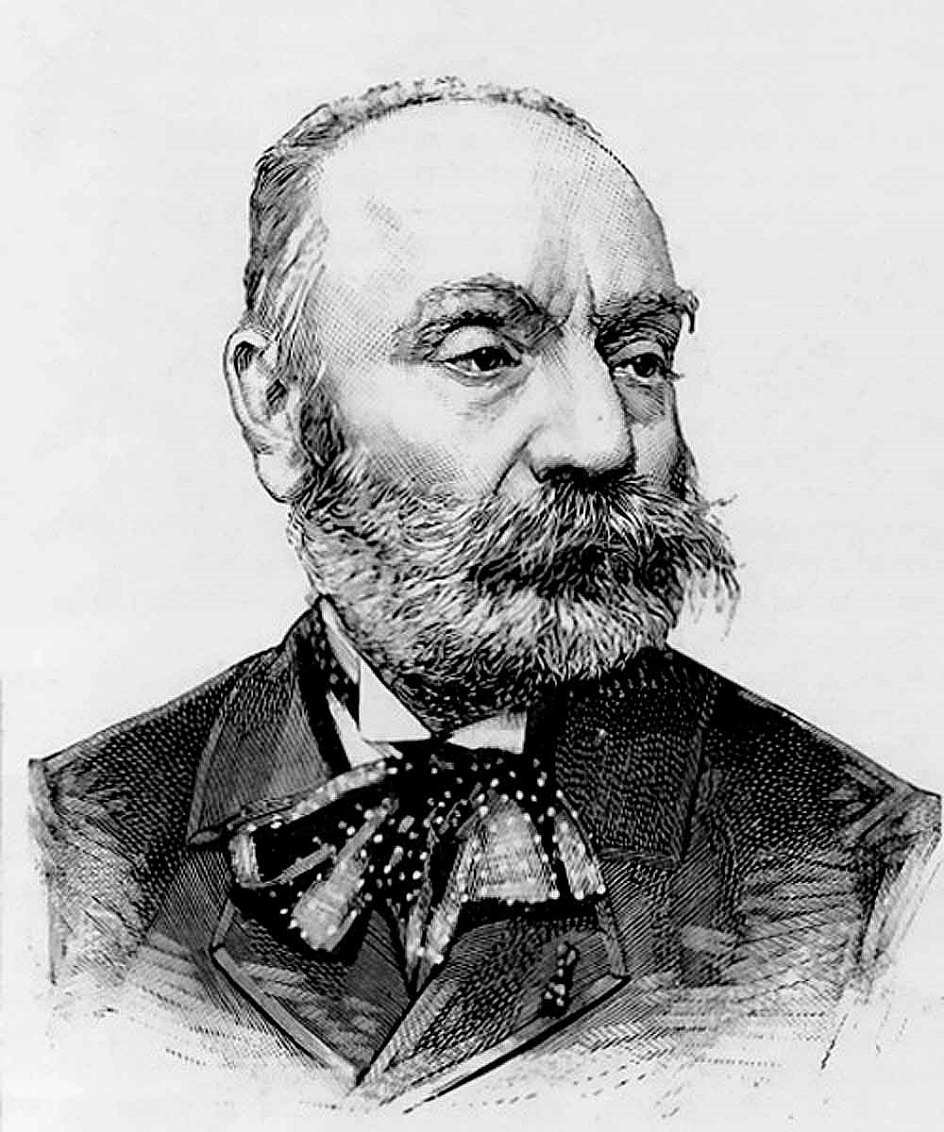
Gustave Clarence Rodolphe Boulanger was a French painter renowned for his classical and Orientalist themes. He was born in Paris and became an accomplished academic artist, earning accolades such as the Prix de Rome in 1849.
Gustave Boulanger's paintings often focused on historical subjects, with influences from Greek and Roman mythology, as well as Orientalism, particularly Middle Eastern themes. He also depicted scenes of daily life in ancient civilizations and had a knack for blending the ancient with the modern. Notable works by Boulanger include "Répétition théâtrale dans la maison d’un poète romain" (1855), presented at the Salon of 1855, which later inspired the Pompeiian palace inauguration. His style was known for its theatricality and ability to bridge the past with contemporary aesthetics.
Some of his significant works are housed in various museums and galleries, including the British Museum, the Art Institute of Chicago, and the Hermitage Museum. Examples of his works include "The Flute Concert," "The Slave Market," and "Theatrical Rehearsal in the House of an Ancient Roman Poet".
Gustave Boulanger also played a role in the cultural landscape of his time, teaching at the Académie Julian, where he influenced a generation of artists. His contributions to art and his ability to capture the spirit of different eras continue to be celebrated by collectors and experts in art and antiques.
If you are interested in updates on Gustave Boulanger-related auctions and sales, consider subscribing to a newsletter that provides such information. This subscription is designed solely for alerting you to new product sales and auction events related to Boulanger's work, without any additional promotional content.

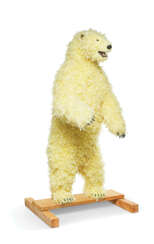
Sarah Lucas is an English artist. She is part of the generation of Young British Artists who emerged during the 1990s. Her works frequently employ visual puns and bawdy humour by incorporating photography, collage and found objects.



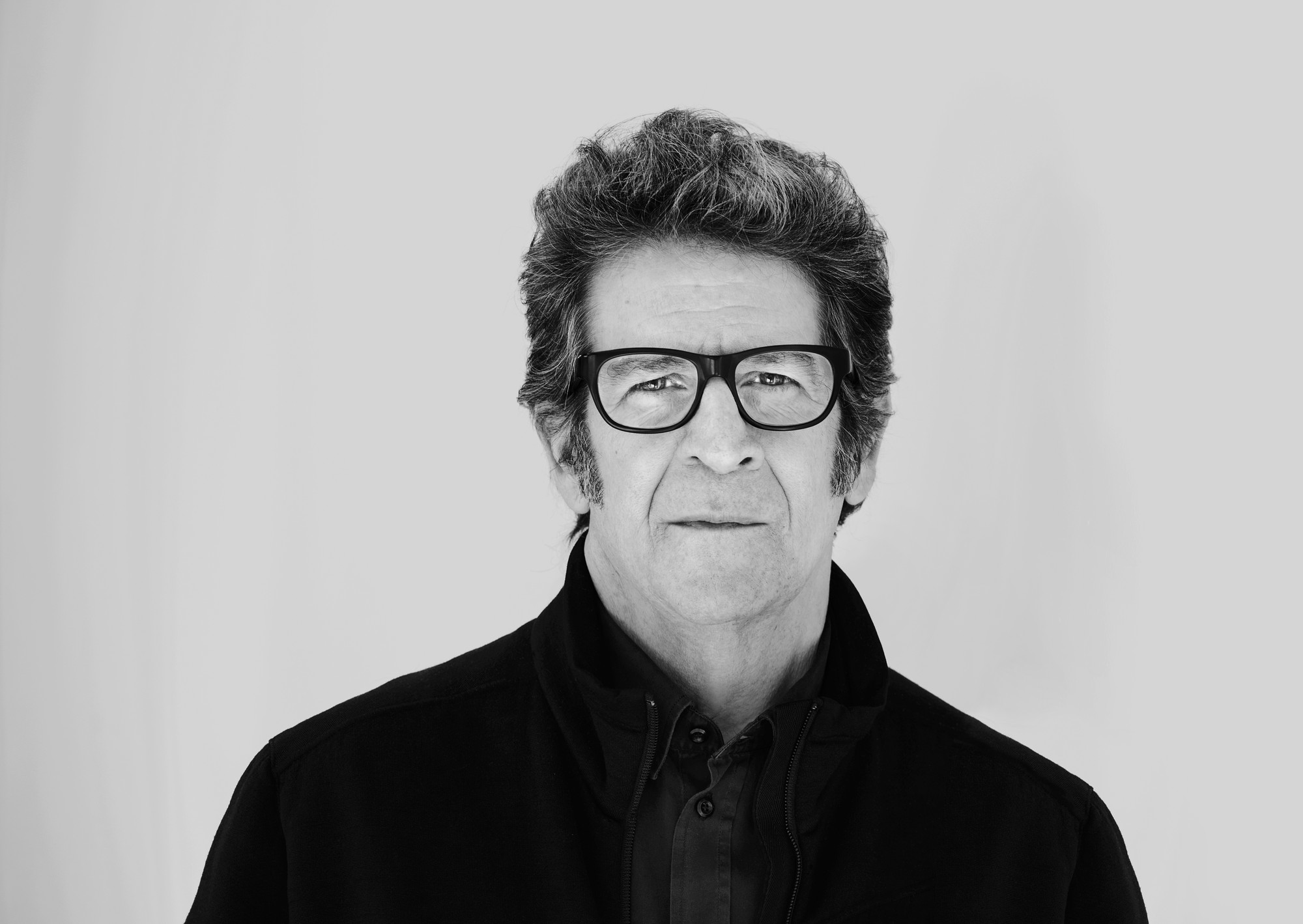
Robert Longo is an American artist, filmmaker, photographer and musician.
Longo became first well known in the 1980s for his Men in the Cities drawing and print series, which depict sharply dressed men and women writhing in contorted emotion. He lives in New York and East Hampton.
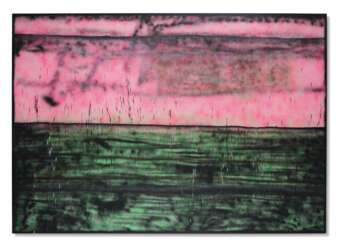

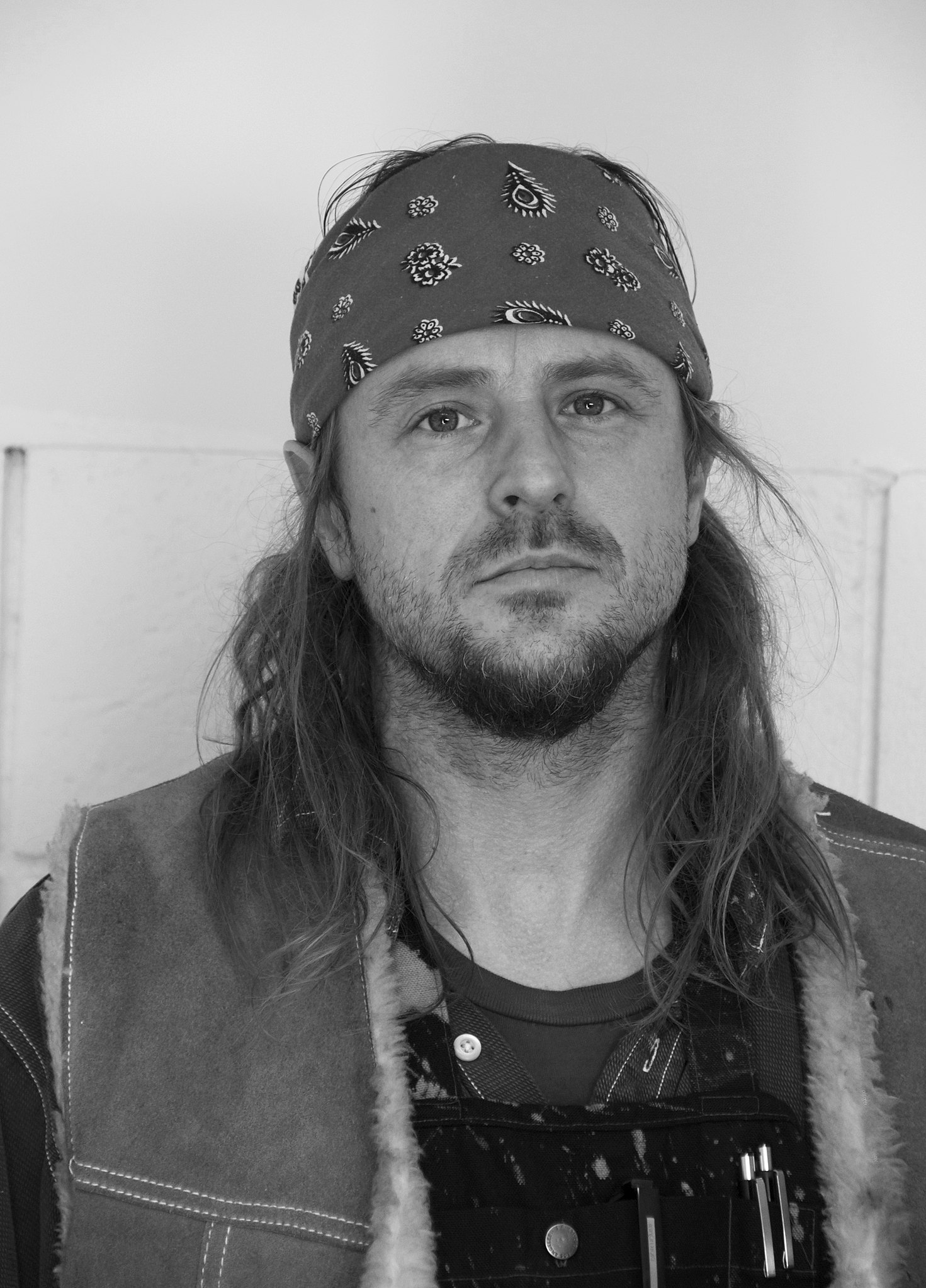
Sterling Ruby is an American artist who works in a large variety of media including ceramics, painting, drawing, collage, sculpture, video, and textiles. Often, his work is presented in large and densely packed installations. The artist has cited a diverse range of sources and influences including aberrant psychologies (particularly schizophrenia and paranoia), urban gangs and graffiti, hip-hop culture, craft, punk, masculinity, violence, public art, prisons, globalization, American domination and decline, waste and consumption. In opposition to the minimalist artistic tradition and influenced by the ubiquity of urban graffiti, the artist's works often appear scratched, defaced, camouflaged, dirty, or splattered. Proclaimed as one of the most interesting artists to emerge this century by New York Times art critic Roberta Smith, Ruby's work examines the psychological space where individual expression confronts social constraint. Sterling Ruby currently lives and works in Los Angeles. His studio is located in Vernon, south of downtown Los Angeles


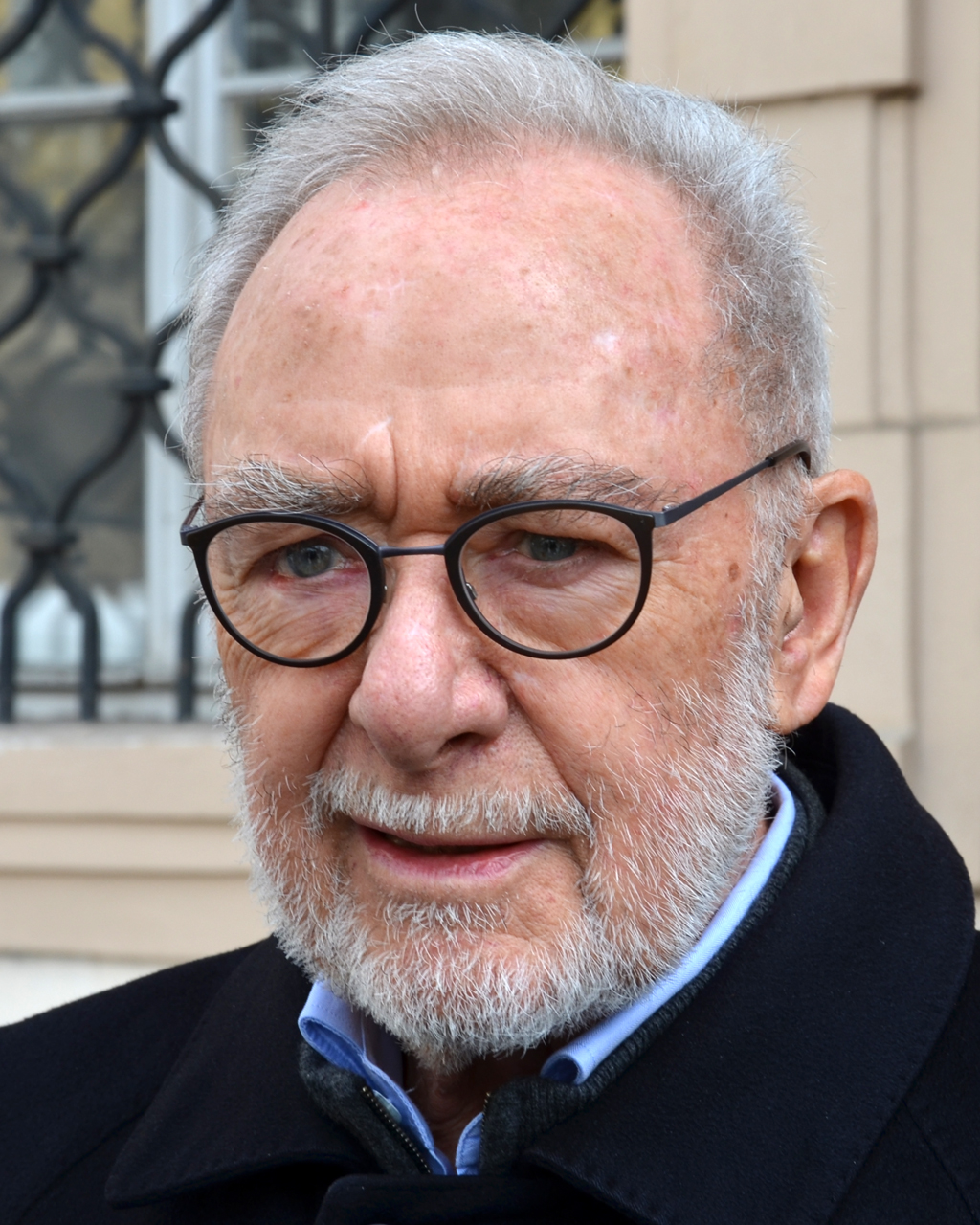
Gerhard Richter is a German visual artist. Richter has produced abstract as well as photorealistic paintings, and also photographs and glass pieces. He is widely regarded as one of the most important contemporary German artists and several of his works have set record prices at auction.

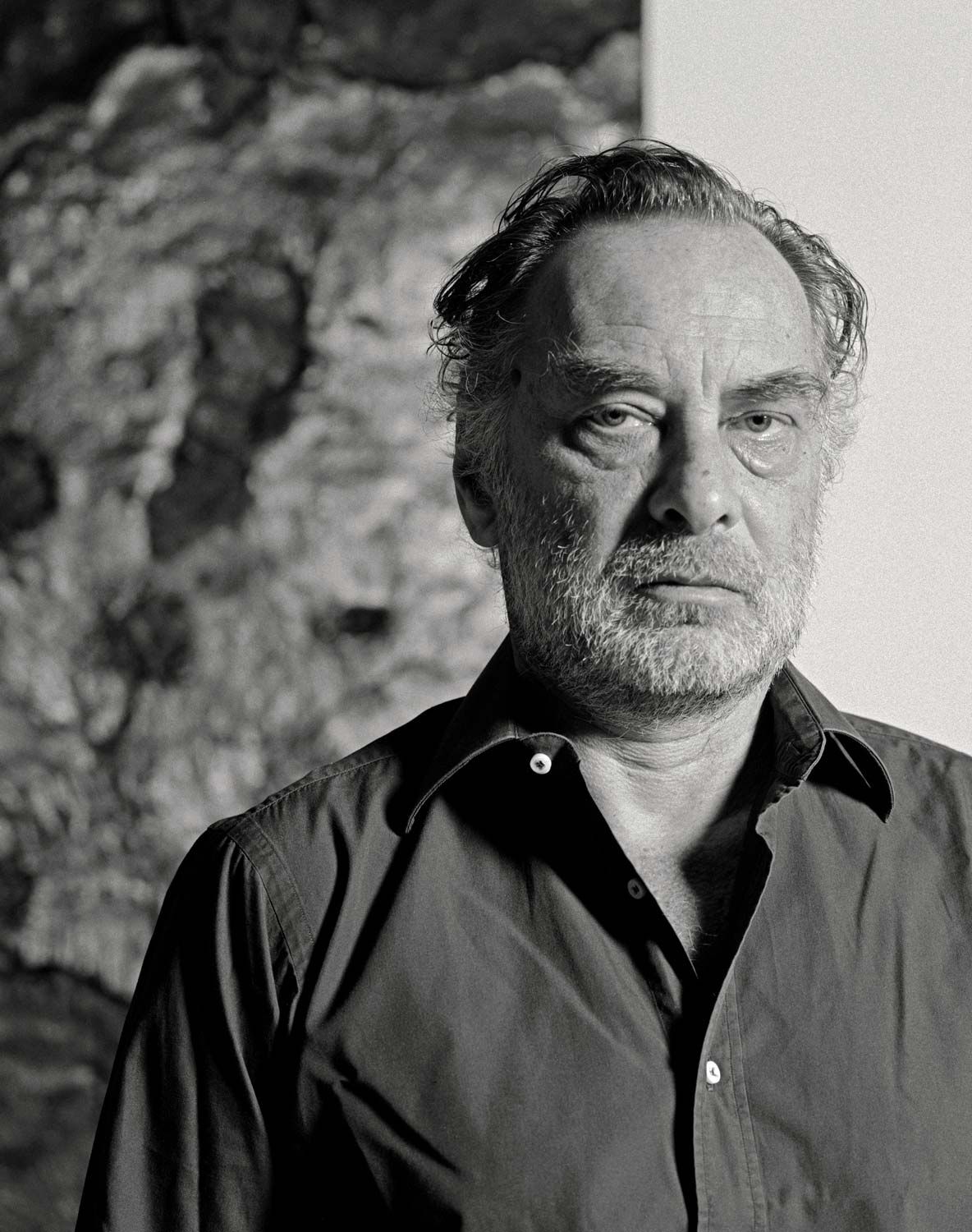
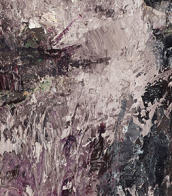
Rudolf Stingel is an Italian contemporary artist.
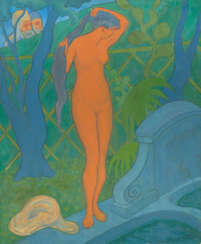

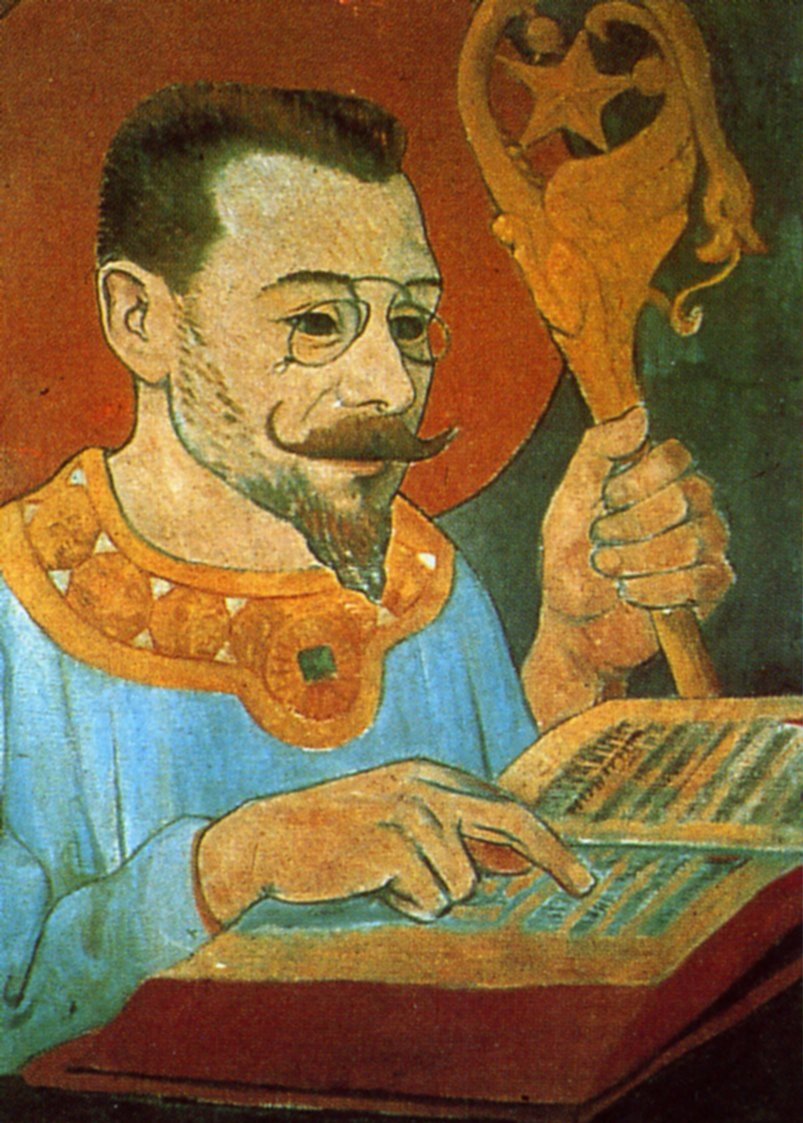
Paul-Élie Ranson, a French painter and writer, emerged as a prominent figure in the late 19th century art scene. Born in Limoges, he was raised by his grandparents and father after his mother's demise during childbirth. Ranson's early artistic inclinations were nurtured with drawing lessons from his grandfather. His educational journey in the arts began at the École des Beaux-Arts Appliqués à l'Industrie and later continued at the Académie Julian in Paris.
Ranson was a pivotal member of "Les Nabis," a group instrumental in transitioning from Impressionism to modern art. Along with notable contemporaries like Paul Sérusier, Pierre Bonnard, and Maurice Denis, he helped establish an art movement that blended elements of Symbolism, Art Nouveau, and Japanese prints. Ranson's role extended beyond painting; he was actively involved in the Symbolist performances at the Théâtre d'Art and directed a notable performance of "Ubu Roi" by Alfred Jarry.
Ranson's artistic oeuvre is marked by a fascination with Theosophy, magic, and occultism, themes that increasingly influenced his work. His paintings often delved into mythology, witchcraft, and anti-clerical subjects. Some of his notable works include "Christ and Buddha" (1880), "Witches Around the Fire" (1891), and "The Blue Room" (circa 1900). These works exemplify his unique blend of thematic and stylistic elements, setting him apart from his contemporaries.
Tragically, Ranson's life was cut short by typhoid fever in 1909. However, his legacy continued through the Académie Ranson, founded by his friends in Les Nabis. This institution, managed initially by Ranson and later by his wife Marie, remained active until 1955, perpetuating his influence on future generations of artists.
For art collectors and experts, Ranson's work offers a unique window into the transitionary period of late 19th-century art, showcasing the interplay of traditional and emerging styles. His contributions to the Symbolist and Nabi movements are particularly noteworthy.
To stay updated on new product sales and auction events related to Paul-Élie Ranson, sign up for our updates. This subscription service is tailored to keep art aficionados informed about the latest developments and opportunities related to Ranson's art.


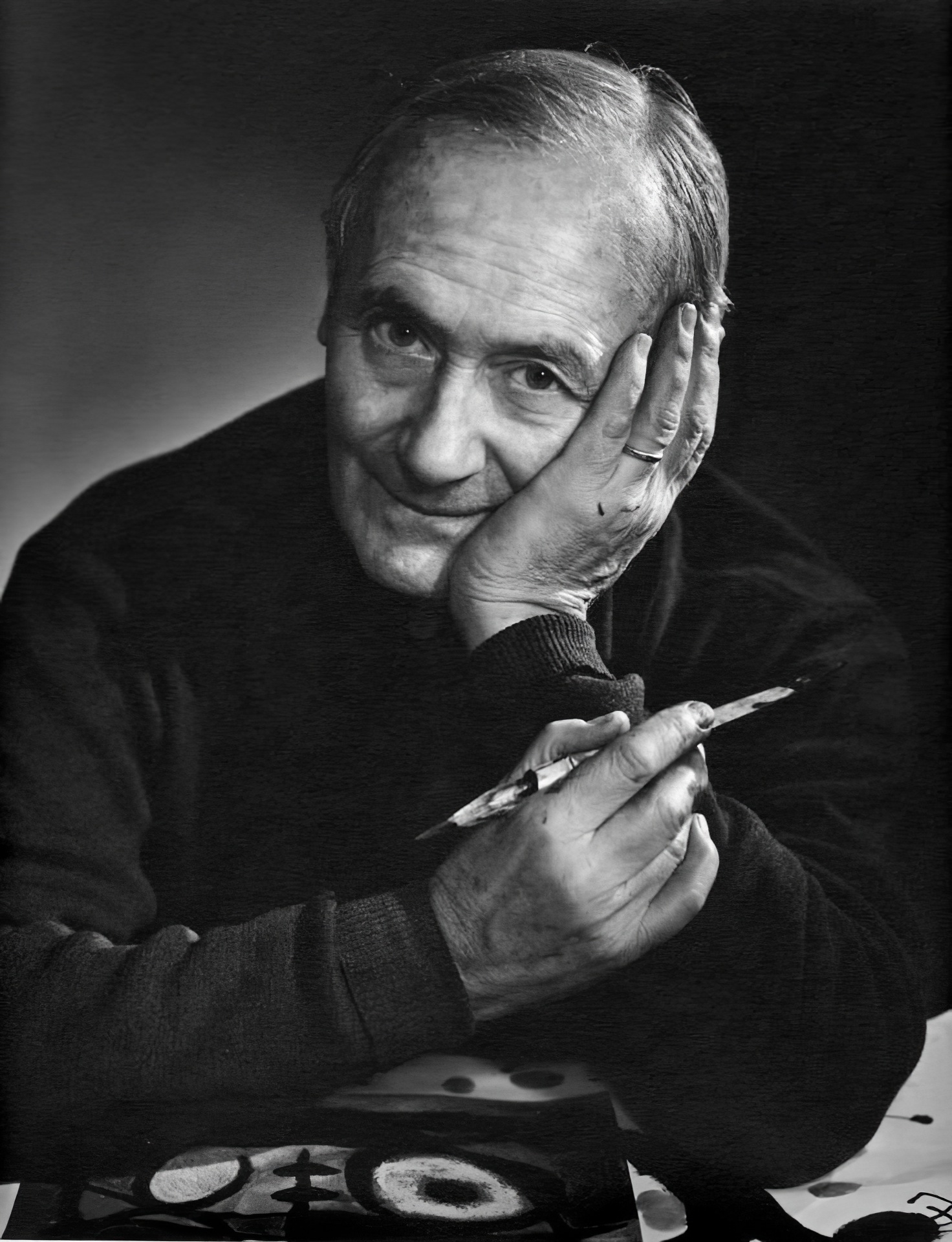
Joan Miró, a celebrated Spanish artist, was a master in painting, sculpture, and ceramics, renowned for his unique style that blurred the lines between Surrealism, Fauvism, and Expressionism. Born in Barcelona to a family of a goldsmith and a watchmaker, Miró grew up immersed in the rich cultural heritage of the Barri Gòtic neighborhood. His artistic journey began with drawing classes at the age of seven and continued at the prestigious La Llotja art academy. Despite an initial venture into the business world, Miró's passion for art prevailed, leading him to abandon his clerical career after a nervous breakdown.
Miró's work is noted for its exploration of the subconscious, often depicting a childlike perspective. This approach was both a critique of traditional painting methods and a means of expressing Catalan pride. His art, challenging to categorize, often featured symbolic elements and nationalistic qualities. One of his notable early works, "The Farm," reflects a transition to a more individual style, blending elements of his Catalan roots with broader artistic influences. This piece, later purchased by Ernest Hemingway, encapsulated the essence of Spain in its imagery.
In Paris, Miró joined the Surrealist movement in 1924, where his work began to reflect the influence of automatism, emphasizing spontaneous, automatic, or subconscious creation. He experimented with various mediums, including painting-poetry and collage, and even ventured into set and costume design for Sergei Diaghilev's Ballets Russes.
During World War II, Miró remained in Spain, and his work from this period, including the 22 Constellations series, reflected an interest in the night, music, and stars. His forms became increasingly abstracted, and he experimented with various techniques, often incorporating primary colors and evocative titles.
Miró's career spanned several decades, during which he continually evolved his style and explored new mediums. His contributions to art were recognized with numerous awards and retrospectives, including a major career retrospective at MoMA in 1941 and the Spanish Gold Medal for Fine Arts in 1980. Among his last major works was a tapestry for the World Trade Center in New York City, created in 1974.
For art collectors and enthusiasts, Joan Miró remains a figure of immense interest, not only for his distinct style and contributions to Surrealism but also for his ability to blend poetic imagery with political commentary. To stay updated on new product sales and auction events related to Joan Miró, sign up for our updates and immerse yourself in the world of this extraordinary artist.
![[JAMEREY-DUVAL, Valentin (1695-1775)]](/assets/image/picture_3601288/c9ed7/6ak2pqglevwp8wxtn4u-kah8xjwxn5vndu0rsre1bqcujfsjngx3hg-6gclctiol1700204115jpg__fix_374_244.jpeg)
![[JAMEREY-DUVAL, Valentin (1695-1775)]](https://veryimportantlot.com/assets/image/picture_3601288/c9ed7/6ak2pqglevwp8wxtn4u-kah8xjwxn5vndu0rsre1bqcujfsjngx3hg-6gclctiol1700204115jpg__fix_374_244.jpeg)

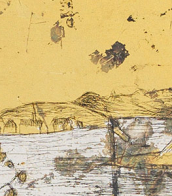
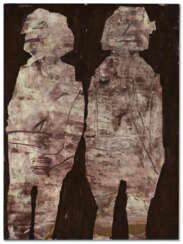

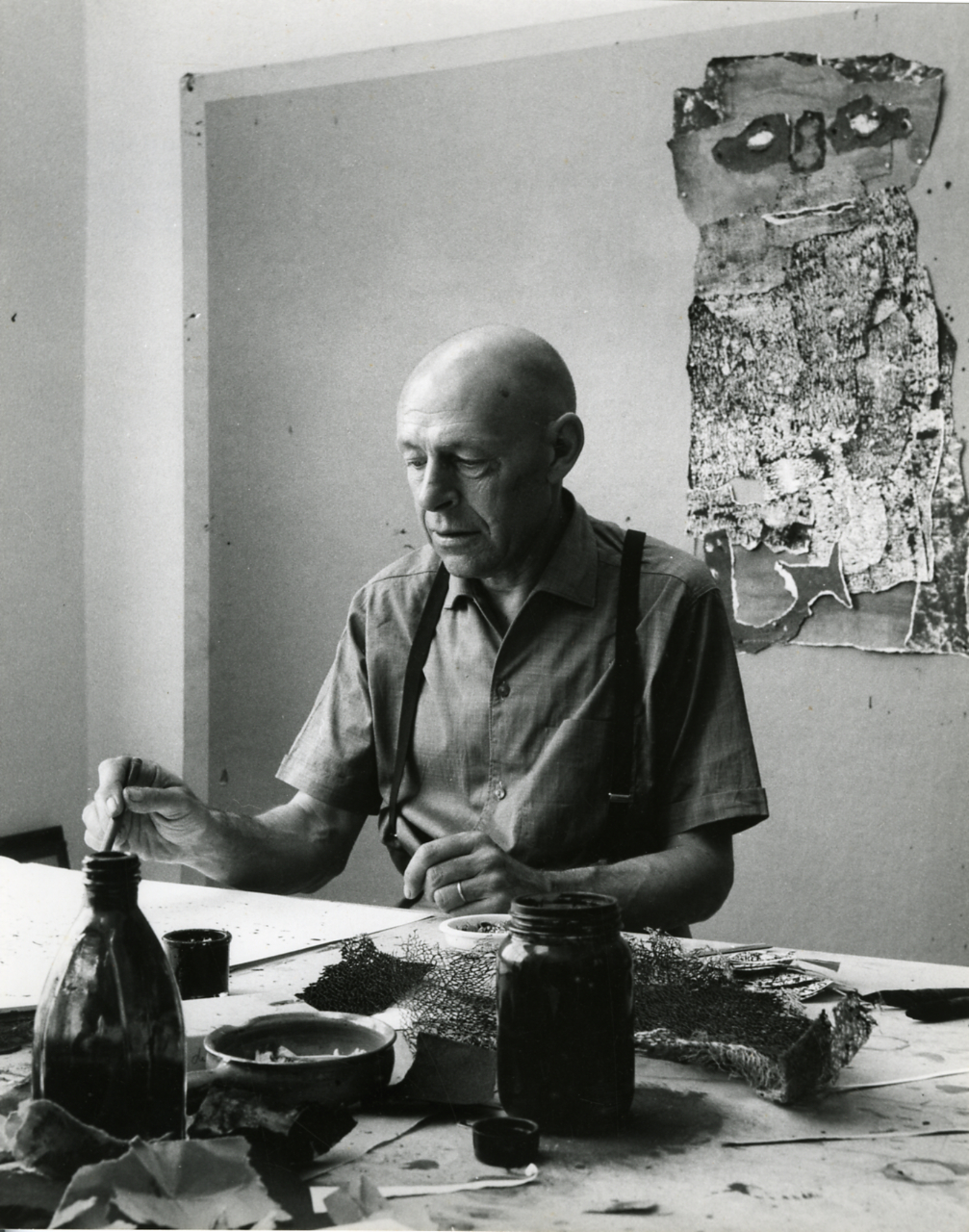
Jean Philippe Arthur Dubuffet, a pioneering French painter and sculptor, revolutionized the post-war art scene with his radical Matterism movement. He defied the conventional aesthetics of his time, championing "low art" and propelling a more genuine, humanistic image-making approach.
Dubuffet, born in Le Havre, France, in 1901, was a prominent figure at the Ecole de Paris and an advocate for Art Brut, or "raw art", which sought to capture art's purest form. His works were characterized by a rough, unrefined aesthetic, which eschewed academic norms in favor of spontaneity and authenticity.
Art enthusiasts and experts can view Dubuffet's innovative works at institutions like the Museum of Modern Art, where his legacy as a groundbreaking artist continues to be celebrated. His Matterism philosophy has left an indelible mark on the art world, inspiring generations of artists to embrace the beauty in the unconventional.
For those interested in the avant-garde and the legacy of Jean Philippe Arthur Dubuffet, sign up for our exclusive updates. This service is designed for connoisseurs and professionals in the art and antique sector, promising alerts on new insights and events strictly related to Dubuffet's profound influence.
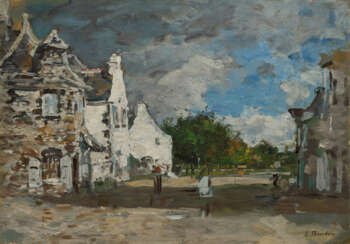

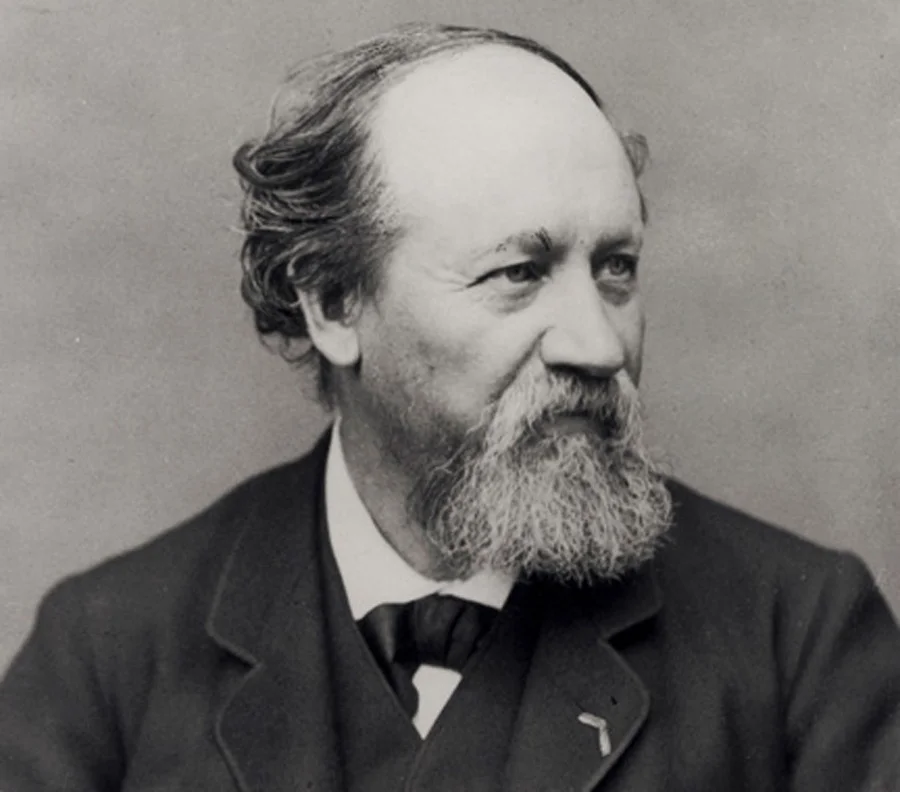
Eugène Louis Boudin was one of the first French landscape painters to paint outdoors. Boudin was a marine painter, and expert in the rendering of all that goes upon the sea and along its shores. His pastels, summary and economic, garnered the splendid eulogy of Baudelaire; and Corot called him the «King of the skies».


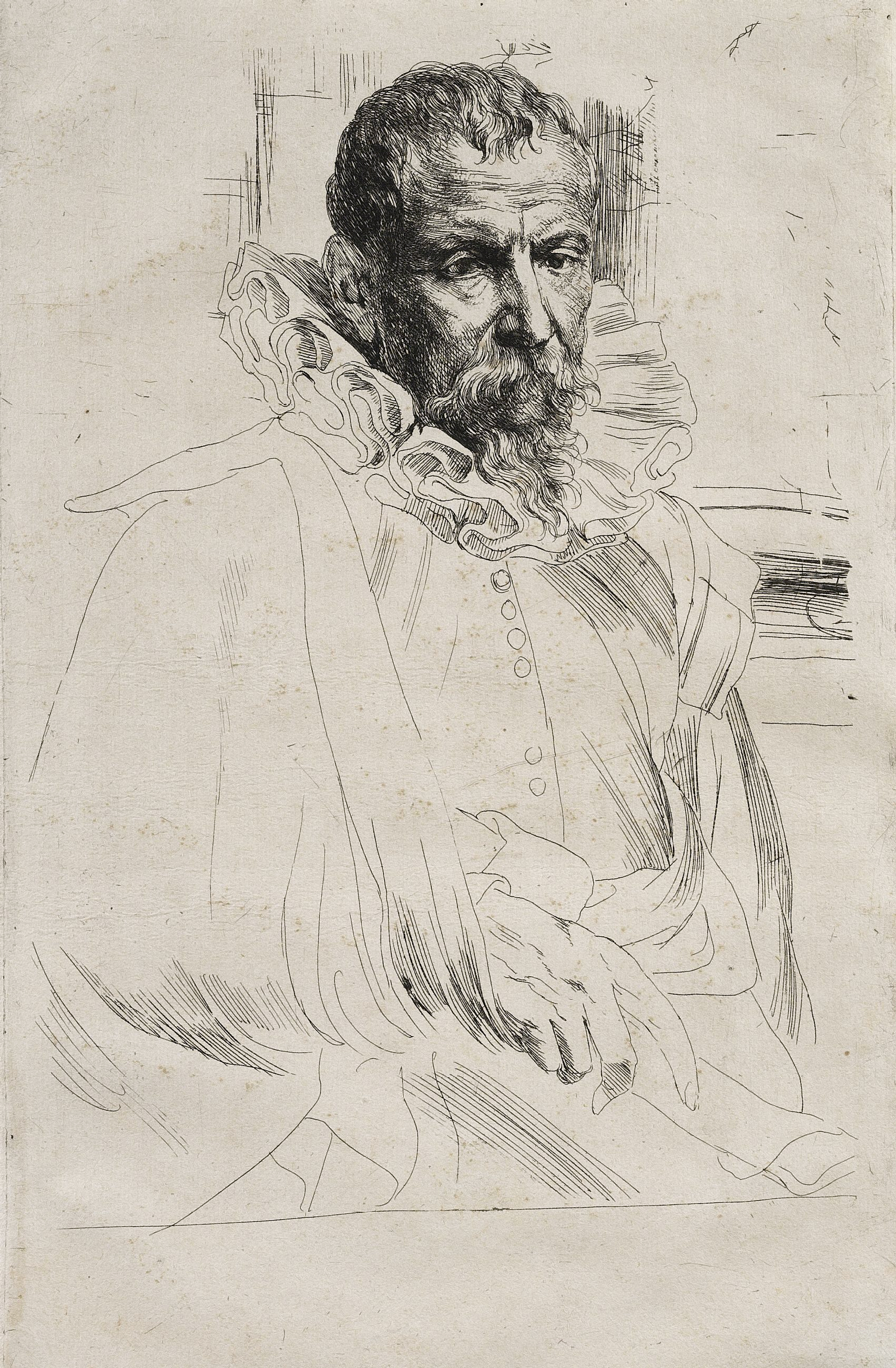
Pieter Brueghel the Younger was a Flemish artist celebrated for his detailed landscapes, religious themes, proverbs, and vibrant village scenes. Despite being the son of the illustrious Pieter Bruegel the Elder, Brueghel the Younger carved out his own niche in the art world, earning the moniker 'Hell Brueghel' for his dynamic scenes of fires and energetic copies of his father's peasant life portrayals.
Brueghel the Younger's original creations, such as "The Village Lawyer," showcase his keen observation of village life, merging the energy and boldness of 17th-century style with his father's idiom. His work is characterized by its lively, picturesque depiction of peasants, albeit some critics argue they lack the subtlety and humanism of his father's creations. Despite this, Brueghel the Younger's legacy includes a significant number of original works and copies that were rediscovered in the 20th century, highlighting his contribution to the Flemish painting tradition.
His workshop was known for its prolific output, especially in producing copies of Bruegel the Elder's compositions, a testament to the enduring popularity and influence of the Bruegel family's artistic legacy. However, Brueghel the Younger also impressed with his unique compositions, contributing to the genre of still life and village scenes with a distinct style that resonated well into modern times.
For collectors and experts in art and antiques, Pieter Brueghel the Younger's works represent an important period in Flemish art, offering insights into the evolution of genre painting and the detailed portrayal of rural life. His paintings, held in esteemed collections worldwide, continue to be studied and admired for their vibrancy, narrative quality, and historical value.
To explore more about Pieter Brueghel the Younger and to stay updated on sales and auction events related to his work, signing up for specialized updates can offer exclusive insights into the world of this influential Flemish painter. This subscription ensures enthusiasts and collectors are well-informed about developments related to Brueghel the Younger's oeuvre, enhancing their appreciation and understanding of his artistic legacy.