walter &
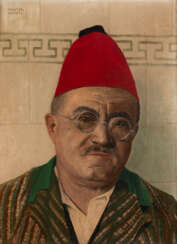

Sigmund Walter Hampel, born in Vienna in 1867 and passed away in 1949 at Nußdorf am Attersee, was an esteemed Austrian painter and draughtsman. The son of a glass painter, Hampel honed his artistic skills and knowledge of design, material, and technique in his father's workshop. His formal education at the Vienna Academy of Art under notable figures like August Eisenmenger and Heinrich von Angeli further refined his abilities, especially in delicate coloring and technical proficiency.
A significant period of Hampel's career was his membership in the Hagenbund, a Vienna-based artists' association, from 1900 to 1911. This association was known for its avant-garde approach and played a critical role in shaping modern art in Austria. Hampel's works are recognized for their diverse range of subjects and styles, including figurative works, still life, and portraiture.
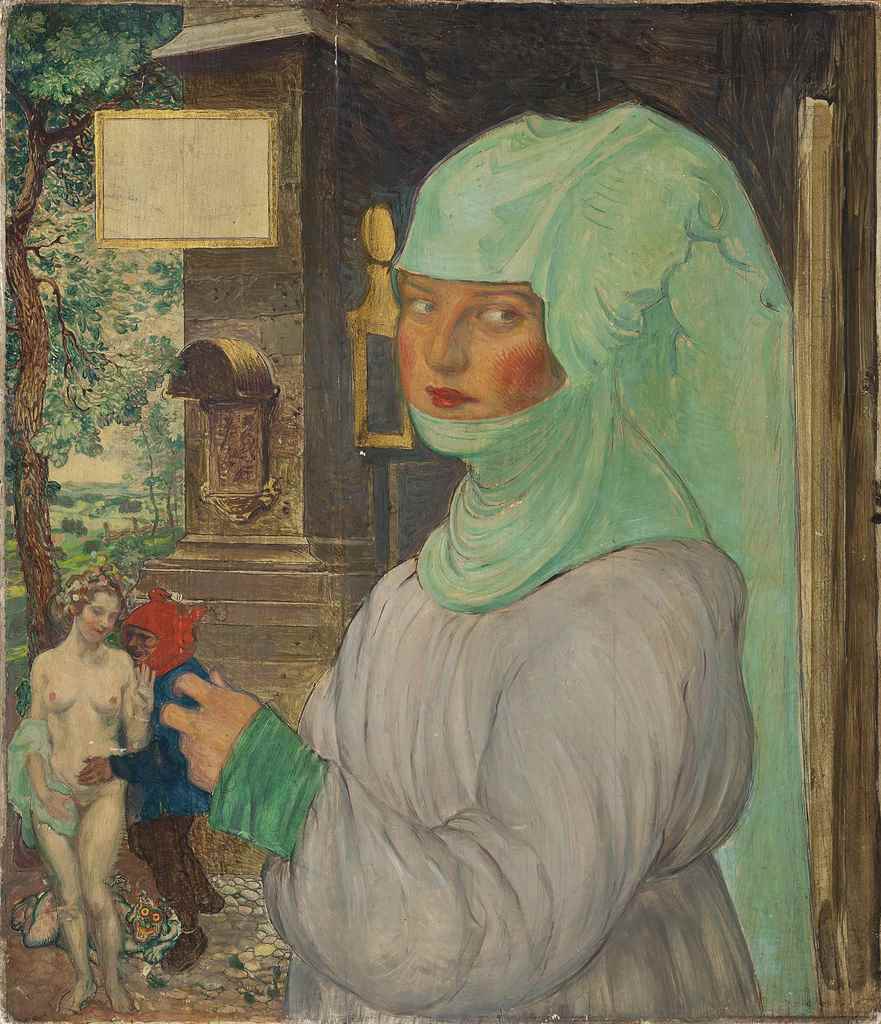
Some of Hampel's notable works include "Interieur" (1903), "Zimmer In Einem Alten Forsthaus" (1905), "Spanische Tänzerin (Porträt der Mlle E.)" (1904), "Blumenstillleben" (1910), and "Der Zwerg und das Weib" (1902-1903). These artworks exemplify his versatile approach to art, capturing a range of emotions and narratives through his distinct artistic style.
Hampel's contributions to the art world, particularly in Austria, are significant. His works continue to be appreciated by art enthusiasts, collectors, and experts in art and antiques for their aesthetic value and historical significance.
To stay updated on the latest information, sales, and auction events related to Sigmund Walter Hampel, sign up for our newsletter. This subscription will provide regular updates exclusively about new opportunities related to Hampel's works, ensuring you don't miss out on any significant developments in this area.





















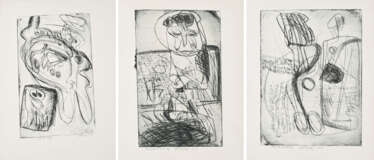

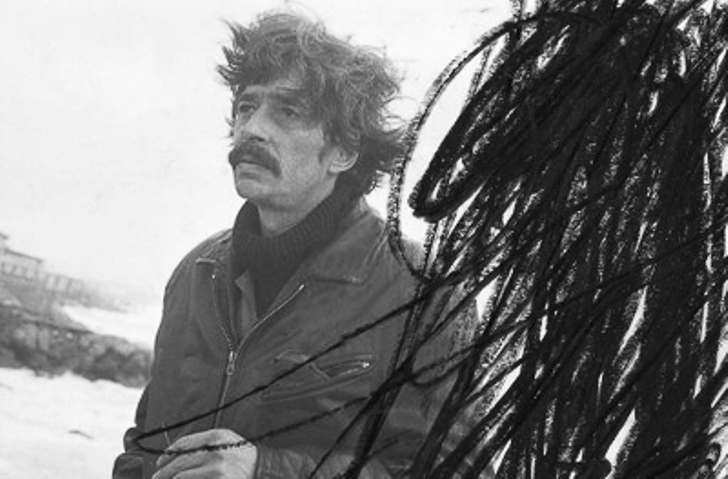
Walter Stöhrer is a German painter and graphic artist, a representative of gesture-figure painting.
He studied painting at the Academy of Arts in Karlsruhe and was a member of the Academy of Arts in Berlin.
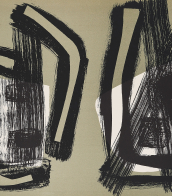
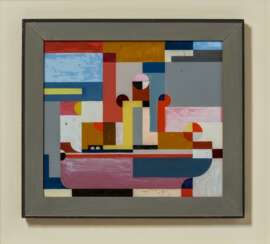

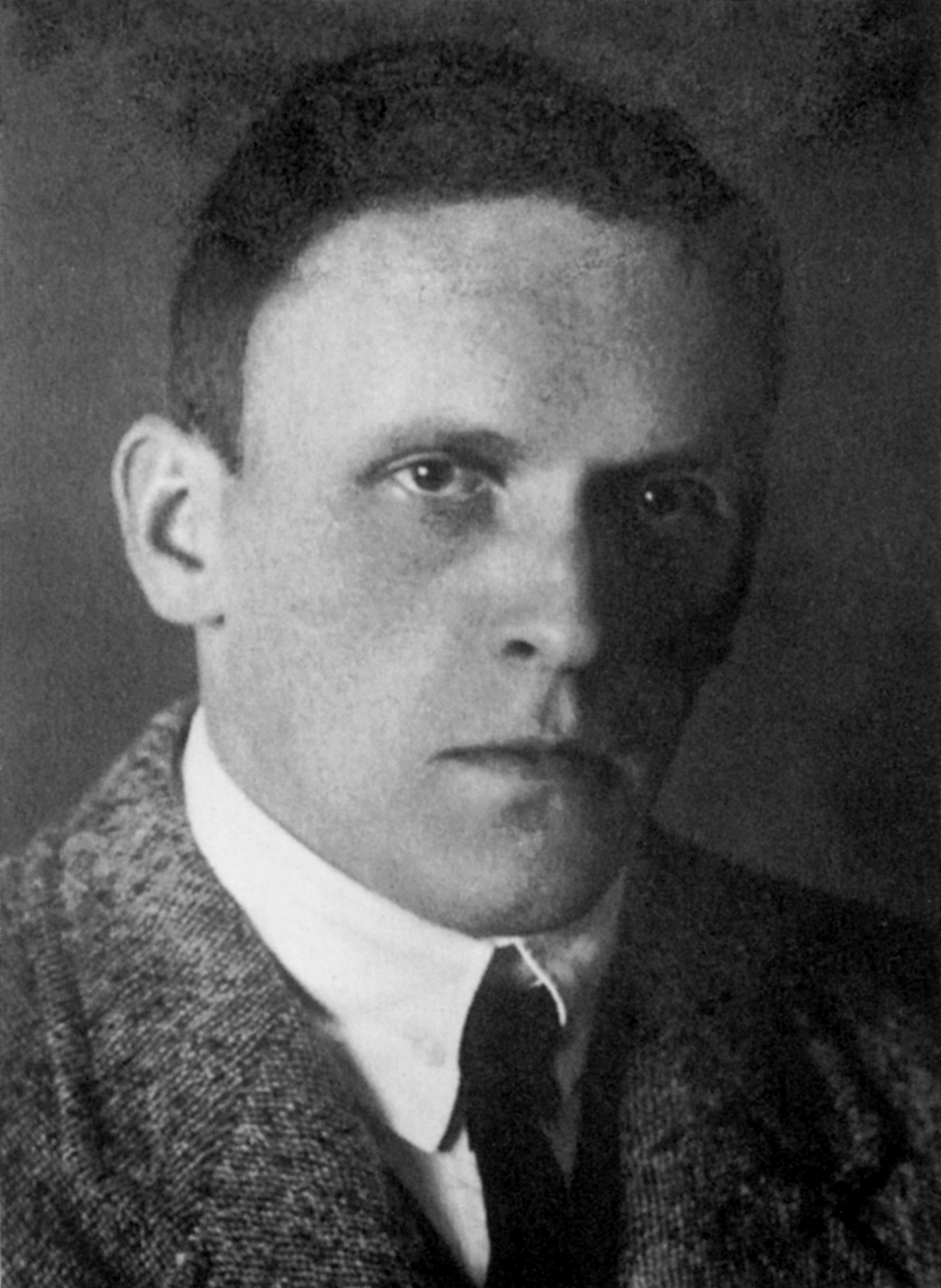
Walter Dexel was a German painter, commercial graphic designer, and transportation planner. He also functioned as an art historian and directed a museum in Braunschweig during the Second World War.
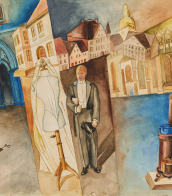
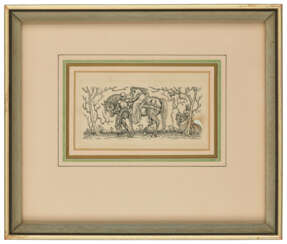

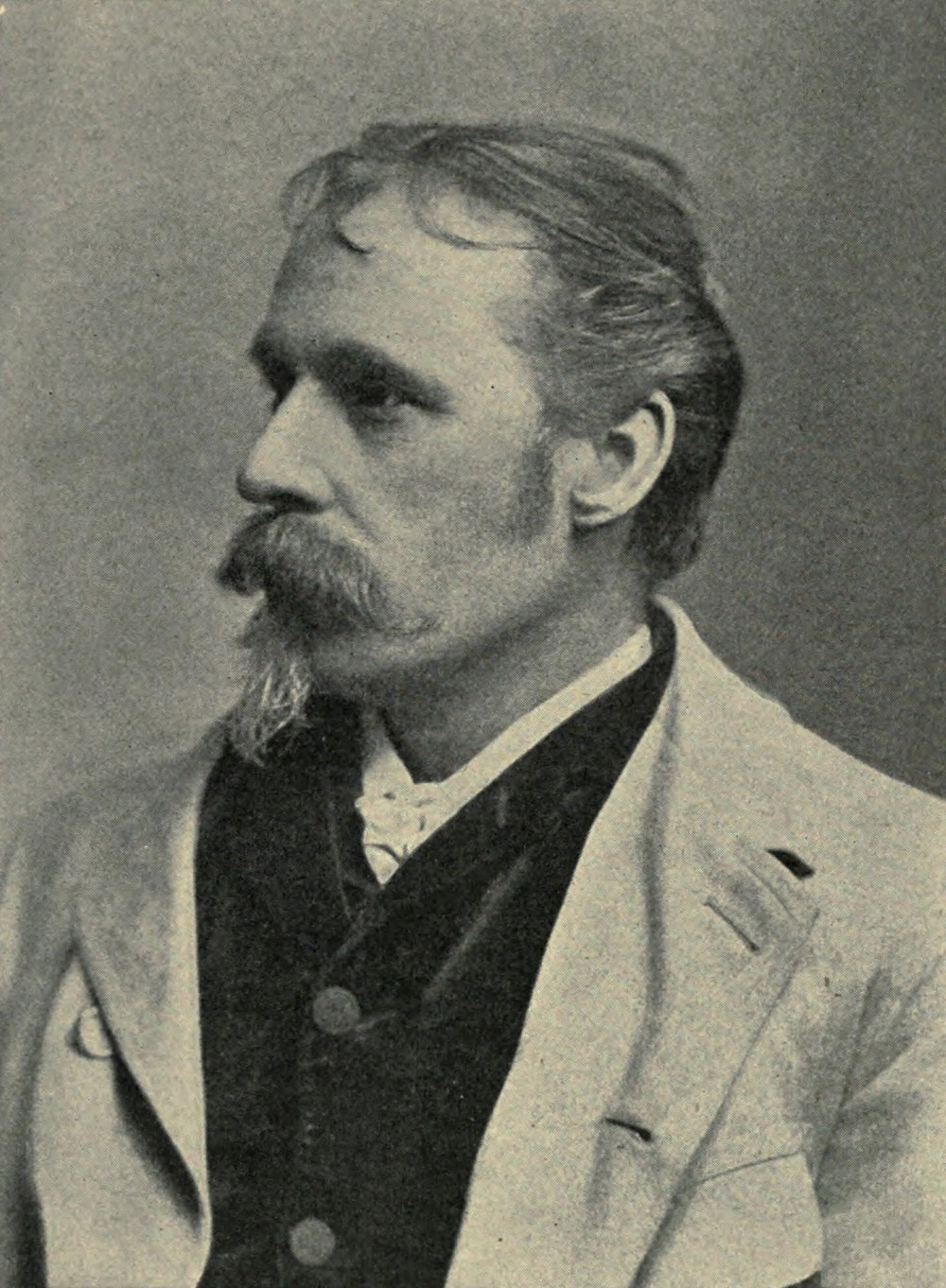
Walter Crane was an English artist and book illustrator. He is considered to be the most influential, and among the most prolific, children's book creators of his generation and, along with Randolph Caldecott and Kate Greenaway, one of the strongest contributors to the child's nursery motif that the genre of English children's illustrated literature would exhibit in its developmental stages in the later 19th century.
Crane's work featured some of the more colourful and detailed beginnings of the child-in-the-garden motifs that would characterize many nursery rhymes and children's stories for decades to come. He was part of the Arts and Crafts movement and produced an array of paintings, illustrations, children's books, ceramic tiles, wallpapers and other decorative arts. Crane is also remembered for his creation of a number of iconic images associated with the international Socialist movement.


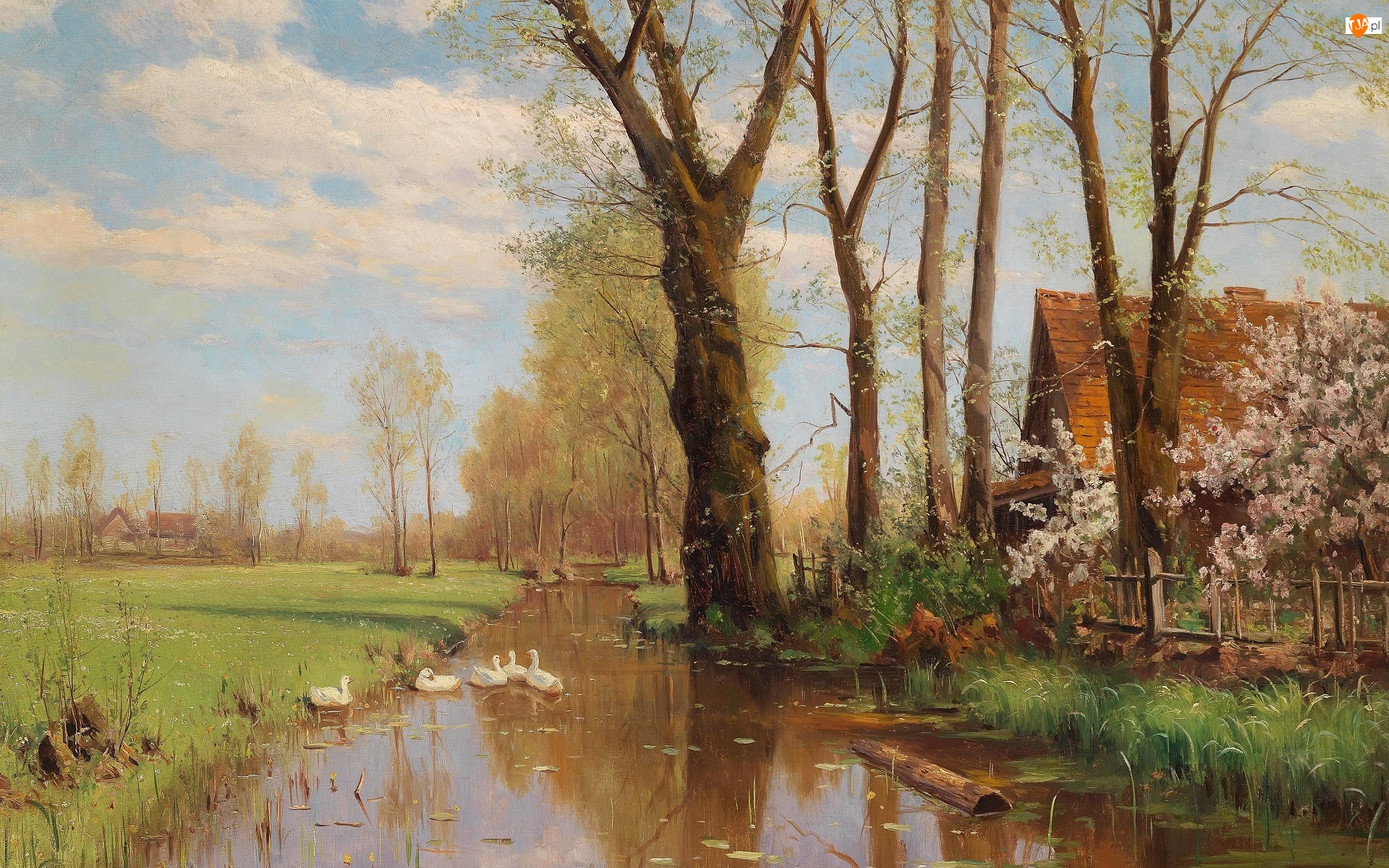
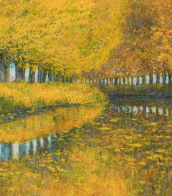
Walter Moras was a German landscape painter.
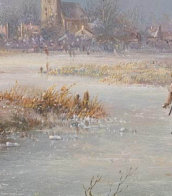
His favorite subject was provincial Germany: roads among the trees, rivers and streams, villages and mills. Moras is deservedly considered a master of winter landscapes. He was a realist painter, but he did not avoid some influence of impressionism in his works.
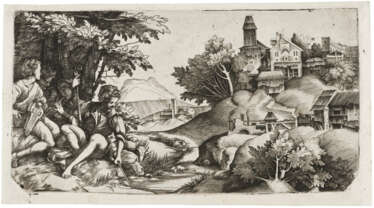

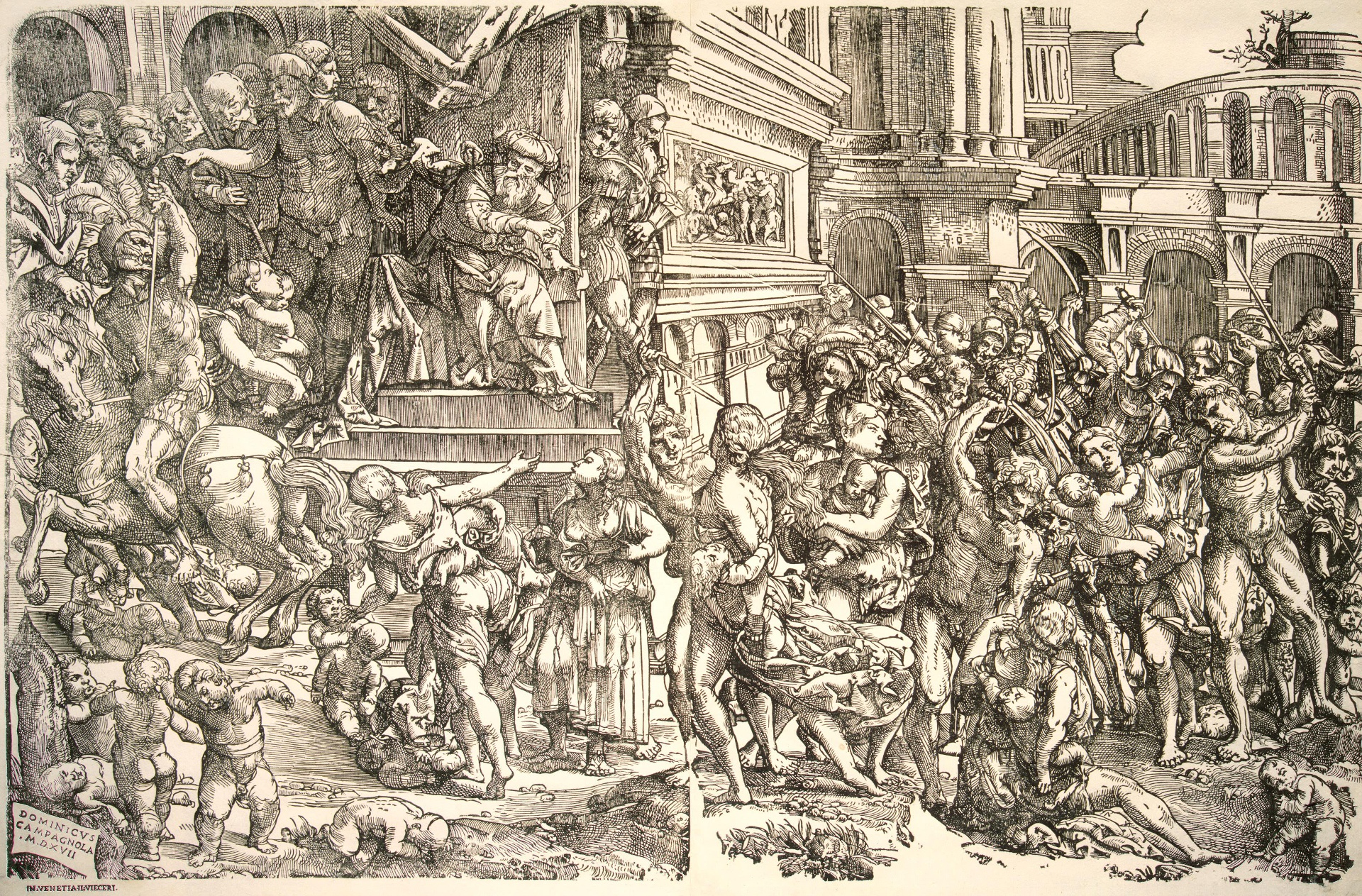
Domenico Campagnola was an Italian painter and printmaker in engraving and woodcut of the Venetian Renaissance, but whose most influential works were his drawings of landscapes.
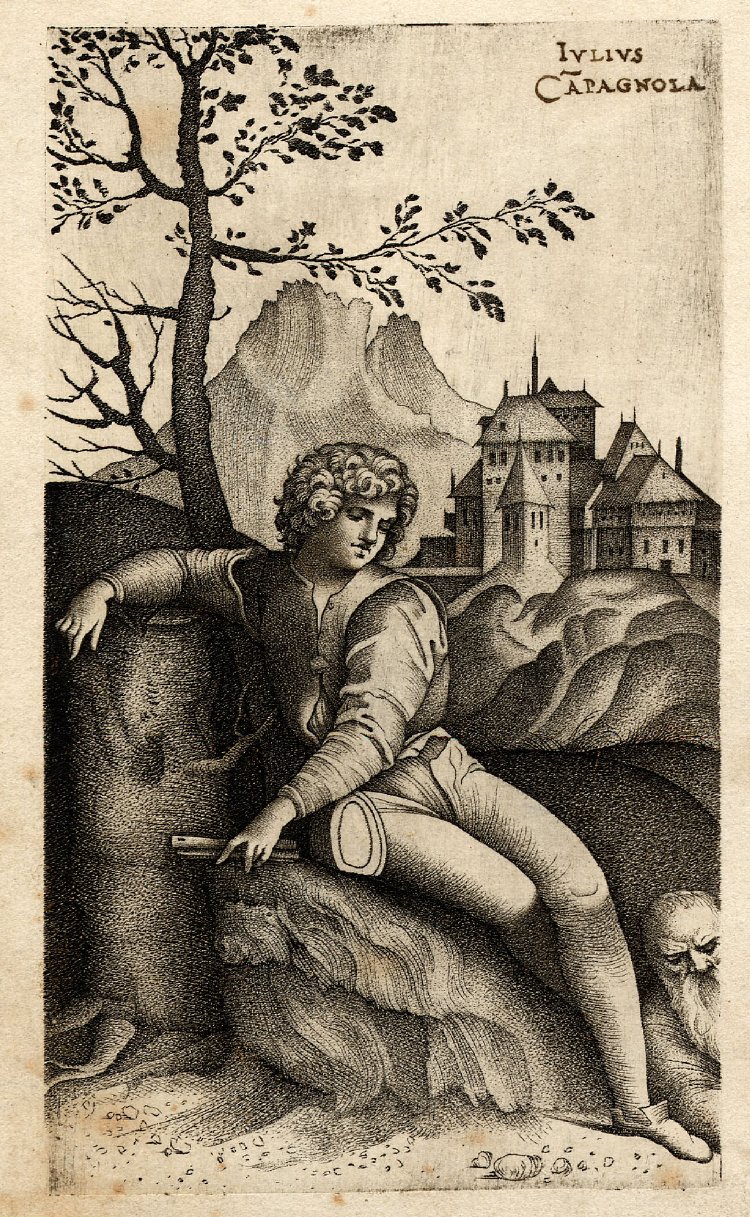
Giulio Campagnola was an Italian engraver, painter and miniaturist. Inventor of the original punctuation technique, which influenced the further development of European letterpress and etching.
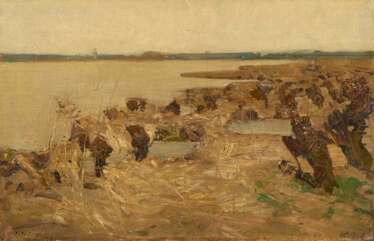

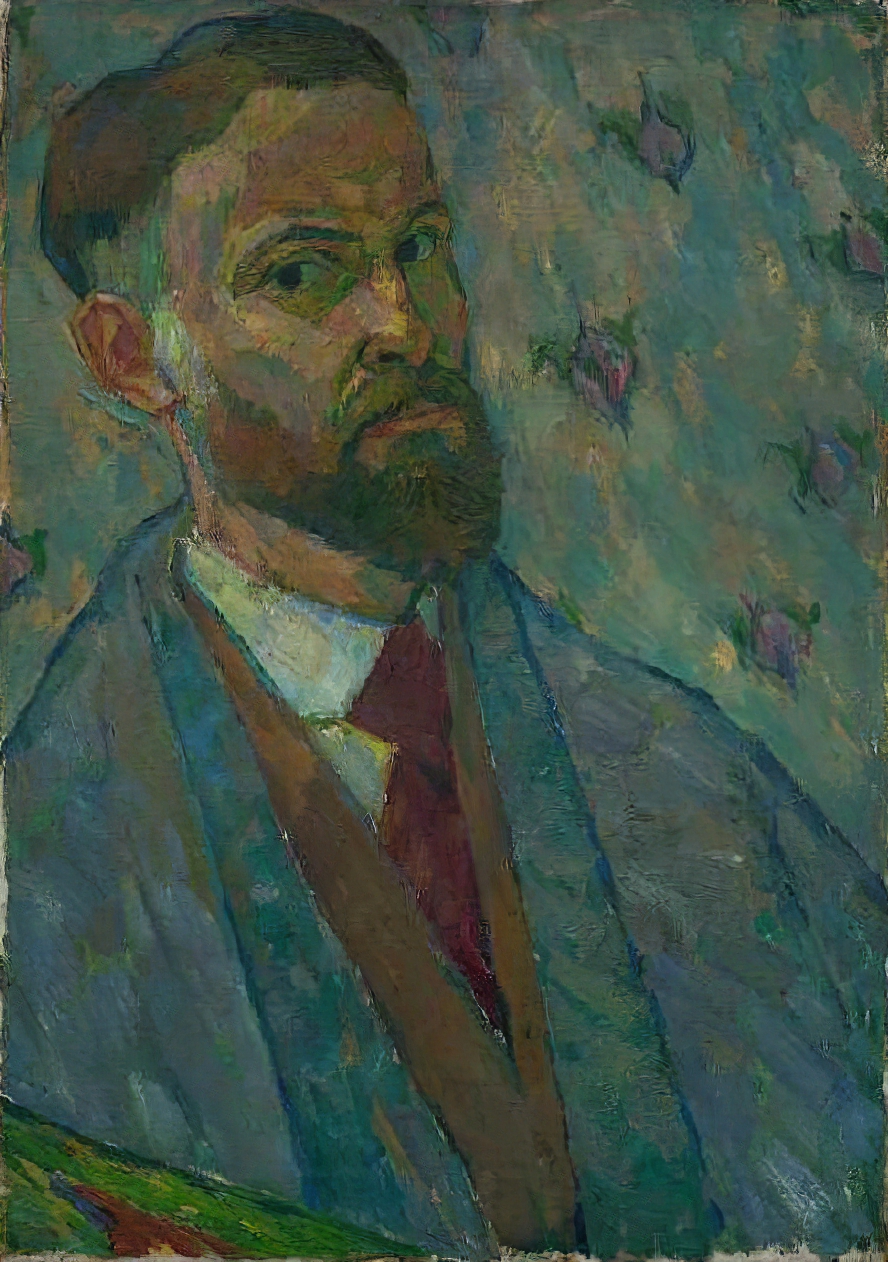
Walter Ophey was a German artist. He was known for his modernist paintings, which often depicted landscapes and still-life scenes.
Ophey studied at the Academy of Fine Arts in Düsseldorf. His early work was influenced by Impressionism, but he later became associated with the Expressionist movement.
In 1909 Ophey, together with some other Düsseldorf artists, formed the artistic group the Special Union (Sonderbund). The first chairman of the Special Union was the well-known German philanthropist and collector Carl Ernst Osthaus. In the following years this group became one of the most powerful avant-garde art movements in Germany.
Ophey's paintings are characterized by their bright colors and bold, simplified forms. He often depicted rural landscapes and still-life scenes, infusing them with a sense of emotional intensity. He was also known for his use of color, which he used to convey mood and atmosphere.
Ophey's work was exhibited extensively during his lifetime, including at the Berlin Secession and the Salon d'Automne in Paris. Despite his relatively short career, he was recognized as an important figure in the development of modernist painting in Germany.
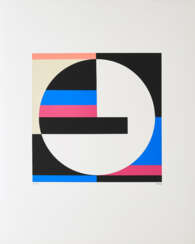

Walter Dexel was a German painter, commercial graphic designer, and transportation planner. He also functioned as an art historian and directed a museum in Braunschweig during the Second World War.



Walter Dexel was a German painter, commercial graphic designer, and transportation planner. He also functioned as an art historian and directed a museum in Braunschweig during the Second World War.
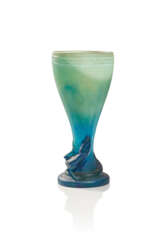

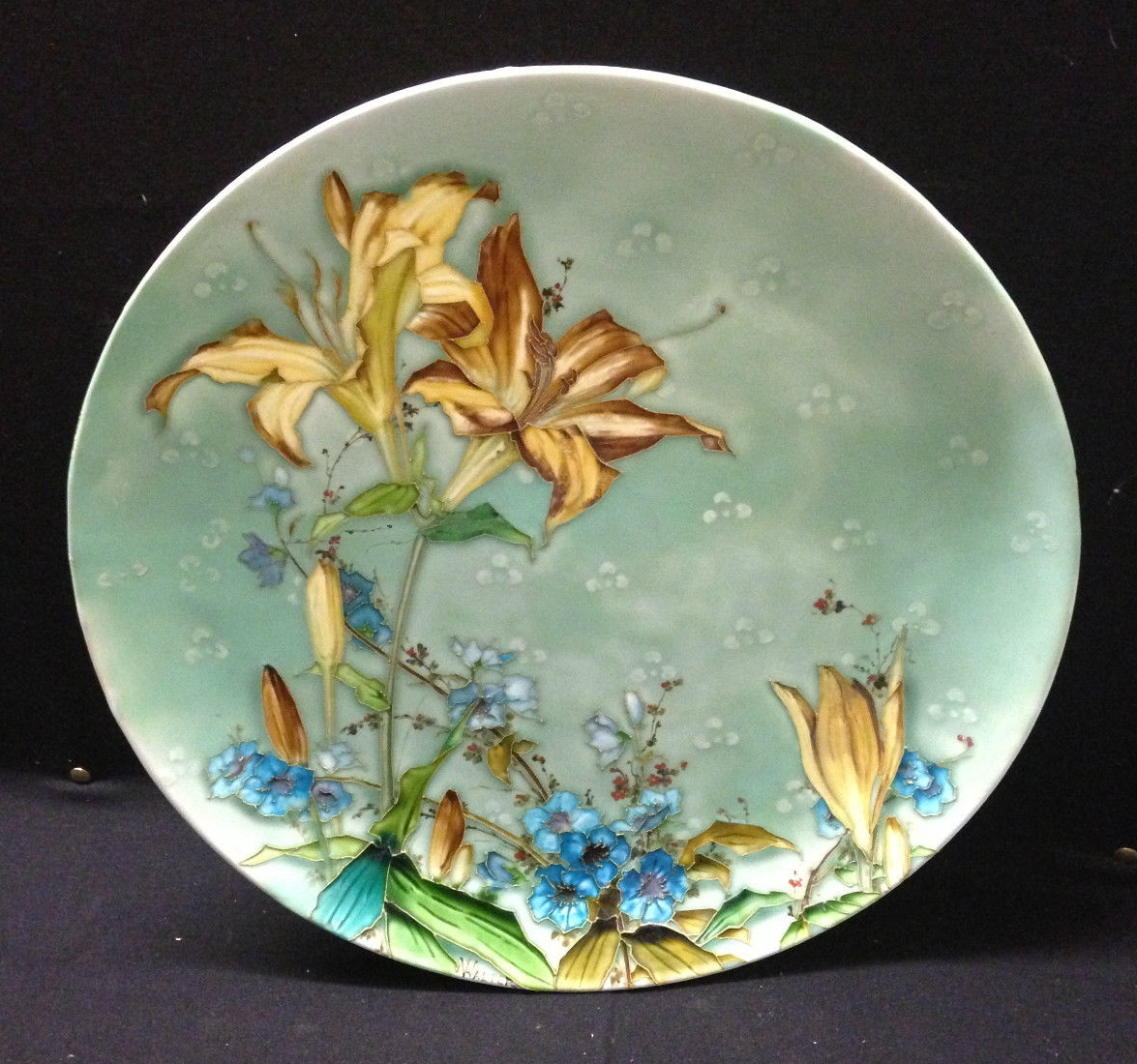
Victor Amalric Walter was a French glass maker mainly known for his pâte de verre (a glass casting method that translates as glass paste) pieces.

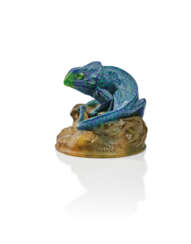

Victor Amalric Walter was a French glass maker mainly known for his pâte de verre (a glass casting method that translates as glass paste) pieces.
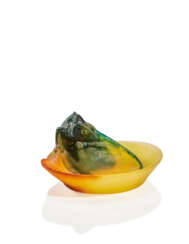

Victor Amalric Walter was a French glass maker mainly known for his pâte de verre (a glass casting method that translates as glass paste) pieces.

Victor Amalric Walter was a French glass maker mainly known for his pâte de verre (a glass casting method that translates as glass paste) pieces.
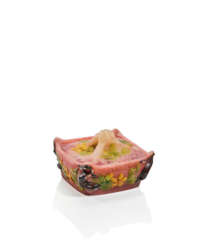

Victor Amalric Walter was a French glass maker mainly known for his pâte de verre (a glass casting method that translates as glass paste) pieces.
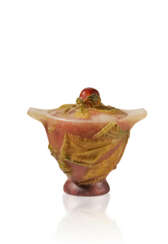

Victor Amalric Walter was a French glass maker mainly known for his pâte de verre (a glass casting method that translates as glass paste) pieces.
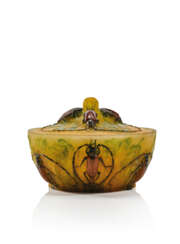

Victor Amalric Walter was a French glass maker mainly known for his pâte de verre (a glass casting method that translates as glass paste) pieces.
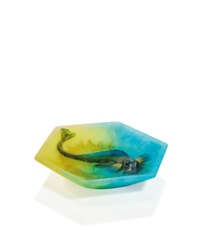

Victor Amalric Walter was a French glass maker mainly known for his pâte de verre (a glass casting method that translates as glass paste) pieces.
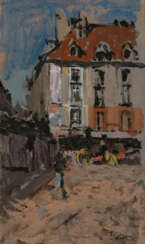

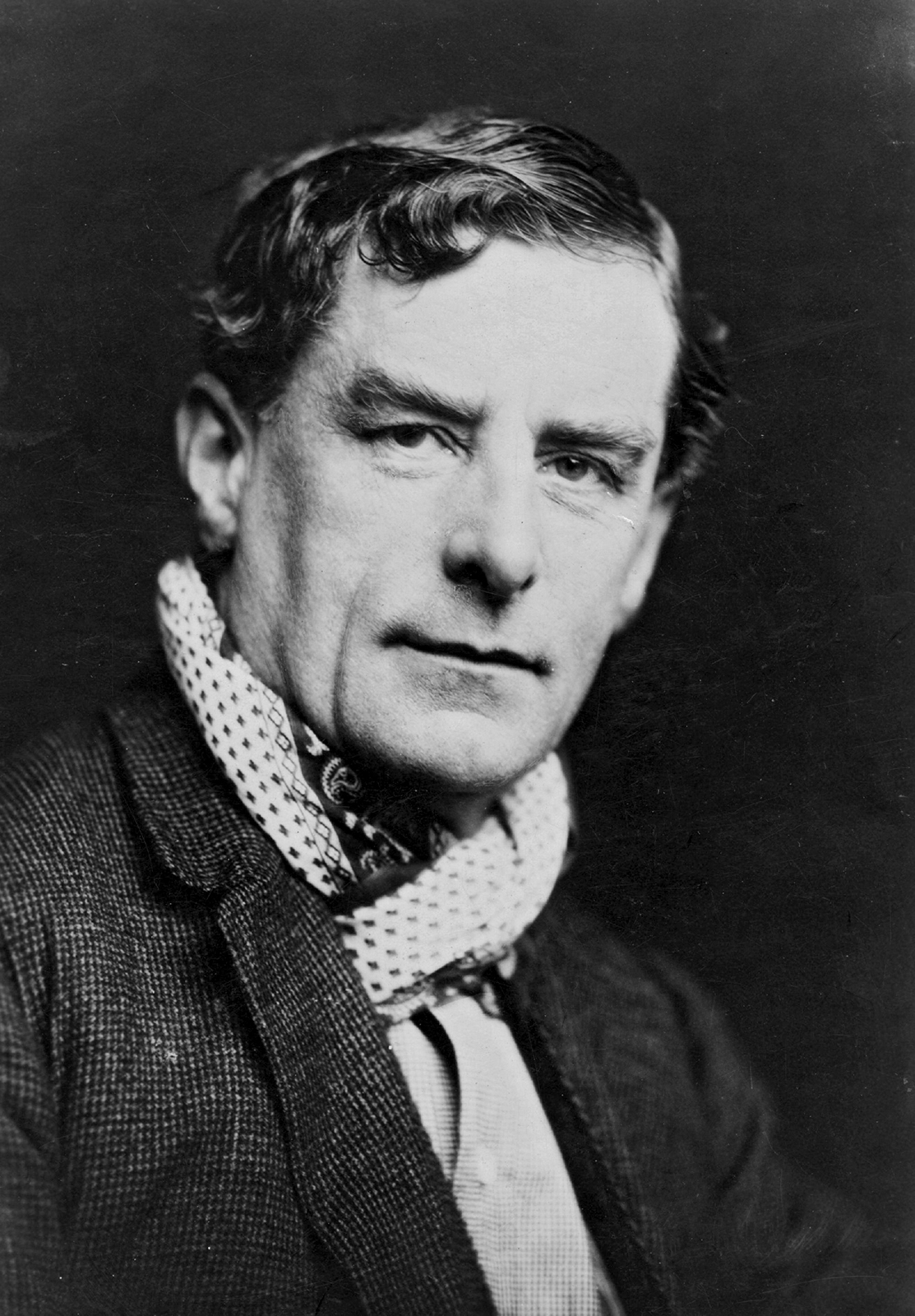
Walter Richard Sickert was a German-born British painter and printmaker who was a member of the Camden Town Group of Post-Impressionist artists in early 20th-century London. He was an important influence on distinctively British styles of avant-garde art in the mid- and late 20th century.

Walter Richard Sickert was a German-born British painter and printmaker who was a member of the Camden Town Group of Post-Impressionist artists in early 20th-century London. He was an important influence on distinctively British styles of avant-garde art in the mid- and late 20th century.