

werner &
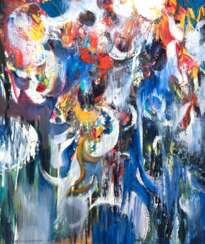

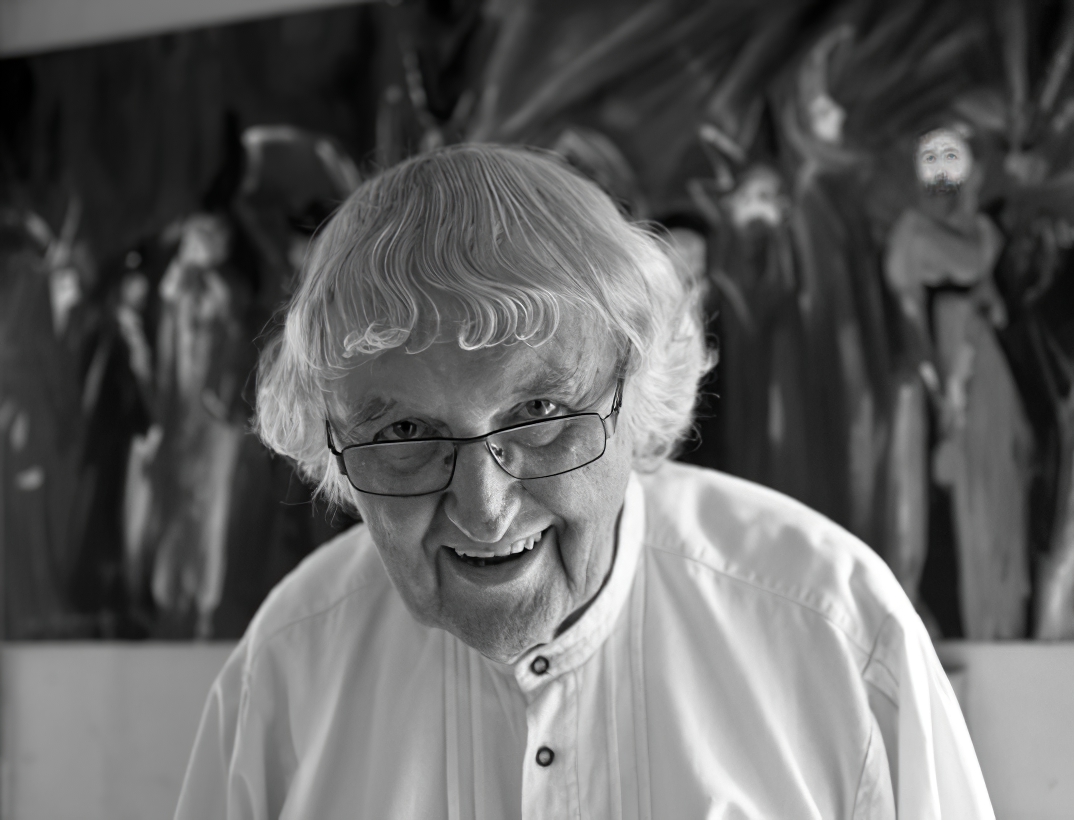
Heinz Werner was a German painter, graphic artist and porcelain artist. He lived and worked in Coswig and Meissen in Saxony.
Together with Ludwig Zepner and Peter Strang, he founded the Collective Artistic Development Department of the Meissen Manufactory.
Heinz Werner designed around 100 modern Meissen décors, including such popular ones as 1001 Nights, Midsummer Night's Dream, Blue Orchid on Branch and Hunter's Latin. Heinz Werner also created numerous unique pieces for the Meissen manufactory. There are several murals made of Meissen porcelain by the artist on and in public buildings. He mastered all artistic techniques. In addition to working with porcelain as a material, he especially cultivated watercolour, chalk and painting with oil and acrylic paints.
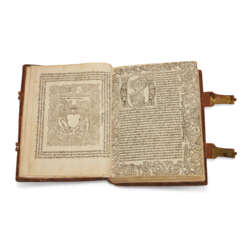

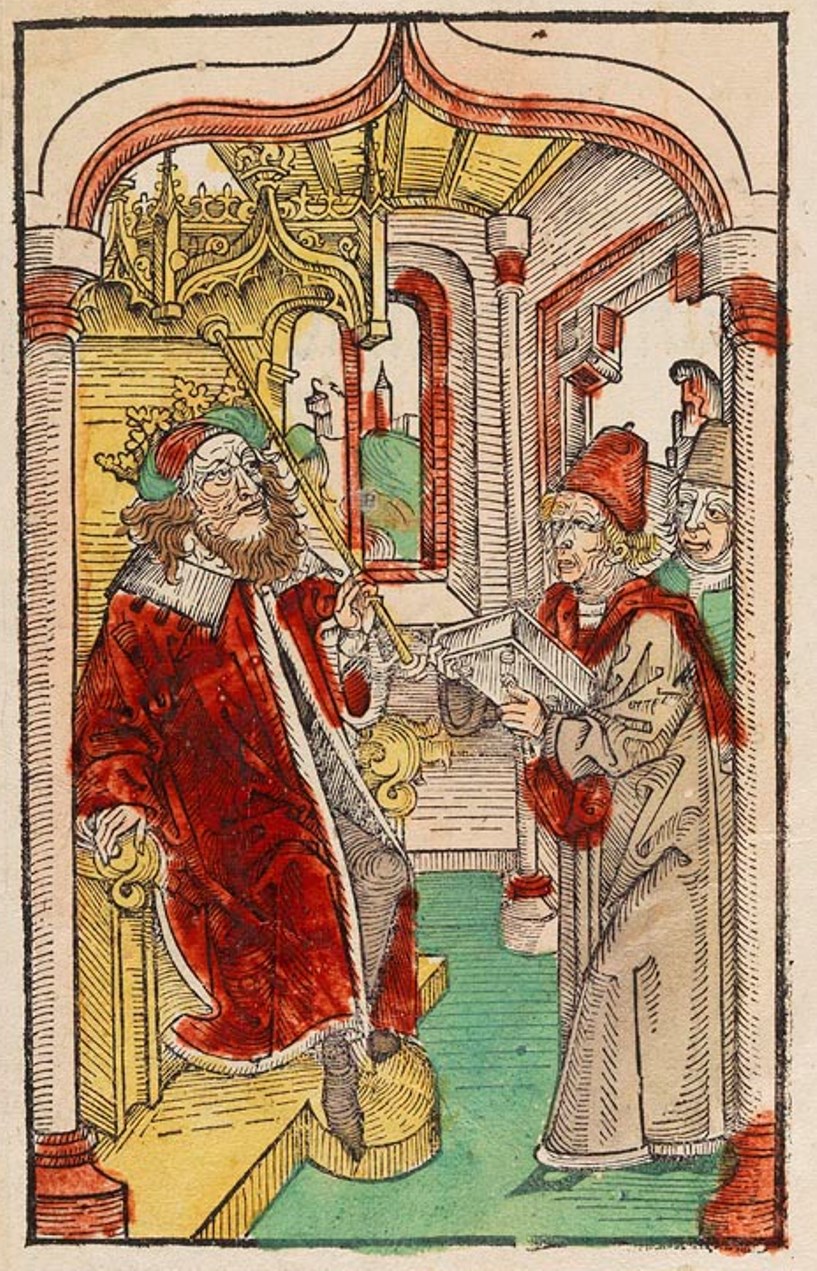
Werner Rolewinck (Latin: Wernerus Rolewinkius) was a German chronicler, historian, and theologian.
Werner Rolewinck was a Cartesian monk. His best known and most important work is Fasciculus temporum, a history from the creation of the world to Pope Sixtus IV. Already during his lifetime this work was republished many times in Latin, French, Dutch, and German. Drawing on major Christian historiographical sources such as Orosius and Eusebius, Fasciculus presents the history of the world in the form of a genealogy, a traditional historiographical structure dating back to late antiquity.
Another famous work by Rolewink is a description of the manners and customs of his homeland entitled De laude veteris Saxsoniæ nunc Westphaliæ dictæ.
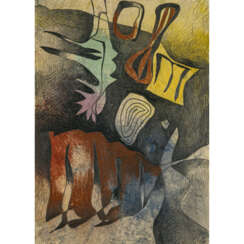

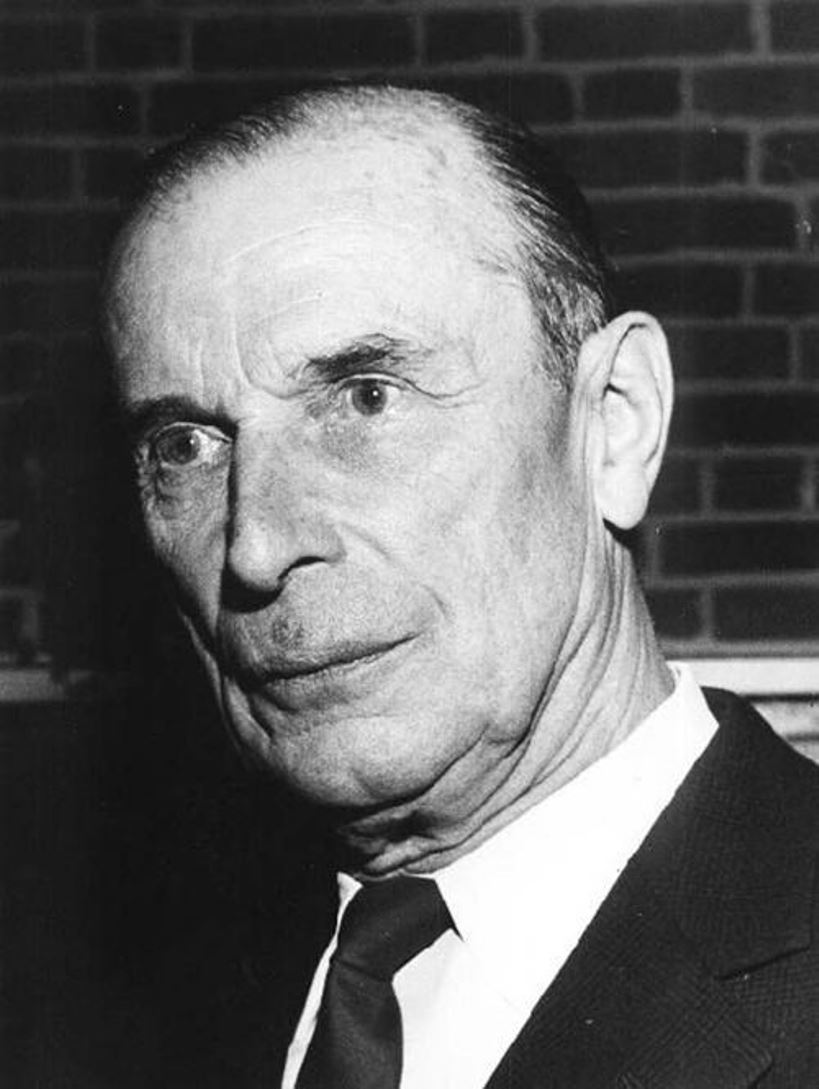
Theodor Werner was a German painter.

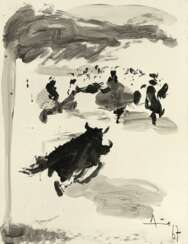

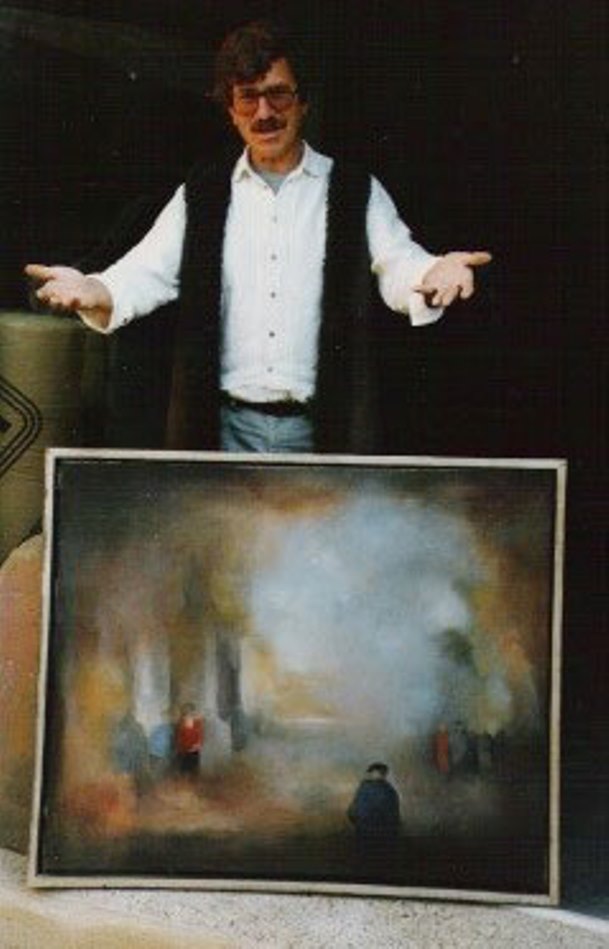
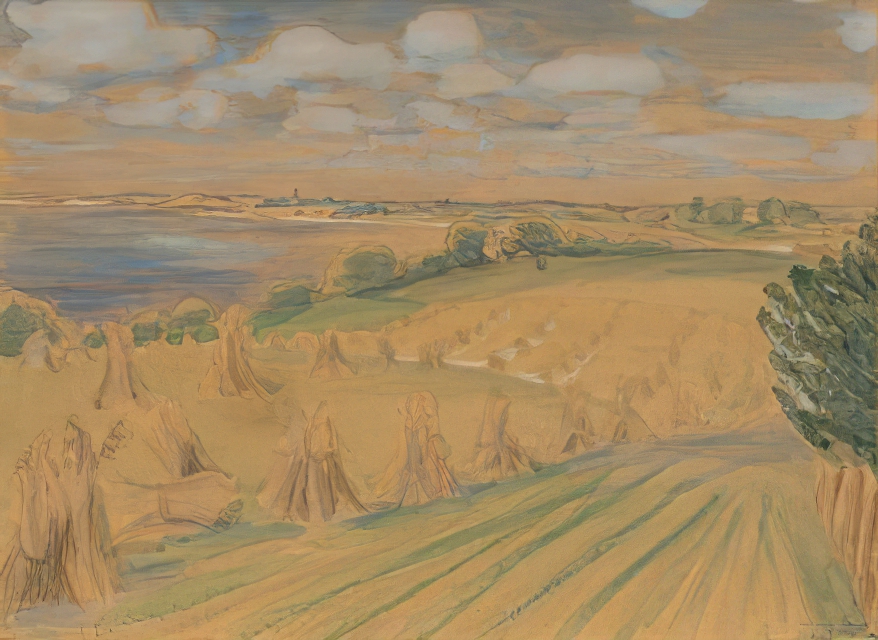
Werner Lichtner-Aix was a German painter, graphic artist, sculptor, and graphic designer.
Inspired by the idea of community and the close connection between man and nature, the artist painted exhilarating landscape paintings using a variety of techniques. He created many works of art, including oil, watercolor and gouache paintings, collages and sculptures.
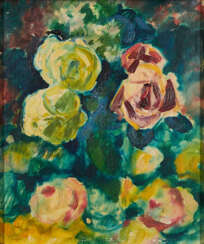

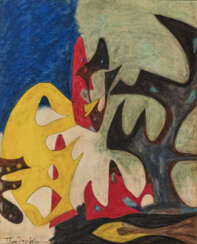



Werner Lange was a German avant-garde and modernist artist.

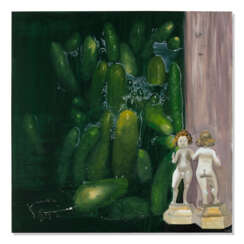

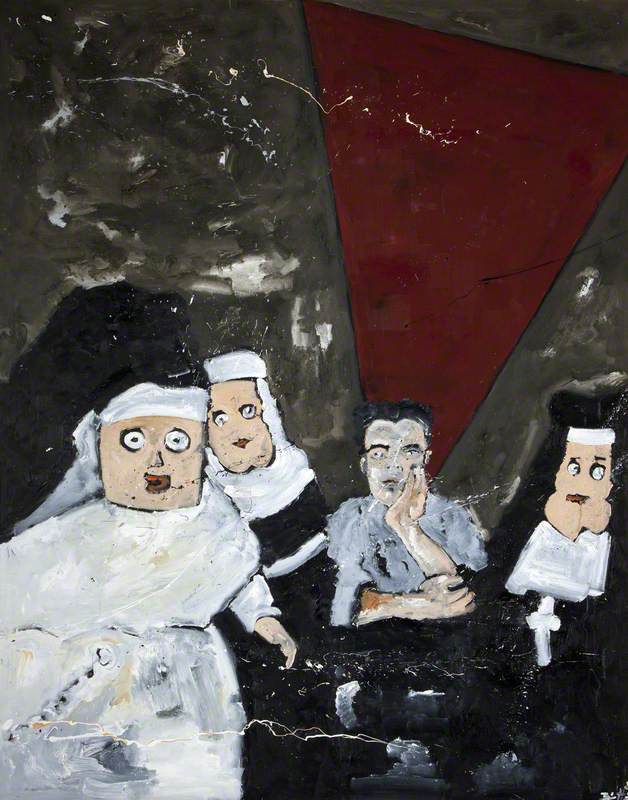
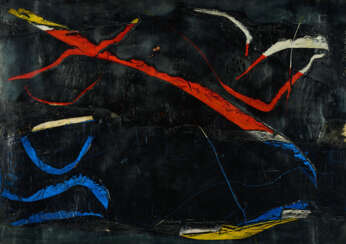

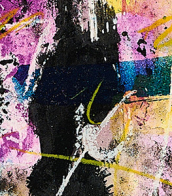


Heinz Werner was a German painter, graphic artist and porcelain artist. He lived and worked in Coswig and Meissen in Saxony.
Together with Ludwig Zepner and Peter Strang, he founded the Collective Artistic Development Department of the Meissen Manufactory.
Heinz Werner designed around 100 modern Meissen décors, including such popular ones as 1001 Nights, Midsummer Night's Dream, Blue Orchid on Branch and Hunter's Latin. Heinz Werner also created numerous unique pieces for the Meissen manufactory. There are several murals made of Meissen porcelain by the artist on and in public buildings. He mastered all artistic techniques. In addition to working with porcelain as a material, he especially cultivated watercolour, chalk and painting with oil and acrylic paints.


Heinz Werner was a German painter, graphic artist and porcelain artist. He lived and worked in Coswig and Meissen in Saxony.
Together with Ludwig Zepner and Peter Strang, he founded the Collective Artistic Development Department of the Meissen Manufactory.
Heinz Werner designed around 100 modern Meissen décors, including such popular ones as 1001 Nights, Midsummer Night's Dream, Blue Orchid on Branch and Hunter's Latin. Heinz Werner also created numerous unique pieces for the Meissen manufactory. There are several murals made of Meissen porcelain by the artist on and in public buildings. He mastered all artistic techniques. In addition to working with porcelain as a material, he especially cultivated watercolour, chalk and painting with oil and acrylic paints.
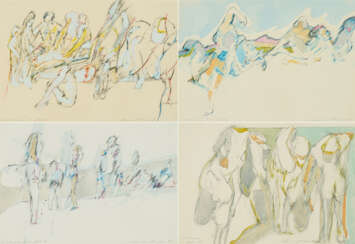

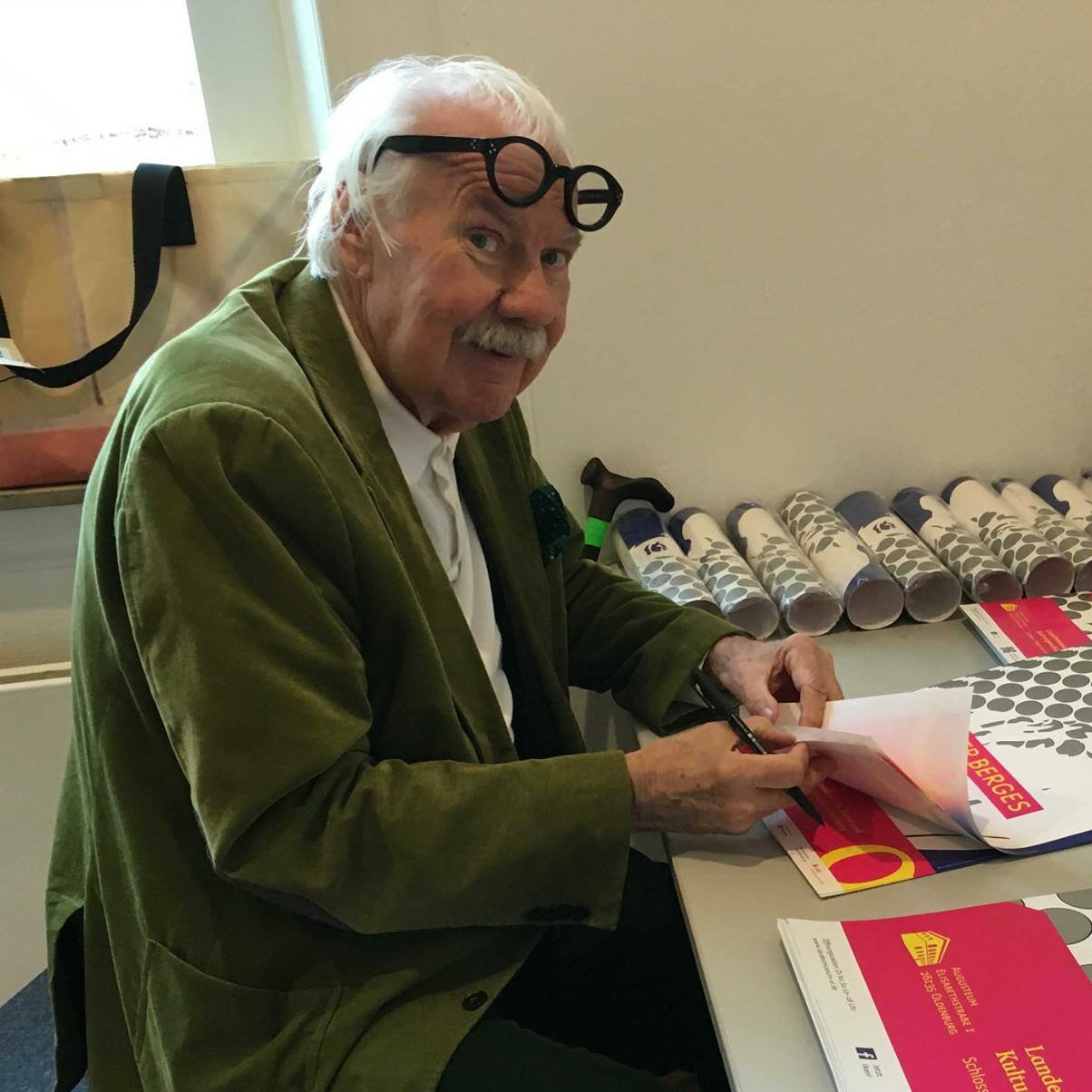
Werner Berges is a contemporary German artist and graphic artist, a representative of Pop Art.
Typical of him are bright colours and sharp outlines, the use of spot painting and the strips that give his works the character of reproductions. The heroes of his paintings are pop and film stars, advertising types of women and photo-models, whose erotic poses and captivating glances Werner Berges emphasizes with a powerful combination of colours, points, stripes and collage. At the core of his drawing is a "graphic framework" that exists independently of the overlay of colours on the canvas. The artist tries to show himself to be completely independent and impartial about what he has created and only signs his work on the back of the canvas.
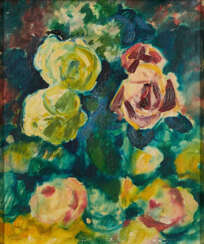

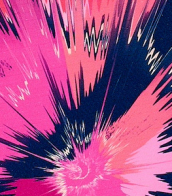
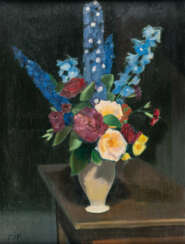

Theodor Werner was a German painter.
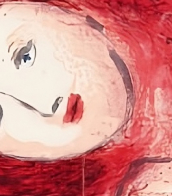


Theodor Werner was a German painter.
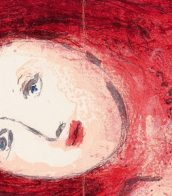


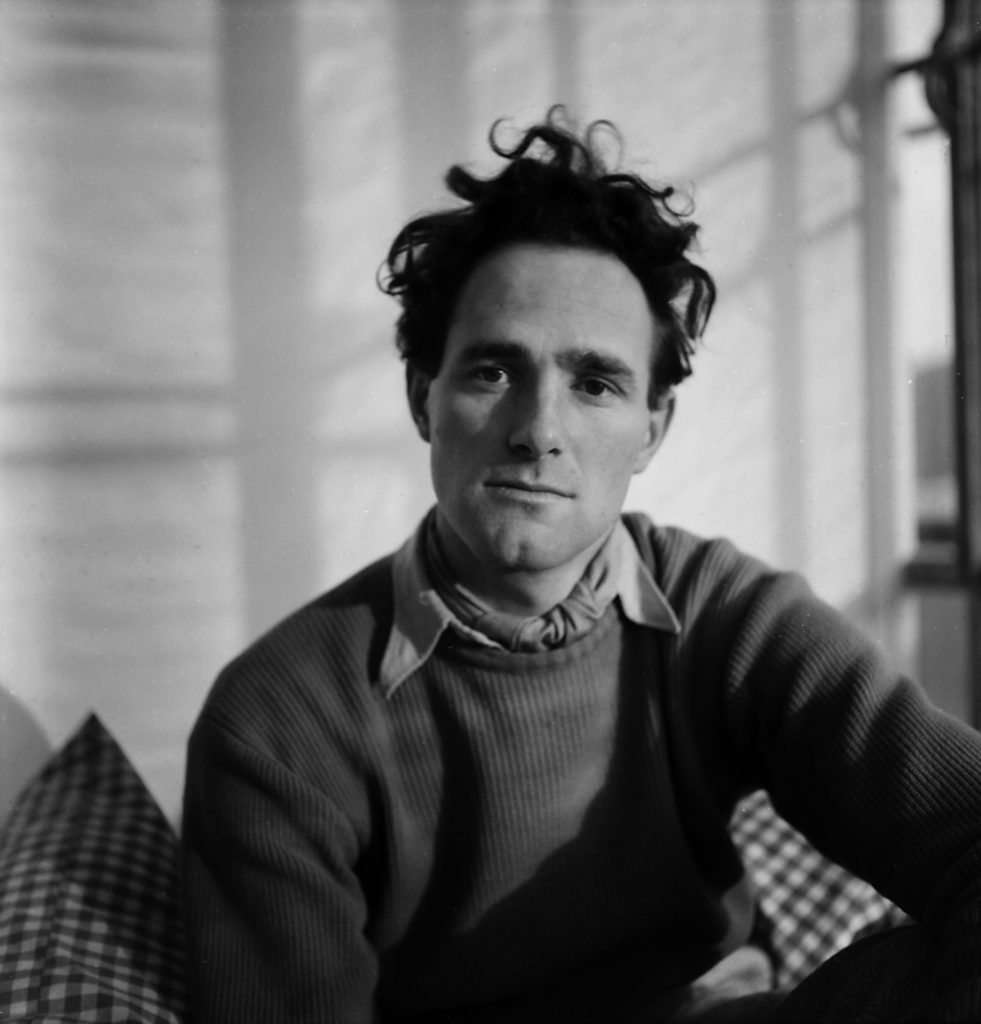
Werner Bischof was a Swiss photographer and photojournalist. He became a full member of Magnum Photos in 1949, the first new photographer to join its original founders. Bischof's book Japan (1954) was awarded the Prix Nadar in 1955.
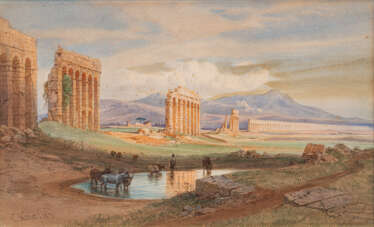

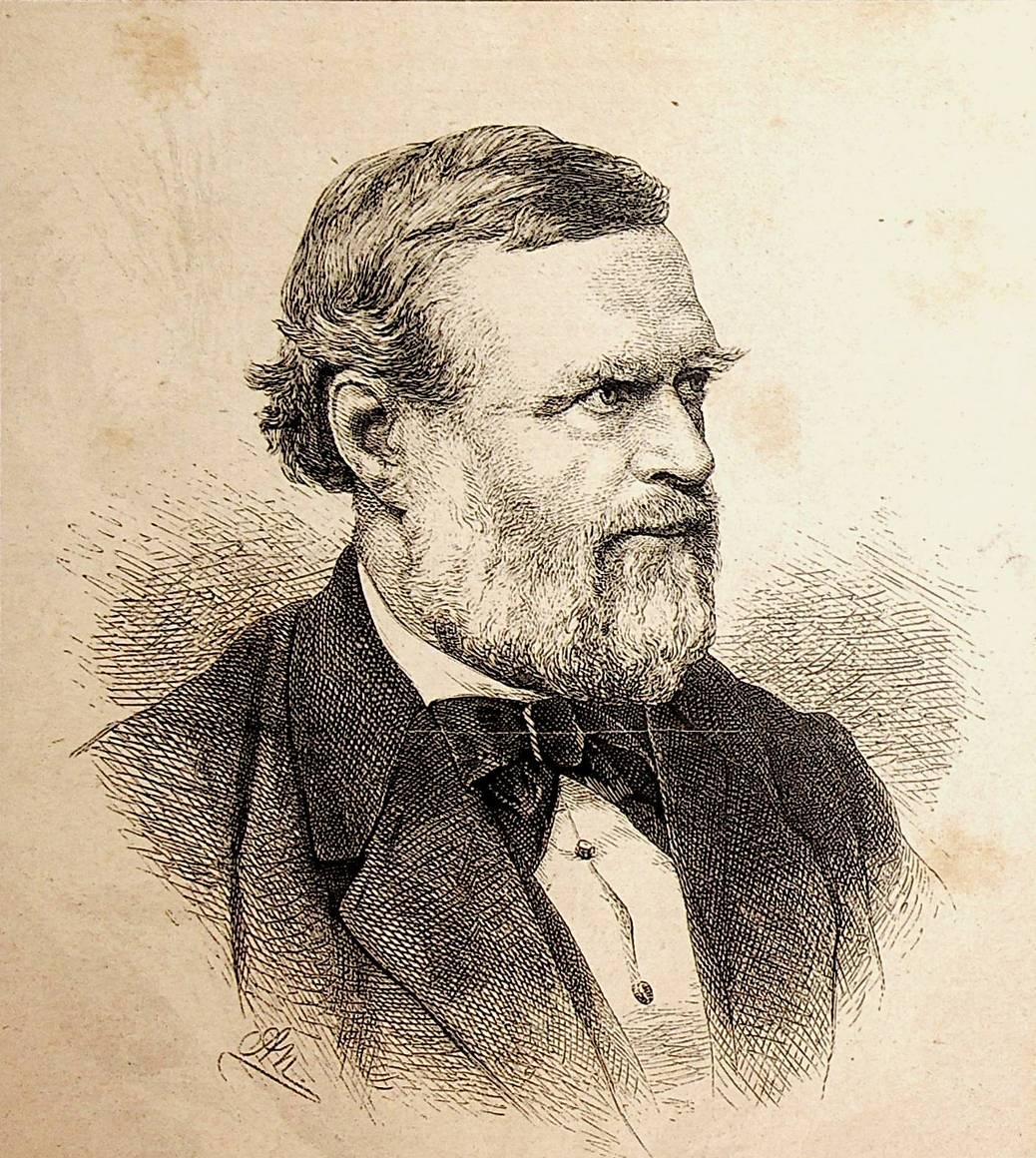
Carl Friedrich Heinrich Werner was a German watercolorist.
Carl Werner studied painting and architecture in Germany, then moved to Italy, where he painted watercolors for nearly twenty years and exhibited in London and other European cities. From 1862 to 1864 he traveled to Palestine and Egypt. He produced impressive paintings of the architectural monuments of that world. Among his works, the voluminous work "Jerusalem, Bethlehem and the Holy Places" with views of the Holy Land, containing 32 plates, is particularly notable. It is one of the rarest books with color plates on the Middle East.
Werner was one of the few non-Muslims given access to paint the interior of the Dome of the Rock, and there are also views of Bethlehem, Bethany, and the Dead Sea, while Jerusalem includes street scenes, the Greek and Armenian chapels, the Church of the Holy Sepulchre, the Street of David, and the Wailing Wall.
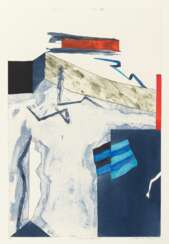

Werner Berges is a contemporary German artist and graphic artist, a representative of Pop Art.
Typical of him are bright colours and sharp outlines, the use of spot painting and the strips that give his works the character of reproductions. The heroes of his paintings are pop and film stars, advertising types of women and photo-models, whose erotic poses and captivating glances Werner Berges emphasizes with a powerful combination of colours, points, stripes and collage. At the core of his drawing is a "graphic framework" that exists independently of the overlay of colours on the canvas. The artist tries to show himself to be completely independent and impartial about what he has created and only signs his work on the back of the canvas.
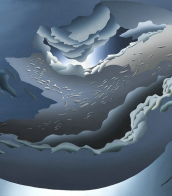
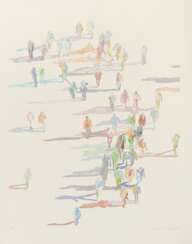

Werner Berges is a contemporary German artist and graphic artist, a representative of Pop Art.
Typical of him are bright colours and sharp outlines, the use of spot painting and the strips that give his works the character of reproductions. The heroes of his paintings are pop and film stars, advertising types of women and photo-models, whose erotic poses and captivating glances Werner Berges emphasizes with a powerful combination of colours, points, stripes and collage. At the core of his drawing is a "graphic framework" that exists independently of the overlay of colours on the canvas. The artist tries to show himself to be completely independent and impartial about what he has created and only signs his work on the back of the canvas.
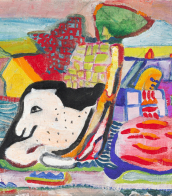
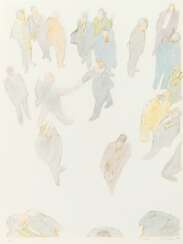

Werner Berges is a contemporary German artist and graphic artist, a representative of Pop Art.
Typical of him are bright colours and sharp outlines, the use of spot painting and the strips that give his works the character of reproductions. The heroes of his paintings are pop and film stars, advertising types of women and photo-models, whose erotic poses and captivating glances Werner Berges emphasizes with a powerful combination of colours, points, stripes and collage. At the core of his drawing is a "graphic framework" that exists independently of the overlay of colours on the canvas. The artist tries to show himself to be completely independent and impartial about what he has created and only signs his work on the back of the canvas.
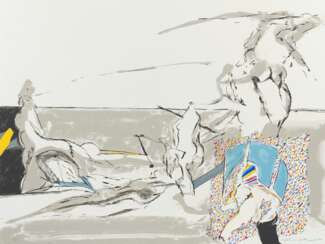

Werner Berges is a contemporary German artist and graphic artist, a representative of Pop Art.
Typical of him are bright colours and sharp outlines, the use of spot painting and the strips that give his works the character of reproductions. The heroes of his paintings are pop and film stars, advertising types of women and photo-models, whose erotic poses and captivating glances Werner Berges emphasizes with a powerful combination of colours, points, stripes and collage. At the core of his drawing is a "graphic framework" that exists independently of the overlay of colours on the canvas. The artist tries to show himself to be completely independent and impartial about what he has created and only signs his work on the back of the canvas.
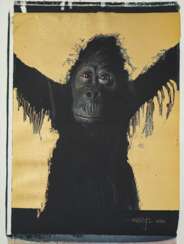


Werner Pawlok is a German artist and photographer known for his celebrity and art photography, especially for his work with the 20х24-inch Polaroid Camera.
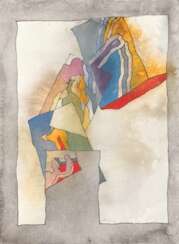

Werner Berges is a contemporary German artist and graphic artist, a representative of Pop Art.
Typical of him are bright colours and sharp outlines, the use of spot painting and the strips that give his works the character of reproductions. The heroes of his paintings are pop and film stars, advertising types of women and photo-models, whose erotic poses and captivating glances Werner Berges emphasizes with a powerful combination of colours, points, stripes and collage. At the core of his drawing is a "graphic framework" that exists independently of the overlay of colours on the canvas. The artist tries to show himself to be completely independent and impartial about what he has created and only signs his work on the back of the canvas.
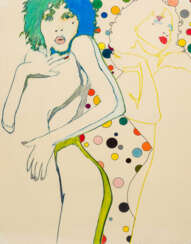

Werner Berges is a contemporary German artist and graphic artist, a representative of Pop Art.
Typical of him are bright colours and sharp outlines, the use of spot painting and the strips that give his works the character of reproductions. The heroes of his paintings are pop and film stars, advertising types of women and photo-models, whose erotic poses and captivating glances Werner Berges emphasizes with a powerful combination of colours, points, stripes and collage. At the core of his drawing is a "graphic framework" that exists independently of the overlay of colours on the canvas. The artist tries to show himself to be completely independent and impartial about what he has created and only signs his work on the back of the canvas.
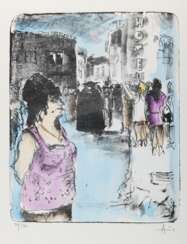

Werner Lichtner-Aix was a German painter, graphic artist, sculptor, and graphic designer.
Inspired by the idea of community and the close connection between man and nature, the artist painted exhilarating landscape paintings using a variety of techniques. He created many works of art, including oil, watercolor and gouache paintings, collages and sculptures.
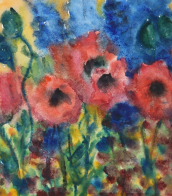
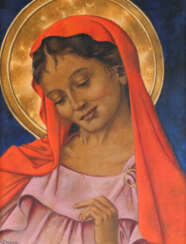

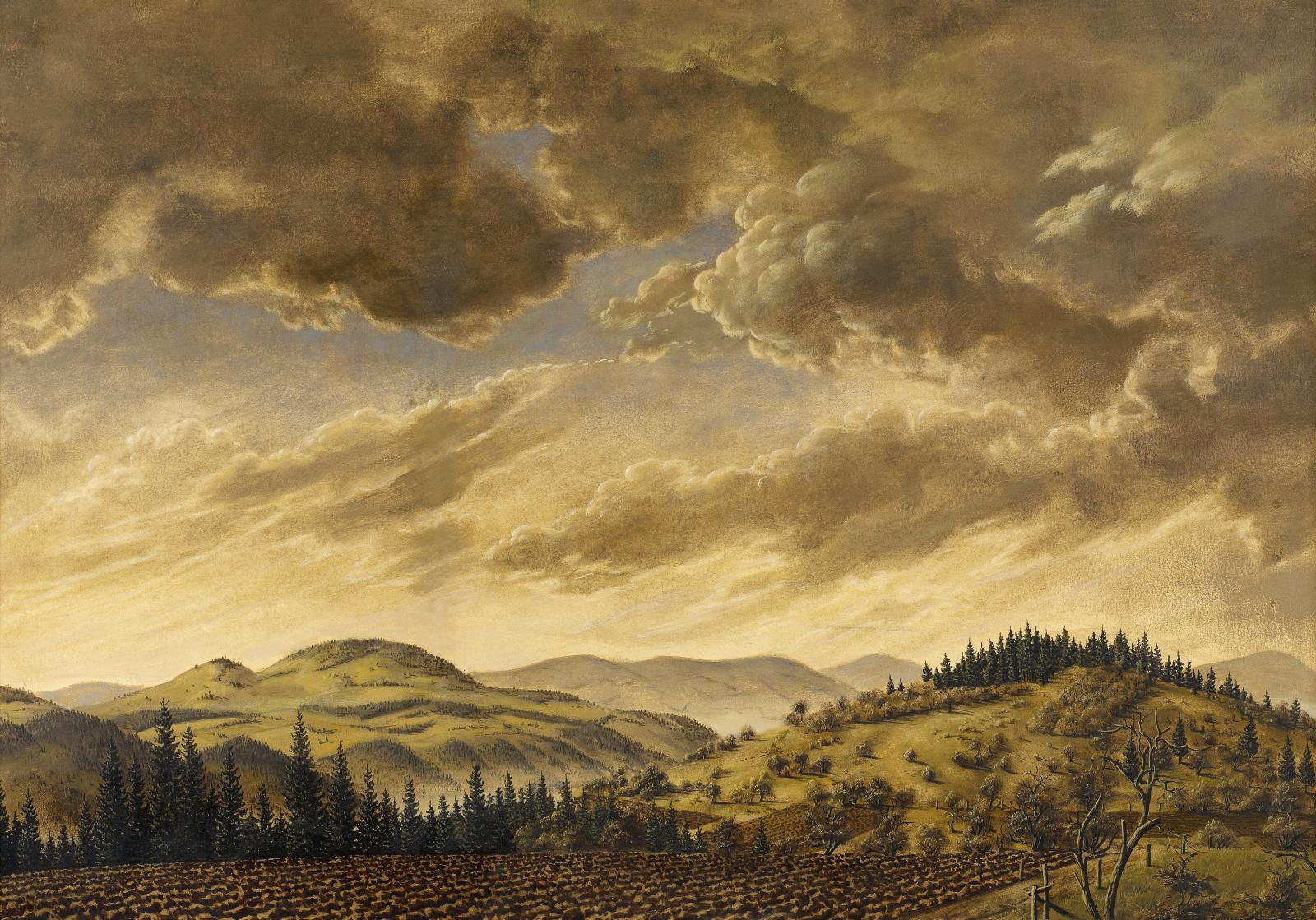
Werner Peiner was a German painter. He was first influenced by realism, and later by New Objectivity, but he would become known has one of the most talented official painters of the Third Reich.
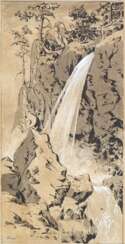

Werner Peiner was a German painter. He was first influenced by realism, and later by New Objectivity, but he would become known has one of the most talented official painters of the Third Reich.
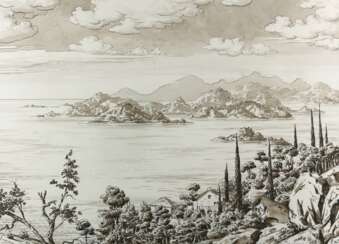

Werner Peiner was a German painter. He was first influenced by realism, and later by New Objectivity, but he would become known has one of the most talented official painters of the Third Reich.
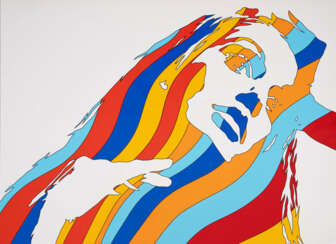

Werner Berges is a contemporary German artist and graphic artist, a representative of Pop Art.
Typical of him are bright colours and sharp outlines, the use of spot painting and the strips that give his works the character of reproductions. The heroes of his paintings are pop and film stars, advertising types of women and photo-models, whose erotic poses and captivating glances Werner Berges emphasizes with a powerful combination of colours, points, stripes and collage. At the core of his drawing is a "graphic framework" that exists independently of the overlay of colours on the canvas. The artist tries to show himself to be completely independent and impartial about what he has created and only signs his work on the back of the canvas.
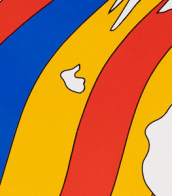
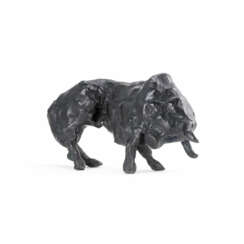

Werner Lichtner-Aix was a German painter, graphic artist, sculptor, and graphic designer.
Inspired by the idea of community and the close connection between man and nature, the artist painted exhilarating landscape paintings using a variety of techniques. He created many works of art, including oil, watercolor and gouache paintings, collages and sculptures.