what is us 5 cents made of
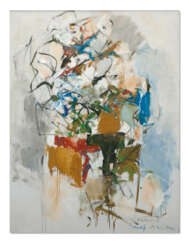

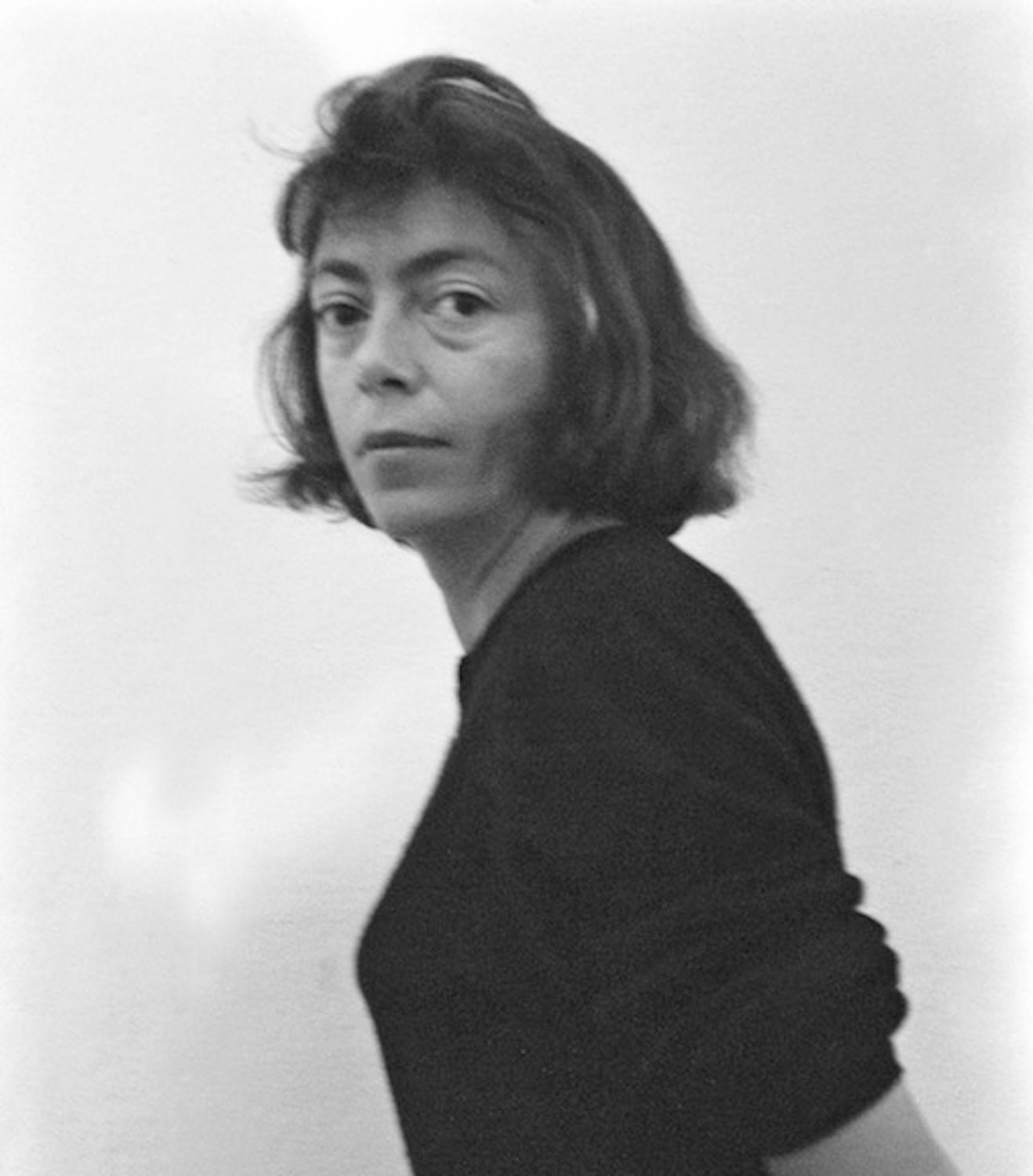
Joan Mitchell was an American painter, celebrated for her pivotal role in the Abstract Expressionist movement. Born in Chicago in 1925, Mitchell's work transcends the traditional boundaries of art, blending intense emotion with a deeply personal use of color and gesture. Her canvases are vast arenas where light, color, and texture merge to evoke landscapes, memories, and emotions. Unlike many of her contemporaries, Mitchell's art was not just about the act of painting but about capturing the essence of her experiences and emotions, making her a unique voice in 20th-century art.
Mitchell's paintings, characterized by their vibrant colors and dynamic brushstrokes, have been exhibited in some of the world's most prestigious museums and galleries. Notable works like "Hudson River Day Line" and "Bracket" found homes in institutions such as the Denver Art Museum and the San Francisco Museum of Modern Art (SFMOMA), respectively. These pieces exemplify Mitchell's ability to convey the complexity of nature and emotion, bridging the gap between abstract expressionism and the lyrical landscapes that inspired her.
Despite her critical acclaim, Mitchell's work was initially overshadowed by her male peers, selling for a fraction of their value. However, the 21st century has seen a significant reassessment of her contributions, with her paintings now commanding millions at auction. This shift is part of a broader reevaluation of women and minority artists in the art historical canon, reflecting changing perspectives on gender and creativity. Collectors and experts in art and antiques now recognize Joan Mitchell as a titan of post-war American painting, whose works continue to inspire and captivate audiences worldwide.
For those intrigued by the legacy of Joan Mitchell and the dynamic world of abstract expressionism, we invite you to sign up for updates. Our subscription service will keep you informed about new product sales and auction events related to Joan Mitchell's art, offering exclusive insights into one of the most influential artists of the 20th century.
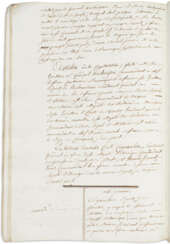

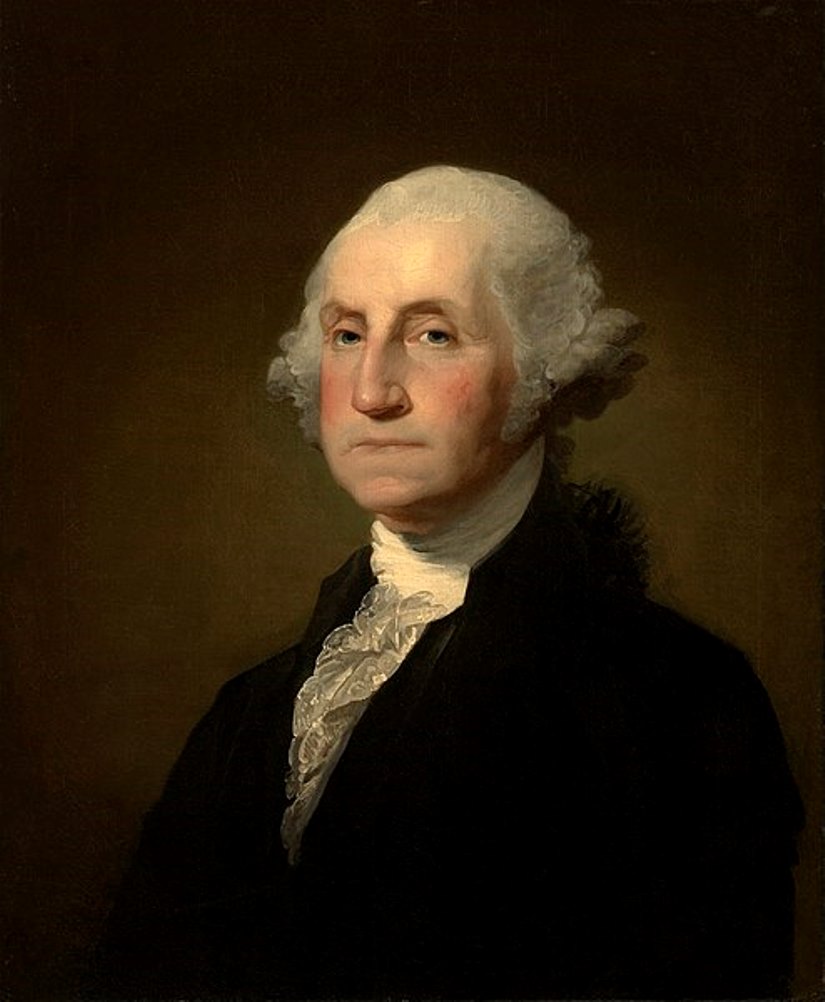
George Washington is the first popularly elected president of the United States of America and one of the founding fathers of the United States.
Born into a noble family in colonial Virginia in February 1732, George Washington served as a Virginian officer with British troops during the French-Indian War (1754-1763) from 1754-1758. This was a territorial war fought largely between the colonies of Britain and France that escalated into a worldwide conflict between the two countries. J. Washington was at the center of the conflicts in the disputed Ohio River Valley area.
In June 1775, he was elected commander-in-chief of the Continental forces in the war already for independence from Great Britain. He commanded American troops throughout the war, becoming famous for his perseverance and bravery.
In 1787, J. Washington represented the state of Virginia as a delegate to the Constitutional Convention. This convention created the Constitution of the United States. In 1789, the Electoral College unanimously elected George Washington president, and in 1792 he was re-elected for a second term. Thus George Washington was in office as President of the United States from April 30, 1789 to March 4, 1797.
As head of state, he helped to strengthen the Union, implement the principles of the Constitution and build the capital of the United States. He was engaged in the formation of the central authorities and system of government, created precedents for the institution of presidents, encouraged the development of the economy, maintained friendly relations with Congress. In foreign policy Washington avoided interference in the affairs of European states.
After leaving the post of president, George Washington lived in Mount Vernon Manor.


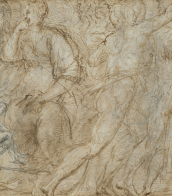


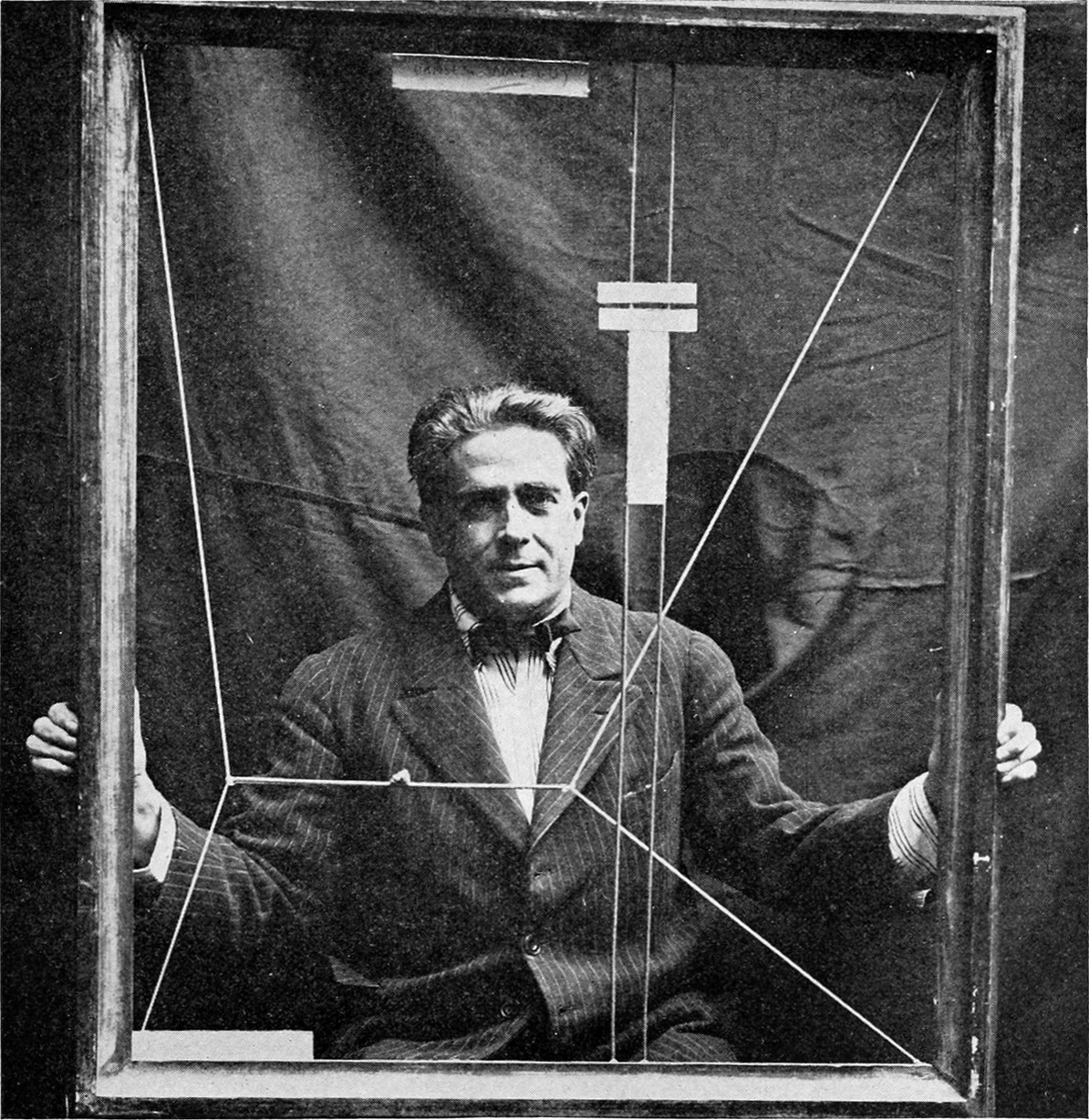
Francis Picabia, born Francis-Marie Martinez de Picabia, was a French avant-garde painter, poet, and typographist, whose work is celebrated for its diversity and innovation. His journey through various art movements, including Impressionism, Cubism, Dadaism, and Surrealism, showcases his refusal to be confined by any one style. Picabia's art is known for its eclectic nature, often blending mechanical elements with organic forms, thereby challenging traditional perceptions of art and beauty.
Picabia's significant contribution to the art world lies not just in his varied artistic output but also in his philosophical approach to creation. He believed in the freedom of expression, often using his art to critique societal norms and the art establishment itself. This rebellious spirit made him a pivotal figure in the Dada movement, where his works were celebrated for their irony and disdain for conventional art values.
Among his notable works, "Amorous Parade" and "I See Again in Memory My Dear Udnie" stand out, housed in prestigious institutions like the Museum of Modern Art in New York. These pieces exemplify Picabia's mastery over blending different elements of art movements, creating works that remain influential to this day. His legacy is not just in the pieces he created but also in his attitude towards art, encouraging future generations to challenge and redefine the boundaries of creativity.
For collectors and experts in art and antiques, Picabia's works represent not only significant artistic achievements but also valuable insights into the evolution of modern art. To stay informed about new product sales and auction events related to Francis Picabia, sign up for updates. This subscription is an essential resource for enthusiasts looking to enrich their collections with pieces from one of the most innovative artists of the 20th century.
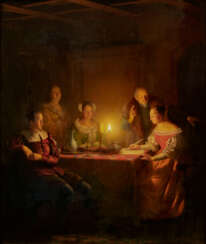

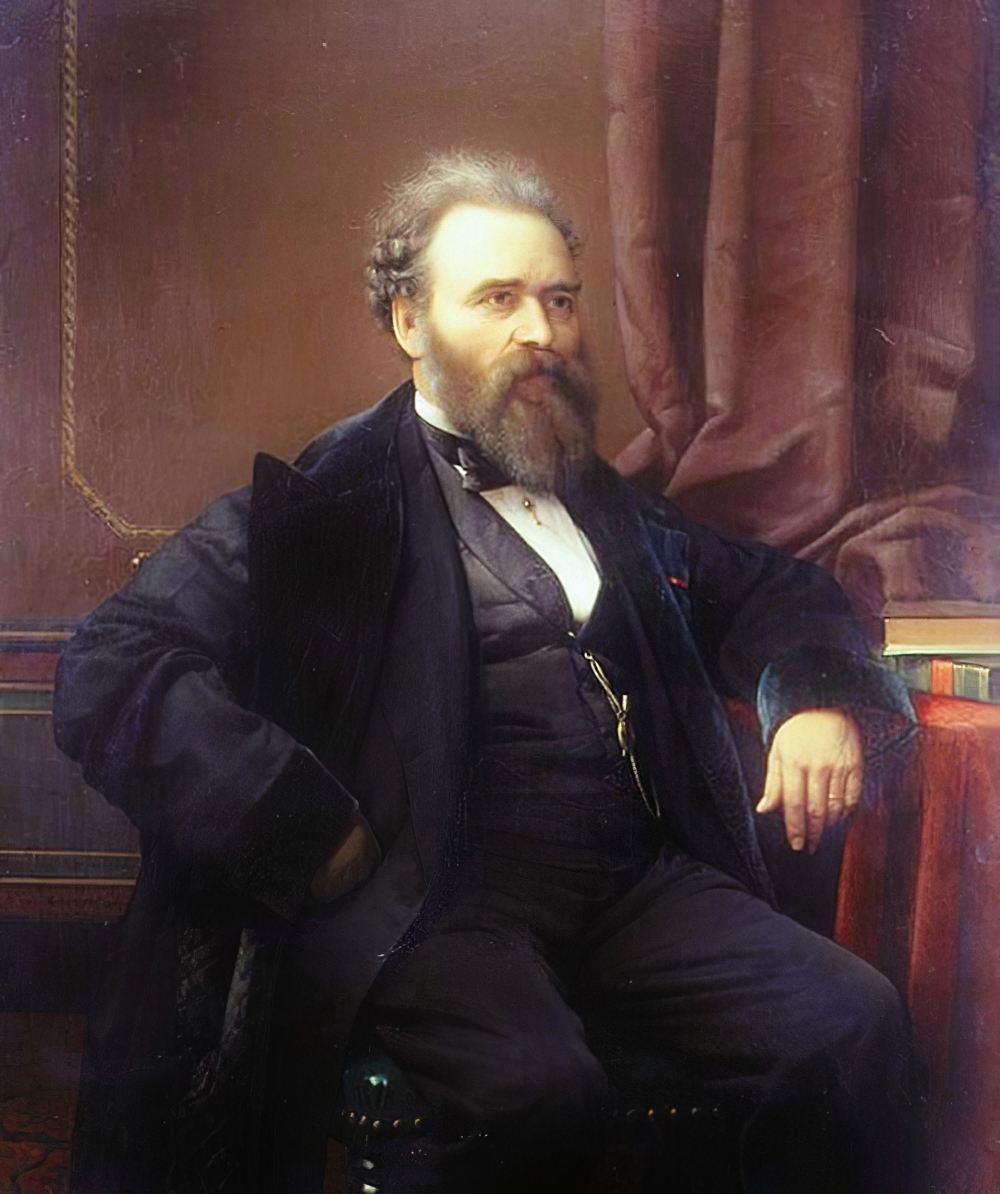
Petrus van Schendel was a Dutch-Belgian genre painter in the Romantic style who specialized in nighttime scenes, lit by lamps or candles. This led to him being known as "Monsieur Chandelle".