words with j and l



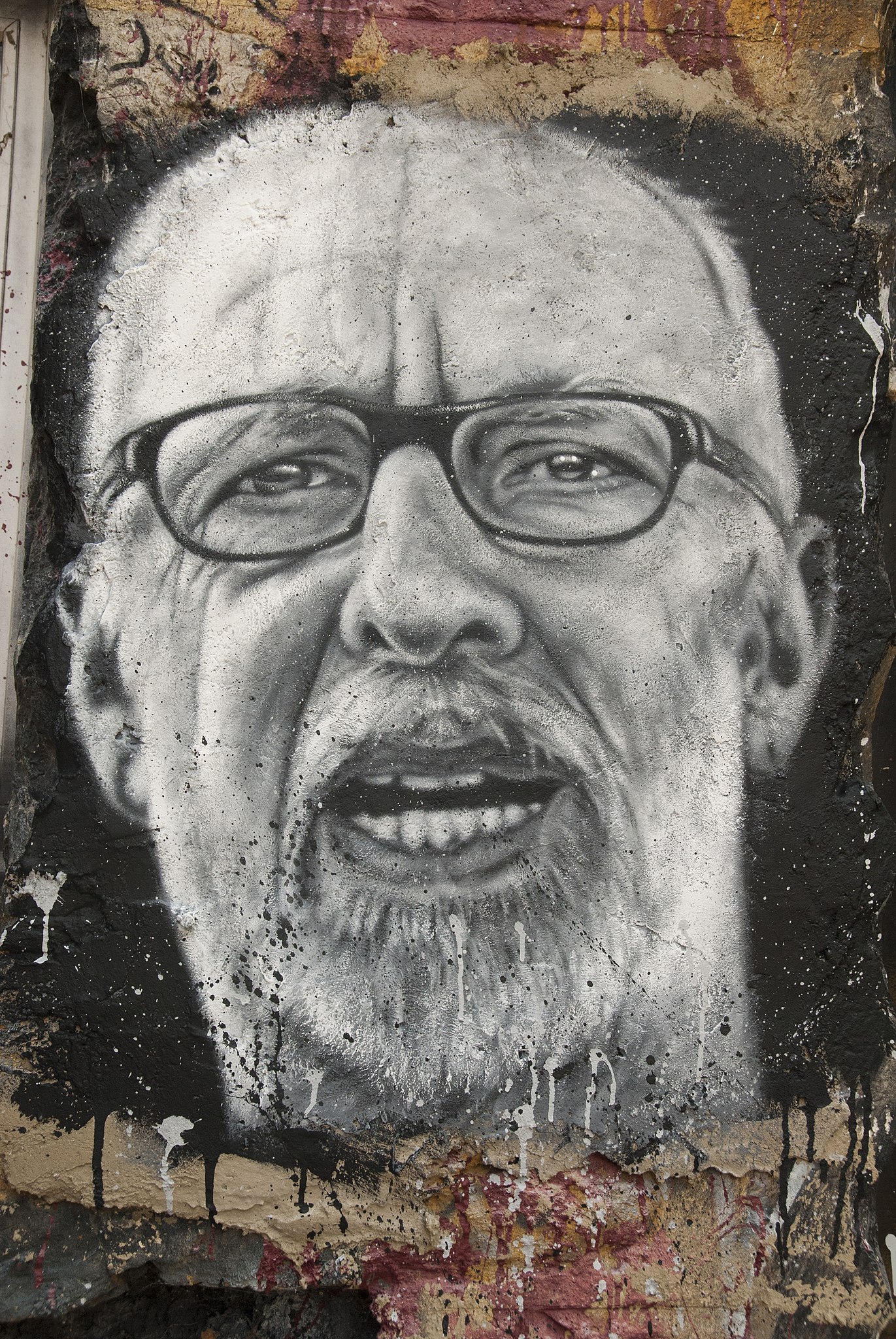
Jörg Immendorff was a German painter and sculptor, stage designer and decorator, and a member of the New Wild movement.
Immendorff painted in cycles that often lasted for years and were political in nature. His series of sixteen large paintings, Café Deutschland (1977-1984), is well known. In these colorful paintings, numerous disco lovers symbolize the conflict between East and West Germany.
Immendorff prepared several stage productions and designed sets for the operas Elektra and The Rider's Voyage. 25 of Immendorf's paintings were selected in 2006 for the illustrated Bible.



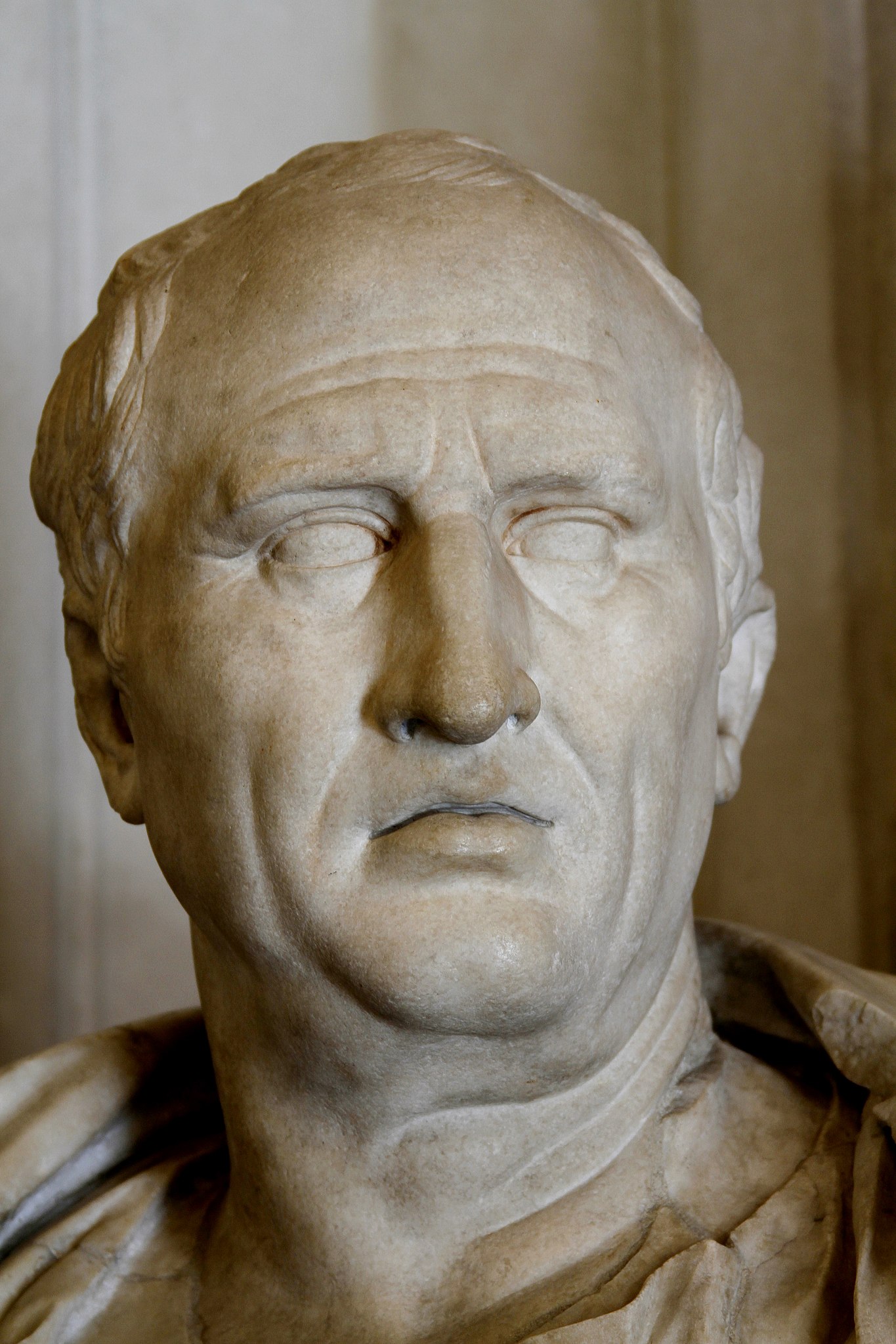
Marcus Tullius Cicero was a Roman statesman, lawyer, scholar, philosopher, and academic skeptic, who tried to uphold optimate principles during the political crises that led to the establishment of the Roman Empire. His extensive writings include treatises on rhetoric, philosophy and politics. He is considered one of Rome's greatest orators and prose stylists. He came from a wealthy municipal family of the Roman equestrian order, and served as consul in 63 BC.
His influence on the Latin language was immense. He wrote more than three-quarters of extant Latin literature that is known to have existed in his lifetime, and it has been said that subsequent prose was either a reaction against or a return to his style, not only in Latin but in European languages up to the 19th century. Cicero introduced into Latin the arguments of the chief schools of Hellenistic philosophy and created a Latin philosophical vocabulary with neologisms such as evidentia, humanitas, qualitas, quantitas, and essentia, distinguishing himself as a translator and philosopher.
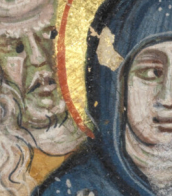




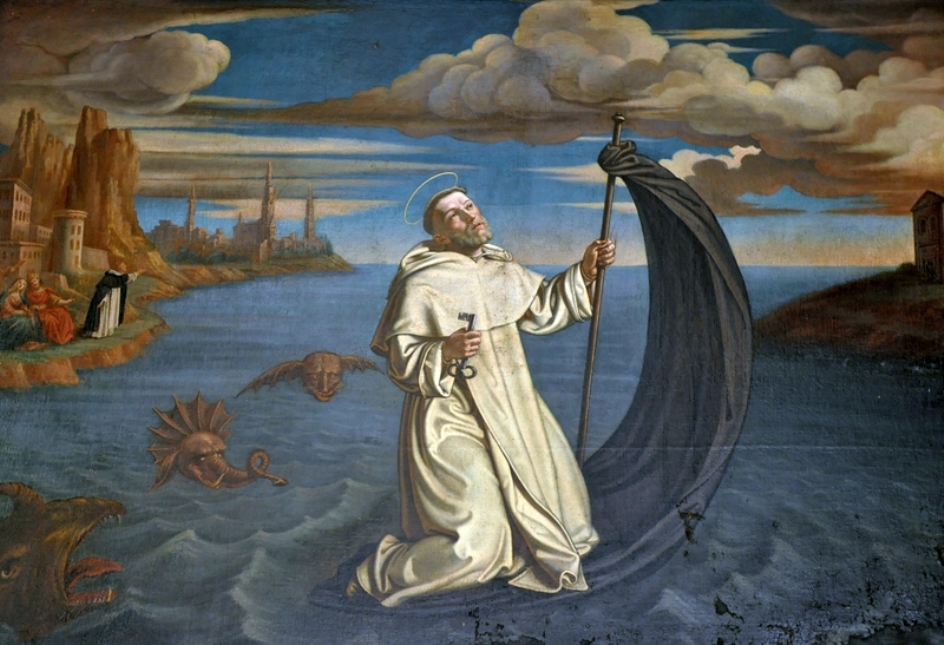
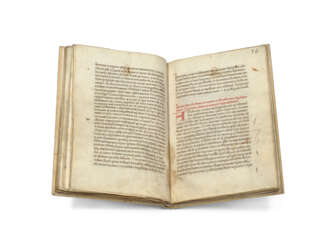
Raymond of Penyafort (Spanish: San Raimundo de Peñafort) was a Spanish theologian, canonist, and Dominican friar who is revered as a saint in the Catholic Church.
Raimondo was an adviser and confessor to the Pope in Rome as well as to kings, particularly James I of Catalonia and Aragon. Together with King James of Aragon and St. Peter Nolasco, he founded the Order of Our Lady of Ransom. The monks of this Order devoted themselves to saving Christians captured by the Moors. One of Raimondo of Peñafort's main goals was the conversion of Jews and Muslims to Christianity, and to achieve this goal he ordered Arabic and Hebrew to be studied and taught in the higher schools run by the Dominicans. He was also among those who founded the Inquisition in Catalonia.
Raimondo died at the age of 100 in Barcelona in 1275 and was canonized by Pope Clement VIII in the same year.
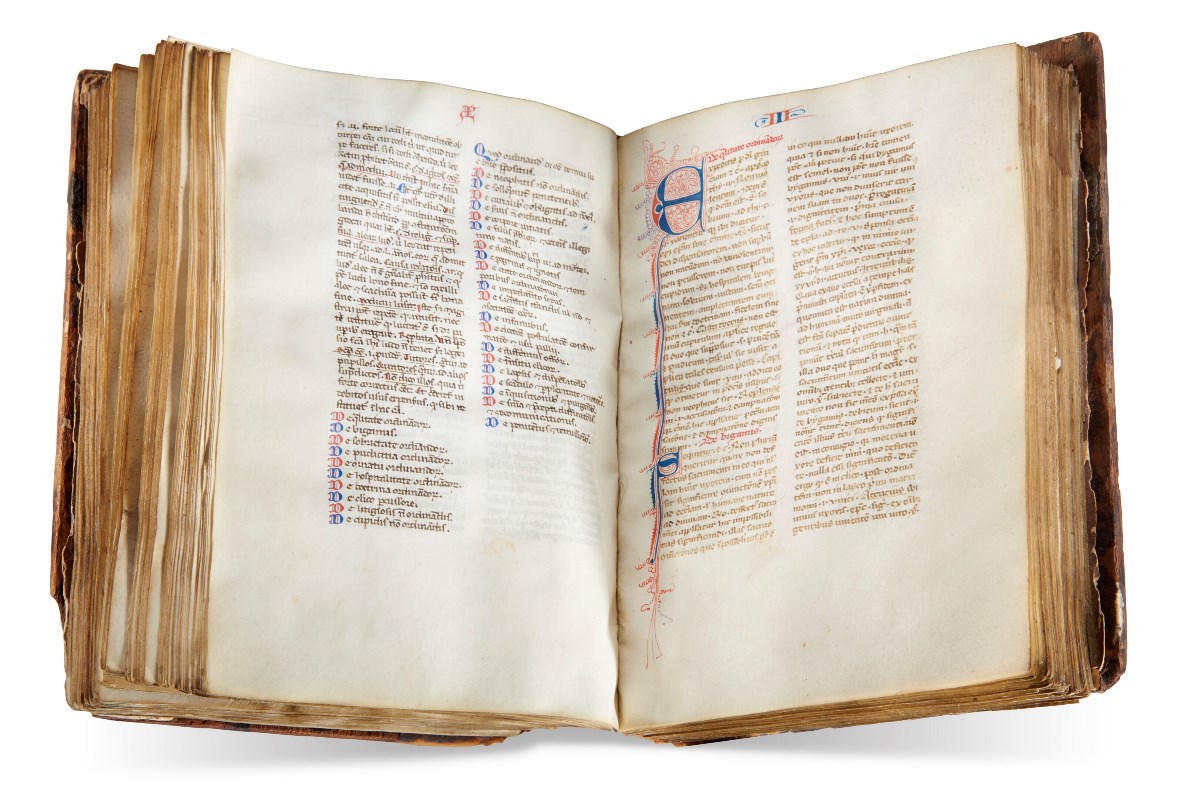
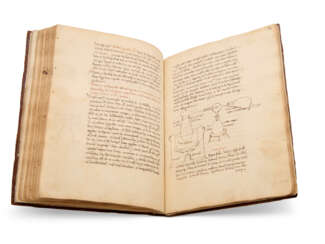
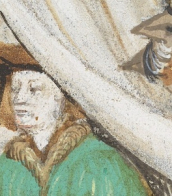
William of Rennes was a 13th-century French Roman Catholic monk, poet, theologian, and expert in canon law.
His commentaries and annotations on the works of the revered Catholic saint Raymond of Peñafort enjoyed almost equal authority in most manuscripts and early editions on academic theology and canon law. William of Rennes also wrote the epic of King Arthur, which is of interest to scholars of literature in that it was the first attempt to transform a medieval hero into a hero of classical eras.