zeitgenössische d


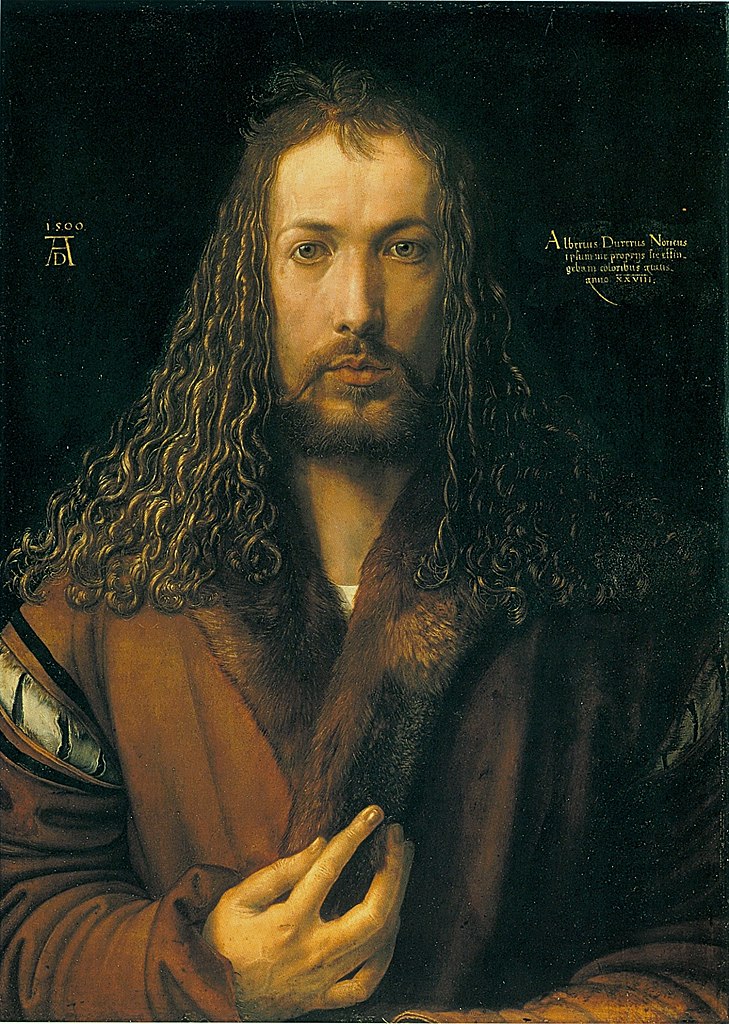
Albrecht Dürer, born on May 21, 1471 in Nuremberg, Germany, is widely regarded as the greatest German Renaissance painter. His contribution to painting and engraving is quite significant and has left a notable mark on the art world. Dürer's early life was spent in Nuremberg, a city that played a crucial role in his development as an artist and was also the site of his death on April 6, 1528. He was the son of the goldsmith Albrecht Dürer the Elder, from whom he initially learned the basics of drawing and metalworking.
Dürer's work is characterized by a combination of Gothic elements with the emerging Renaissance style, which is evident in his woodcuts and engravings. His oeuvre encompasses many themes, including religious works, altarpieces, portraits, and self-portraits. His outstanding prints, such as The Knight, Death and the Devil (1513), St. Jerome in his Study (1514) and Melencolia I (1514), are known for their intricate detail and artistic skill. Dürer was also one of the earliest European landscape painters, as evidenced by his watercolor paintings.
Equally significant are his theoretical writings on mathematics, perspective, and ideal proportions in art. Dürer was not only an artist but also a keen intellectual, his interests encompassing various aspects of culture and science. He served as court painter to Holy Roman Emperors Maximilian I and Charles V, completing several significant art projects for them. Dürer's keen mind and versatile interests brought him into contact with the most prominent figures of his time, including theologians and scientists of the Reformation era.
Dürer's self-portraits are particularly famous, demonstrating not only his artistic skill but also his self-awareness and personal style. These portraits attest to his growing success and confidence as an artist. Dürer's legacy is immense; he influenced not only the art of his time, but also left an indelible mark on the history of European art.
For those interested in the work and legacy of Albrecht Dürer, we recommend subscribing to our updates. Our subscription service is designed to provide information about new sales and auction events related to this remarkable artist. Join us to keep up to date on the latest art and antiques related to Albrecht Dürer.
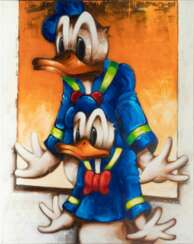

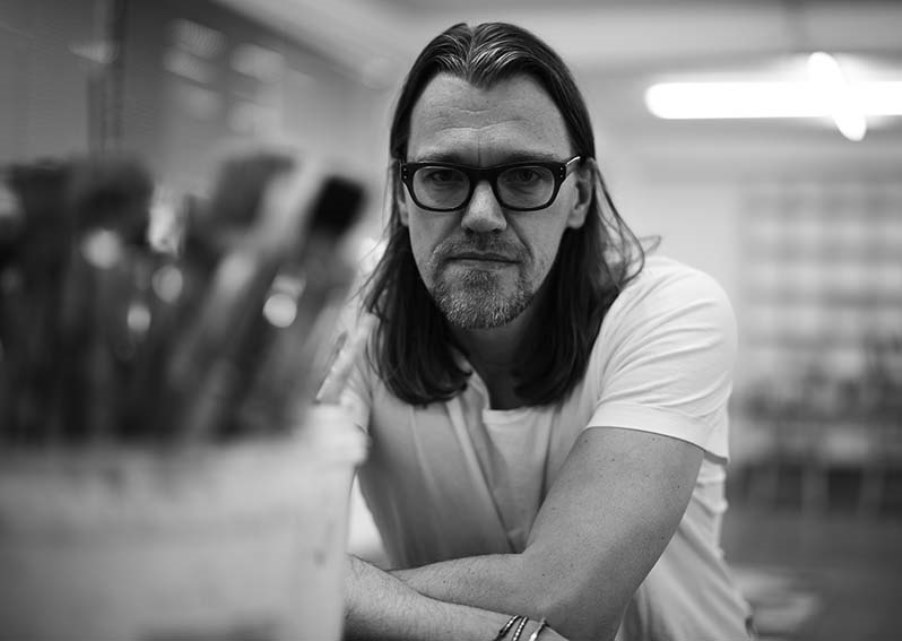
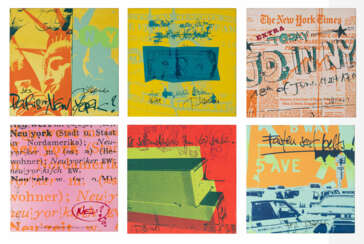
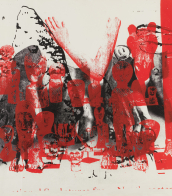
Jörg Döring is a German mixed media artist, one of Germany's leading neo-pop artists. Using screen printing, silkscreening, photo collage, acrylic, spray paint and oil on canvas, Döring depicts various comic, cartoon characters and pop icons. The source materials for his work are photographs, books, old magazines, drafts, print samples, packaging, sketches and more, from which he creates large-scale and multimedia works.
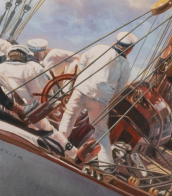


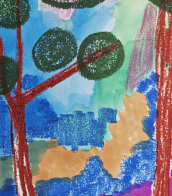
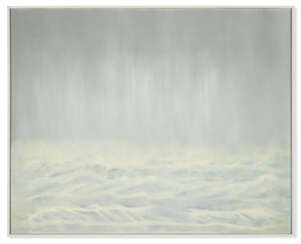



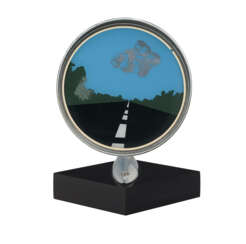

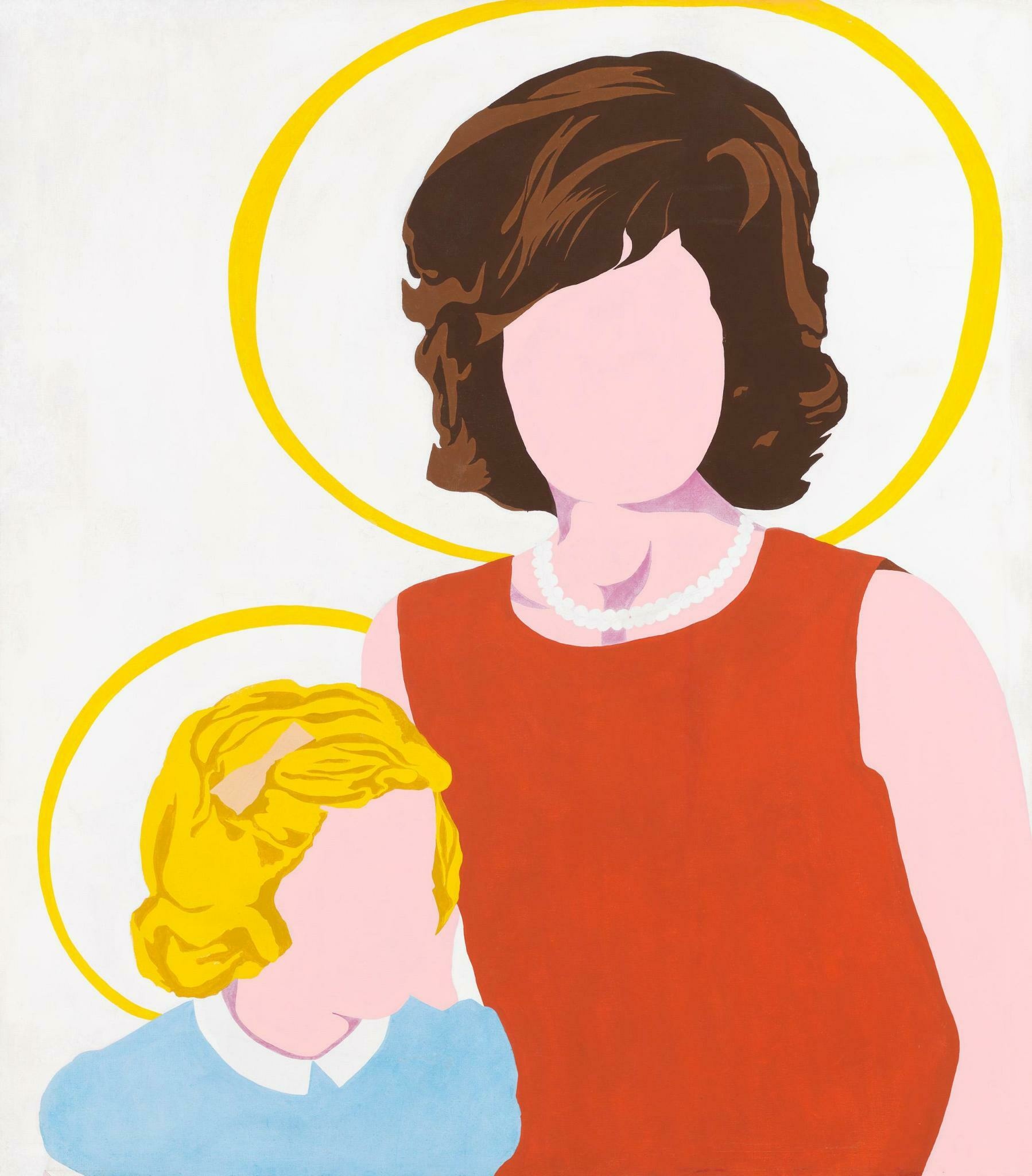
Allan D'Arcangelo was an American artist and printmaker, best known for his paintings of highways and road signs that border on pop art and minimalism, precisionism and hard-edge painting, and also surrealism. His subject matter is distinctly American and evokes, at times, a cautious outlook on the future of this country.
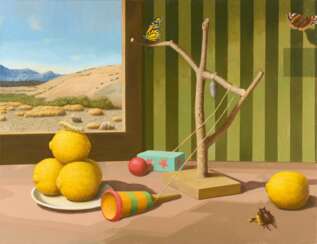

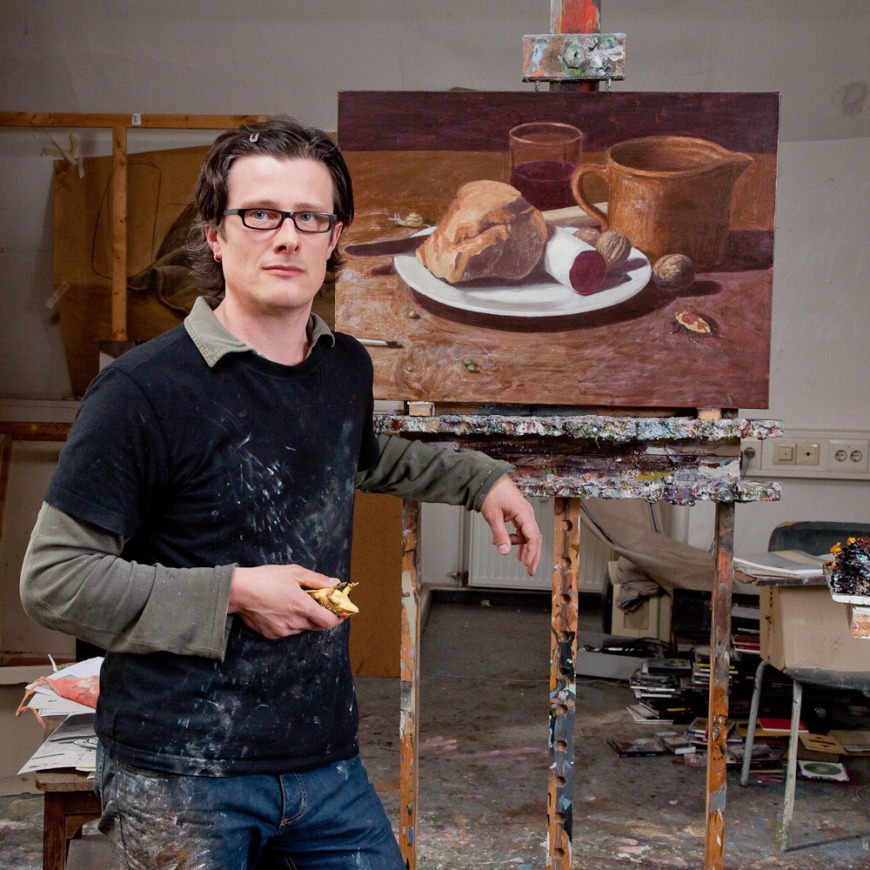
Jan Dörre is a German painter known for his still lifes in the modern vanitas style.
He studied painting at the Academy of Visual Arts in Leipzig, lives and works in Leipzig.
Jan Dörre paints still lifes, which are directly associated with the paintings of the old masters of the 17th century. The artist in his works repeats in different variations the familiar set of motifs found in baroque still lifes of vanitas: bread, cutlery, fruit, insects, birds, snakes, lizards, books, letters, skull, etc. But next to them in a modern setting he places objects of our time, for example, pills and empty packages from them. All this together conveys the general idea of the genre: a reminder of the transience of life, the futility of pleasure and the inevitability of death.
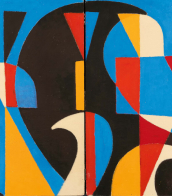










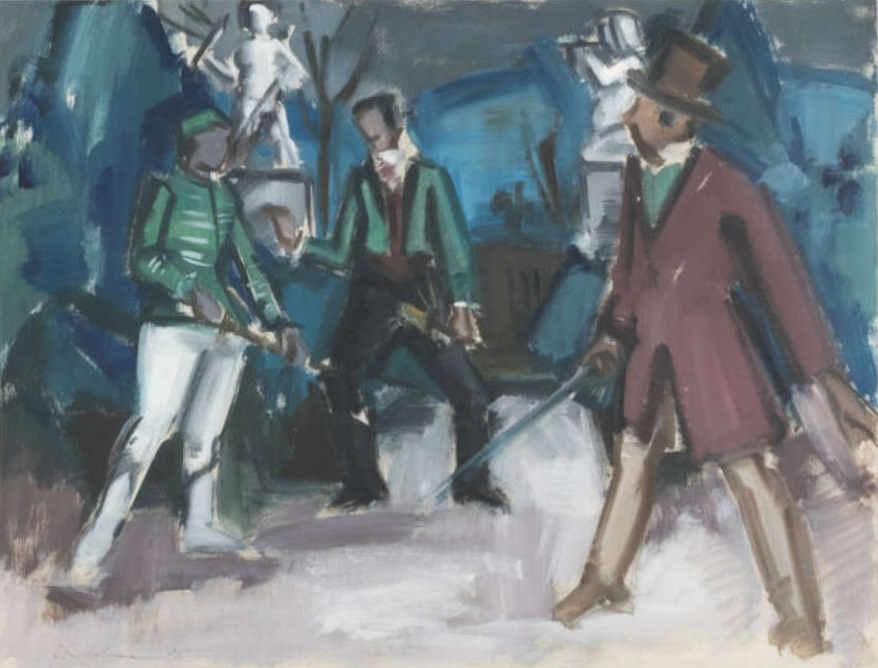
Karl Dönselmann was a German painter and graphic artist.
Dönselmann's works were heavily influenced by the Expressionist movement, and he often depicted scenes of everyday life, landscapes, and still lifes. He was particularly interested in the effects of light and color, and often used bold, vibrant colors in his works.
Dönselmann's works were exhibited extensively throughout Germany and internationally, and can be found in many public and private collections.
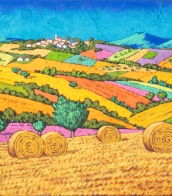


Karl Dönselmann was a German painter and graphic artist.
Dönselmann's works were heavily influenced by the Expressionist movement, and he often depicted scenes of everyday life, landscapes, and still lifes. He was particularly interested in the effects of light and color, and often used bold, vibrant colors in his works.
Dönselmann's works were exhibited extensively throughout Germany and internationally, and can be found in many public and private collections.


Jörg Döring is a German mixed media artist, one of Germany's leading neo-pop artists. Using screen printing, silkscreening, photo collage, acrylic, spray paint and oil on canvas, Döring depicts various comic, cartoon characters and pop icons. The source materials for his work are photographs, books, old magazines, drafts, print samples, packaging, sketches and more, from which he creates large-scale and multimedia works.
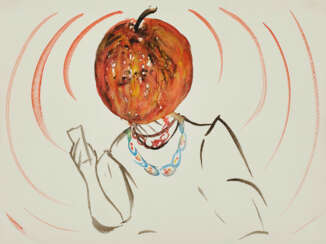


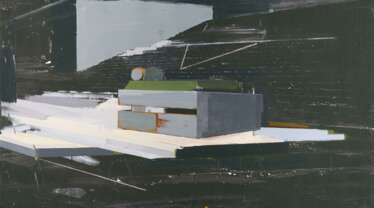

Jan Dörre is a German painter known for his still lifes in the modern vanitas style.
He studied painting at the Academy of Visual Arts in Leipzig, lives and works in Leipzig.
Jan Dörre paints still lifes, which are directly associated with the paintings of the old masters of the 17th century. The artist in his works repeats in different variations the familiar set of motifs found in baroque still lifes of vanitas: bread, cutlery, fruit, insects, birds, snakes, lizards, books, letters, skull, etc. But next to them in a modern setting he places objects of our time, for example, pills and empty packages from them. All this together conveys the general idea of the genre: a reminder of the transience of life, the futility of pleasure and the inevitability of death.
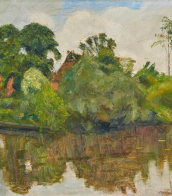


Jan Dörre is a German painter known for his still lifes in the modern vanitas style.
He studied painting at the Academy of Visual Arts in Leipzig, lives and works in Leipzig.
Jan Dörre paints still lifes, which are directly associated with the paintings of the old masters of the 17th century. The artist in his works repeats in different variations the familiar set of motifs found in baroque still lifes of vanitas: bread, cutlery, fruit, insects, birds, snakes, lizards, books, letters, skull, etc. But next to them in a modern setting he places objects of our time, for example, pills and empty packages from them. All this together conveys the general idea of the genre: a reminder of the transience of life, the futility of pleasure and the inevitability of death.
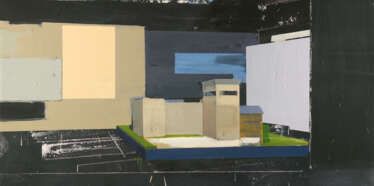

Jan Dörre is a German painter known for his still lifes in the modern vanitas style.
He studied painting at the Academy of Visual Arts in Leipzig, lives and works in Leipzig.
Jan Dörre paints still lifes, which are directly associated with the paintings of the old masters of the 17th century. The artist in his works repeats in different variations the familiar set of motifs found in baroque still lifes of vanitas: bread, cutlery, fruit, insects, birds, snakes, lizards, books, letters, skull, etc. But next to them in a modern setting he places objects of our time, for example, pills and empty packages from them. All this together conveys the general idea of the genre: a reminder of the transience of life, the futility of pleasure and the inevitability of death.
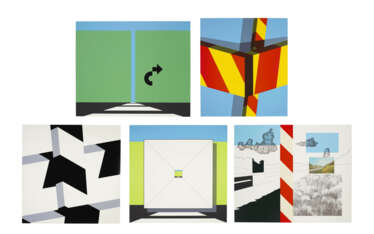

Allan D'Arcangelo was an American artist and printmaker, best known for his paintings of highways and road signs that border on pop art and minimalism, precisionism and hard-edge painting, and also surrealism. His subject matter is distinctly American and evokes, at times, a cautious outlook on the future of this country.

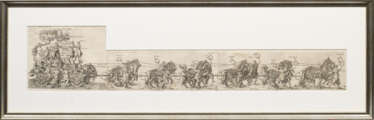

Albrecht Dürer, born on May 21, 1471 in Nuremberg, Germany, is widely regarded as the greatest German Renaissance painter. His contribution to painting and engraving is quite significant and has left a notable mark on the art world. Dürer's early life was spent in Nuremberg, a city that played a crucial role in his development as an artist and was also the site of his death on April 6, 1528. He was the son of the goldsmith Albrecht Dürer the Elder, from whom he initially learned the basics of drawing and metalworking.
Dürer's work is characterized by a combination of Gothic elements with the emerging Renaissance style, which is evident in his woodcuts and engravings. His oeuvre encompasses many themes, including religious works, altarpieces, portraits, and self-portraits. His outstanding prints, such as The Knight, Death and the Devil (1513), St. Jerome in his Study (1514) and Melencolia I (1514), are known for their intricate detail and artistic skill. Dürer was also one of the earliest European landscape painters, as evidenced by his watercolor paintings.
Equally significant are his theoretical writings on mathematics, perspective, and ideal proportions in art. Dürer was not only an artist but also a keen intellectual, his interests encompassing various aspects of culture and science. He served as court painter to Holy Roman Emperors Maximilian I and Charles V, completing several significant art projects for them. Dürer's keen mind and versatile interests brought him into contact with the most prominent figures of his time, including theologians and scientists of the Reformation era.
Dürer's self-portraits are particularly famous, demonstrating not only his artistic skill but also his self-awareness and personal style. These portraits attest to his growing success and confidence as an artist. Dürer's legacy is immense; he influenced not only the art of his time, but also left an indelible mark on the history of European art.
For those interested in the work and legacy of Albrecht Dürer, we recommend subscribing to our updates. Our subscription service is designed to provide information about new sales and auction events related to this remarkable artist. Join us to keep up to date on the latest art and antiques related to Albrecht Dürer.
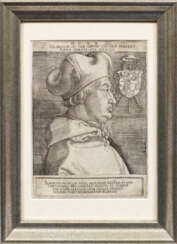

Albrecht Dürer, born on May 21, 1471 in Nuremberg, Germany, is widely regarded as the greatest German Renaissance painter. His contribution to painting and engraving is quite significant and has left a notable mark on the art world. Dürer's early life was spent in Nuremberg, a city that played a crucial role in his development as an artist and was also the site of his death on April 6, 1528. He was the son of the goldsmith Albrecht Dürer the Elder, from whom he initially learned the basics of drawing and metalworking.
Dürer's work is characterized by a combination of Gothic elements with the emerging Renaissance style, which is evident in his woodcuts and engravings. His oeuvre encompasses many themes, including religious works, altarpieces, portraits, and self-portraits. His outstanding prints, such as The Knight, Death and the Devil (1513), St. Jerome in his Study (1514) and Melencolia I (1514), are known for their intricate detail and artistic skill. Dürer was also one of the earliest European landscape painters, as evidenced by his watercolor paintings.
Equally significant are his theoretical writings on mathematics, perspective, and ideal proportions in art. Dürer was not only an artist but also a keen intellectual, his interests encompassing various aspects of culture and science. He served as court painter to Holy Roman Emperors Maximilian I and Charles V, completing several significant art projects for them. Dürer's keen mind and versatile interests brought him into contact with the most prominent figures of his time, including theologians and scientists of the Reformation era.
Dürer's self-portraits are particularly famous, demonstrating not only his artistic skill but also his self-awareness and personal style. These portraits attest to his growing success and confidence as an artist. Dürer's legacy is immense; he influenced not only the art of his time, but also left an indelible mark on the history of European art.
For those interested in the work and legacy of Albrecht Dürer, we recommend subscribing to our updates. Our subscription service is designed to provide information about new sales and auction events related to this remarkable artist. Join us to keep up to date on the latest art and antiques related to Albrecht Dürer.
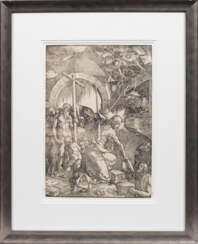

Albrecht Dürer, born on May 21, 1471 in Nuremberg, Germany, is widely regarded as the greatest German Renaissance painter. His contribution to painting and engraving is quite significant and has left a notable mark on the art world. Dürer's early life was spent in Nuremberg, a city that played a crucial role in his development as an artist and was also the site of his death on April 6, 1528. He was the son of the goldsmith Albrecht Dürer the Elder, from whom he initially learned the basics of drawing and metalworking.
Dürer's work is characterized by a combination of Gothic elements with the emerging Renaissance style, which is evident in his woodcuts and engravings. His oeuvre encompasses many themes, including religious works, altarpieces, portraits, and self-portraits. His outstanding prints, such as The Knight, Death and the Devil (1513), St. Jerome in his Study (1514) and Melencolia I (1514), are known for their intricate detail and artistic skill. Dürer was also one of the earliest European landscape painters, as evidenced by his watercolor paintings.
Equally significant are his theoretical writings on mathematics, perspective, and ideal proportions in art. Dürer was not only an artist but also a keen intellectual, his interests encompassing various aspects of culture and science. He served as court painter to Holy Roman Emperors Maximilian I and Charles V, completing several significant art projects for them. Dürer's keen mind and versatile interests brought him into contact with the most prominent figures of his time, including theologians and scientists of the Reformation era.
Dürer's self-portraits are particularly famous, demonstrating not only his artistic skill but also his self-awareness and personal style. These portraits attest to his growing success and confidence as an artist. Dürer's legacy is immense; he influenced not only the art of his time, but also left an indelible mark on the history of European art.
For those interested in the work and legacy of Albrecht Dürer, we recommend subscribing to our updates. Our subscription service is designed to provide information about new sales and auction events related to this remarkable artist. Join us to keep up to date on the latest art and antiques related to Albrecht Dürer.
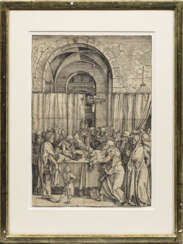

Albrecht Dürer, born on May 21, 1471 in Nuremberg, Germany, is widely regarded as the greatest German Renaissance painter. His contribution to painting and engraving is quite significant and has left a notable mark on the art world. Dürer's early life was spent in Nuremberg, a city that played a crucial role in his development as an artist and was also the site of his death on April 6, 1528. He was the son of the goldsmith Albrecht Dürer the Elder, from whom he initially learned the basics of drawing and metalworking.
Dürer's work is characterized by a combination of Gothic elements with the emerging Renaissance style, which is evident in his woodcuts and engravings. His oeuvre encompasses many themes, including religious works, altarpieces, portraits, and self-portraits. His outstanding prints, such as The Knight, Death and the Devil (1513), St. Jerome in his Study (1514) and Melencolia I (1514), are known for their intricate detail and artistic skill. Dürer was also one of the earliest European landscape painters, as evidenced by his watercolor paintings.
Equally significant are his theoretical writings on mathematics, perspective, and ideal proportions in art. Dürer was not only an artist but also a keen intellectual, his interests encompassing various aspects of culture and science. He served as court painter to Holy Roman Emperors Maximilian I and Charles V, completing several significant art projects for them. Dürer's keen mind and versatile interests brought him into contact with the most prominent figures of his time, including theologians and scientists of the Reformation era.
Dürer's self-portraits are particularly famous, demonstrating not only his artistic skill but also his self-awareness and personal style. These portraits attest to his growing success and confidence as an artist. Dürer's legacy is immense; he influenced not only the art of his time, but also left an indelible mark on the history of European art.
For those interested in the work and legacy of Albrecht Dürer, we recommend subscribing to our updates. Our subscription service is designed to provide information about new sales and auction events related to this remarkable artist. Join us to keep up to date on the latest art and antiques related to Albrecht Dürer.