zeitschriften &amp










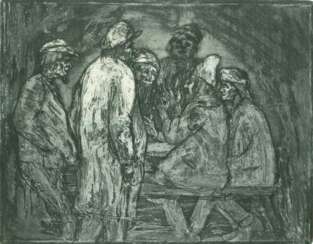






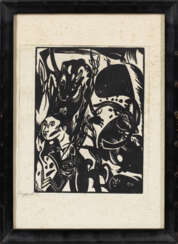




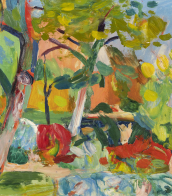



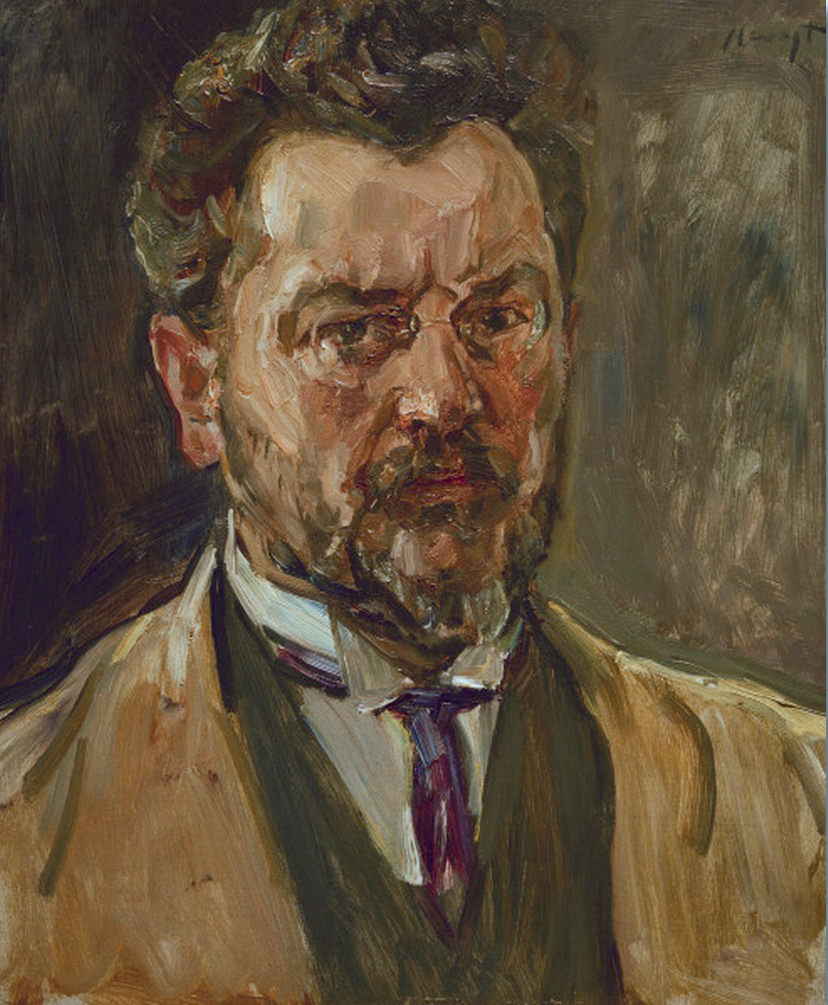
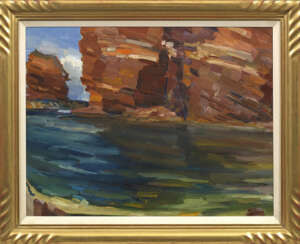
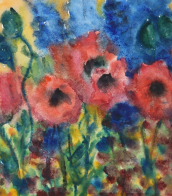
Max Slefogt was a German Impressionist painter and illustrator, best known for his landscapes. He was, together with Lovis Corinth and Max Liebermann, one of the foremost representatives in Germany of the plein air style.
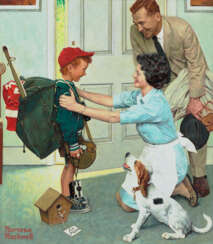

Norman Rockwell was an American illustrator and painter, renowned for his vivid and humane portrayal of American life. Born in New York City in 1894, Rockwell showed artistic promise from an early age, which led him to leave high school and pursue art full-time at prestigious institutions like the National Academy of Design and the Art Students League.
Rockwell's career blossomed early; by the age of 22, he had painted his first cover for The Saturday Evening Post, a relationship that would last nearly five decades and produce 323 covers. His depictions of everyday life and pivotal American moments captured the spirit of the nation.
Perhaps his most significant works were the "Four Freedoms" series, inspired by President Franklin D. Roosevelt's vision of a world founded on four essential human freedoms. These paintings not only graced the covers of The Saturday Evening Post but also played a crucial role in the U.S. war effort during World War II, raising over $130 million through the sale of war bonds.
In his later years, Rockwell did not shy away from addressing social issues. His move to Look magazine allowed him to focus on subjects such as civil rights and poverty, marking a significant shift from his earlier work. "The Problem We All Live With," depicting Ruby Bridges integrating a New Orleans school, remains a powerful symbol of the Civil Rights Movement and showcases Rockwell's ability to engage with contemporary social issues through his art.
For those interested in exploring Rockwell's extensive body of work, the Norman Rockwell Museum in Stockbridge, Massachusetts, holds the largest collection of his original art, providing insights into his artistic journey and the historical context of his works.
If you're keen on further updates and insights into the world of Norman Rockwell, consider signing up for our newsletter. This subscription will keep you informed about new exhibitions, sales, and auction events related to Rockwell's art.



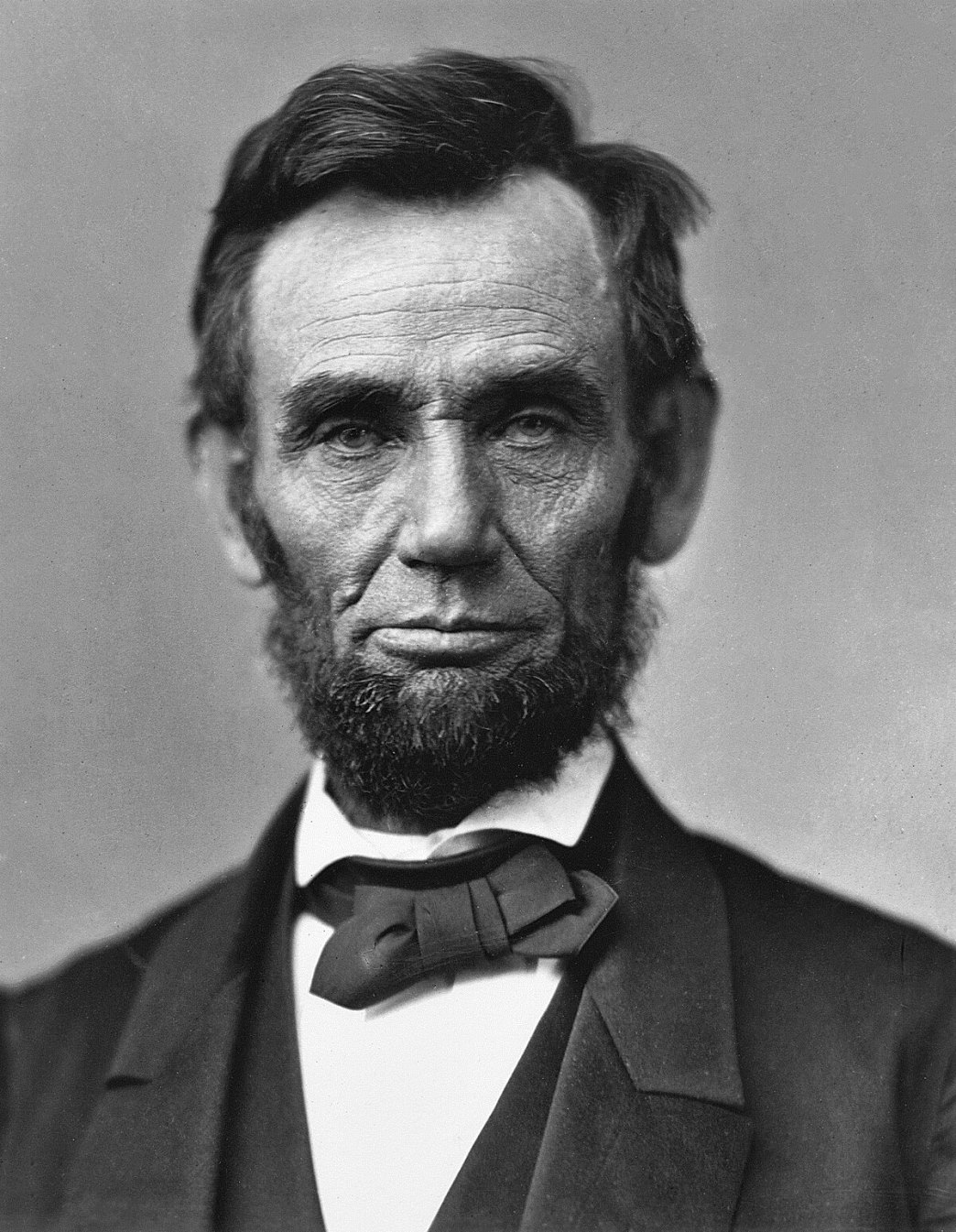
Abraham Lincoln was an American statesman and politician, the 16th President of the United States (March 4, 1861 - April 15, 1865).
The son of a frontiersman and a Kentucky farmer, Lincoln worked hard from an early age and struggled to learn. He was a militiaman in the Indian War, practiced law, and sat in the Illinois legislature for eight years. He was an opponent of slavery and gradually gained a national reputation that earned him victory in the 1860 presidential election.
After becoming the 16th president of the United States, Abraham Lincoln turned the Republican Party into a strong national organization. In addition, he drew most Northern Democrats to the Union side. On January 1, 1863, he issued the Emancipation Proclamation, which declared permanently free those slaves who were in Confederate territory. Lincoln considered secession illegal and was prepared to use force to defend federal law and the Union. Four more slave states joined the Confederacy, but four remained in the Union, and the Civil War of 1861-1865 began.
Lincoln personally directed the military action that led to victory over the Confederacy. Abraham Lincoln was reelected in 1864, and on April 14, 1865, he was fatally shot at Ford's Theatre in Washington, D.C. by actor John Wilkes Booth.
Abraham Lincoln is a national hero of the American people, he is considered one of the best and most famous presidents of the United States until today.







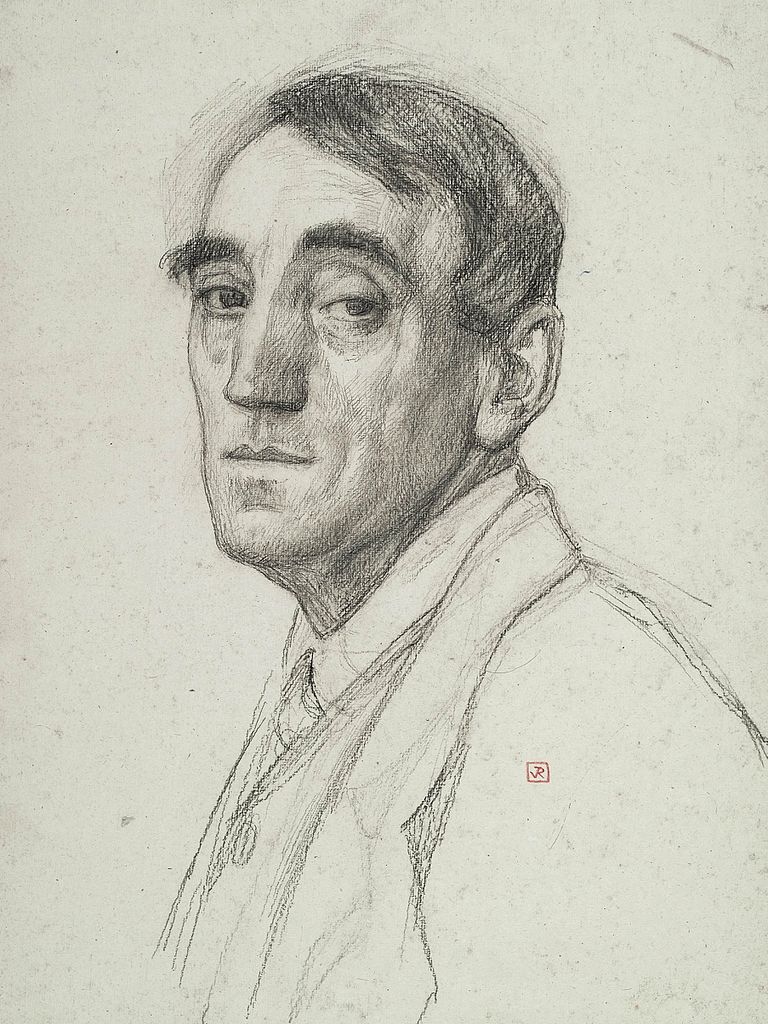
Théo van Rysselberghe, a prominent Belgian painter, was a key figure in the Neo-Impressionist movement, particularly known for his adoption of the pointillist technique. Born in Ghent, Belgium, in 1862, van Rysselberghe played a crucial role in the artistic circle Les XX, a group of avant-garde artists who sought to break away from traditional academic art norms. His early works displayed an Impressionist influence, which evolved significantly after he encountered Georges Seurat's pointillist masterpiece at an Impressionist exhibition in Paris in 1886.
Van Rysselberghe's career saw a significant shift after this encounter, as he embraced pointillism, a technique involving the application of small, distinct dots of color to form an image. His mastery in this style is evident in his landscapes and portraiture, where he employed vibrant colors and meticulous attention to light and detail. His work during this period is considered the pinnacle of his artistic achievements, showcasing his talent not only in landscapes but also in pointillist portraiture, a genre he significantly contributed to within the Neo-Impressionist movement.
Despite his success and contributions to pointillism, Théo van Rysselberghe eventually moved away from this technique around 1904, exploring other artistic expressions. Throughout his career, he remained an influential figure in the Belgian art scene, his works continuing to inspire and attract attention for their innovative approach and technical prowess.
For art collectors and enthusiasts, delving into Théo van Rysselberghe's oeuvre offers a fascinating glimpse into the evolution of Neo-Impressionism and pointillism, highlighting the artist's significant role in these movements. To stay updated on sales and auctions featuring van Rysselberghe's works, signing up for updates can provide exclusive insights into opportunities to acquire pieces by this remarkable artist.




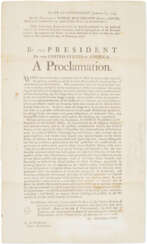

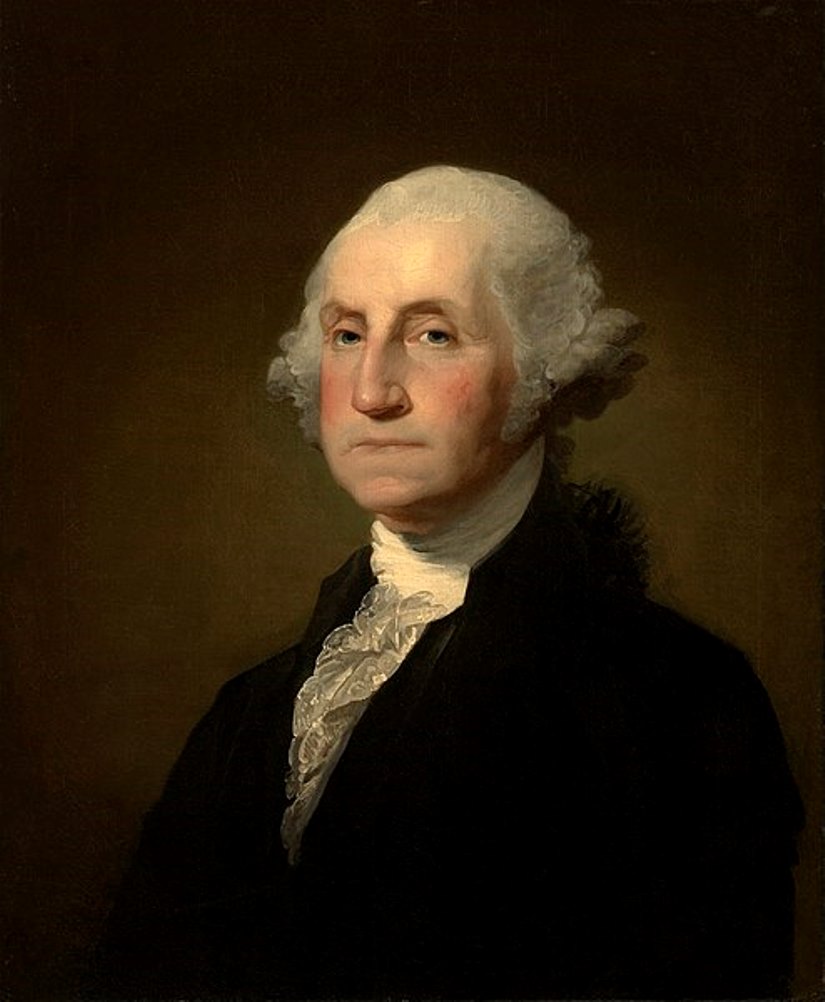
George Washington is the first popularly elected president of the United States of America and one of the founding fathers of the United States.
Born into a noble family in colonial Virginia in February 1732, George Washington served as a Virginian officer with British troops during the French-Indian War (1754-1763) from 1754-1758. This was a territorial war fought largely between the colonies of Britain and France that escalated into a worldwide conflict between the two countries. J. Washington was at the center of the conflicts in the disputed Ohio River Valley area.
In June 1775, he was elected commander-in-chief of the Continental forces in the war already for independence from Great Britain. He commanded American troops throughout the war, becoming famous for his perseverance and bravery.
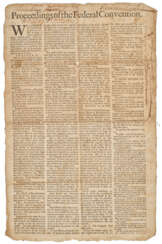
In 1787, J. Washington represented the state of Virginia as a delegate to the Constitutional Convention. This convention created the Constitution of the United States. In 1789, the Electoral College unanimously elected George Washington president, and in 1792 he was re-elected for a second term. Thus George Washington was in office as President of the United States from April 30, 1789 to March 4, 1797.
As head of state, he helped to strengthen the Union, implement the principles of the Constitution and build the capital of the United States. He was engaged in the formation of the central authorities and system of government, created precedents for the institution of presidents, encouraged the development of the economy, maintained friendly relations with Congress. In foreign policy Washington avoided interference in the affairs of European states.
After leaving the post of president, George Washington lived in Mount Vernon Manor.