

Asia — Auction price


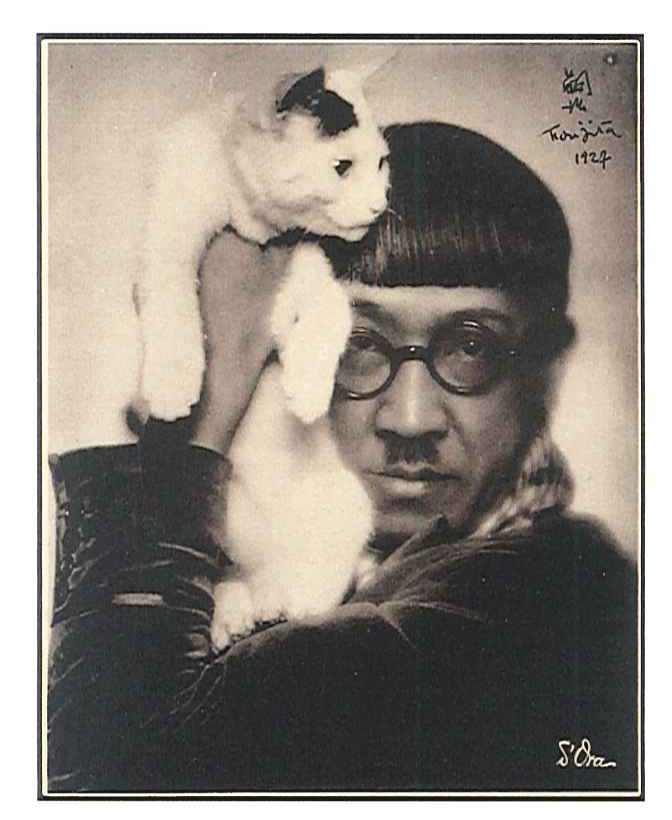
Tsugouharu Foujita was a French twentieth-century artist of Japanese descent. He is known for his unique style, combining elements of Japanese painting and printmaking with European realism.
Foujita created a wide range of works in a variety of genres, including nudes, images of cats, portraits of women and children, and self-portraits. He later converted to Catholicism and began creating paintings with religious themes. The artist was internationally recognized, and his work was exhibited in many countries around the world. His work was characterized by the perfection of pictorial technique, virtuosity of drawing and an atmosphere of sophistication. The master also showed talent in graphics, photography, ceramics, theater, cinema and fashion design. Prices for his paintings were comparable to those of Picasso's works.
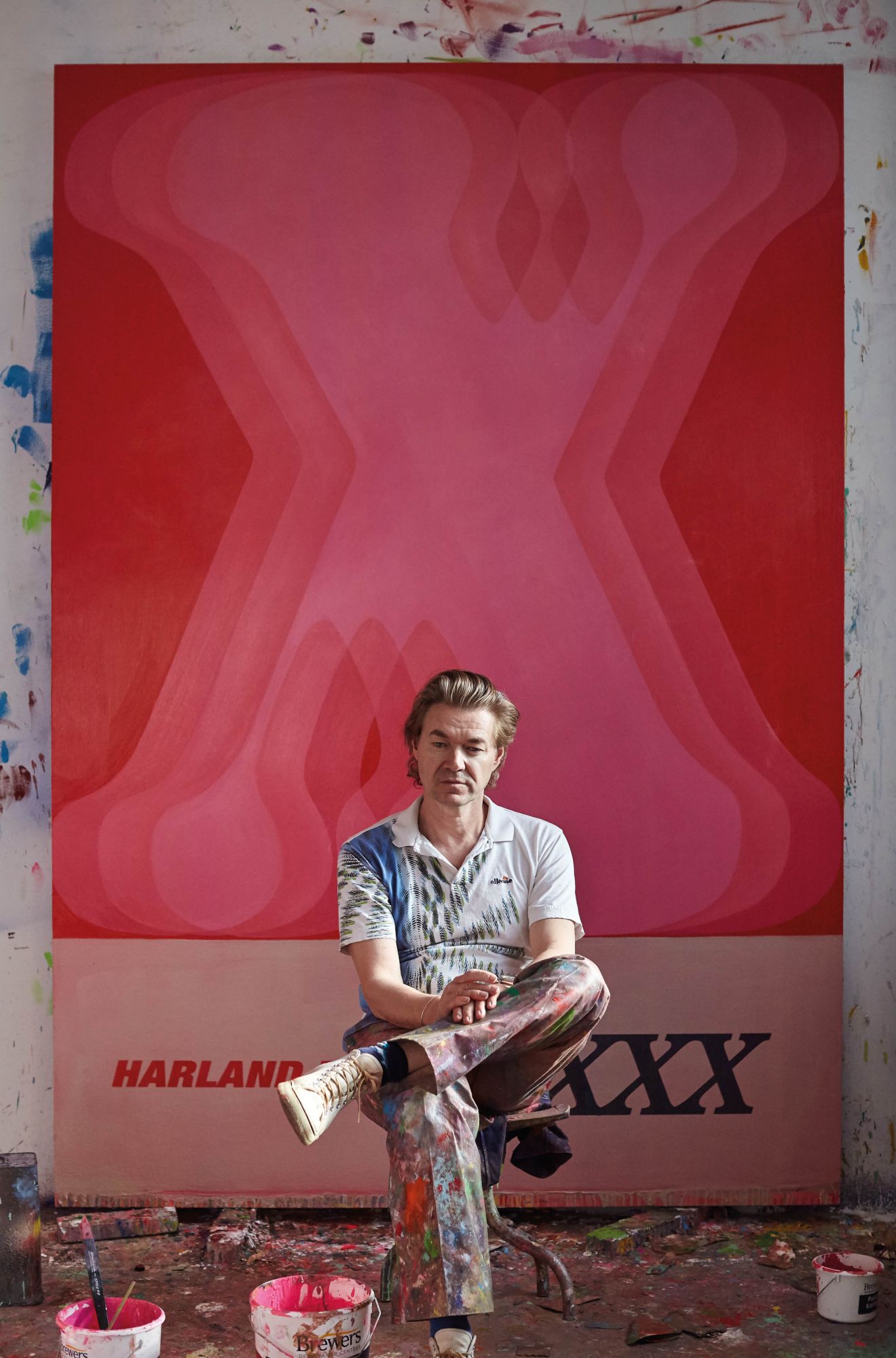


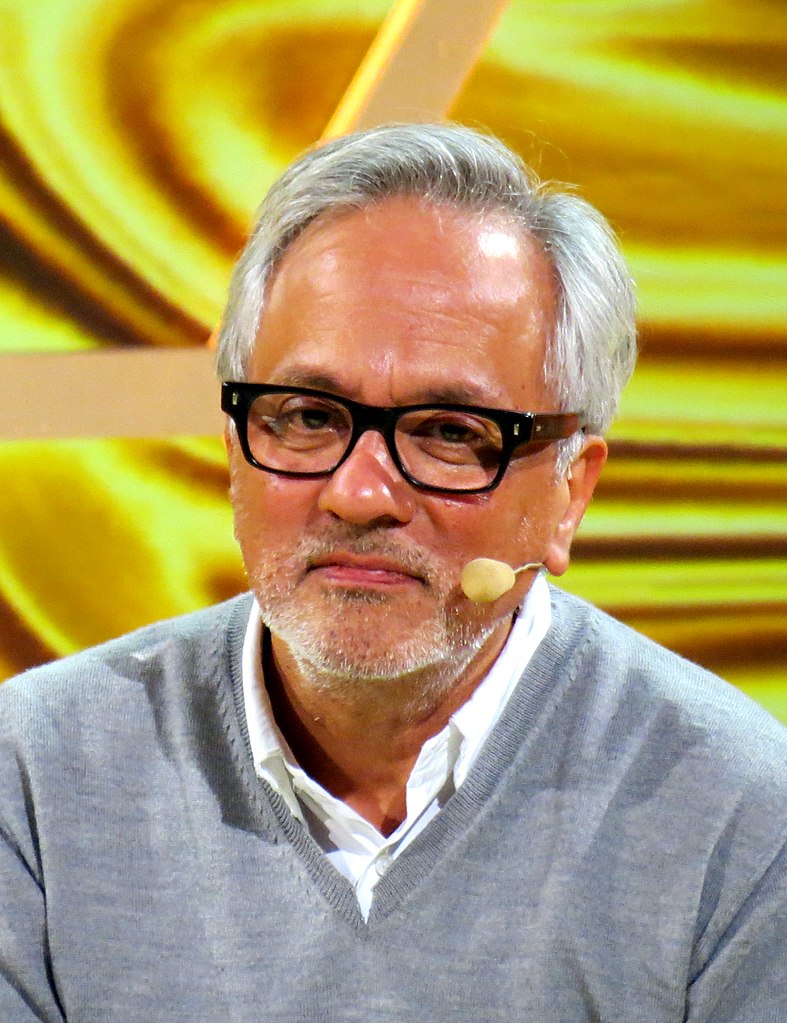
Anish Kapoor is a British-Indian sculptor specializing in installation art and conceptual art.
Kapoor became known in the 1980s for his geometric or biomorphic sculptures using simple materials such as granite, limestone, marble, pigment and plaster. These early sculptures are frequently simple, curved forms, usually monochromatic and brightly coloured, using powder pigment to define and permeate the form.
Since 1995, he has worked with the highly reflective surface of polished stainless steel. These works are mirror-like, reflecting or distorting the viewer and surroundings. Over the course of the following decade Kapoor's sculptures ventured into more ambitious manipulations of form and space.


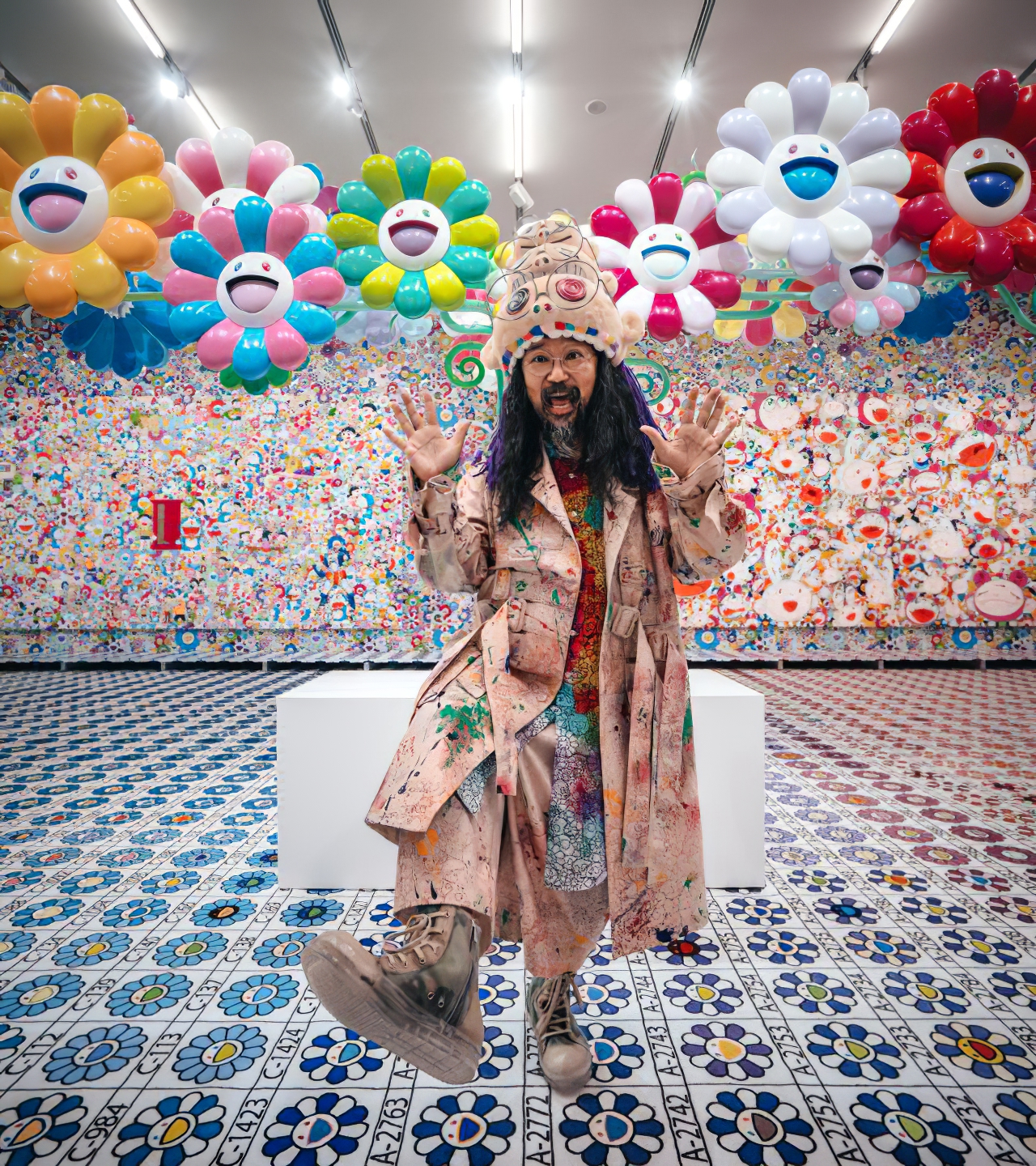
Takashi Murakami is a Japanese contemporary artist. He works in fine arts media (such as painting and sculpture) as well as commercial (such as fashion, merchandise, and animation) and is known for blurring the line between high and low arts as well as co aesthetic characteristics of the Japanese artistic tradition and the nature of postwar Japanese culture and society, and is also used for Murakami's artistic style and other Japanese artists he has influenced.


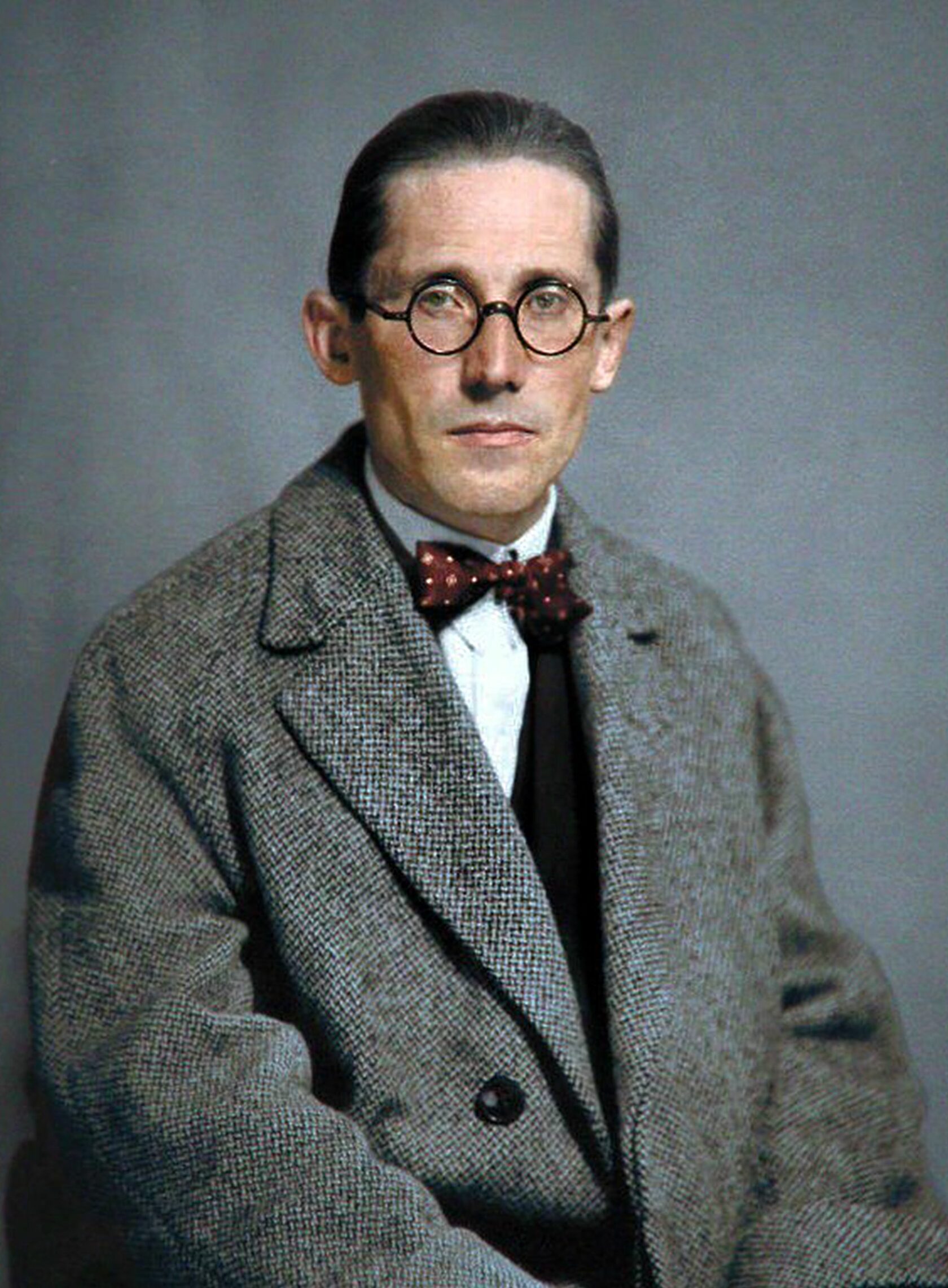
Le Corbusier, born Charles-Édouard Jeanneret in Switzerland, was a visionary French architect, designer, and writer who profoundly influenced modern architecture and urban planning. His innovative ideas blended functionalism with bold sculptural expressionism, embodying the essence of the International Style of architecture. Notably, Le Corbusier's designs, such as the Villa Savoye and the master plan for Chandigarh, India, are celebrated for their revolutionary approaches to living spaces and urban environments.
Le Corbusier's early life in La Chaux-de-Fonds, Switzerland, where he was immersed in the art and craft of watchmaking, significantly shaped his design principles. His architectural journey began without formal training, starting with his education in decorative arts and leading to significant collaborations across Europe. Le Corbusier's philosophy was deeply rooted in the belief that architecture should improve living conditions, particularly in crowded cities. This belief drove his contributions to the Congrès International d'Architecture Moderne and his development of influential architectural principles, such as the Five Points of Architecture, which are exemplified in Villa Savoye.
Villa Savoye, located in Poissy, France, stands as a testament to Le Corbusier's innovative approach, featuring pilotis (reinforced concrete stilts), a functional roof garden, an open floor plan, horizontal windows, and a free façade design. These elements collectively embody his vision of a "machine for living," integrating the house with its environment and the modern lifestyle. Despite facing issues with structural durability and weather resistance, Villa Savoye remains a pivotal work in architectural history, symbolizing the transition to modern architectural thought.
Le Corbusier's legacy is multifaceted, extending beyond architecture to furniture design and painting, showcasing his broad artistic talents. His work continues to inspire and provoke discussion, reflecting both his groundbreaking contributions to modern architecture and the complexities of his ideologies and methodologies.
If you are inspired by Le Corbusier's visionary approach to architecture and design, and wish to stay informed about related updates, consider signing up for our newsletter. This subscription will keep you in the loop about new product launches, sales, and auction events that are directly related to Le Corbusier's enduring legacy. Dive deeper into the world of architecture and design, and ensure you don't miss out on opportunities to engage with Le Corbusier's influential work. Sign up now to connect with the past, present, and future of architectural excellence.
.jpg)
Jean Elysée Puiforcat was a French silversmith, sculptor and designer. Miller's Antiques Encyclopedia calls Puiforcat the «most important French Art Deco silversmith».


.jpg)


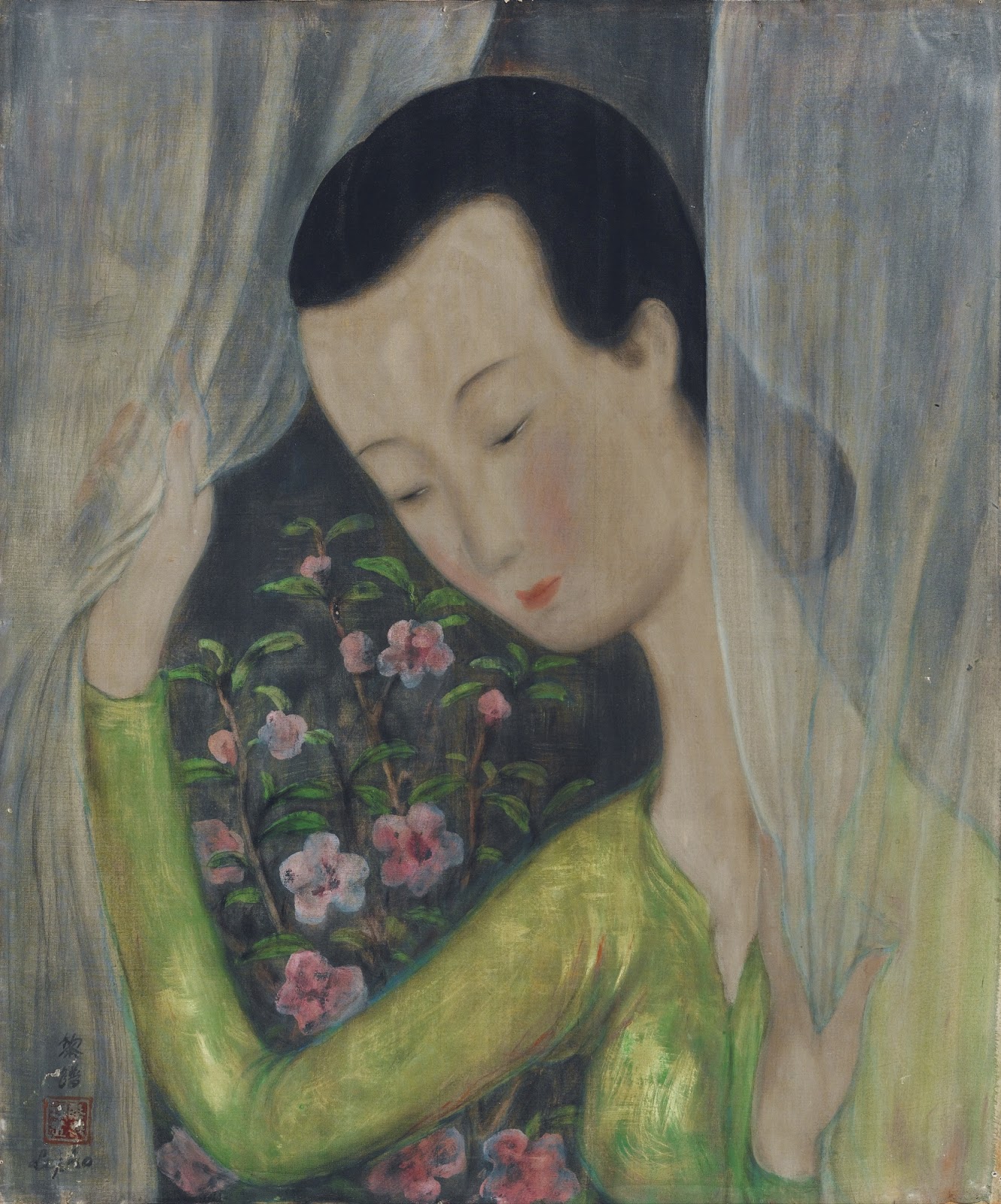


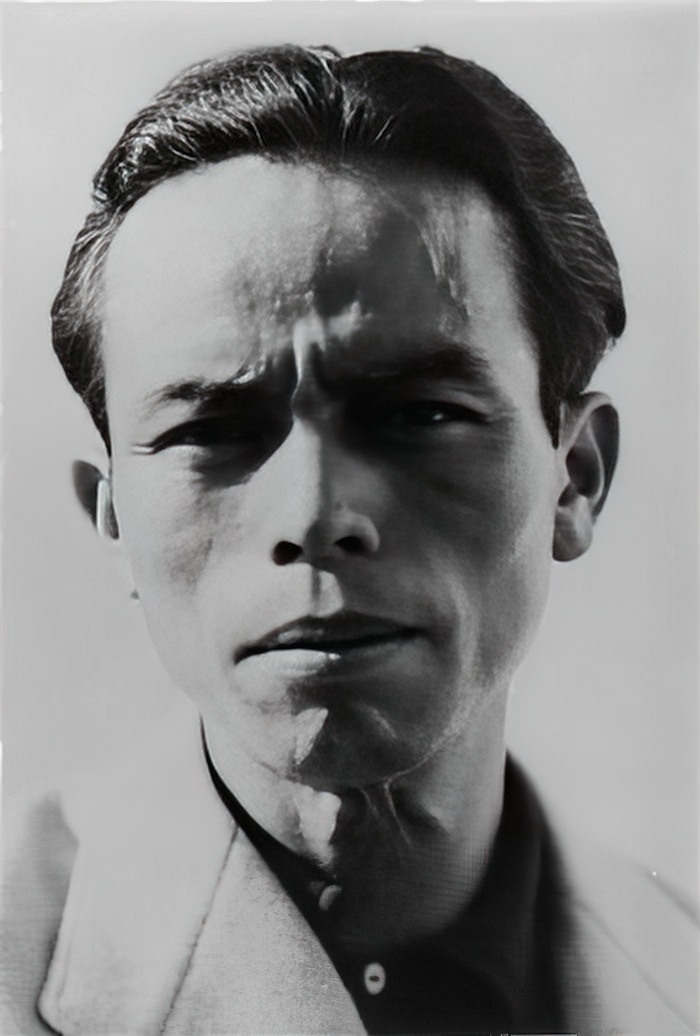
Vu Cao Dam (Vietnamese: Vũ Cao Đàm) was a Vietnamese painter. He was one of the alumni of Victor Tardieu's École des Beaux-Arts de l’Indochine in Hanoi in the 1930s, along with Mai Trung Thứ, Lê Phổ and woman painter Lê Thị Lựu to emigrate to France and make a career in Paris.


Vu Cao Dam (Vietnamese: Vũ Cao Đàm) was a Vietnamese painter. He was one of the alumni of Victor Tardieu's École des Beaux-Arts de l’Indochine in Hanoi in the 1930s, along with Mai Trung Thứ, Lê Phổ and woman painter Lê Thị Lựu to emigrate to France and make a career in Paris.