South America — Auction price


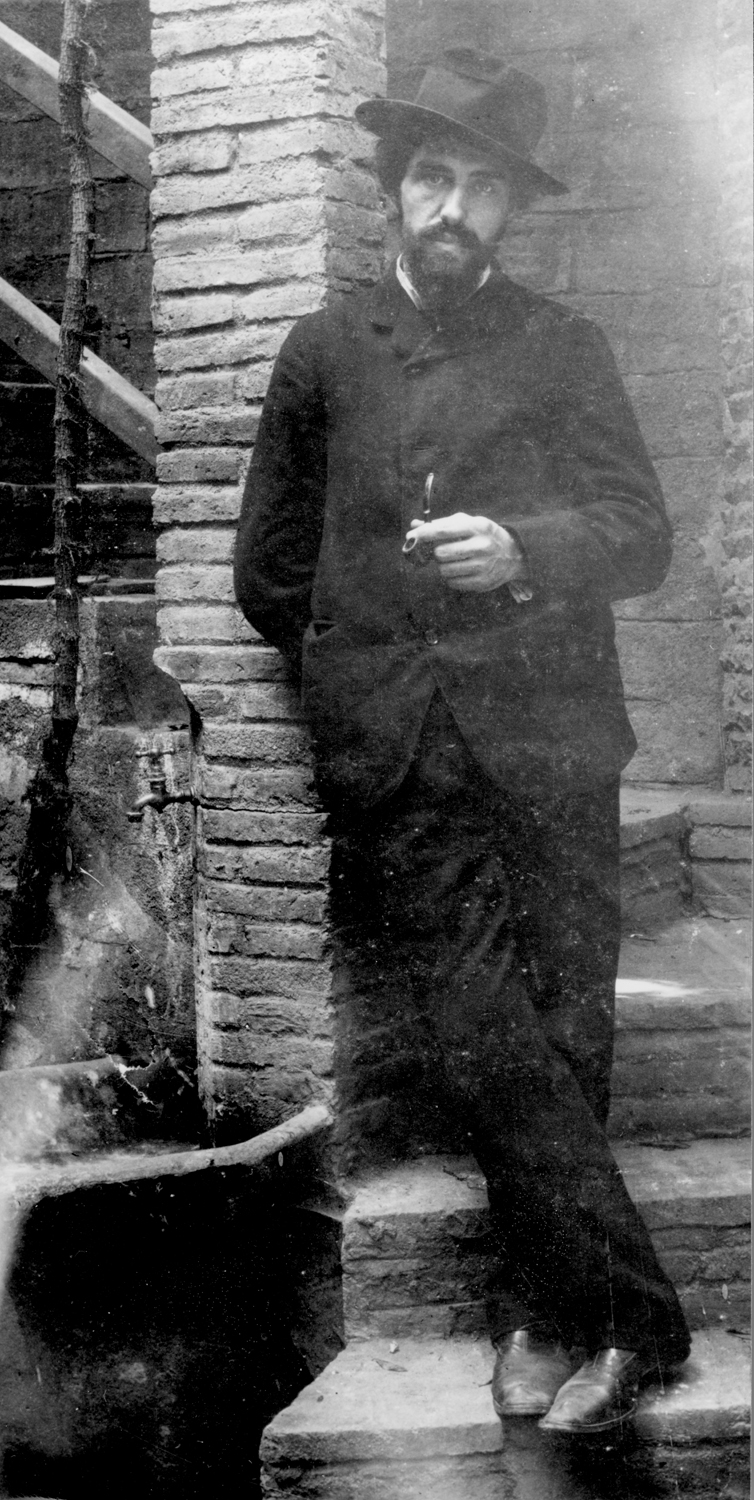
Joaquín Torres-García was a Uruguayan-Spanish artist.
His art is associated with archaic universal culture, including Mediterranean cultural traditions, Noucentisme, and modern classicism. Torres-García developed a unique style (first known as "Art Constructif") during the 1930s, while he lived in Paris. Arte Constructivo (Constructive Art), a school he opened in Madrid, became Universalismo Constructivo (Universal Constructivism, a treatise he published in South America while teaching in his workshops Asociación de Arte Constructivo and El Taller Torres-García). Torres-García's art combines classical and archaic traditions with 20th-century "-isms": Cubism, Dada, neo-plasticism, primitivism, surrealism, and abstraction.


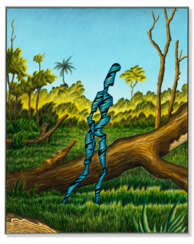

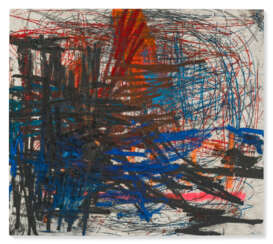

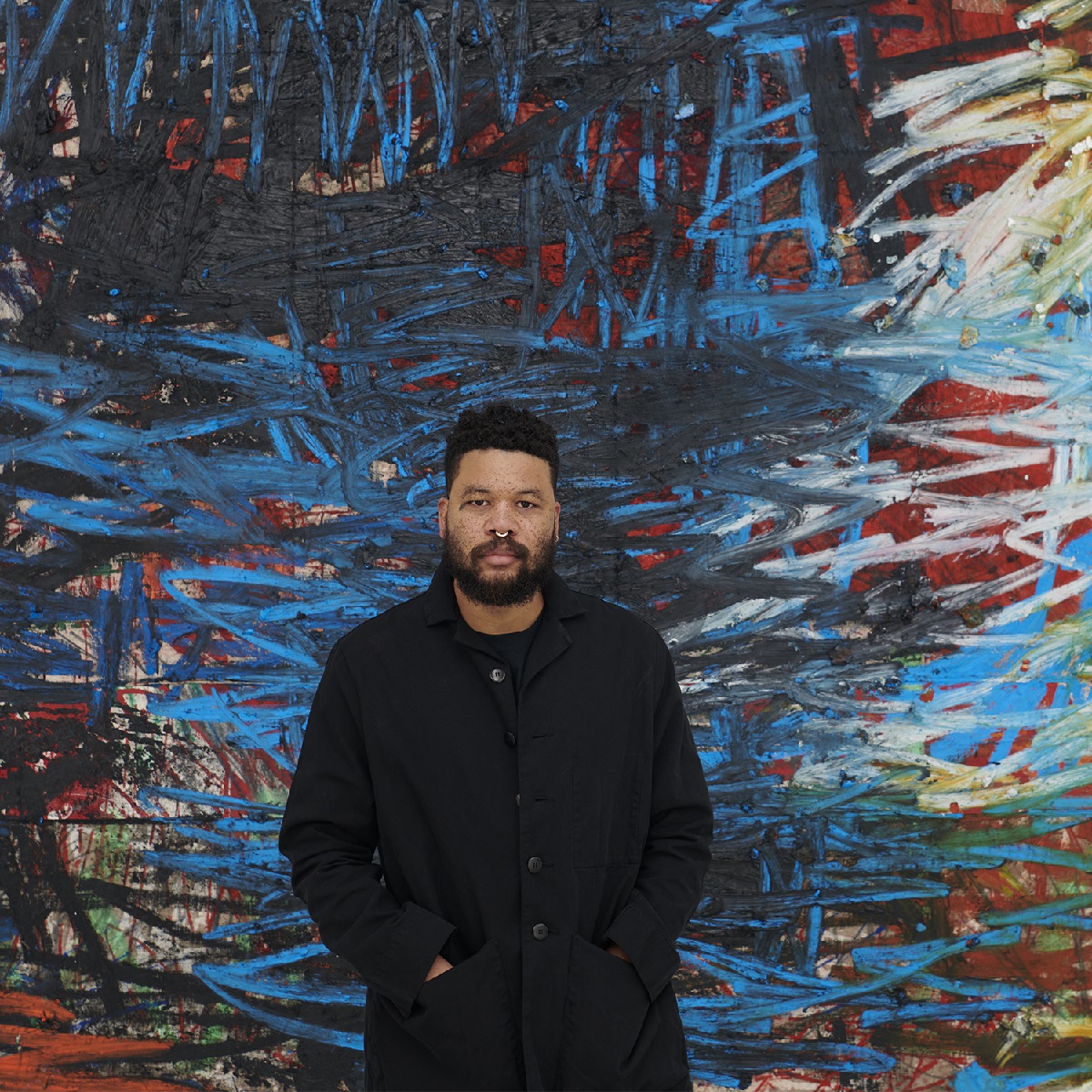
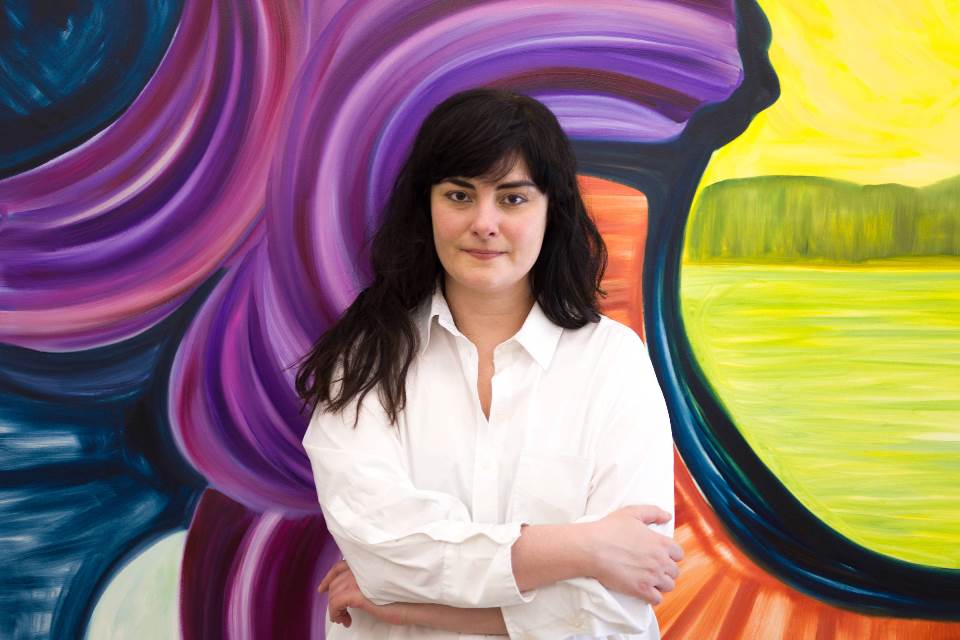
Oscar Murillo is an artist working within the painting tradition. He currently lives and works in various locations.
In 2019, he co-won the Turner Prize after requesting with his fellow nominees (Tai Shani, Helen Cammock, and Lawrence Abu Hamdan) that the jury award the prize for the first time to all four nominated artists.
Oscar Murillo works across painting, installation, and performance, often using draped black canvases, large-scale paintings composed of stitched-together fragments, and metal structures evoking autopsy tables and rock-like sculptures formed of corn and clay. His practice can be understood as a sustained and evolving investigation of community, informed by his cross-cultural personal ties between Colombia and the UK.


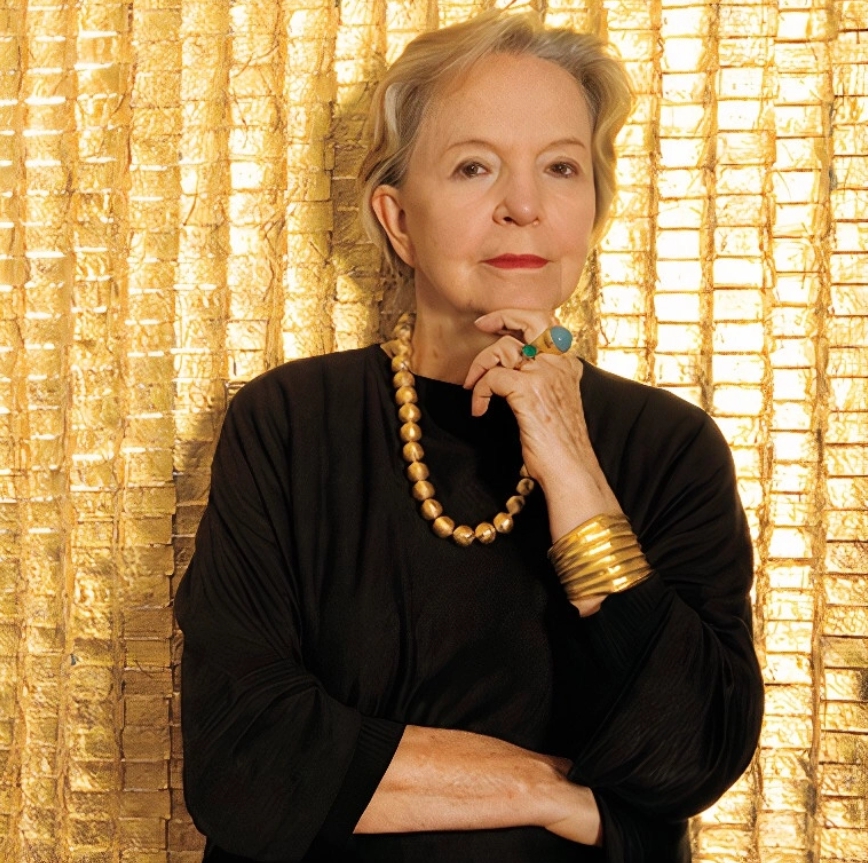
Olga de Amaral is a Colombian textile and visual artist known for her large-scale abstract works made with fibers and covered in gold and/or silver leaf. Because of her ability to reconcile local concerns with international developments, de Amaral became one of the few artists from South America to become internationally known for her work in fiber during the 1960s and ‘70s. She is also considered an important practitioner in the development of postwar Latin American Abstraction. She currently lives and works in Bogotá, Colombia.
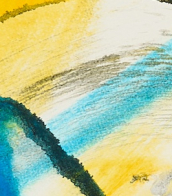


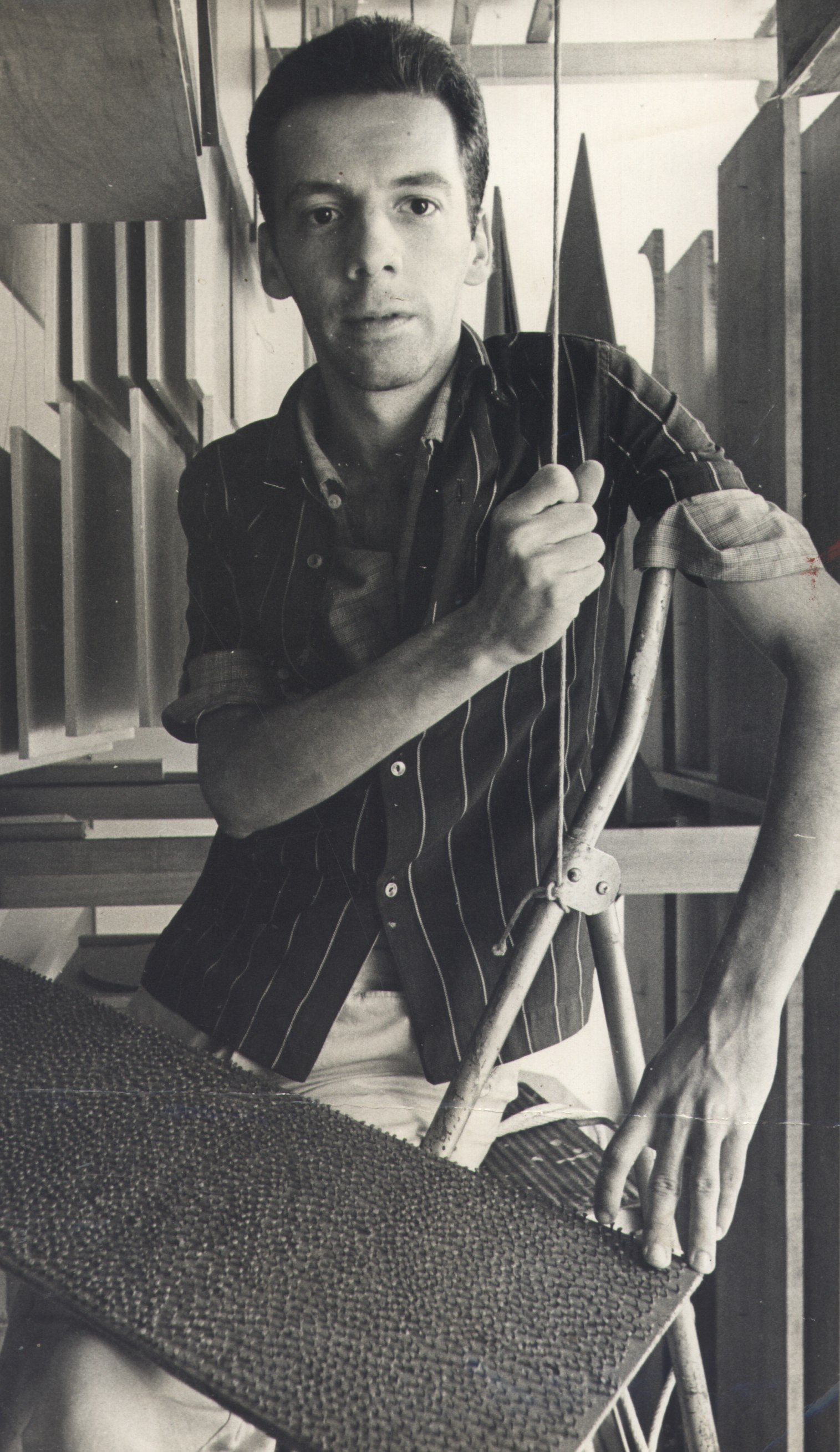
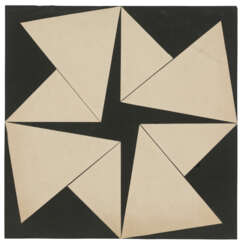
Hélio Oiticica was a Brazilian visual artist, sculptor, painter, performance artist, and theorist, best known for his participation in the Neo-Concrete Movement, for his innovative use of color, and for what he later termed "environmental art", which included Parangolés and Penetrables, like the famous Tropicália. Oiticica was also a filmmaker and writer.


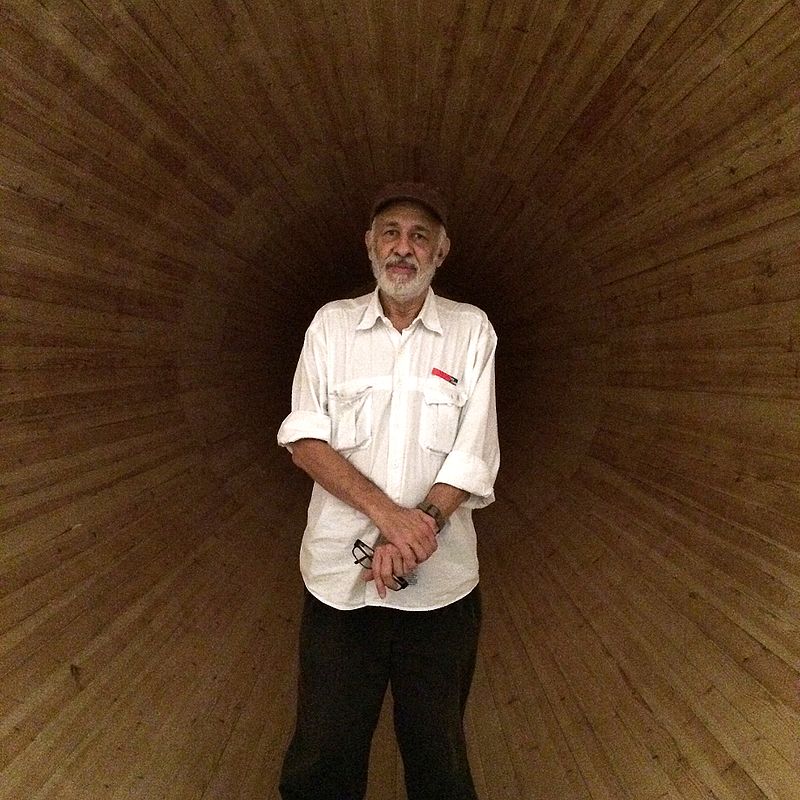


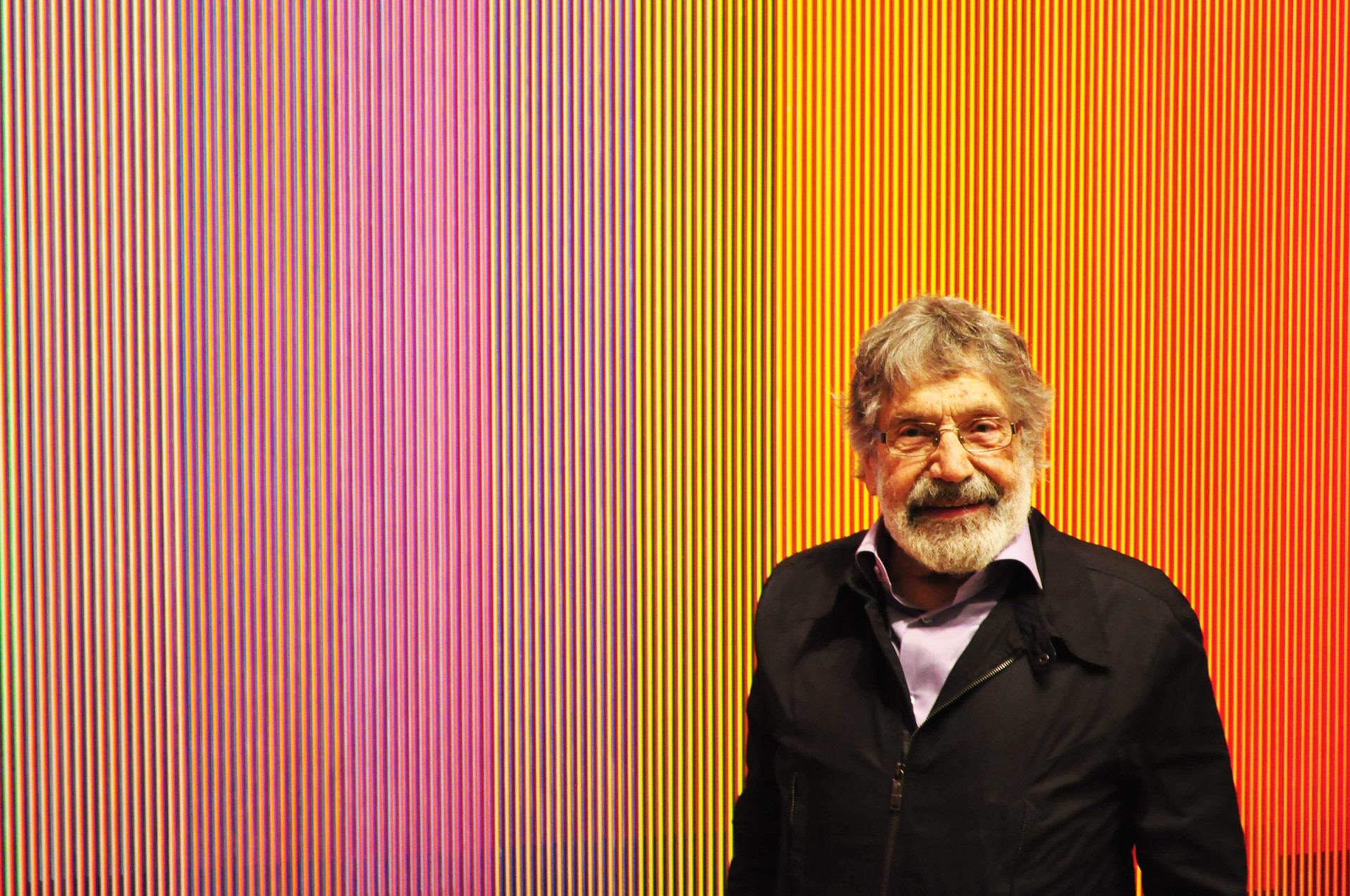
Carlos Cruz-Diez was a Venezuelan artist said by some scholars to have been "one of the greatest artistic innovators of the 20th century."
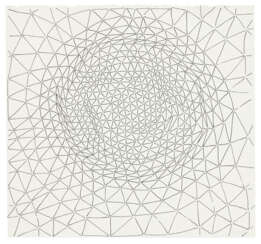

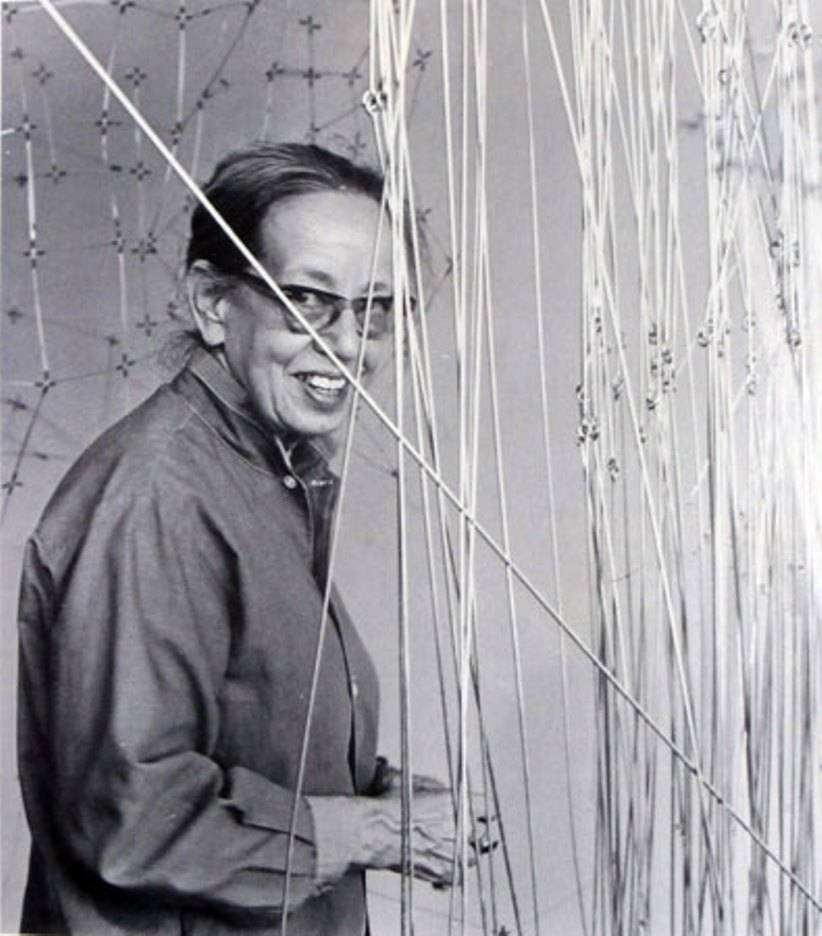
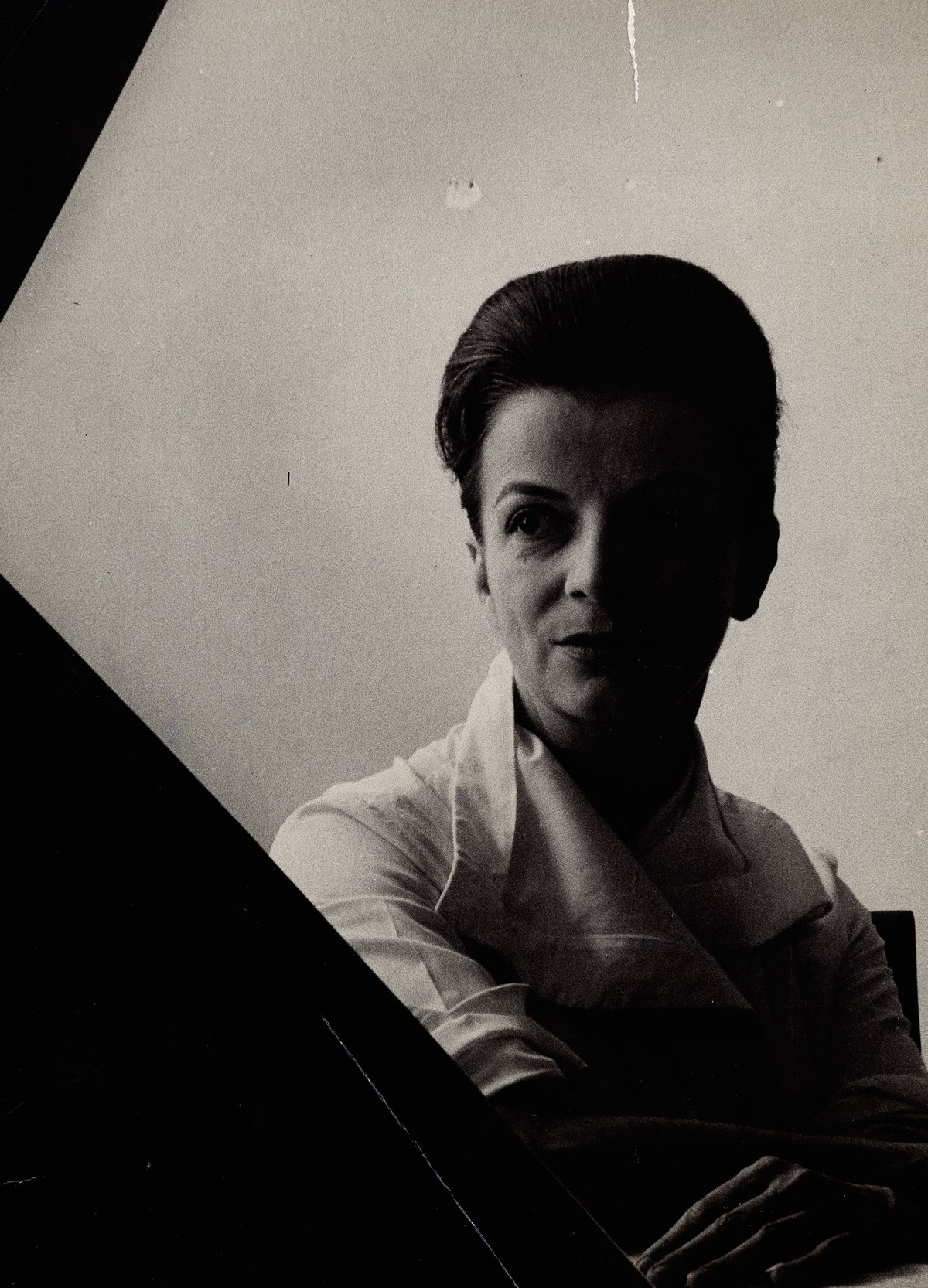
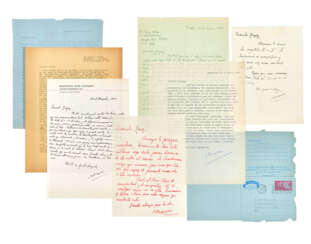
Gertrud Goldschmidt, full name Gertrud Louise Goldschmidt, also known by her pen name Gego, is a Venezuelan painter, architect and sculptor of German descent.
She graduated from the University of Stuttgart with a degree in engineering and architecture, and emigrated to Venezuela with the outbreak of World War II, settling in Caracas. Gertrud Goldschmidt was engaged in design and architectural commissions. And she began her artistic career in the 1950s, developing her own style of geometric abstraction, which became a symbol of artistic modernity in Venezuela.
Gego then began to create sculptures and wire mesh constructions, and was also active in kinetic art. In 1969, the Museum of Fine Arts in Caracas exhibited her three-dimensional installation consisting of an extensive modular wire mesh that unfolds in the gallery space through the floor, walls and ceiling. Goldschmidt is best known for her geometric and kinetic sculptures made in the 1960s and 1970s.
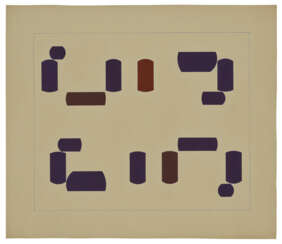

Hélio Oiticica was a Brazilian visual artist, sculptor, painter, performance artist, and theorist, best known for his participation in the Neo-Concrete Movement, for his innovative use of color, and for what he later termed "environmental art", which included Parangolés and Penetrables, like the famous Tropicália. Oiticica was also a filmmaker and writer.