

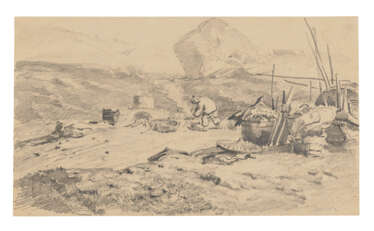
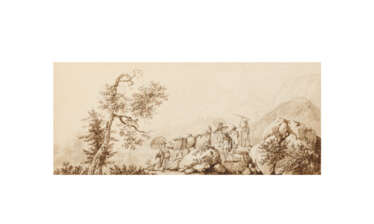
Landscape painting Pencil — Auction price


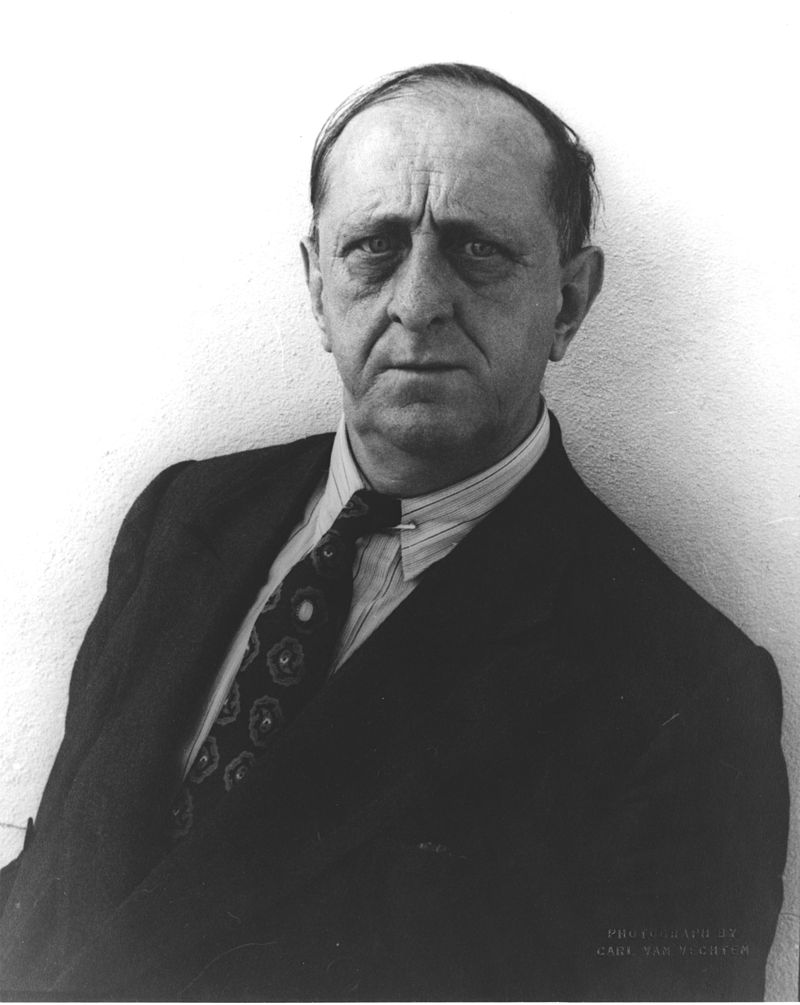
Marsden Hartley, real name Edmund Hartley, was an American artist and poet, one of the greatest representatives of classical modernism in the United States.
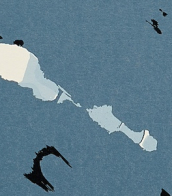
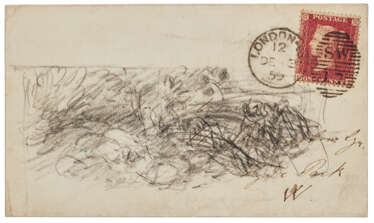

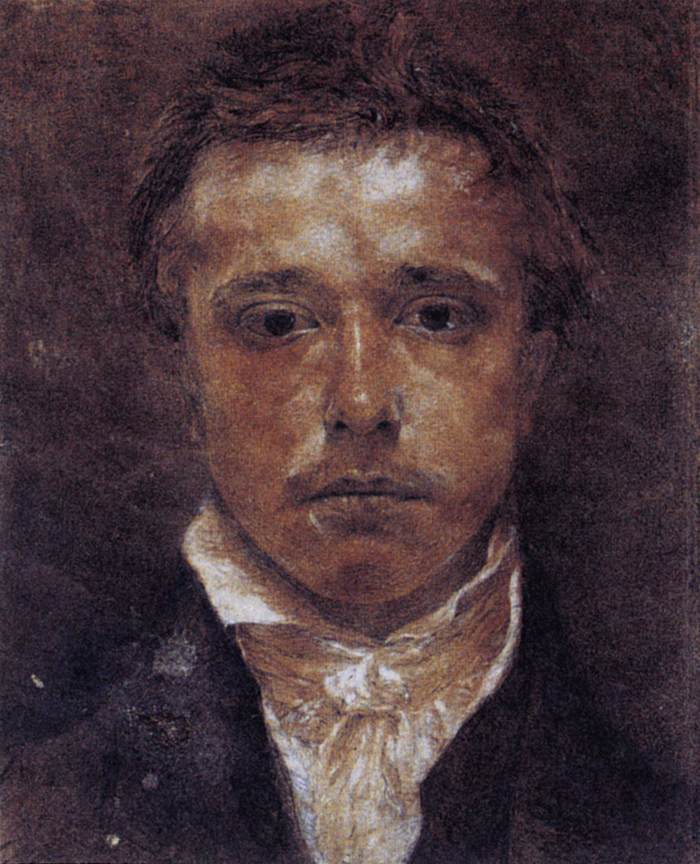
Samuel Palmer was a 19th-century English painter. He is known as a representative of Romanticism. Samuel Palmer was a master of the landscape genre, and most of his paintings were in watercolor.
Samuel Palmer, though not academically trained, was also a good illustrator and printmaker. He had serious financial problems all his life, causing him to combine a professional career as an artist with a job as an art teacher for nearly 20 years. Only towards the end of his life was Palmer able to devote himself fully to art.
The best masterpieces of the artist's work today are kept in British museums.
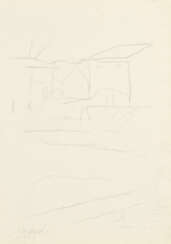

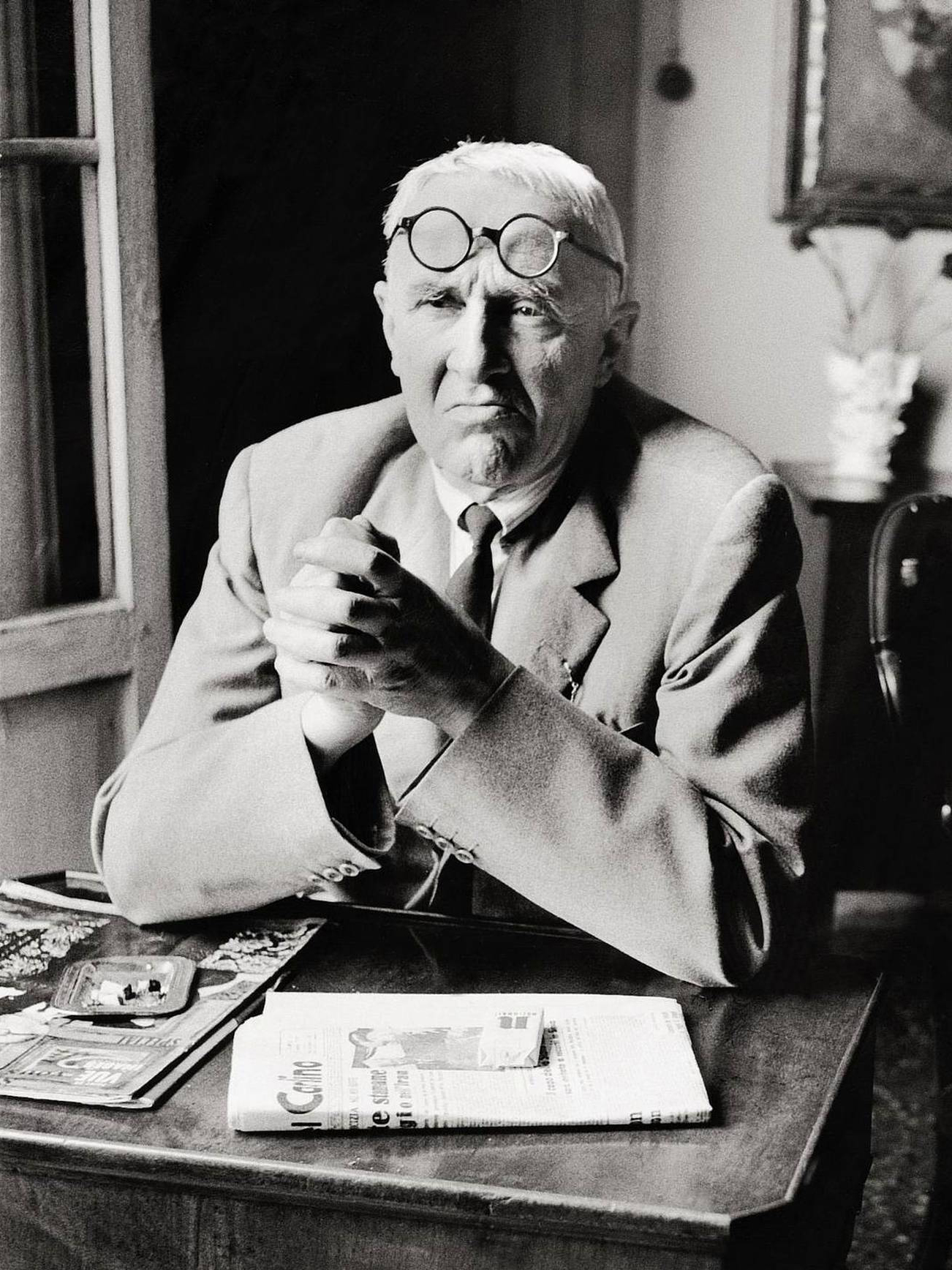
Giorgio Morandi was an Italian painter and printmaker who specialized in still life. His paintings are noted for their tonal subtlety in depicting simple subjects, which were limited mainly to vases, bottles, bowls, flowers and landscapes.


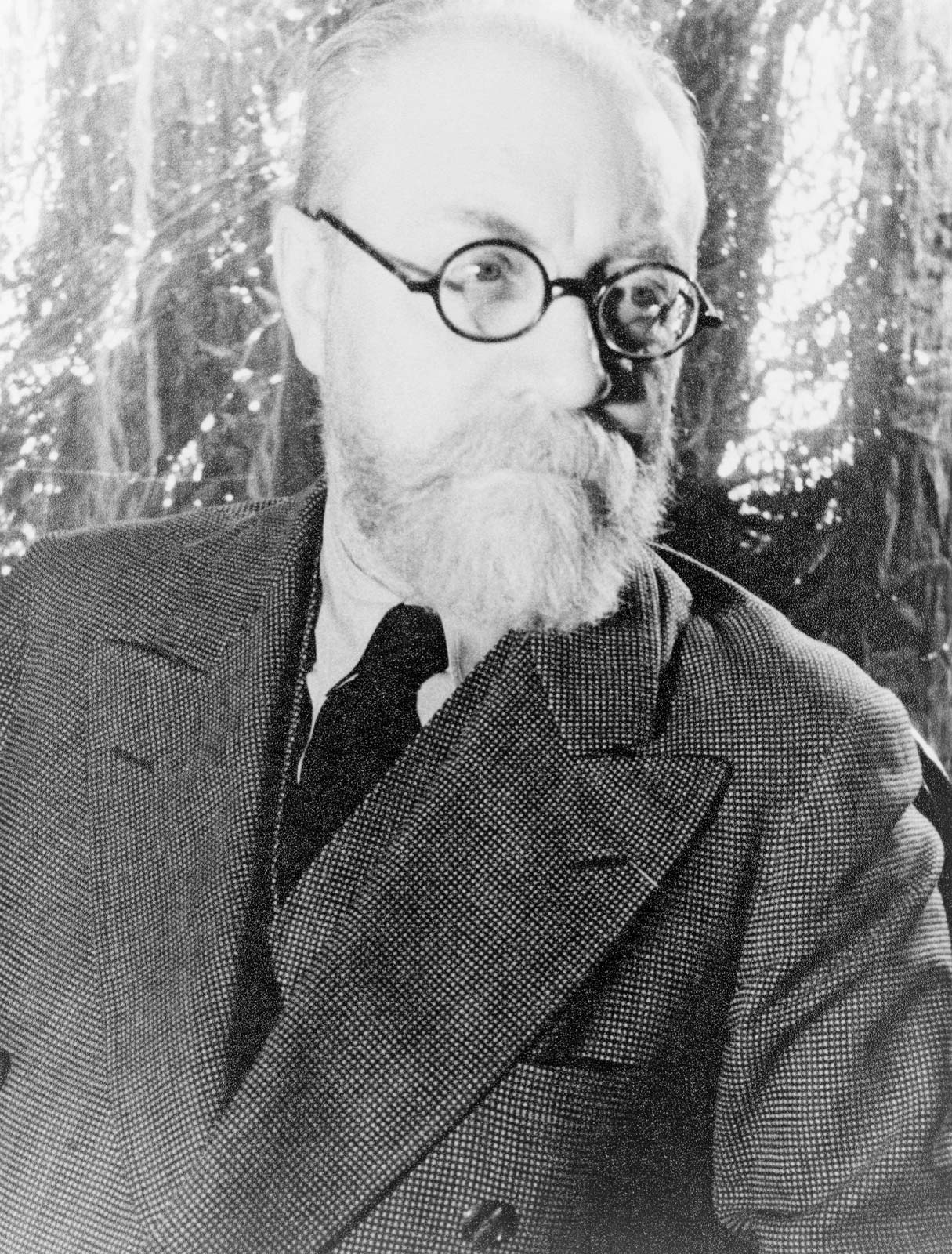
Henri Matisse, a renowned French visual artist, was celebrated for his vibrant use of color and fluid, original draughtsmanship. Born on December 31, 1869, in Le Cateau-Cambrésis, France, Matisse initially pursued a career in law before turning to art. He first began painting in 1889, a change inspired by convalescence art supplies his mother provided. This marked the beginning of a journey that would see him become a leading figure in modern art.
Matisse's career is notable for its stylistic evolution yet consistent aim to capture the "essential character of things." His early works, characterized by intense colorism, earned him recognition as one of the Fauves, or "wild beasts." The period from 1908 to 1913 was marked by significant developments, with works like "Reclining Odalisque" and "The Red Studio" showcasing his mastery in balance and serenity. In the 1920s, his style evolved to more relaxed forms, with a focus on light, color, and decorative patterns in paintings like his odalisque series.
Matisse's exploration of various mediums, including sculpture and paper collage, reflects his innovative spirit. His later years were dominated by cut paper collages, as health challenges limited his ability to paint. These works, alongside his bold drawings and sculptures, cemented his status as a pioneer in visual art.
For collectors and art experts, Matisse's work remains a testament to creative evolution and expressive use of color and form. His masterpieces can be found in prominent museums and galleries worldwide, continuing to inspire and fascinate art enthusiasts.
To stay updated on new product sales and auction events related to Henri Matisse's art, sign up for our updates. This subscription will keep you informed about opportunities to appreciate and acquire works connected to this iconic artist.
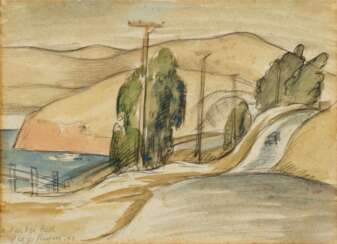

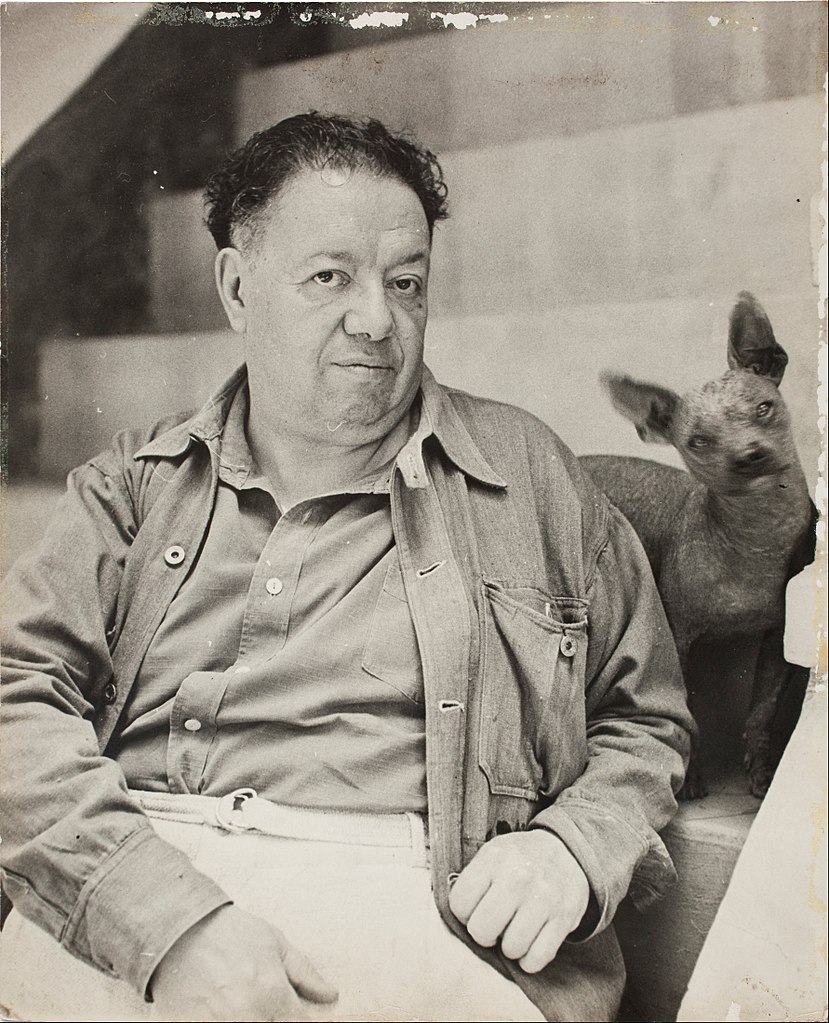
Diego María de la Concepción Juan Nepomuceno Estanislao de la Rivera y Barrientos Acosta y Rodríguez, more commonly known as Diego Rivera, was a prominent Mexican painter celebrated for his critical role in establishing the Mexican mural movement both nationally and internationally. Born on December 8, 1886, in Guanajuato, Mexico, to a well-to-do family, Rivera was a child prodigy in art, encouraged by his parents from a young age after they noticed his penchant for drawing. This early support included installing chalkboards and canvases on the walls of their home to foster his talent.
Rivera's art was not just limited to murals; he was also a key figure in Mexican Cubism and had a rich body of easel paintings. However, his murals, depicting scenes of Mexican society and reflecting his leftist political views, remain his most notable contributions. Some of his most famous works include "Man at the Crossroads," which stirred controversy due to its inclusion of Lenin, leading to its destruction at the Rockefeller Center in New York. Rivera's murals are scattered across Mexico and the United States, serving as historical documents that highlight his technical skill and deep social engagement.
His personal life was as colorful and tumultuous as his art, marked by multiple marriages, including to fellow artist Frida Kahlo. Their relationship was both passionate and stormy, significantly influencing their respective works. Rivera's legacy extends beyond his artwork; he was a mentor to several artists and left an indelible mark on the art world with his contributions to public art and his political activism. His works have been declared national monuments by the Mexican government, underscoring his pivotal role in the country's cultural heritage.
For collectors and experts in art and antiques, Rivera's works offer not only aesthetic beauty but also deep social and historical insights. If you're passionate about adding a piece of this rich cultural heritage to your collection or staying updated on auction events related to Diego Rivera's art, signing up for updates can provide you with timely information on new sales and exhibitions featuring his masterpieces.
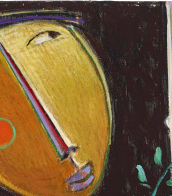
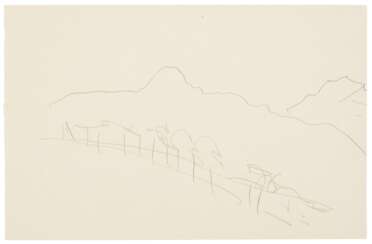

Henri Matisse, a renowned French visual artist, was celebrated for his vibrant use of color and fluid, original draughtsmanship. Born on December 31, 1869, in Le Cateau-Cambrésis, France, Matisse initially pursued a career in law before turning to art. He first began painting in 1889, a change inspired by convalescence art supplies his mother provided. This marked the beginning of a journey that would see him become a leading figure in modern art.
Matisse's career is notable for its stylistic evolution yet consistent aim to capture the "essential character of things." His early works, characterized by intense colorism, earned him recognition as one of the Fauves, or "wild beasts." The period from 1908 to 1913 was marked by significant developments, with works like "Reclining Odalisque" and "The Red Studio" showcasing his mastery in balance and serenity. In the 1920s, his style evolved to more relaxed forms, with a focus on light, color, and decorative patterns in paintings like his odalisque series.
Matisse's exploration of various mediums, including sculpture and paper collage, reflects his innovative spirit. His later years were dominated by cut paper collages, as health challenges limited his ability to paint. These works, alongside his bold drawings and sculptures, cemented his status as a pioneer in visual art.
For collectors and art experts, Matisse's work remains a testament to creative evolution and expressive use of color and form. His masterpieces can be found in prominent museums and galleries worldwide, continuing to inspire and fascinate art enthusiasts.
To stay updated on new product sales and auction events related to Henri Matisse's art, sign up for our updates. This subscription will keep you informed about opportunities to appreciate and acquire works connected to this iconic artist.
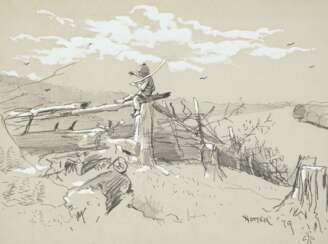

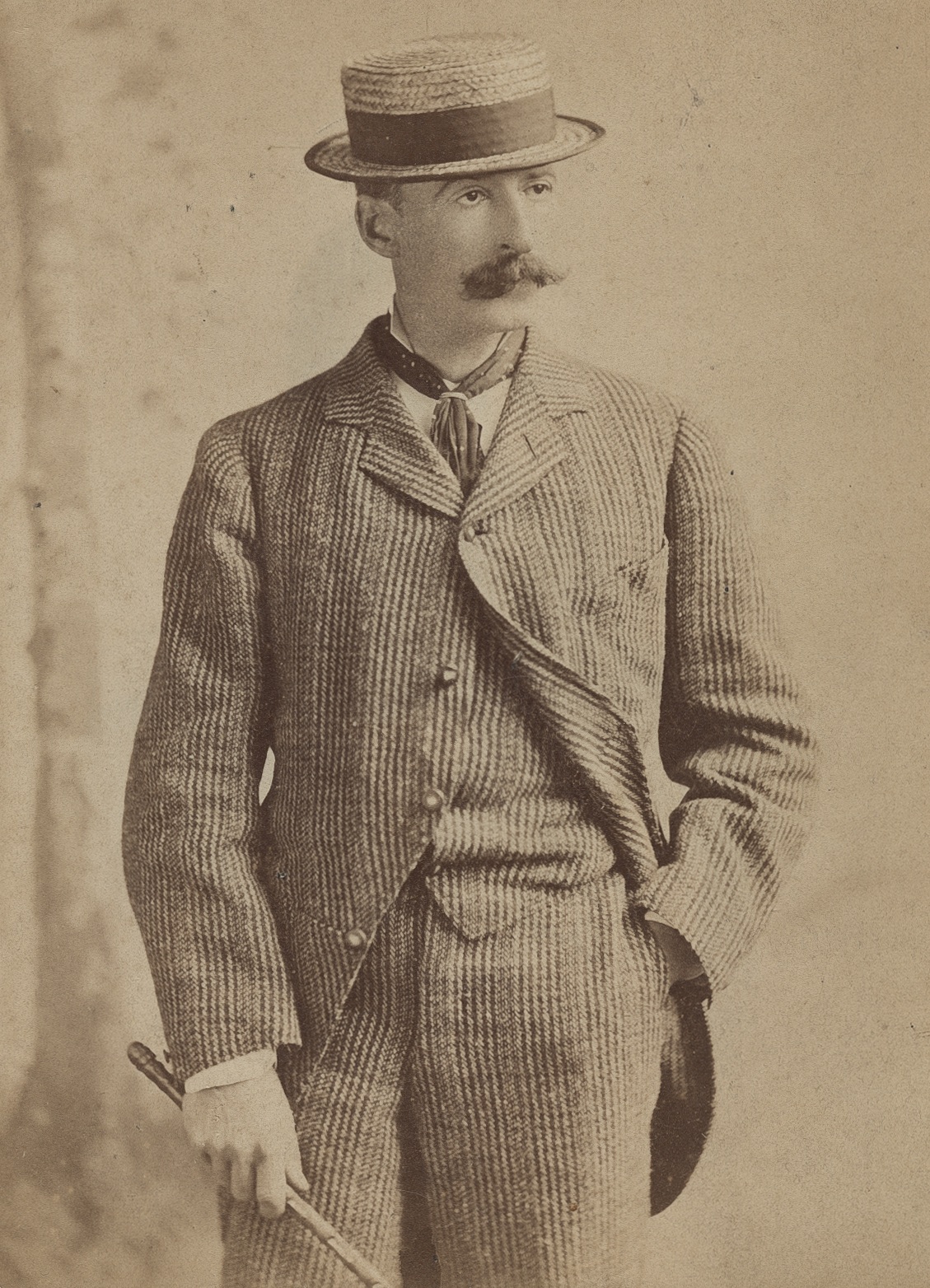
Winslow Homer was an American landscape painter and printmaker, renowned for his mastery of marine subjects and considered a preeminent figure in 19th-century American art. Born in Boston, Massachusetts in 1836, Homer was largely self-taught, starting his career as a commercial illustrator before venturing into oil painting and watercolors.
Homer's art evolved significantly over his lifetime. During the American Civil War, he worked as a correspondent, creating sketches that conveyed both the immediacy and the human cost of the war. This experience deeply influenced his later work, particularly his powerful oil paintings depicting war and its aftermath. After the war, Homer's focus shifted towards scenes of nature and rural America, reflecting a national nostalgia for simpler times. His works from this period, such as "The Cotton Pickers" and "Snap the Whip," showcase his ability to capture everyday life with poignant realism and emotional depth.
Later in his career, Homer became renowned for his watercolors and seascapes, such as "Breezing Up (A Fair Wind)" and "The Gulf Stream," which are celebrated for their dynamic composition and vivid portrayal of human interaction with nature. His late seascapes, which often depicted the rugged coastlines of Maine, are particularly noted for their dramatic intensity and hint at modernist abstraction, capturing the formidable power and timeless beauty of the sea.
Homer's works are held in high regard and continue to be featured in major museums and galleries, providing inspiration and insight into the American experience of the 19th century.
For those interested in the works of Winslow Homer and the impact of his art, you can sign up for updates related to new product sales and auction events featuring his work. This will keep you informed on opportunities to engage more deeply with Homer's enduring legacy.


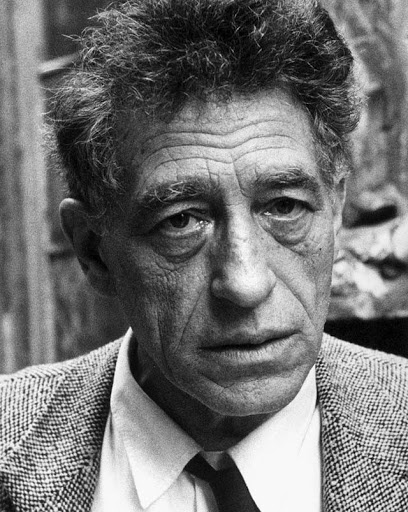
Alberto Giacometti was a Swiss sculptor, painter, draftsman, and printmaker, renowned for his distinctive elongated sculptures of solitary figures. Born in Borgonovo, Switzerland, in 1901, into a family of artists, Giacometti's talent was evident from an early age, encouraged by his father, Giovanni, a post-Impressionist painter, and his godfather, Cuno Amiet, a Fauvist painter. Moving to Paris in 1922 to study under the sculptor Antoine Bourdelle, Giacometti became a pivotal figure in Surrealism before focusing intensely on the human form, leading to his signature style of thin, elongated figures that evoke feelings of solitude and existential dread.
Giacometti's work spans several decades and various phases, including his early involvement with Surrealism and his later, more recognized existential and figurative sculptures. Notably, his sculptures, such as "Walking Man I" and "The Palace at 4 a.m.," reflect his unique view of reality and his relentless pursuit to capture the human essence. His approach was influenced by his associations with prominent figures of the art world, including Miró and Picasso, and intellectuals like Jean-Paul Sartre.
Despite facing challenges, including periods of self-doubt and the physical toll on his health, Giacometti's legacy as a master sculptor and artist remains influential. His works are celebrated worldwide and featured in major museums, such as the Museum of Modern Art in New York and the Tate Gallery in London, testament to his enduring impact on the art world.
Collectors and experts in art and antiques continue to revere Giacometti's work for its emotional depth and unique aesthetic. For those interested in the pioneering spirit of modern sculpture, Alberto Giacometti's oeuvre offers a profound exploration of the human condition and the artist's relentless pursuit of reality through art.
To stay updated on sales and auction events related to Alberto Giacometti's work, sign up for updates. This subscription is an excellent opportunity for collectors and enthusiasts to remain informed about new discoveries and opportunities related to Giacometti's enduring legacy.
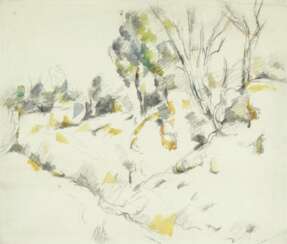

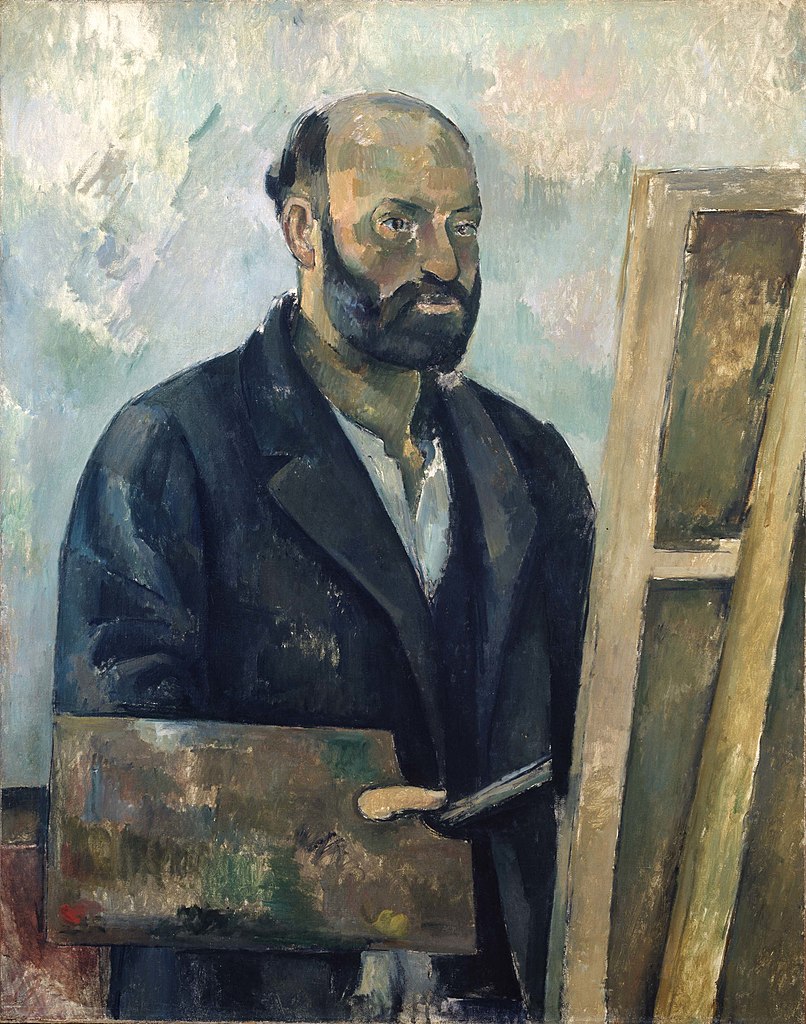
Paul Cézanne, a French Post-Impressionist painter, was pivotal in shaping the transition from 19th-century art to a new, revolutionary approach in the 20th century. His unique and exploratory brushstrokes, utilizing planes of color to form complex fields, made his work instantly recognizable and influential in the development of Cubism.
Cézanne’s early works, influenced by Romanticism and Realism, evolved into a groundbreaking artistic language. He challenged traditional perspective and academic art rules, focusing on objects' structural aspects and art's formal qualities. This approach led to a renewed emphasis on impressionistic color space and modulation principles.
His most notable works, like “Mont Sainte-Victoire,” “The Card Players,” and “The Bathers,” display his mastery in creating depth and dimension through color gradations. These paintings, initially met with skepticism, eventually cemented Cézanne’s reputation as a pioneering artist. His exhibitions, particularly the one-man show by dealer Ambroise Vollard in 1895, played a critical role in his recognition.
Cézanne’s impact on art history is profound, with greats like Henri Matisse and Pablo Picasso acknowledging him as a significant influence. His exploration of geometric forms and innovative use of light and color laid the groundwork for subsequent movements, particularly Cubism.
For collectors and art experts, Cézanne's works are more than just paintings; they are pivotal chapters in the narrative of modern art. His creations, bridging Impressionism and Cubism, continue to inspire and challenge contemporary artists.
To stay updated on new product sales and auction events related to Paul Cézanne, sign up for our updates. This subscription ensures you remain informed about the latest developments in the world of this revolutionary artist.
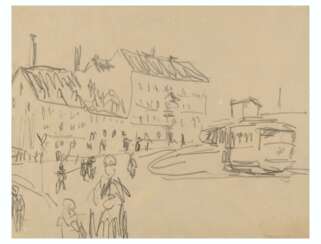

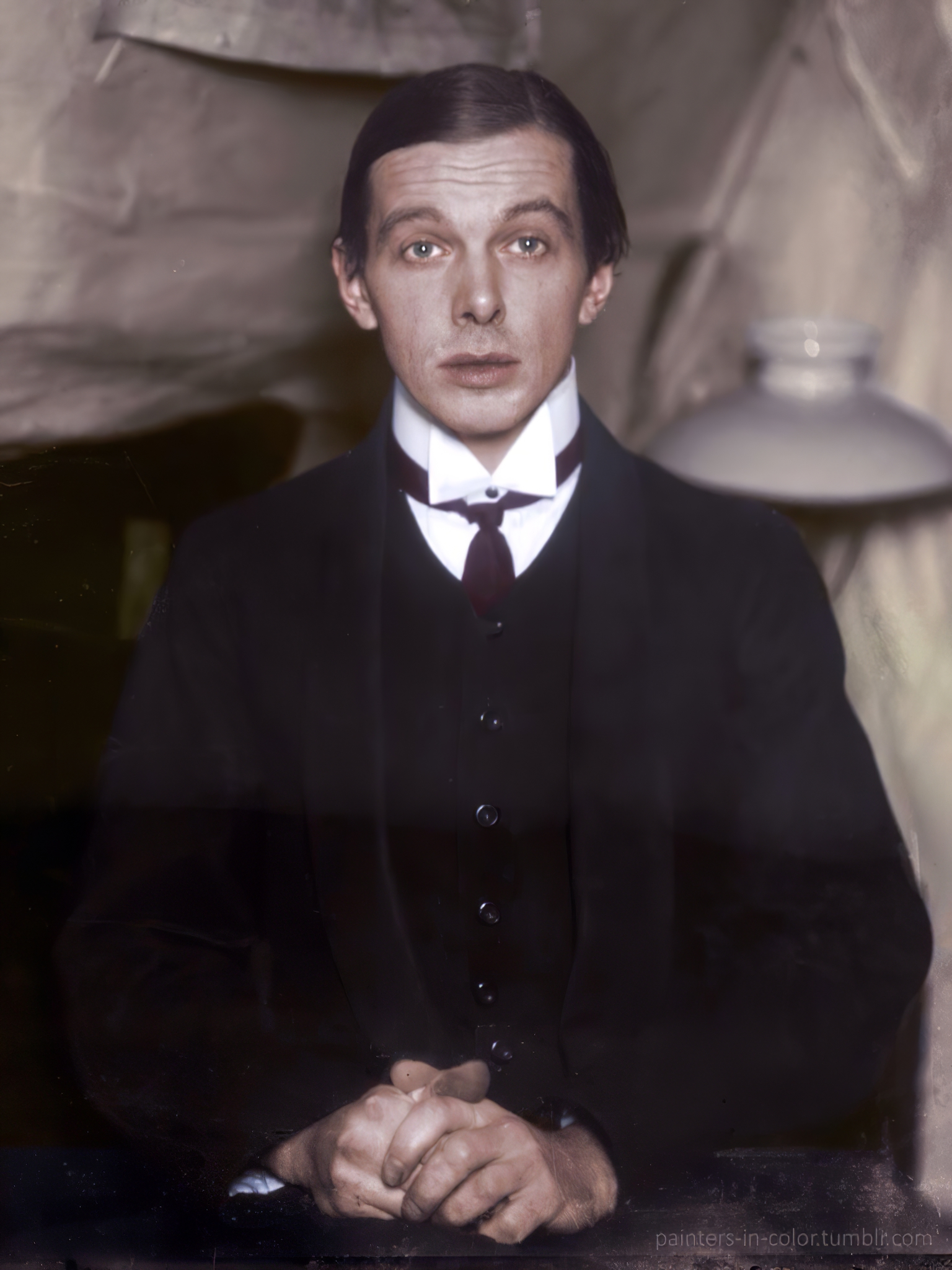
Ernst Ludwig Kirchner was a pivotal figure in the art world, known for his profound impact on 20th-century Expressionism. Born in Bavaria, Germany, on May 6, 1880, Kirchner's journey into art began with architecture studies before he found his true calling in painting and printmaking. In 1905, alongside fellow architecture students, he co-founded Die Brücke ("The Bridge"), a group that sought to revolutionize art by bridging the gap between traditional academic styles and modern artistic expression. This group was instrumental in the development of Expressionism, advocating for intense emotion conveyed through vivid colors and bold lines.
Kirchner's work, characterized by its expressive intensity and often exploring themes of urban life and the human psyche, reflects a deep engagement with the cultural and social upheavals of his time. Notably, his experiences during World War I, including a mental breakdown and subsequent discharge from military service, deeply influenced his art. Works like "Self-Portrait as a Soldier" (1915) poignantly encapsulate the personal and societal trauma of the era.
After the war, Kirchner sought solace in Davos, Switzerland, where the tranquil landscapes inspired a new direction in his work, showcasing a more serene and reflective approach. Despite his contributions to modern art, Kirchner's later years were marred by the Nazi regime's denunciation of his work as "degenerate," leading to the destruction and dispersal of many pieces. Tragically, this persecution contributed to his decision to end his life on June 15, 1938.
Kirchner's legacy is preserved through his influential body of work, from vivid urban scenes to tranquil landscapes, all marked by a distinctive, expressive style that continues to captivate art collectors and experts. His works are held in major museums worldwide, including the Museum of Modern Art in New York and the National Gallery of Art in Washington, underscoring his enduring influence on the art world.
For those interested in the profound impact of Ernst Ludwig Kirchner on modern art and Expressionism, subscribing to updates on new product sales and auction events related to his work can provide valuable insights. This subscription is an opportunity for collectors and art experts to stay informed about the availability of Kirchner's influential pieces and related events.

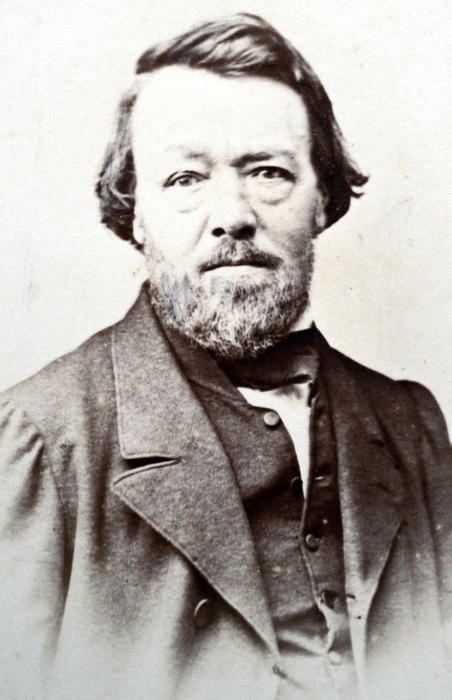



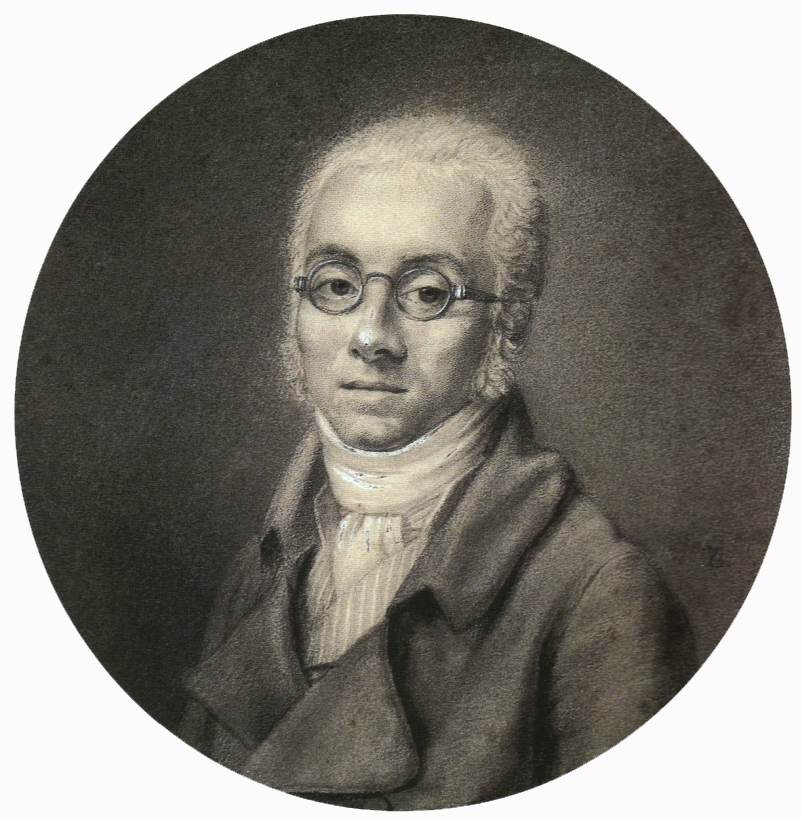


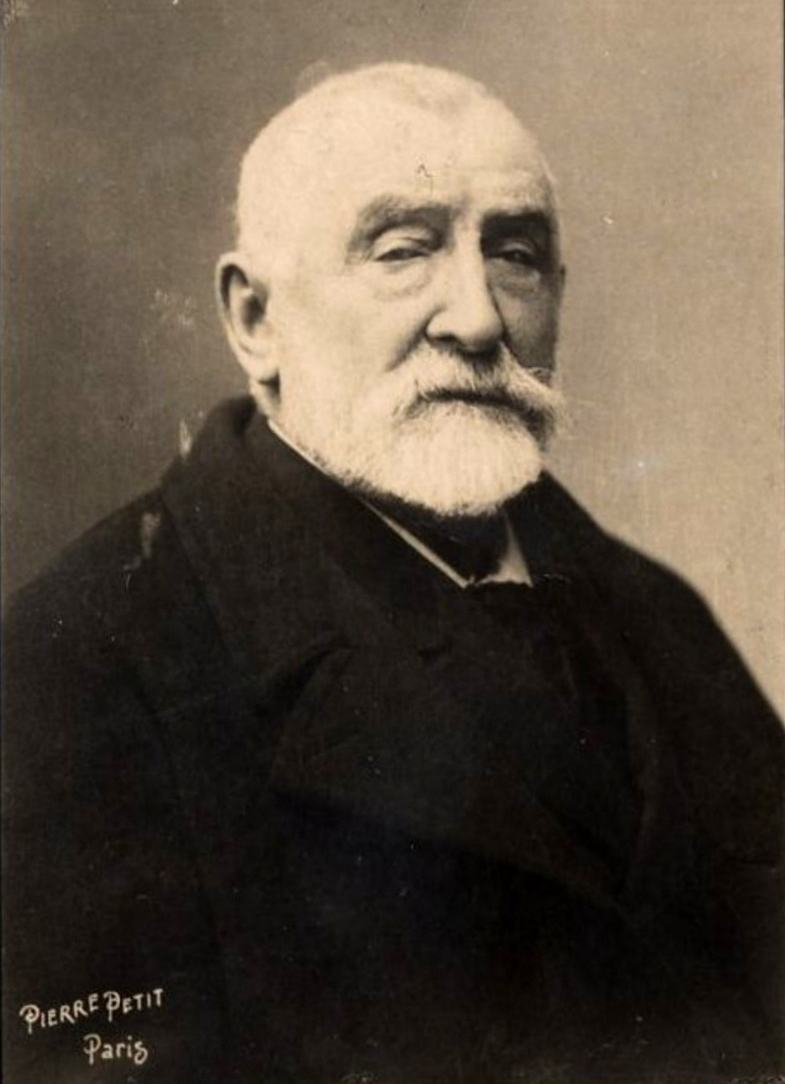
Henri Joseph Harpignies was a French landscape painter of the Barbizon school.
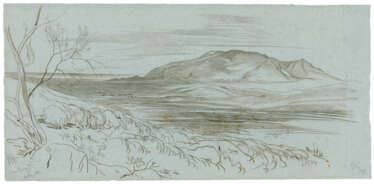

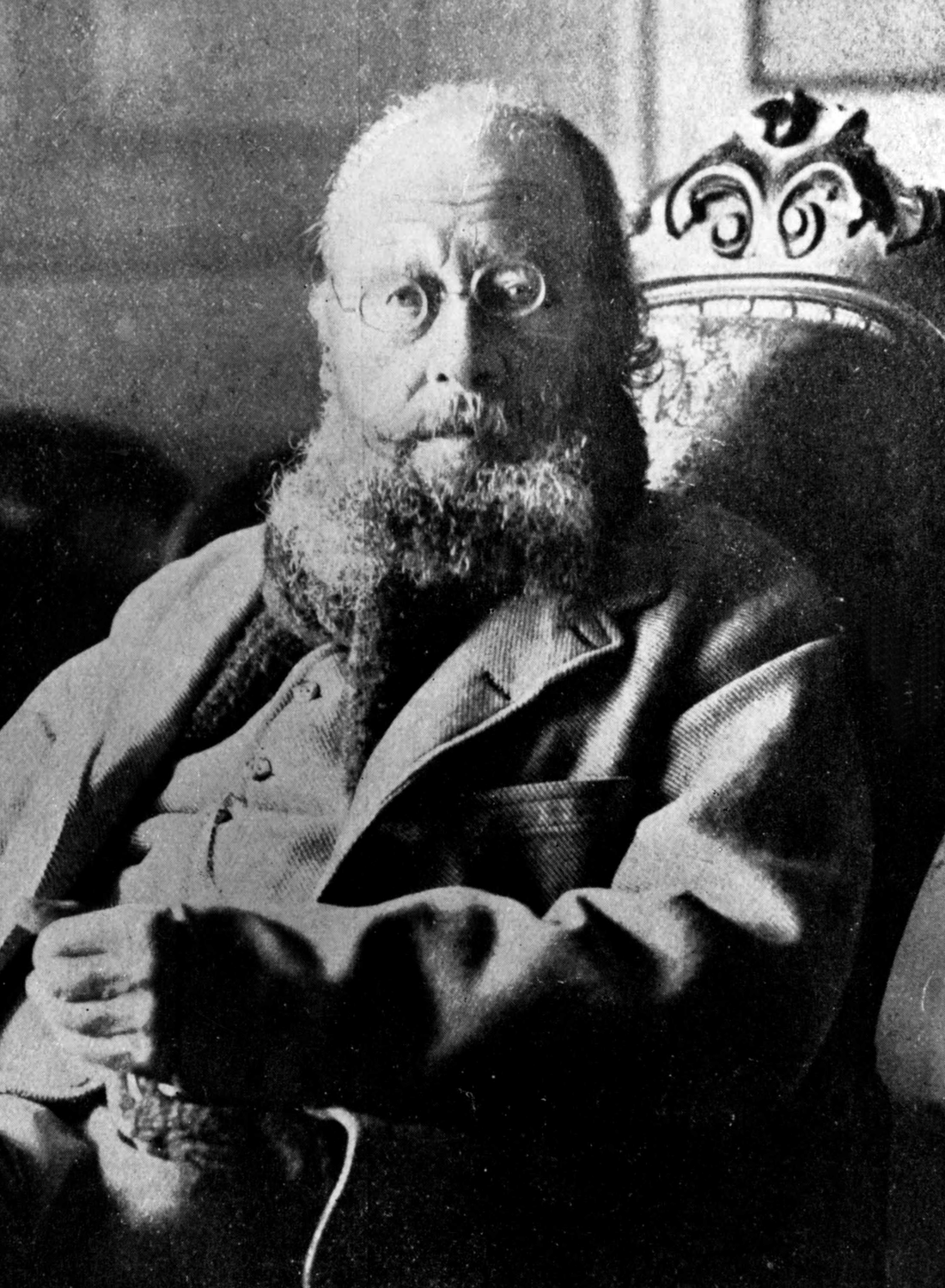
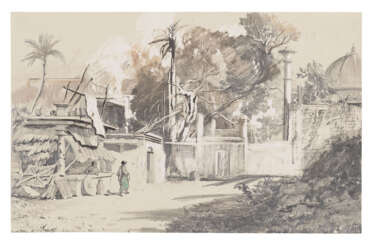
Edward Lear was an English artist, illustrator, musician, author and poet, who is known mostly for his literary nonsense in poetry and prose and especially his limericks, a form he popularised.
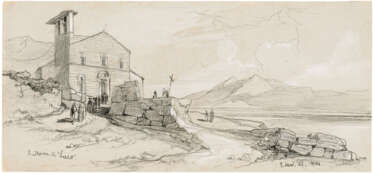

Edward Lear was an English artist, illustrator, musician, author and poet, who is known mostly for his literary nonsense in poetry and prose and especially his limericks, a form he popularised.

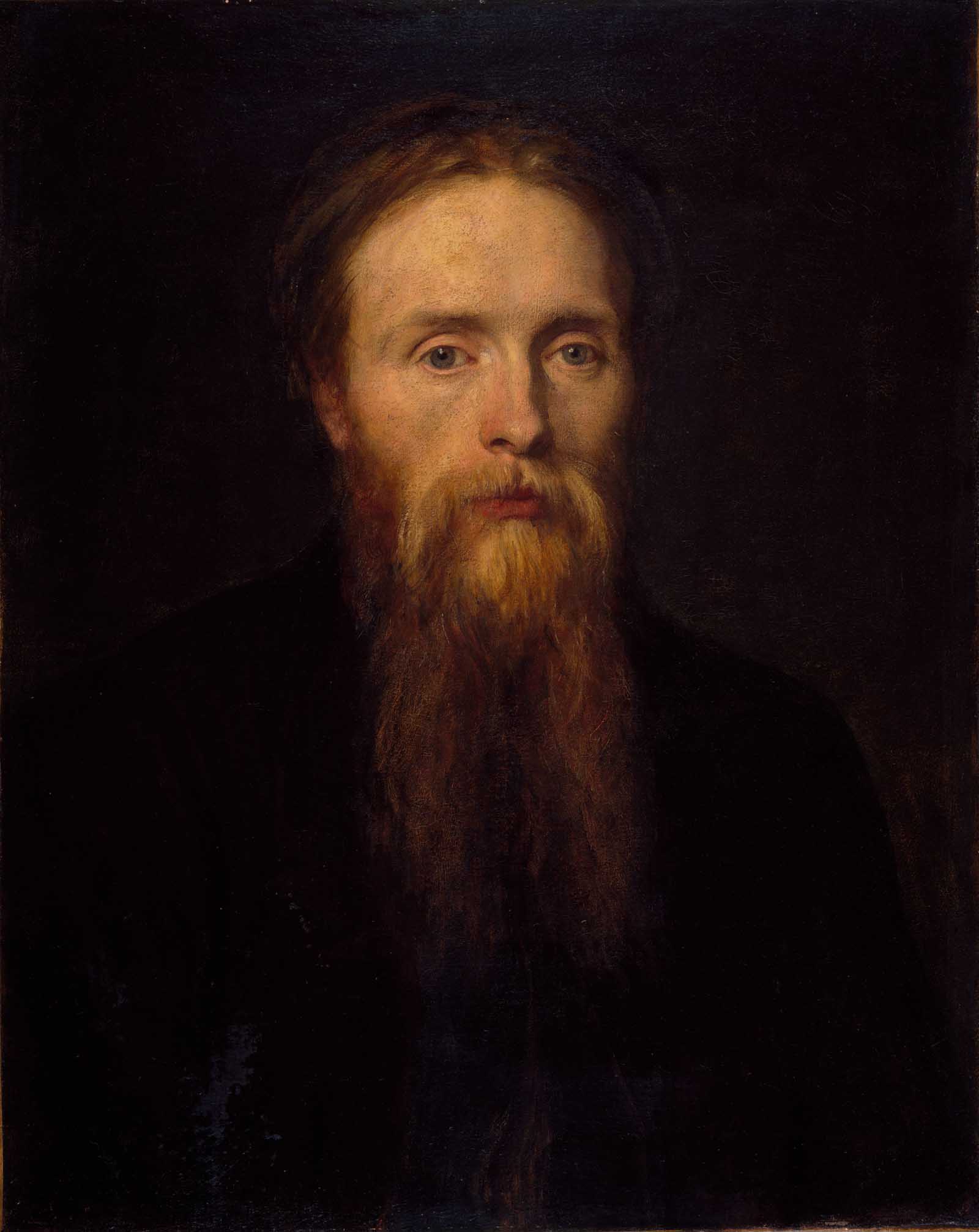
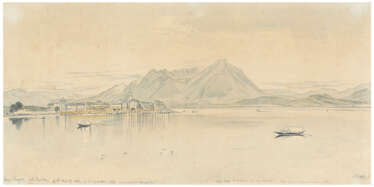

Edward Lear was an English artist, illustrator, musician, author and poet, who is known mostly for his literary nonsense in poetry and prose and especially his limericks, a form he popularised.