

Portrait Textile — Auction price

.jpg)
Hannah Höch was a German Dada artist. She is best known for her work of the Weimar period, when she was one of the originators of photomontage. Photomontage, or fotomontage, is a type of collage in which the pasted items are actual photographs, or photographic reproductions pulled from the press and other widely produced media.
Höch's work was intended to dismantle the fable and dichotomy that existed in the concept of the "New Woman": an energetic, professional, and androgynous woman, who is ready to take her place as man's equal. Her interest in the topic was in how the dichotomy was structured, as well as in who structures social roles.
Other key themes in Höch's works were androgyny, political discourse, and shifting gender roles. These themes all interacted to create a feminist discourse surrounding Höch's works, which encouraged the liberation and agency of women during the Weimar Republic (1919-1933) and continuing through to today.





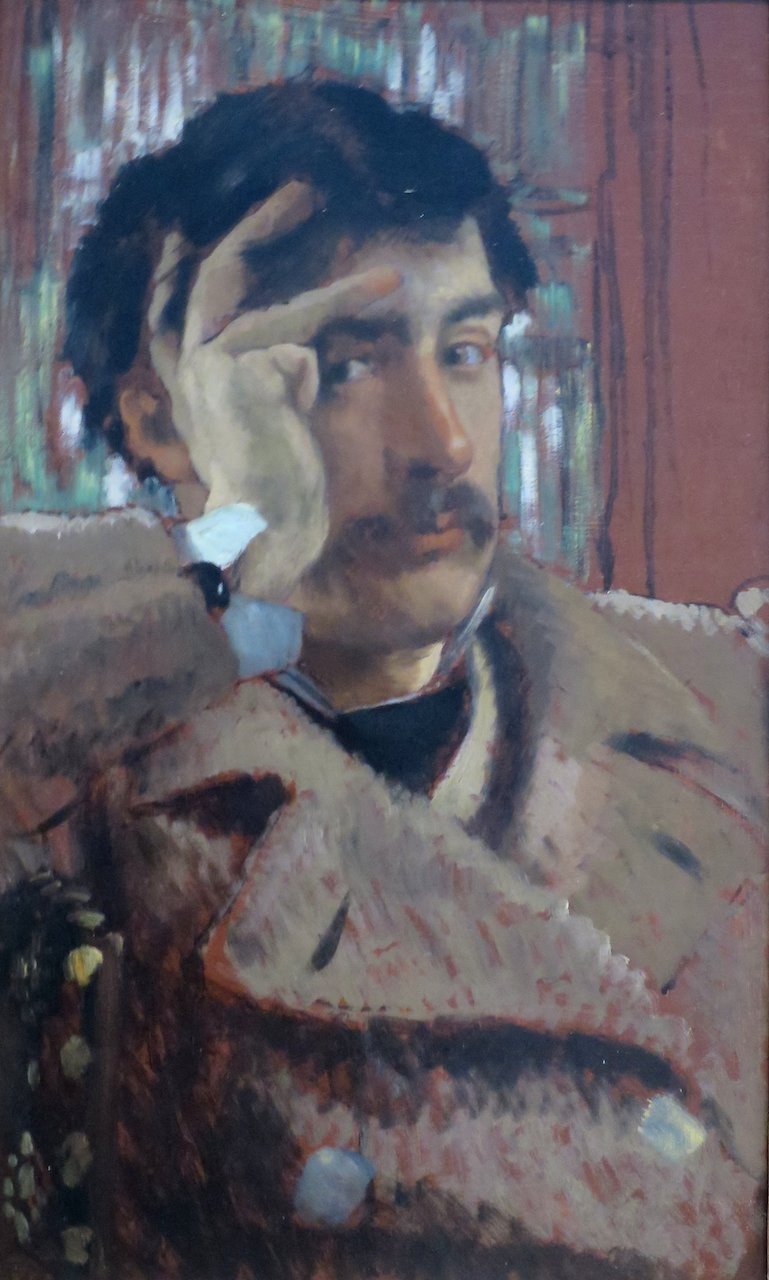
Jacques Joseph Tissot, anglicized as James Tissot, was a French painter and illustrator. He was a successful painter of fashionable, modern scenes and society life in Paris before moving to London in 1871. A friend and mentor of the Impressionist painter Edgar Degas, Tissot also painted scenes and figures from the Bible.

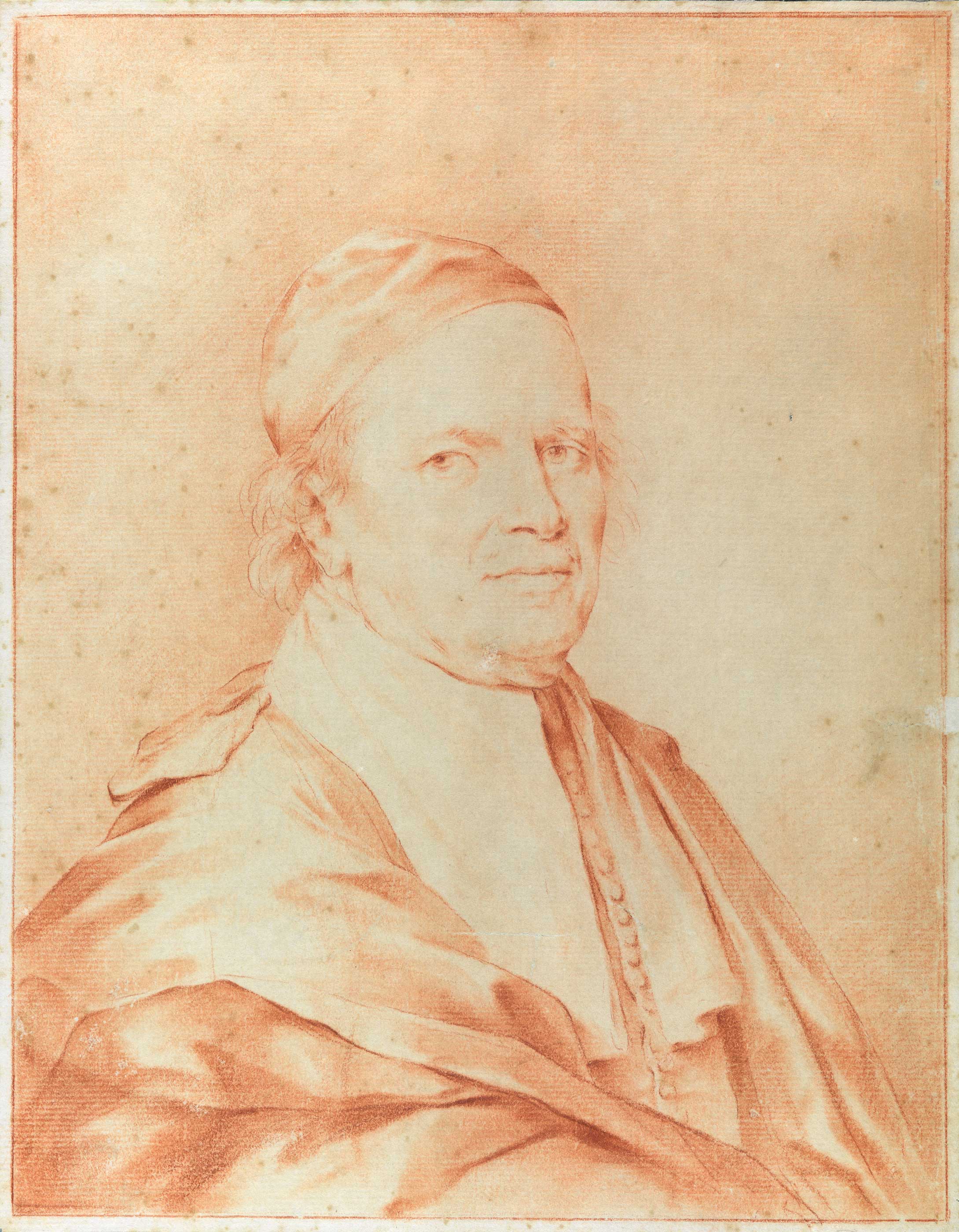
Carlo Cignani was an Italian painter, a representative of the Bolognese Baroque school.
Although he was educated in Bologna, he was more influenced by Correggio. The last 20 years of his life the artist spent in Forli, engaged in painting churches. The fresco "Assumption of the Virgin" in the dome of the cathedral of Forlì was painted by Cignani on the motives of the painting of the dome of the Cathedral of Parma, made by Correggio.
His son Felice (1660-1724) and nephew Paolo (1709-1764) were also artists.


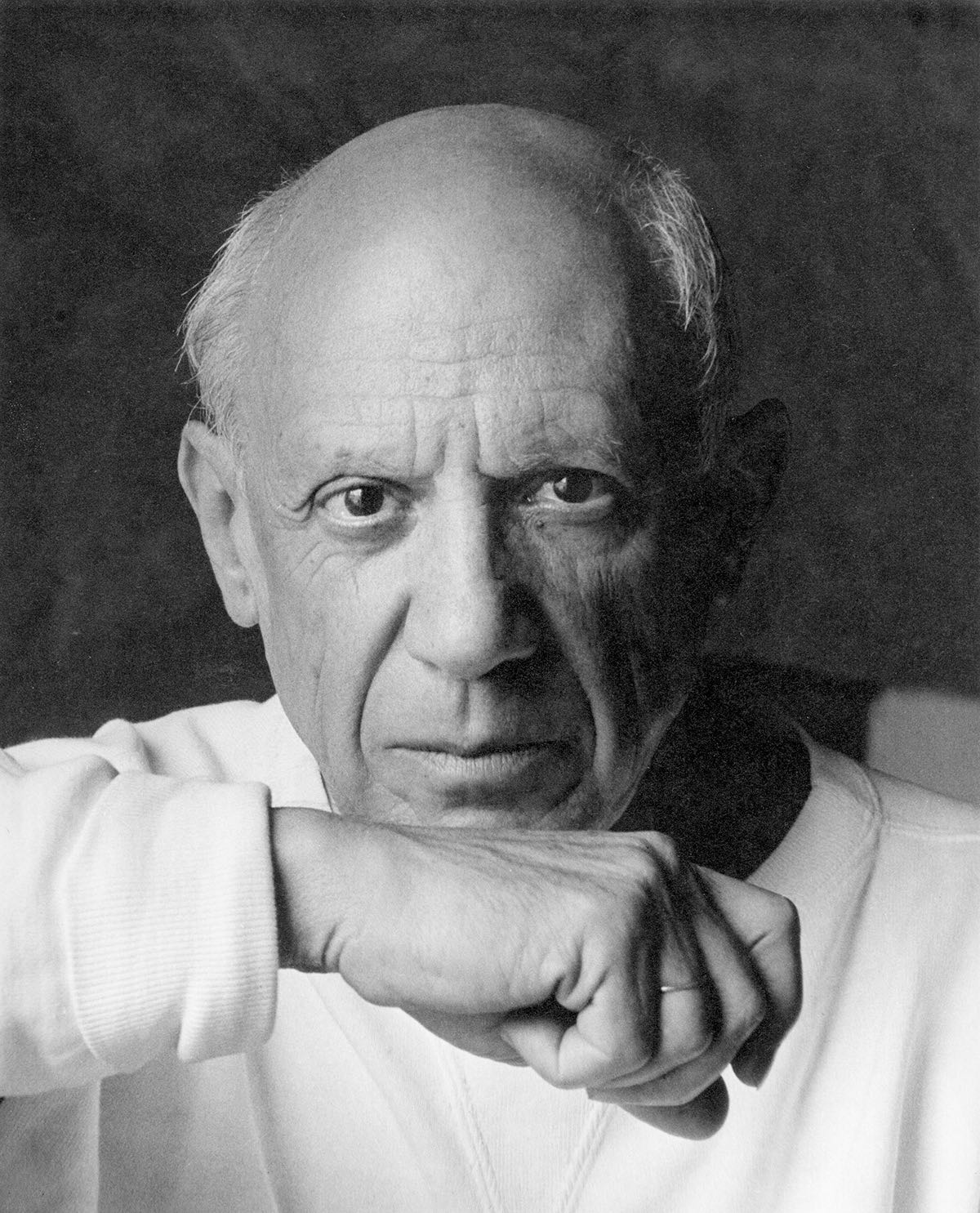
Pablo Ruiz Picasso, a Spanish artist renowned for his revolutionary contributions to the 20th-century art scene, is a figure that resonates profoundly with collectors and art experts. His unique blend of talents in painting, sculpture, printmaking, and ceramic art, infused with his time in France, positioned him as a pivotal character in modern art history.
Picasso's artistic journey was marked by distinct periods, each showcasing his evolving style and genius. His early years were characterized by the Blue Period (1901-1904), followed by the Rose Period (1904-1906), and then the African-influenced Period (1907-1909). Picasso's name is synonymous with Cubism, a movement he co-founded, which significantly altered artistic perspectives and methods. Works like "Les Demoiselles d'Avignon" (1907) and "Guernica" (1937) are emblematic of his cubist legacy, the latter being a poignant anti-war statement that remains influential.
His later years saw a return to more traditional styles, with neoclassical and surrealist influences becoming evident. Works from these phases reflect a deep engagement with mythological themes, as seen in "Faun with Stars" (1955), symbolizing his late-life romance with Jacqueline Roque, his second wife.
Picasso's prolific output and innovative spirit made him a legend in his own time, a status that only grew after his death. His works, housed in major museums and private collections worldwide, continue to captivate and inspire.
As a collector or expert in art and antiques, staying informed about Picasso's works, their auction events, and sales is essential. To stay updated on the latest developments and opportunities related to Pablo Picasso, sign up for our specialized updates. Rest assured, this subscription will focus solely on new product sales and auction events pertaining to Picasso's art, ensuring that you receive only the most relevant and valuable information.
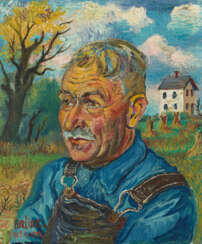

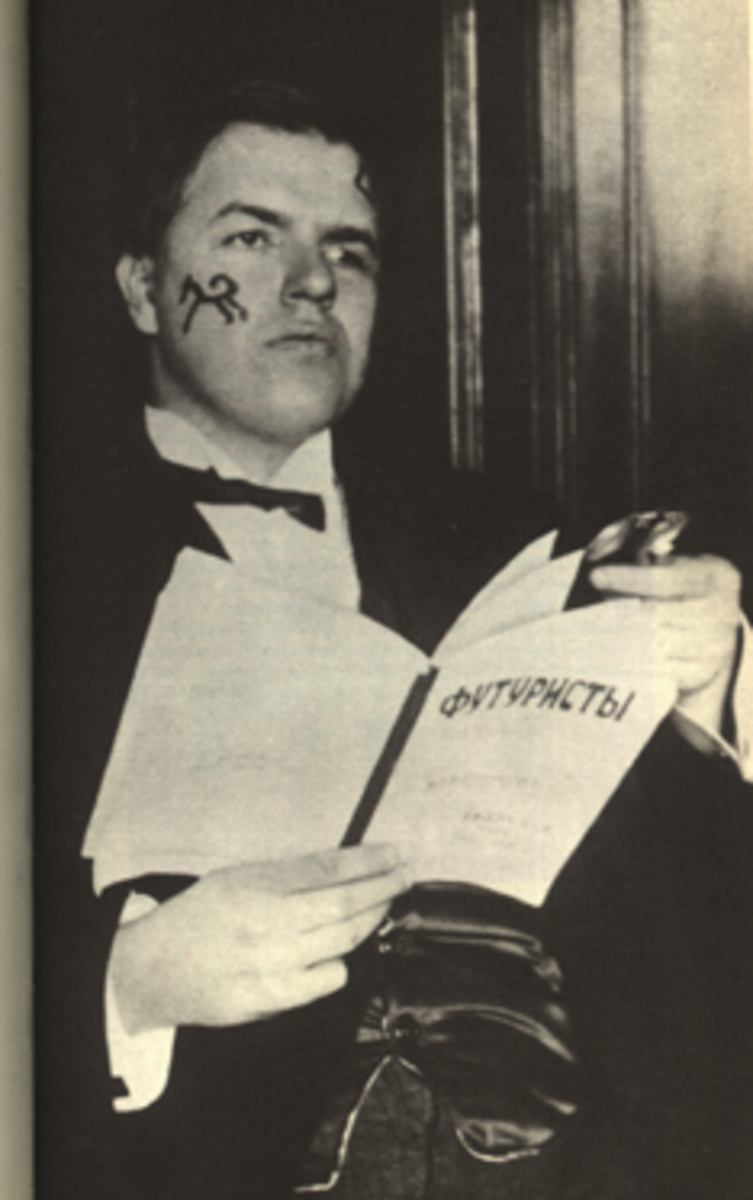
David Davidovich Burliuk (Russian: Давид Давидович Бурлюк), a pioneering figure of the Russian Futurist movement, was a Ukrainian poet, artist, and publicist, born in 1882 in Semirotovshchina, Kharkov, Ukraine, and died in 1967 on Long Island, N.Y., U.S. Known for his eclectic contributions that spanned poetry, painting, criticism, and publishing, Burliuk's work was instrumental in introducing the Russian avant-garde to Europe and the United States. Despite having a lesser volume of work in poetry and painting compared to his contemporaries, Burliuk's knack for discovering talent and promoting it was unparalleled. He was among the first to publish the works of Velimir Khlebnikov and to recognize the genius of Vladimir Mayakovsky, significantly contributing to their renown.
Burliuk's artistic journey was marked by his involvement with the Futurist and Neo-Primitivist movements. His early work, including an exhibition with the group Zveno ("The Link") in Kiev in 1908 and his participation in the Hylaea group, set the stage for his later achievements. He was a co-author of the influential Futurist manifesto "A Slap in the Face of Public Taste" in 1912, advocating for a break from traditional art forms and the embrace of modernity. Burliuk's commitment to Futurism was evident in his publishing endeavors and his collaborations with notable artists of the time.
In his later years, after emigrating to the United States in 1922, Burliuk continued to engage with the art world, contributing to pro-Soviet groups and publishing his works and those of his contemporaries. His efforts were recognized in several exhibitions, including a significant show at the Brooklyn Museum's 1926 International Exhibition of Modern Art. Despite facing challenges, such as being denied permission to visit his homeland by the Soviet government, Burliuk's influence remained steadfast. His legacy as a central figure in Russian Futurism and his contributions to the broader art movement are celebrated to this day.
To stay informed about updates and events related to David Davidovich Burliuk, including sales of his works and auction events, sign up for our newsletter. This subscription will ensure you're the first to know about new discoveries and opportunities to engage with Burliuk's enduring legacy.


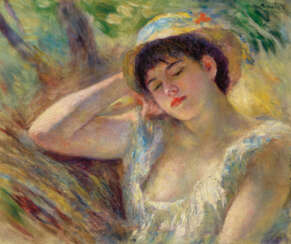

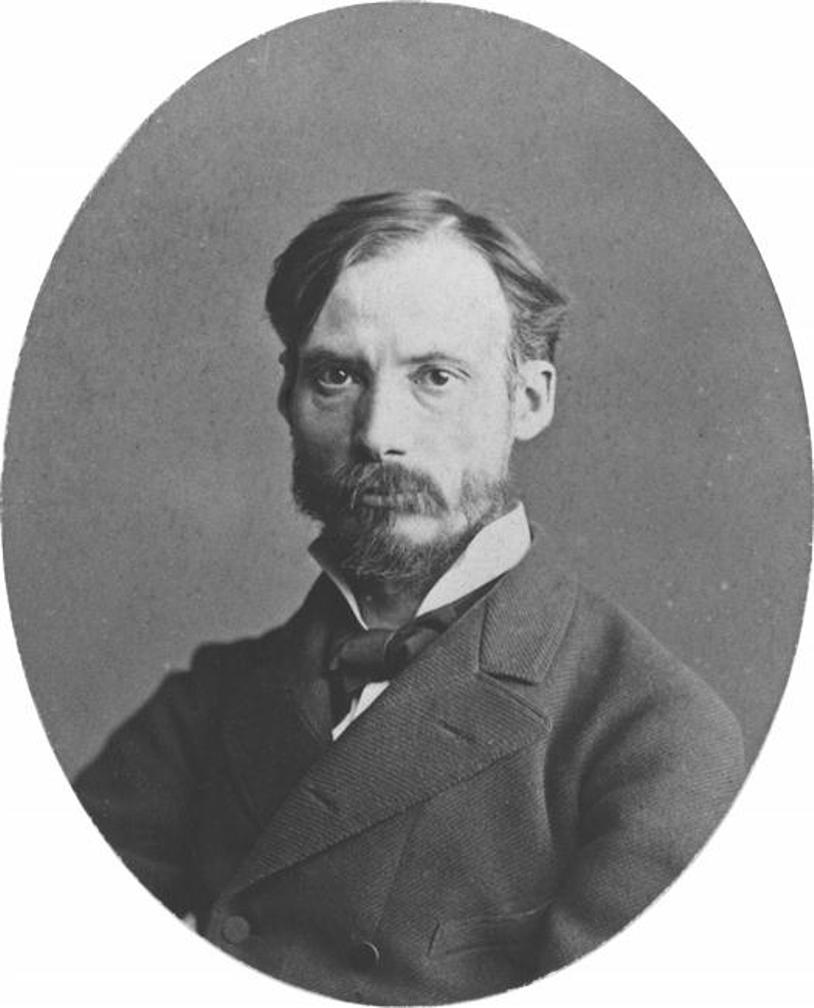
Pierre-Auguste Renoir was a French artist, celebrated as a pivotal figure in the development of the Impressionist movement. Born in Limoges, France, in 1841, Renoir's early experiences in Paris and his apprenticeship as a porcelain painter laid the foundation for his illustrious career in art. His transition to painting was marked by an early fascination with the play of light and color, which became a hallmark of his work. Renoir's paintings are renowned for their vibrant light and saturated color, often focusing on people in intimate and candid compositions. This focus on beauty and a particular affinity for capturing the sensuality of the female form distinguished his work from his contemporaries.
Renoir's contributions to Impressionism were significant, characterized by his use of bright colors and a technique that captured the movement and luminosity of the scene. His evolution as an artist saw him experimenting with a more linear and classical style, especially after his travels to Italy, where he was deeply influenced by the Renaissance masters. Despite facing personal challenges, including severe rheumatoid arthritis in his later years, Renoir's passion for painting never waned. His determination saw him adapting his painting technique to his physical limitations, ensuring that his creative output remained prolific until his death in 1919.
Among Renoir's notable works are "Bal du moulin de la Galette" (1876), "Luncheon of the Boating Party" (1880), and "Girls at the Piano" (1892). These masterpieces exemplify the essence of Impressionist art with their depiction of light, movement, and everyday life. Renoir's works are housed in prestigious museums around the world, serving as a testament to his enduring legacy in the realm of art.
For art collectors and experts, Renoir's oeuvre represents an essential segment of the Impressionist movement, offering insights into the evolution of modern art. His mastery in portraying the beauty of the moment and the depth of human emotion continues to captivate and inspire audiences worldwide.
If you are passionate about collecting or studying the works of Pierre-Auguste Renoir, we invite you to sign up for updates on new product sales and auction events related to this iconic artist. Stay informed about the opportunity to own a piece of art history and deepen your appreciation for the rich tapestry of culture and art that Renoir helped weave.
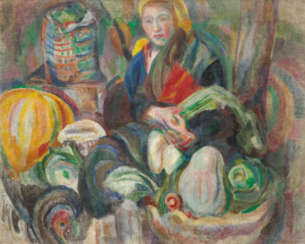

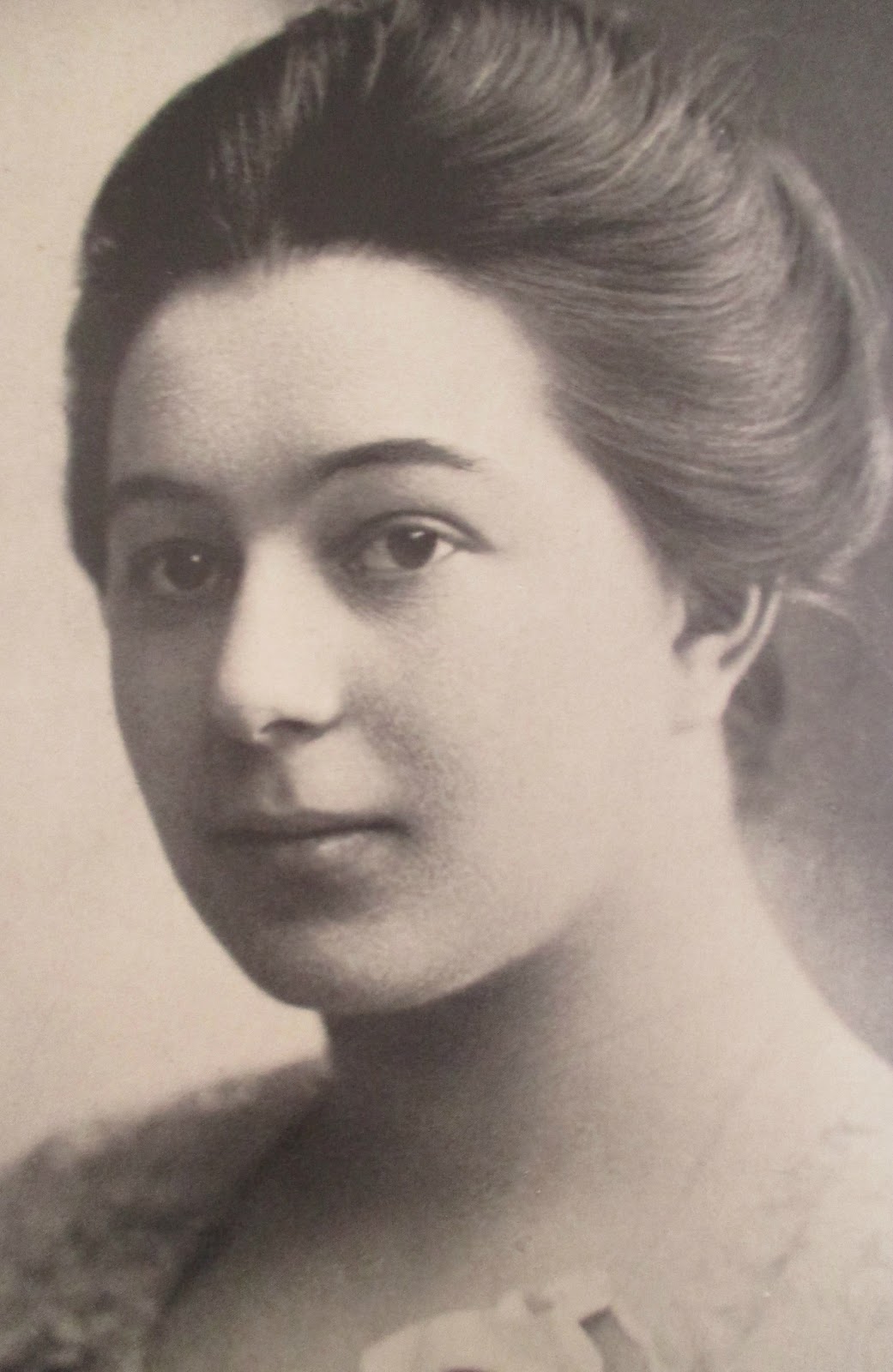
Sonia Delaunay-Terk (Russian: Соня Делоне-Терк) was a Russian-French painter and designer of Jewish descent. She received the name Sonia Terk, by which she is known, in 1890 after being adopted by her uncle. She is also called Sonia Delaunay in literature. She is considered a representative of geometric abstraction. Her artistic role models include Vincent van Gogh and Paul Gauguin. From 1912, she developed the so-called Orphism with her husband Robert Delaunay.
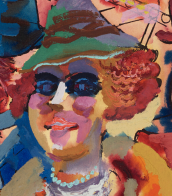
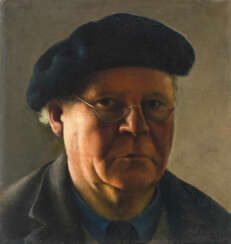

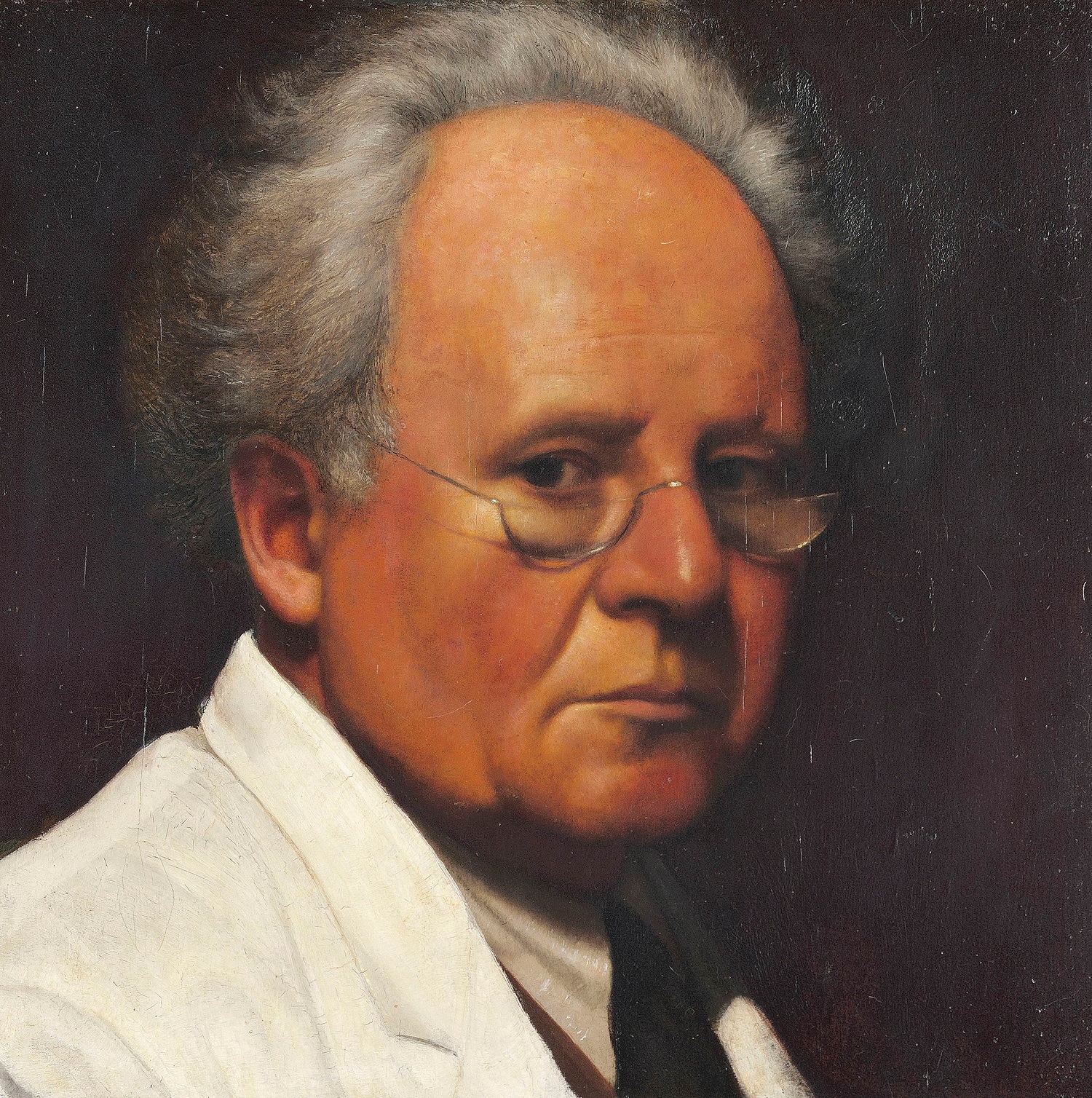
Artur Segal was a Romanian artist and author.
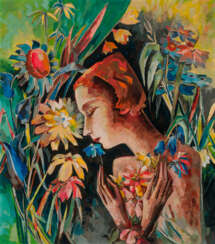

Hannah Höch was a German Dada artist. She is best known for her work of the Weimar period, when she was one of the originators of photomontage. Photomontage, or fotomontage, is a type of collage in which the pasted items are actual photographs, or photographic reproductions pulled from the press and other widely produced media.
Höch's work was intended to dismantle the fable and dichotomy that existed in the concept of the "New Woman": an energetic, professional, and androgynous woman, who is ready to take her place as man's equal. Her interest in the topic was in how the dichotomy was structured, as well as in who structures social roles.
Other key themes in Höch's works were androgyny, political discourse, and shifting gender roles. These themes all interacted to create a feminist discourse surrounding Höch's works, which encouraged the liberation and agency of women during the Weimar Republic (1919-1933) and continuing through to today.
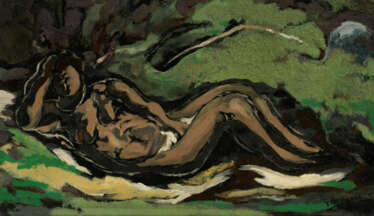

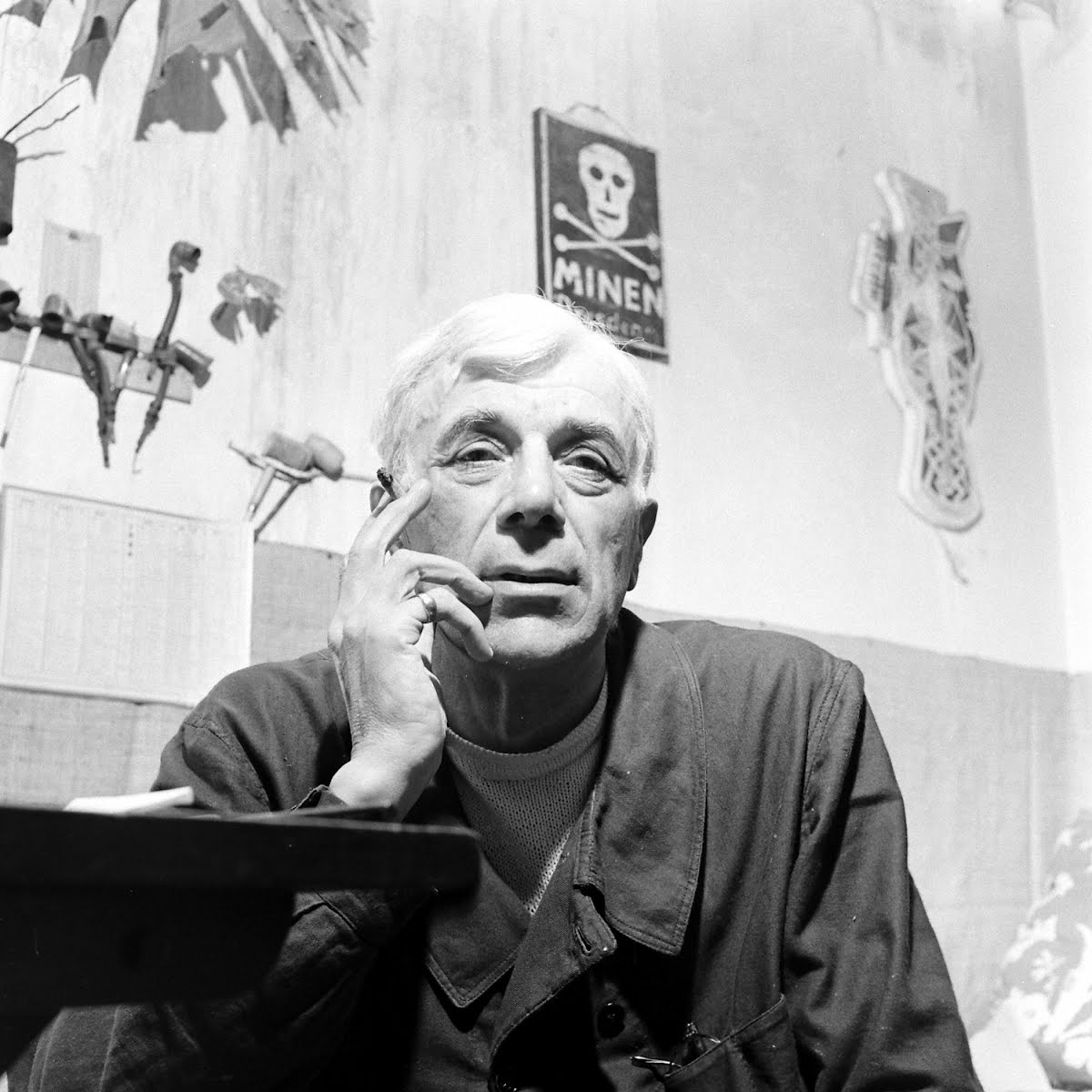
Georges Braque, a French artist, is celebrated as a pivotal figure in the development of Cubism, alongside Pablo Picasso. Braque's artistic journey transitioned from Impressionism to Fauvism before he delved into the groundbreaking realm of Cubism, characterized by its innovative use of perspective and geometric forms. His partnership with Picasso during the early 20th century marked a significant phase in art history, as they collectively pioneered the Analytic and Synthetic phases of Cubism.
Georges Braque's oeuvre is renowned for its technical precision, introspective quality, and harmonious color palettes. His contributions extended beyond painting to include sculpture and collage, demonstrating his versatile mastery over various mediums. Notable works like "Violin and Candlestick" and "Man with a Guitar" underscore his talent in transforming everyday objects into abstracted, multifaceted compositions.
Throughout his career, Georges Braque remained deeply committed to exploring the boundaries of visual perception and form. After World War I, his style evolved, incorporating brighter colors and new themes, yet he maintained a steadfast adherence to Cubist principles. His later years saw a focus on personal motifs, such as birds, which symbolized freedom and dynamism in his art.
Georges Braque's legacy is preserved in prestigious collections worldwide, including the Museum of Modern Art (MoMA), which houses a significant number of his works. His artistic innovations continue to inspire and influence the realms of art and culture.
For collectors and art enthusiasts, Georges Braque's work offers a profound insight into the evolution of modern art and the enduring allure of Cubism. His pieces are a testament to the enduring power of creativity and innovation in the face of changing artistic landscapes.
If you're keen on exploring Braque's contributions to art and wish to stay updated on exhibitions and sales featuring his work, consider subscribing for updates on Georges Braque's pieces and their presence in the art market today.
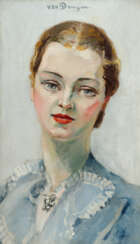

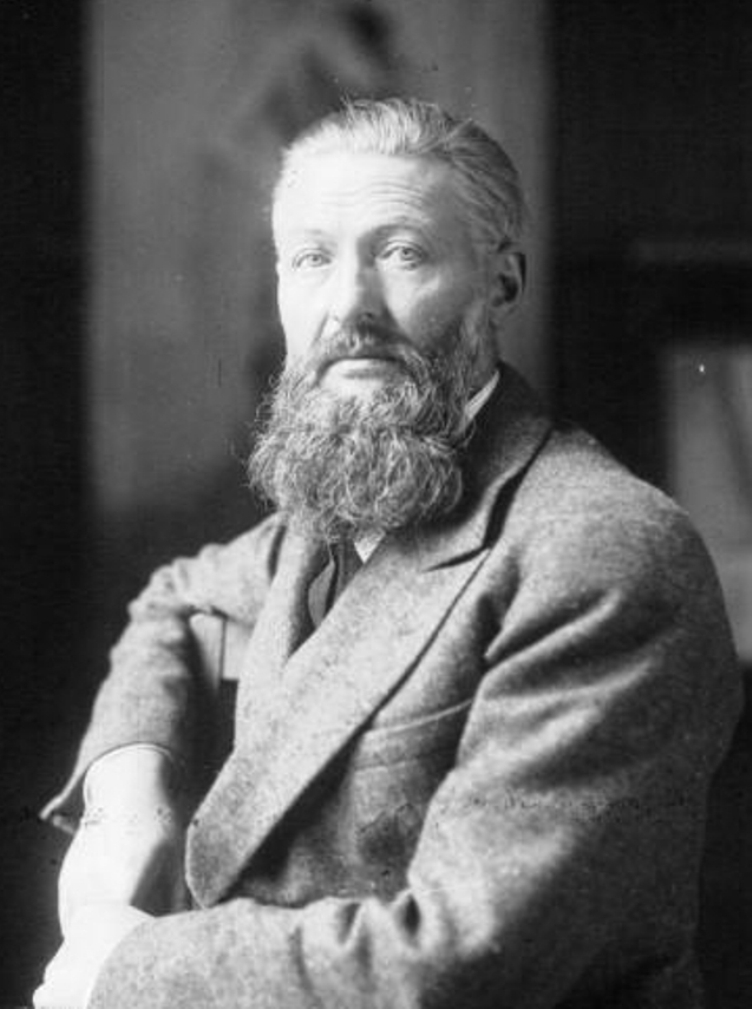
Kees van Dongen was a Dutch-French painter renowned for his vivid and expressive works that placed him at the forefront of the Fauvist movement. Born in 1877 in Delfshaven, Netherlands, van Dongen's journey into the art world began with his education at the Akademie voor Beeldende Kunsten in Rotterdam. His move to Paris in 1897 marked a pivotal moment in his career, immersing him in the bustling avant-garde scene and connecting him with influential circles, including Pablo Picasso and the Fauves. Van Dongen's art, characterized by its striking use of color and bold brushwork, captured the essence of his subjects with a unique blend of realism and abstraction.
Van Dongen's work evolved significantly over time, initially influenced by the dark tones of his Dutch heritage and the works of Rembrandt. His encounter with Fauvism around 1906 brought a dramatic shift towards brighter, more vibrant colors, marking his most iconic phase. His ability to capture the sensuousness and personality of his subjects made him a sought-after portraitist among the French bourgeoisie and celebrities of his time. Notable works include "Femme aux bas noirs" (Woman with Black Stockings), "Les lutteuses" (Lutteuses du Tabarin), and "The Dancer Anita," showcasing his fascination with the human figure, particularly sensuous depictions of women.
Beyond his remarkable contributions to Fauvism, van Dongen's ventures into illustration and his role as a society portraitist underscore his diverse talents and adaptability to the changing tastes of the art market. His works are celebrated in major collections worldwide, including the Hermitage Museum and the National Gallery of Denmark, affirming his lasting impact on the art world.
Collectors and art experts continue to appreciate van Dongen's work for its bold experimentation with color, form, and the evocative portrayal of his subjects. His legacy lives on as a testament to the vibrancy and dynamism of early 20th-century modern art.
For those keen to explore van Dongen's captivating works further and stay informed about new discoveries, exhibitions, and auction events related to his art, signing up for updates is a must. This ensures direct access to the latest sales and scholarly insights into the painter's rich oeuvre, a valuable resource for collectors and enthusiasts alike.
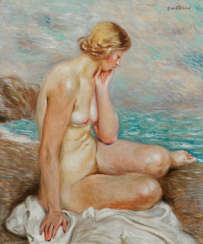

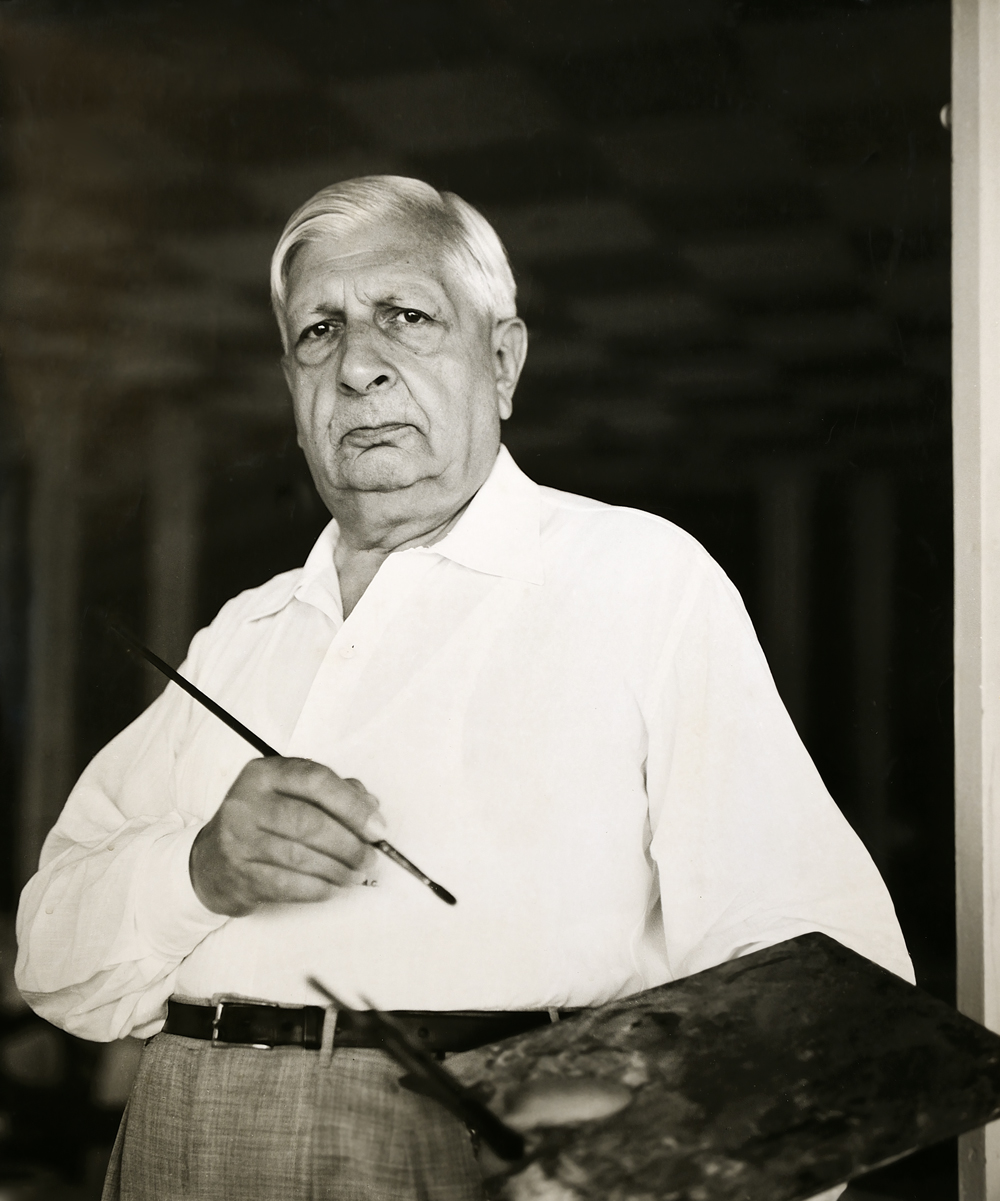
Giuseppe Maria Alberto Giorgio de Chirico, an Italian artist renowned for his profound influence on the Surrealist movement, stands as a seminal figure in 20th-century art. Born in Volos, Greece, in 1888, de Chirico was a visionary painter, sculptor, and writer whose works profoundly altered the landscape of modern art. His paintings, characterized by their dreamlike quality, enigmatic compositions, and the juxtaposition of classical and modern elements, delve into the mysteries of the subconscious, exploring themes of nostalgia, metaphysics, and the uncanny.
De Chirico's art is distinguished by its unique blend of classical motifs with surreal, dreamlike atmospheres, creating a sense of profound mystery and unease. His most famous works, such as "The Enigma of an Autumn Afternoon" and "The Melancholy of Departure," exhibit deserted cityscapes filled with elongated shadows, enigmatic figures, and classical architecture, which became hallmarks of his style. These paintings not only prefigured the Surrealist movement but also influenced countless artists with their exploration of the psyche, the distortion of space, and the play of light and shadow.
His impact on culture and art is undeniable, with his works housed in prestigious museums and galleries worldwide, including the Museum of Modern Art in New York and the Tate Modern in London. De Chirico's ability to evoke the mysterious interconnection between the ancient and the modern through his art continues to captivate collectors and experts in the fields of art and antiques. His innovative approach to painting and sculpture has solidified his position as a key figure in the development of modern art.
For collectors and enthusiasts keen on exploring the depths of 20th-century art and the enigmatic world of Giuseppe Maria Alberto Giorgio de Chirico, staying informed about new discoveries, auction events, and sales of his works is essential. We invite you to sign up for updates to ensure you never miss an opportunity to engage with the enduring legacy of this remarkable Artist. This subscription is your gateway to the latest news related to de Chirico, focusing exclusively on product sales and auction events associated with his influential oeuvre.
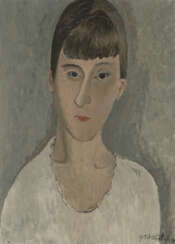

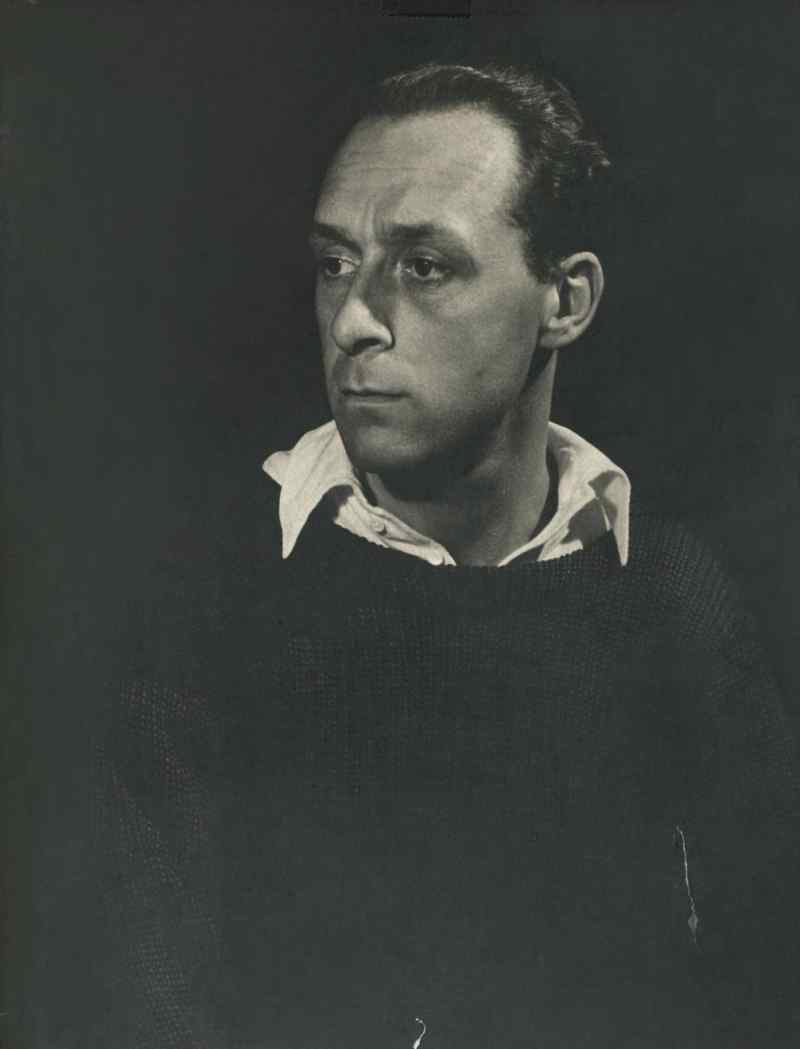
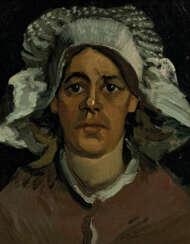

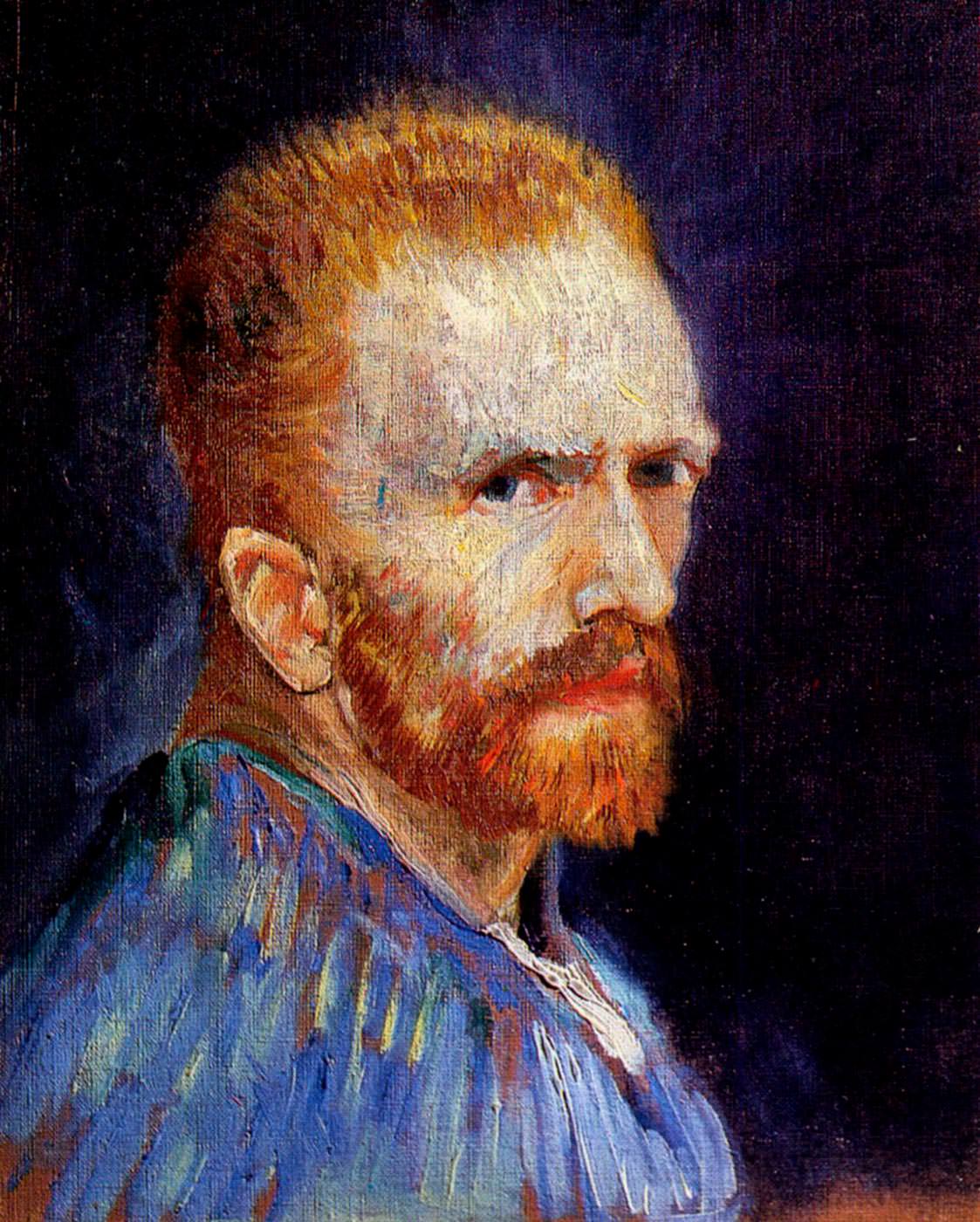
Vincent van Gogh, the Dutch Post-Impressionist painter, is recognized as one of the most influential figures in the history of Western art. Born on March 30, 1853, in Zundert, Netherlands, he lived a life marked by passionate artistry and personal hardship. Initially working as an art dealer and doing missionary work, Van Gogh turned to painting at the age of 27. His decision to pursue art, which at first was not seen as a sign of his extraordinary talent, led to a rapid transformation into a master known for his bold and harmonious color effects and simple but memorable compositions.
Van Gogh's creative career included a significant period of life in Paris, where he met Impressionist and Post-Impressionist painters who had a profound influence on his style. He became famous for creating some 2,100 works of art in just ten years, notable among them landscapes, still lifes, portraits and self-portraits. His art is characterized by vivid colors, dramatic brushwork, and expressive symbolism, which helped form the foundations of modern art. Despite his prolific output, only one of his paintings was sold during his lifetime.
Some of his famous works include Sunflowers, Bedroom at Arles, Starry Night, and Wheat Field with Crows. These works are notable for their innovative use of color and brushwork, demonstrating Van Gogh's ability to convey emotion and beauty in everyday objects.
Unfortunately, Van Gogh suffered from mental illness throughout his life, which led to his suicide at the age of 37. However, his legacy grew posthumously, with his work being widely recognized and displayed in major museums around the world, including the Van Gogh Museum in Amsterdam and the Art Institute of Chicago. Van Gogh's art, correspondence, and history continue to fascinate and inspire viewers, cementing his place as a key figure in art history.
For collectors and art experts, Van Gogh's works represent not only significant artistic achievements, but also epitomize the artist's intensely personal journey and contribution to the development of modern art.
To stay up-to-date on new releases, sales and auction events related to Vincent van Gogh, subscribe to our newsletter. This subscription will provide you with timely alerts to keep you informed of opportunities to acquire items related to this iconic artist.

Pablo Ruiz Picasso, a Spanish artist renowned for his revolutionary contributions to the 20th-century art scene, is a figure that resonates profoundly with collectors and art experts. His unique blend of talents in painting, sculpture, printmaking, and ceramic art, infused with his time in France, positioned him as a pivotal character in modern art history.
Picasso's artistic journey was marked by distinct periods, each showcasing his evolving style and genius. His early years were characterized by the Blue Period (1901-1904), followed by the Rose Period (1904-1906), and then the African-influenced Period (1907-1909). Picasso's name is synonymous with Cubism, a movement he co-founded, which significantly altered artistic perspectives and methods. Works like "Les Demoiselles d'Avignon" (1907) and "Guernica" (1937) are emblematic of his cubist legacy, the latter being a poignant anti-war statement that remains influential.
His later years saw a return to more traditional styles, with neoclassical and surrealist influences becoming evident. Works from these phases reflect a deep engagement with mythological themes, as seen in "Faun with Stars" (1955), symbolizing his late-life romance with Jacqueline Roque, his second wife.
Picasso's prolific output and innovative spirit made him a legend in his own time, a status that only grew after his death. His works, housed in major museums and private collections worldwide, continue to captivate and inspire.
As a collector or expert in art and antiques, staying informed about Picasso's works, their auction events, and sales is essential. To stay updated on the latest developments and opportunities related to Pablo Picasso, sign up for our specialized updates. Rest assured, this subscription will focus solely on new product sales and auction events pertaining to Picasso's art, ensuring that you receive only the most relevant and valuable information.

Pierre-Auguste Renoir was a French artist, celebrated as a pivotal figure in the development of the Impressionist movement. Born in Limoges, France, in 1841, Renoir's early experiences in Paris and his apprenticeship as a porcelain painter laid the foundation for his illustrious career in art. His transition to painting was marked by an early fascination with the play of light and color, which became a hallmark of his work. Renoir's paintings are renowned for their vibrant light and saturated color, often focusing on people in intimate and candid compositions. This focus on beauty and a particular affinity for capturing the sensuality of the female form distinguished his work from his contemporaries.
Renoir's contributions to Impressionism were significant, characterized by his use of bright colors and a technique that captured the movement and luminosity of the scene. His evolution as an artist saw him experimenting with a more linear and classical style, especially after his travels to Italy, where he was deeply influenced by the Renaissance masters. Despite facing personal challenges, including severe rheumatoid arthritis in his later years, Renoir's passion for painting never waned. His determination saw him adapting his painting technique to his physical limitations, ensuring that his creative output remained prolific until his death in 1919.
Among Renoir's notable works are "Bal du moulin de la Galette" (1876), "Luncheon of the Boating Party" (1880), and "Girls at the Piano" (1892). These masterpieces exemplify the essence of Impressionist art with their depiction of light, movement, and everyday life. Renoir's works are housed in prestigious museums around the world, serving as a testament to his enduring legacy in the realm of art.
For art collectors and experts, Renoir's oeuvre represents an essential segment of the Impressionist movement, offering insights into the evolution of modern art. His mastery in portraying the beauty of the moment and the depth of human emotion continues to captivate and inspire audiences worldwide.
If you are passionate about collecting or studying the works of Pierre-Auguste Renoir, we invite you to sign up for updates on new product sales and auction events related to this iconic artist. Stay informed about the opportunity to own a piece of art history and deepen your appreciation for the rich tapestry of culture and art that Renoir helped weave.
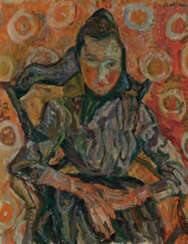

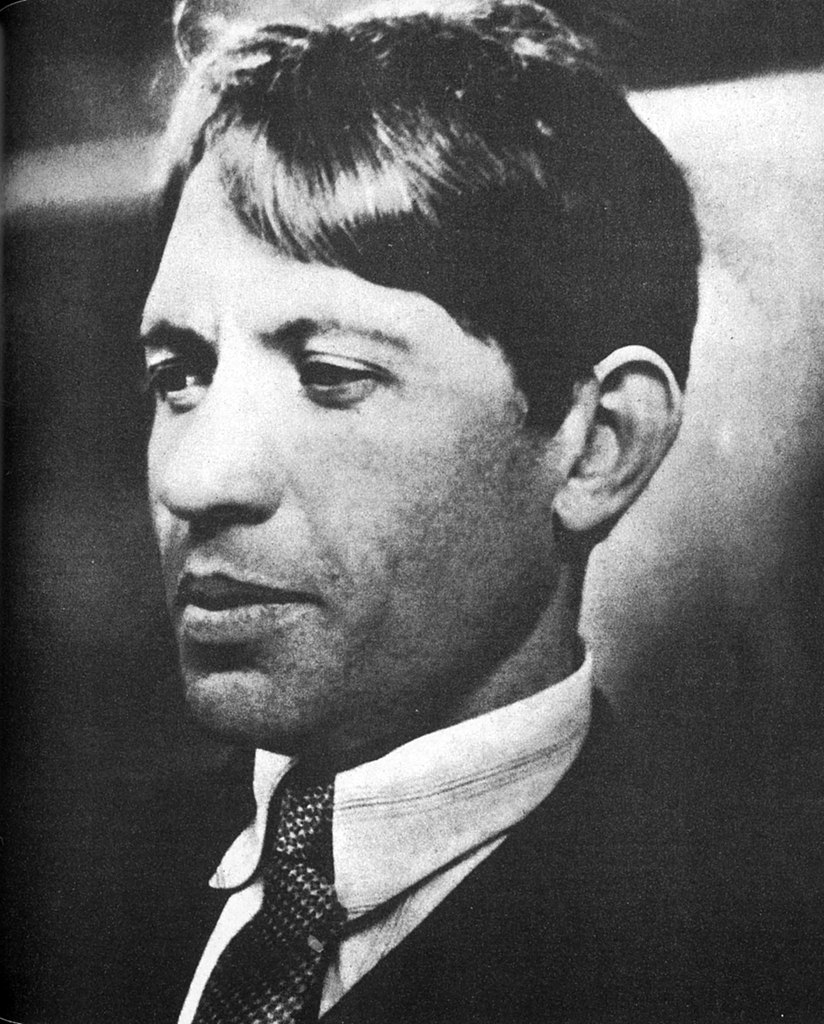
Chaïm Soutine (Russian: Хаим Соломонович Сутин), a Russian-born French painter, left an indelible mark on the world of art with his expressionist works that radiate emotional intensity and bold coloration. Born in 1893 in a small village in what is now Belarus, Soutine grew up in a Jewish family, the tenth of eleven children. His journey to Paris marked the beginning of a significant chapter in his life, where he would eventually become a central figure in the School of Paris, a movement that defined the city's artistic landscape in the early 20th century.
Soutine's artistry is characterized by its raw emotional power, often conveyed through distorted forms and vigorous brushwork. This unique style reflects not only his personal struggles and the hardships he faced as an immigrant artist but also his deep admiration for the Old Masters, particularly Rembrandt, whose influence is evident in Soutine's thematic choices and technique. His work spans a range of subjects, from landscapes and portraits to still lifes, each imbued with a sense of vitality and movement that is distinctly Soutine's.
One of the most compelling aspects of Soutine's oeuvre is his series of carcass paintings, notably inspired by Rembrandt's "Slaughtered Ox." These works, particularly "Carcass of Beef," showcase his fascination with the theme of decay and the beauty he found within it, despite the controversy such subjects provoked among his contemporaries. This series exemplifies Soutine's ability to transform a potentially repulsive subject into a profound exploration of color and form.
Soutine's legacy is also marked by his tumultuous life, including his struggles with poverty and persecution during World War II due to his Jewish heritage. Despite these challenges, his work gained recognition and support from influential art dealers and collectors, such as Albert C. Barnes, who purchased a significant number of his paintings in a single encounter, providing Soutine with financial stability and public exposure.
Today, Soutine's works are celebrated in major museums and galleries around the world, testament to his enduring influence on subsequent generations of artists. His paintings, characterized by their emotional depth and innovative use of color and form, continue to captivate art lovers and collectors alike.
For those passionate about the evolution of modern art and the expressionist movement, Soutine's work offers a window into the soul of an artist who transformed personal adversity into profound artistic expression. To stay informed about upcoming sales and auction events featuring Soutine's work, I encourage you to sign up for updates. This subscription is an opportunity to deepen your appreciation for Soutine's contributions to art and culture and to possibly acquire a piece of his legacy for your collection.