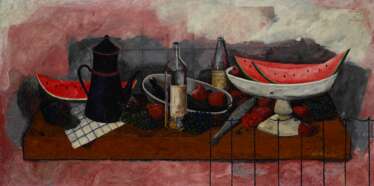
Still life Mexico — Auction price
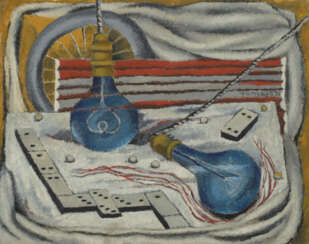

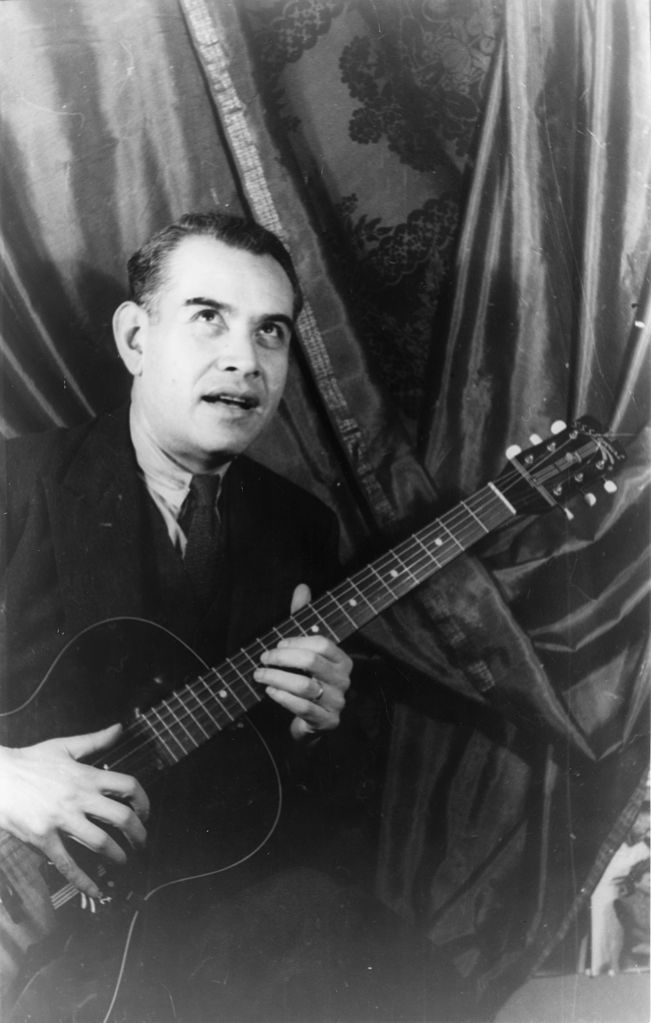
Rufino del Carmen Arellanes Tamayo was a Mexican painter of Zapotec heritage, born in Oaxaca de Juárez, Mexico. Tamayo was active in the mid-20th century in Mexico and New York, painting figurative abstraction with surrealist influences.
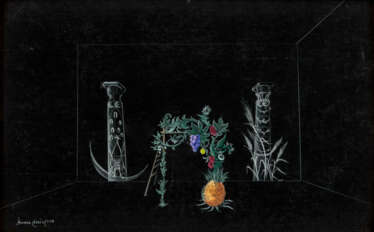

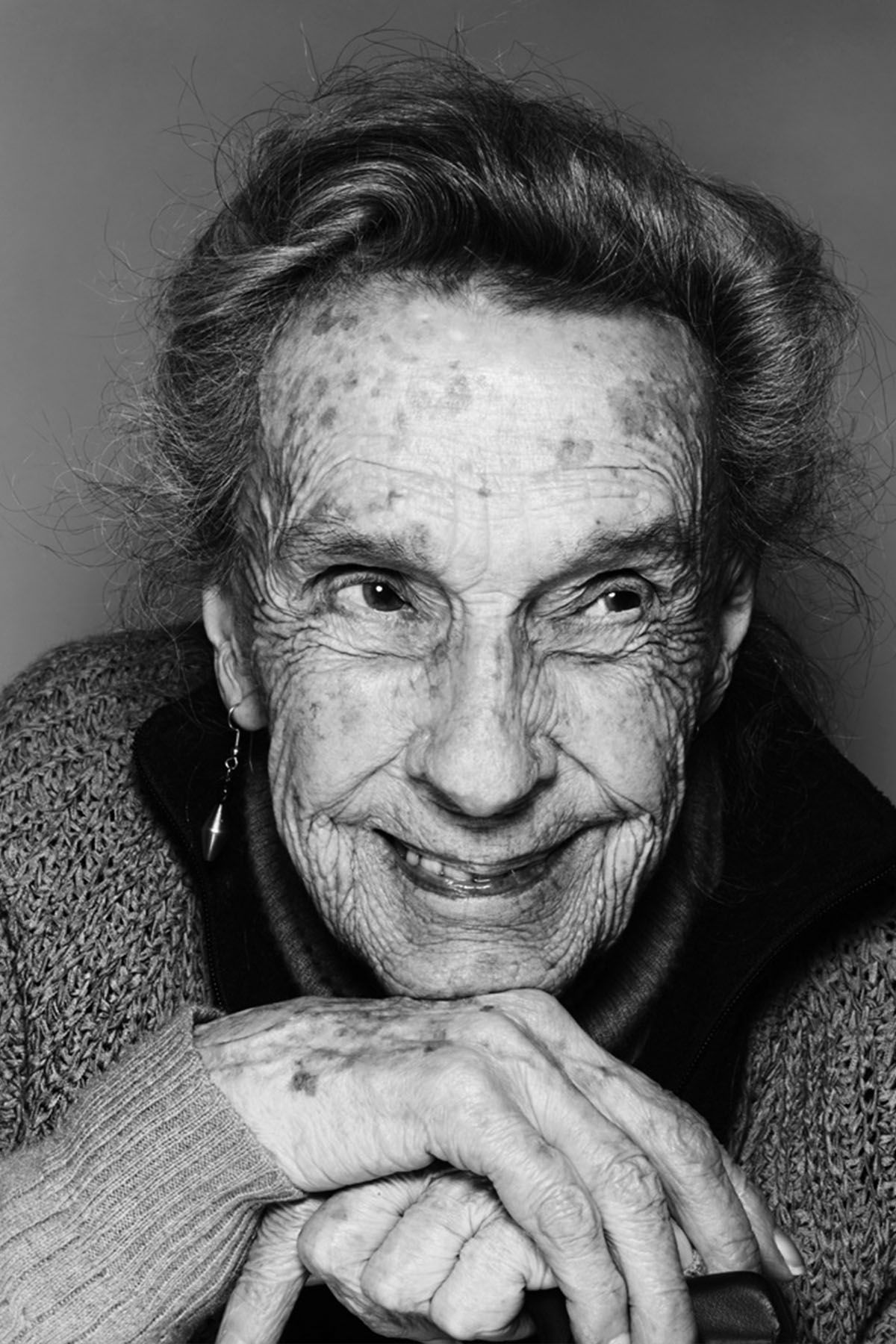
Leonora Carrington was a British-born Mexican artist, surrealist painter, and novelist. She lived most of her adult life in Mexico City and was one of the last surviving participants in the surrealist movement of the 1930s. Carrington was also a founding member of the women's liberation movement in Mexico during the 1970s.
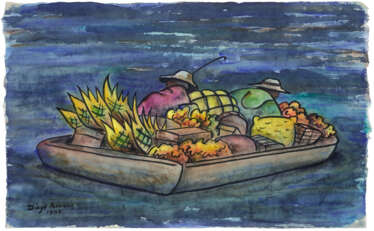

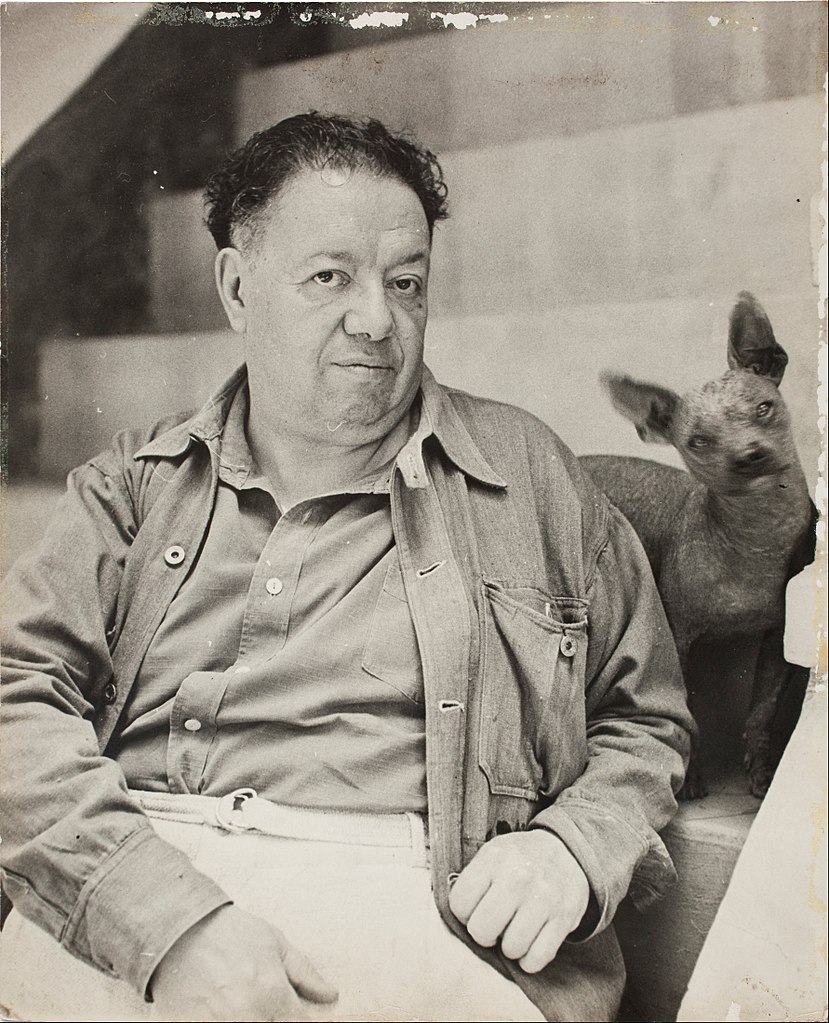
Diego María de la Concepción Juan Nepomuceno Estanislao de la Rivera y Barrientos Acosta y Rodríguez, more commonly known as Diego Rivera, was a prominent Mexican painter celebrated for his critical role in establishing the Mexican mural movement both nationally and internationally. Born on December 8, 1886, in Guanajuato, Mexico, to a well-to-do family, Rivera was a child prodigy in art, encouraged by his parents from a young age after they noticed his penchant for drawing. This early support included installing chalkboards and canvases on the walls of their home to foster his talent.
Rivera's art was not just limited to murals; he was also a key figure in Mexican Cubism and had a rich body of easel paintings. However, his murals, depicting scenes of Mexican society and reflecting his leftist political views, remain his most notable contributions. Some of his most famous works include "Man at the Crossroads," which stirred controversy due to its inclusion of Lenin, leading to its destruction at the Rockefeller Center in New York. Rivera's murals are scattered across Mexico and the United States, serving as historical documents that highlight his technical skill and deep social engagement.
His personal life was as colorful and tumultuous as his art, marked by multiple marriages, including to fellow artist Frida Kahlo. Their relationship was both passionate and stormy, significantly influencing their respective works. Rivera's legacy extends beyond his artwork; he was a mentor to several artists and left an indelible mark on the art world with his contributions to public art and his political activism. His works have been declared national monuments by the Mexican government, underscoring his pivotal role in the country's cultural heritage.
For collectors and experts in art and antiques, Rivera's works offer not only aesthetic beauty but also deep social and historical insights. If you're passionate about adding a piece of this rich cultural heritage to your collection or staying updated on auction events related to Diego Rivera's art, signing up for updates can provide you with timely information on new sales and exhibitions featuring his masterpieces.

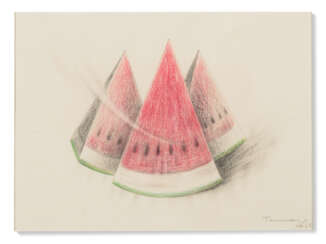

Rufino del Carmen Arellanes Tamayo was a Mexican painter of Zapotec heritage, born in Oaxaca de Juárez, Mexico. Tamayo was active in the mid-20th century in Mexico and New York, painting figurative abstraction with surrealist influences.


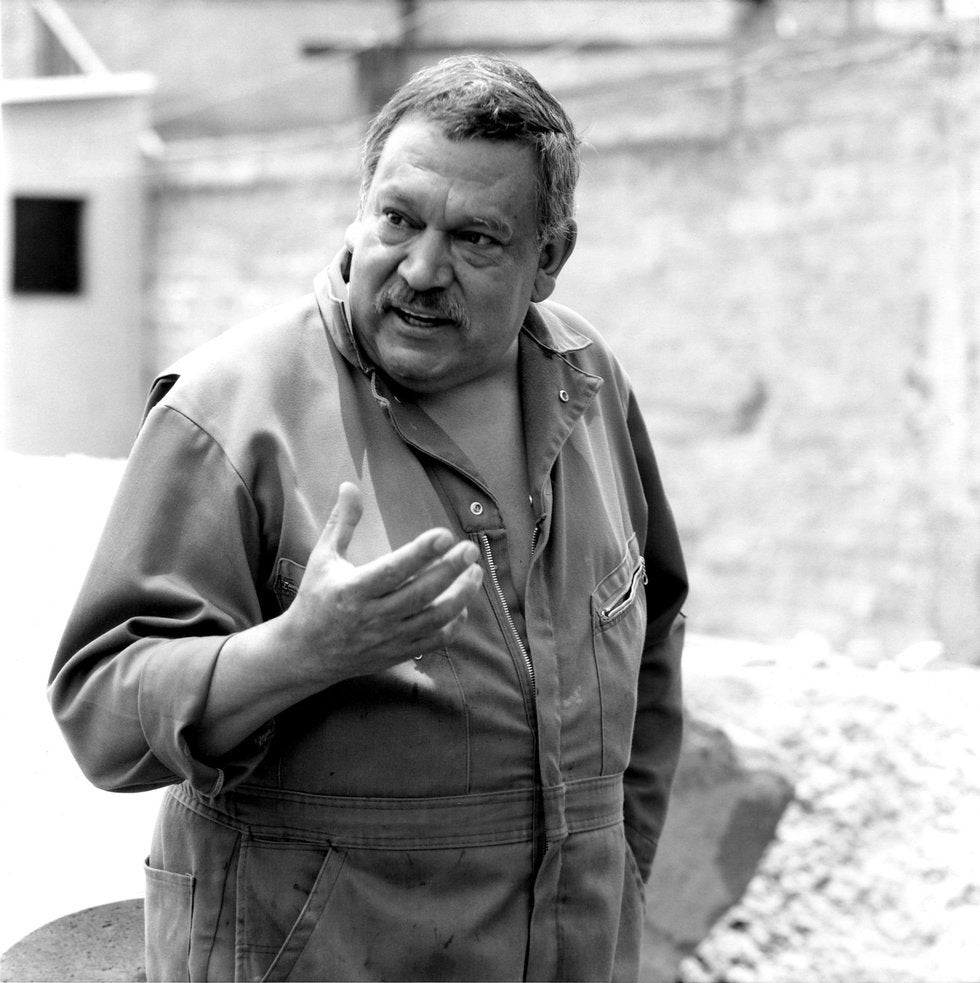
Pedro Coronel Arroyo was a Mexican sculptor and painter, part of the Generación de la Ruptura, bringing innovation into Mexican art in the mid 20th century. Coronel’s training was with artists of the Mexican muralism tradition, with influence from artists like Diego Rivera. This influence remained with the use of pre Hispanic themes and colors in his work. However, his artistic trajectory took him towards more use of color and more abstract forms in his work, due to influences from artists such as Rufino Tamayo. His work was exhibited and gained recognition in Mexico, the United States and Europe. Shortly before his death, he donated his considerable personal art collection to the people of Mexico, which was used to open the Museo Pedro Coronel in the city of Zacatecas.
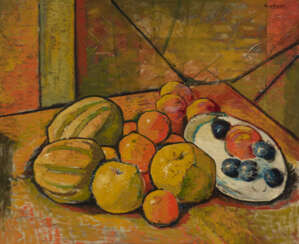


Rufino del Carmen Arellanes Tamayo was a Mexican painter of Zapotec heritage, born in Oaxaca de Juárez, Mexico. Tamayo was active in the mid-20th century in Mexico and New York, painting figurative abstraction with surrealist influences.