

1906





















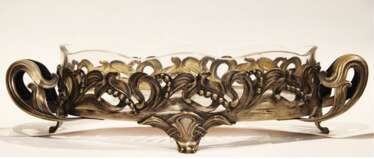








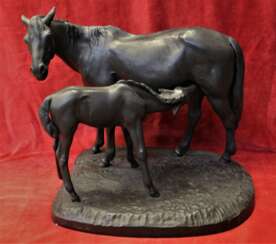















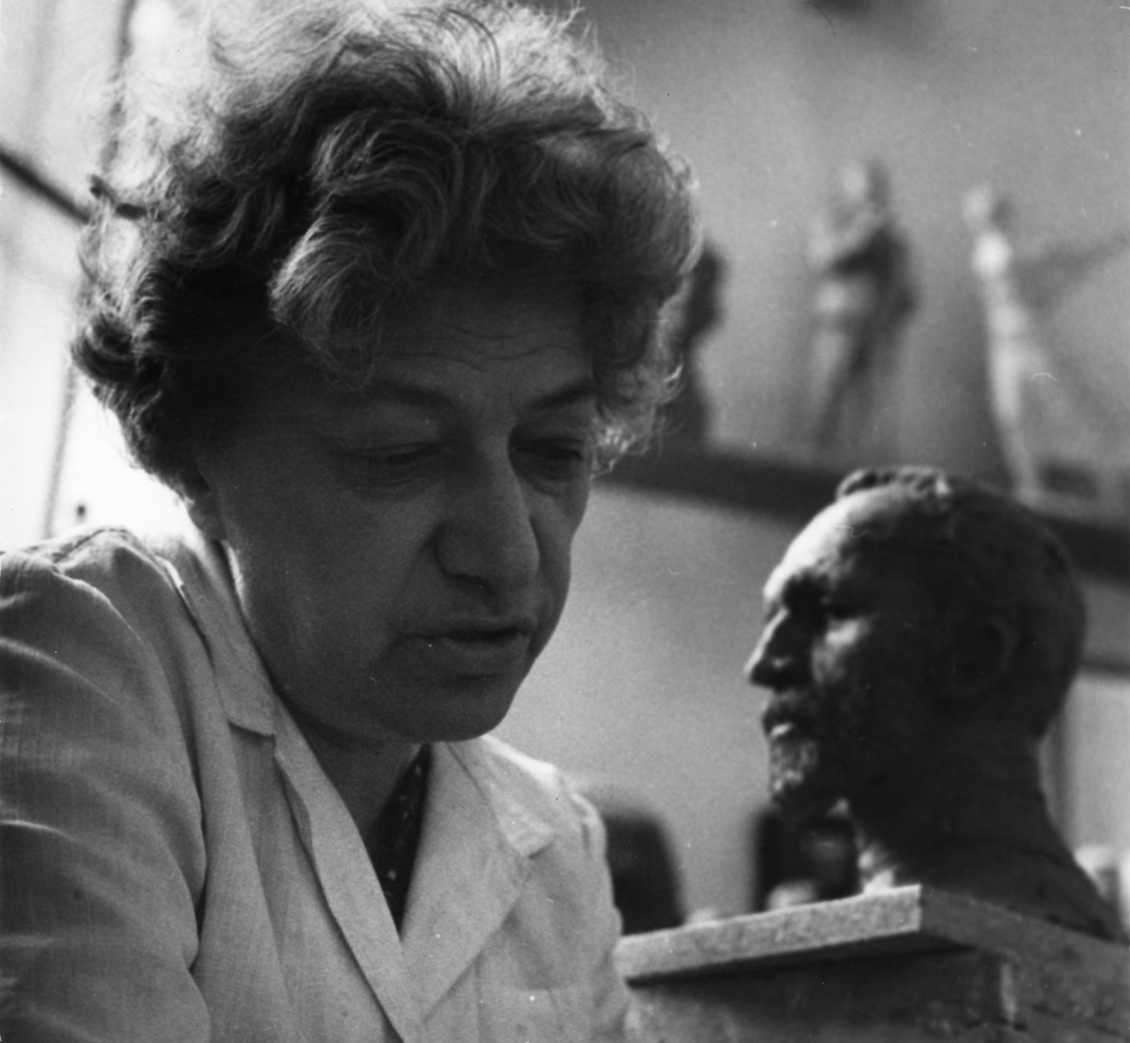
Klára Herczeg, also known as Claire Weiss, was a Hungarian sculptor. She established the Klára Herczeg Prize, awarded annually by the Young Artists Foundation. Her works have been exhibited since 1925, including at the 1937 Paris World Exhibition and the 1939 New York World's Fair. Approximately 30 of her sculptures are housed in Budapest and other Hungarian museums, while her works are also displayed internationally, such as at the Albrecht-Dürer-Haus in Nuremberg.
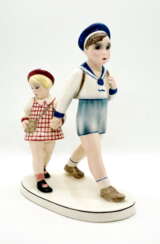
Interestingly, Herczeg´s porcelain and ceramic figures created between 1930 and 1940 were never showcased or acknowledged in exhibitions, but they periodically appear in art auctions and antique markets. It is documented that she designed over 200 figures.



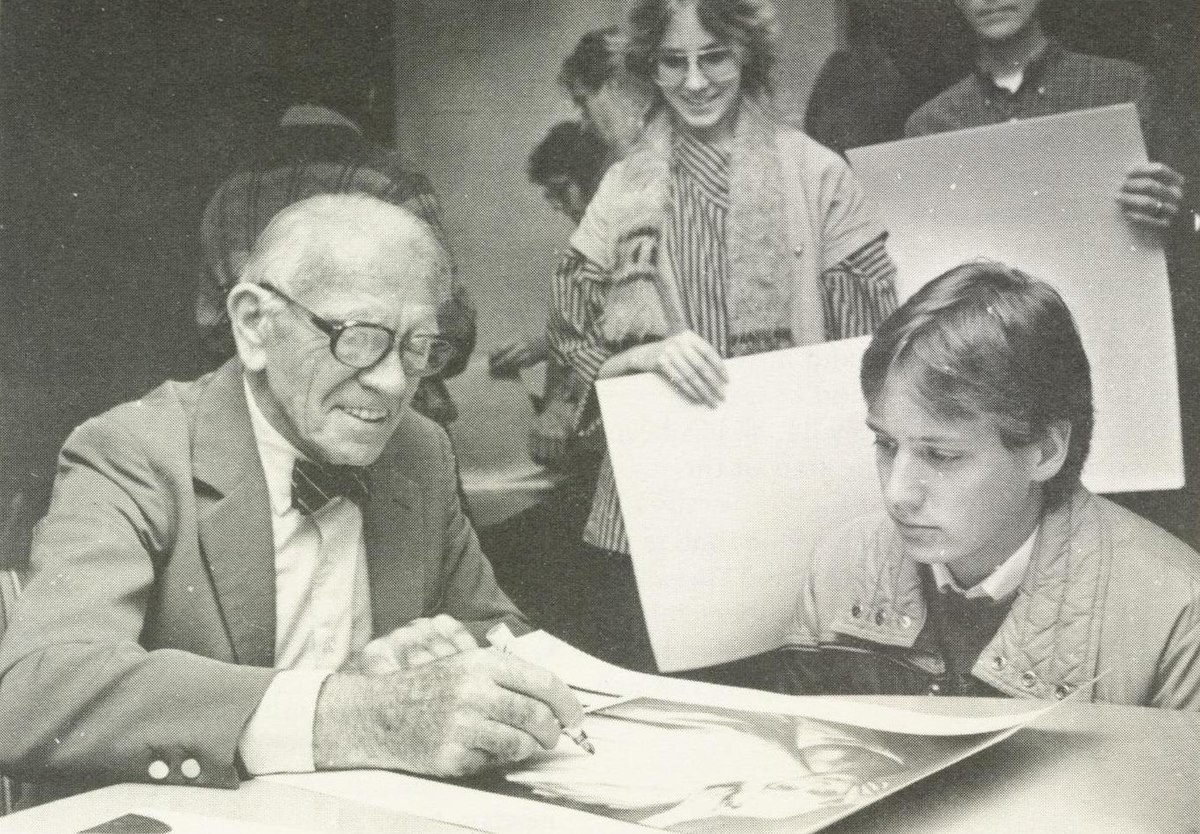
Horst P. Horst, a German-American fashion photographer, is renowned for his significant contributions to the art and fashion industry. Born in 1906, Horst's career spanned several decades, during which he became famous for his distinct style that skillfully blends elements of surrealism, classicism, and avant-garde artistry. His work, characterized by meticulous preparation and an innovative use of lighting, frequently avoided the use of filters and shadows, focusing instead on the subject with an almost architectural precision.
Horst P. Horst's legacy in fashion photography is underscored by his famous portraits, including the iconic 1942 image of Marlene Dietrich, and his exploration of the high society lifestyle through his collaborations with Vogue editor Diana Vreeland. These projects featured portraits of illustrious figures from the realms of royalty, art, fashion, and high society, such as Andy Warhol, Jacqueline Kennedy Onassis, and Yves Saint Laurent, showcasing Horst's ability to navigate the glamorous and intimate worlds of his subjects.
His work extended beyond portraiture to include interior design photography, as seen in his documentation of notable interiors for magazines like House & Garden and Vogue. Horst's photographs often served as a bridge, introducing the public to the works of contemporary artists and designers through his editorial and commercial assignments.
Throughout his career, Horst received critical acclaim, with major retrospectives of his work being held at prestigious venues such as the International Center of Photography in New York, the Louvre in Paris, and the National Gallery in London. These exhibitions highlighted his contributions to fashion, portraiture, and art photography, cementing his status as one of the most influential photographers of the 20th century.
For those interested in the evolution of fashion photography and the intersection of art and culture, Horst P. Horst's work remains a significant point of study and admiration. Collectors and experts in art and antiques are encouraged to explore his extensive portfolio, which continues to inspire and influence the fields of photography and fashion design.
If you wish to stay informed about upcoming sales and auction events related to Horst P. Horst, consider signing up for updates. This subscription will ensure you're at the forefront of the market for his enduring and captivating works.


Horst P. Horst, a German-American fashion photographer, is renowned for his significant contributions to the art and fashion industry. Born in 1906, Horst's career spanned several decades, during which he became famous for his distinct style that skillfully blends elements of surrealism, classicism, and avant-garde artistry. His work, characterized by meticulous preparation and an innovative use of lighting, frequently avoided the use of filters and shadows, focusing instead on the subject with an almost architectural precision.
Horst P. Horst's legacy in fashion photography is underscored by his famous portraits, including the iconic 1942 image of Marlene Dietrich, and his exploration of the high society lifestyle through his collaborations with Vogue editor Diana Vreeland. These projects featured portraits of illustrious figures from the realms of royalty, art, fashion, and high society, such as Andy Warhol, Jacqueline Kennedy Onassis, and Yves Saint Laurent, showcasing Horst's ability to navigate the glamorous and intimate worlds of his subjects.
His work extended beyond portraiture to include interior design photography, as seen in his documentation of notable interiors for magazines like House & Garden and Vogue. Horst's photographs often served as a bridge, introducing the public to the works of contemporary artists and designers through his editorial and commercial assignments.
Throughout his career, Horst received critical acclaim, with major retrospectives of his work being held at prestigious venues such as the International Center of Photography in New York, the Louvre in Paris, and the National Gallery in London. These exhibitions highlighted his contributions to fashion, portraiture, and art photography, cementing his status as one of the most influential photographers of the 20th century.
For those interested in the evolution of fashion photography and the intersection of art and culture, Horst P. Horst's work remains a significant point of study and admiration. Collectors and experts in art and antiques are encouraged to explore his extensive portfolio, which continues to inspire and influence the fields of photography and fashion design.
If you wish to stay informed about upcoming sales and auction events related to Horst P. Horst, consider signing up for updates. This subscription will ensure you're at the forefront of the market for his enduring and captivating works.


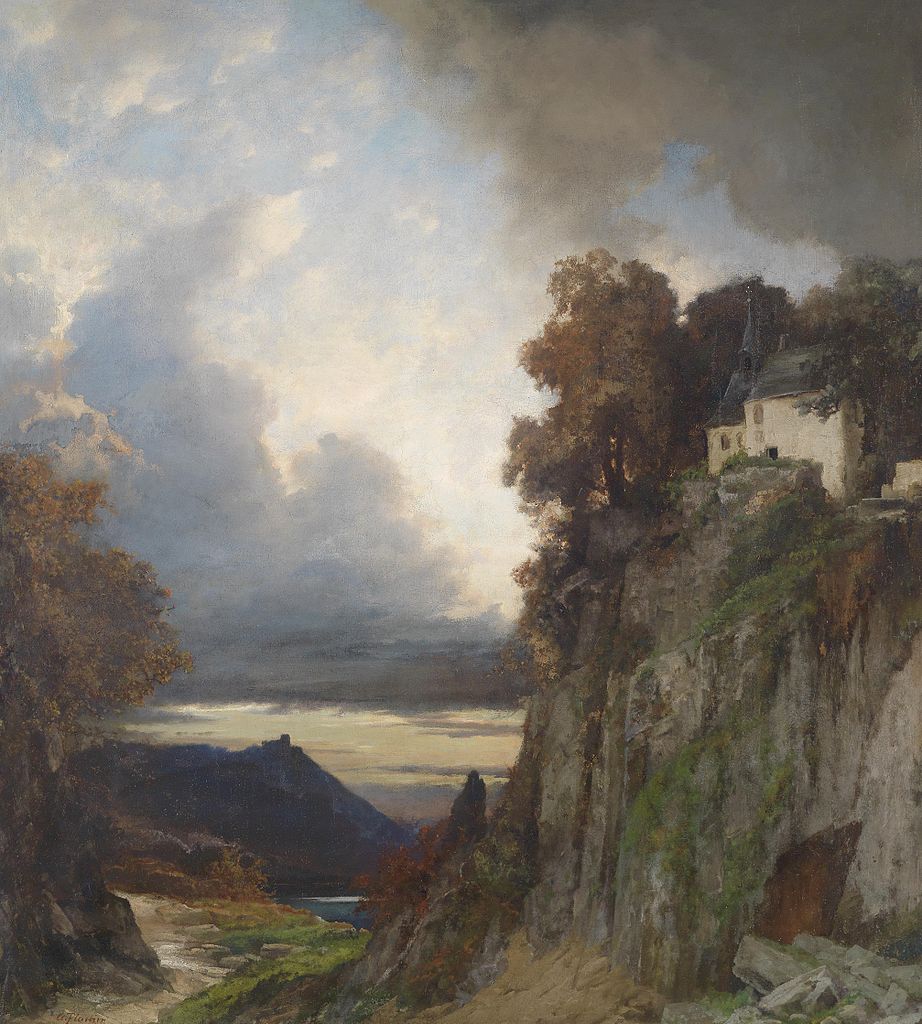
Albert Flamm was a German artist of the Düsseldorf school. He studied architecture at the Dusseldorf Academy of Art and in Antwerp. In 1841 he turned to painting and became a pupil of Andreas Achenbach. In 1848 Flamm became one of the founders of the Malkasten artists' association.
Albert Flamm painted mainly Italian landscapes, recognised for their truthfulness of nature, their vivid colours and their virtuosic treatments. He often chose an elevated viewing position to be able to create wide panoramic perspectives in warm, bright sunlight and with finely rendered detail.


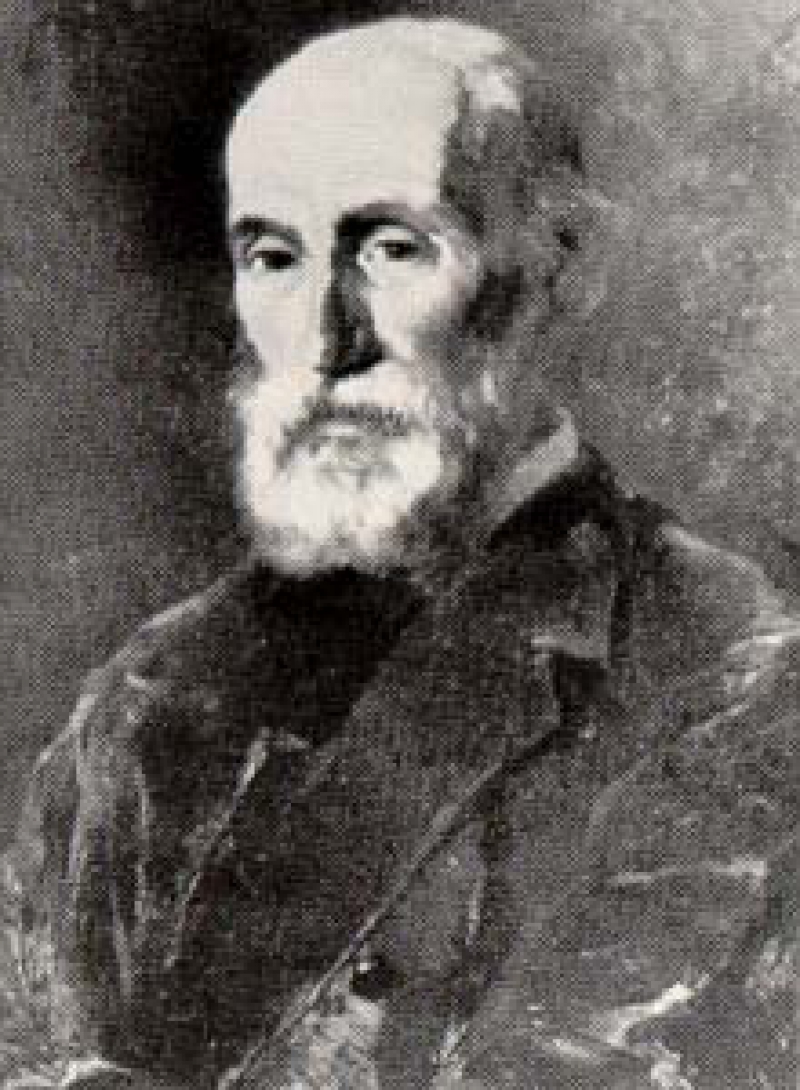
Christian Friedrich Mali was a German painter of the second half of the nineteenth and early twentieth centuries of Dutch origin. He is known as an animalist, landscape painter and genre painter of the Munich school.
Mali focused more on landscapes early in his career, favoring the landscapes of Garmisch-Partenkirchen and the Swabian Alps. After traveling to Italy, he pursued architectural painting. He later moved to Paris, where he became interested in animalistic painting, creating genre images depicting domestic animals.