erich hösel


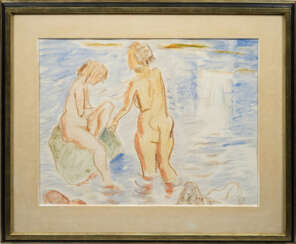

Erich Heckel was a German painter and printmaker, and a founding member of the group Die Brücke ("The Bridge") which existed 1905–1913. His work was part of the art competitions at the 1928 Summer Olympics and the 1932 Summer Olympics.





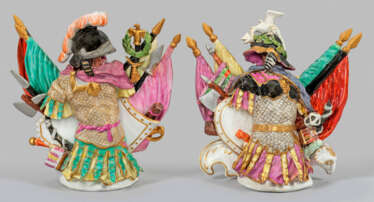

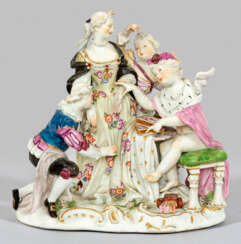





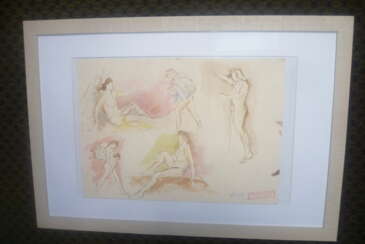

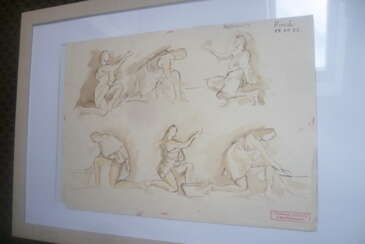






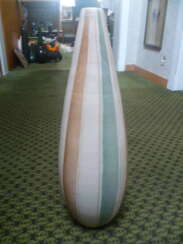


Beate Kuhn is a German ceramic sculptor.
She had an unprecedented influence on the development of German ceramics after the war, when in the mid-1960s she abandoned utilitarian ceramics in favor of free art.
After graduating from the Werkkunstschule in Wiesbaden, she founded her own workshop in Düdelsheim in 1957, developing a style that was already unmistakably her own. Here Beate Kuhn's sculptures were created from individual hand-carved and chiseled elements, which she assembled into a coherent whole. She transferred this stylistic principle of stringing geometric bodies to her designs of large-scale ceramic fountains. The artist's characteristic work can be found in every outstanding collection. The enormous number of prizes awarded to her underscores the recognition and appreciation she has enjoyed.
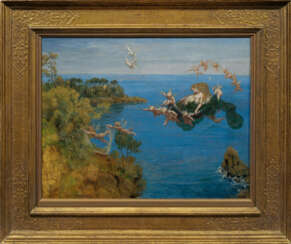

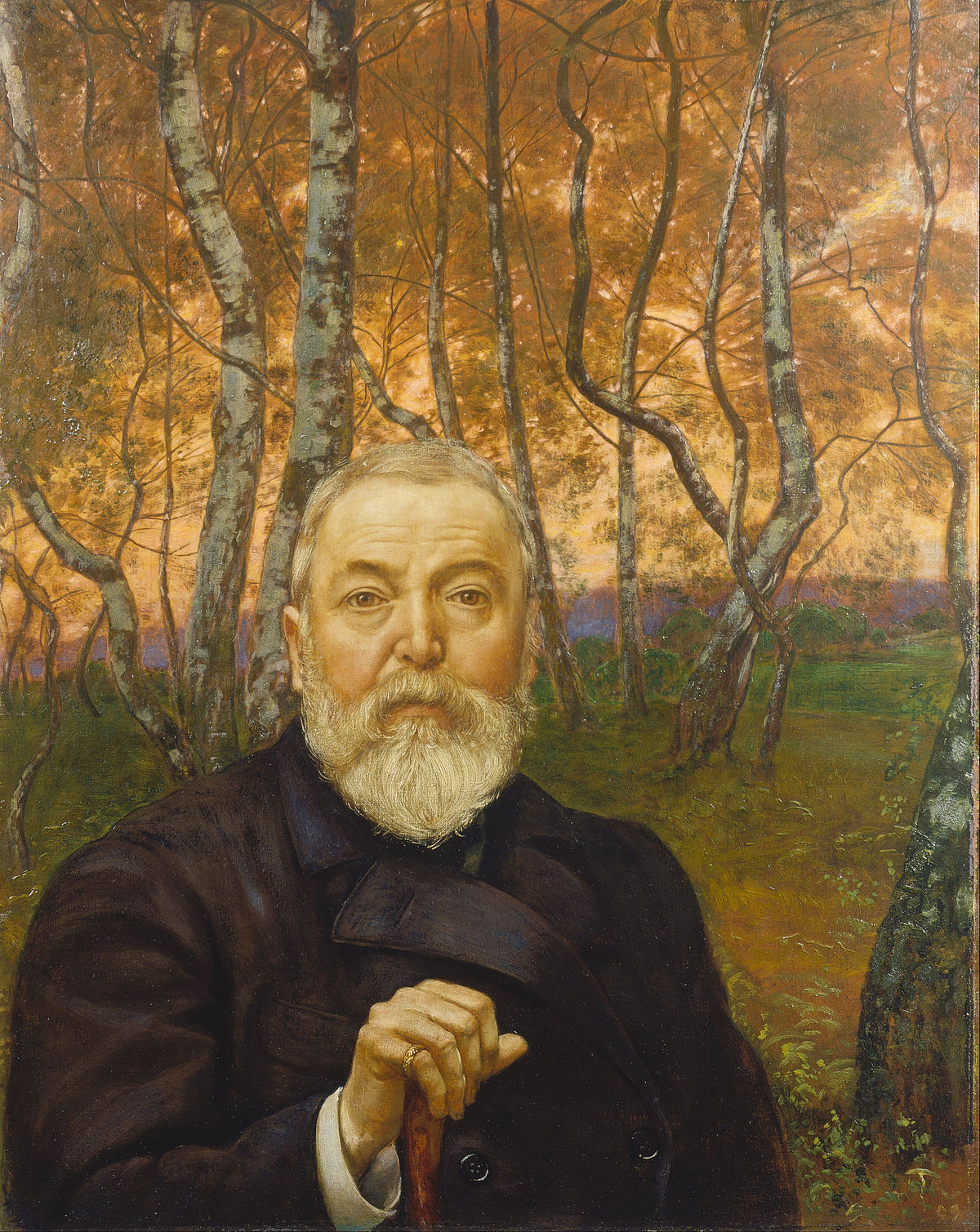
Hans Thoma was a German painter.
In spite of his studies under various masters, his art has little in common with modern ideas, and is formed partly by his early impressions of the simple idyllic life of his native district, partly by his sympathy with the early German masters, particularly with Albrecht Altdorfer and Lucas Cranach the Elder. In his love of the details of nature, in his precise drawing of outline, and in his predilection for local coloring, he has distinct affinities with the Pre-Raphaelites.


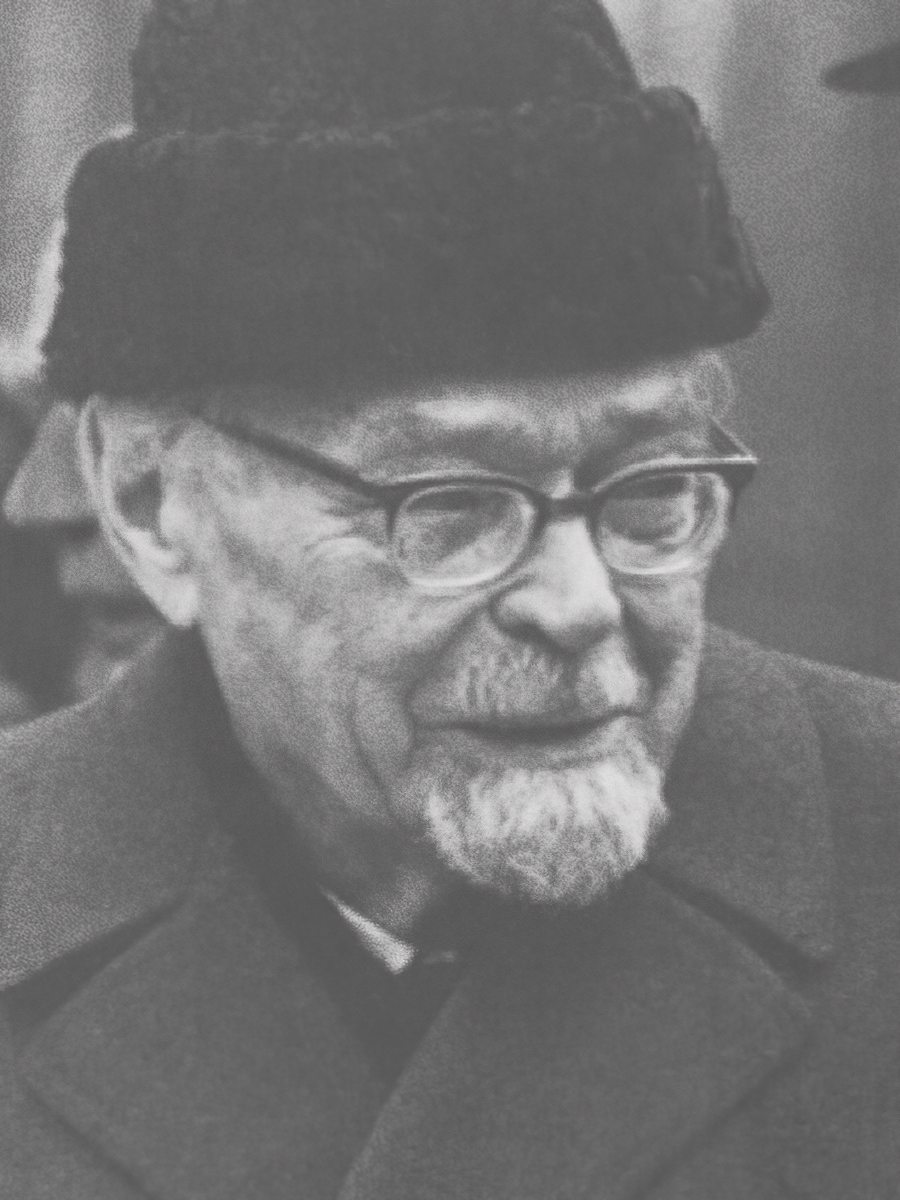
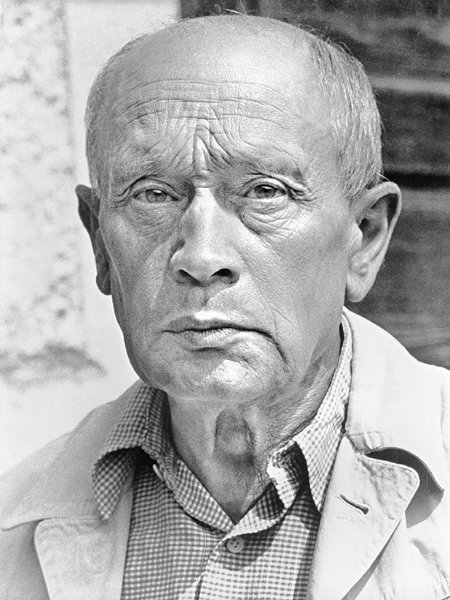
Karl Schmidt-Rottluff, a prominent figure in the German Expressionist movement, was not just an artist but a pioneer who significantly influenced the early 20th-century art scene. Born in Rottluff, Germany, in 1884, he later added his hometown's name to his surname, showcasing a deep connection to his roots. Schmidt-Rottluff was a founding member of the artist group Die Brücke, which played a critical role in the development of Expressionism in Germany. His works, characterized by bold colors and stark contrasts, were a departure from traditional artistic expressions and embraced a more emotional and subjective interpretation of reality.
Schmidt-Rottluff's contributions to art were not limited to painting; he was also a master printmaker, with a significant body of work comprising woodcuts, lithographs, and etchings. His artistic endeavors were marked by a fascination with the natural world, social issues, and an exploration of human emotion, themes that remained consistent throughout his career. Despite facing persecution during the Nazi regime, with many of his works labeled as "degenerate," Schmidt-Rottluff's resolve did not waver. In 1937, 608 of his paintings were seized, and by 1941, he was forbidden to paint. Yet, his legacy continued to grow post-World War II, and he was later honored with professorship at the University of Arts in Berlin-Charlottenburg in 1947, where he influenced a new generation of artists.
The value and impact of Schmidt-Rottluff's work are reflected in the presence of his pieces in prestigious collections worldwide, including the Museum of Modern Art, Neue Galerie, Los Angeles County Museum of Art, and many others. His works are celebrated for their emotional depth, innovative use of color, and ability to convey complex themes through simplified forms. Notably, some of his significant pieces have been subjects of restitution efforts, highlighting the historical importance and continued relevance of his work in the context of art history and cultural heritage.
For collectors and experts in art and antiques, Schmidt-Rottluff's oeuvre offers a profound insight into the evolution of Expressionism and the broader cultural and political narratives of the early 20th century. His works not only serve as a testament to his individual genius but also as a reflection of the tumultuous era that shaped them.
To stay informed about new discoveries, sales, and auction events related to Karl Schmidt-Rottluff's work, signing up for updates is highly recommended. This ensures that enthusiasts and collectors alike are always in the loop regarding opportunities to engage with and acquire pieces by this influential artist, ensuring his legacy continues to inspire and resonate with future generations.