rider
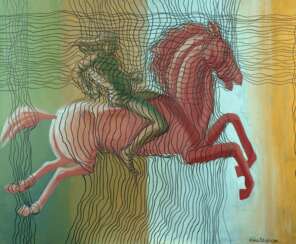


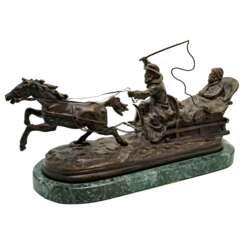

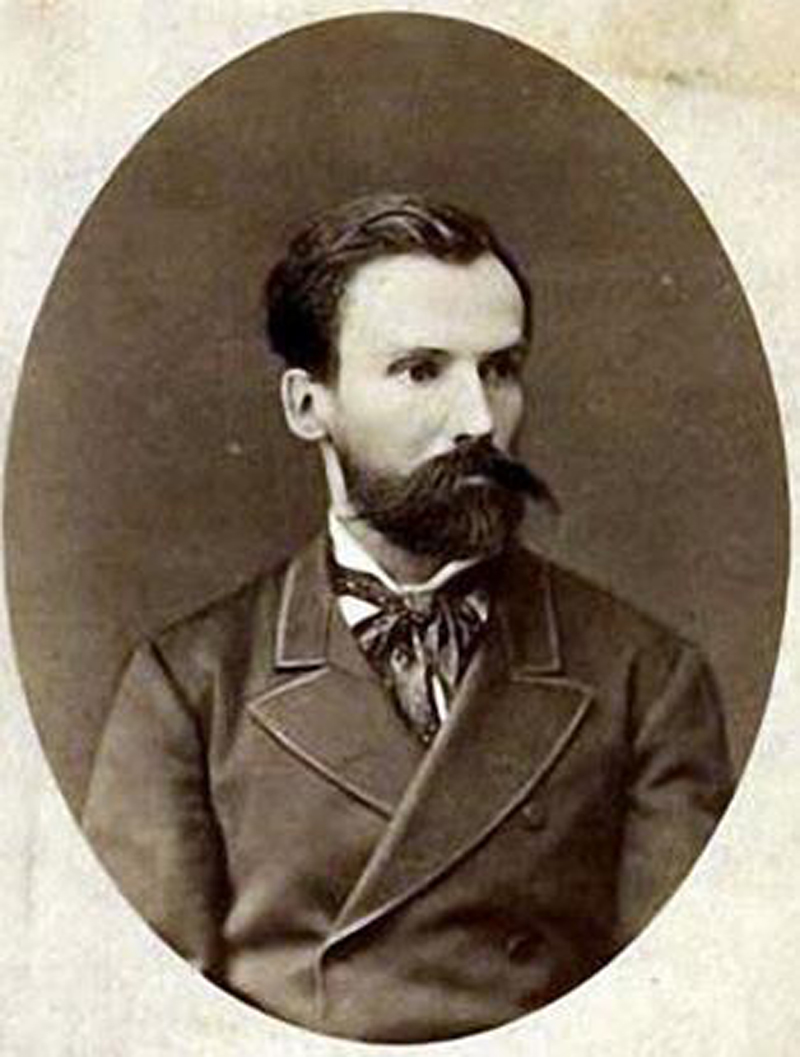
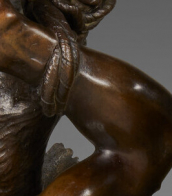
Yevgeny Alexandrovich Lanceray (Russian: Евгений Александрович Лансере) was a Russian sculptor born in 1848, renowned for his detailed bronze sculptures that often depicted historical and ethnographic themes. His works, celebrated for capturing the essence of 19th-century Russian life, include statues such as "Young Ossetian Sitting" and "Royal Falconer" which demonstrate his skill in portraying both human figures and animals with remarkable realism and emotion.
Lanceray's artistic journey began in St. Petersburg, where he was deeply influenced by his surroundings and the vibrant artistic community. He trained under the tutelage of prominent artists and developed a unique style that made substantial contributions to Russian art. His sculptures were widely appreciated for their dynamic representation of subjects and meticulous attention to detail.
Lanceray's legacy extends beyond his sculptures, as his works are featured in major galleries and are highly sought after by collectors. His dedication to art and his ability to portray Russian culture have left an indelible mark on the art world, making his pieces revered collectibles in auctions and exhibitions globally.
For collectors and experts interested in Lanceray's work, staying informed about upcoming auctions and exhibitions can be highly rewarding. To receive updates and exclusive information on Yevgeny Alexandrovich Lanceray, sign up for our newsletter, ensuring you never miss out on the opportunity to add a piece of this master sculptor’s legacy to your collection.



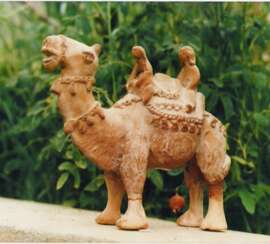

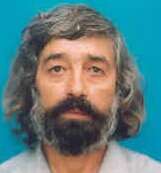







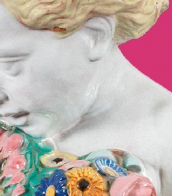
Ferdinand Liebermann was a German sculptor.
Liebermann studied sculpture at the School of Arts and Crafts and at the Academy in Munich with Heinrich Wadere. After additional studies in Rome and Paris, he opened his studio in Munich in 1910 and was awarded the Grand Austrian State Medal in gold for a small bronze the same year. In 1926 he became professor of monumental and portrait sculpture in Munich.
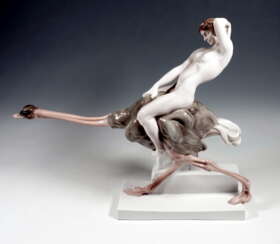
Ferdinand Liebermann's works include numerous sculptures of buildings, monuments and fountains, and he was also one of the most important figure designers for the Rosenthal manufactory.


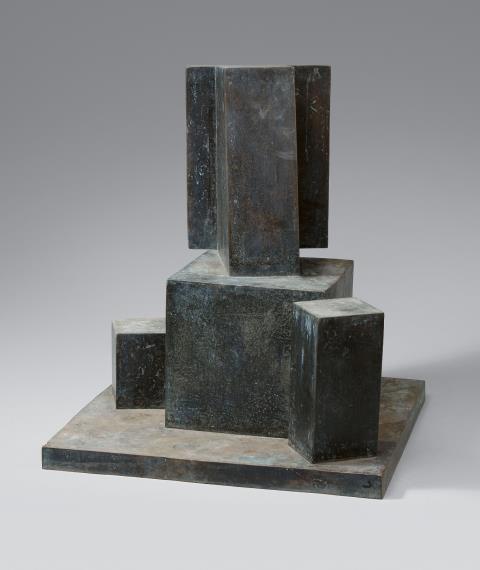
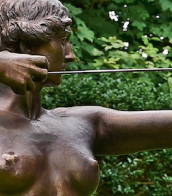
Anton Hiller was a Bavarian sculptor and painter. He grew up in a Catholic farming family in Sigmaringendorf, Hohenzollern. Hiller then studied sculpture at the Academy of Fine Arts Munich under Hermann Hahn (1868–1945), graduating in 1923 and worked later as a freelance sculptor in Munich from 1923, executing commissions for the Bavarian State Gallery and the Municipal Gallery.
From 1946 to 1961, Hiller served as a professor of sculpture at the Academy of Fine Arts Munich, becoming one of the leading representatives of the Munich School of Sculpture in the third quarter of the 20th century. Hiller was a member of the German Artists' Association from 1952 to 1960.








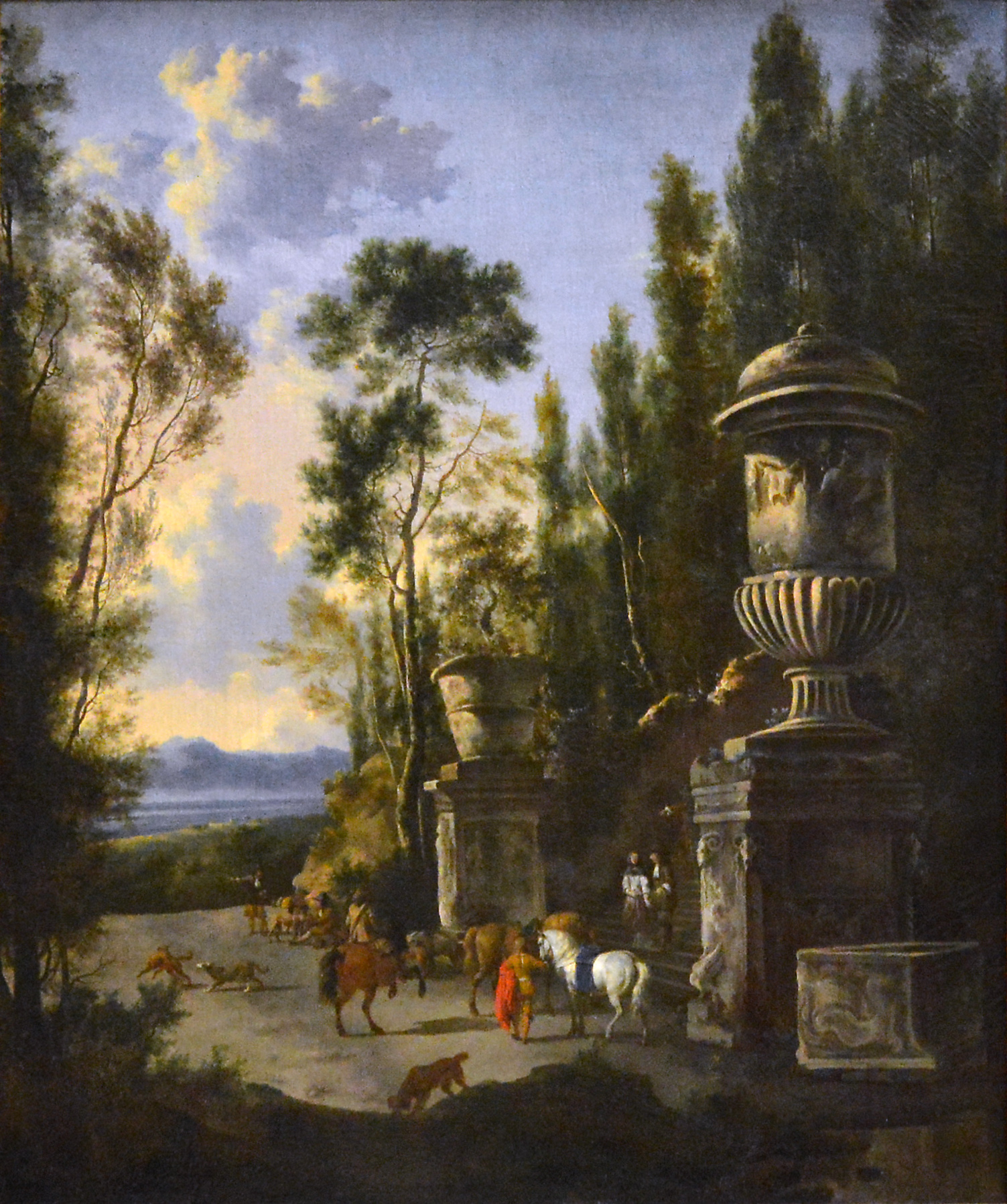
Frederik de Moucheron the Elder was a Dutch landscape painter of the Dutch Golden Age.
Frederik studied under Jan Asselain (1610-1652), then spent three years in Paris before settling in Amsterdam in 1659. De Moucheron painted French, Italian and Dutch landscapes, reproducing with particular care the effects of sunset and gray clouds. Works by this artist are represented in many European art galleries, such as those in St. Petersburg and the Dresden Gallery.
He was the father of the landscape painters Isak de Moucheron and Frederik de Moucheron the Younger.


Anton Hiller was a Bavarian sculptor and painter. He grew up in a Catholic farming family in Sigmaringendorf, Hohenzollern. Hiller then studied sculpture at the Academy of Fine Arts Munich under Hermann Hahn (1868–1945), graduating in 1923 and worked later as a freelance sculptor in Munich from 1923, executing commissions for the Bavarian State Gallery and the Municipal Gallery.
From 1946 to 1961, Hiller served as a professor of sculpture at the Academy of Fine Arts Munich, becoming one of the leading representatives of the Munich School of Sculpture in the third quarter of the 20th century. Hiller was a member of the German Artists' Association from 1952 to 1960.


Anton Hiller was a Bavarian sculptor and painter. He grew up in a Catholic farming family in Sigmaringendorf, Hohenzollern. Hiller then studied sculpture at the Academy of Fine Arts Munich under Hermann Hahn (1868–1945), graduating in 1923 and worked later as a freelance sculptor in Munich from 1923, executing commissions for the Bavarian State Gallery and the Municipal Gallery.
From 1946 to 1961, Hiller served as a professor of sculpture at the Academy of Fine Arts Munich, becoming one of the leading representatives of the Munich School of Sculpture in the third quarter of the 20th century. Hiller was a member of the German Artists' Association from 1952 to 1960.


Anton Hiller was a Bavarian sculptor and painter. He grew up in a Catholic farming family in Sigmaringendorf, Hohenzollern. Hiller then studied sculpture at the Academy of Fine Arts Munich under Hermann Hahn (1868–1945), graduating in 1923 and worked later as a freelance sculptor in Munich from 1923, executing commissions for the Bavarian State Gallery and the Municipal Gallery.
From 1946 to 1961, Hiller served as a professor of sculpture at the Academy of Fine Arts Munich, becoming one of the leading representatives of the Munich School of Sculpture in the third quarter of the 20th century. Hiller was a member of the German Artists' Association from 1952 to 1960.