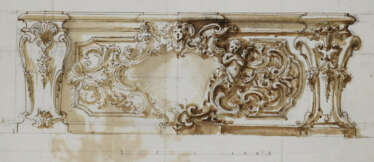
tusche und bleistift





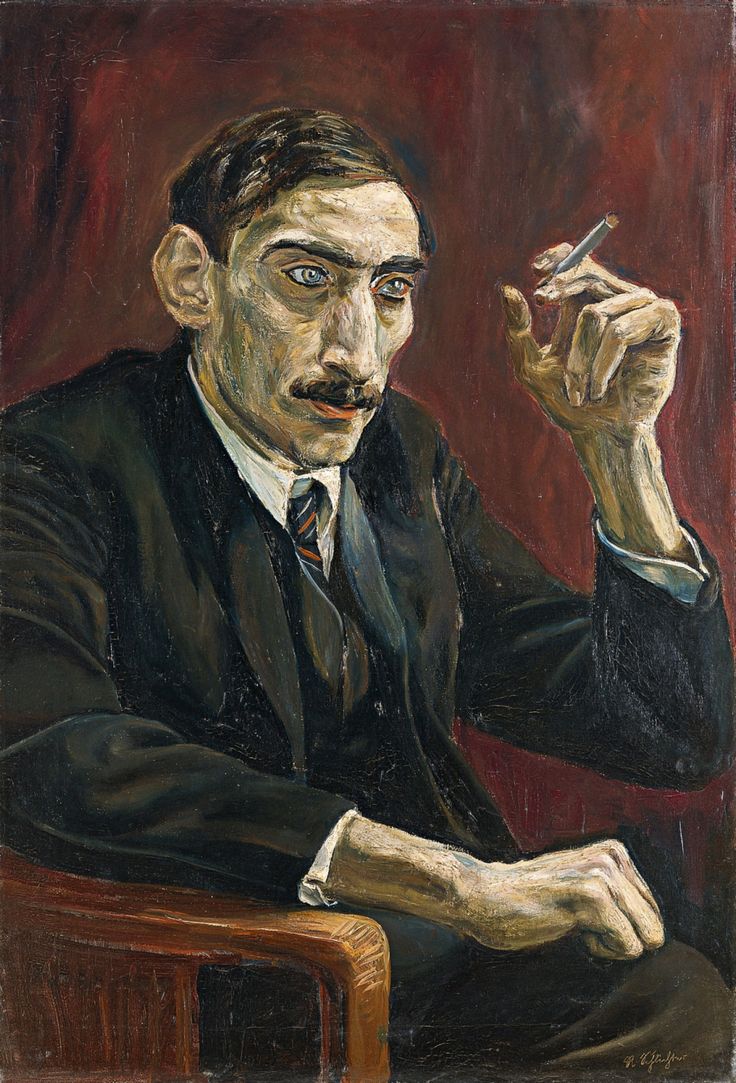
Rudolf Schlichter was a German painter and one of the most important representatives of the Neue Sachlichkeit (New Objectivity) movement.
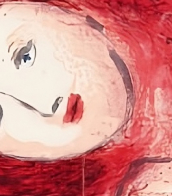
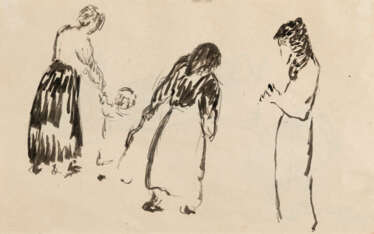

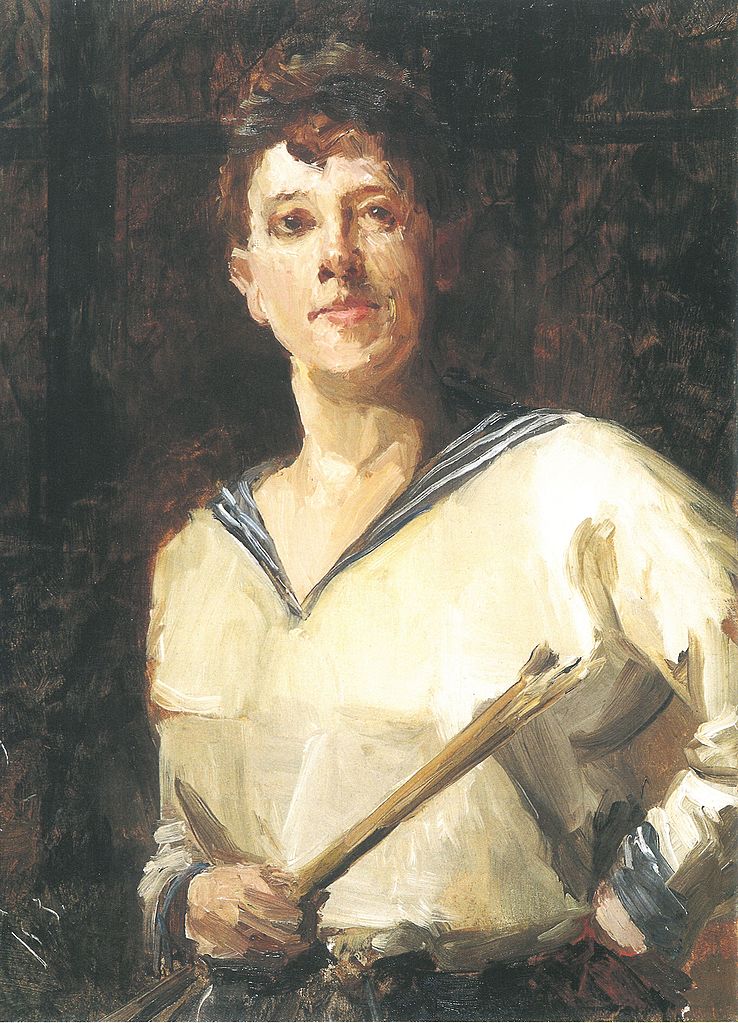
Marianne von Werefkin (Russian: Марианна Владимировна Верёвкина), born in Russia in 1860, was a distinguished artist whose innovative work bridged the realms of realism and expressionism. Known as the "Russian Rembrandt" in her early career, Werefkin's artistic journey began with realism, earning her acclaim within the Tsarist Empire. However, her move to Munich in 1896 marked a significant shift in her style and artistic affiliations, leading her to explore and eventually embrace expressionism.
Werefkin's life was marked by a pivotal relationship with fellow artist Alexej von Jawlensky, which greatly influenced her personal and professional trajectory. Despite pausing her painting to focus on Jawlensky's development, Werefkin's contribution to art went beyond her own creations. She founded the influential artist groups, including the New Association of Artists in Munich (NKVM) and later The Blue Rider, alongside luminaries like Wassily Kandinsky and Franz Marc.
Her return to painting saw a dramatic transformation in her style, characterized by bold, expressive strokes and a deep exploration of the emotional and spiritual aspects of her subjects. This period of her work is marked by significant pieces such as the "Self-Portrait" (1910), which is celebrated for its emotional depth and innovative use of color, encapsulating the essence of Munich-school Expressionism.
Werefkin's later years in Ascona, Switzerland, were devoted to capturing the natural landscape and its emotional resonances through a vibrant expressionist lens. Her works from this period reflect a continued engagement with human fragility and resilience, as seen in pieces like "Eternal Path" (1929).
Her oeuvre is a testament to her pioneering spirit and her role in shaping the course of modern art. Werefkin's works are held in esteemed collections, including the Museum of Modern Art in Ascona and the Städtische Galerie im Lenbachhaus in Munich, ensuring her legacy endures within the art world.
For collectors and experts in art and antiques, Marianne von Werefkin's life and work offer a rich field of study. Her contributions to the development of expressionism and her unique artistic voice make her a figure of enduring interest. To stay informed about new product sales and auction events related to Marianne von Werefkin, signing up for updates can provide exclusive insights and opportunities to engage with her remarkable legacy.
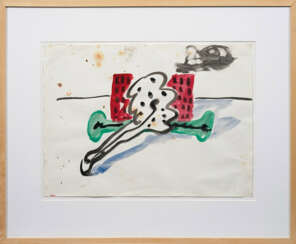


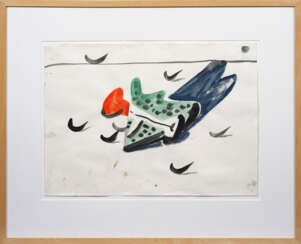



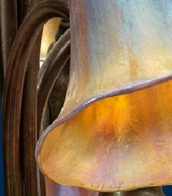


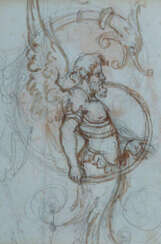



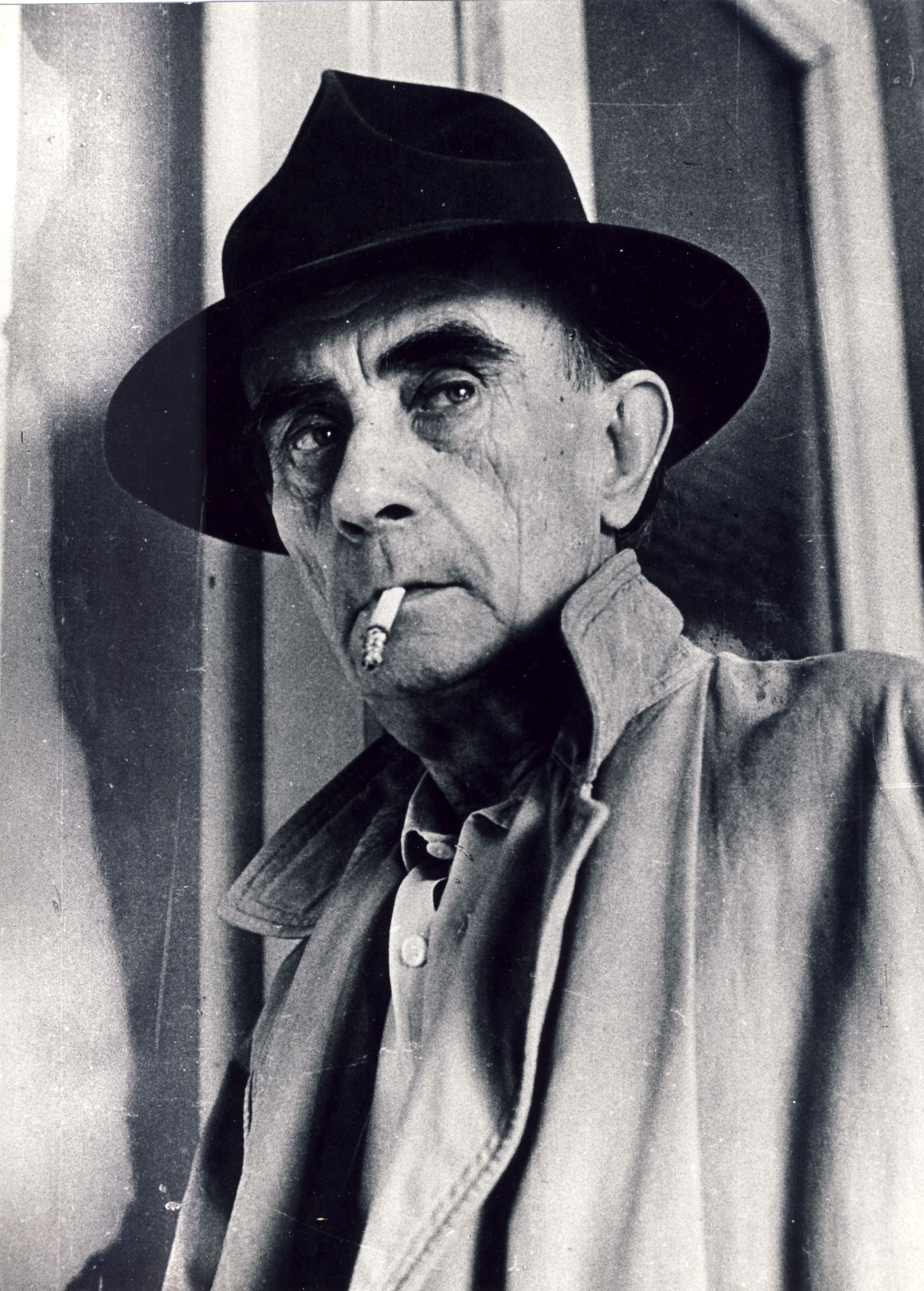

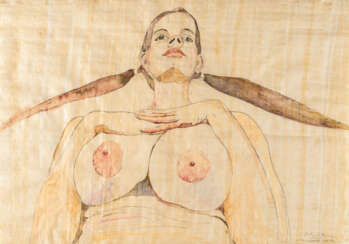

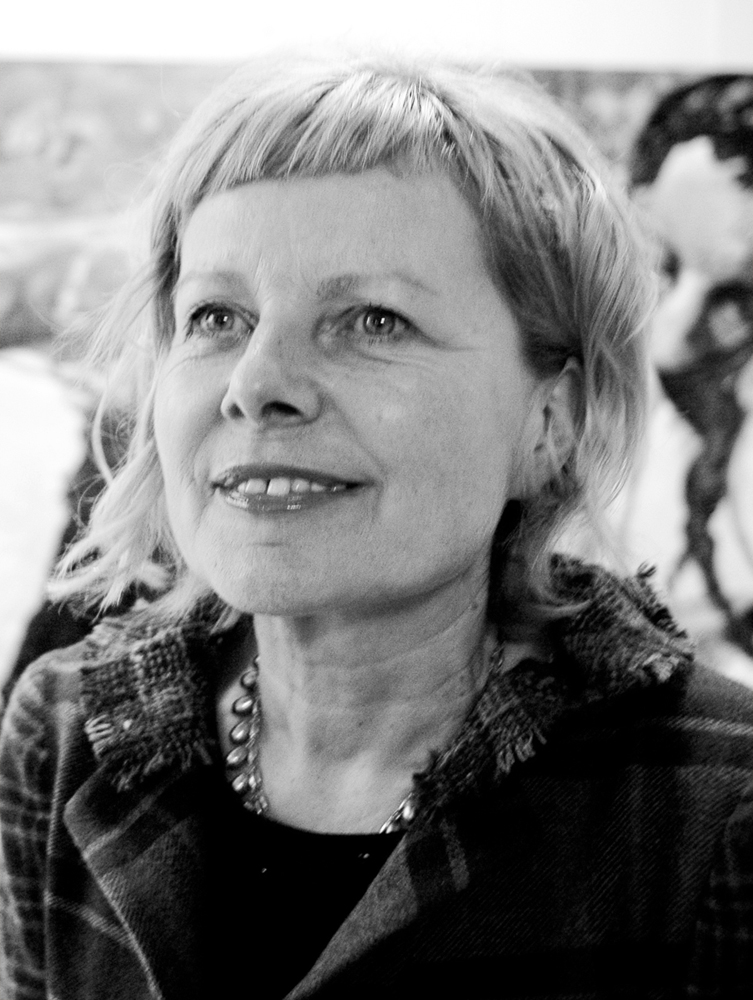
Cornelia Schleime is a German painter, performer, filmmaker and author. She studied painting and graphic arts at the Dresden Academy of Fine Arts before becoming a member of the underground art scene. She was awarded the Hannah Höch Lifetime Achievement Award from the State of Berlin in 2016.
Schleime's painting style is inspired by artists that were a strong influence in her classical studies such as Bacon and Balthus, Monet, Rembrandt, and Van Gogh.
Schleime has focused since the 1990s on figures and large-format portraits. Sources of inspiration are glossy magazines, reproductions of all kinds, but also personal photographs or snapshots found at flea markets. Through the intuitive act of drawing or painting, she turns those she depicts into something creative of her own, projecting them in new roles, symbolically emphasising the poses encountered or highlighting aspects with a touch of fantasy and irony.








.jfif)
Joseph Fernand Henri Léger was a French artist renowned for his innovative approach to Cubism and his transition towards a figurative, populist style. Born in Argentan, Orne, Lower Normandy, Léger's early career was marked by a stint as an architectural draftsman and a series of educational pursuits that eventually led him to Paris, where he embraced painting seriously. His artistic journey was significantly influenced by the bold abstractions of Cubism, characterized by geometric shapes and a vibrant palette, distinguishing his work from his contemporaries with what came to be known as "Tubism".
Léger's service in World War I profoundly impacted his artistic direction, leading him to adopt a 'mechanical' style that depicted the modern industrial world with sleek, tubular forms. This period saw creations like "Soldier with a Pipe" and "The Card Players," reflecting his war experiences and the mechanical aesthetics of the time. The post-war era encouraged Léger to explore the mechanical style further, evident in works like "The Bargeman" and "Mechanical Elements," highlighting the pace of technological advancement.
Throughout his career, Léger's work evolved, notably in the 1920s, where he aligned with Purist ideas, blending classicism with modernity. This phase is exemplified in "Woman with a Cat," showcasing a classical form with a modern, polished finish. By the 1930s, Léger's art took a more figurative, populist turn, aiming to democratize contemporary art and make it more accessible. His commitment to art education, especially for the common worker, underscored his belief in the social role of art.
For those intrigued by Joseph Fernand Henri Léger's groundbreaking contributions to modern art, his works can be found in prestigious museums worldwide. His legacy continues to inspire art collectors and enthusiasts alike. To stay updated on exhibitions and auction events featuring Léger's work, sign up for updates and embrace the unique opportunity to explore the richness of his artistic endeavors.





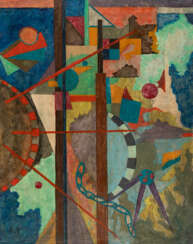




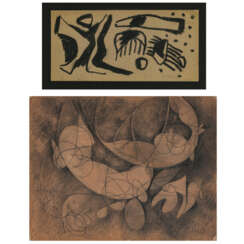


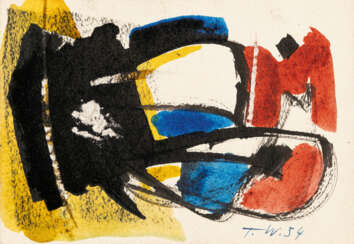
Theodor Werner was a German painter.