

neo-figurative art


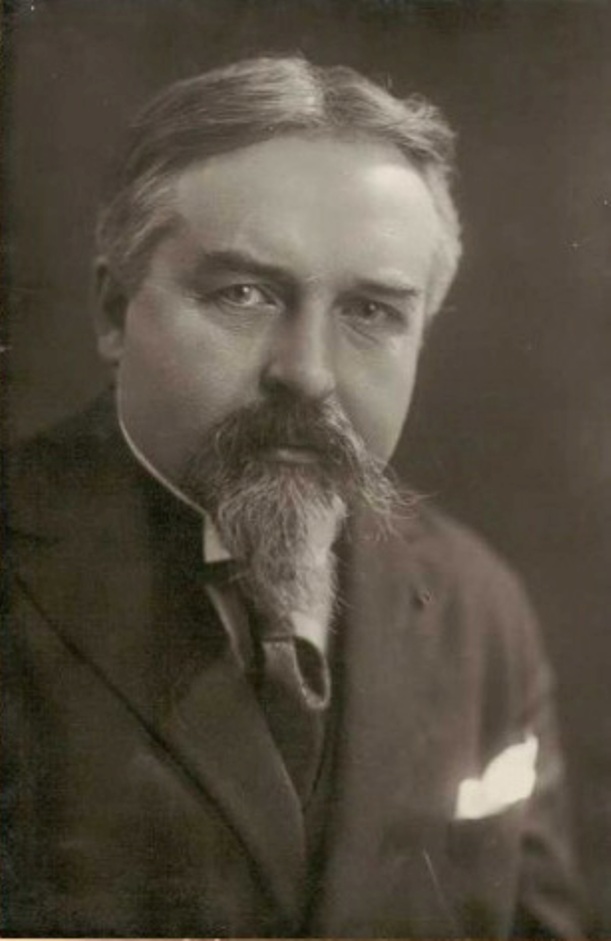
Maurice Denis, a French painter and writer, was an influential figure in the transition from impressionism to modern art. Born on November 25, 1870, in Granville, France, Denis's artistic journey began at the Académie Julian in Paris. Here, he met future collaborators like Paul Sérusier and Pierre Bonnard, with whom he later formed the Nabis group, a collective deriving its name from the Hebrew word "Nabi," meaning "Prophet".
Denis's style evolved from neoimpressionism, influenced by artists like Seurat, to a more decorative and colorful approach under the influence of Gauguin. This shift is evident in works like "Taches du soleil sur la terrace" (1890). He famously stated, "Art is no longer a visual sensation... it is a creation of our spirit," highlighting his belief in art as an idealistic expression, transcending mere imitation of nature.
Denis was also impacted by Japanese art, which influenced his compositions and styles, contributing to his unique and recognizable approach. His philosophy on art, encapsulated in his 1890 essay published in "Art et Critique," emphasized the importance of color and form in creating emotional depth, a notion that laid the groundwork for modernism. He argued that a painting's essence lies in its colors and composition, rather than its subject matter.
Throughout his career, Denis's work evolved towards a more classical approach. His involvement with the Ateliers d'Art Sacré, founded in 1919, demonstrated his interest in religious art and decoration. His notable works include "The Legend of Saint Hubert" (1897) and "The History of Music" for the Théâtre des Champs Elysées (1912-1913).
Tragically, Maurice Denis's life ended on November 13, 1943, when he was struck by a truck during the German occupation of Paris. However, his legacy endures through his contributions to modern art and symbolism, his influence on fellow artists, and his works displayed in various museums and galleries.
For collectors and art experts, Denis's work offers a unique glimpse into the evolution of modern art. His blend of symbolism, color, and form marks a significant shift in art history. To stay updated on new sales and auction events related to Maurice Denis's work, sign up for our newsletter. This subscription will keep you informed about the latest developments in the world of this remarkable artist.
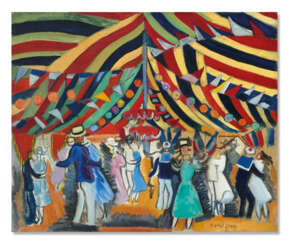

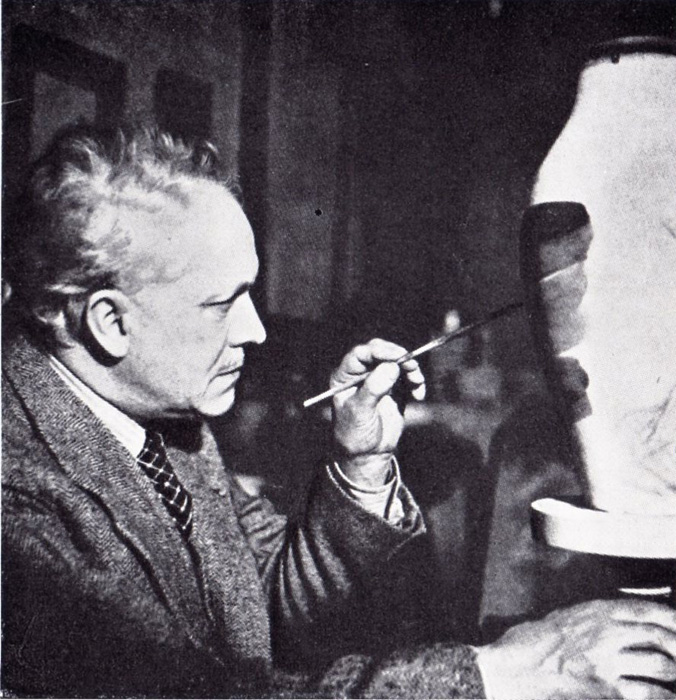
Raoul Dufy, a renowned French artist, is celebrated for his vibrant and decorative style, which left a significant mark in the realms of Fauvism and Post-Impressionism. Born in 1877 in Le Havre, France, Dufy's artistic journey was profoundly influenced by Henri Matisse's Fauvist work "Luxe, Calme et Volupté," which he encountered at the Salon des Indépendants in 1905. This experience steered him towards Fauvism, a style that emphasized bold contours and bright colors.
Dufy's artistic evolution saw him briefly embrace Cubism around 1920, after which he developed a unique approach. This approach, often referred to as stenographic, was characterized by skeletal structures, foreshortened perspectives, and the use of thin, quickly applied washes of color. His works, known for their cheerful and fashionably decorative nature, often depicted scenes of leisure like yachting, the French Riviera, and chic parties, capturing the essence of the period's optimism.
In addition to his painting, Dufy was also a commercial artist, illustrator, and designer, contributing significantly to textile design and public murals. His large-scale public art commissions combined modern and allegorical subjects with exuberant outlines and intense colors, showcasing a modernist take on traditional mural work. Notable works by Dufy include "The Regatta," "The Harvester," and the monumental "The Electricity Fairy," a large mural commissioned for the 1937 World's Fair in Paris.
His works are housed in prestigious public collections worldwide, including the Art Institute of Chicago, the Musée d'Art Moderne de Paris, and the National Gallery of Art in Washington, D.C. Despite his artistic achievements, Dufy's focus on decorative art and the lack of engagement with wider social concerns has led to a varied critical reception of his work. Nonetheless, his contribution to 20th-century art, particularly in popularizing a vibrant and illustrative style, remains undisputed.
If Raoul Dufy's artistry captivates you and you wish to stay informed about the latest artworks, exhibitions, and auction events related to this remarkable artist, we invite you to sign up for our updates. By subscribing, you'll receive timely notifications about new pieces for sale and upcoming auctions. This is a wonderful opportunity for collectors and art enthusiasts to enhance their appreciation and possibly their collections of Dufy's work. Stay connected with the world of art and don't miss any chance to acquire unique pieces by this celebrated artist.
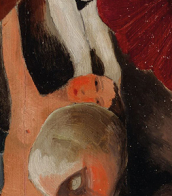
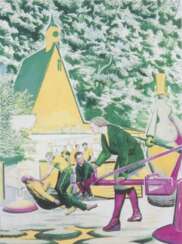

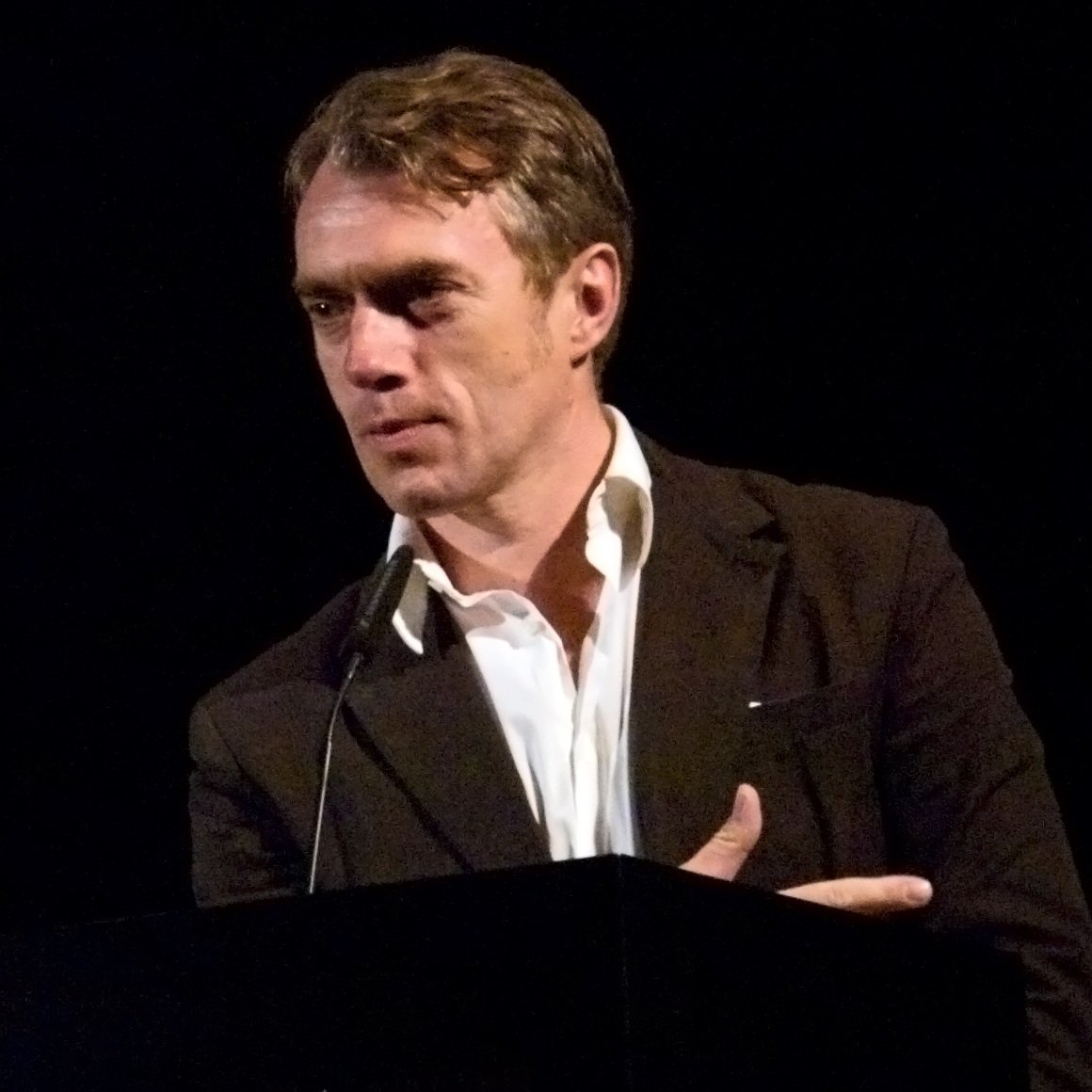
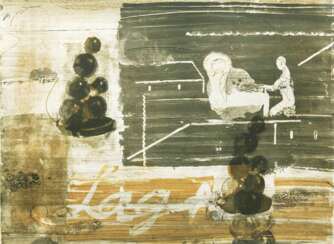
Neo Rauch is a German artist whose paintings mine the intersection of his personal history with the politics of industrial alienation. His work reflects the influence of socialist realism, and owes a debt to Surrealists Giorgio de Chirico and René Magritte, although Rauch hesitates to align himself with surrealism. He studied at the Hochschule für Grafik und Buchkunst Leipzig, and he lives in Markkleeberg near Leipzig, Germany and works as the principal artist of the New Leipzig School. The artist is represented by Galerie EIGEN + ART Leipzig/Berlin and David Zwirner, New York.
Rauch's paintings suggest a narrative intent but, as art historian Charlotte Mullins explains, closer scrutiny immediately presents the viewer with enigmas: "Architectural elements peter out; men in uniform from throughout history intimidate men and women from other centuries; great struggles occur but their reason is never apparent; styles change at a whim."

Neo Rauch is a German artist whose paintings mine the intersection of his personal history with the politics of industrial alienation. His work reflects the influence of socialist realism, and owes a debt to Surrealists Giorgio de Chirico and René Magritte, although Rauch hesitates to align himself with surrealism. He studied at the Hochschule für Grafik und Buchkunst Leipzig, and he lives in Markkleeberg near Leipzig, Germany and works as the principal artist of the New Leipzig School. The artist is represented by Galerie EIGEN + ART Leipzig/Berlin and David Zwirner, New York.
Rauch's paintings suggest a narrative intent but, as art historian Charlotte Mullins explains, closer scrutiny immediately presents the viewer with enigmas: "Architectural elements peter out; men in uniform from throughout history intimidate men and women from other centuries; great struggles occur but their reason is never apparent; styles change at a whim."
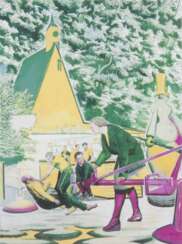

Neo Rauch is a German artist whose paintings mine the intersection of his personal history with the politics of industrial alienation. His work reflects the influence of socialist realism, and owes a debt to Surrealists Giorgio de Chirico and René Magritte, although Rauch hesitates to align himself with surrealism. He studied at the Hochschule für Grafik und Buchkunst Leipzig, and he lives in Markkleeberg near Leipzig, Germany and works as the principal artist of the New Leipzig School. The artist is represented by Galerie EIGEN + ART Leipzig/Berlin and David Zwirner, New York.
Rauch's paintings suggest a narrative intent but, as art historian Charlotte Mullins explains, closer scrutiny immediately presents the viewer with enigmas: "Architectural elements peter out; men in uniform from throughout history intimidate men and women from other centuries; great struggles occur but their reason is never apparent; styles change at a whim."
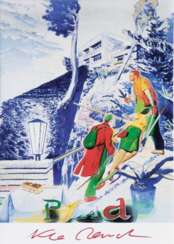

Neo Rauch is a German artist whose paintings mine the intersection of his personal history with the politics of industrial alienation. His work reflects the influence of socialist realism, and owes a debt to Surrealists Giorgio de Chirico and René Magritte, although Rauch hesitates to align himself with surrealism. He studied at the Hochschule für Grafik und Buchkunst Leipzig, and he lives in Markkleeberg near Leipzig, Germany and works as the principal artist of the New Leipzig School. The artist is represented by Galerie EIGEN + ART Leipzig/Berlin and David Zwirner, New York.
Rauch's paintings suggest a narrative intent but, as art historian Charlotte Mullins explains, closer scrutiny immediately presents the viewer with enigmas: "Architectural elements peter out; men in uniform from throughout history intimidate men and women from other centuries; great struggles occur but their reason is never apparent; styles change at a whim."
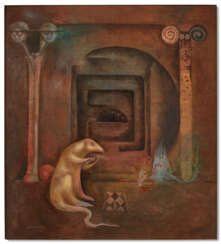

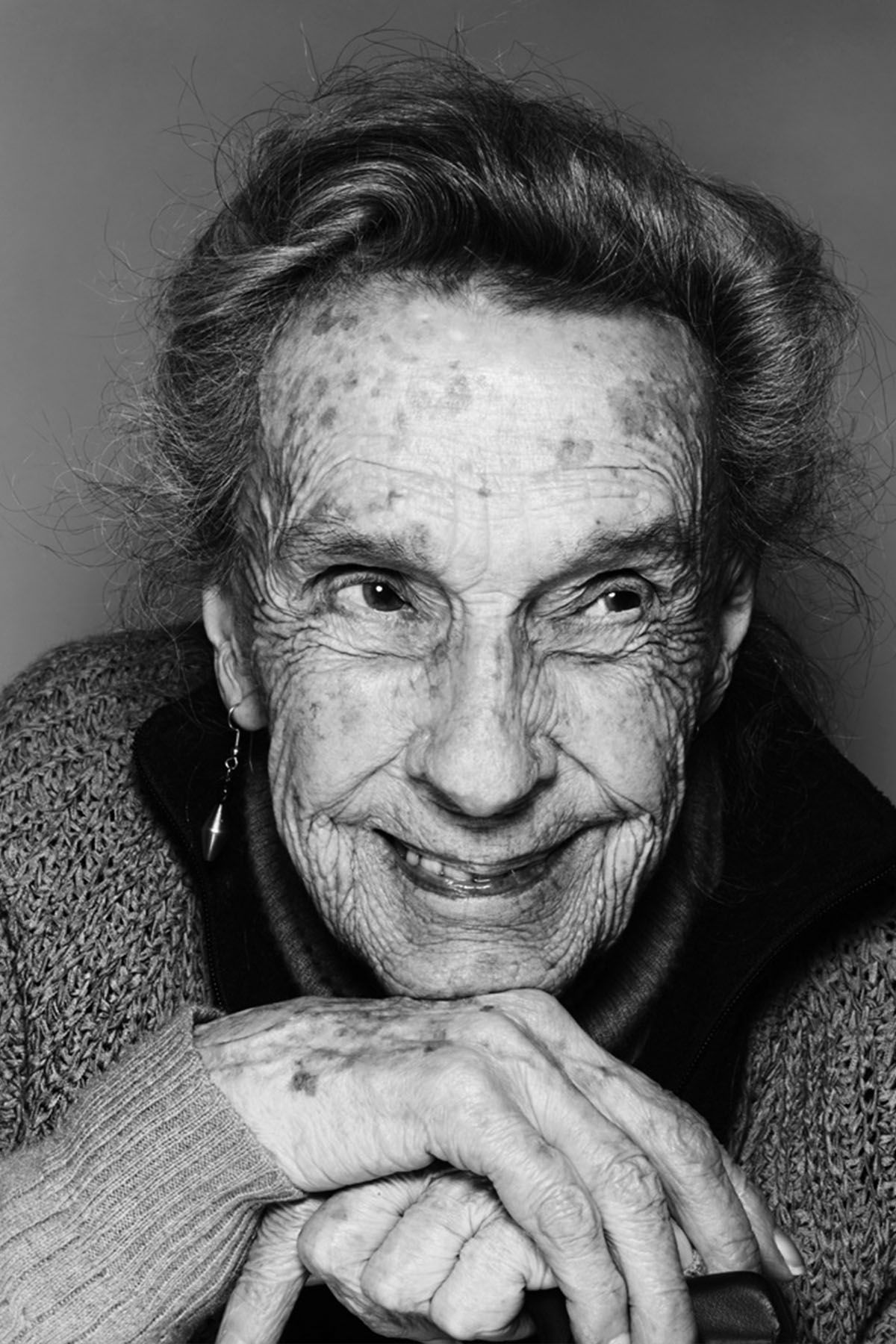
Leonora Carrington was a British-born Mexican artist, surrealist painter, and novelist. She lived most of her adult life in Mexico City and was one of the last surviving participants in the surrealist movement of the 1930s. Carrington was also a founding member of the women's liberation movement in Mexico during the 1970s.

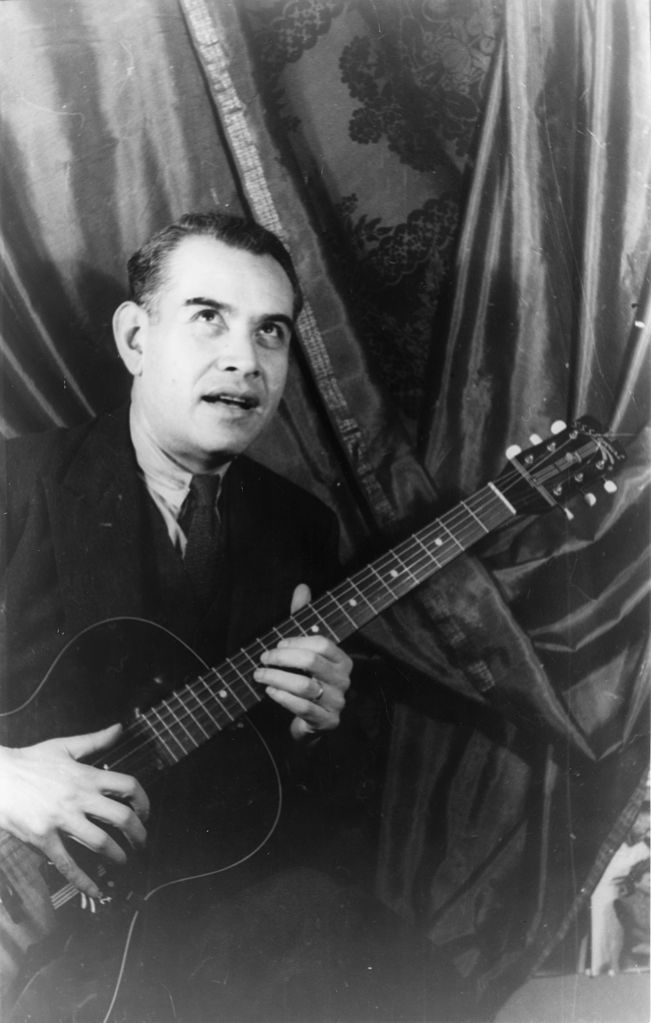
Rufino del Carmen Arellanes Tamayo was a Mexican painter of Zapotec heritage, born in Oaxaca de Juárez, Mexico. Tamayo was active in the mid-20th century in Mexico and New York, painting figurative abstraction with surrealist influences.

,_by_Johann_Baptist_II_Lampi.jpg)
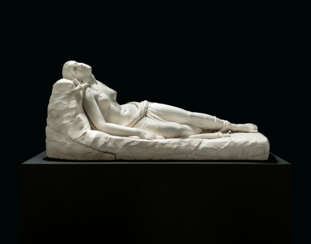
Antonio Canova was an Italian sculptor of the late 18th and early 19th centuries. He is known as a bright representative of neoclassicism in European fine art. Canova was a follower of traditions of artists of antiquity and Renaissance. Among admirers of his creativity there were many representatives of ruling dynasties of Europe.
Antonio Canova himself created more than 50 statues, and together with his assistants - about 180 works. He gained influential patrons and had a reputation as the most important European sculptor of his time. Among his customers was Napoleon Bonaparte, whose statue Canova carved from marble, depicting the emperor as Mars.
Most of Canova's works today decorate the expositions of the world's leading museums, such as the halls of the Louvre and the Hermitage.
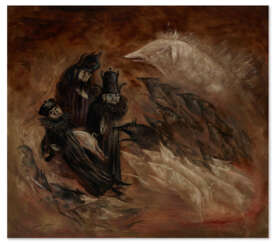

Leonora Carrington was a British-born Mexican artist, surrealist painter, and novelist. She lived most of her adult life in Mexico City and was one of the last surviving participants in the surrealist movement of the 1930s. Carrington was also a founding member of the women's liberation movement in Mexico during the 1970s.


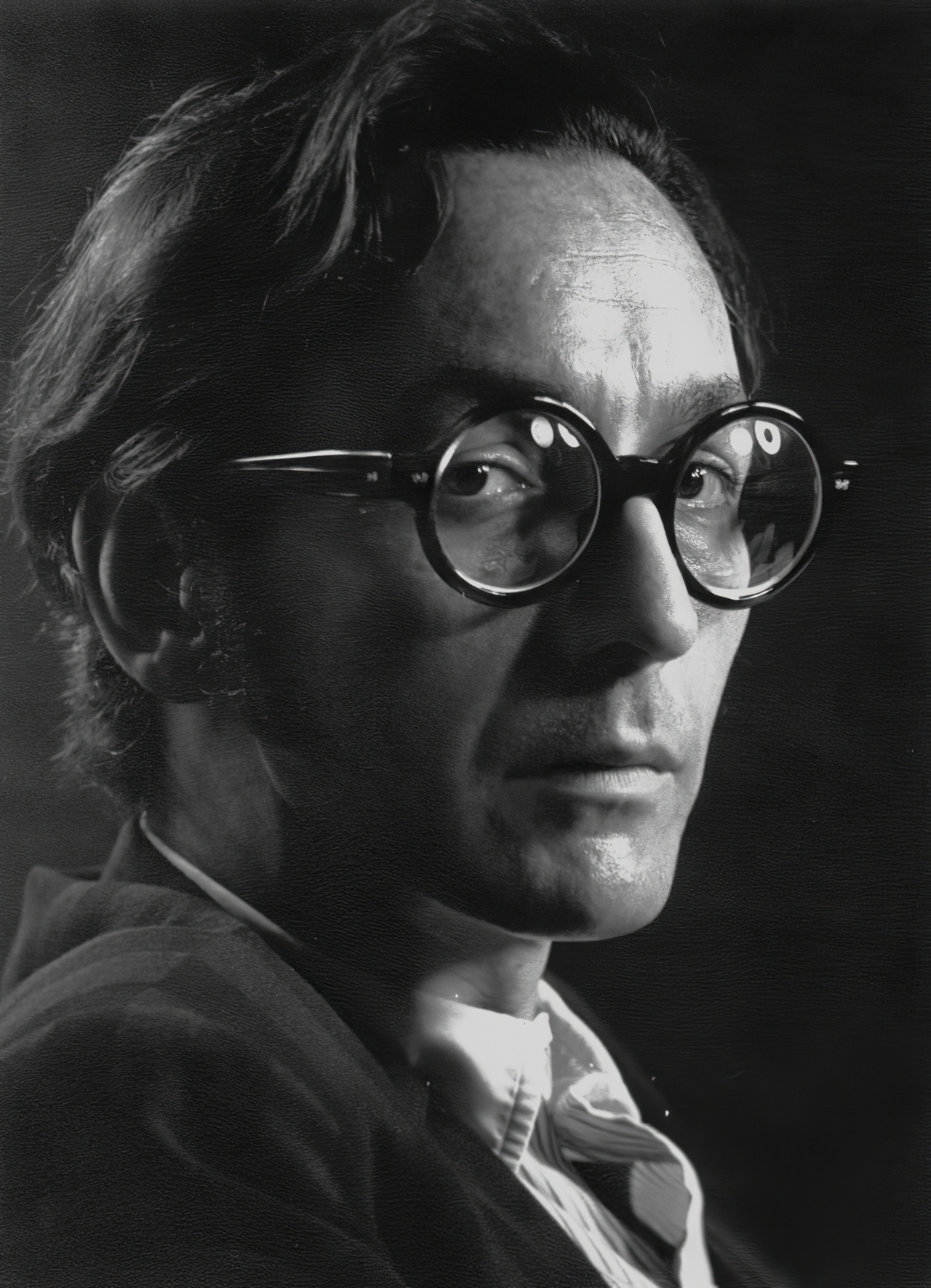
Jorge de la Vega was an Argentine painter, graphic artist, draftsman, singer, and songwriter.
Although de la Vega studied architecture in Buenos Aires for six years, he then became self-taught as a painter. From 1961 to 1965 he was a member of the art movement called Nueva Figuración. During his involvement in this movement, he became a member of the Otra Figuración group. In the final years of his career and life he wrote and sang popular protest songs which expressed his humorous view of the world. In addition to museums in Argentina, his works hang in the Phoenix Art Museum, the Museum of Modern Art in Rio de Janeiro, Brazil, and the Art Museum of the Americas at the OAS in Washington, DC.


Rufino del Carmen Arellanes Tamayo was a Mexican painter of Zapotec heritage, born in Oaxaca de Juárez, Mexico. Tamayo was active in the mid-20th century in Mexico and New York, painting figurative abstraction with surrealist influences.


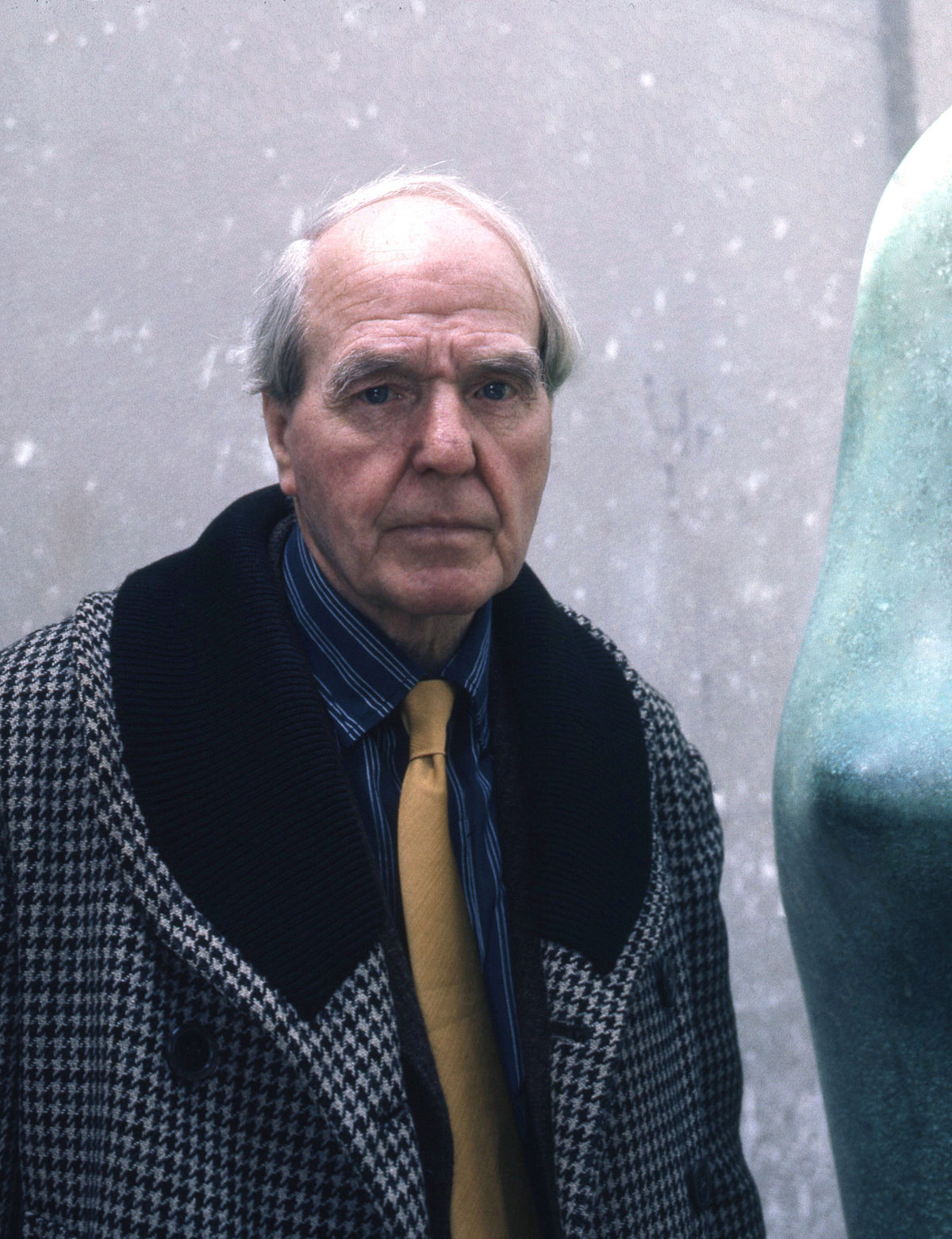
Henry Spencer Moore was an influential English sculptor and artist, renowned for his semi-abstract monumental bronze sculptures that have found homes around the world as public works of art. Born on July 30, 1898, in Castleford, Yorkshire, Moore showed early talent in art, but his journey towards becoming a sculptor was not straightforward. His experiences as a young teacher and a soldier in the First World War, where he was injured in a gas attack, significantly shaped his perspectives and artistic direction.
After the war, Moore pursued his passion for art, winning a scholarship to the Royal College of Art in London, where he began to experiment with modernist influences and direct carving techniques, moving away from the traditional Victorian style. His works, characterized by organic shapes and a blend of abstraction and figuration, were inspired by a wide range of sources, including primitive art, the human body, and the natural world.
Moore's sculptures are celebrated for their unique ability to blend form with space in the landscape, offering viewers a dynamic interaction with his works. His dedication to public art made his sculptures accessible to a wide audience, contributing to his status as one of the 20th century's most significant sculptors. Moore's legacy is preserved through the Henry Moore Foundation, which supports artists and promotes public appreciation of sculpture.
For collectors and experts in art and antiques, Moore's work remains a testament to the power of sculpture to evoke emotion and thought. His contributions to modern art and sculpture continue to inspire and influence artists around the world.
To stay informed about new exhibitions and opportunities to view Henry Spencer Moore's work, sign up for updates. This subscription will ensure you are alerted to new product sales and auction events related to Moore's influential body of work.
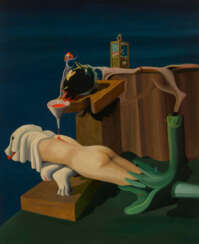

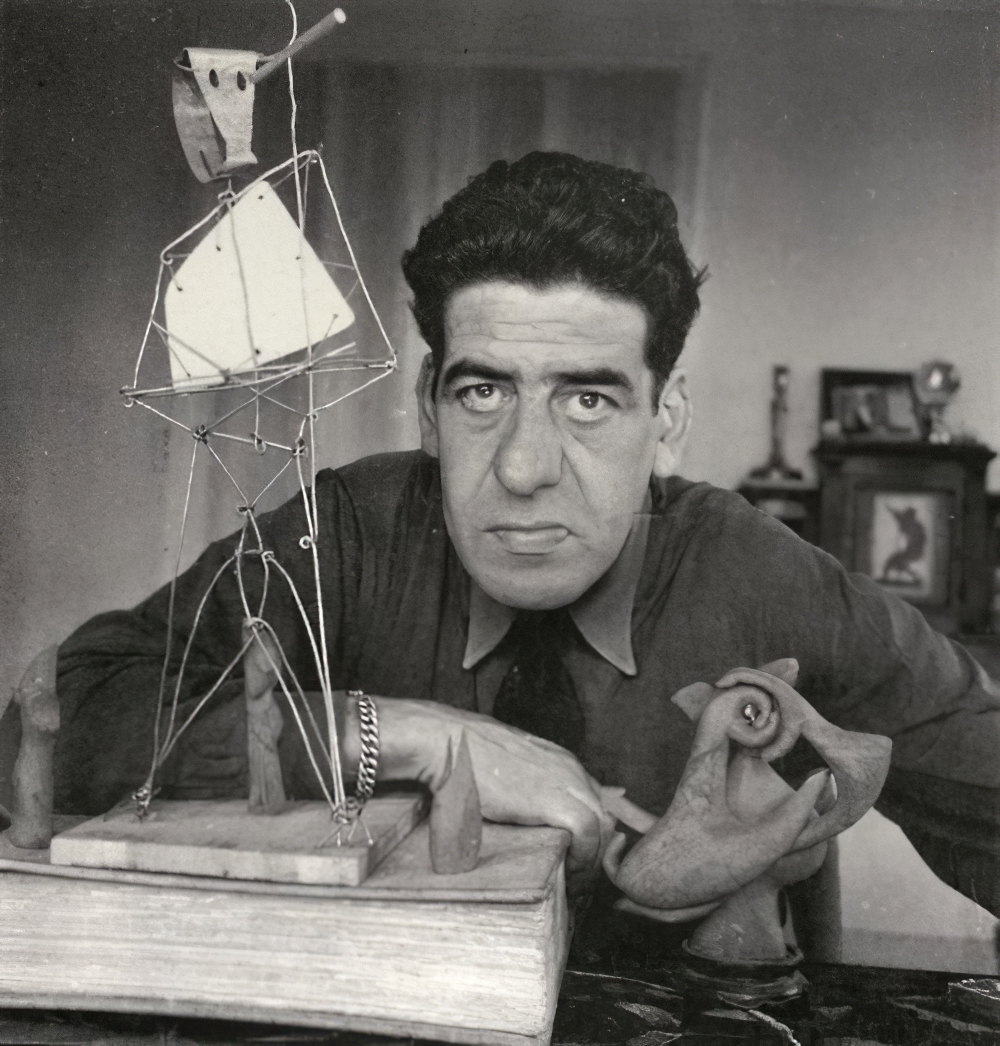
Óscar Domínguez was a Spanish Surrealist painter and sculptor. He was born in San Cristóbal de La Laguna, Tenerife, in the Canary Islands, and later moved to Paris, where he became part of the Surrealist movement.
Domínguez's art was characterized by its dreamlike and surreal imagery, often featuring fantastic landscapes, strange creatures, and distorted human figures. He worked in a variety of media, including painting, drawing, sculpture, and collage, and was known for his use of automatic drawing and other Surrealist techniques.
In addition to his art, Domínguez was also involved in politics, and was a member of the French Communist Party. He fought in the Spanish Civil War as a member of the Republican Army, and later lived in exile in Paris.
Domínguez's work was exhibited widely during his lifetime, including at the Museum of Modern Art in New York City and the Tate Gallery in London.
Today, Domínguez is considered one of the leading figures of the Surrealist movement, and his work continues to inspire artists around the world.

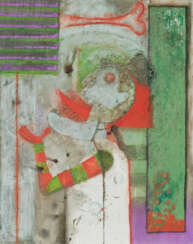

Rufino del Carmen Arellanes Tamayo was a Mexican painter of Zapotec heritage, born in Oaxaca de Juárez, Mexico. Tamayo was active in the mid-20th century in Mexico and New York, painting figurative abstraction with surrealist influences.


.jfif)
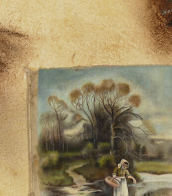
Joseph Fernand Henri Léger was a French artist renowned for his innovative approach to Cubism and his transition towards a figurative, populist style. Born in Argentan, Orne, Lower Normandy, Léger's early career was marked by a stint as an architectural draftsman and a series of educational pursuits that eventually led him to Paris, where he embraced painting seriously. His artistic journey was significantly influenced by the bold abstractions of Cubism, characterized by geometric shapes and a vibrant palette, distinguishing his work from his contemporaries with what came to be known as "Tubism".
Léger's service in World War I profoundly impacted his artistic direction, leading him to adopt a 'mechanical' style that depicted the modern industrial world with sleek, tubular forms. This period saw creations like "Soldier with a Pipe" and "The Card Players," reflecting his war experiences and the mechanical aesthetics of the time. The post-war era encouraged Léger to explore the mechanical style further, evident in works like "The Bargeman" and "Mechanical Elements," highlighting the pace of technological advancement.
Throughout his career, Léger's work evolved, notably in the 1920s, where he aligned with Purist ideas, blending classicism with modernity. This phase is exemplified in "Woman with a Cat," showcasing a classical form with a modern, polished finish. By the 1930s, Léger's art took a more figurative, populist turn, aiming to democratize contemporary art and make it more accessible. His commitment to art education, especially for the common worker, underscored his belief in the social role of art.
For those intrigued by Joseph Fernand Henri Léger's groundbreaking contributions to modern art, his works can be found in prestigious museums worldwide. His legacy continues to inspire art collectors and enthusiasts alike. To stay updated on exhibitions and auction events featuring Léger's work, sign up for updates and embrace the unique opportunity to explore the richness of his artistic endeavors.
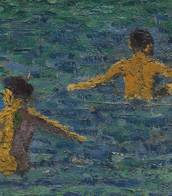
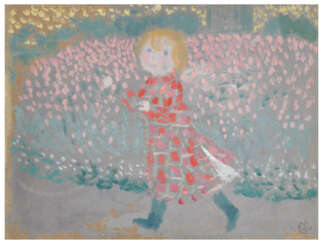

Maurice Denis, a French painter and writer, was an influential figure in the transition from impressionism to modern art. Born on November 25, 1870, in Granville, France, Denis's artistic journey began at the Académie Julian in Paris. Here, he met future collaborators like Paul Sérusier and Pierre Bonnard, with whom he later formed the Nabis group, a collective deriving its name from the Hebrew word "Nabi," meaning "Prophet".
Denis's style evolved from neoimpressionism, influenced by artists like Seurat, to a more decorative and colorful approach under the influence of Gauguin. This shift is evident in works like "Taches du soleil sur la terrace" (1890). He famously stated, "Art is no longer a visual sensation... it is a creation of our spirit," highlighting his belief in art as an idealistic expression, transcending mere imitation of nature.
Denis was also impacted by Japanese art, which influenced his compositions and styles, contributing to his unique and recognizable approach. His philosophy on art, encapsulated in his 1890 essay published in "Art et Critique," emphasized the importance of color and form in creating emotional depth, a notion that laid the groundwork for modernism. He argued that a painting's essence lies in its colors and composition, rather than its subject matter.
Throughout his career, Denis's work evolved towards a more classical approach. His involvement with the Ateliers d'Art Sacré, founded in 1919, demonstrated his interest in religious art and decoration. His notable works include "The Legend of Saint Hubert" (1897) and "The History of Music" for the Théâtre des Champs Elysées (1912-1913).
Tragically, Maurice Denis's life ended on November 13, 1943, when he was struck by a truck during the German occupation of Paris. However, his legacy endures through his contributions to modern art and symbolism, his influence on fellow artists, and his works displayed in various museums and galleries.
For collectors and art experts, Denis's work offers a unique glimpse into the evolution of modern art. His blend of symbolism, color, and form marks a significant shift in art history. To stay updated on new sales and auction events related to Maurice Denis's work, sign up for our newsletter. This subscription will keep you informed about the latest developments in the world of this remarkable artist.
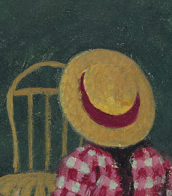
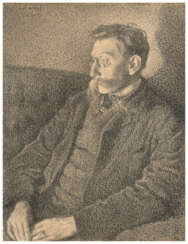

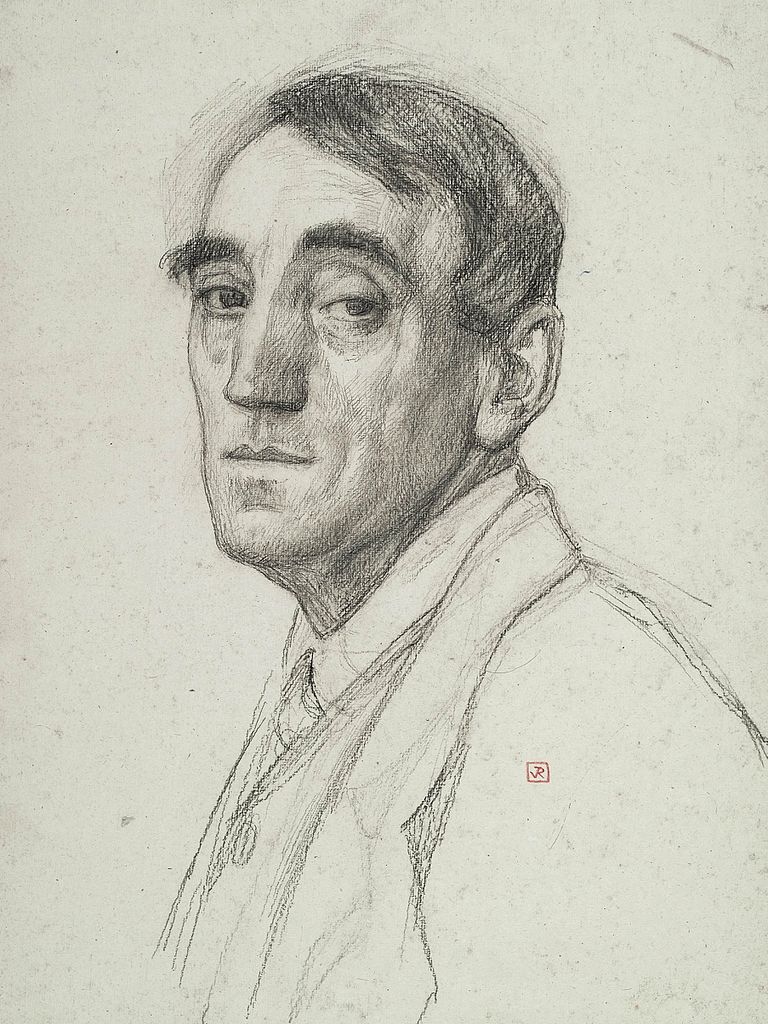
Théo van Rysselberghe, a prominent Belgian painter, was a key figure in the Neo-Impressionist movement, particularly known for his adoption of the pointillist technique. Born in Ghent, Belgium, in 1862, van Rysselberghe played a crucial role in the artistic circle Les XX, a group of avant-garde artists who sought to break away from traditional academic art norms. His early works displayed an Impressionist influence, which evolved significantly after he encountered Georges Seurat's pointillist masterpiece at an Impressionist exhibition in Paris in 1886.
Van Rysselberghe's career saw a significant shift after this encounter, as he embraced pointillism, a technique involving the application of small, distinct dots of color to form an image. His mastery in this style is evident in his landscapes and portraiture, where he employed vibrant colors and meticulous attention to light and detail. His work during this period is considered the pinnacle of his artistic achievements, showcasing his talent not only in landscapes but also in pointillist portraiture, a genre he significantly contributed to within the Neo-Impressionist movement.
Despite his success and contributions to pointillism, Théo van Rysselberghe eventually moved away from this technique around 1904, exploring other artistic expressions. Throughout his career, he remained an influential figure in the Belgian art scene, his works continuing to inspire and attract attention for their innovative approach and technical prowess.
For art collectors and enthusiasts, delving into Théo van Rysselberghe's oeuvre offers a fascinating glimpse into the evolution of Neo-Impressionism and pointillism, highlighting the artist's significant role in these movements. To stay updated on sales and auctions featuring van Rysselberghe's works, signing up for updates can provide exclusive insights into opportunities to acquire pieces by this remarkable artist.

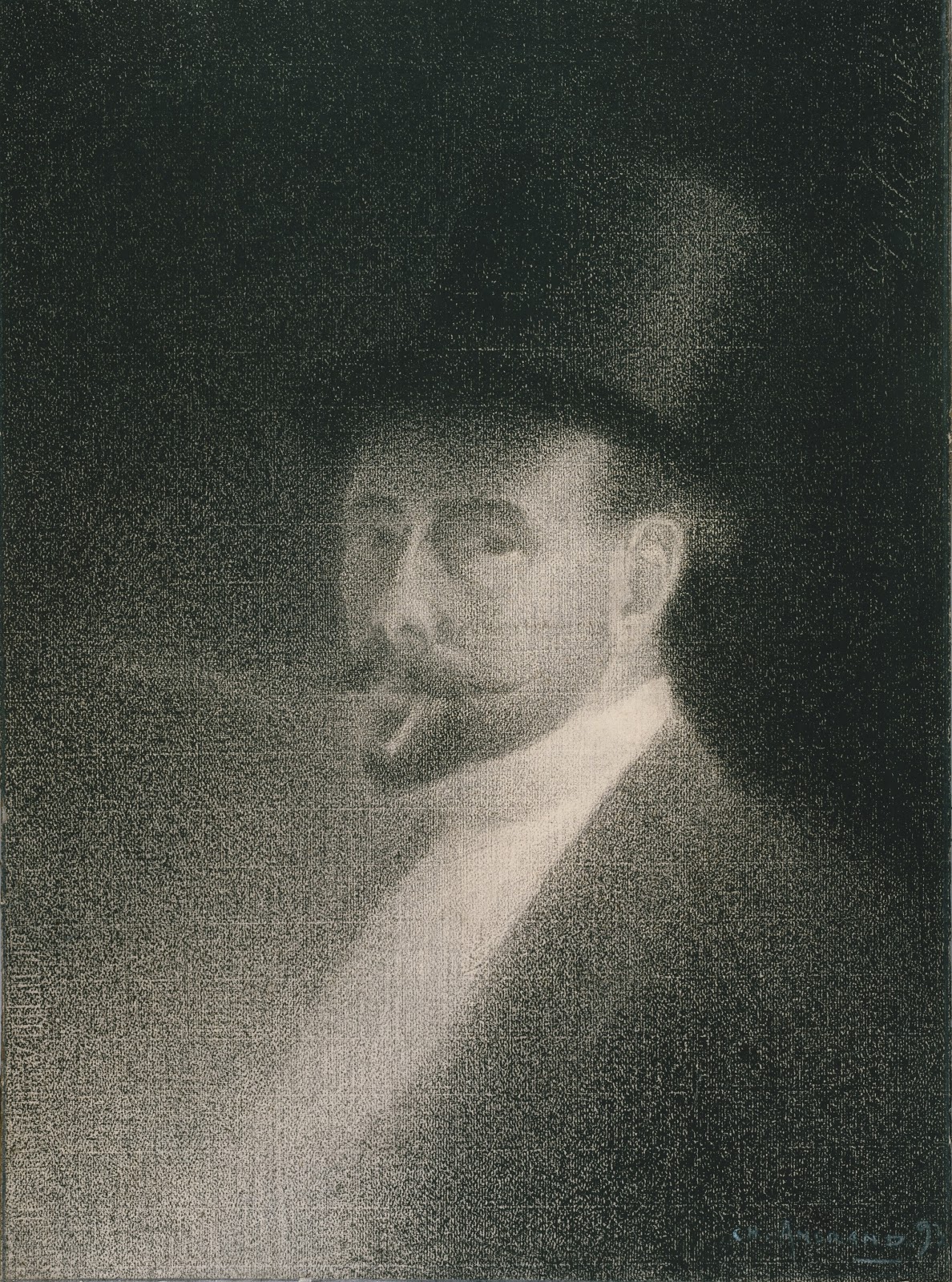
Charles Angrand was a French painter and draftsman known for his Pointillist style and depictions of rural life. Born in Normandy, Angrand moved to Paris in his youth to study art. He was initially influenced by the Realist and Impressionist movements, but later developed his own style of Pointillism, which he applied to landscapes, cityscapes, and genre scenes.
Angrand's Pointillist technique involved the use of small, distinct dots of color that, when viewed from a distance, blended together to create the impression of a more vibrant and luminous image. His work often focused on the people and landscapes of rural France, and he was particularly interested in the effects of light and atmosphere on his subjects.
Angrand exhibited his work at many important exhibitions, including the Salon des Indépendants and the Salon d'Automne in Paris. He was also involved in the Neo-Impressionist movement, which sought to explore the scientific principles of color and optics in painting.
Despite his contributions to the development of Pointillism, Angrand's work was largely forgotten after his death, and it was not until the mid-20th century that he began to be rediscovered by art historians and collectors. Today, his paintings are represented in many important collections, including the Musée d'Orsay in Paris and the Art Institute of Chicago.
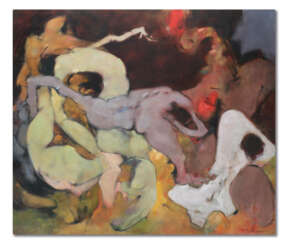

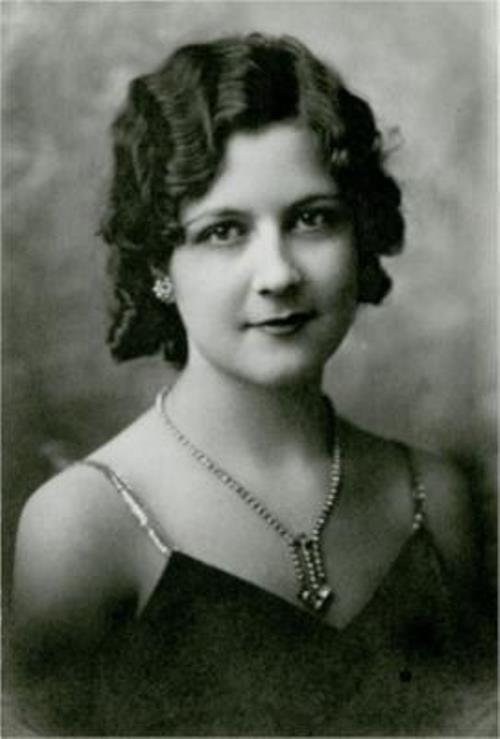
Dorothea Margaret Tanning was an American surrealist painter, printmaker, sculptor, writer and poet.
In 1935 Dorothea came to New York and worked as an advertising artist until she was inspired by the paintings of the famous Surrealists at an exhibition. She began to paint and exhibit and made numerous acquaintances among contemporary artists. In 1946 she married the artist Max Ernst, and this marriage lasted 30 years. They lived in Paris for a long time, and after his death in 1976, she returned to New York.
As an artist, Dorothea Tanning was self-taught, and her style was constantly changing. At first close to surrealism, by the late 1960s her paintings had become almost entirely abstract. Among her artistic accomplishments are paintings, prints, sculpture, stage design, costume and set designs for ballets, and her work has been exhibited at the Guggenheim Museum, the Metropolitan Museum of Art, the Tate Modern, and the Philadelphia Museum of Art.
In the late 1980s, Tanning began writing poetry, and her work has subsequently been published in various publications. Her first collection of poems, A Table of Content, was published in 2004. The multifaceted and versatile artist died in New York City at the age of 101.
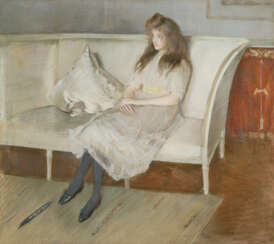


Paul César Helleu was a French oil painter, pastel artist, drypoint etcher, and designer, best known for his numerous portraits of beautiful society women of the Belle Époque. He also conceived the ceiling mural of night sky constellations for Grand Central Terminal in New York City. He was also the father of Jean Helleu and the grandfather of Jacques Helleu, both artistic directors for Parfums Chanel.
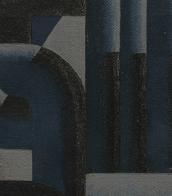
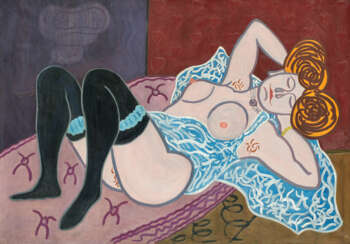

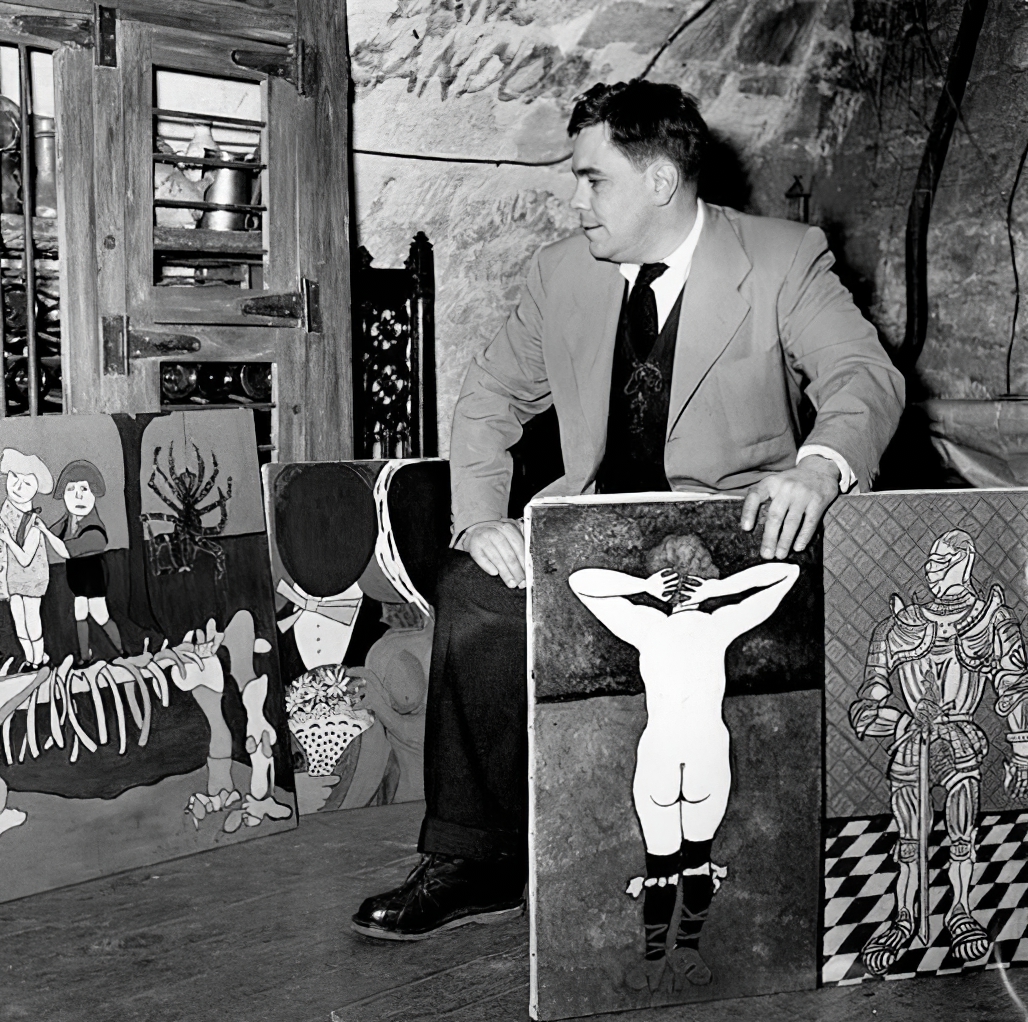
William Nelson Copley was an American painter, writer, gallerist, collector, patron, publisher and art entrepreneur. His works as an artist have been classified as late Surrealist and precursory to Pop Art.

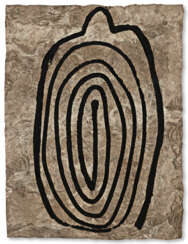



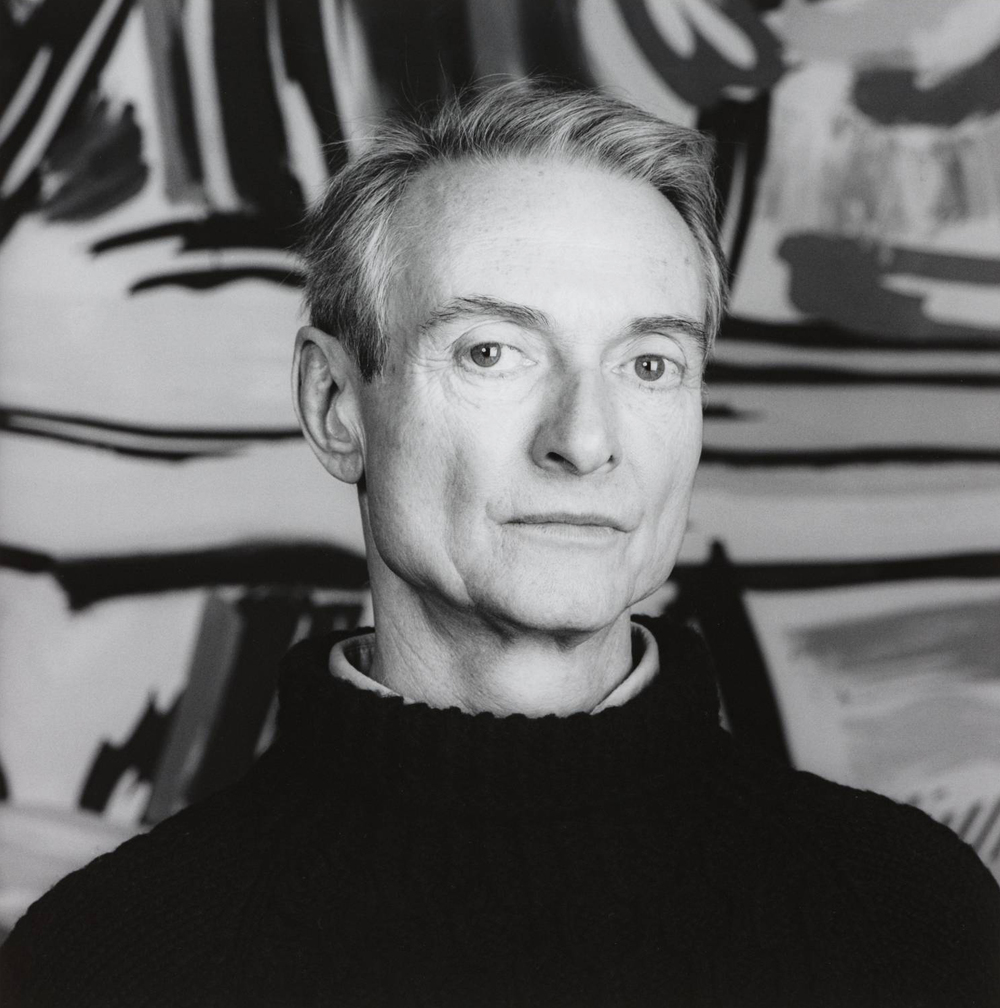
Roy Fox Lichtenstein, an American icon of the Pop Art movement, is celebrated for his comic strip-inspired art. Born in 1923 in New York City, Lichtenstein's journey into the art world was marked by various phases, evolving from Cubism and Abstract Expressionism to the distinctive Pop Art style he is renowned for.
Roy Lichtenstein's artistic career gained momentum in the 1960s, a period during which he embraced the comic strip as his primary source of inspiration. His pioneering use of Ben-Day dots, a technique borrowed from commercial printing, became his signature style, bringing a new visual language to fine art. His approach transformed mundane subjects from popular culture into compelling fine art, challenging traditional notions of artistry.
Among his most notable works, "Drowning Girl" (1963), displayed at the Museum of Modern Art in New York, exemplifies his iconic style with its bold lines, vivid colors, and Ben-Day dots. This piece, along with others like "Look Mickey" and "Whaam!", played a critical role in establishing Pop Art as a major art movement, contrasting starkly with the Abstract Expressionism prevalent at the time.
Roy Lichtenstein's art was not just limited to canvas; he explored multiple media, showcasing his versatility. His shift to Pop Art marked a significant turn in his career, bringing him fame and controversy alike. His works, often based on comic strips and advertisements, were both a parody and homage to the mass-produced, consumerist culture of his time.
For art collectors and experts, Lichtenstein's works offer a fascinating glimpse into a transformative era in art history. His approach to Pop Art remains influential, and his works are celebrated worldwide for their innovative and provocative style.
Interested in staying updated on sales and auction events featuring Roy Lichtenstein's works? Sign up for our updates. We provide straightforward, no-nonsense information on the latest in art sales and auctions related to Lichtenstein.






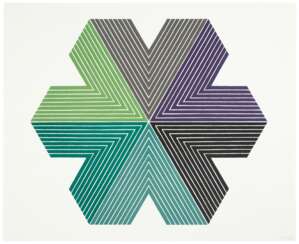

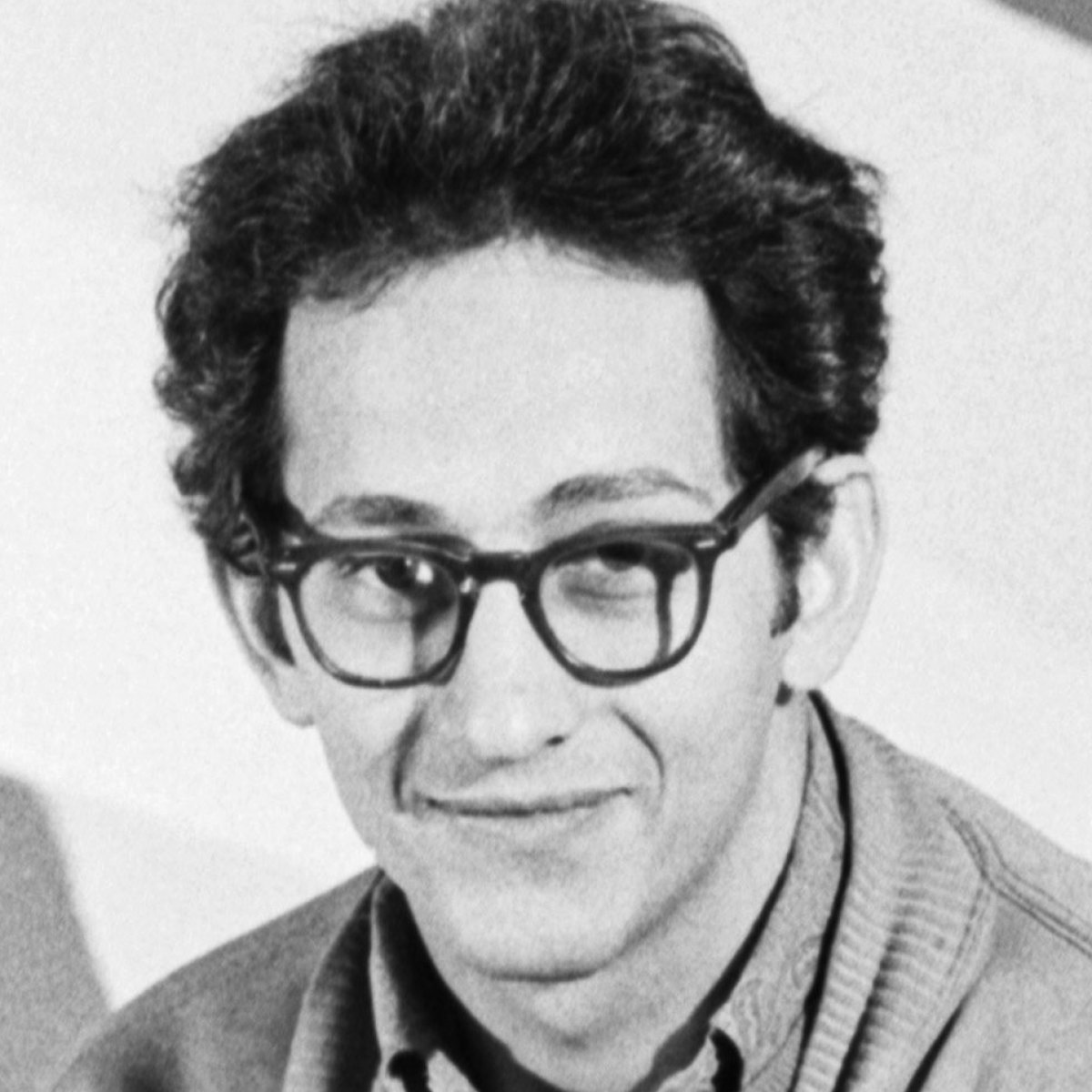
Frank Philip Stella, an American icon in the realms of painting, sculpture, and printmaking, has left an indelible mark on the art world with his pioneering work in minimalism and post-painterly abstraction. Born on May 12, 1936, in Malden, Massachusetts, Stella's artistic journey commenced with his studies in painting at Phillips Academy, Andover, and history at Princeton University. His move to New York City in 1958 heralded the start of an illustrious career that would see him challenge and redefine artistic boundaries.
Stella's work is celebrated for its innovative approach to form, color, and composition. His early endeavors in the late 1950s showcased black paintings characterized by bands of bare canvas, which played a pivotal role in emphasizing the flatness of the picture plane. This deliberate artificiality in his work garnered considerable attention and positioned him at the forefront of Post-Painterly Abstraction, a movement that reacted against the emotive excesses of Abstract Expressionism.
Throughout his career, Stella continued to push the limits of abstraction. His vocabulary expanded to include vibrant and dynamic assemblages that projected out from the wall, utilizing a variety of materials from steel to plastic. This evolution of his style is not only a testament to his ingenuity but also his influence on contemporary art. Notable works that exemplify his groundbreaking approach include "Grajau I," "Harran II," and "Eskimo Curlew," among others, which can be found in prestigious collections such as The Glass House and the Solomon R. Guggenheim Museum.
For art collectors and enthusiasts alike, Stella's oeuvre offers a captivating exploration into the possibilities of abstract art. His continued relevance and the profound impact of his work on both his peers and successive generations of artists underscore his status as a seminal figure in modern art.
Stay updated on new discoveries, sales, and auction events related to Frank Philip Stella by signing up for our newsletter. This subscription is your gateway to the latest in the world of Frank Stella, ensuring you never miss an opportunity to engage with the works of this monumental artist.
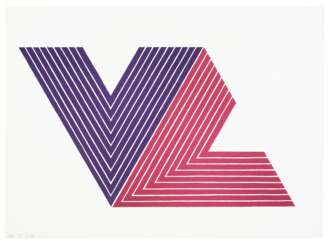

Frank Philip Stella, an American icon in the realms of painting, sculpture, and printmaking, has left an indelible mark on the art world with his pioneering work in minimalism and post-painterly abstraction. Born on May 12, 1936, in Malden, Massachusetts, Stella's artistic journey commenced with his studies in painting at Phillips Academy, Andover, and history at Princeton University. His move to New York City in 1958 heralded the start of an illustrious career that would see him challenge and redefine artistic boundaries.
Stella's work is celebrated for its innovative approach to form, color, and composition. His early endeavors in the late 1950s showcased black paintings characterized by bands of bare canvas, which played a pivotal role in emphasizing the flatness of the picture plane. This deliberate artificiality in his work garnered considerable attention and positioned him at the forefront of Post-Painterly Abstraction, a movement that reacted against the emotive excesses of Abstract Expressionism.
Throughout his career, Stella continued to push the limits of abstraction. His vocabulary expanded to include vibrant and dynamic assemblages that projected out from the wall, utilizing a variety of materials from steel to plastic. This evolution of his style is not only a testament to his ingenuity but also his influence on contemporary art. Notable works that exemplify his groundbreaking approach include "Grajau I," "Harran II," and "Eskimo Curlew," among others, which can be found in prestigious collections such as The Glass House and the Solomon R. Guggenheim Museum.
For art collectors and enthusiasts alike, Stella's oeuvre offers a captivating exploration into the possibilities of abstract art. His continued relevance and the profound impact of his work on both his peers and successive generations of artists underscore his status as a seminal figure in modern art.
Stay updated on new discoveries, sales, and auction events related to Frank Philip Stella by signing up for our newsletter. This subscription is your gateway to the latest in the world of Frank Stella, ensuring you never miss an opportunity to engage with the works of this monumental artist.


Frank Philip Stella, an American icon in the realms of painting, sculpture, and printmaking, has left an indelible mark on the art world with his pioneering work in minimalism and post-painterly abstraction. Born on May 12, 1936, in Malden, Massachusetts, Stella's artistic journey commenced with his studies in painting at Phillips Academy, Andover, and history at Princeton University. His move to New York City in 1958 heralded the start of an illustrious career that would see him challenge and redefine artistic boundaries.
Stella's work is celebrated for its innovative approach to form, color, and composition. His early endeavors in the late 1950s showcased black paintings characterized by bands of bare canvas, which played a pivotal role in emphasizing the flatness of the picture plane. This deliberate artificiality in his work garnered considerable attention and positioned him at the forefront of Post-Painterly Abstraction, a movement that reacted against the emotive excesses of Abstract Expressionism.
Throughout his career, Stella continued to push the limits of abstraction. His vocabulary expanded to include vibrant and dynamic assemblages that projected out from the wall, utilizing a variety of materials from steel to plastic. This evolution of his style is not only a testament to his ingenuity but also his influence on contemporary art. Notable works that exemplify his groundbreaking approach include "Grajau I," "Harran II," and "Eskimo Curlew," among others, which can be found in prestigious collections such as The Glass House and the Solomon R. Guggenheim Museum.
For art collectors and enthusiasts alike, Stella's oeuvre offers a captivating exploration into the possibilities of abstract art. His continued relevance and the profound impact of his work on both his peers and successive generations of artists underscore his status as a seminal figure in modern art.
Stay updated on new discoveries, sales, and auction events related to Frank Philip Stella by signing up for our newsletter. This subscription is your gateway to the latest in the world of Frank Stella, ensuring you never miss an opportunity to engage with the works of this monumental artist.