"unique
















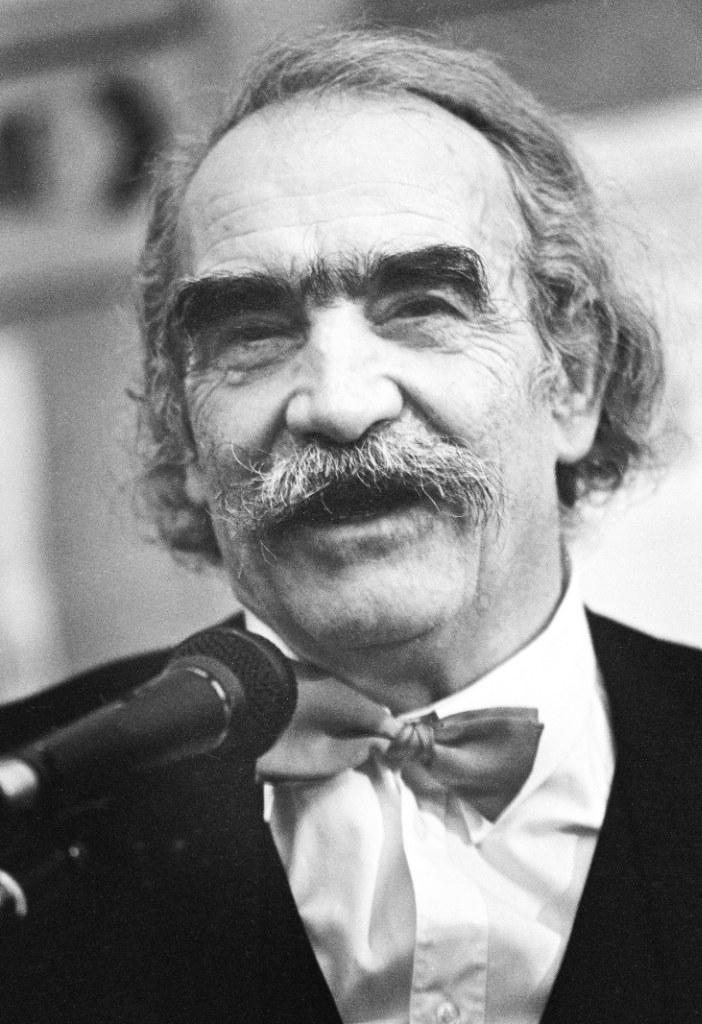
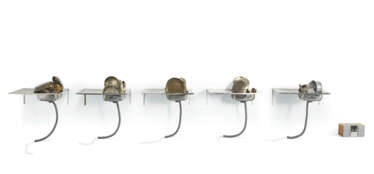
Jean Tinguely, a Swiss sculptor born in Fribourg, Switzerland, in 1925, carved a unique niche in art history with his kinetic sculptures, integrating movement and self-destruction into his works. Notably, his pieces extend the Dada tradition into the latter part of the 20th century, satirizing automation and the technological overproduction of material goods. Tinguely's innovative approach is exemplified in his Metamatic drawing machines, allowing viewers to create abstract images automatically, and his spectacular self-destroying sculpture "Homage to New York" at MoMA in 1960, showcasing his flair for blending performance and art.
His artistry evolved through collaboration with other artists, including his wife Niki de Saint Phalle, leading to vibrant, large-scale projects like the colorful "Stravinsky Fountain" near the Centre Pompidou in Paris. Tinguely's works, characterized by their use of scrap metal and mechanical parts, not only challenge the conventional boundaries of art but also engage with themes of destruction, renewal, and the intersection of art and life. His significant contributions to kinetic art and his involvement with the Nouveau Réalisme group highlight his pioneering role in post-war European art.
Tinguely's legacy is preserved in the Museum Tinguely in Basel, dedicated to his life and work, ensuring his innovative spirit continues to inspire. His works, such as "Méta-Harmonie" and the "Carnival Fountain" in Basel, remain influential, blending artistic exploration with mechanical invention.
For art collectors and experts, Tinguely's creations represent not only significant artistic achievements but also compelling investments, as his works continue to command high prices at auctions, reflecting their enduring appeal and historical importance.
To stay updated on sales and auction events featuring Jean Tinguely's art, sign up for updates. This subscription will ensure you're informed about new opportunities to explore and acquire pieces by this visionary artist, bringing the dynamic energy of kinetic art into your collection.

![[RIMBAUD, Arthur (1854-1891) & Paul VERLAINE (1844-1896)] - ...](/assets/image/picture_1077553/8de01/a474d9711db51328b7f4c9b2b8b1f5c81604358000jpg__fix_374_244.jpeg)
![[RIMBAUD, Arthur (1854-1891) & Paul VERLAINE (1844-1896)] - ...](https://veryimportantlot.com/assets/image/picture_1077553/8de01/a474d9711db51328b7f4c9b2b8b1f5c81604358000jpg__fix_374_244.jpeg)


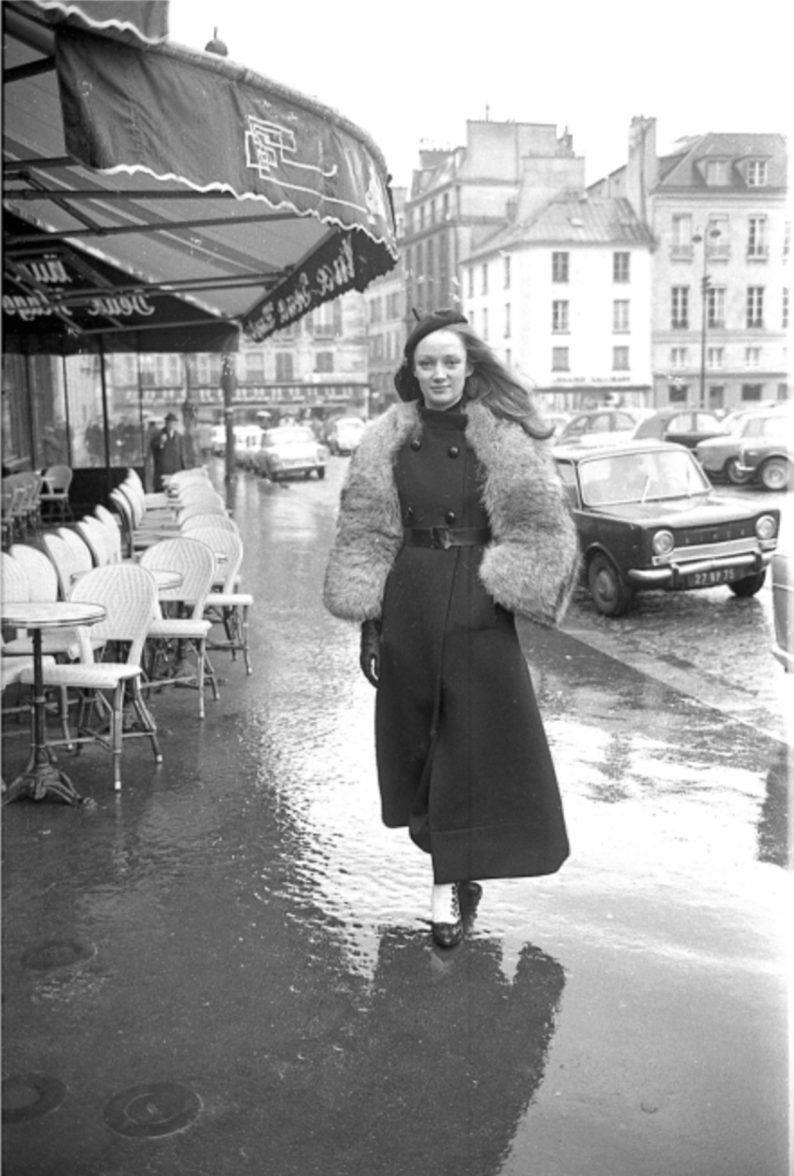
Niki de Saint Phalle was a French-American sculptor, painter, filmmaker, and author of colorful hand-illustrated books. Widely noted as one of the few female monumental sculptors, Saint Phalle was also known for her social commitment and work.






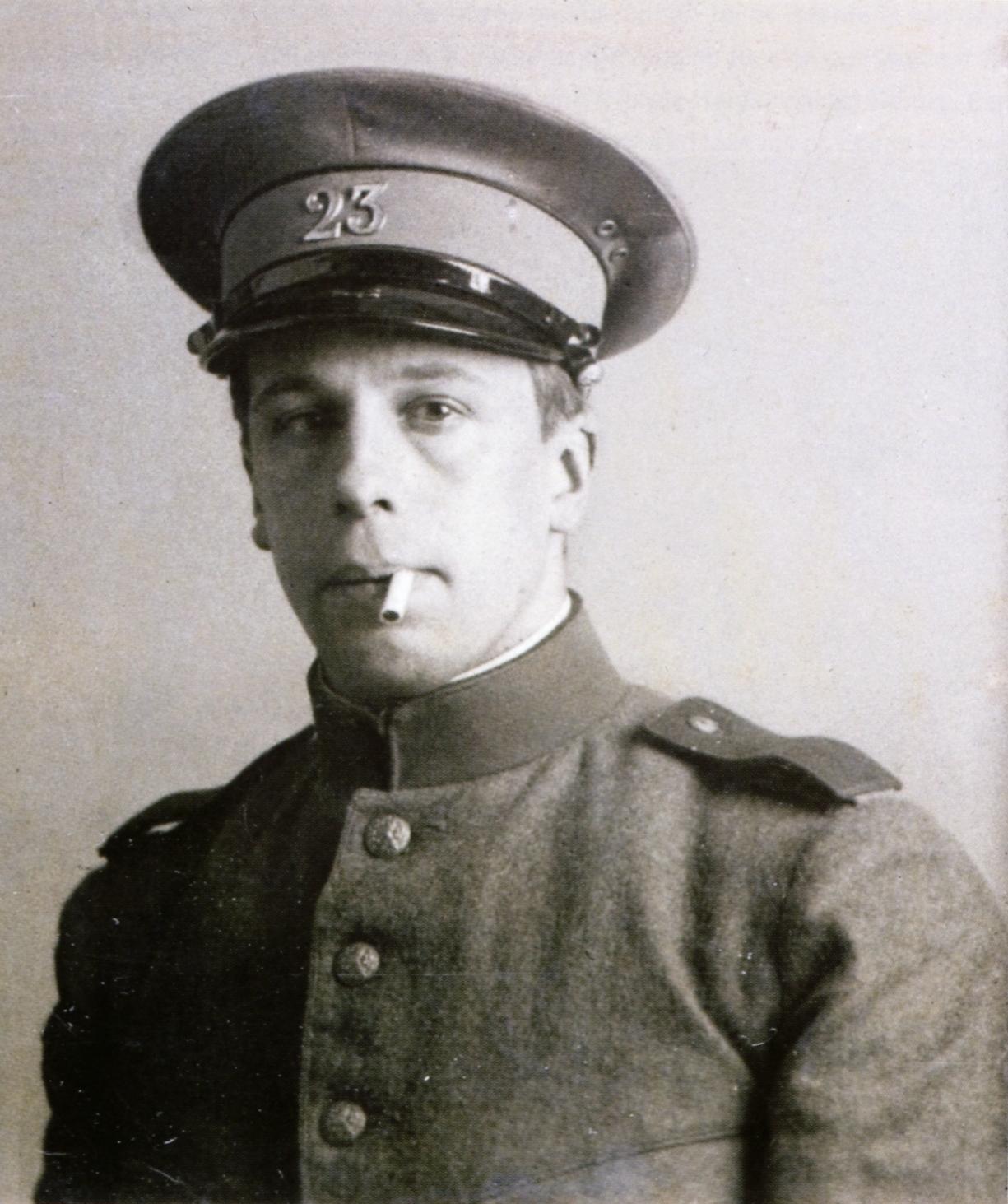
Theo van Doesburg, real name Christian Emil Marie Küpper, is a Dutch painter, architect and sculptor, art theorist, co-founder of the Style Group and of Neoplasticism.
Theo van Doesburg co-founded with Piet Mondrian the De Stijl abstract art movement. The basis of van Doesburg's views was the attempt to reduce all forms of objective harmony in a work of art to certain geometric elements. These new principles soon had a significant influence on the development of architecture, literature, graphics and music.
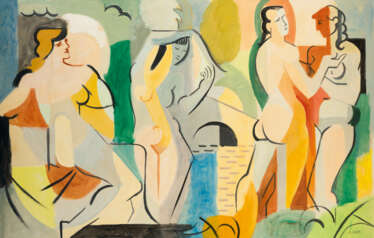

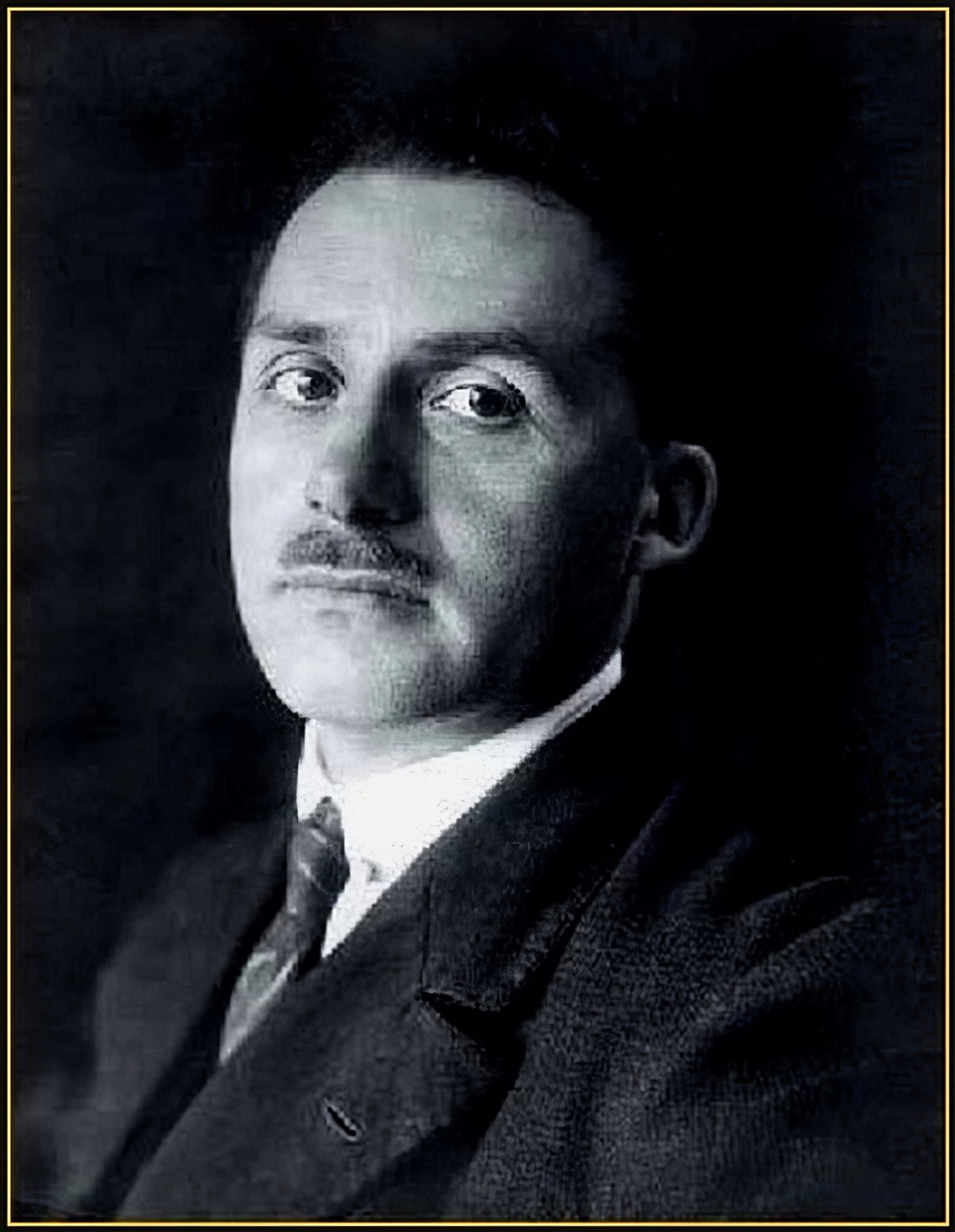
Andre Lhote, a French artist, was a pivotal figure in the Cubist movement, known for his contributions as a painter, theoretician, critic, and art teacher. His journey in the arts began at the École des Beaux-Arts in Bordeaux, focusing on decorative arts before shifting his full attention to painting after moving to Paris in 1906. Lhote's work initially drew influences from Paul Gauguin and Paul Cézanne, but by 1910, he was deeply entrenched in Cubism, aligning with artists like Fernand Léger and Jean Metzinger.
Andre Lhote's impact extended beyond his paintings; he was instrumental in developing Cubist theory through his writings and art criticism, notably contributing to La nouvelle revue française. In 1922, he founded the Académie André Lhote in Paris, shaping the future of many artists, including Henri Cartier-Bresson. His dedication to teaching and theoretical work earned him the Grand Prix National de Peinture in 1955 and a position as president of the UNESCO commission for sculpture's International Association of Painters, Engravers, and Sculptors.
For art collectors and experts, Andre Lhote's work represents a crucial chapter in the history of Cubism, offering insights into the movement's evolution and its theoretical underpinnings. To stay updated on exhibitions or sales featuring Andre Lhote's work, consider signing up for updates from reputable art institutions or galleries.


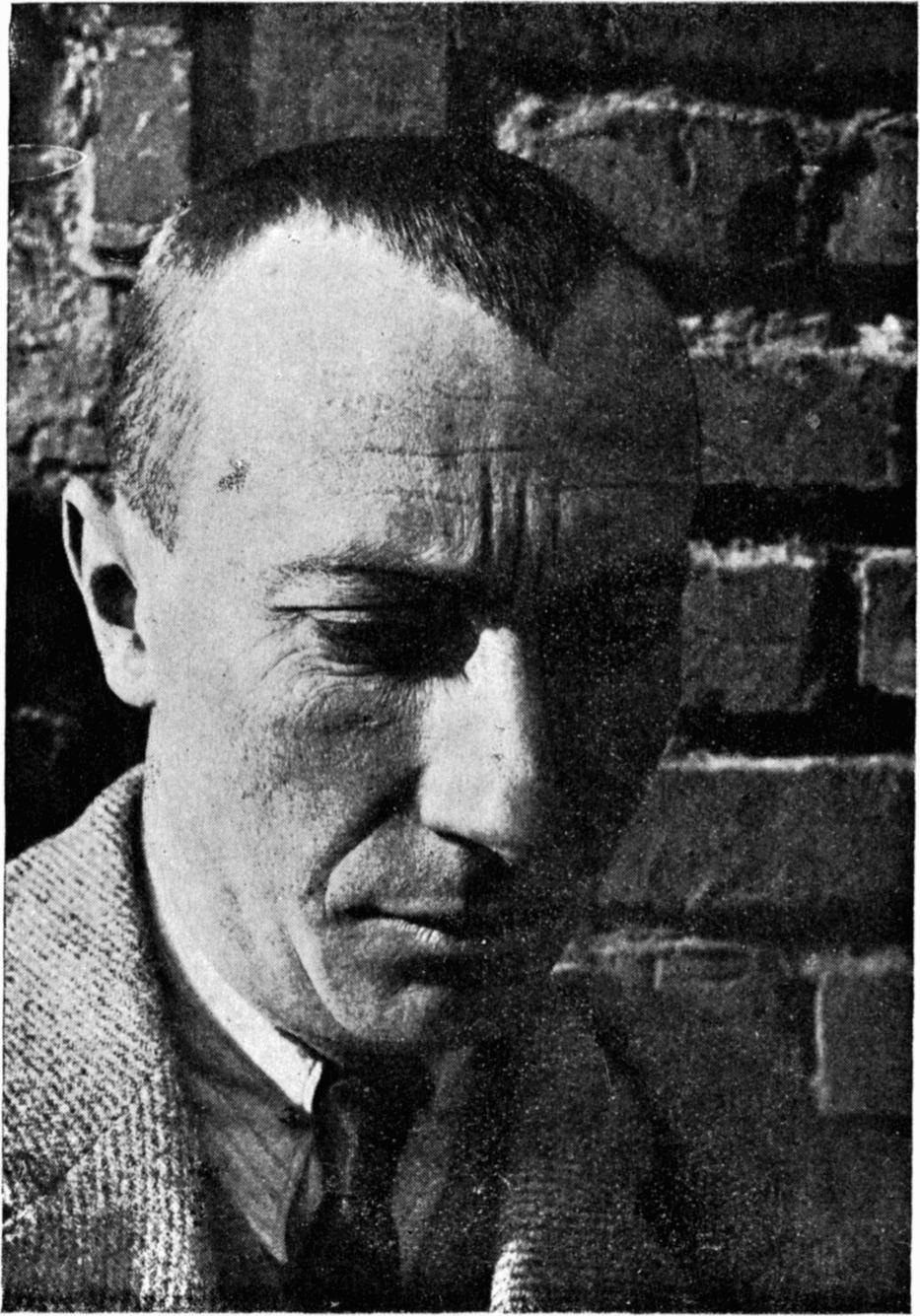
Jean Arp, born Hans Peter Wilhelm Arp, was a German and French poet, painter, graphic artist and sculptor. one of the founders of the Dada movement in Zurich.
Arp used abstract forms in his work and experimented with different materials such as wood, metal and stone. He was also known for his poetic works, in which he applied a method of randomly selecting words, called the "clutter method". Arp believed that this method helped him express his thoughts more precisely and originally. Arp's influence on the arts is still significant today.

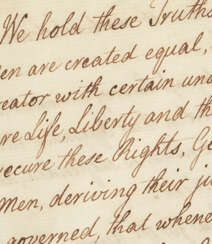

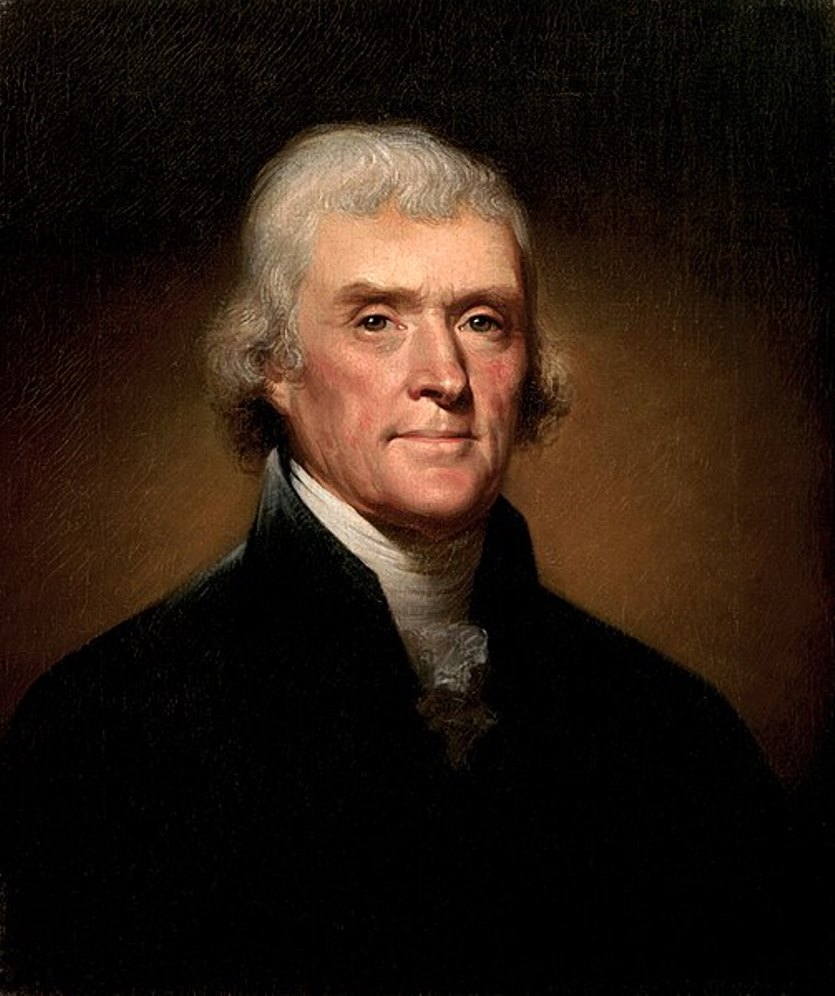
Thomas Jefferson was an American politician and statesman, the third President of the United States (March 4, 1801 - March 4, 1809).
Jefferson was the son of a planter and received a law degree. In 1774, he wrote A Summary of the Rights of British America, which attracted public attention, and he soon gained a reputation as one of the first advocates of American independence from the authority of the British Parliament. In the spring of 1775, the Virginia legislature appointed him a delegate to the Second Conference of the Continental Congress. A year later he was appointed to a committee of five, which also included Adams and Benjamin Franklin, to draft a formal statement of reasons to justify a break with Great Britain. Jefferson thus became one of the authors of the Declaration of Independence. Jefferson succeeded Benjamin Franklin as minister to France in 1785, was secretary of state (1790-1793) under Washington, and vice president (1797-1801) under John Adams.
A Democratic-Republican, Jefferson, who believed that the national government should play a limited role in the lives of citizens, was elected president in 1800. One of the most significant accomplishments of Jefferson's first administration was the purchase of the Louisiana Territory from France for $15 million dollars in 1803 (from the Gulf of Mexico to present-day Canada), effectively doubling the size of the United States. During his second term, Jefferson was focused on trying to keep America out of the Napoleonic Wars in Europe. After his second term as president, he was succeeded by James Madison in 1808.
Upon leaving office, Jefferson retired to his plantation in Virginia, pursued his favorite pastimes, and helped found the University of Virginia. In addition to politics, he is known as a writer, farmer, horticulturist, inventor, book collector, art historian, architect, and scientist. He died at the age of 83 on July 4, 1826, the 50th anniversary of the Declaration of Independence.

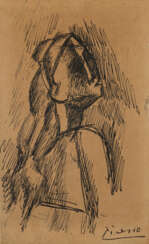

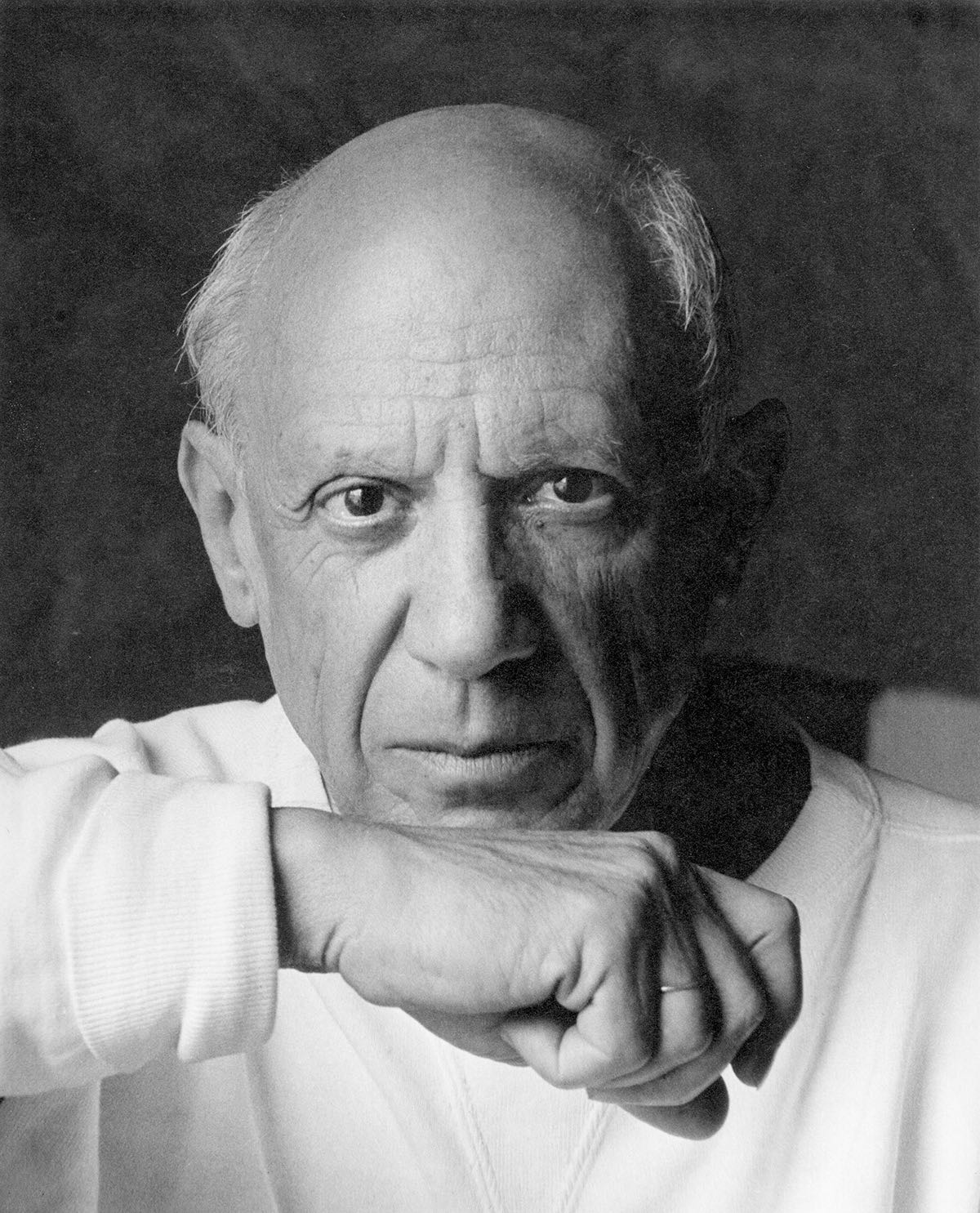
Pablo Ruiz Picasso, a Spanish artist renowned for his revolutionary contributions to the 20th-century art scene, is a figure that resonates profoundly with collectors and art experts. His unique blend of talents in painting, sculpture, printmaking, and ceramic art, infused with his time in France, positioned him as a pivotal character in modern art history.
Picasso's artistic journey was marked by distinct periods, each showcasing his evolving style and genius. His early years were characterized by the Blue Period (1901-1904), followed by the Rose Period (1904-1906), and then the African-influenced Period (1907-1909). Picasso's name is synonymous with Cubism, a movement he co-founded, which significantly altered artistic perspectives and methods. Works like "Les Demoiselles d'Avignon" (1907) and "Guernica" (1937) are emblematic of his cubist legacy, the latter being a poignant anti-war statement that remains influential.
His later years saw a return to more traditional styles, with neoclassical and surrealist influences becoming evident. Works from these phases reflect a deep engagement with mythological themes, as seen in "Faun with Stars" (1955), symbolizing his late-life romance with Jacqueline Roque, his second wife.
Picasso's prolific output and innovative spirit made him a legend in his own time, a status that only grew after his death. His works, housed in major museums and private collections worldwide, continue to captivate and inspire.
As a collector or expert in art and antiques, staying informed about Picasso's works, their auction events, and sales is essential. To stay updated on the latest developments and opportunities related to Pablo Picasso, sign up for our specialized updates. Rest assured, this subscription will focus solely on new product sales and auction events pertaining to Picasso's art, ensuring that you receive only the most relevant and valuable information.




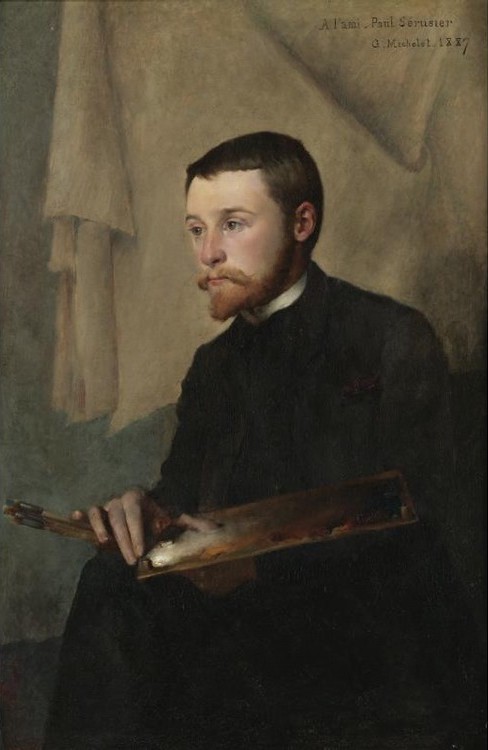
Paul Sérusier was a French Post-Impressionist painter and theorist, notable for his significant contributions to the art movement known as the Nabis. Born in Paris on November 9, 1864, Sérusier's work is characterized by its expressive use of color and pattern, inspired by the techniques of Paul Gauguin. He is best known for his exploration of color, sensation, and abstraction, particularly evident in works like "Le Talisman, the Aven River at the Bois d'Amour" (1888). This painting marks a departure from the Impressionists' more faithful representation of observed reality, focusing instead on translating sensations onto the canvas with vibrant brushstrokes and an emphasis on emotional expression over visual accuracy.
Sérusier's paintings often feature the landscapes and people of Brittany, notable for their contemplative mood achieved through firm contours and blocks of unmodulated color. His style evolved under the influence of Synthetism and Cloisonnism, favoring flattened forms and large swathes of color, as seen in "Farmhouse at le Pouldu" (1890). This approach reflects a decorative organization of objects, emphasizing the craft and execution of the scene.
Some of Sérusier's notable works are housed in prestigious museums such as the Musée d'Orsay in Paris, including "Portrait of Paul Ranson in Nabi Costume" (1890) and "Landscape" (1912). His legacy extends beyond his own artworks; he was a key figure in the formation of the Nabis movement, and his theoretical contributions have had a lasting impact on the art world.
For collectors and experts in art and antiques, Sérusier's work represents a unique blend of post-impressionist and symbolist styles, making his pieces highly valued both for their historical significance and their aesthetic appeal. To stay updated on new product sales and auction events related to Paul Sérusier, sign up for our updates. This subscription service is exclusively focused on providing information related to Sérusier's work, ensuring you remain informed about opportunities to acquire pieces by this influential artist.
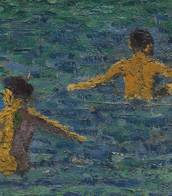
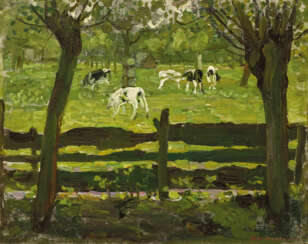

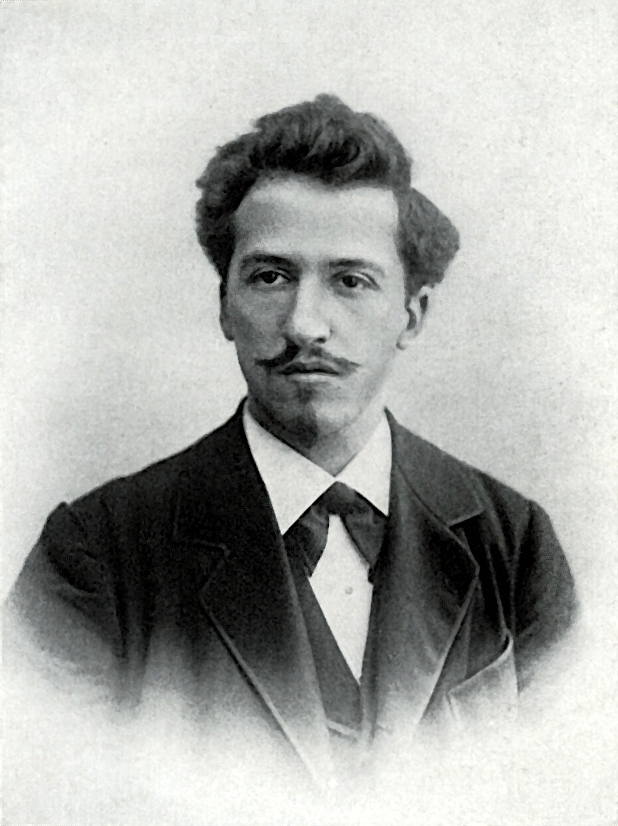
Pieter Cornelis Mondriaan, later known as Piet Mondrian, was a Dutch painter and art theoretician, whose transformation from figurative art to an abstract modernist style revolutionized the visual arts landscape of the 20th century. Born on March 7, 1872, in Amersfoort, Netherlands, and passing away on February 1, 1944, in New York, Mondrian's journey in art began in a devoutly Calvinist home where both art and music were encouraged. His early works were influenced by his surroundings, featuring landscapes in an Impressionist manner, but it was his shift to Paris in 1911 that marked the beginning of his profound evolution towards abstraction.
Mondrian co-founded the De Stijl art movement, aiming to achieve a universal aesthetic through the simplification of visual elements to their essentials: straight lines, right angles, primary colors, and the use of black, white, and gray. This reductionist approach, termed Neoplasticism, was Mondrian's contribution to creating 'universal beauty'. His philosophy extended beyond the canvas, influencing architecture, design, and fashion, encapsulating the modernist ideal and becoming synonymous with Modernism itself.
Some of Mondrian's notable works, such as "Composition with Red, Blue, and Yellow" and "Broadway Boogie Woogie", exemplify his revolutionary style, characterized by an economy of color and a rigorously abstract geometry that aimed to express the dynamic equilibrium of universal forces. These masterpieces, along with his theoretical writings, left a lasting impact on the course of abstract painting and several major art movements including Color Field painting, Abstract Expressionism, and Minimalism.
Mondrian's art is celebrated in museums and galleries worldwide, notably at the Gemeentemuseum Den Haag and the Museum of Modern Art in New York, where his evolution from figuration to geometric abstraction continues to inspire and captivate audiences. His commitment to exploring the spiritual in art through a radical simplification of form and color has cemented his legacy as one of the pioneers of 20th-century abstract art.
For collectors and experts in art and antiques, Mondrian's works represent not just significant artistic achievements but also pivotal moments in the history of modern art. His influence extends far beyond his own creations, shaping the development of modern aesthetics in numerous fields. If you're intrigued by Mondrian's vision of harmony and order through abstraction, we invite you to sign up for updates. This subscription will keep you informed about new product sales and auction events related to Mondrian's work, ensuring you stay connected to the ever-evolving world of art and design inspired by this iconic figure.
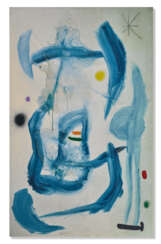

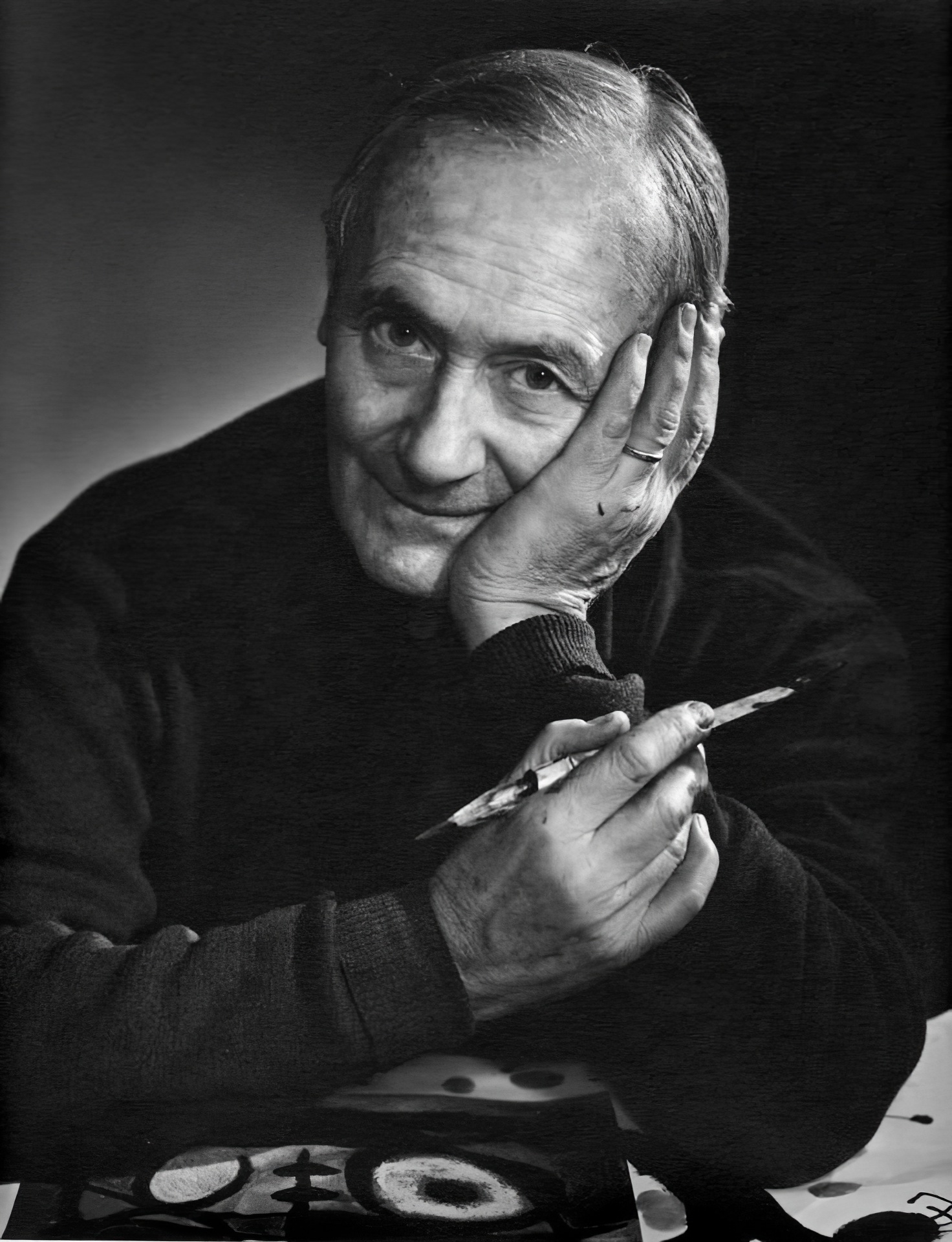
Joan Miró, a celebrated Spanish artist, was a master in painting, sculpture, and ceramics, renowned for his unique style that blurred the lines between Surrealism, Fauvism, and Expressionism. Born in Barcelona to a family of a goldsmith and a watchmaker, Miró grew up immersed in the rich cultural heritage of the Barri Gòtic neighborhood. His artistic journey began with drawing classes at the age of seven and continued at the prestigious La Llotja art academy. Despite an initial venture into the business world, Miró's passion for art prevailed, leading him to abandon his clerical career after a nervous breakdown.
Miró's work is noted for its exploration of the subconscious, often depicting a childlike perspective. This approach was both a critique of traditional painting methods and a means of expressing Catalan pride. His art, challenging to categorize, often featured symbolic elements and nationalistic qualities. One of his notable early works, "The Farm," reflects a transition to a more individual style, blending elements of his Catalan roots with broader artistic influences. This piece, later purchased by Ernest Hemingway, encapsulated the essence of Spain in its imagery.
In Paris, Miró joined the Surrealist movement in 1924, where his work began to reflect the influence of automatism, emphasizing spontaneous, automatic, or subconscious creation. He experimented with various mediums, including painting-poetry and collage, and even ventured into set and costume design for Sergei Diaghilev's Ballets Russes.
During World War II, Miró remained in Spain, and his work from this period, including the 22 Constellations series, reflected an interest in the night, music, and stars. His forms became increasingly abstracted, and he experimented with various techniques, often incorporating primary colors and evocative titles.
Miró's career spanned several decades, during which he continually evolved his style and explored new mediums. His contributions to art were recognized with numerous awards and retrospectives, including a major career retrospective at MoMA in 1941 and the Spanish Gold Medal for Fine Arts in 1980. Among his last major works was a tapestry for the World Trade Center in New York City, created in 1974.
For art collectors and enthusiasts, Joan Miró remains a figure of immense interest, not only for his distinct style and contributions to Surrealism but also for his ability to blend poetic imagery with political commentary. To stay updated on new product sales and auction events related to Joan Miró, sign up for our updates and immerse yourself in the world of this extraordinary artist.
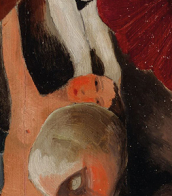
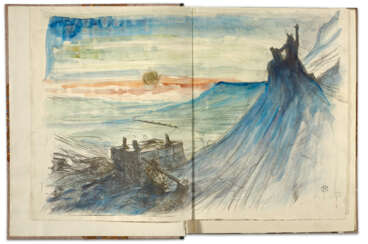

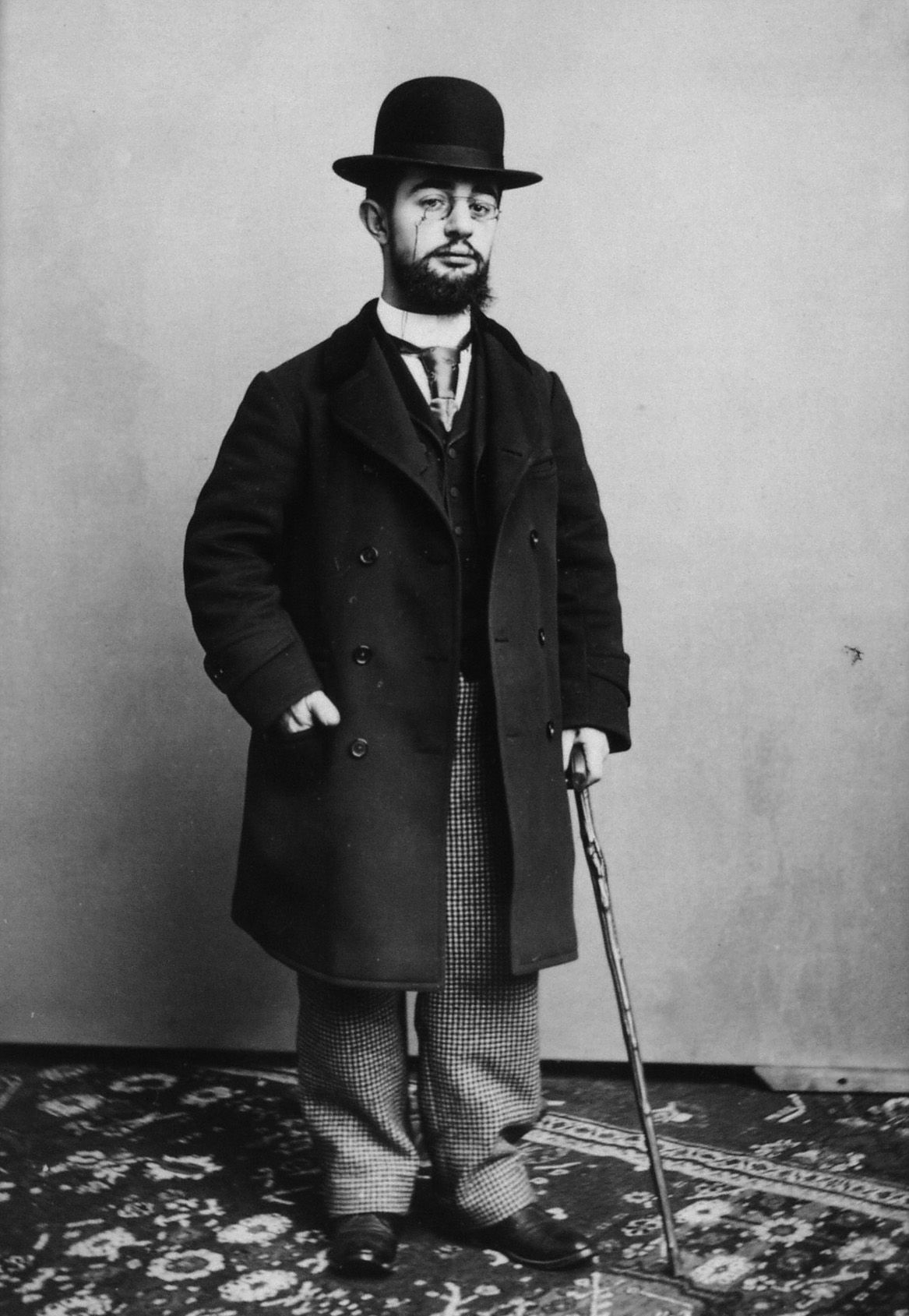
Henri de Toulouse-Lautrec was a distinguished French Post-Impressionist artist, renowned for his deep insights into Parisian nightlife and the world of entertainment in the 1890s. Born into an aristocratic family in Albi, France, Toulouse-Lautrec faced significant health challenges. He suffered from a rare condition, possibly pycnodysostosis, which stunted the growth of his legs following two fractures during his adolescence, leading to a notably short stature as an adult.
Despite his physical limitations, Toulouse-Lautrec immersed himself in art, becoming a key figure in the Post-Impressionist movement alongside artists like Paul Cézanne and Vincent van Gogh. He is particularly celebrated for his vibrant and expressive depictions of the bohemian lifestyle in late 19th-century Paris, often featuring scenes from brothels and nightlife venues. His unique style combined elements of Art Nouveau and lithography, as evidenced in famous works such as "Moulin Rouge: La Goulue" and "At the Moulin Rouge: The Dance".
Toulouse-Lautrec's work offers a window into the Parisian entertainment scene of his time, marked by a vivid use of color and a candid portrayal of his subjects. His ability to capture the essence of Parisian society, from dancers to prostitutes, in an era of great artistic and cultural dynamism, makes his work particularly valuable to art collectors and experts.
For those interested in the art and life of Henri de Toulouse-Lautrec, staying informed about sales and auction events is essential. Sign up for updates to receive the latest news on pieces by Toulouse-Lautrec available for purchase or auction. This subscription focuses exclusively on new product sales and auction events related to Toulouse-Lautrec, ensuring that enthusiasts and collectors don't miss out on any opportunity to acquire pieces from this iconic artist.