1 cor 5 17







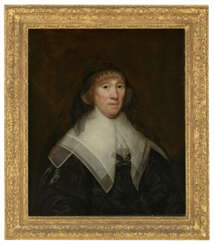

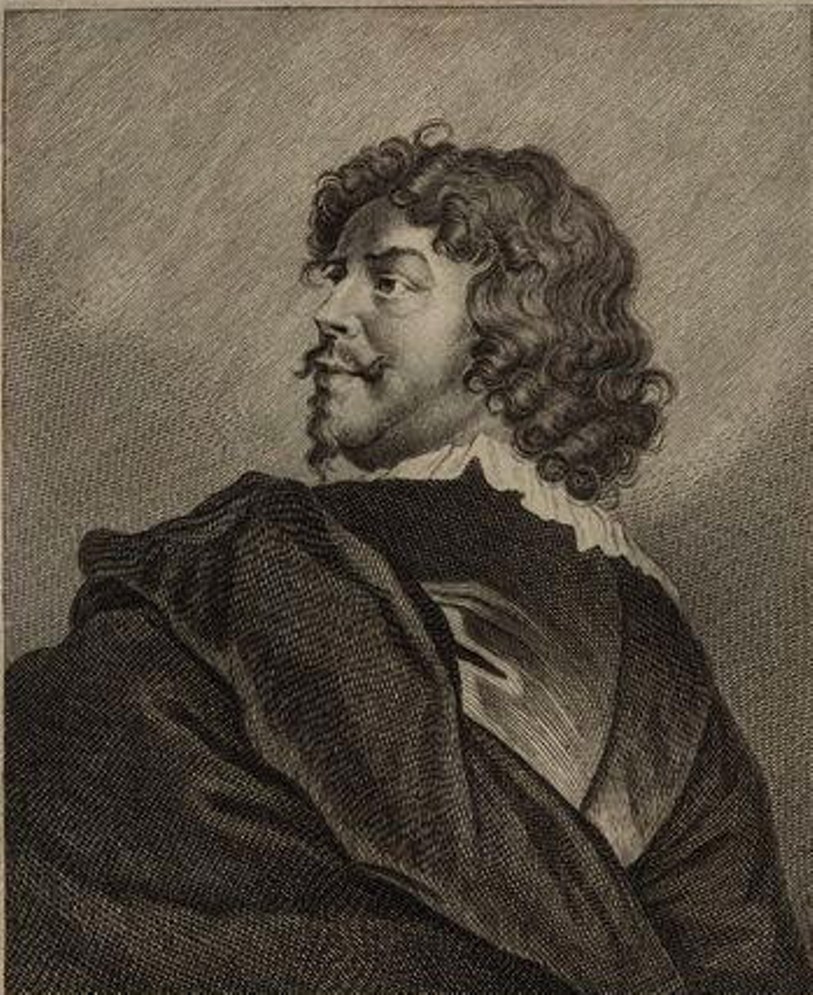
Cornelius Johnson, full name Cornelis Janssens van Ceulen, was a British and Netherlandish painter.
He was born into a Dutch family in London and was one of England's leading portrait painters until the arrival of Van Dyck in 1632. After the outbreak of the Civil War, Johnson left for Holland. Cornelius Johnson painted exclusively portraits of noble citizens. His son was also a portrait painter.
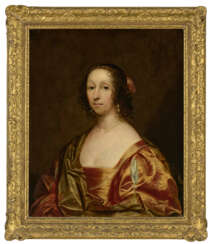

Cornelius Johnson, full name Cornelis Janssens van Ceulen, was a British and Netherlandish painter.
He was born into a Dutch family in London and was one of England's leading portrait painters until the arrival of Van Dyck in 1632. After the outbreak of the Civil War, Johnson left for Holland. Cornelius Johnson painted exclusively portraits of noble citizens. His son was also a portrait painter.
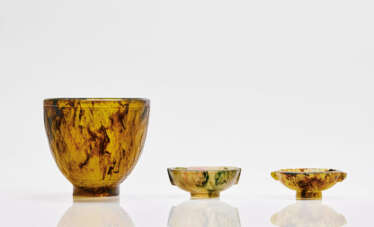

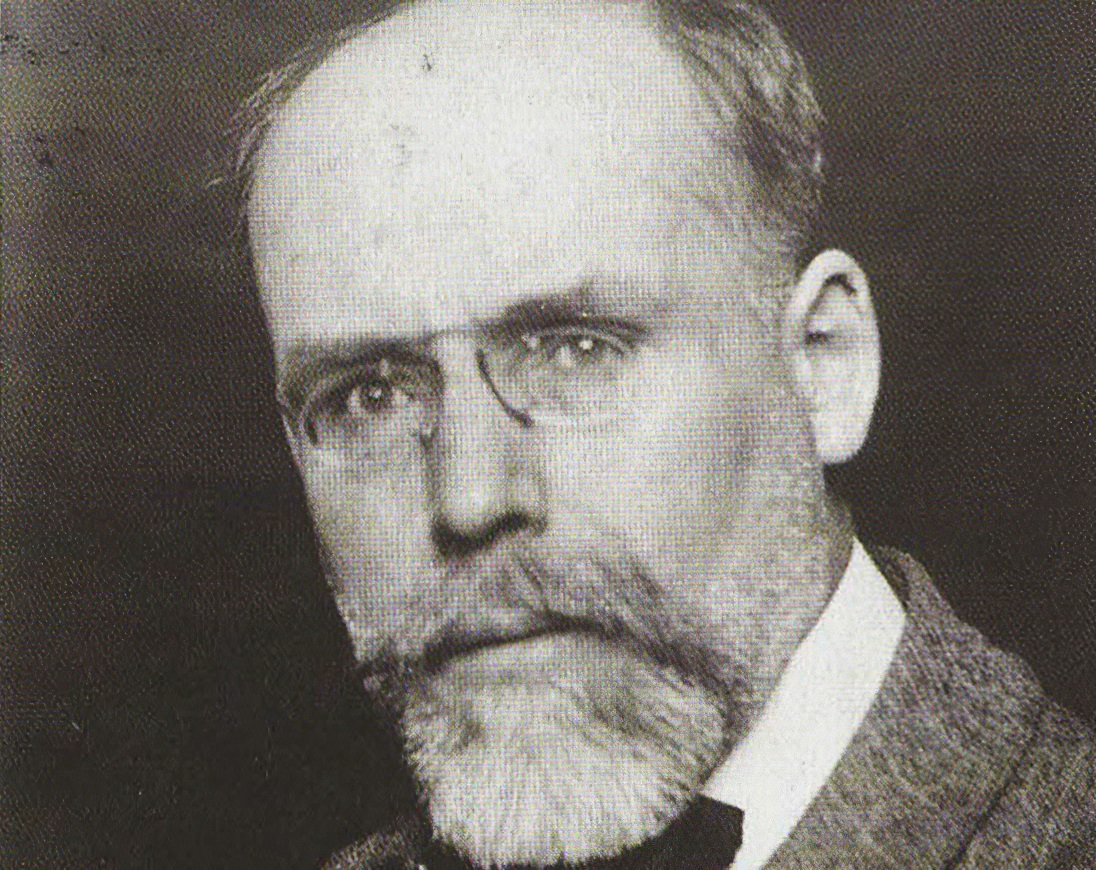
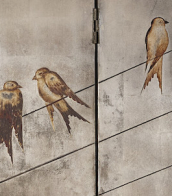
François Émile Décorchemont was a French painter, ceramicist and glass artist.


François Émile Décorchemont was a French painter, ceramicist and glass artist.
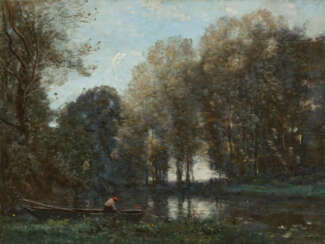

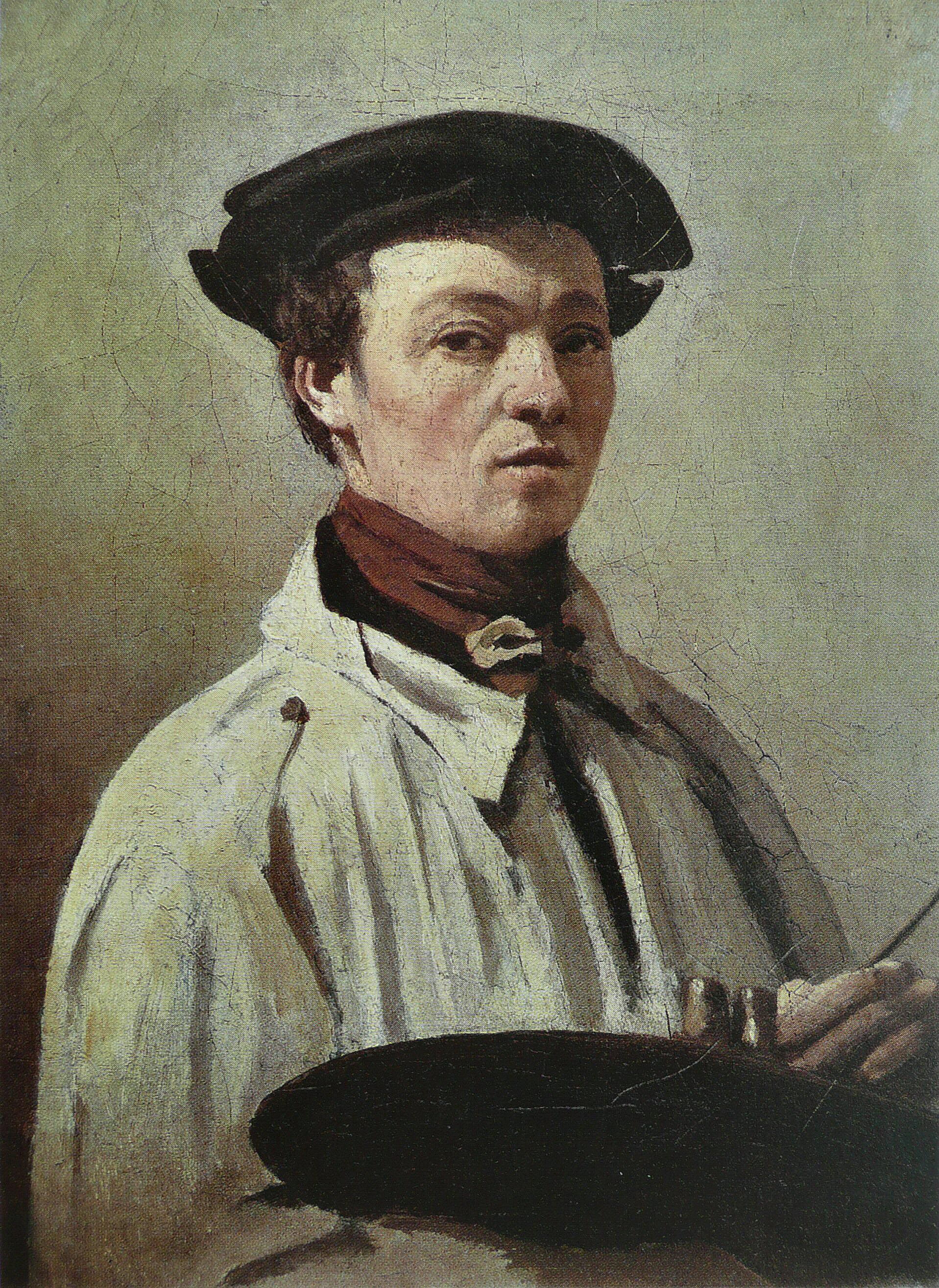
Jean-Baptiste-Camille Corot was a French landscape and portrait painter as well as a printmaker in etching. He is a pivotal figure in landscape painting and his vast output simultaneously referenced the Neo-Classical tradition and anticipated the plein-air innovations of Impressionism.
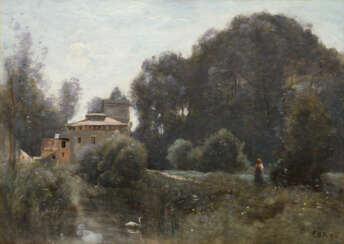

Jean-Baptiste-Camille Corot was a French landscape and portrait painter as well as a printmaker in etching. He is a pivotal figure in landscape painting and his vast output simultaneously referenced the Neo-Classical tradition and anticipated the plein-air innovations of Impressionism.


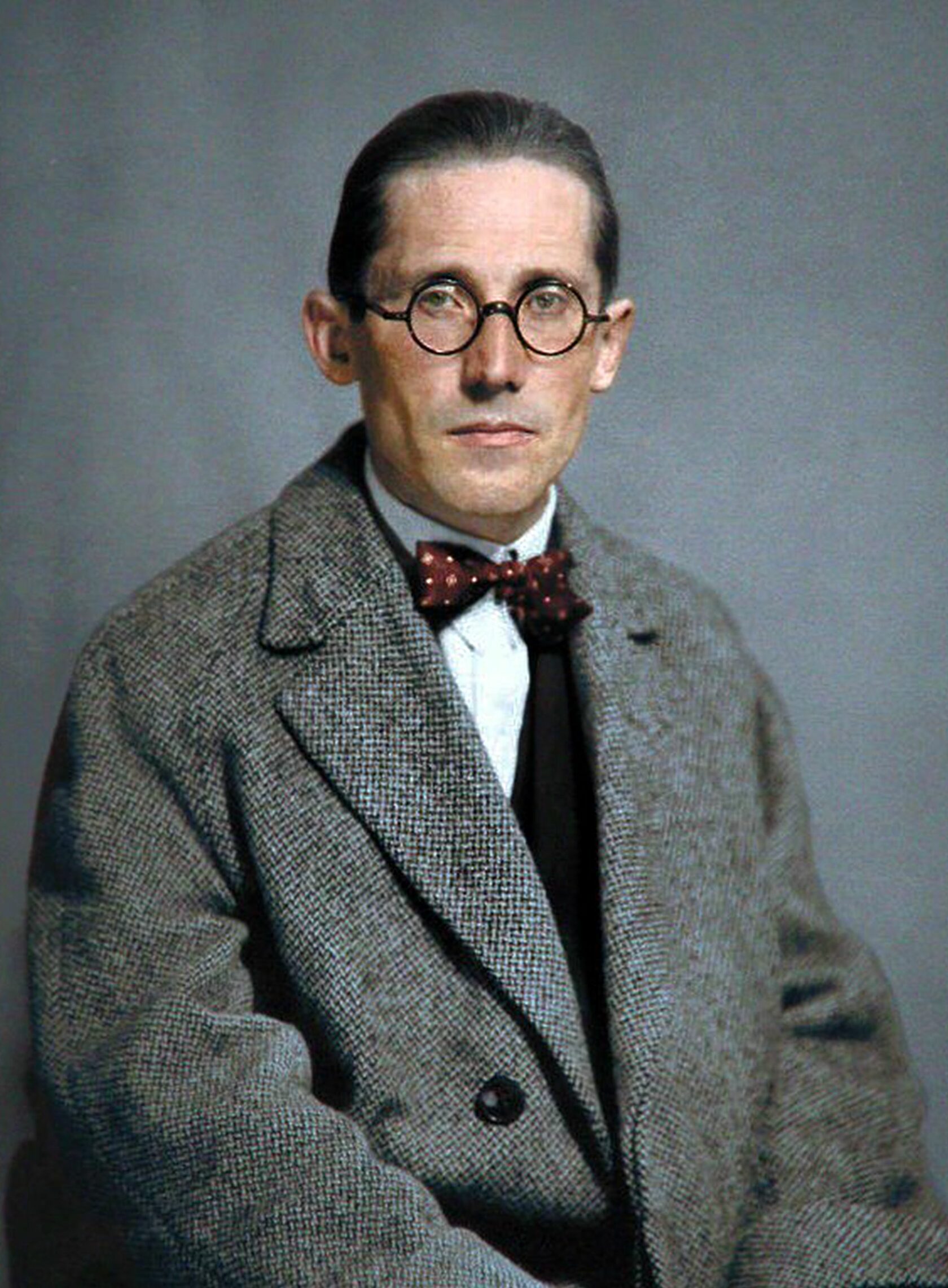
Le Corbusier, born Charles-Édouard Jeanneret in Switzerland, was a visionary French architect, designer, and writer who profoundly influenced modern architecture and urban planning. His innovative ideas blended functionalism with bold sculptural expressionism, embodying the essence of the International Style of architecture. Notably, Le Corbusier's designs, such as the Villa Savoye and the master plan for Chandigarh, India, are celebrated for their revolutionary approaches to living spaces and urban environments.
Le Corbusier's early life in La Chaux-de-Fonds, Switzerland, where he was immersed in the art and craft of watchmaking, significantly shaped his design principles. His architectural journey began without formal training, starting with his education in decorative arts and leading to significant collaborations across Europe. Le Corbusier's philosophy was deeply rooted in the belief that architecture should improve living conditions, particularly in crowded cities. This belief drove his contributions to the Congrès International d'Architecture Moderne and his development of influential architectural principles, such as the Five Points of Architecture, which are exemplified in Villa Savoye.
Villa Savoye, located in Poissy, France, stands as a testament to Le Corbusier's innovative approach, featuring pilotis (reinforced concrete stilts), a functional roof garden, an open floor plan, horizontal windows, and a free façade design. These elements collectively embody his vision of a "machine for living," integrating the house with its environment and the modern lifestyle. Despite facing issues with structural durability and weather resistance, Villa Savoye remains a pivotal work in architectural history, symbolizing the transition to modern architectural thought.
Le Corbusier's legacy is multifaceted, extending beyond architecture to furniture design and painting, showcasing his broad artistic talents. His work continues to inspire and provoke discussion, reflecting both his groundbreaking contributions to modern architecture and the complexities of his ideologies and methodologies.
If you are inspired by Le Corbusier's visionary approach to architecture and design, and wish to stay informed about related updates, consider signing up for our newsletter. This subscription will keep you in the loop about new product launches, sales, and auction events that are directly related to Le Corbusier's enduring legacy. Dive deeper into the world of architecture and design, and ensure you don't miss out on opportunities to engage with Le Corbusier's influential work. Sign up now to connect with the past, present, and future of architectural excellence.
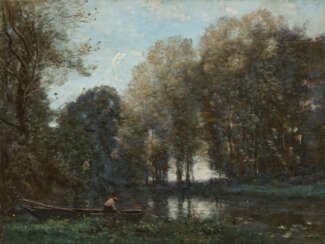

Jean-Baptiste-Camille Corot was a French landscape and portrait painter as well as a printmaker in etching. He is a pivotal figure in landscape painting and his vast output simultaneously referenced the Neo-Classical tradition and anticipated the plein-air innovations of Impressionism.
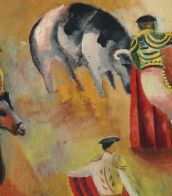


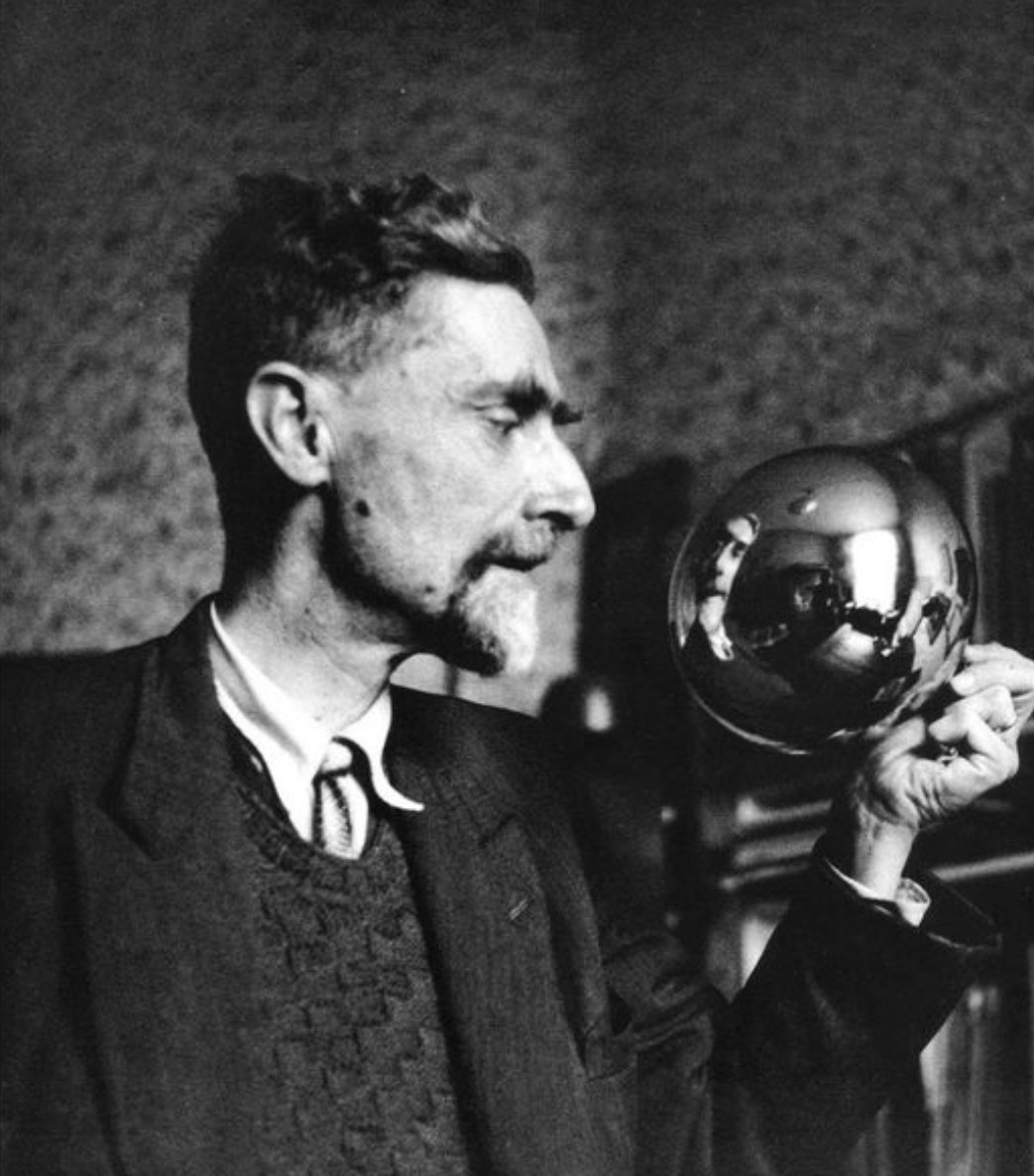
Maurits Cornelis Escher, a Dutch artist renowned for his mind-bending works that blend mathematics with visual art, has left an indelible mark on both culture and the art world. Born in 1898 in the Netherlands, Escher specialized in graphic arts, creating lithographs, woodcuts, and mezzotints that are celebrated for their inventive exploration of perspective, space, and the infinite. His ability to distort reality and challenge perceptual norms has made his works timeless, appealing to a broad audience beyond traditional art collectors and experts.
Escher's art is distinguished by its unique blend of mathematical precision and artistic imagination, making him a figure of fascination not only among artists and collectors but also mathematicians and scientists. His famous pieces, like "Relativity," "Waterfall," and "Drawing Hands," exemplify his skill in creating impossible constructions and exploring the concept of infinity through tessellation and symmetry. These works are housed in prestigious museums around the world, including the Escher Museum in The Hague, Netherlands, which is dedicated to his life and works.
For collectors and experts in art and antiques, Escher's creations offer a window into the seamless integration of science and art. His legacy continues to influence contemporary art, graphic design, and architecture, making his pieces highly sought after in the art market. The enduring appeal of Escher's work lies in its ability to engage the mind and challenge viewers' perceptions of reality, making him a pivotal figure in the world of art and culture.
To stay informed about new product sales and auction events related to Maurits Cornelis Escher, we invite you to sign up for updates. This subscription is designed specifically for enthusiasts and collectors eager to explore the fascinating intersections of art, mathematics, and perception that Escher's work represents.
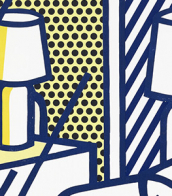


Maurits Cornelis Escher, a Dutch artist renowned for his mind-bending works that blend mathematics with visual art, has left an indelible mark on both culture and the art world. Born in 1898 in the Netherlands, Escher specialized in graphic arts, creating lithographs, woodcuts, and mezzotints that are celebrated for their inventive exploration of perspective, space, and the infinite. His ability to distort reality and challenge perceptual norms has made his works timeless, appealing to a broad audience beyond traditional art collectors and experts.
Escher's art is distinguished by its unique blend of mathematical precision and artistic imagination, making him a figure of fascination not only among artists and collectors but also mathematicians and scientists. His famous pieces, like "Relativity," "Waterfall," and "Drawing Hands," exemplify his skill in creating impossible constructions and exploring the concept of infinity through tessellation and symmetry. These works are housed in prestigious museums around the world, including the Escher Museum in The Hague, Netherlands, which is dedicated to his life and works.
For collectors and experts in art and antiques, Escher's creations offer a window into the seamless integration of science and art. His legacy continues to influence contemporary art, graphic design, and architecture, making his pieces highly sought after in the art market. The enduring appeal of Escher's work lies in its ability to engage the mind and challenge viewers' perceptions of reality, making him a pivotal figure in the world of art and culture.
To stay informed about new product sales and auction events related to Maurits Cornelis Escher, we invite you to sign up for updates. This subscription is designed specifically for enthusiasts and collectors eager to explore the fascinating intersections of art, mathematics, and perception that Escher's work represents.
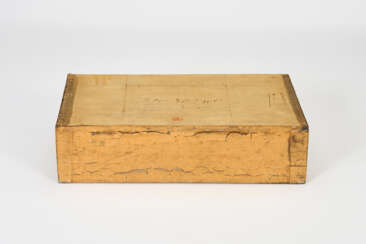

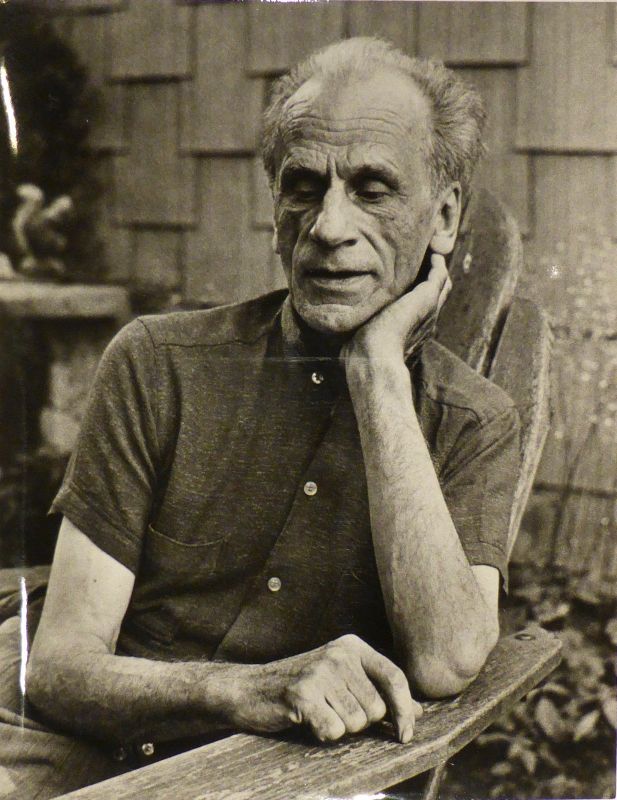
Joseph Cornell was an American visual artist and film-maker, one of the pioneers and most celebrated exponents of assemblage. Influenced by the Surrealists, he was also an avant-garde experimental filmmaker. He was largely self-taught in his artistic efforts, and improvised his own original style incorporating cast-off and discarded artifacts. He lived most of his life in relative physical isolation, caring for his mother and his disabled brother at home, but remained aware of and in contact with other contemporary artists.