

1440
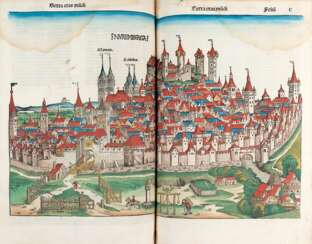

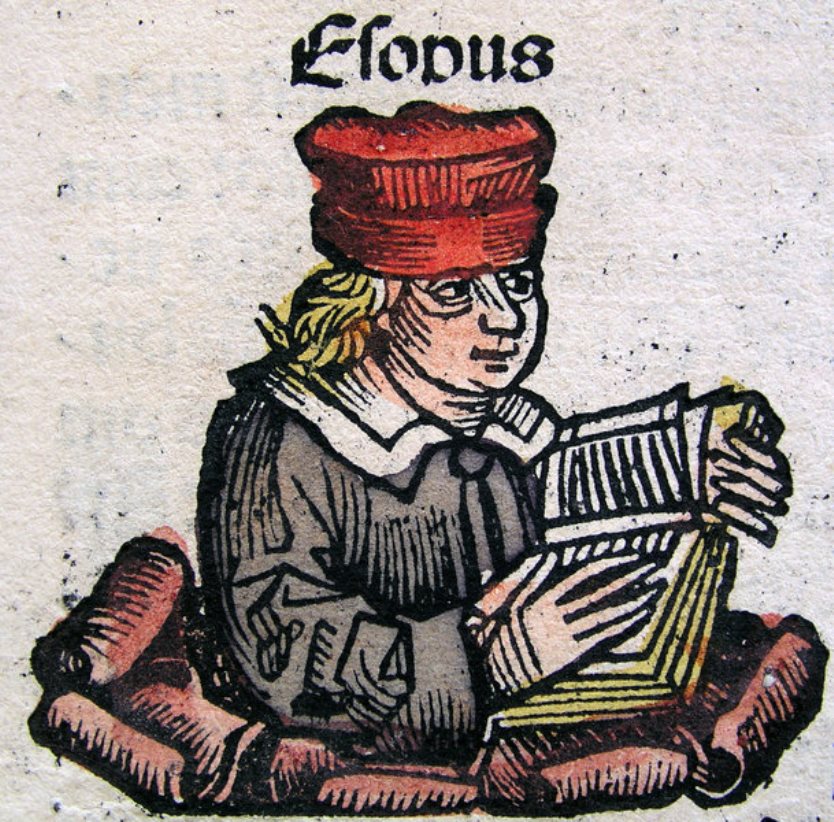
Hartmann Schedel was a German humanist, medical scientist, historian and chronicler.
Schedel was the first to compile a world chronicle, the so-called Visual History of the Earth from the Creation of the World to the 1490s, known as Schedelsche Weltchronik (Schedel's World Chronicle). It was published in 1493 in Nuremberg. About 600 woodcuts for this book were created by the artists and engravers Michael Wolgemuth (1434-1519) and Albrecht Dürer (1471-1528). The illustrations depict biblical scenes, family trees, portraits of famous personalities, and fairy tale or legendary creatures. However, the main ones here were maps of the world, Germany and Central Europe.
Hartmann Schedel was one of the first cartographers to use machine printing. He was also a renowned collector of books, artworks and engravings by old masters.


Hartmann Schedel was a German humanist, medical scientist, historian and chronicler.
Schedel was the first to compile a world chronicle, the so-called Visual History of the Earth from the Creation of the World to the 1490s, known as Schedelsche Weltchronik (Schedel's World Chronicle). It was published in 1493 in Nuremberg. About 600 woodcuts for this book were created by the artists and engravers Michael Wolgemuth (1434-1519) and Albrecht Dürer (1471-1528). The illustrations depict biblical scenes, family trees, portraits of famous personalities, and fairy tale or legendary creatures. However, the main ones here were maps of the world, Germany and Central Europe.
Hartmann Schedel was one of the first cartographers to use machine printing. He was also a renowned collector of books, artworks and engravings by old masters.


Hartmann Schedel was a German humanist, medical scientist, historian and chronicler.
Schedel was the first to compile a world chronicle, the so-called Visual History of the Earth from the Creation of the World to the 1490s, known as Schedelsche Weltchronik (Schedel's World Chronicle). It was published in 1493 in Nuremberg. About 600 woodcuts for this book were created by the artists and engravers Michael Wolgemuth (1434-1519) and Albrecht Dürer (1471-1528). The illustrations depict biblical scenes, family trees, portraits of famous personalities, and fairy tale or legendary creatures. However, the main ones here were maps of the world, Germany and Central Europe.
Hartmann Schedel was one of the first cartographers to use machine printing. He was also a renowned collector of books, artworks and engravings by old masters.
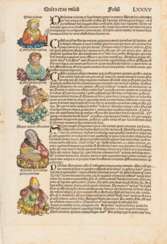

Hartmann Schedel was a German humanist, medical scientist, historian and chronicler.
Schedel was the first to compile a world chronicle, the so-called Visual History of the Earth from the Creation of the World to the 1490s, known as Schedelsche Weltchronik (Schedel's World Chronicle). It was published in 1493 in Nuremberg. About 600 woodcuts for this book were created by the artists and engravers Michael Wolgemuth (1434-1519) and Albrecht Dürer (1471-1528). The illustrations depict biblical scenes, family trees, portraits of famous personalities, and fairy tale or legendary creatures. However, the main ones here were maps of the world, Germany and Central Europe.
Hartmann Schedel was one of the first cartographers to use machine printing. He was also a renowned collector of books, artworks and engravings by old masters.
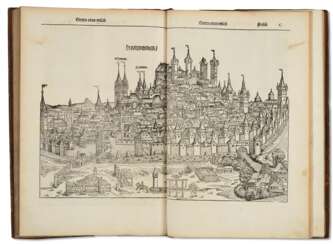

Hartmann Schedel was a German humanist, medical scientist, historian and chronicler.
Schedel was the first to compile a world chronicle, the so-called Visual History of the Earth from the Creation of the World to the 1490s, known as Schedelsche Weltchronik (Schedel's World Chronicle). It was published in 1493 in Nuremberg. About 600 woodcuts for this book were created by the artists and engravers Michael Wolgemuth (1434-1519) and Albrecht Dürer (1471-1528). The illustrations depict biblical scenes, family trees, portraits of famous personalities, and fairy tale or legendary creatures. However, the main ones here were maps of the world, Germany and Central Europe.
Hartmann Schedel was one of the first cartographers to use machine printing. He was also a renowned collector of books, artworks and engravings by old masters.
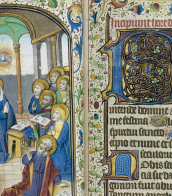


Hartmann Schedel was a German humanist, medical scientist, historian and chronicler.
Schedel was the first to compile a world chronicle, the so-called Visual History of the Earth from the Creation of the World to the 1490s, known as Schedelsche Weltchronik (Schedel's World Chronicle). It was published in 1493 in Nuremberg. About 600 woodcuts for this book were created by the artists and engravers Michael Wolgemuth (1434-1519) and Albrecht Dürer (1471-1528). The illustrations depict biblical scenes, family trees, portraits of famous personalities, and fairy tale or legendary creatures. However, the main ones here were maps of the world, Germany and Central Europe.
Hartmann Schedel was one of the first cartographers to use machine printing. He was also a renowned collector of books, artworks and engravings by old masters.


Hartmann Schedel was a German humanist, medical scientist, historian and chronicler.
Schedel was the first to compile a world chronicle, the so-called Visual History of the Earth from the Creation of the World to the 1490s, known as Schedelsche Weltchronik (Schedel's World Chronicle). It was published in 1493 in Nuremberg. About 600 woodcuts for this book were created by the artists and engravers Michael Wolgemuth (1434-1519) and Albrecht Dürer (1471-1528). The illustrations depict biblical scenes, family trees, portraits of famous personalities, and fairy tale or legendary creatures. However, the main ones here were maps of the world, Germany and Central Europe.
Hartmann Schedel was one of the first cartographers to use machine printing. He was also a renowned collector of books, artworks and engravings by old masters.
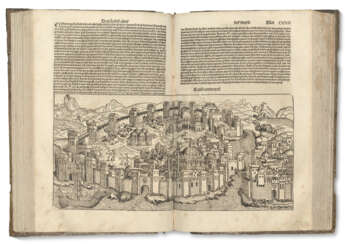

Hartmann Schedel was a German humanist, medical scientist, historian and chronicler.
Schedel was the first to compile a world chronicle, the so-called Visual History of the Earth from the Creation of the World to the 1490s, known as Schedelsche Weltchronik (Schedel's World Chronicle). It was published in 1493 in Nuremberg. About 600 woodcuts for this book were created by the artists and engravers Michael Wolgemuth (1434-1519) and Albrecht Dürer (1471-1528). The illustrations depict biblical scenes, family trees, portraits of famous personalities, and fairy tale or legendary creatures. However, the main ones here were maps of the world, Germany and Central Europe.
Hartmann Schedel was one of the first cartographers to use machine printing. He was also a renowned collector of books, artworks and engravings by old masters.
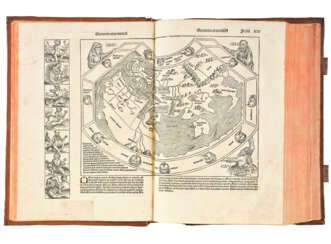

Hartmann Schedel was a German humanist, medical scientist, historian and chronicler.
Schedel was the first to compile a world chronicle, the so-called Visual History of the Earth from the Creation of the World to the 1490s, known as Schedelsche Weltchronik (Schedel's World Chronicle). It was published in 1493 in Nuremberg. About 600 woodcuts for this book were created by the artists and engravers Michael Wolgemuth (1434-1519) and Albrecht Dürer (1471-1528). The illustrations depict biblical scenes, family trees, portraits of famous personalities, and fairy tale or legendary creatures. However, the main ones here were maps of the world, Germany and Central Europe.
Hartmann Schedel was one of the first cartographers to use machine printing. He was also a renowned collector of books, artworks and engravings by old masters.


Hartmann Schedel was a German humanist, medical scientist, historian and chronicler.
Schedel was the first to compile a world chronicle, the so-called Visual History of the Earth from the Creation of the World to the 1490s, known as Schedelsche Weltchronik (Schedel's World Chronicle). It was published in 1493 in Nuremberg. About 600 woodcuts for this book were created by the artists and engravers Michael Wolgemuth (1434-1519) and Albrecht Dürer (1471-1528). The illustrations depict biblical scenes, family trees, portraits of famous personalities, and fairy tale or legendary creatures. However, the main ones here were maps of the world, Germany and Central Europe.
Hartmann Schedel was one of the first cartographers to use machine printing. He was also a renowned collector of books, artworks and engravings by old masters.
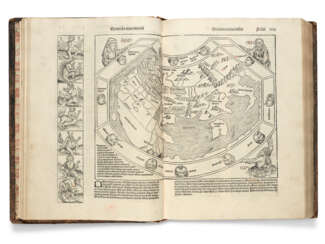

Hartmann Schedel was a German humanist, medical scientist, historian and chronicler.
Schedel was the first to compile a world chronicle, the so-called Visual History of the Earth from the Creation of the World to the 1490s, known as Schedelsche Weltchronik (Schedel's World Chronicle). It was published in 1493 in Nuremberg. About 600 woodcuts for this book were created by the artists and engravers Michael Wolgemuth (1434-1519) and Albrecht Dürer (1471-1528). The illustrations depict biblical scenes, family trees, portraits of famous personalities, and fairy tale or legendary creatures. However, the main ones here were maps of the world, Germany and Central Europe.
Hartmann Schedel was one of the first cartographers to use machine printing. He was also a renowned collector of books, artworks and engravings by old masters.
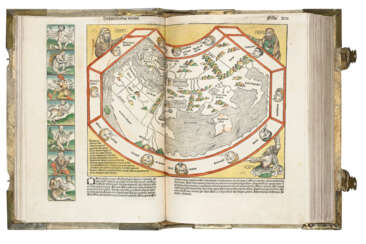

Hartmann Schedel was a German humanist, medical scientist, historian and chronicler.
Schedel was the first to compile a world chronicle, the so-called Visual History of the Earth from the Creation of the World to the 1490s, known as Schedelsche Weltchronik (Schedel's World Chronicle). It was published in 1493 in Nuremberg. About 600 woodcuts for this book were created by the artists and engravers Michael Wolgemuth (1434-1519) and Albrecht Dürer (1471-1528). The illustrations depict biblical scenes, family trees, portraits of famous personalities, and fairy tale or legendary creatures. However, the main ones here were maps of the world, Germany and Central Europe.
Hartmann Schedel was one of the first cartographers to use machine printing. He was also a renowned collector of books, artworks and engravings by old masters.
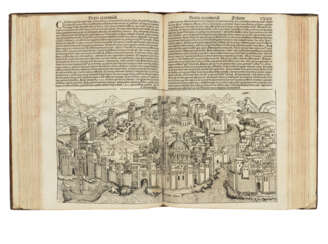

Hartmann Schedel was a German humanist, medical scientist, historian and chronicler.
Schedel was the first to compile a world chronicle, the so-called Visual History of the Earth from the Creation of the World to the 1490s, known as Schedelsche Weltchronik (Schedel's World Chronicle). It was published in 1493 in Nuremberg. About 600 woodcuts for this book were created by the artists and engravers Michael Wolgemuth (1434-1519) and Albrecht Dürer (1471-1528). The illustrations depict biblical scenes, family trees, portraits of famous personalities, and fairy tale or legendary creatures. However, the main ones here were maps of the world, Germany and Central Europe.
Hartmann Schedel was one of the first cartographers to use machine printing. He was also a renowned collector of books, artworks and engravings by old masters.
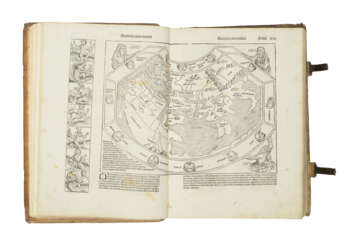

Hartmann Schedel was a German humanist, medical scientist, historian and chronicler.
Schedel was the first to compile a world chronicle, the so-called Visual History of the Earth from the Creation of the World to the 1490s, known as Schedelsche Weltchronik (Schedel's World Chronicle). It was published in 1493 in Nuremberg. About 600 woodcuts for this book were created by the artists and engravers Michael Wolgemuth (1434-1519) and Albrecht Dürer (1471-1528). The illustrations depict biblical scenes, family trees, portraits of famous personalities, and fairy tale or legendary creatures. However, the main ones here were maps of the world, Germany and Central Europe.
Hartmann Schedel was one of the first cartographers to use machine printing. He was also a renowned collector of books, artworks and engravings by old masters.
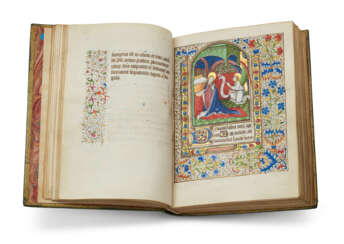

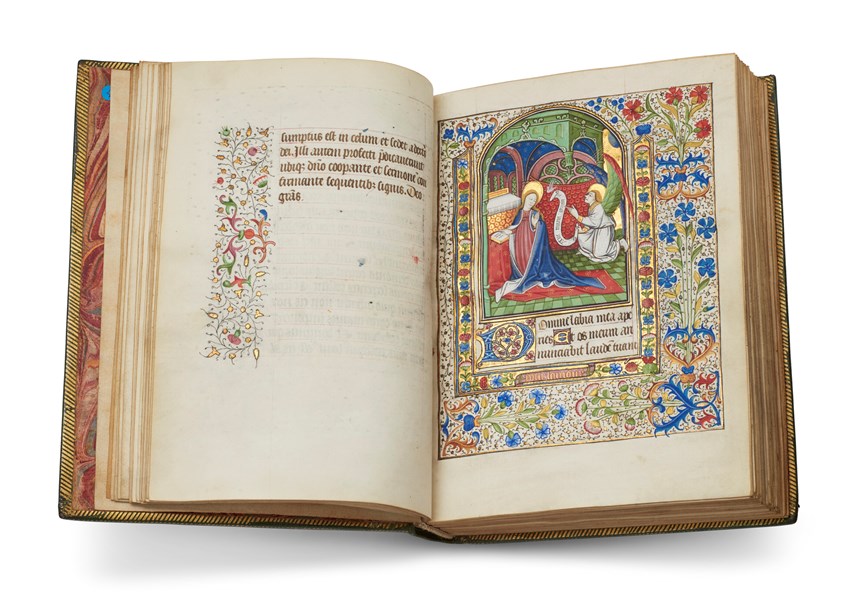
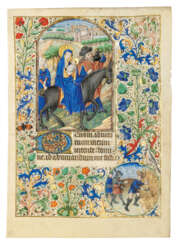
The Besançon illuminator was a French miniaturist painter from Besançon who worked in that city in the 1440s-1470s, decorating mainly the Books of Hours.




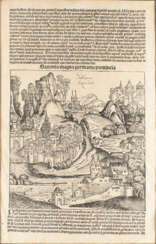

Hartmann Schedel was a German humanist, medical scientist, historian and chronicler.
Schedel was the first to compile a world chronicle, the so-called Visual History of the Earth from the Creation of the World to the 1490s, known as Schedelsche Weltchronik (Schedel's World Chronicle). It was published in 1493 in Nuremberg. About 600 woodcuts for this book were created by the artists and engravers Michael Wolgemuth (1434-1519) and Albrecht Dürer (1471-1528). The illustrations depict biblical scenes, family trees, portraits of famous personalities, and fairy tale or legendary creatures. However, the main ones here were maps of the world, Germany and Central Europe.
Hartmann Schedel was one of the first cartographers to use machine printing. He was also a renowned collector of books, artworks and engravings by old masters.
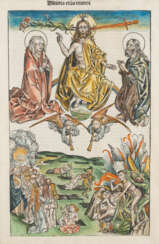

Hartmann Schedel was a German humanist, medical scientist, historian and chronicler.
Schedel was the first to compile a world chronicle, the so-called Visual History of the Earth from the Creation of the World to the 1490s, known as Schedelsche Weltchronik (Schedel's World Chronicle). It was published in 1493 in Nuremberg. About 600 woodcuts for this book were created by the artists and engravers Michael Wolgemuth (1434-1519) and Albrecht Dürer (1471-1528). The illustrations depict biblical scenes, family trees, portraits of famous personalities, and fairy tale or legendary creatures. However, the main ones here were maps of the world, Germany and Central Europe.
Hartmann Schedel was one of the first cartographers to use machine printing. He was also a renowned collector of books, artworks and engravings by old masters.

.jpg)
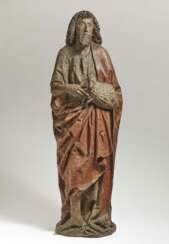
Michel Erhart was a German late Gothic sculptor who lived and worked in Ulm.







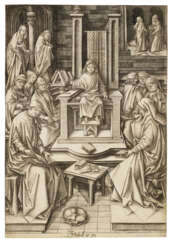

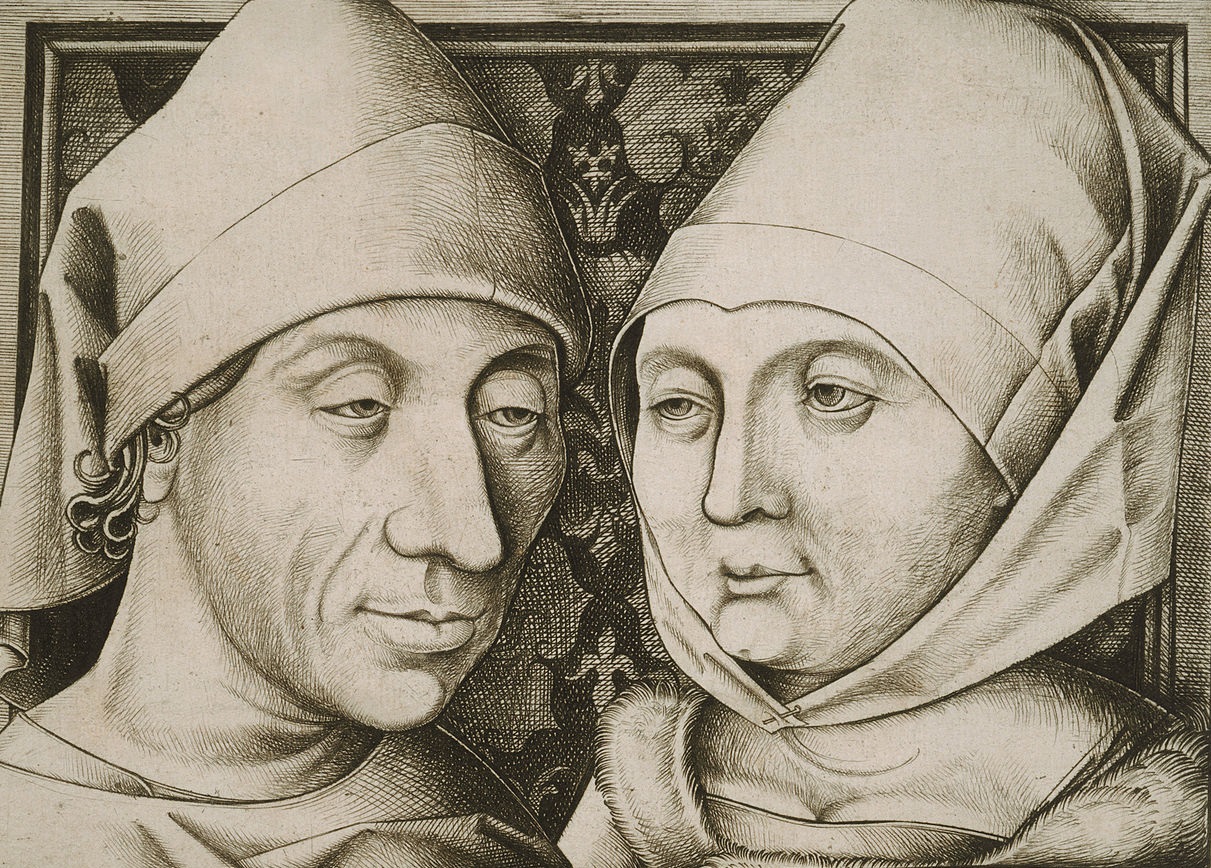
Israhel van Meckenem, also known as Israhel van Meckenem the Younger, was a German printmaker and goldsmith, perhaps of a Dutch family origin.
He was the most prolific engraver of the fifteenth century and an important figure in the early history of old master prints. In total, he produced over 620 engravings, most of which were copies of other prints; they represent about 20% of print production by all Northern European artists in the period of his working life. His career lasted long enough for him to copy Dürer prints.
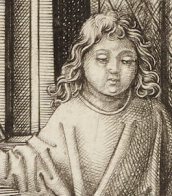
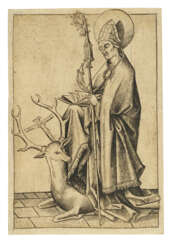

Israhel van Meckenem, also known as Israhel van Meckenem the Younger, was a German printmaker and goldsmith, perhaps of a Dutch family origin.
He was the most prolific engraver of the fifteenth century and an important figure in the early history of old master prints. In total, he produced over 620 engravings, most of which were copies of other prints; they represent about 20% of print production by all Northern European artists in the period of his working life. His career lasted long enough for him to copy Dürer prints.
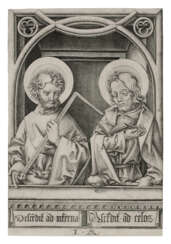

Israhel van Meckenem, also known as Israhel van Meckenem the Younger, was a German printmaker and goldsmith, perhaps of a Dutch family origin.
He was the most prolific engraver of the fifteenth century and an important figure in the early history of old master prints. In total, he produced over 620 engravings, most of which were copies of other prints; they represent about 20% of print production by all Northern European artists in the period of his working life. His career lasted long enough for him to copy Dürer prints.
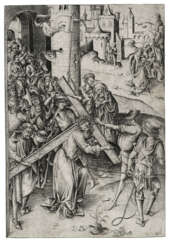

Israhel van Meckenem, also known as Israhel van Meckenem the Younger, was a German printmaker and goldsmith, perhaps of a Dutch family origin.
He was the most prolific engraver of the fifteenth century and an important figure in the early history of old master prints. In total, he produced over 620 engravings, most of which were copies of other prints; they represent about 20% of print production by all Northern European artists in the period of his working life. His career lasted long enough for him to copy Dürer prints.