1466



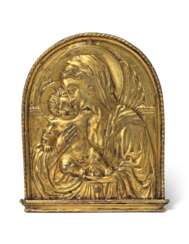
Donato di Niccolò di Betto Bardi, better known as Donatello, sculptor of the Renaissance period. Born in Florence, he studied classical sculpture and used this to develop a complete Renaissance style in sculpture. He spent time in other cities, and while there he worked on commissions and taught others; his periods in Rome, Padua, and Siena introduced to other parts of Italy his techniques, developed in the course of a long and productive career. Financed by Cosimo de' Medici, Donatello's David was the first freestanding nude male sculpture since antiquity.
He worked with stone, bronze, wood, clay, stucco, and wax, and had several assistants, with four perhaps being a typical number. Although his best-known works mostly were statues in the round, he developed a new, very shallow, type of bas-relief for small works, and a good deal of his output was larger architectural reliefs.
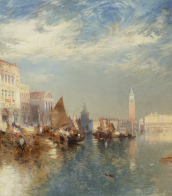


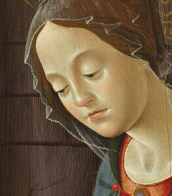


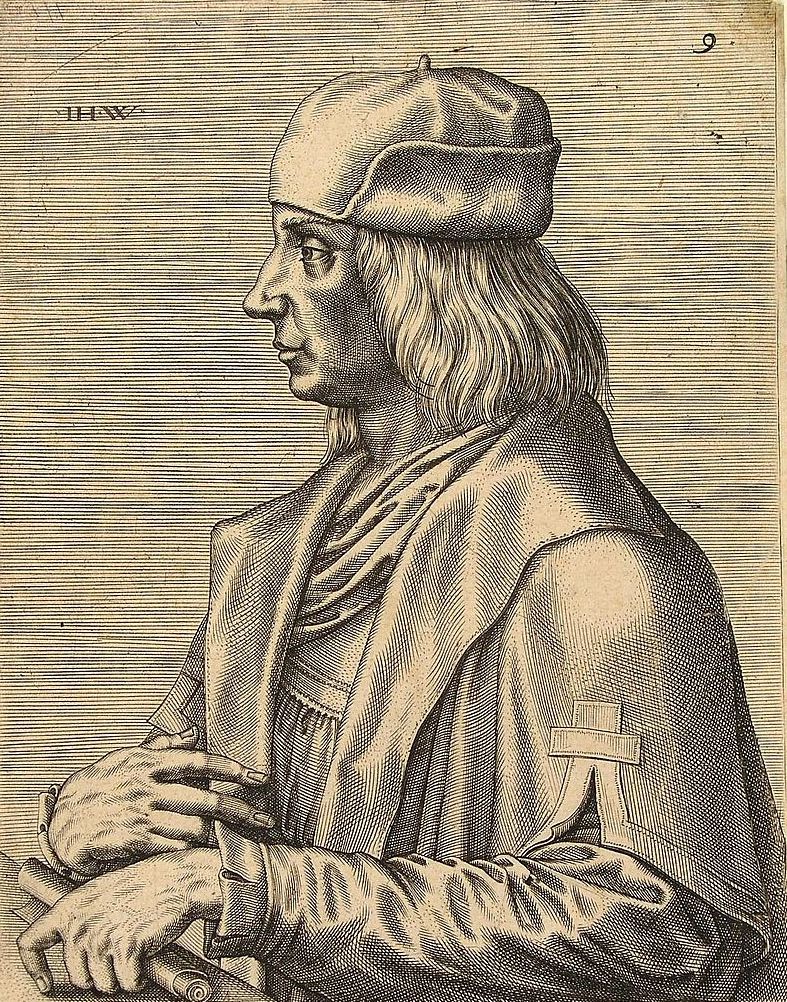
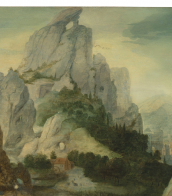
Quentin Matsys (Dutch: Quinten Matsijs), a Flemish painter born around 1466 in Leuven, is recognized as a pivotal figure in the Early Netherlandish tradition and a founder of the Antwerp school of painting. His initial training as an ironsmith in his father's workshop lent a unique craftsmanship to his artistic endeavors. Matsys' works, which often contained religious themes and satirical elements, were instrumental in the transition from medieval to Renaissance art in northern Europe.
Matsys' early works exhibit the influence of Hans Memling, and later, his exposure to Italian Renaissance artists, especially Leonardo da Vinci, is evident in his refined technique. This amalgamation of Northern European and Italian influences resulted in a distinctive style that earned him the reputation as the leading painter in Antwerp during the early 16th century.
Today, Matsys' masterpieces are housed in prestigious institutions like the National Gallery in London, serving as a testament to his enduring legacy. His contributions to the art world resonate with collectors and historians alike, who admire his innovative blend of technical skill and evocative expression.
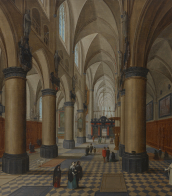
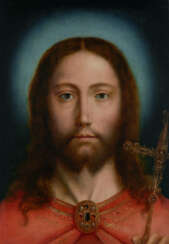

Quentin Matsys (Dutch: Quinten Matsijs), a Flemish painter born around 1466 in Leuven, is recognized as a pivotal figure in the Early Netherlandish tradition and a founder of the Antwerp school of painting. His initial training as an ironsmith in his father's workshop lent a unique craftsmanship to his artistic endeavors. Matsys' works, which often contained religious themes and satirical elements, were instrumental in the transition from medieval to Renaissance art in northern Europe.
Matsys' early works exhibit the influence of Hans Memling, and later, his exposure to Italian Renaissance artists, especially Leonardo da Vinci, is evident in his refined technique. This amalgamation of Northern European and Italian influences resulted in a distinctive style that earned him the reputation as the leading painter in Antwerp during the early 16th century.
Today, Matsys' masterpieces are housed in prestigious institutions like the National Gallery in London, serving as a testament to his enduring legacy. His contributions to the art world resonate with collectors and historians alike, who admire his innovative blend of technical skill and evocative expression.



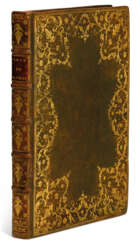

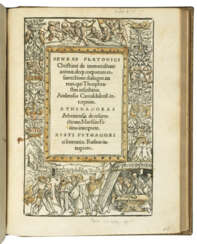









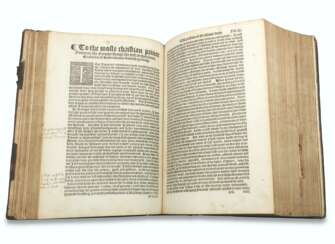



![[ÉRASME (circa 1466-1536)]](/assets/image/picture_2500832/70db1/00db52bc5e4042b66d7e93d2daa7221a1667984400jpg__fix_374_244.jpeg)
![[ÉRASME (circa 1466-1536)]](https://veryimportantlot.com/assets/image/picture_2500832/70db1/00db52bc5e4042b66d7e93d2daa7221a1667984400jpg__fix_374_244.jpeg)







Donato di Niccolò di Betto Bardi, better known as Donatello, sculptor of the Renaissance period. Born in Florence, he studied classical sculpture and used this to develop a complete Renaissance style in sculpture. He spent time in other cities, and while there he worked on commissions and taught others; his periods in Rome, Padua, and Siena introduced to other parts of Italy his techniques, developed in the course of a long and productive career. Financed by Cosimo de' Medici, Donatello's David was the first freestanding nude male sculpture since antiquity.
He worked with stone, bronze, wood, clay, stucco, and wax, and had several assistants, with four perhaps being a typical number. Although his best-known works mostly were statues in the round, he developed a new, very shallow, type of bas-relief for small works, and a good deal of his output was larger architectural reliefs.


Donato di Niccolò di Betto Bardi, better known as Donatello, sculptor of the Renaissance period. Born in Florence, he studied classical sculpture and used this to develop a complete Renaissance style in sculpture. He spent time in other cities, and while there he worked on commissions and taught others; his periods in Rome, Padua, and Siena introduced to other parts of Italy his techniques, developed in the course of a long and productive career. Financed by Cosimo de' Medici, Donatello's David was the first freestanding nude male sculpture since antiquity.
He worked with stone, bronze, wood, clay, stucco, and wax, and had several assistants, with four perhaps being a typical number. Although his best-known works mostly were statues in the round, he developed a new, very shallow, type of bas-relief for small works, and a good deal of his output was larger architectural reliefs.
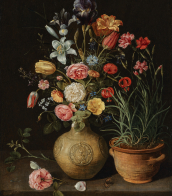


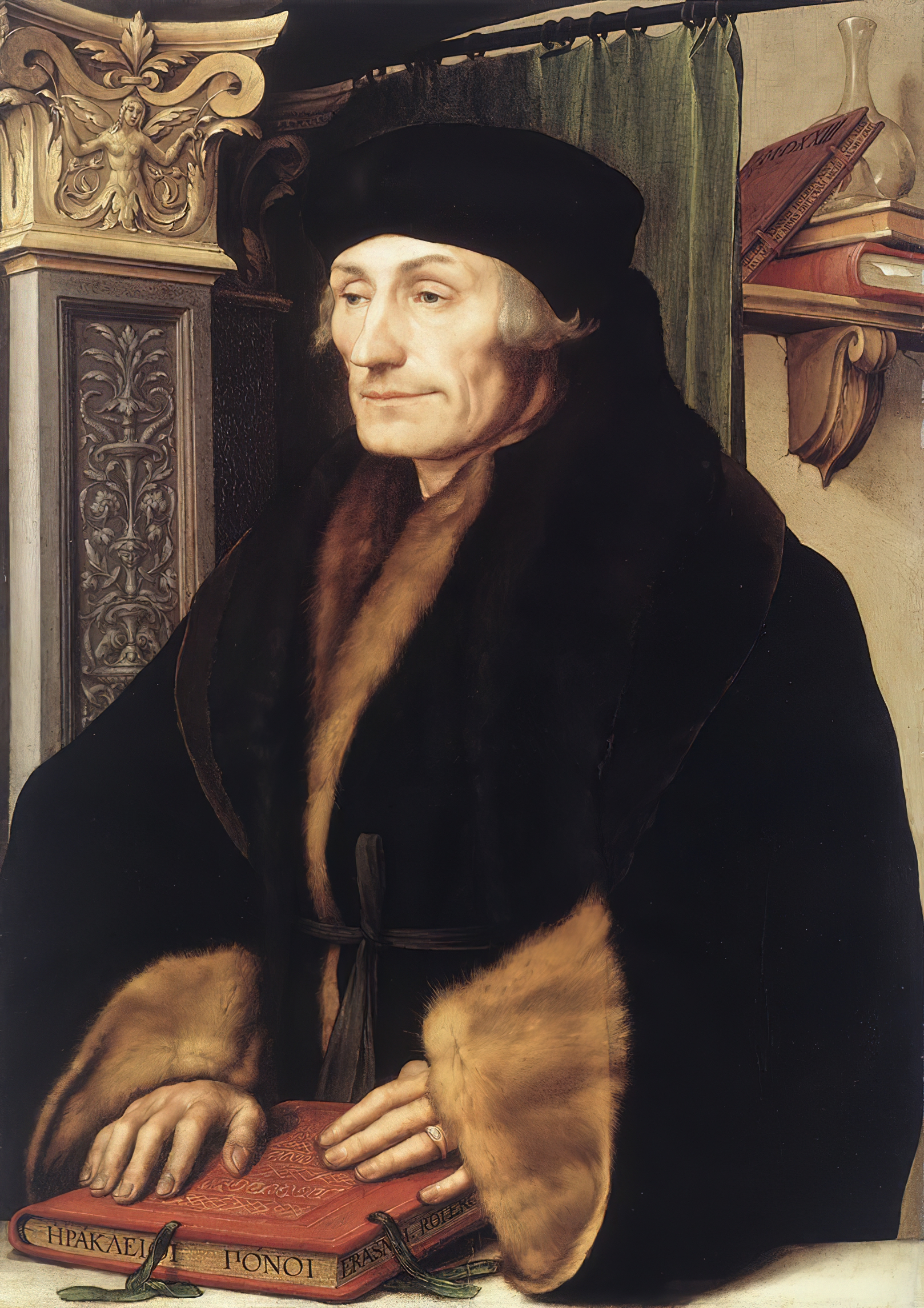
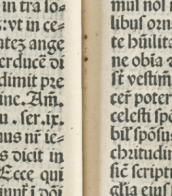
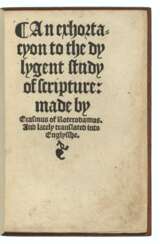
Desiderius Erasmus, also Erasmus of Rotterdam, or simply Erasmus (Latin: Desiderius Erasmus Roterodamus, Dutch: Gerrit Gerritszoon) was a Dutch humanist, philosopher, and the greatest scholar of the Northern Renaissance.
He was illegitimate and brought up under the name Gerhard Gerhards, later in Latin his name was dubbed Desiderius Erasmus. At the age of 13, the boy was sent to a monastery, where he later took the ministry. Erasmus read a lot, improving in Latin and Ancient Greek, studied oratory. A few years later he received the post of secretary to the bishop of the French city of Cambre. From 1493 to 1499 Rotterdam lived in Paris, then in London he was introduced to Thomas More, John Fisher, and John Colet.
Erasmus was constantly on the move, rarely staying in one place and traveling frequently between the Netherlands, Britain, France and Italy. In Turin he earned a doctorate in theology and was received by the Pope, then taught ancient Greek and theology at Cambridge. He corresponded with the rulers of various countries, popes and cardinals, and with statesmen, answering their questions of a scientific, political, and philosophical nature. As a true humanist, Erasmus of Rotterdam adhered to the ideas of a scientific spirit that favored research and true knowledge.
Among the merits of Rotterdamsky study of religious texts from a scientific position, critical interpretation of theology. Erasmus was able to lay the groundwork for historical-critical study of the past, especially in his studies of the Greek New Testament and the church fathers. His educational writings helped to replace the old school curriculum with a new humanistic emphasis on the classics.
In 1501, Erasmus produced a religious and ethical treatise, The Arms of the Christian Warrior, published in 1504. His work entitled "The Praise of Folly" was reprinted 40 times only during the author's lifetime, the book has been translated into all popular languages of the world. The series "Conversations in a Simple Way" (1518-1533) is among the most popular books on pedagogy. Erasmus promoted respect and care for children, opposing violence and corporal influence. He also promoted the idea that education should be compulsory for everyone.


Desiderius Erasmus, also Erasmus of Rotterdam, or simply Erasmus (Latin: Desiderius Erasmus Roterodamus, Dutch: Gerrit Gerritszoon) was a Dutch humanist, philosopher, and the greatest scholar of the Northern Renaissance.
He was illegitimate and brought up under the name Gerhard Gerhards, later in Latin his name was dubbed Desiderius Erasmus. At the age of 13, the boy was sent to a monastery, where he later took the ministry. Erasmus read a lot, improving in Latin and Ancient Greek, studied oratory. A few years later he received the post of secretary to the bishop of the French city of Cambre. From 1493 to 1499 Rotterdam lived in Paris, then in London he was introduced to Thomas More, John Fisher, and John Colet.
Erasmus was constantly on the move, rarely staying in one place and traveling frequently between the Netherlands, Britain, France and Italy. In Turin he earned a doctorate in theology and was received by the Pope, then taught ancient Greek and theology at Cambridge. He corresponded with the rulers of various countries, popes and cardinals, and with statesmen, answering their questions of a scientific, political, and philosophical nature. As a true humanist, Erasmus of Rotterdam adhered to the ideas of a scientific spirit that favored research and true knowledge.
Among the merits of Rotterdamsky study of religious texts from a scientific position, critical interpretation of theology. Erasmus was able to lay the groundwork for historical-critical study of the past, especially in his studies of the Greek New Testament and the church fathers. His educational writings helped to replace the old school curriculum with a new humanistic emphasis on the classics.
In 1501, Erasmus produced a religious and ethical treatise, The Arms of the Christian Warrior, published in 1504. His work entitled "The Praise of Folly" was reprinted 40 times only during the author's lifetime, the book has been translated into all popular languages of the world. The series "Conversations in a Simple Way" (1518-1533) is among the most popular books on pedagogy. Erasmus promoted respect and care for children, opposing violence and corporal influence. He also promoted the idea that education should be compulsory for everyone.


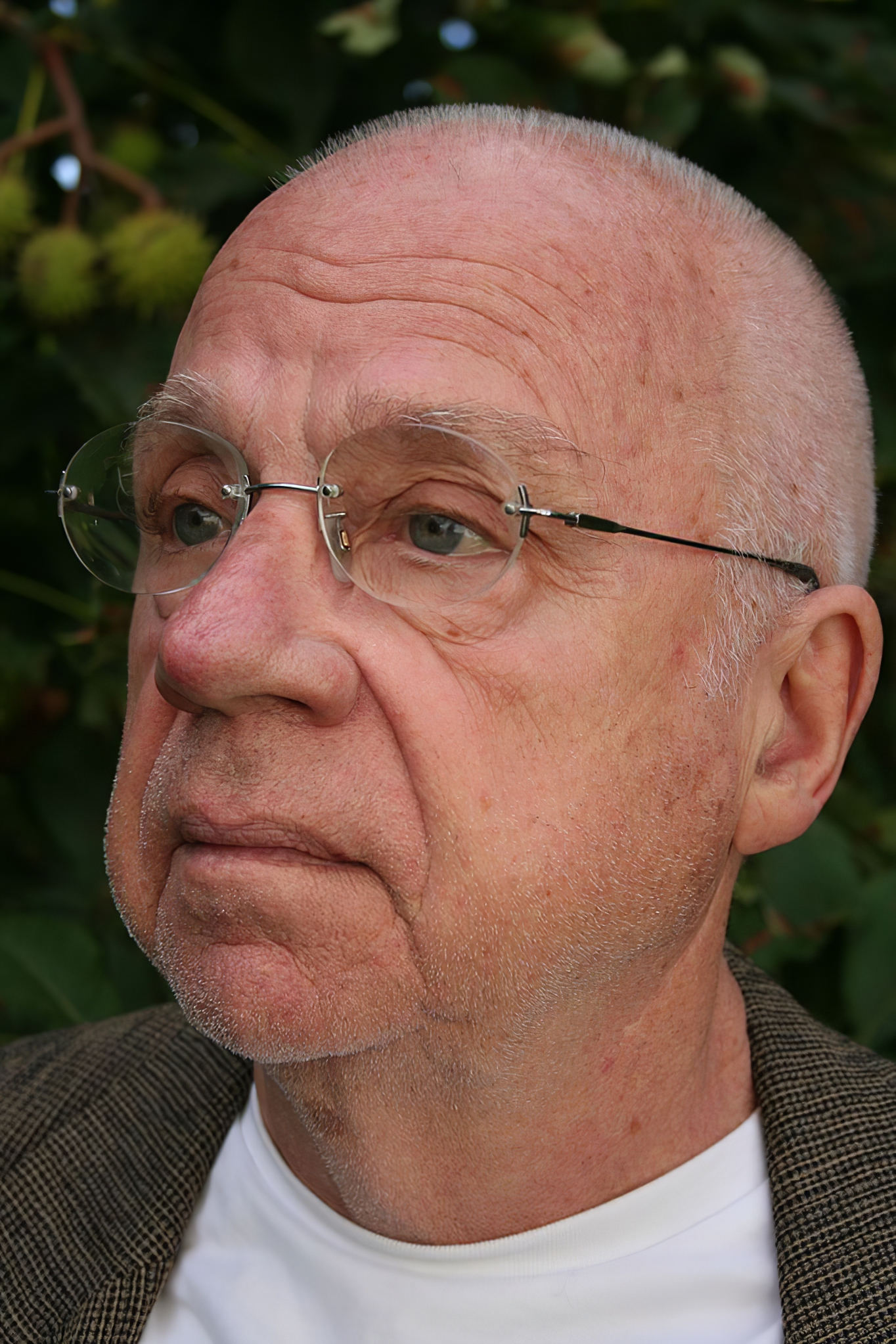
Peter Dreher was a German artist and academic teacher. He painted series of landscapes, interiors, flowers and skulls, beginning his series Tag um Tag guter Tag in 1974. As a professor of painting, he influenced artists including Anselm Kiefer. His works have been exhibited internationally.