

1562


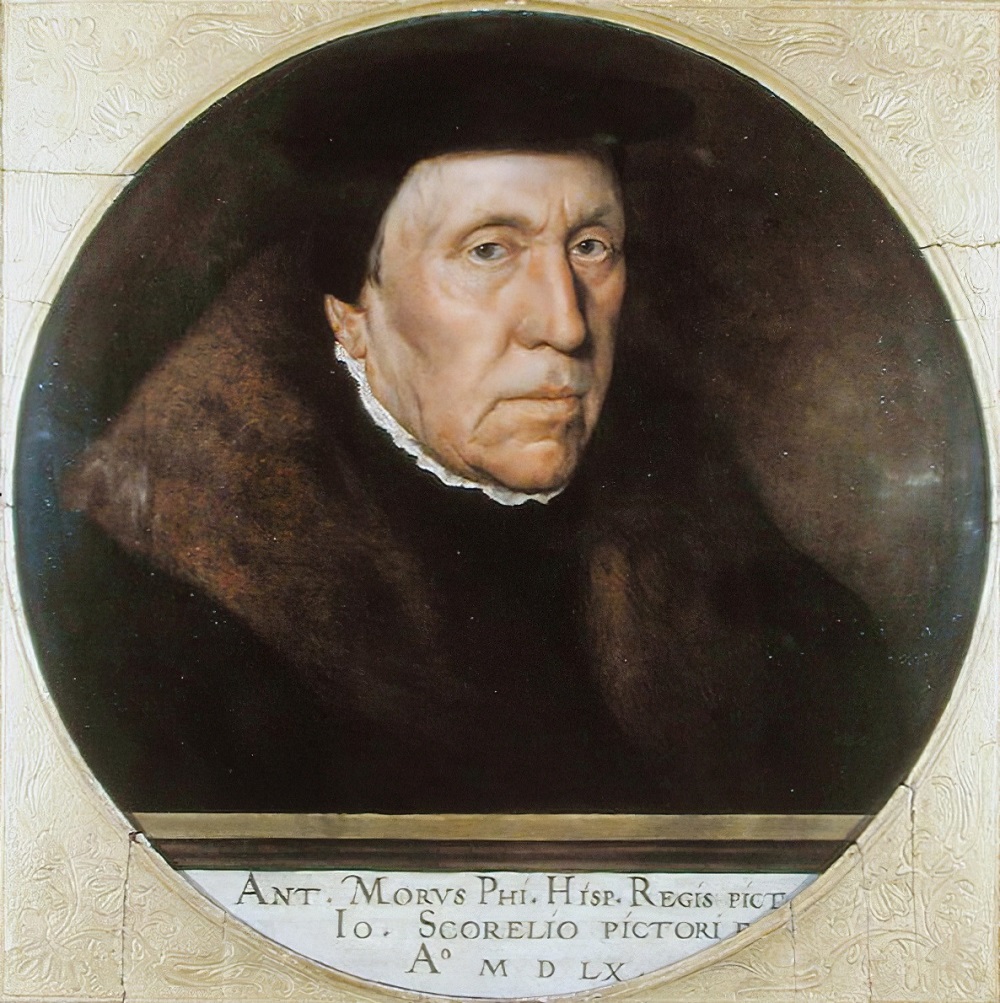
Jan van Scorel was a Dutch painter, who played a leading role in introducing aspects of Italian Renaissance painting into Dutch and Flemish Renaissance painting. He was one of the early painters of the Romanist style who had spent a number of years in Italy, where he thoroughly absorbed the Italian style of painting.


Jan van Scorel was a Dutch painter, who played a leading role in introducing aspects of Italian Renaissance painting into Dutch and Flemish Renaissance painting. He was one of the early painters of the Romanist style who had spent a number of years in Italy, where he thoroughly absorbed the Italian style of painting.


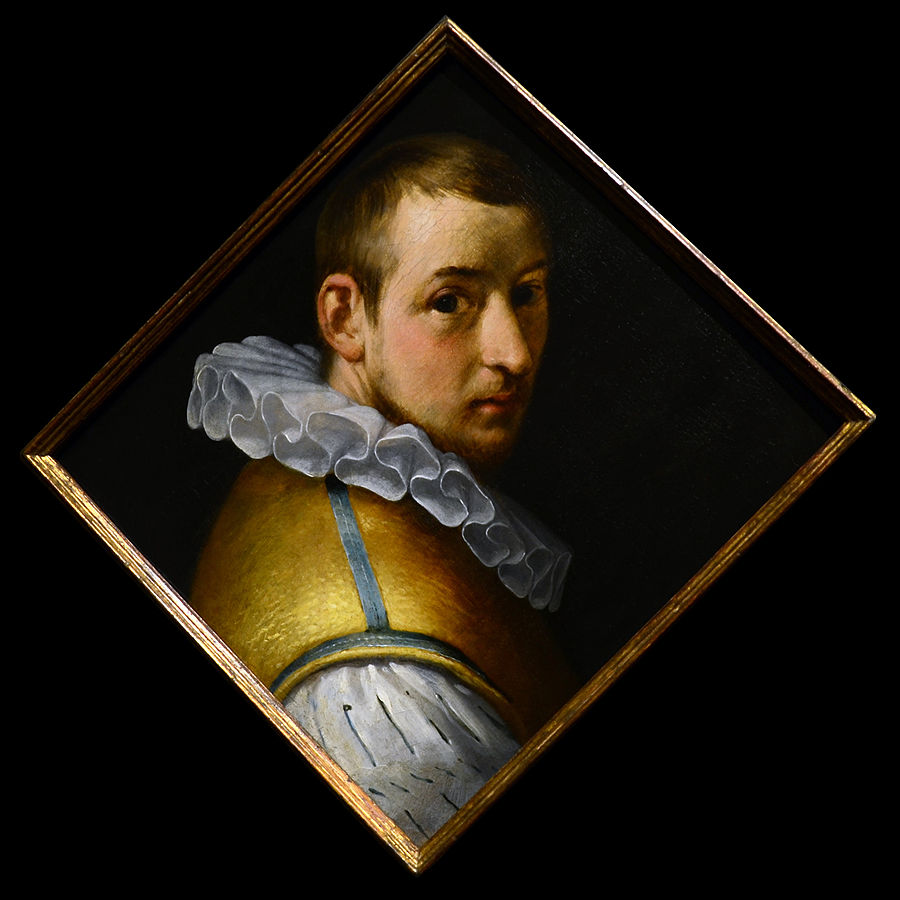
Cornelis Cornelisz. van Haarlem was a Dutch painter, draftsman, and architect. Along with Karel van Mander and Hendrik Goltzius, he is one of the leading artists of the Dutch Mannerism of the Haarlem School, more commonly referred to as Cornelis van Haarlem.























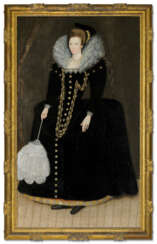

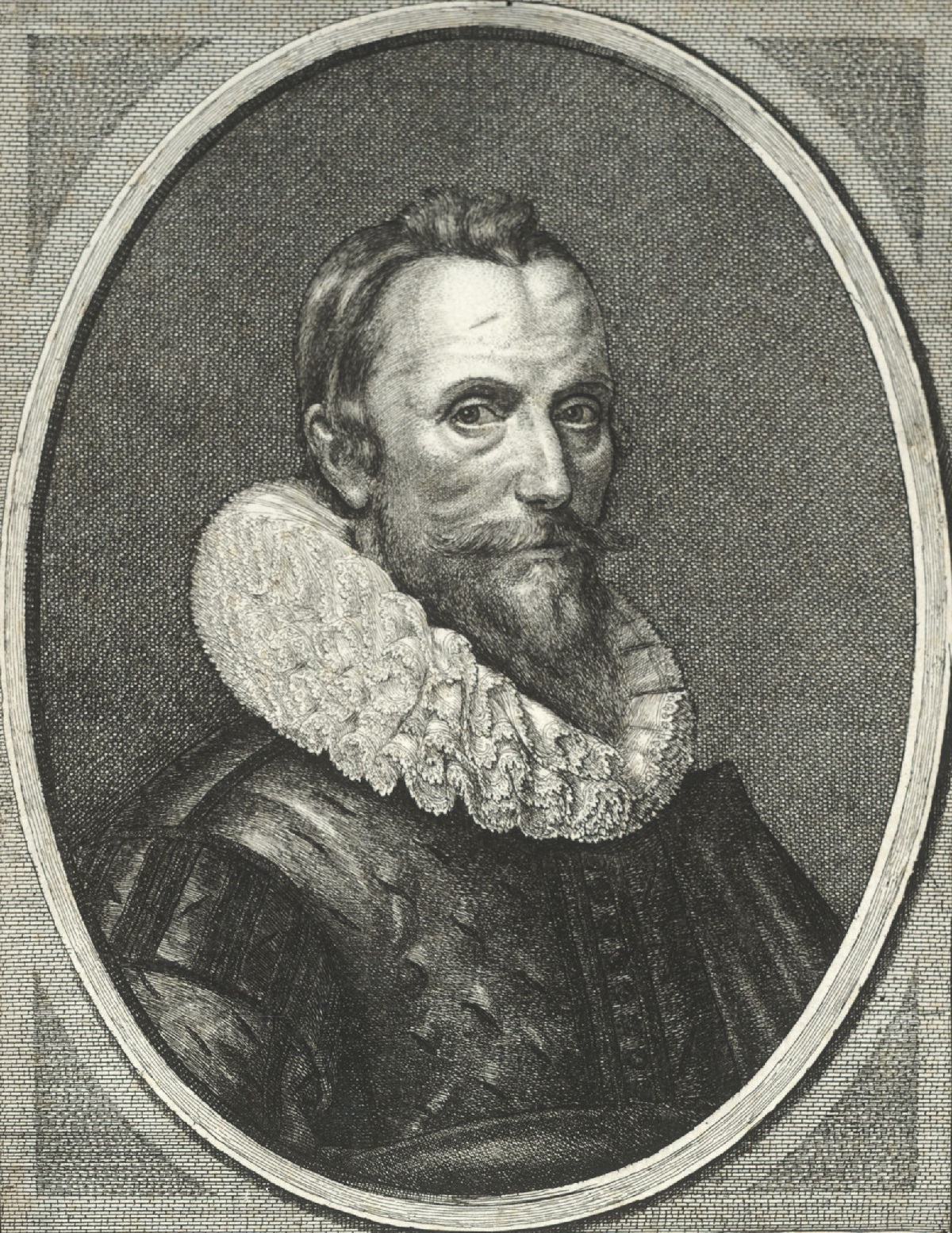
Marcus Gerards the Younger was a Flemish portrait painter of the Renaissance.
Marcus Gerards the Younger was considered one of the most talented portraitists of Britain at the end of the XVI century, was under the patronage of Princess Anne of Denmark (1574-1619), wife of King James I Stuart of England and Scotland. In 1610 he became a court painter, whose work was highly paid. He painted portraits of King James I, Queen Anne and their children.
















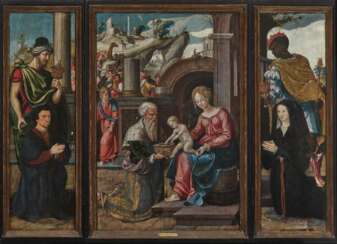

Jan van Scorel was a Dutch painter, who played a leading role in introducing aspects of Italian Renaissance painting into Dutch and Flemish Renaissance painting. He was one of the early painters of the Romanist style who had spent a number of years in Italy, where he thoroughly absorbed the Italian style of painting.
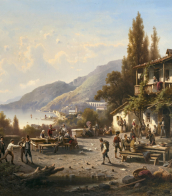
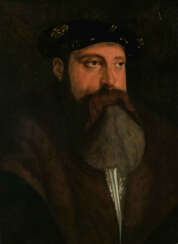

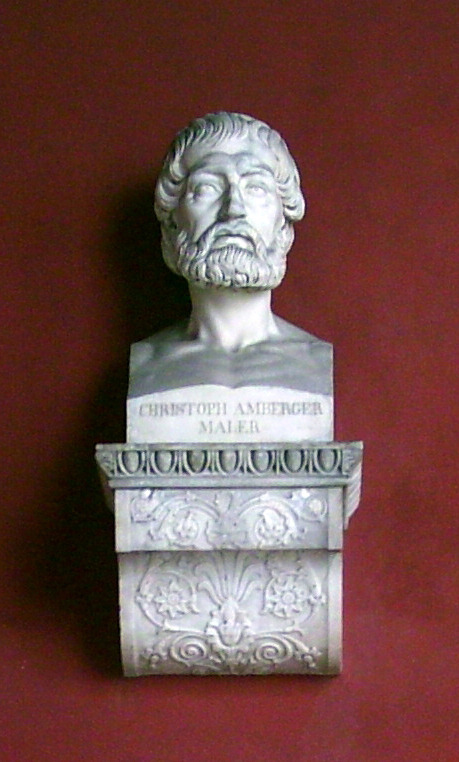
Christoph Amberger was a German painter of the Renaissance. He is known primarily as a portrait painter and is considered one of the most prominent masters of this genre of his generation.
Amberger built his career in the city of Augsburg, which was then considered one of the cultural centers of Europe. He painted numerous portraits of Augsburg patricians and their wives, prominent scholars, and the Holy Roman Emperor Charles V. These works laid the foundation for the artist's success. Amberger also designed the high altar of Augsburg Cathedral.
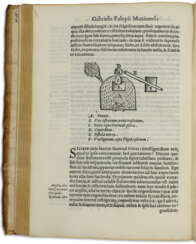

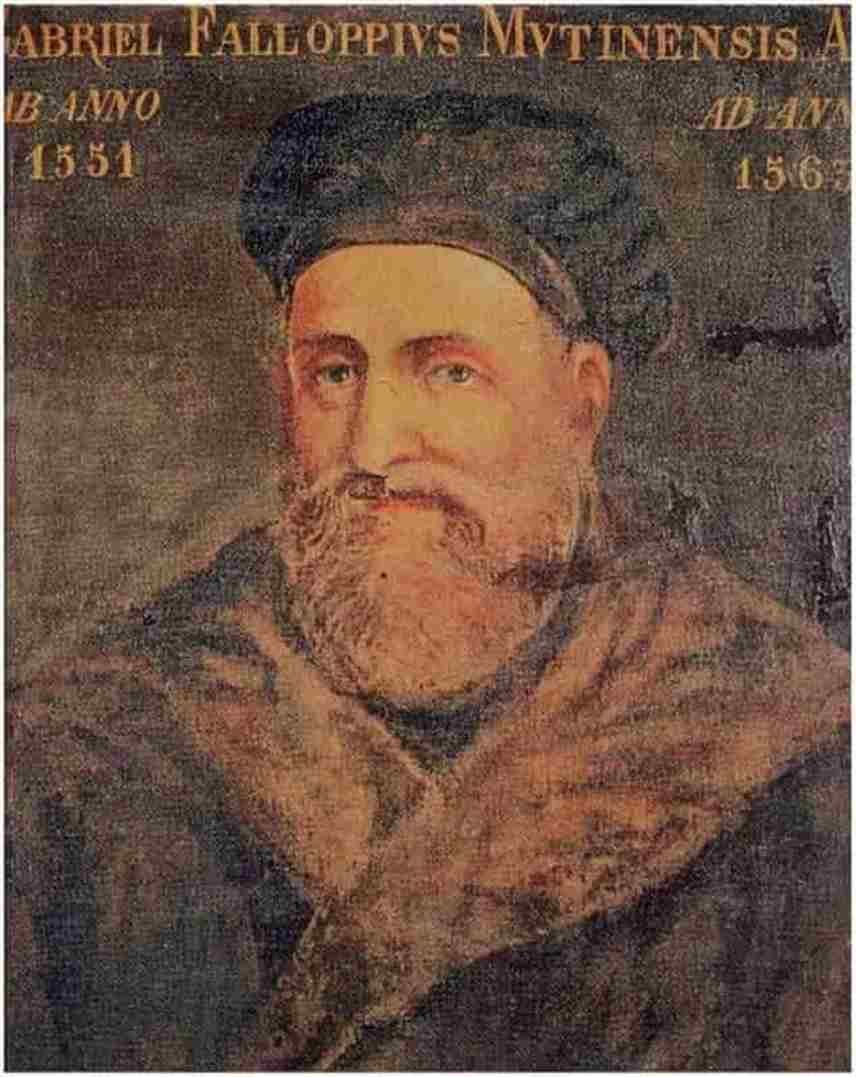
Gabriele Falloppio was an Italian physician and anatomist of the Renaissance.
Originally a priest, Falloppio soon left for Ferrara to study medicine and was later appointed anatomy professor there, and in 1548 he became head of the anatomy department at Pisa. Three years later he accepted the offer of the Venetian Senate to become professor of anatomy, surgery, and botany at Padua, where he remained for the rest of his life. It was in this city that he made his most famous discoveries, was director of the famous botanical garden, and wrote two medical textbooks.
He also gained a reputation as an excellent teacher and lecturer, attracting many Italian and foreign students to the medical faculty of the University of Padua. As a physician, he made a thorough study of the clinical aspects and treatment of syphilis, and proposed the condom as a defense against venereal disease.
Falloppio was a versatile scientist and an able physician and surgeon, describing, among other things, the semicircular canals, the cuneiform sinuses, the trigeminal, auditory and lingual pharyngeal nerves, the canal of the facial nerve, and the fallopian tubes, named Fallopian tubes in his honor. Falloppio described his discoveries in his three-volume work Opera genuina omnia, published in Frankfurt in 1600 and in Venice in 1606.
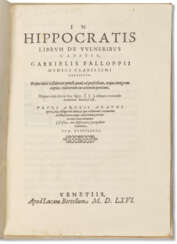

Gabriele Falloppio was an Italian physician and anatomist of the Renaissance.
Originally a priest, Falloppio soon left for Ferrara to study medicine and was later appointed anatomy professor there, and in 1548 he became head of the anatomy department at Pisa. Three years later he accepted the offer of the Venetian Senate to become professor of anatomy, surgery, and botany at Padua, where he remained for the rest of his life. It was in this city that he made his most famous discoveries, was director of the famous botanical garden, and wrote two medical textbooks.
He also gained a reputation as an excellent teacher and lecturer, attracting many Italian and foreign students to the medical faculty of the University of Padua. As a physician, he made a thorough study of the clinical aspects and treatment of syphilis, and proposed the condom as a defense against venereal disease.
Falloppio was a versatile scientist and an able physician and surgeon, describing, among other things, the semicircular canals, the cuneiform sinuses, the trigeminal, auditory and lingual pharyngeal nerves, the canal of the facial nerve, and the fallopian tubes, named Fallopian tubes in his honor. Falloppio described his discoveries in his three-volume work Opera genuina omnia, published in Frankfurt in 1600 and in Venice in 1606.