

1865


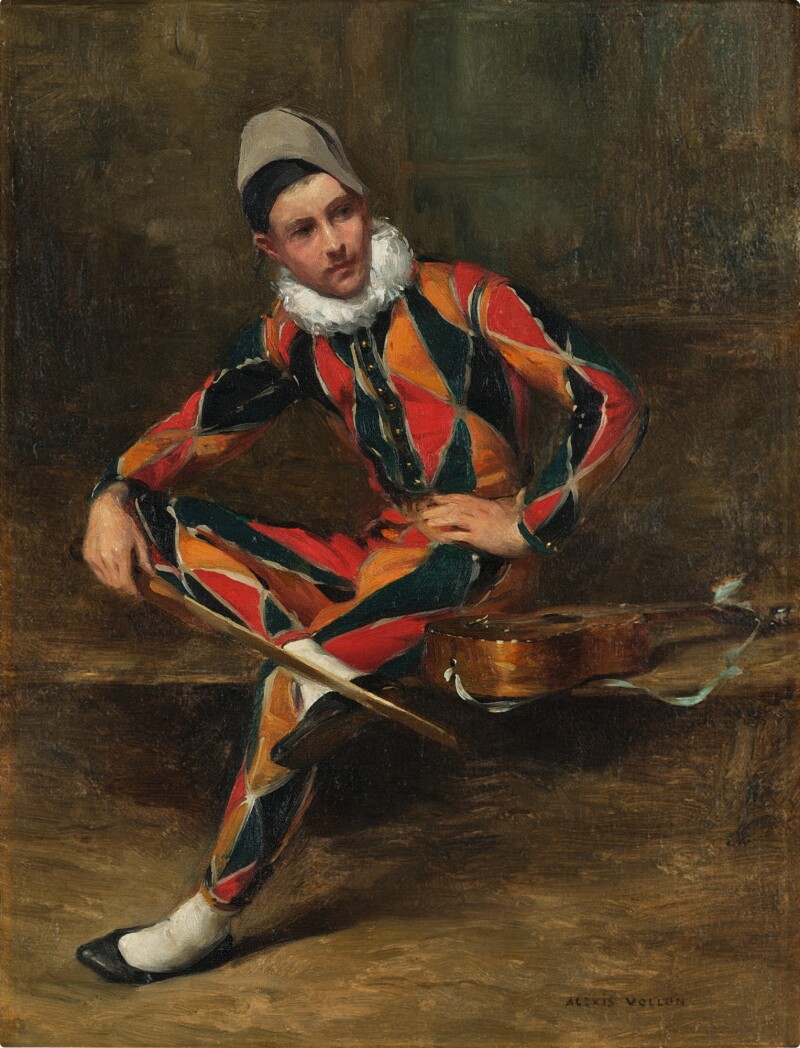
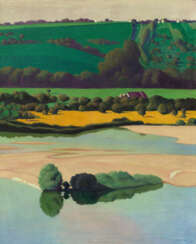

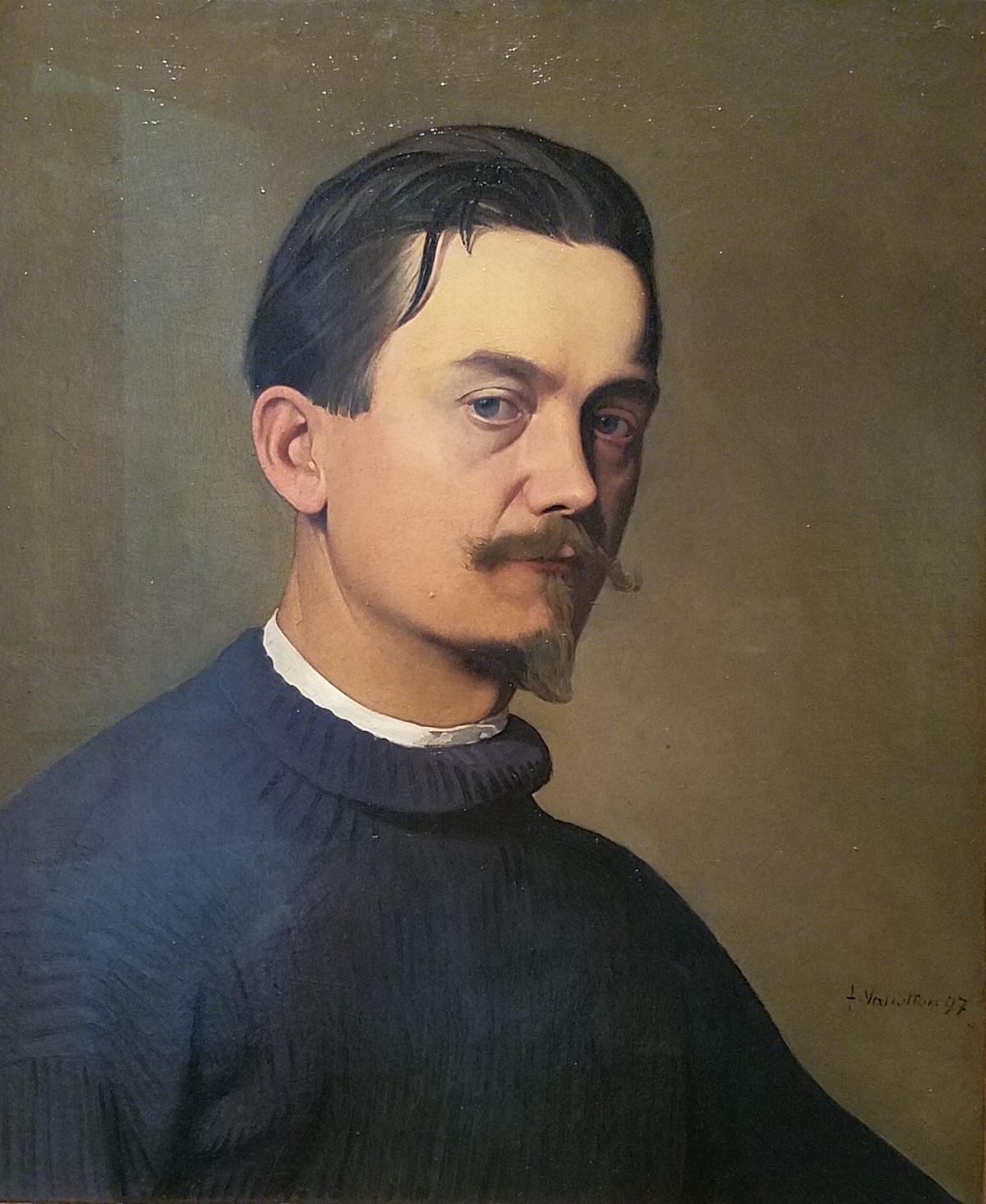
Félix Vallotton, a Swiss-born French graphic artist and painter, is recognized for his distinctive woodcuts and paintings of nudes and interiors. Vallotton's journey into art began in Paris, where he attended the Académie Julian, fostering a unique style that broke from traditional norms. His early works, characterized by extreme realism, were showcased at the Salon des Artistes Français and the Paris Universal Exposition of 1889. This period also marked Vallotton's encounter with Japanese prints, notably those by Hokusai, profoundly influencing his artistic direction.
In 1892, Vallotton joined Les Nabis, a group of avant-garde artists including Pierre Bonnard, Maurice Denis, and Édouard Vuillard, which led to a significant evolution in his style. His paintings from this era, such as "Bathers on a Summer Evening" and "Moonlight," exhibited at the Kunsthaus Zürich and the Musée d'Orsay respectively, reveal a departure from realism towards a more symbolic and abstract representation. The works from this period are characterized by flat areas of color, hard edges, and simplified details, mirroring the style he developed in his woodcuts.
Vallotton's woodcuts, like "Intimités" (Intimacies), a series published in 1898, showcased his mastery in capturing the nuances of human relationships, particularly the tensions between men and women. His graphic art, which included depictions of domestic scenes, bathing women, and street crowds, was not just celebrated in Europe but also influenced artists like Edvard Munch, Aubrey Beardsley, and Ernst Ludwig Kirchner.
Towards the end of his career, Vallotton continued to innovate, combining elements of realism and abstraction, evident in paintings like "La Malade" (The Sick Girl) and "Clair de lune" (Moonlight). His works remain a testament to his ability to merge technical precision with a poignant exploration of human emotions and societal themes.
For art collectors and experts, Vallotton's body of work offers a rich and diverse exploration of early 20th-century art movements, especially his role in the development of modern woodcut techniques and his contribution to the Nabis movement. His works are a study in the fusion of realism and symbolism, marked by a distinctive style that makes his art enduringly relevant and compelling.
For those interested in discovering more about Félix Vallotton and staying updated on related product sales and auction events, signing up for updates is a great opportunity. This subscription will exclusively alert you to new sales and events pertaining to Vallotton's works, ensuring you remain informed in the dynamic world of art and antiques.
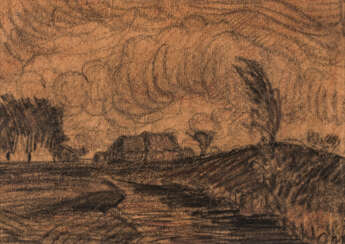

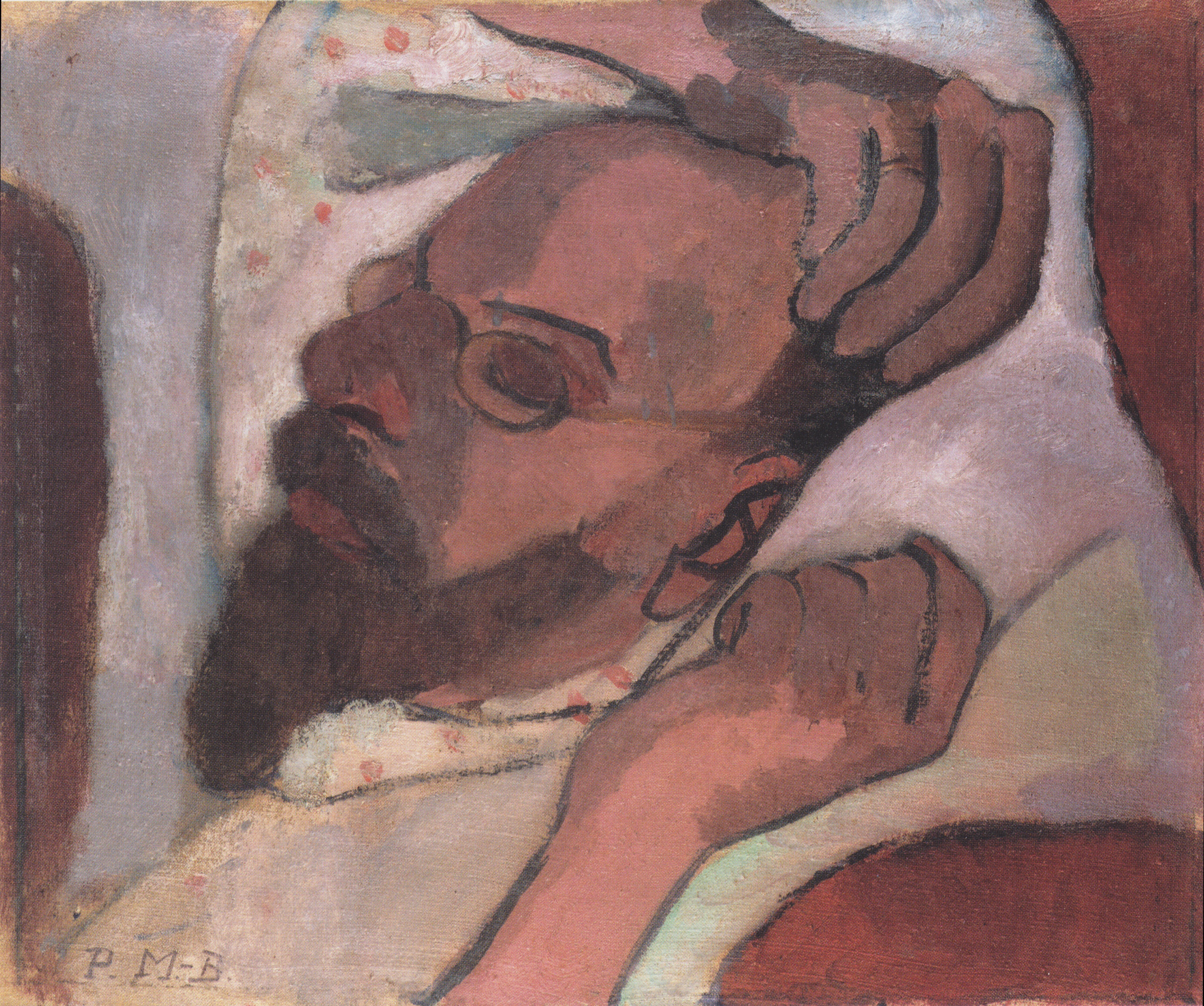
Friedrich Wilhelm Otto Modersohn was a German painter of the late 19th and first half of the 20th centuries. He is known as a landscape painter, a representative of the Barbizon School.
Otto Modersohn produced Barbizonian-style landscapes early in his career, but from about 1890 his style became more expressionist, with an emphasis on his choice of colors. The death of his second wife influenced his style: the colors became darker and the images more stark. Modersohn was one of the founders of the Worpswede artists' colony. A large collection of his works is kept in the Modersohn Museum in Fischerhude, and a street in Berlin is also named after him.
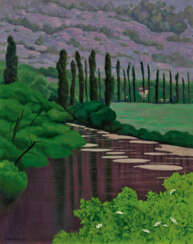

Félix Vallotton, a Swiss-born French graphic artist and painter, is recognized for his distinctive woodcuts and paintings of nudes and interiors. Vallotton's journey into art began in Paris, where he attended the Académie Julian, fostering a unique style that broke from traditional norms. His early works, characterized by extreme realism, were showcased at the Salon des Artistes Français and the Paris Universal Exposition of 1889. This period also marked Vallotton's encounter with Japanese prints, notably those by Hokusai, profoundly influencing his artistic direction.
In 1892, Vallotton joined Les Nabis, a group of avant-garde artists including Pierre Bonnard, Maurice Denis, and Édouard Vuillard, which led to a significant evolution in his style. His paintings from this era, such as "Bathers on a Summer Evening" and "Moonlight," exhibited at the Kunsthaus Zürich and the Musée d'Orsay respectively, reveal a departure from realism towards a more symbolic and abstract representation. The works from this period are characterized by flat areas of color, hard edges, and simplified details, mirroring the style he developed in his woodcuts.
Vallotton's woodcuts, like "Intimités" (Intimacies), a series published in 1898, showcased his mastery in capturing the nuances of human relationships, particularly the tensions between men and women. His graphic art, which included depictions of domestic scenes, bathing women, and street crowds, was not just celebrated in Europe but also influenced artists like Edvard Munch, Aubrey Beardsley, and Ernst Ludwig Kirchner.
Towards the end of his career, Vallotton continued to innovate, combining elements of realism and abstraction, evident in paintings like "La Malade" (The Sick Girl) and "Clair de lune" (Moonlight). His works remain a testament to his ability to merge technical precision with a poignant exploration of human emotions and societal themes.
For art collectors and experts, Vallotton's body of work offers a rich and diverse exploration of early 20th-century art movements, especially his role in the development of modern woodcut techniques and his contribution to the Nabis movement. His works are a study in the fusion of realism and symbolism, marked by a distinctive style that makes his art enduringly relevant and compelling.
For those interested in discovering more about Félix Vallotton and staying updated on related product sales and auction events, signing up for updates is a great opportunity. This subscription will exclusively alert you to new sales and events pertaining to Vallotton's works, ensuring you remain informed in the dynamic world of art and antiques.
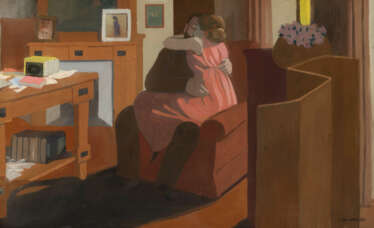

Félix Vallotton, a Swiss-born French graphic artist and painter, is recognized for his distinctive woodcuts and paintings of nudes and interiors. Vallotton's journey into art began in Paris, where he attended the Académie Julian, fostering a unique style that broke from traditional norms. His early works, characterized by extreme realism, were showcased at the Salon des Artistes Français and the Paris Universal Exposition of 1889. This period also marked Vallotton's encounter with Japanese prints, notably those by Hokusai, profoundly influencing his artistic direction.
In 1892, Vallotton joined Les Nabis, a group of avant-garde artists including Pierre Bonnard, Maurice Denis, and Édouard Vuillard, which led to a significant evolution in his style. His paintings from this era, such as "Bathers on a Summer Evening" and "Moonlight," exhibited at the Kunsthaus Zürich and the Musée d'Orsay respectively, reveal a departure from realism towards a more symbolic and abstract representation. The works from this period are characterized by flat areas of color, hard edges, and simplified details, mirroring the style he developed in his woodcuts.
Vallotton's woodcuts, like "Intimités" (Intimacies), a series published in 1898, showcased his mastery in capturing the nuances of human relationships, particularly the tensions between men and women. His graphic art, which included depictions of domestic scenes, bathing women, and street crowds, was not just celebrated in Europe but also influenced artists like Edvard Munch, Aubrey Beardsley, and Ernst Ludwig Kirchner.
Towards the end of his career, Vallotton continued to innovate, combining elements of realism and abstraction, evident in paintings like "La Malade" (The Sick Girl) and "Clair de lune" (Moonlight). His works remain a testament to his ability to merge technical precision with a poignant exploration of human emotions and societal themes.
For art collectors and experts, Vallotton's body of work offers a rich and diverse exploration of early 20th-century art movements, especially his role in the development of modern woodcut techniques and his contribution to the Nabis movement. His works are a study in the fusion of realism and symbolism, marked by a distinctive style that makes his art enduringly relevant and compelling.
For those interested in discovering more about Félix Vallotton and staying updated on related product sales and auction events, signing up for updates is a great opportunity. This subscription will exclusively alert you to new sales and events pertaining to Vallotton's works, ensuring you remain informed in the dynamic world of art and antiques.
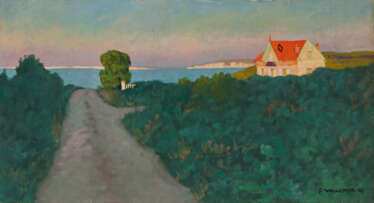

Félix Vallotton, a Swiss-born French graphic artist and painter, is recognized for his distinctive woodcuts and paintings of nudes and interiors. Vallotton's journey into art began in Paris, where he attended the Académie Julian, fostering a unique style that broke from traditional norms. His early works, characterized by extreme realism, were showcased at the Salon des Artistes Français and the Paris Universal Exposition of 1889. This period also marked Vallotton's encounter with Japanese prints, notably those by Hokusai, profoundly influencing his artistic direction.
In 1892, Vallotton joined Les Nabis, a group of avant-garde artists including Pierre Bonnard, Maurice Denis, and Édouard Vuillard, which led to a significant evolution in his style. His paintings from this era, such as "Bathers on a Summer Evening" and "Moonlight," exhibited at the Kunsthaus Zürich and the Musée d'Orsay respectively, reveal a departure from realism towards a more symbolic and abstract representation. The works from this period are characterized by flat areas of color, hard edges, and simplified details, mirroring the style he developed in his woodcuts.
Vallotton's woodcuts, like "Intimités" (Intimacies), a series published in 1898, showcased his mastery in capturing the nuances of human relationships, particularly the tensions between men and women. His graphic art, which included depictions of domestic scenes, bathing women, and street crowds, was not just celebrated in Europe but also influenced artists like Edvard Munch, Aubrey Beardsley, and Ernst Ludwig Kirchner.
Towards the end of his career, Vallotton continued to innovate, combining elements of realism and abstraction, evident in paintings like "La Malade" (The Sick Girl) and "Clair de lune" (Moonlight). His works remain a testament to his ability to merge technical precision with a poignant exploration of human emotions and societal themes.
For art collectors and experts, Vallotton's body of work offers a rich and diverse exploration of early 20th-century art movements, especially his role in the development of modern woodcut techniques and his contribution to the Nabis movement. His works are a study in the fusion of realism and symbolism, marked by a distinctive style that makes his art enduringly relevant and compelling.
For those interested in discovering more about Félix Vallotton and staying updated on related product sales and auction events, signing up for updates is a great opportunity. This subscription will exclusively alert you to new sales and events pertaining to Vallotton's works, ensuring you remain informed in the dynamic world of art and antiques.
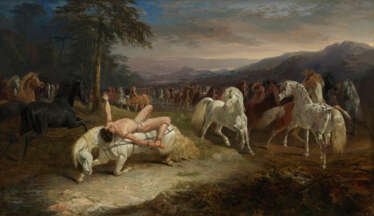

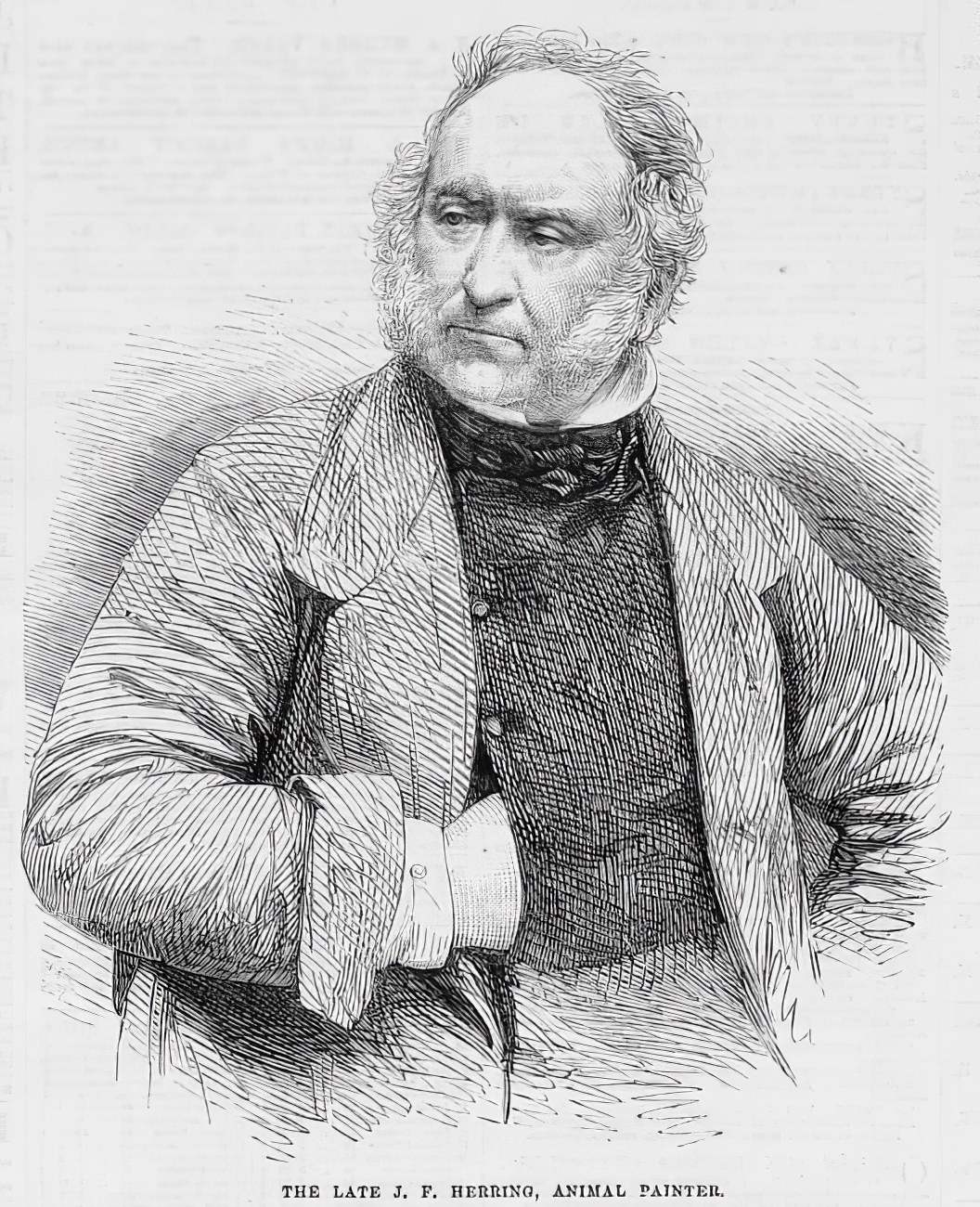
John Frederick Herring the Elder was a British painter of Victorian England.
John had a passion for horses and painting from a young age. In his spare time from his day job as a sign painter and coachman, Herring painted horses for innkeepers and customers. Developing his talent, John specialized in drawing animals and loved to depict sporting events with horses. His impressive and vivid depictions of racehorses, cows and ducks as well as picturesque hunting scenes caught the eye of Queen Victoria. In 1845 Herring was appointed animal painter to Her Royal Highness the Duchess of Kent, followed by a commission from the reigning Queen Victoria, who remained a patron for the rest of his life.
A highly successful and prolific artist, Herring is considered one of the most important animal painters of mid-19th century Europe. He exhibited at the Royal Academy, the British Institution, and the Society of British Artists, where Herring became vice-president in 1842. Three of his sons also became artists.
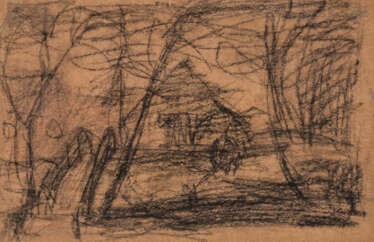

Friedrich Wilhelm Otto Modersohn was a German painter of the late 19th and first half of the 20th centuries. He is known as a landscape painter, a representative of the Barbizon School.
Otto Modersohn produced Barbizonian-style landscapes early in his career, but from about 1890 his style became more expressionist, with an emphasis on his choice of colors. The death of his second wife influenced his style: the colors became darker and the images more stark. Modersohn was one of the founders of the Worpswede artists' colony. A large collection of his works is kept in the Modersohn Museum in Fischerhude, and a street in Berlin is also named after him.


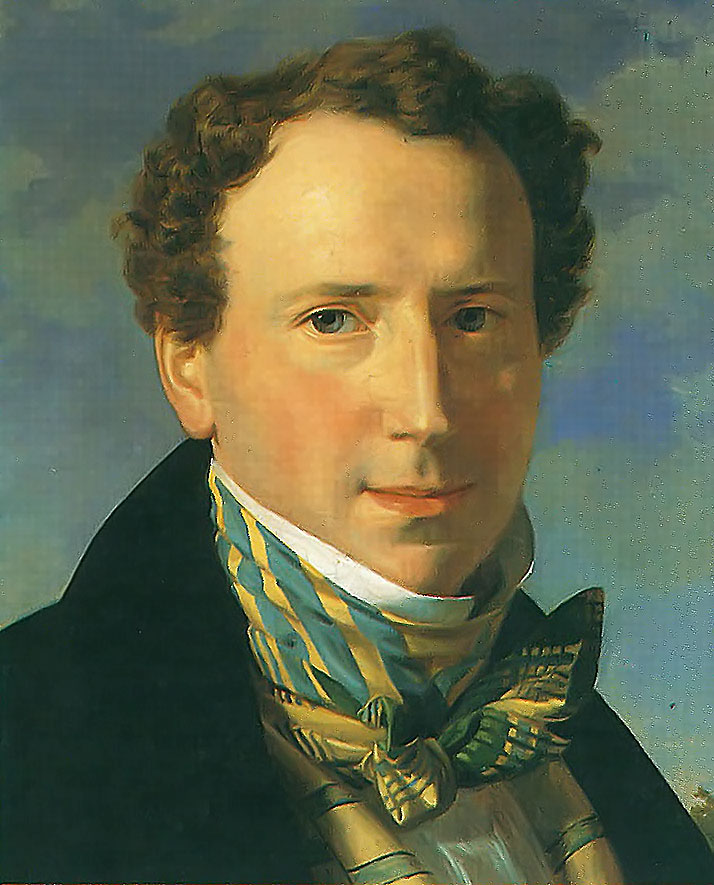
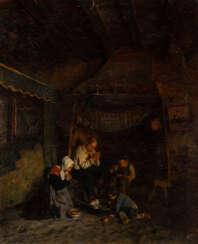
Ferdinand Georg Waldmüller was an Austrian painter and writer. Waldmüller was one of the most important Austrian painters of the Biedermeier period.


.jpg)
Charles Fortin was a French painter, son of the sculptor Augustin Felix Fortin.
Charles Fortin studied painting with Joseph Beaume and Camille Rocplan. From 1835 to 1865 he exhibited regularly at the Paris Salon. He was awarded the Knight's Cross of the Legion of Honour.


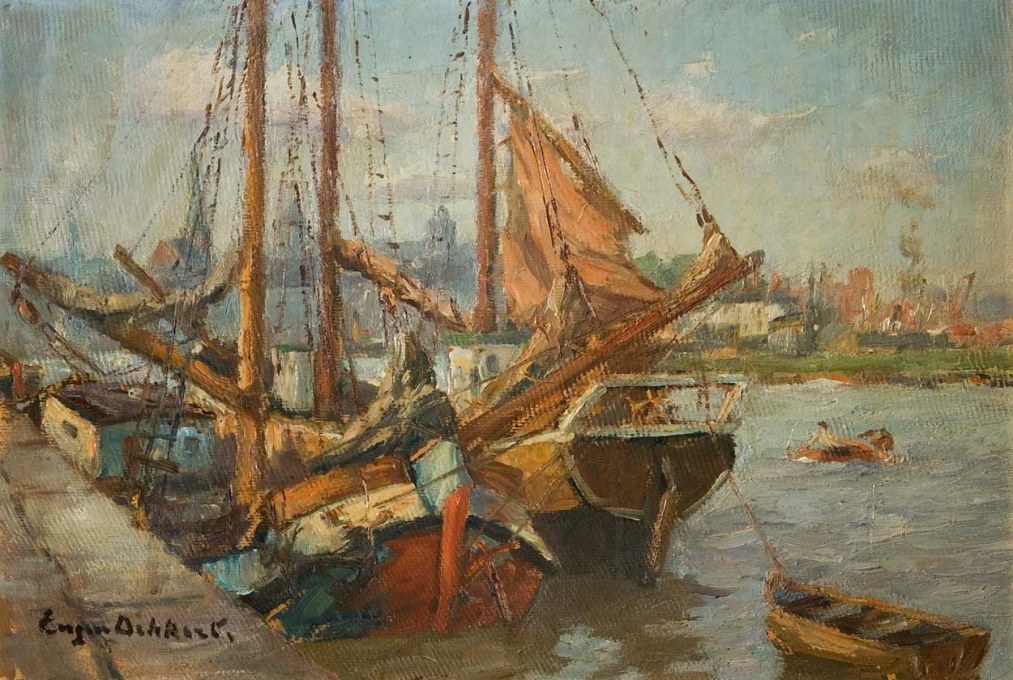

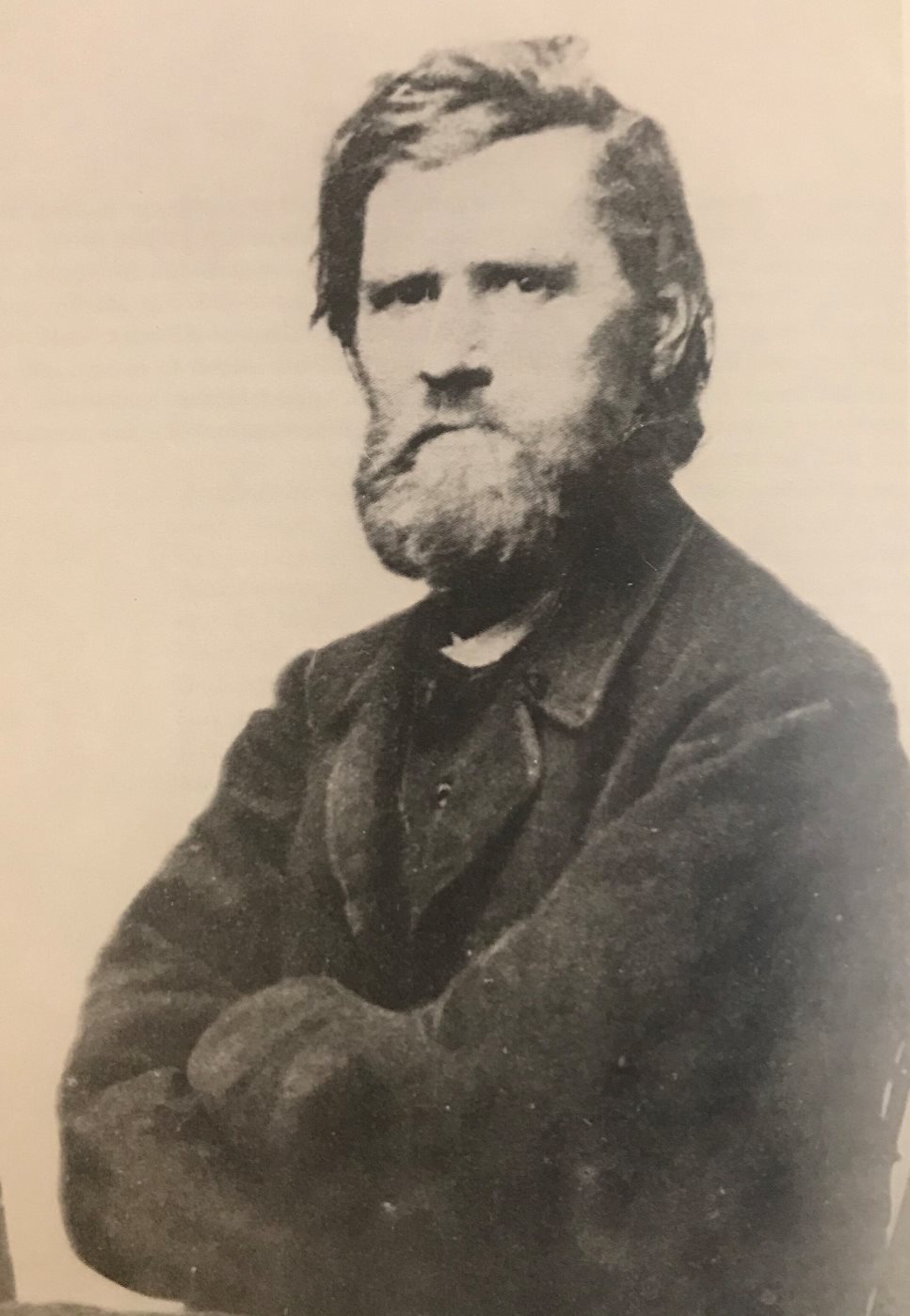
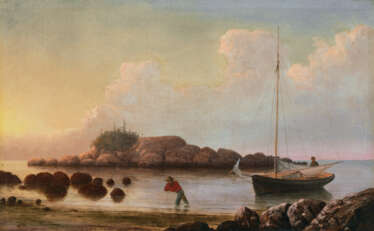

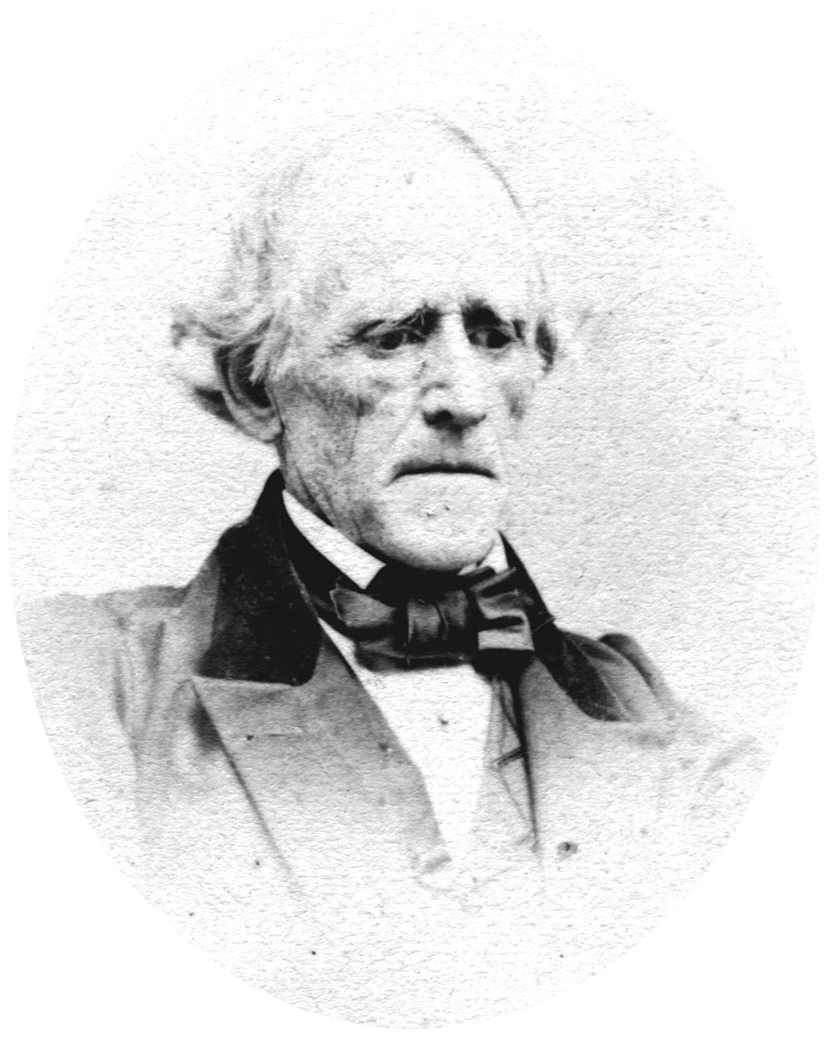
Fitz Henry Lane (born Nathaniel Rogers Lane) was an American painter and printmaker of a style that would later be called Luminism, for its use of pervasive light.
A contemporary of the Hudson River School, he enjoyed a reputation as America's premier painter of marine subjects during his lifetime, but fell into obscurity soon after his death with the rise of French Impressionism. Lane's work would be rediscovered in the 1930s by the art collector Maxim Karolik, after which his art steadily grew in popularity among private collectors and public institutions. His work can now command at auction prices ranging as high as three to five million dollars.
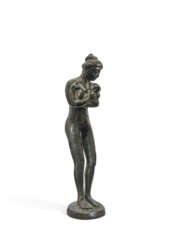

Félix Vallotton, a Swiss-born French graphic artist and painter, is recognized for his distinctive woodcuts and paintings of nudes and interiors. Vallotton's journey into art began in Paris, where he attended the Académie Julian, fostering a unique style that broke from traditional norms. His early works, characterized by extreme realism, were showcased at the Salon des Artistes Français and the Paris Universal Exposition of 1889. This period also marked Vallotton's encounter with Japanese prints, notably those by Hokusai, profoundly influencing his artistic direction.
In 1892, Vallotton joined Les Nabis, a group of avant-garde artists including Pierre Bonnard, Maurice Denis, and Édouard Vuillard, which led to a significant evolution in his style. His paintings from this era, such as "Bathers on a Summer Evening" and "Moonlight," exhibited at the Kunsthaus Zürich and the Musée d'Orsay respectively, reveal a departure from realism towards a more symbolic and abstract representation. The works from this period are characterized by flat areas of color, hard edges, and simplified details, mirroring the style he developed in his woodcuts.
Vallotton's woodcuts, like "Intimités" (Intimacies), a series published in 1898, showcased his mastery in capturing the nuances of human relationships, particularly the tensions between men and women. His graphic art, which included depictions of domestic scenes, bathing women, and street crowds, was not just celebrated in Europe but also influenced artists like Edvard Munch, Aubrey Beardsley, and Ernst Ludwig Kirchner.
Towards the end of his career, Vallotton continued to innovate, combining elements of realism and abstraction, evident in paintings like "La Malade" (The Sick Girl) and "Clair de lune" (Moonlight). His works remain a testament to his ability to merge technical precision with a poignant exploration of human emotions and societal themes.
For art collectors and experts, Vallotton's body of work offers a rich and diverse exploration of early 20th-century art movements, especially his role in the development of modern woodcut techniques and his contribution to the Nabis movement. His works are a study in the fusion of realism and symbolism, marked by a distinctive style that makes his art enduringly relevant and compelling.
For those interested in discovering more about Félix Vallotton and staying updated on related product sales and auction events, signing up for updates is a great opportunity. This subscription will exclusively alert you to new sales and events pertaining to Vallotton's works, ensuring you remain informed in the dynamic world of art and antiques.
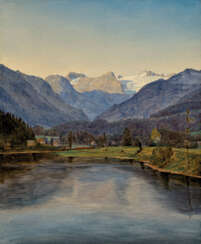

Ferdinand Georg Waldmüller was an Austrian painter and writer. Waldmüller was one of the most important Austrian painters of the Biedermeier period.




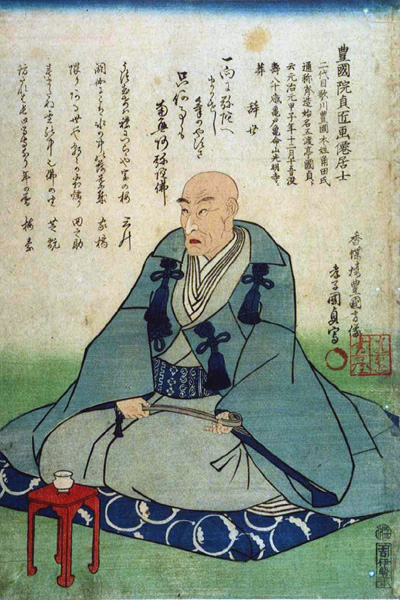
Utagawa Kunisada (Jap. 歌川 国貞, also known as Utagawa Toyokuni III (Jap. 三代歌川豊国)) is the largest Japanese artist and master of color graphics (woodcuts) of the Edo period.
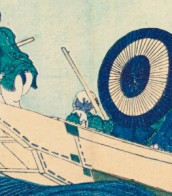
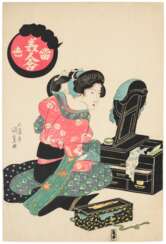

Utagawa Kunisada (Jap. 歌川 国貞, also known as Utagawa Toyokuni III (Jap. 三代歌川豊国)) is the largest Japanese artist and master of color graphics (woodcuts) of the Edo period.


Félix Vallotton, a Swiss-born French graphic artist and painter, is recognized for his distinctive woodcuts and paintings of nudes and interiors. Vallotton's journey into art began in Paris, where he attended the Académie Julian, fostering a unique style that broke from traditional norms. His early works, characterized by extreme realism, were showcased at the Salon des Artistes Français and the Paris Universal Exposition of 1889. This period also marked Vallotton's encounter with Japanese prints, notably those by Hokusai, profoundly influencing his artistic direction.
In 1892, Vallotton joined Les Nabis, a group of avant-garde artists including Pierre Bonnard, Maurice Denis, and Édouard Vuillard, which led to a significant evolution in his style. His paintings from this era, such as "Bathers on a Summer Evening" and "Moonlight," exhibited at the Kunsthaus Zürich and the Musée d'Orsay respectively, reveal a departure from realism towards a more symbolic and abstract representation. The works from this period are characterized by flat areas of color, hard edges, and simplified details, mirroring the style he developed in his woodcuts.
Vallotton's woodcuts, like "Intimités" (Intimacies), a series published in 1898, showcased his mastery in capturing the nuances of human relationships, particularly the tensions between men and women. His graphic art, which included depictions of domestic scenes, bathing women, and street crowds, was not just celebrated in Europe but also influenced artists like Edvard Munch, Aubrey Beardsley, and Ernst Ludwig Kirchner.
Towards the end of his career, Vallotton continued to innovate, combining elements of realism and abstraction, evident in paintings like "La Malade" (The Sick Girl) and "Clair de lune" (Moonlight). His works remain a testament to his ability to merge technical precision with a poignant exploration of human emotions and societal themes.
For art collectors and experts, Vallotton's body of work offers a rich and diverse exploration of early 20th-century art movements, especially his role in the development of modern woodcut techniques and his contribution to the Nabis movement. His works are a study in the fusion of realism and symbolism, marked by a distinctive style that makes his art enduringly relevant and compelling.
For those interested in discovering more about Félix Vallotton and staying updated on related product sales and auction events, signing up for updates is a great opportunity. This subscription will exclusively alert you to new sales and events pertaining to Vallotton's works, ensuring you remain informed in the dynamic world of art and antiques.
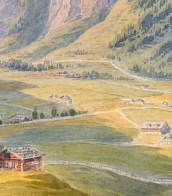


Félix Vallotton, a Swiss-born French graphic artist and painter, is recognized for his distinctive woodcuts and paintings of nudes and interiors. Vallotton's journey into art began in Paris, where he attended the Académie Julian, fostering a unique style that broke from traditional norms. His early works, characterized by extreme realism, were showcased at the Salon des Artistes Français and the Paris Universal Exposition of 1889. This period also marked Vallotton's encounter with Japanese prints, notably those by Hokusai, profoundly influencing his artistic direction.
In 1892, Vallotton joined Les Nabis, a group of avant-garde artists including Pierre Bonnard, Maurice Denis, and Édouard Vuillard, which led to a significant evolution in his style. His paintings from this era, such as "Bathers on a Summer Evening" and "Moonlight," exhibited at the Kunsthaus Zürich and the Musée d'Orsay respectively, reveal a departure from realism towards a more symbolic and abstract representation. The works from this period are characterized by flat areas of color, hard edges, and simplified details, mirroring the style he developed in his woodcuts.
Vallotton's woodcuts, like "Intimités" (Intimacies), a series published in 1898, showcased his mastery in capturing the nuances of human relationships, particularly the tensions between men and women. His graphic art, which included depictions of domestic scenes, bathing women, and street crowds, was not just celebrated in Europe but also influenced artists like Edvard Munch, Aubrey Beardsley, and Ernst Ludwig Kirchner.
Towards the end of his career, Vallotton continued to innovate, combining elements of realism and abstraction, evident in paintings like "La Malade" (The Sick Girl) and "Clair de lune" (Moonlight). His works remain a testament to his ability to merge technical precision with a poignant exploration of human emotions and societal themes.
For art collectors and experts, Vallotton's body of work offers a rich and diverse exploration of early 20th-century art movements, especially his role in the development of modern woodcut techniques and his contribution to the Nabis movement. His works are a study in the fusion of realism and symbolism, marked by a distinctive style that makes his art enduringly relevant and compelling.
For those interested in discovering more about Félix Vallotton and staying updated on related product sales and auction events, signing up for updates is a great opportunity. This subscription will exclusively alert you to new sales and events pertaining to Vallotton's works, ensuring you remain informed in the dynamic world of art and antiques.
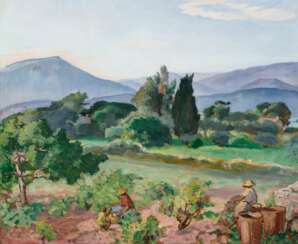

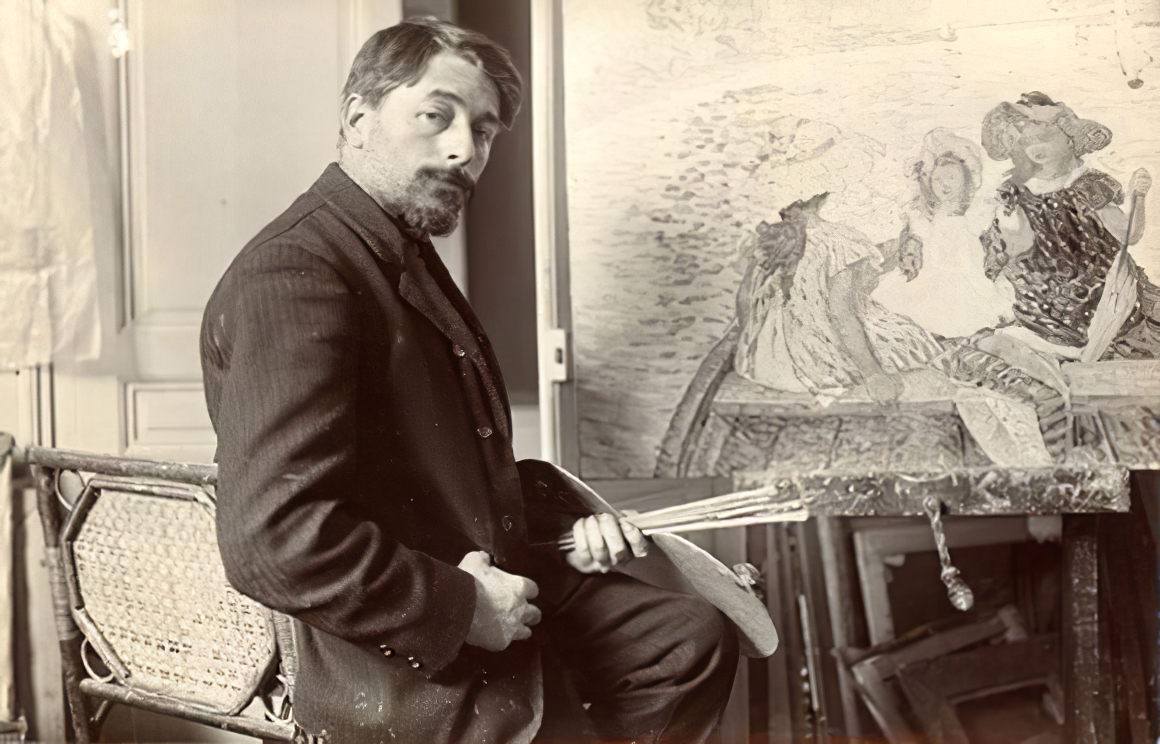
Henri Lebasque was a renowned French post-impressionist painter, celebrated for his vibrant use of color and light, earning him the nickname "the painter of joy and light." Henri Lebasque's artistic journey began at the École régionale des beaux-arts d'Angers, eventually leading him to Paris to study under Léon Bonnat. His interactions with prominent artists like Camille Pissarro, Auguste Renoir, Édouard Vuillard, and Pierre Bonnard deeply influenced his style, particularly his understanding of color theory from Georges Seurat and Paul Signac.
Henri Lebasque was a pivotal figure in the Salon d'Automne, co-founding it in 1903 alongside Henri Matisse. His art evolved significantly after moving to the South of France, where the luminous landscape inspired a transformation in his color palette. His works, which include landscapes, nudes, and domestic scenes, are distinguished by their light-filled and tender representations, capturing the essence of his surroundings.
Henri Lebasque's paintings are held in prestigious museums such as the Musée d'Orsay in Paris and the Museum of Fine Arts of Nancy. His piece "Sous la lampe" from 1904 is an example of his work featured in a museum collection.
For those intrigued by Henri Lebasque's art and wishing to explore more about his contributions to post-impressionism, consider signing up for updates. This subscription will keep you informed about new product sales and auction events related to Lebasque's works, ensuring you stay connected to the vibrant world of art and antiques.
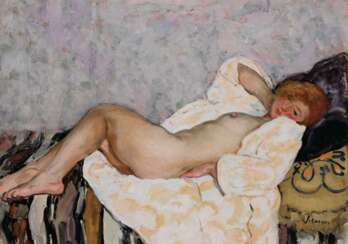

Henri Lebasque was a renowned French post-impressionist painter, celebrated for his vibrant use of color and light, earning him the nickname "the painter of joy and light." Henri Lebasque's artistic journey began at the École régionale des beaux-arts d'Angers, eventually leading him to Paris to study under Léon Bonnat. His interactions with prominent artists like Camille Pissarro, Auguste Renoir, Édouard Vuillard, and Pierre Bonnard deeply influenced his style, particularly his understanding of color theory from Georges Seurat and Paul Signac.
Henri Lebasque was a pivotal figure in the Salon d'Automne, co-founding it in 1903 alongside Henri Matisse. His art evolved significantly after moving to the South of France, where the luminous landscape inspired a transformation in his color palette. His works, which include landscapes, nudes, and domestic scenes, are distinguished by their light-filled and tender representations, capturing the essence of his surroundings.
Henri Lebasque's paintings are held in prestigious museums such as the Musée d'Orsay in Paris and the Museum of Fine Arts of Nancy. His piece "Sous la lampe" from 1904 is an example of his work featured in a museum collection.
For those intrigued by Henri Lebasque's art and wishing to explore more about his contributions to post-impressionism, consider signing up for updates. This subscription will keep you informed about new product sales and auction events related to Lebasque's works, ensuring you stay connected to the vibrant world of art and antiques.
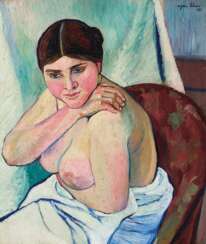

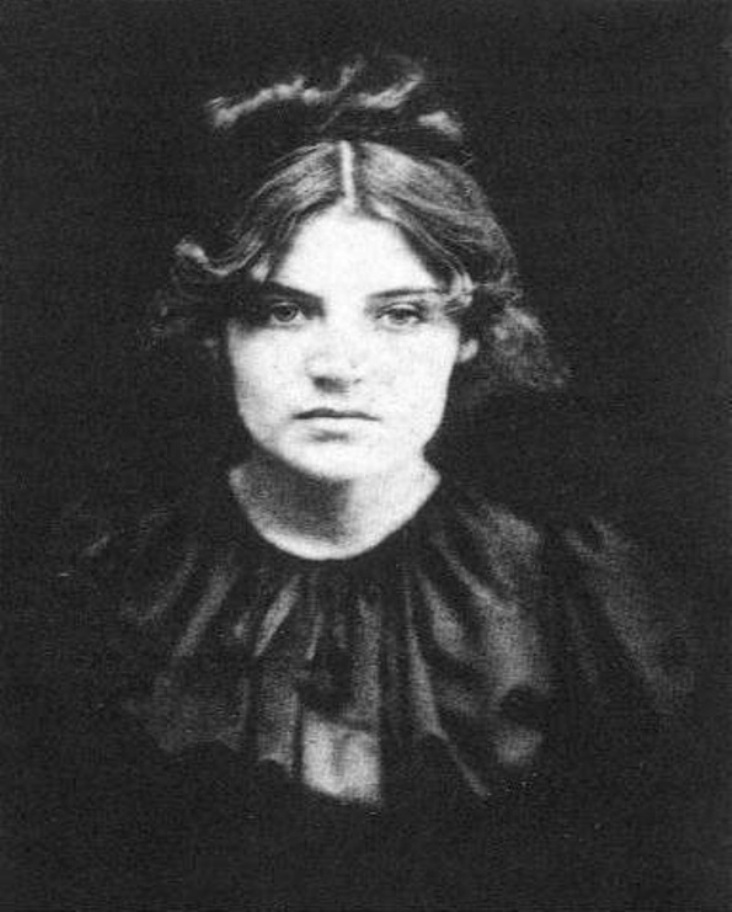
Suzanne Valadon was a trailblazing French artist, celebrated for her profound impact on the art world through her paintings, which vividly captured the essence of her subjects with bold colors and strong compositions. Born in 1865 in Bessines-sur-Gartempe, France, Valadon's journey from an artist's model to a respected painter is a testament to her relentless determination and unique talent. Her early years in Montmartre, the bohemian heart of Paris, shaped her rebellious spirit and artistic sensibility, leading her to mingle with and model for prominent artists like Edgar Degas and Pierre-Auguste Renoir. These experiences, alongside her unique perspective as a woman in a male-dominated field, infused her work with a distinct sense of authenticity and emotional depth.
Valadon's art is notable for its candid depictions of female nudes, a bold departure from the idealized representations prevalent at the time. Her works are celebrated for challenging societal norms and offering a raw, unfiltered portrayal of women's lives and bodies. One of her most significant contributions to art is her mastery of color and form, which drew comparisons to the works of Matisse and Gauguin, yet with a distinctive style that was all her own. Her painting "The Blue Room" is particularly renowned, housed in the Musée National d'Art Moderne, Centre Georges Pompidou in Paris, showcasing her ability to capture the essence of the female form and the changing social norms of her time.
Valadon's legacy extends beyond her individual achievements, inspiring future generations of female artists to explore themes of identity and femininity with honesty and courage. Through her pioneering spirit and exceptional talent, Suzanne Valadon remains a seminal figure in art history, celebrated for her contributions to the post-impressionist and modern art movements.
For collectors and experts in art and antiques, Valadon's work offers a compelling insight into the evolution of female representation in art and the enduring power of authenticity in creative expression. Her paintings not only adorn the walls of prestigious museums but also continue to influence and inspire discussions about gender, identity, and artistic innovation.
We invite those with a keen interest in the rich tapestry of art history to sign up for updates on new product sales and auction events related to Suzanne Valadon. This subscription promises to be a window to acquiring pieces that celebrate the legacy of an artist who defied conventions and paved the way for future generations of women in art.
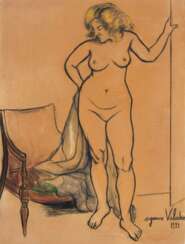

Suzanne Valadon was a trailblazing French artist, celebrated for her profound impact on the art world through her paintings, which vividly captured the essence of her subjects with bold colors and strong compositions. Born in 1865 in Bessines-sur-Gartempe, France, Valadon's journey from an artist's model to a respected painter is a testament to her relentless determination and unique talent. Her early years in Montmartre, the bohemian heart of Paris, shaped her rebellious spirit and artistic sensibility, leading her to mingle with and model for prominent artists like Edgar Degas and Pierre-Auguste Renoir. These experiences, alongside her unique perspective as a woman in a male-dominated field, infused her work with a distinct sense of authenticity and emotional depth.
Valadon's art is notable for its candid depictions of female nudes, a bold departure from the idealized representations prevalent at the time. Her works are celebrated for challenging societal norms and offering a raw, unfiltered portrayal of women's lives and bodies. One of her most significant contributions to art is her mastery of color and form, which drew comparisons to the works of Matisse and Gauguin, yet with a distinctive style that was all her own. Her painting "The Blue Room" is particularly renowned, housed in the Musée National d'Art Moderne, Centre Georges Pompidou in Paris, showcasing her ability to capture the essence of the female form and the changing social norms of her time.
Valadon's legacy extends beyond her individual achievements, inspiring future generations of female artists to explore themes of identity and femininity with honesty and courage. Through her pioneering spirit and exceptional talent, Suzanne Valadon remains a seminal figure in art history, celebrated for her contributions to the post-impressionist and modern art movements.
For collectors and experts in art and antiques, Valadon's work offers a compelling insight into the evolution of female representation in art and the enduring power of authenticity in creative expression. Her paintings not only adorn the walls of prestigious museums but also continue to influence and inspire discussions about gender, identity, and artistic innovation.
We invite those with a keen interest in the rich tapestry of art history to sign up for updates on new product sales and auction events related to Suzanne Valadon. This subscription promises to be a window to acquiring pieces that celebrate the legacy of an artist who defied conventions and paved the way for future generations of women in art.
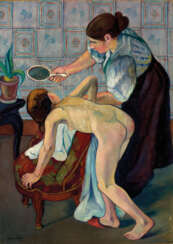

Suzanne Valadon was a trailblazing French artist, celebrated for her profound impact on the art world through her paintings, which vividly captured the essence of her subjects with bold colors and strong compositions. Born in 1865 in Bessines-sur-Gartempe, France, Valadon's journey from an artist's model to a respected painter is a testament to her relentless determination and unique talent. Her early years in Montmartre, the bohemian heart of Paris, shaped her rebellious spirit and artistic sensibility, leading her to mingle with and model for prominent artists like Edgar Degas and Pierre-Auguste Renoir. These experiences, alongside her unique perspective as a woman in a male-dominated field, infused her work with a distinct sense of authenticity and emotional depth.
Valadon's art is notable for its candid depictions of female nudes, a bold departure from the idealized representations prevalent at the time. Her works are celebrated for challenging societal norms and offering a raw, unfiltered portrayal of women's lives and bodies. One of her most significant contributions to art is her mastery of color and form, which drew comparisons to the works of Matisse and Gauguin, yet with a distinctive style that was all her own. Her painting "The Blue Room" is particularly renowned, housed in the Musée National d'Art Moderne, Centre Georges Pompidou in Paris, showcasing her ability to capture the essence of the female form and the changing social norms of her time.
Valadon's legacy extends beyond her individual achievements, inspiring future generations of female artists to explore themes of identity and femininity with honesty and courage. Through her pioneering spirit and exceptional talent, Suzanne Valadon remains a seminal figure in art history, celebrated for her contributions to the post-impressionist and modern art movements.
For collectors and experts in art and antiques, Valadon's work offers a compelling insight into the evolution of female representation in art and the enduring power of authenticity in creative expression. Her paintings not only adorn the walls of prestigious museums but also continue to influence and inspire discussions about gender, identity, and artistic innovation.
We invite those with a keen interest in the rich tapestry of art history to sign up for updates on new product sales and auction events related to Suzanne Valadon. This subscription promises to be a window to acquiring pieces that celebrate the legacy of an artist who defied conventions and paved the way for future generations of women in art.
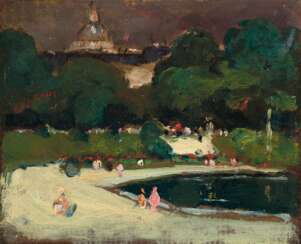

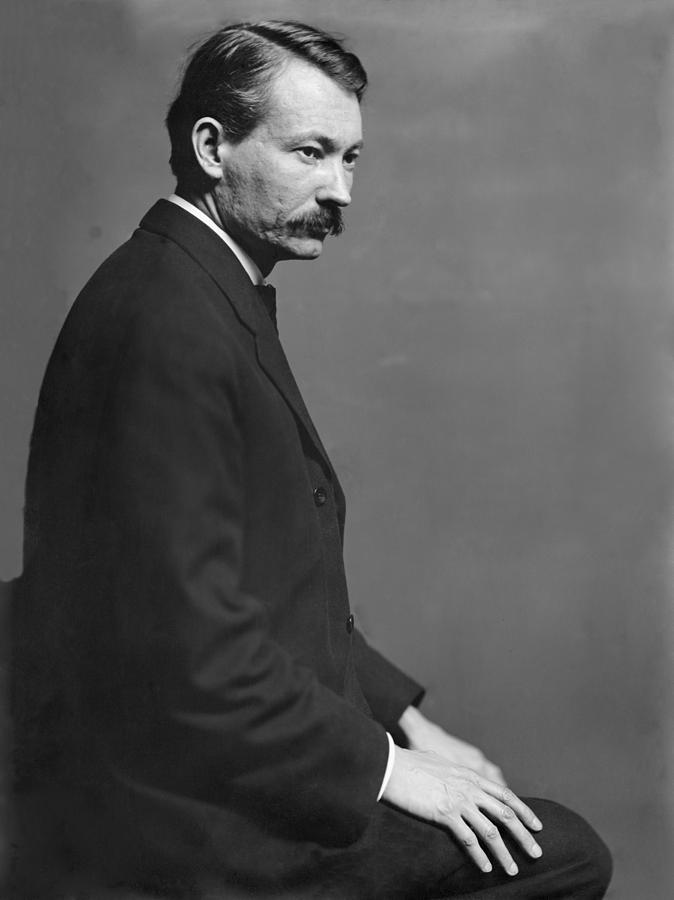
Robert Henri was an influential American painter and teacher, born on June 25, 1865, in Cincinnati, Ohio. He played a pivotal role in the Ashcan School, a movement that sought to depict urban life in a realistic manner. Henri's work was known for its vibrant brushwork and focus on everyday subjects.
Henri's early career was marked by a strong influence from European modernist styles, which he encountered during his studies in Paris at the Académie Julian. Despite his classical training, he later rebelled against the rigid conventions of academic art in America. This rebellion was epitomized in 1908 when he organized an exhibition for The Eight, a group of like-minded artists, which showcased their more realistic and expressive urban scenes.
Throughout his career, Henri also dedicated himself to teaching, influencing a generation of artists, including Edward Hopper and George Bellows. He encouraged his students to portray real life and to express their individual perspectives through art. Henri's teaching and artistic philosophies left a lasting impact on American art, bridging the gap between traditional techniques and modernist experiments.
To stay updated on exhibitions, sales, and auction events featuring the captivating works of Robert Henri, sign up for our newsletter. This service offers exclusive insights and opportunities for collectors and art enthusiasts to engage deeply with Henri's legacy. Don't miss out on the chance to explore more about this pivotal figure in American realism.


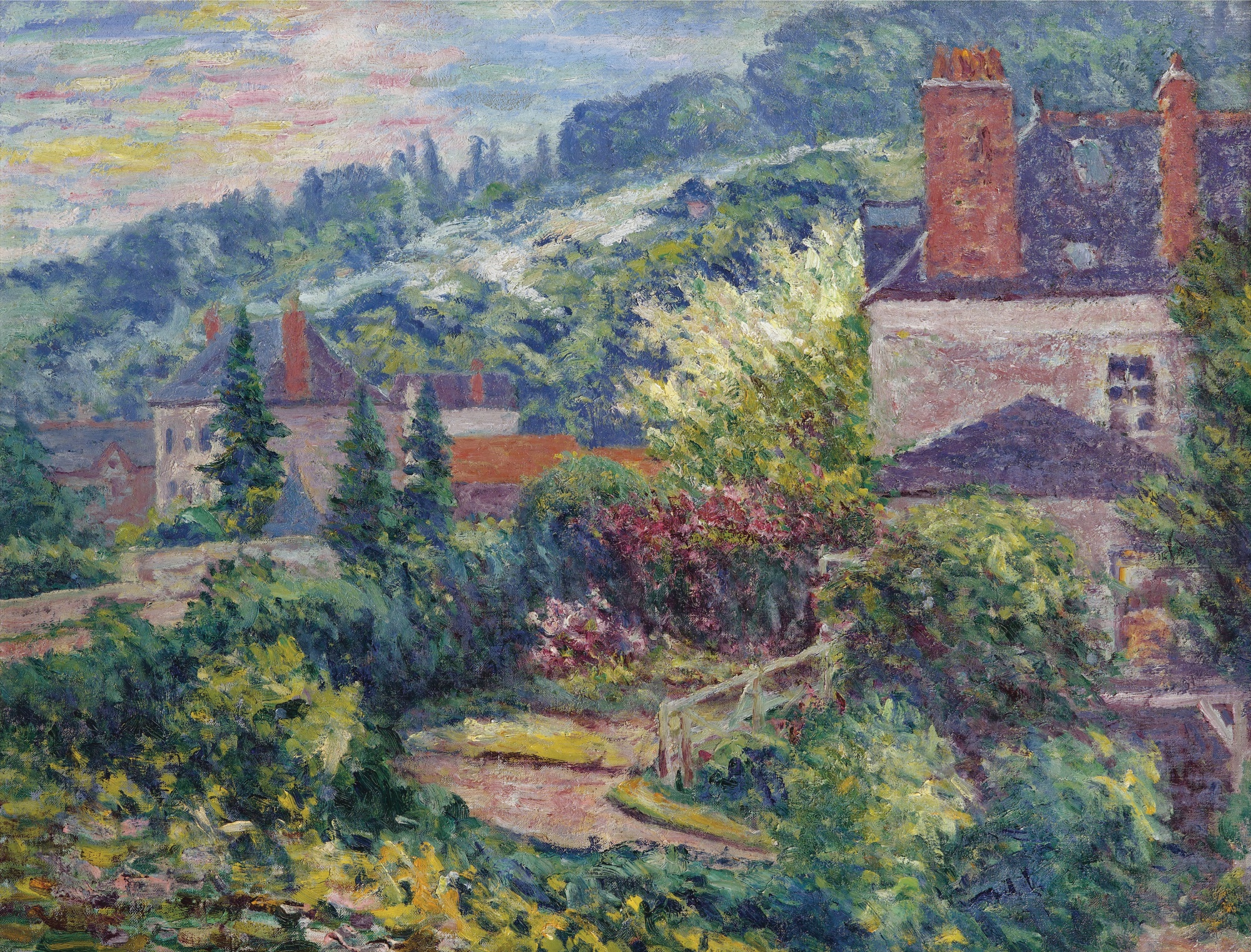
Blanche Hoschedé Monet was a French Impressionist painter and stepdaughter of the famous Impressionist painter, Claude Monet. She grew up in Giverny, France, where Monet had his home and studio, and was exposed to the Impressionist movement from an early age.
Blanche began painting at a young age, and under Monet's guidance, she developed her own style of Impressionism, with a focus on landscapes and still lifes. She exhibited her work at the Salon des Indépendants in Paris and the Royal Academy in London.
Blanche's work is held in many major collections, including the Musée d'Orsay in Paris and the National Gallery of Art in Washington, D.C.
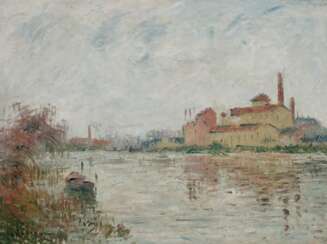

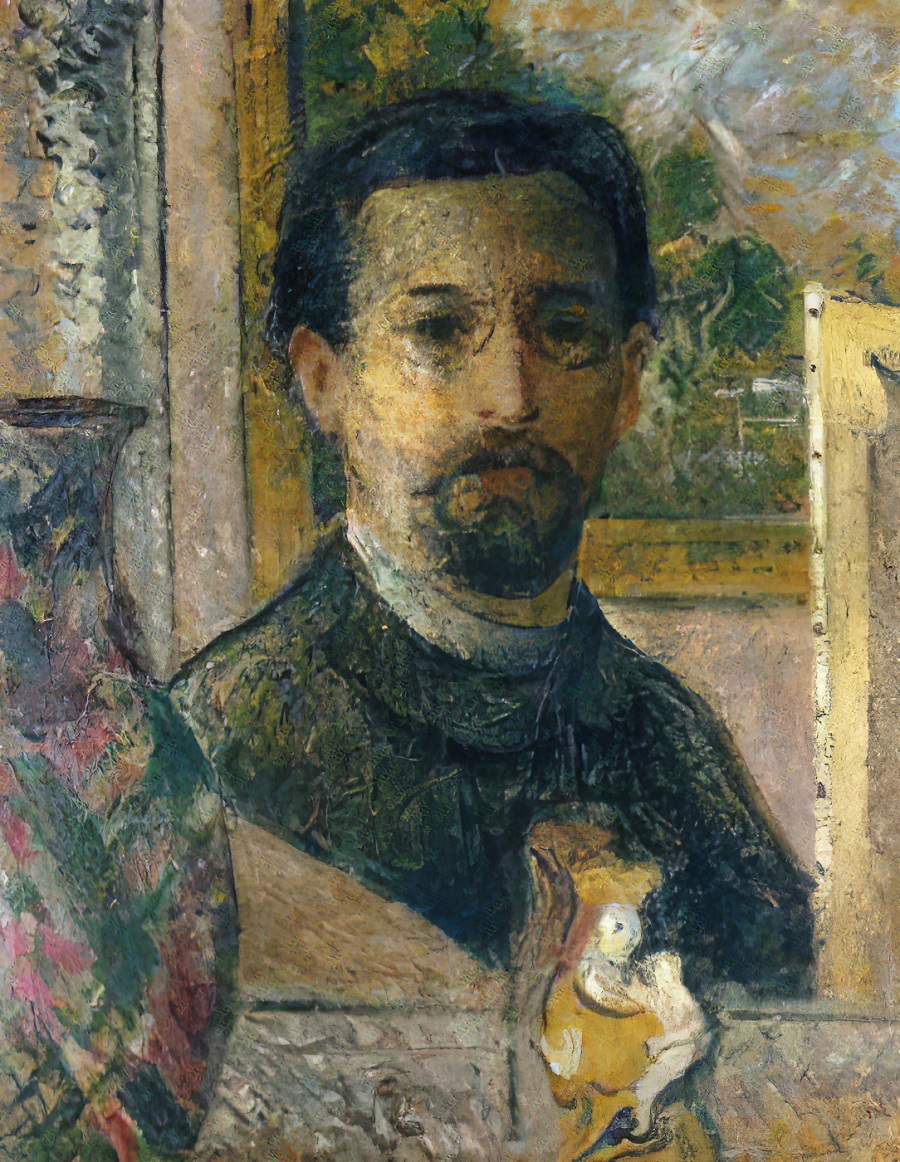
Gustave Loiseau was a French artist known for his landscapes and scenes of the Parisian streets.
In 1890, Gustave Loiseau first travelled to Pont-Aven in Brittany, where he met Paul Gauguin and Emile Bernard. Having experimented with pointillism, he adopted his own approach to post-impressionism, painting landscapes directly from life. His technique, known as en treillis or cross-hatching, gave his works a special quality.
Gustave Loiseau's paintings, which reveal his passion for the seasons from the early spring to the late autumn harvest, often depict the same garden or garden scene over time. Series of this kind, which also include cliffs, harbours or churches, are reminiscent of Claude Monet.
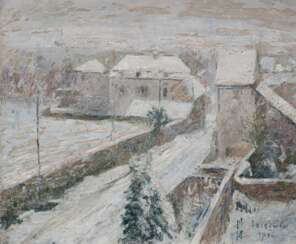

Gustave Loiseau was a French artist known for his landscapes and scenes of the Parisian streets.
In 1890, Gustave Loiseau first travelled to Pont-Aven in Brittany, where he met Paul Gauguin and Emile Bernard. Having experimented with pointillism, he adopted his own approach to post-impressionism, painting landscapes directly from life. His technique, known as en treillis or cross-hatching, gave his works a special quality.
Gustave Loiseau's paintings, which reveal his passion for the seasons from the early spring to the late autumn harvest, often depict the same garden or garden scene over time. Series of this kind, which also include cliffs, harbours or churches, are reminiscent of Claude Monet.