30 x 8
















.jpg)
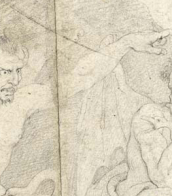
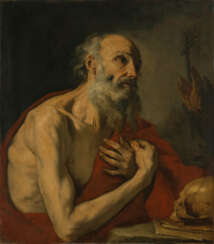
Jusepe de Ribera, a Spanish painter, etcher, and draughtsman, was a notable figure in the world of art, renowned for his distinct style and contribution to Castilian tenebrism. Born in 1591 in Játiva, near Valencia, Spain, Ribera's early life and artistic origins are somewhat shrouded in mystery, with no definitive documentation on his initial training. However, it's speculated that he might have started his artistic journey in Valencia.
Ribera's career took a significant turn when he moved to Italy, where he spent the majority of his professional life, predominantly in Naples, a Spanish territory at that time. He arrived in Naples around 1616 and soon established himself as an important artist in the city. His marriage to Caterina Azzolino, daughter of Sicilian painter Giovanni Bernardino Azzolino, in November of the same year, further solidified his connections in the Italian art scene.
Ribera was deeply influenced by Caravaggio and is often described as one of Caravaggio's followers. His early works displayed a marked tenebrism, characterized by stark chiaroscuro and a robust, scratchy handling of paint. However, Ribera's style evolved over time, moving away from this intense tenebrism to incorporate more color and softer modeling in his later works.
His body of work is diverse, including altarpieces, religious subjects, mythological themes, and portraits. Ribera had a penchant for depicting scenes of martyrdom with graphic realism, as seen in works like the celebrated "Martyrdom of St Bartholomew." Yet, he was also capable of expressing great tenderness, evident in paintings such as "The Adoration of the Shepherds." His secular subjects often depicted philosophers as beggars or vagabonds, adding a unique dimension to the Baroque repertoire.
Ribera's influence extended beyond Naples to Spain and the broader European art scene. He played a foundational role in fostering a respect for individual humanity in Spanish art, a trend that continued with artists like Velázquez and Goya. His works were widely exported to Spain and had a significant impact on both Italian and Spanish art. Ribera remains a highly respected figure in art history, and his works are featured in prominent museums and galleries worldwide, showcasing his enduring legacy in the realm of art and culture.
For art collectors and experts, Ribera's works represent a crucial chapter in the development of European art, particularly in the context of the Spanish Baroque and the evolution of tenebrism. His innovative approach to subject matter and technique continues to inspire and captivate audiences, making his works highly sought after in the world of art and antiques.
To stay updated on sales and auction events related to Jusepe de Ribera, sign up for our updates. This subscription service is tailored specifically for enthusiasts and experts in art and antiques, ensuring that you are the first to know about new opportunities to acquire works related to this influential artist.
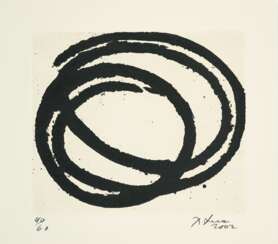

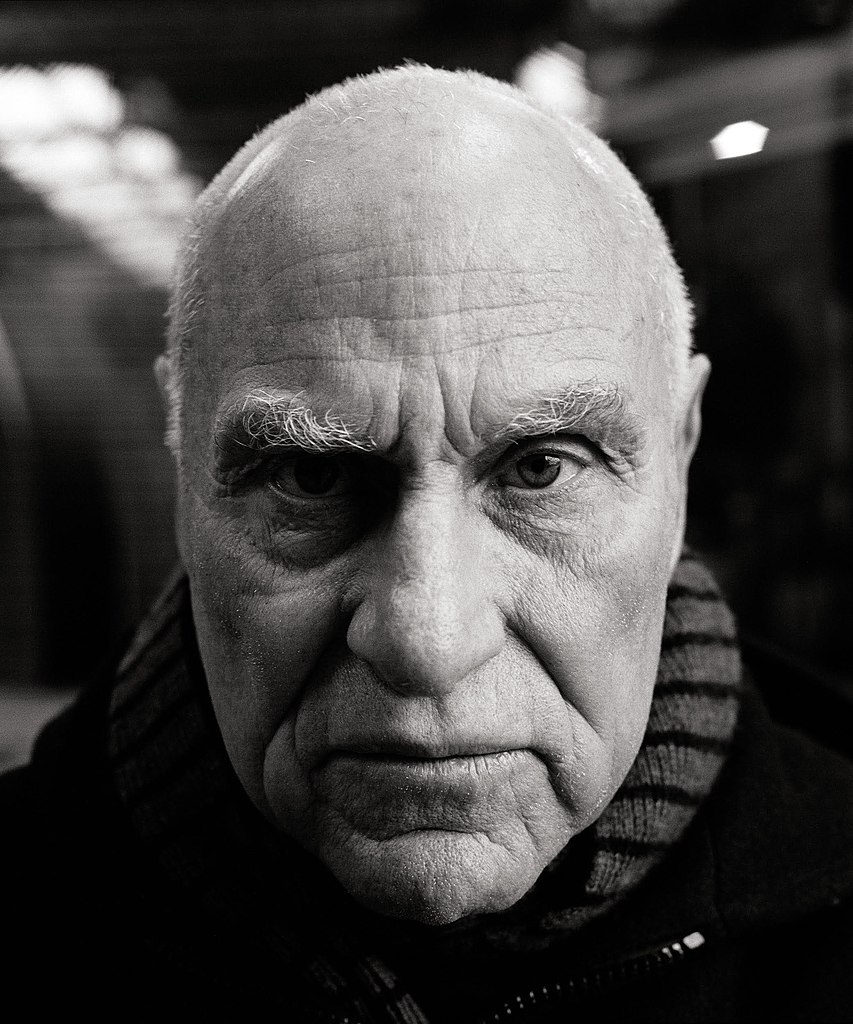
Richard Serra was a prominent American sculptor, renowned for his monumental steel sculptures that transform viewers' perceptions of space and environment. Born on November 2, 1938, in San Francisco, California, Serra pursued his education in Art History and Fine Arts at Yale University, where he graduated with a BA and an MFA in 1964. His early career was marked by experimentation with nontraditional materials such as rubber, neon, and lead, reflecting a departure from traditional sculptural forms towards more abstract expressions.
Serra's work is characterized by its engagement with the physical properties of his materials and the spatial dynamics of his installation sites. He is perhaps best known for "Tilted Arc" (1981), a controversial installation in New York City's Federal Plaza, which was eventually removed following public debate over its presence. Despite the controversy, "Tilted Arc" exemplifies Serra's interest in site-specificity and the relationship between artwork, site, and viewer.
Throughout his career, Serra's sculptures have been exhibited globally, with significant works like "Snake" (1994-97) at the Guggenheim Bilbao and "Torqued Ellipse" series, reflecting his ongoing exploration of curvilinear forms and the interaction between space, viewer, and sculpture. His contributions to art have been acknowledged with awards such as the Praemium Imperiale in 1994.
For collectors and experts in art and antiques, Serra's work represents a pivotal shift in contemporary sculpture, emphasizing the materiality and physical engagement of artworks within their environments. To stay updated on exhibitions and auction events related to Richard Serra's influential sculptures, signing up for updates is highly recommended, ensuring enthusiasts are informed about the latest developments and opportunities to engage with his groundbreaking work.
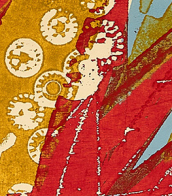
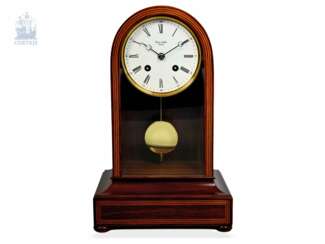









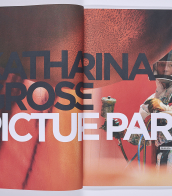
Anton Stankowski was a German graphic designer, photographer and painter. He developed an original Theory of Design and pioneered Constructive Graphic Art. Typical Stankowski designs attempt to illustrate processes or behaviours rather than objects. Such experiments resulted in the use of fractal-like structures long before their popularisation by Benoît Mandelbrot in 1975.

















.jpg)
Jean Elysée Puiforcat was a French silversmith, sculptor and designer. Miller's Antiques Encyclopedia calls Puiforcat the «most important French Art Deco silversmith».
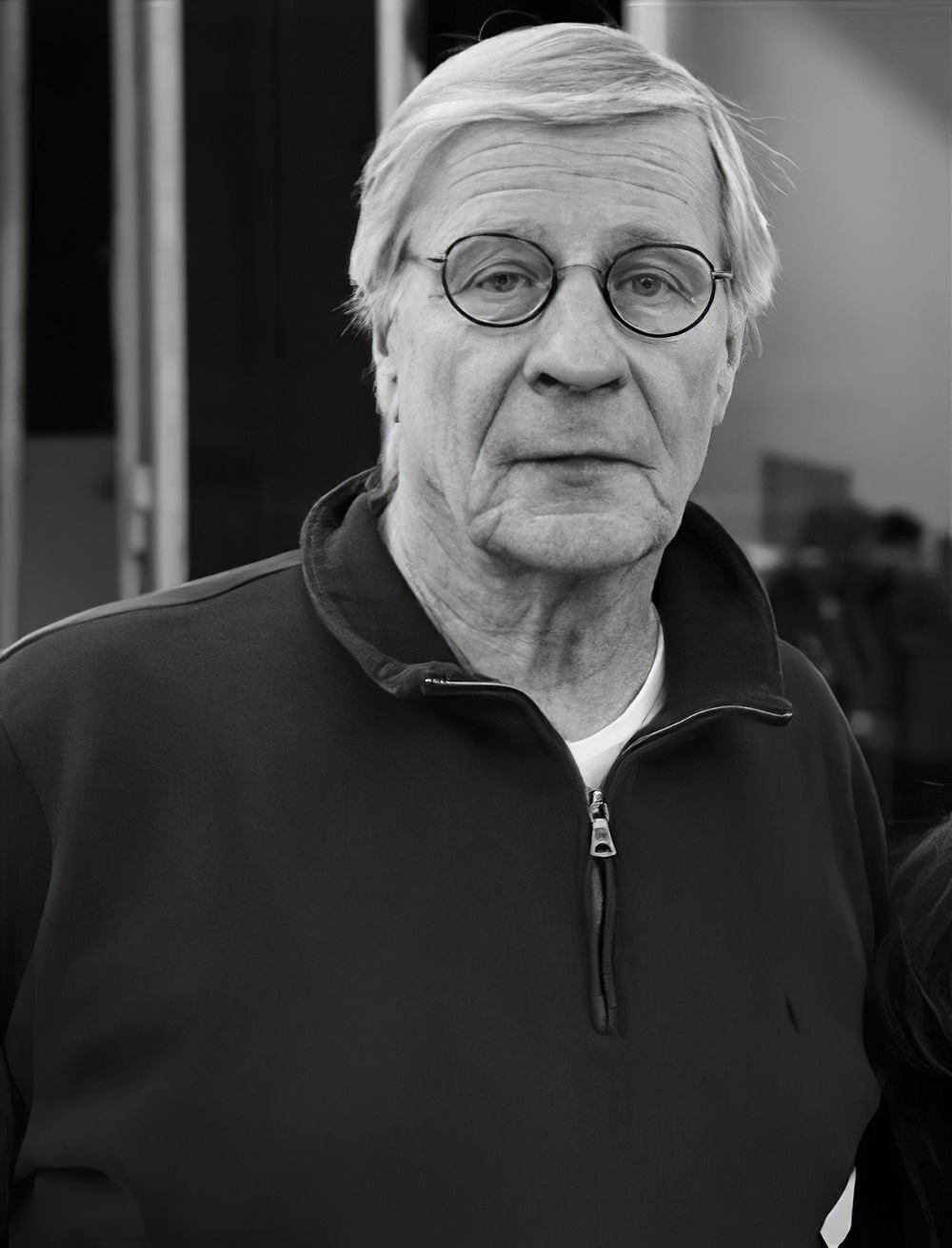
Louis Cane is a contemporary French painter, sculptor and furniture designer. Louis Cane attended the National School of Decorative Arts in Nice then the Superior School of Decorative arts in Paris in 1961. Cane was a part of the Supports/Surfaces Movement in France that lasted from 1969 to 1972 and co-founded and edited the Peinture, Cahiers Theoriques. In 1978, began sculpting again. They consisted of female figures in a traditional style. Cane focused on the concept of deconstruction of the canvas. By 1970, Cane transitioned into a series of cut-out paintings, the toiles découpées, which he worked with for several years. From 1972 to 1972, he produced a series called Sol/Mur as apart of the Supports/Surfaces movement. In 1978, Cane went from abstract painting to figuration. He reflected on the history of pictorial forms. He also started integrating sculpture into his practice. The statues were almost exclusively female occasionally appearing in form of burlesque or baroque expressionism.