586
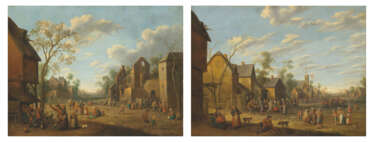

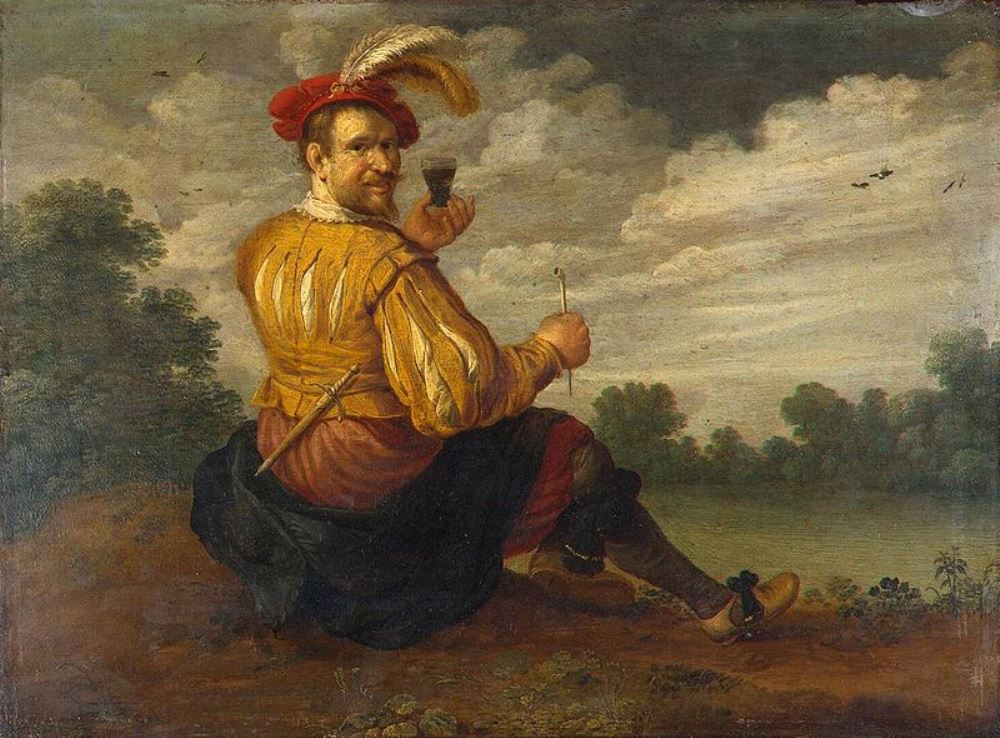
Joost Cornelisz. Droochsloot was a Dutch painter of the Dutch Golden Age, member of the Guild of St. Luke in Utrecht. He was a versatile painter, painting landscapes, moral allegories, and biblical stories. But he was mainly known for his genre rustic scenes with many participants, these paintings often had a moral component. In his compositions, Drochslot paid much attention to detail and signed them with the monogram "JCODS."
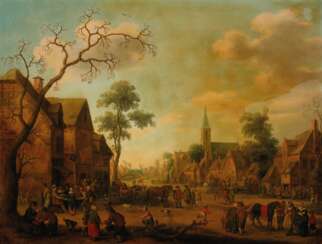

Joost Cornelisz. Droochsloot was a Dutch painter of the Dutch Golden Age, member of the Guild of St. Luke in Utrecht. He was a versatile painter, painting landscapes, moral allegories, and biblical stories. But he was mainly known for his genre rustic scenes with many participants, these paintings often had a moral component. In his compositions, Drochslot paid much attention to detail and signed them with the monogram "JCODS."


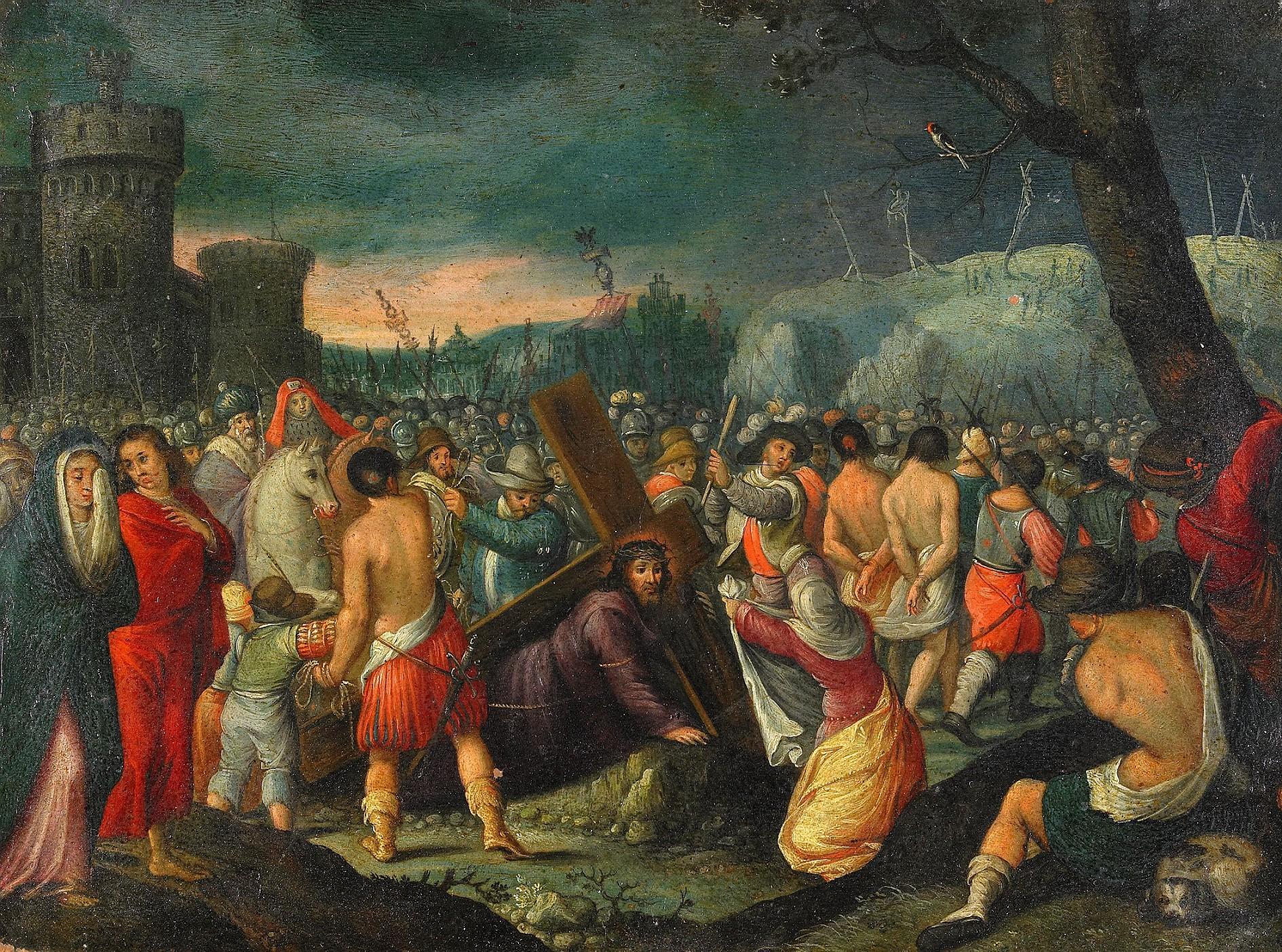
Johann König was a German painter. The son of a Nuremberg goldsmith, König was a follower of Adam Elsheimer. He is known today primarily because of his very finely painted copper panels.
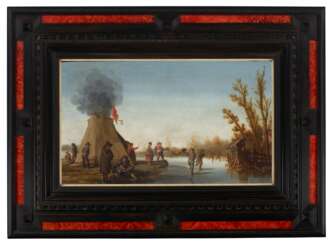

Joost Cornelisz. Droochsloot was a Dutch painter of the Dutch Golden Age, member of the Guild of St. Luke in Utrecht. He was a versatile painter, painting landscapes, moral allegories, and biblical stories. But he was mainly known for his genre rustic scenes with many participants, these paintings often had a moral component. In his compositions, Drochslot paid much attention to detail and signed them with the monogram "JCODS."
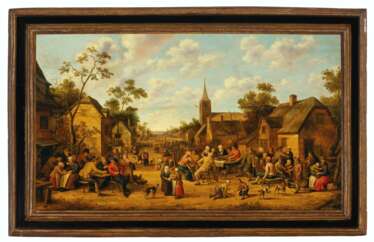

Joost Cornelisz. Droochsloot was a Dutch painter of the Dutch Golden Age, member of the Guild of St. Luke in Utrecht. He was a versatile painter, painting landscapes, moral allegories, and biblical stories. But he was mainly known for his genre rustic scenes with many participants, these paintings often had a moral component. In his compositions, Drochslot paid much attention to detail and signed them with the monogram "JCODS."


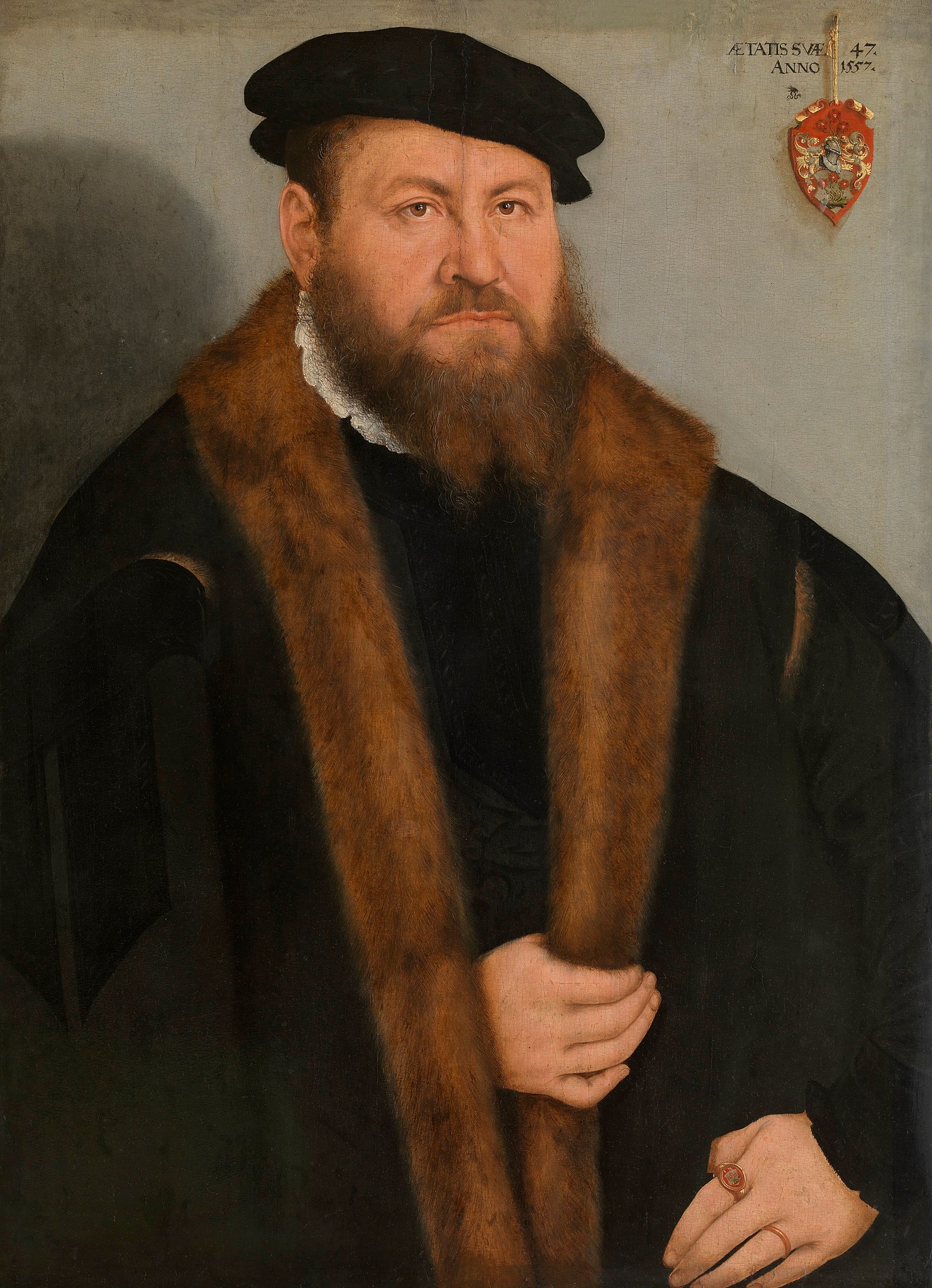
Lucas Cranach the Younger was a German painter of the mid-16th century. He is known as a Renaissance painter and portraitist, one of the sons of the painter and graphic artist Lucas Cranach the Elder.
Cranach the Younger painted portraits and paintings of the mythological genre. Despite his lack of courtly status, he worked for the social elite, including princes and nobles. After the artist's death, his works were distributed to various churches, schools, castles and homes. As a member of the new generation, he favored rich and flamboyant images. Cranach the Younger is believed to have created a new artistic program for the Protestants.
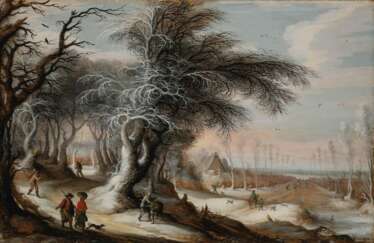

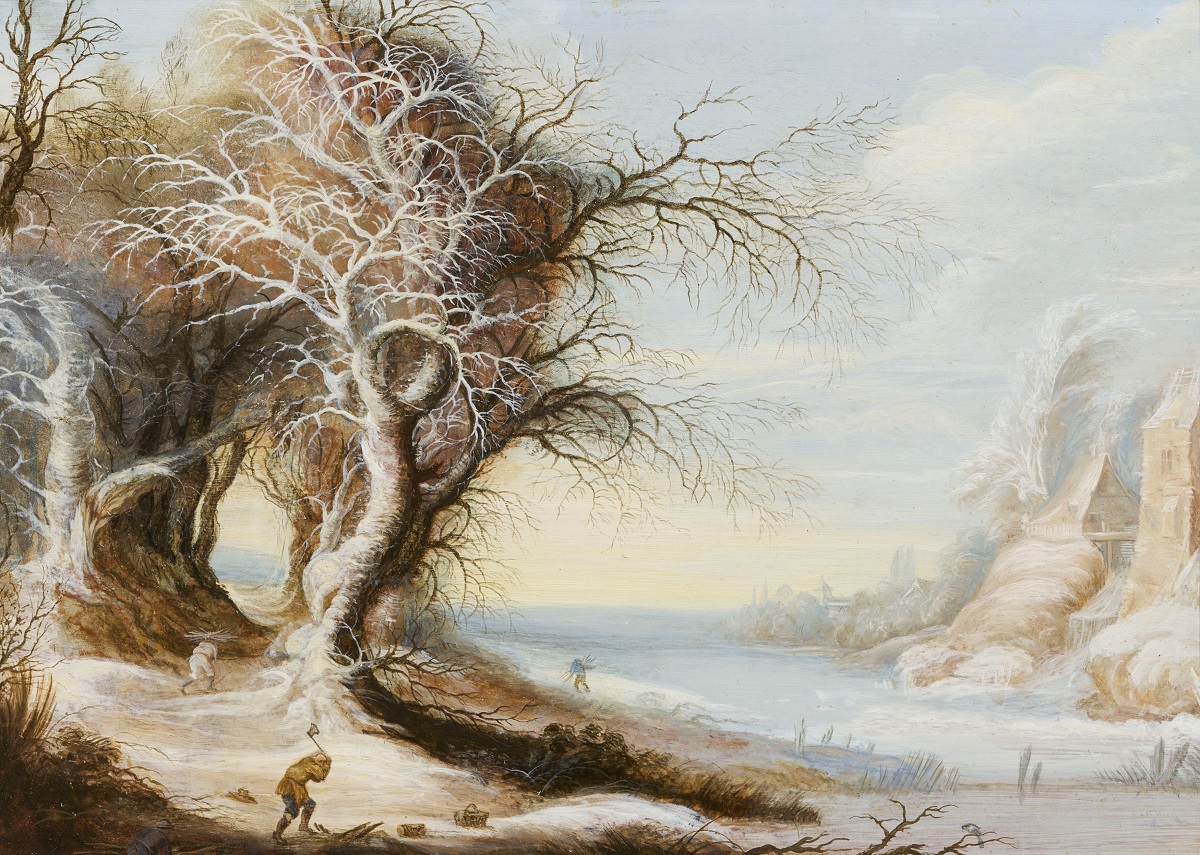
Gijsbrecht Leytens was a Flemish landscape painter of the Early Baroque period. He was famous for his depiction of winter landscapes, which were considered his speciality and were characterised by a highly individualised style. He is considered one of the least studied Flemish painters of the Antwerp School.
Geisbrecht Leitens became a member of the Guild of Saint Luke in Antwerp in 1611. From that time he was entitled to open his own workshop in the city and train apprentices.
The master carefully observed winter nature and birds and developed an individual manner which distinguished him from the philosophical generalisations of Pieter Bruegel the elder or the cosy details and findings of Lucas van Falkenborgh. Trees in his paintings are usually depicted covered in snow, often oddly shaped. The branches of the denuded trees are replete with representations of various birds. The artist's creative style may have been influenced by paintings from the Dutch Mannerism period.


Johann König was a German painter. The son of a Nuremberg goldsmith, König was a follower of Adam Elsheimer. He is known today primarily because of his very finely painted copper panels.

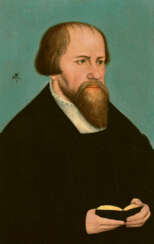

Lucas Cranach the Younger was a German painter of the mid-16th century. He is known as a Renaissance painter and portraitist, one of the sons of the painter and graphic artist Lucas Cranach the Elder.
Cranach the Younger painted portraits and paintings of the mythological genre. Despite his lack of courtly status, he worked for the social elite, including princes and nobles. After the artist's death, his works were distributed to various churches, schools, castles and homes. As a member of the new generation, he favored rich and flamboyant images. Cranach the Younger is believed to have created a new artistic program for the Protestants.
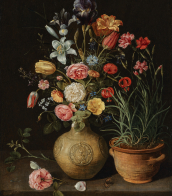
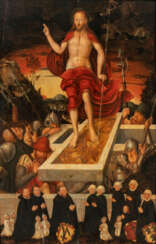

Lucas Cranach the Younger was a German painter of the mid-16th century. He is known as a Renaissance painter and portraitist, one of the sons of the painter and graphic artist Lucas Cranach the Elder.
Cranach the Younger painted portraits and paintings of the mythological genre. Despite his lack of courtly status, he worked for the social elite, including princes and nobles. After the artist's death, his works were distributed to various churches, schools, castles and homes. As a member of the new generation, he favored rich and flamboyant images. Cranach the Younger is believed to have created a new artistic program for the Protestants.
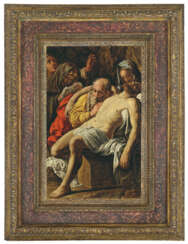

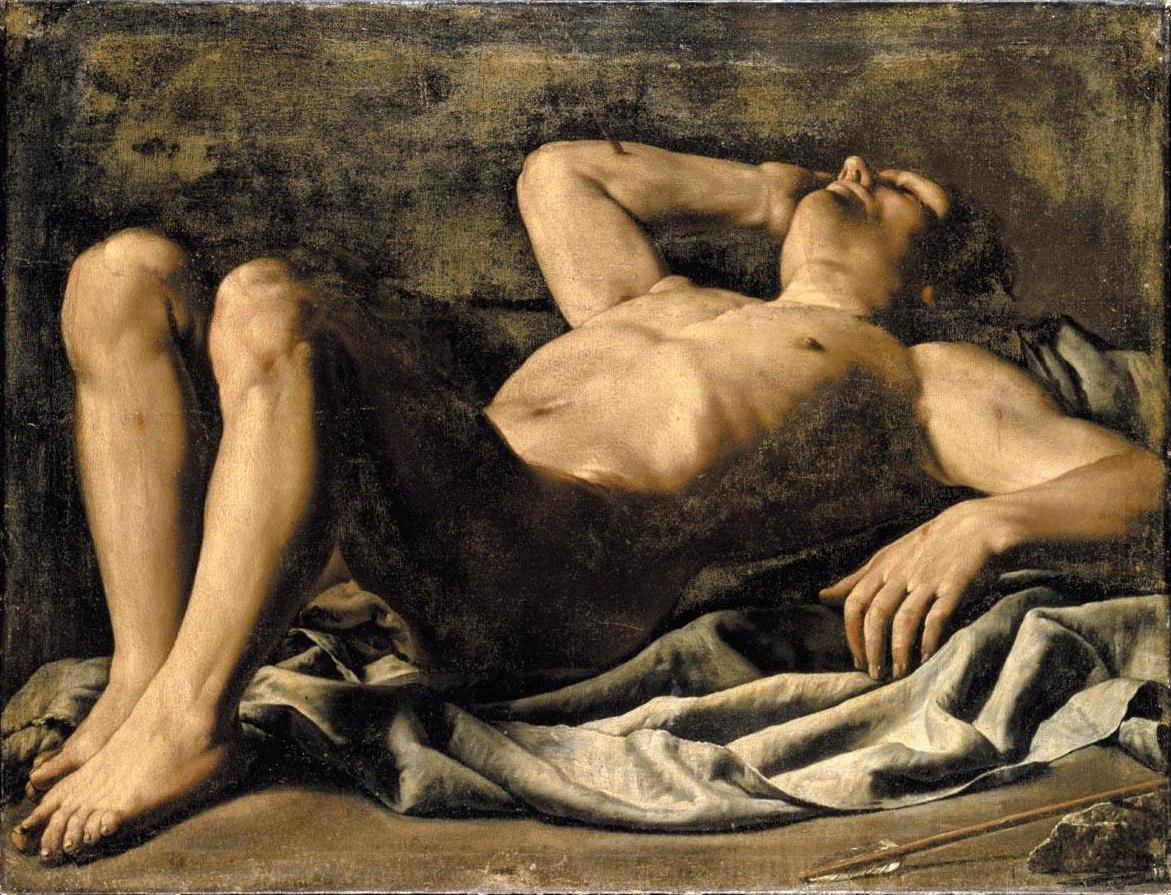
Marco Antonio Bassetti was an Italian painter.


Lucas Cranach the Younger was a German painter of the mid-16th century. He is known as a Renaissance painter and portraitist, one of the sons of the painter and graphic artist Lucas Cranach the Elder.
Cranach the Younger painted portraits and paintings of the mythological genre. Despite his lack of courtly status, he worked for the social elite, including princes and nobles. After the artist's death, his works were distributed to various churches, schools, castles and homes. As a member of the new generation, he favored rich and flamboyant images. Cranach the Younger is believed to have created a new artistic program for the Protestants.
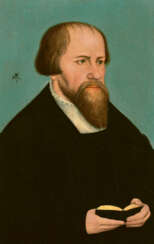

Lucas Cranach the Younger was a German painter of the mid-16th century. He is known as a Renaissance painter and portraitist, one of the sons of the painter and graphic artist Lucas Cranach the Elder.
Cranach the Younger painted portraits and paintings of the mythological genre. Despite his lack of courtly status, he worked for the social elite, including princes and nobles. After the artist's death, his works were distributed to various churches, schools, castles and homes. As a member of the new generation, he favored rich and flamboyant images. Cranach the Younger is believed to have created a new artistic program for the Protestants.
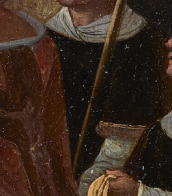
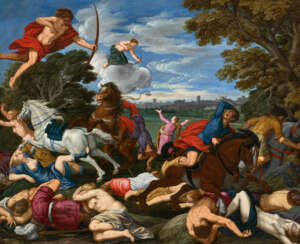

Johann König was a German painter. The son of a Nuremberg goldsmith, König was a follower of Adam Elsheimer. He is known today primarily because of his very finely painted copper panels.
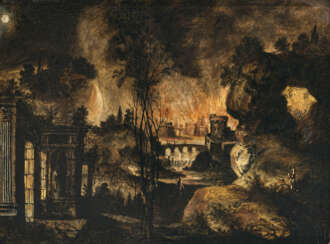

Johann König was a German painter. The son of a Nuremberg goldsmith, König was a follower of Adam Elsheimer. He is known today primarily because of his very finely painted copper panels.
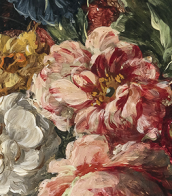
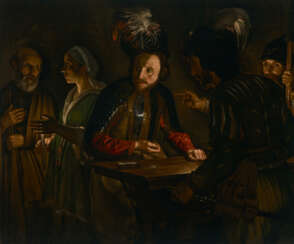

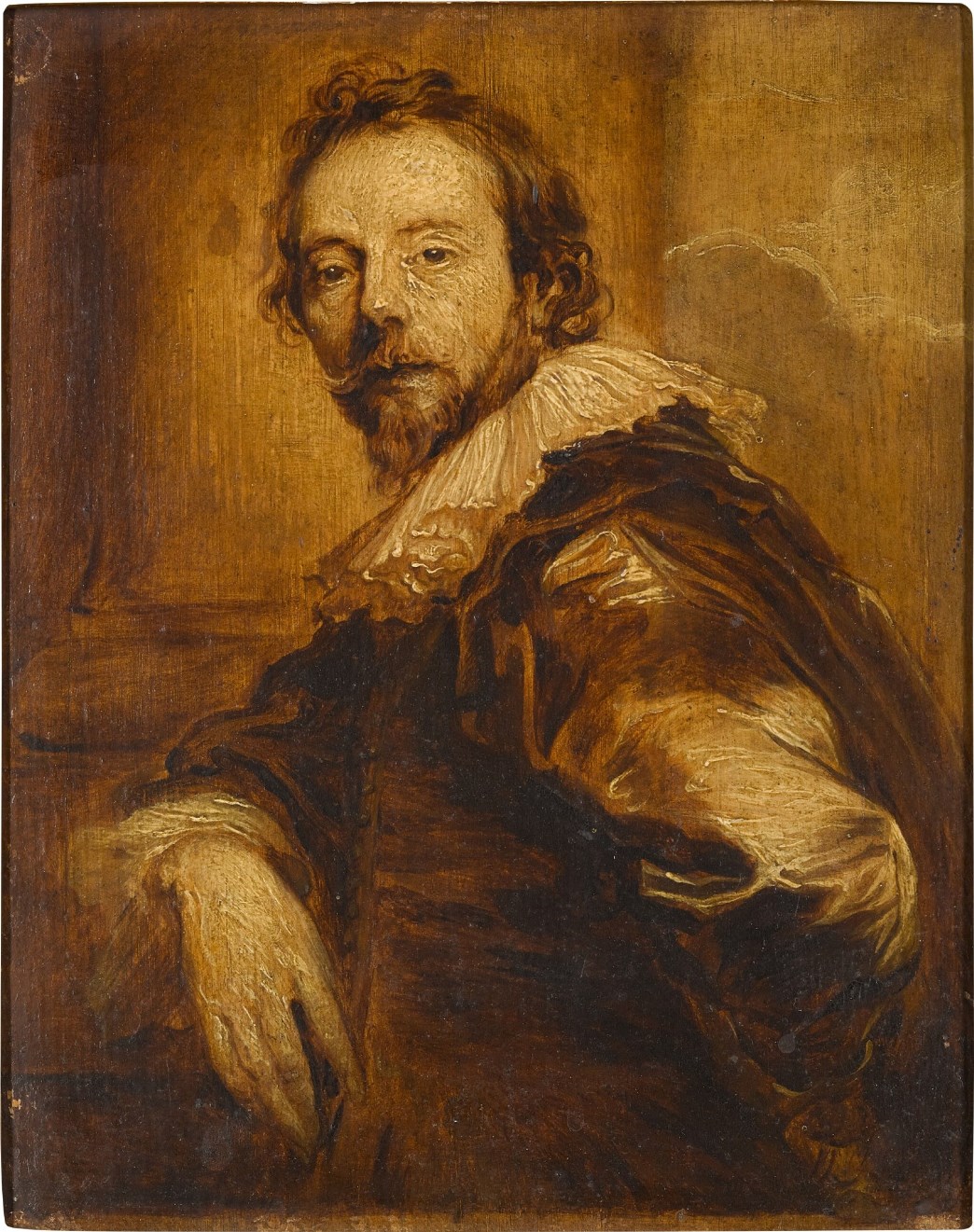
Adam de Coster, born around 1586 in Mechelen and passing away in 1643 in Antwerp, was a renowned Flemish painter and a key figure among the Antwerp Caravaggisti. This group of artists was part of an international movement that interpreted Caravaggio's work in a personal manner, known for their genre scenes with strong chiaroscuro effects. De Coster was particularly celebrated for his nocturnal scenes, earning him the nickname "Pictor Noctium" (literal translation „Painter of Nights“) due to his preference for tenebrist scenes.
His works often depicted subjects similar to those found in Caravaggio's paintings, such as card sharps, fortune tellers, and musical performances, showcasing de Coster's fascination with the play of light and shadow. Notable pieces by de Coster include "Three Singers," which demonstrates his skill in rendering the texture of fabrics and the dramatic effects of light on his subjects, and "A Man Singing by Candlelight," capturing a moment's drama through meticulous lighting.
Adam de Coster's art continues to captivate audiences with its atmospheric intensity and meticulous attention to detail. His contributions have solidified his place in the history of Flemish painting, with works featured in prestigious collections, including the Liechtenstein Museum in Vienna and the National Gallery of Ireland.
For collectors and experts in art and antiques, Adam de Coster's masterpieces represent a fascinating intersection of Flemish tradition and Caravaggesque innovation. To stay informed about new discoveries, sales, and auction events related to Adam de Coster, consider signing up for updates from art galleries and auction houses. This will ensure you have access to the latest information and opportunities to appreciate the legacy of this luminous master of painting.
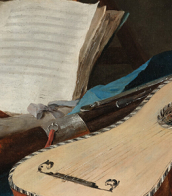


Marco Antonio Bassetti was an Italian painter.
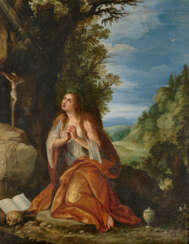

Johann König was a German painter. The son of a Nuremberg goldsmith, König was a follower of Adam Elsheimer. He is known today primarily because of his very finely painted copper panels.


Gijsbrecht Leytens was a Flemish landscape painter of the Early Baroque period. He was famous for his depiction of winter landscapes, which were considered his speciality and were characterised by a highly individualised style. He is considered one of the least studied Flemish painters of the Antwerp School.
Geisbrecht Leitens became a member of the Guild of Saint Luke in Antwerp in 1611. From that time he was entitled to open his own workshop in the city and train apprentices.
The master carefully observed winter nature and birds and developed an individual manner which distinguished him from the philosophical generalisations of Pieter Bruegel the elder or the cosy details and findings of Lucas van Falkenborgh. Trees in his paintings are usually depicted covered in snow, often oddly shaped. The branches of the denuded trees are replete with representations of various birds. The artist's creative style may have been influenced by paintings from the Dutch Mannerism period.
















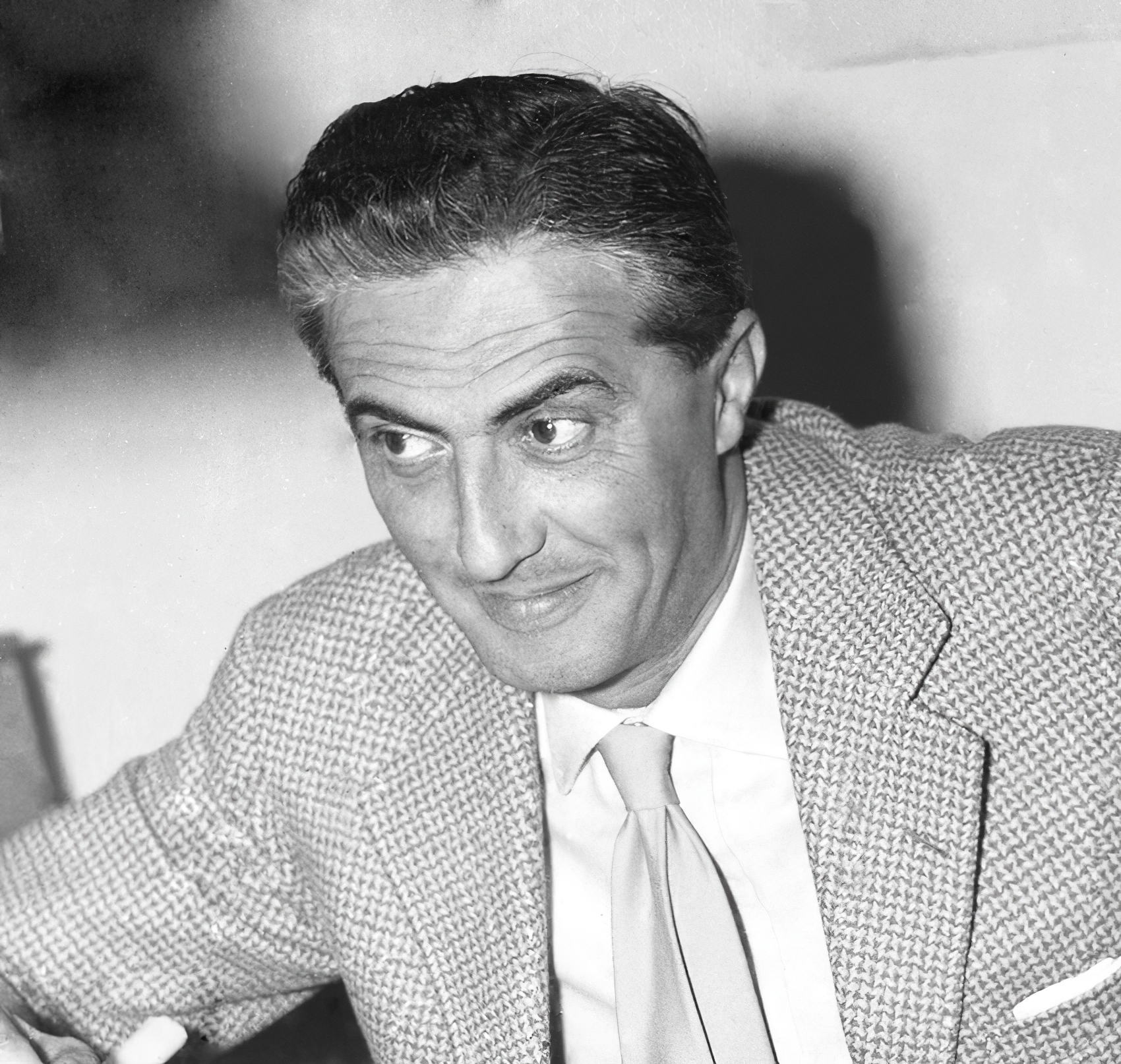
Gino Sarfatti was an Italian engineer and interior designer.