651
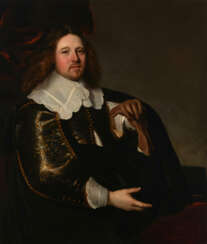

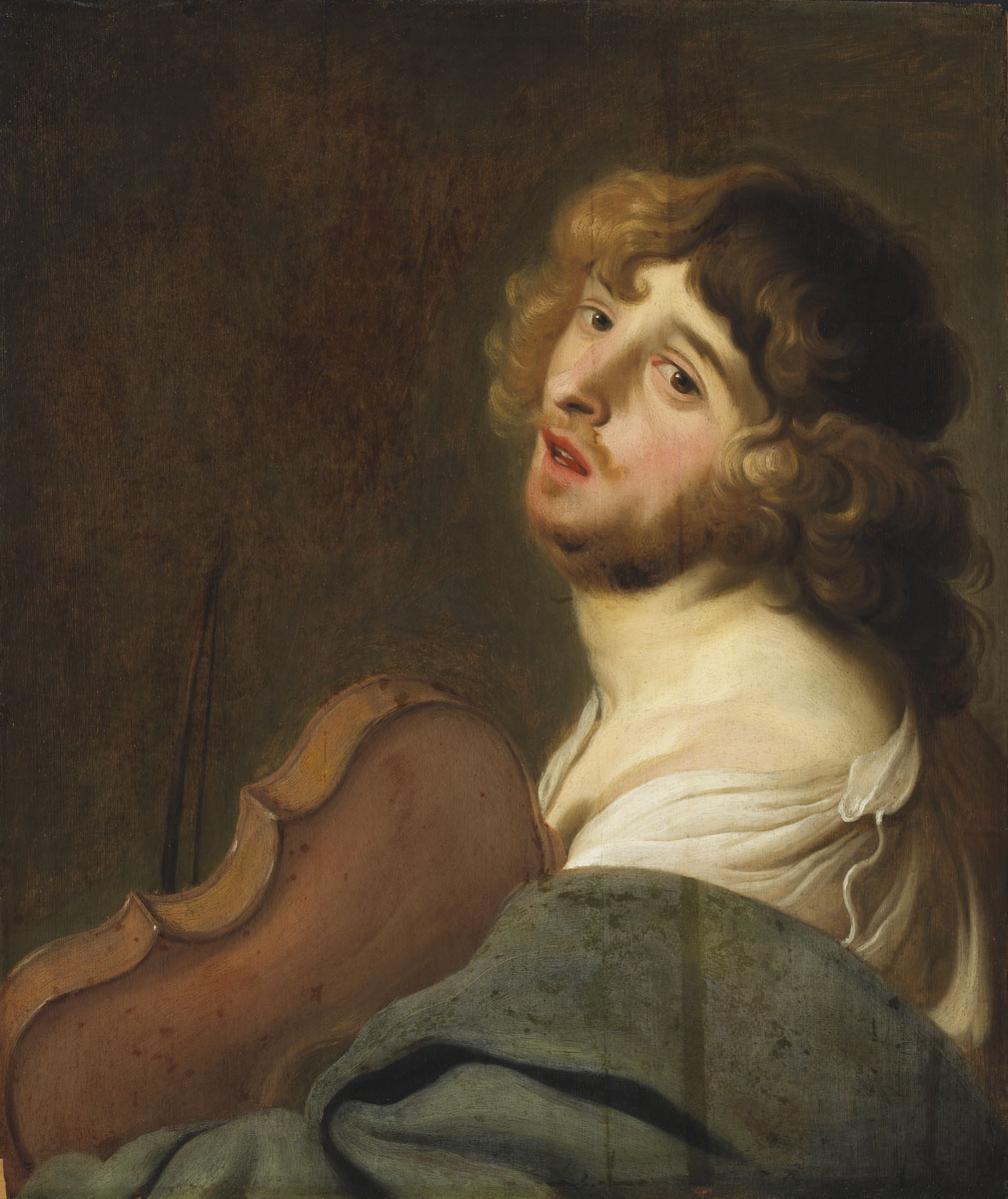
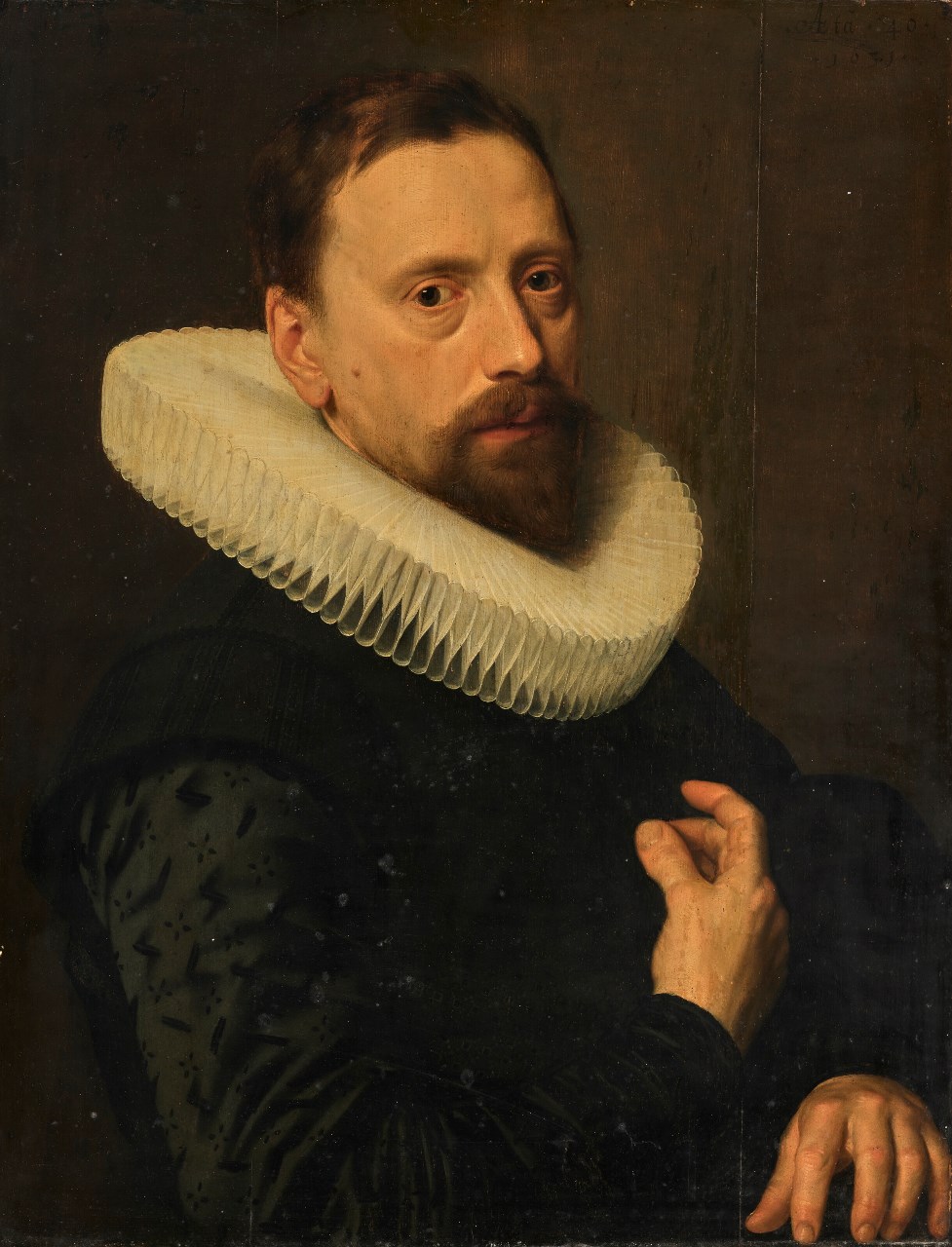
Jacob Adriaensz Backer was a prolific artist of the Dutch Golden Age, known for his dynamic portraits, religious subjects, and mythological scenes. Over a span of twenty years, Backer produced approximately 140 paintings, standing out for his quick execution and attention to detail. His ability to capture intricate details like cuffs, fur, and collars within a short period was renowned, exemplifying the Dutch wet-on-wet painting technique's success during his era.
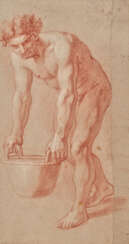
Influenced by notable figures such as Wybrand de Geest, Peter Paul Rubens, and Abraham Bloemaert, Backer was also celebrated for his drawings of nudes, showcasing his versatile skill set. His works were a testament to the baroque movement, characterized by vivid expression and intricate detail. Notable among his works are portraits that convey the subject's essence with exceptional clarity and depth, earning him a distinguished place among his contemporaries in Amsterdam.
Despite his significant contributions to Dutch art, Backer led a life focused solely on his art, never marrying or purchasing a home, possibly sharing his living quarters with relatives. He was deeply embedded in the artistic milieu of Amsterdam, having been one of the most independent pupils of Rembrandt between 1632 and 1634, absorbing and reflecting the master's style in his works.
For collectors and experts in art and antiques, Jacob Adriaensz Backer's work offers an insight into the Dutch Golden Age's rich cultural and artistic landscape. His legacy continues to be celebrated in major museums and collections worldwide, including the Rijksmuseum in Amsterdam and the National Museum in Warsaw, where his influence on portrait and genre painting remains undisputed.
To stay updated on exhibitions, sales, and auctions related to Jacob Adriaensz Backer, subscribing to newsletters from reputable art galleries and auction houses is advisable. This ensures you receive timely information on opportunities to engage with the works of this masterful Dutch Golden Age painter.
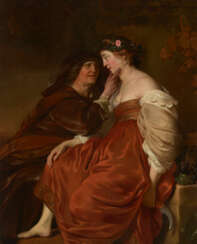

Jacob Adriaensz Backer was a prolific artist of the Dutch Golden Age, known for his dynamic portraits, religious subjects, and mythological scenes. Over a span of twenty years, Backer produced approximately 140 paintings, standing out for his quick execution and attention to detail. His ability to capture intricate details like cuffs, fur, and collars within a short period was renowned, exemplifying the Dutch wet-on-wet painting technique's success during his era.
Influenced by notable figures such as Wybrand de Geest, Peter Paul Rubens, and Abraham Bloemaert, Backer was also celebrated for his drawings of nudes, showcasing his versatile skill set. His works were a testament to the baroque movement, characterized by vivid expression and intricate detail. Notable among his works are portraits that convey the subject's essence with exceptional clarity and depth, earning him a distinguished place among his contemporaries in Amsterdam.
Despite his significant contributions to Dutch art, Backer led a life focused solely on his art, never marrying or purchasing a home, possibly sharing his living quarters with relatives. He was deeply embedded in the artistic milieu of Amsterdam, having been one of the most independent pupils of Rembrandt between 1632 and 1634, absorbing and reflecting the master's style in his works.
For collectors and experts in art and antiques, Jacob Adriaensz Backer's work offers an insight into the Dutch Golden Age's rich cultural and artistic landscape. His legacy continues to be celebrated in major museums and collections worldwide, including the Rijksmuseum in Amsterdam and the National Museum in Warsaw, where his influence on portrait and genre painting remains undisputed.
To stay updated on exhibitions, sales, and auctions related to Jacob Adriaensz Backer, subscribing to newsletters from reputable art galleries and auction houses is advisable. This ensures you receive timely information on opportunities to engage with the works of this masterful Dutch Golden Age painter.

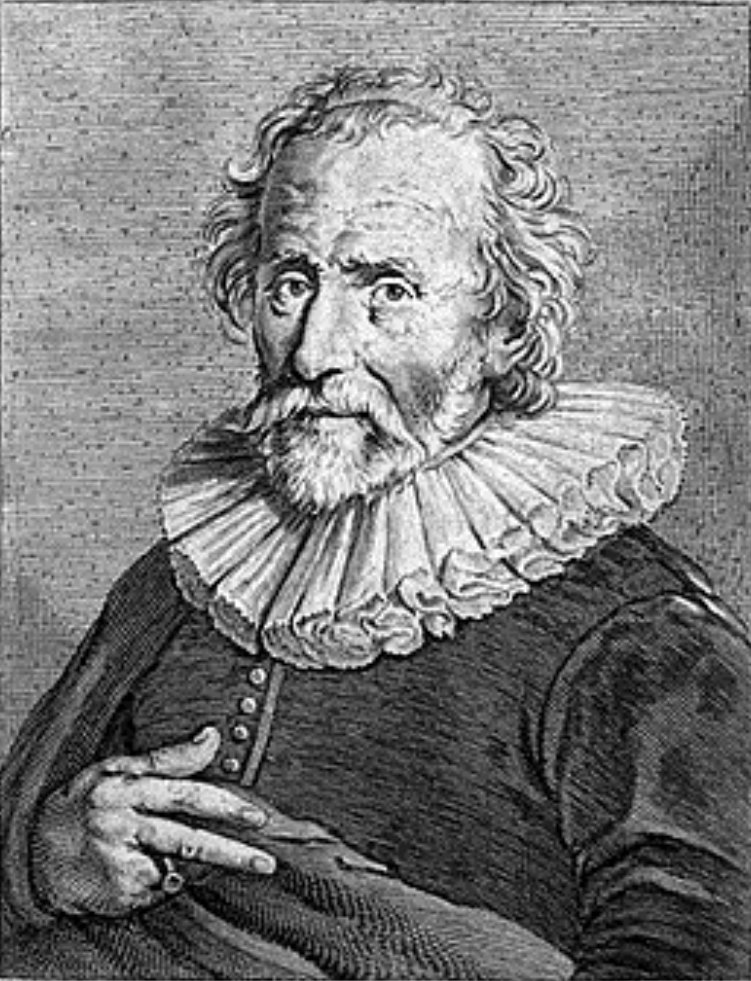
Abraham Bloemaert was a Dutch painter, draughtsman, and printmaker from the Golden Age of Dutch painting, one of the founders of the Guild of St. Luke in Utrecht. Bloemart was a caravagist. He painted mainly landscapes, mythological and biblical scenes, and pastoral works.
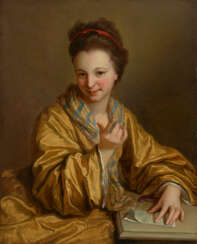

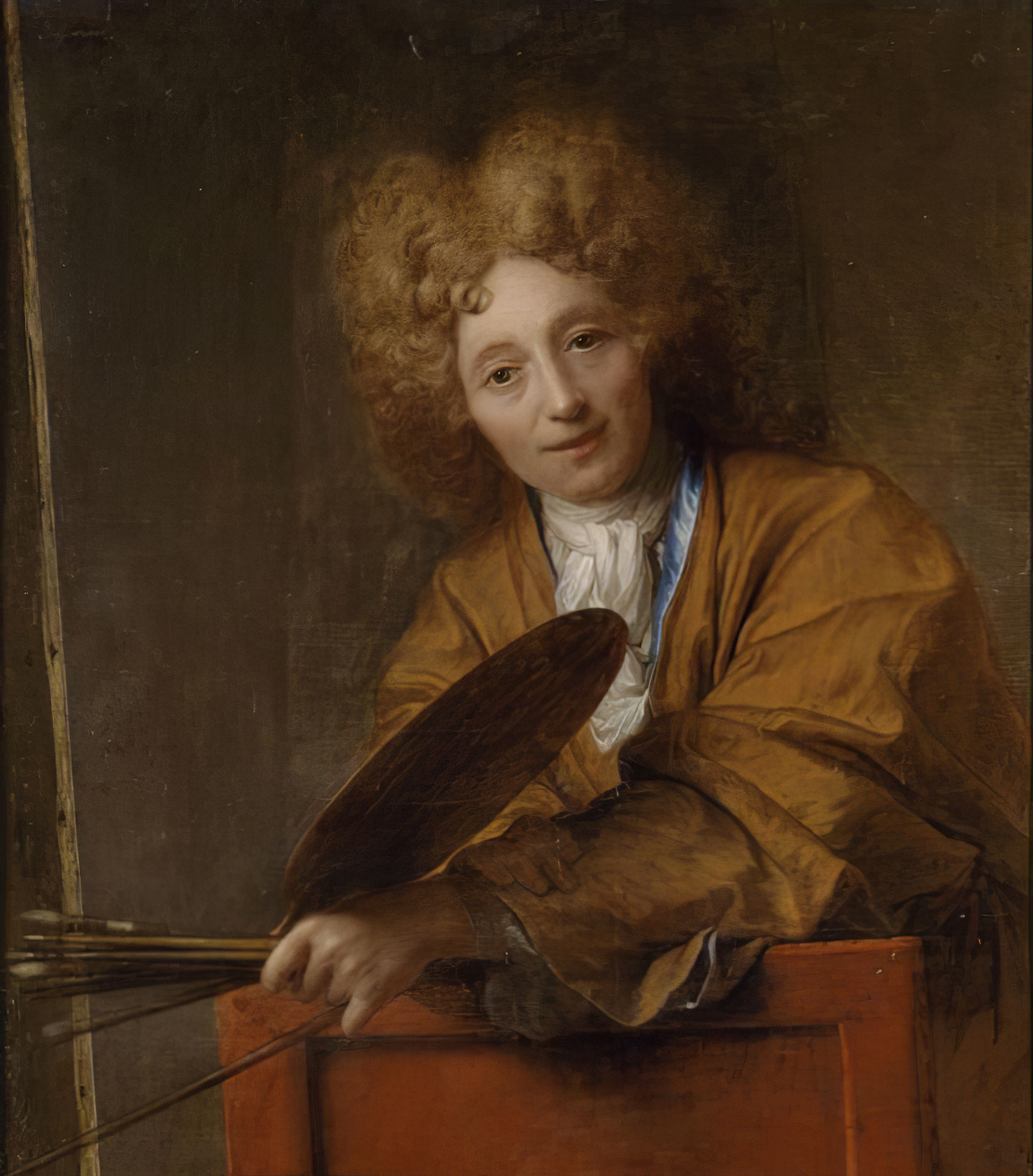
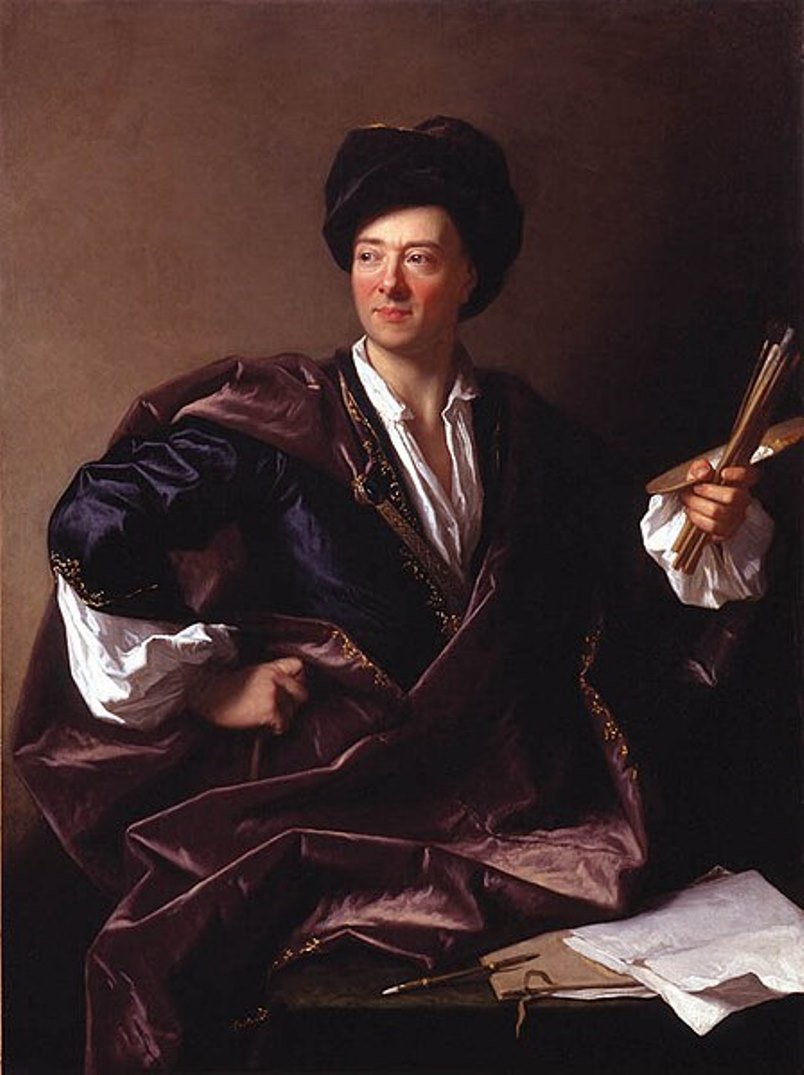
Jean-Baptiste Santerre was a French painter and draughtsman of the Style Louis XIV, known for his history paintings, portraits, and portrait-like genre subjects. Considerably influenced by Italian masters of the Bolognese school as well as his French contemporaries, Santerre nonetheless made an original contribution in his art, being among the first French painters to bring Netherlandish influences.
After achieving initial success as a portrait painter by the late 1690s, Santerre began to branch out into the fields of genre painting and, in which he combined the fantasy portrait of Northern tradition, as seen in the art of Rembrandt and Gerrit Dou, with the allegorical portrait, then fashionable in France. At the same time, he also painted history paintings and altarpieces of biblical and religious subjects, suffused with a strong erotic character.
Santerre's work brought him a controversial reputation, in light of his association with the French Regency era; it was during the 19th and 20th centuries when it met a broader appreciation. Santerre is regarded as a precursor of the Rococo era painting, as well as of both Neoclassical and Romantic painting, and was said to be an influence on subsequent generations of artists during the said eras.
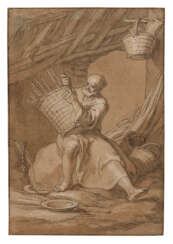

Abraham Bloemaert was a Dutch painter, draughtsman, and printmaker from the Golden Age of Dutch painting, one of the founders of the Guild of St. Luke in Utrecht. Bloemart was a caravagist. He painted mainly landscapes, mythological and biblical scenes, and pastoral works.


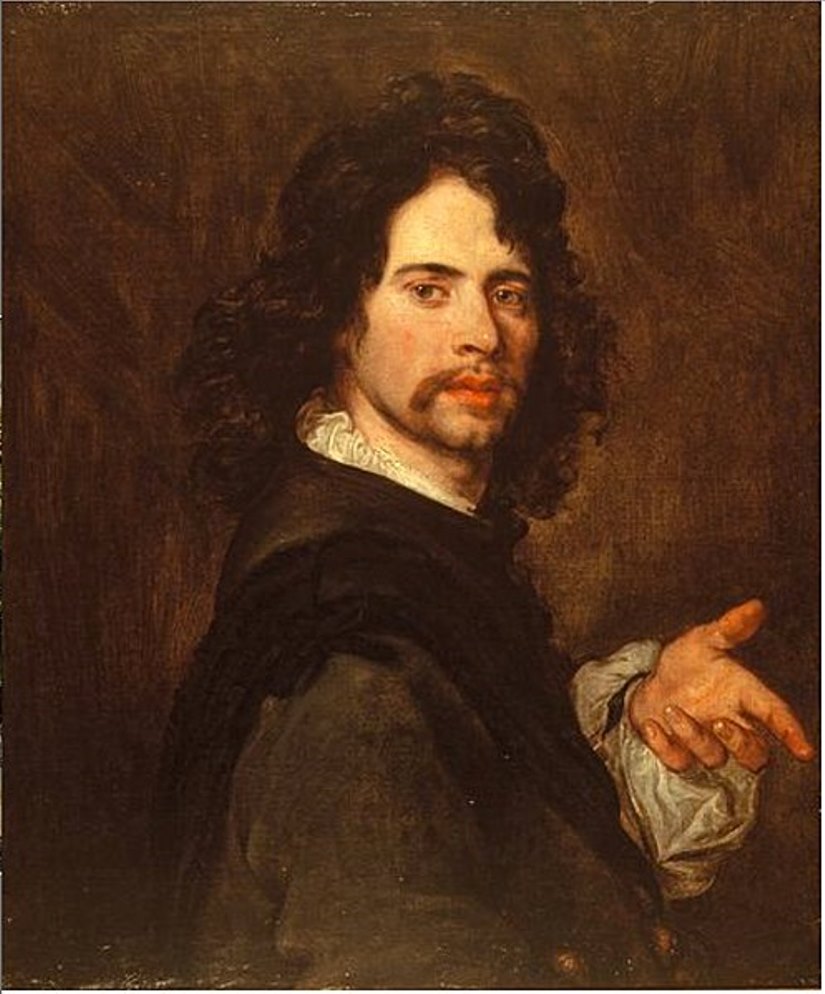
Jan van den Hoecke (Dutch: Jan van den Hoecke, Johannes van den Hoecke) was a Flemish Baroque painter, a pupil of Rubens.
The young artist was trained in the studio of Rubens, where he was one of the main assistants of the famous painter. Then lived and worked in Italy, in Vienna at the court of the Holy Roman Emperor Ferdinand III Habsburg. After returning to Antwerp, Hoecke was court painter to Archduke Leopold Wilhelm of Austria. Here he completed his most important and complex commission, the design of a series of 12 wall tapestries for Leopold Wilhelm around 1650, and also made several portraits of his suzerain.
Jan van den Hoecke was the author of a number of monumental paintings influenced by Rubens and A. van Dyck, such as The Triumph of David (1635). He painted pictures on biblical, mythological and allegorical subjects, altarpieces for the churches of Flanders.
His brother was the battle painter Robert van den Hoecke (1622-1668).

Abraham Bloemaert was a Dutch painter, draughtsman, and printmaker from the Golden Age of Dutch painting, one of the founders of the Guild of St. Luke in Utrecht. Bloemart was a caravagist. He painted mainly landscapes, mythological and biblical scenes, and pastoral works.
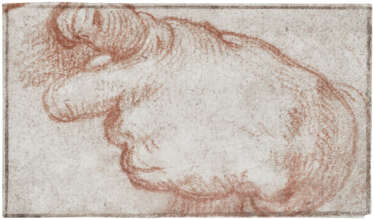

Abraham Bloemaert was a Dutch painter, draughtsman, and printmaker from the Golden Age of Dutch painting, one of the founders of the Guild of St. Luke in Utrecht. Bloemart was a caravagist. He painted mainly landscapes, mythological and biblical scenes, and pastoral works.
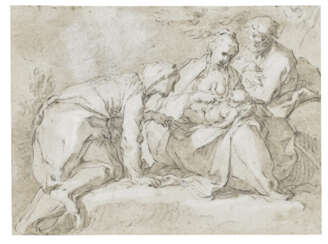

Abraham Bloemaert was a Dutch painter, draughtsman, and printmaker from the Golden Age of Dutch painting, one of the founders of the Guild of St. Luke in Utrecht. Bloemart was a caravagist. He painted mainly landscapes, mythological and biblical scenes, and pastoral works.


Abraham Bloemaert was a Dutch painter, draughtsman, and printmaker from the Golden Age of Dutch painting, one of the founders of the Guild of St. Luke in Utrecht. Bloemart was a caravagist. He painted mainly landscapes, mythological and biblical scenes, and pastoral works.


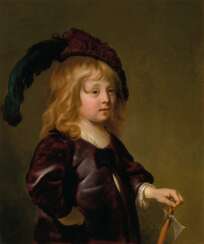
Jacob Adriaensz Backer was a prolific artist of the Dutch Golden Age, known for his dynamic portraits, religious subjects, and mythological scenes. Over a span of twenty years, Backer produced approximately 140 paintings, standing out for his quick execution and attention to detail. His ability to capture intricate details like cuffs, fur, and collars within a short period was renowned, exemplifying the Dutch wet-on-wet painting technique's success during his era.
Influenced by notable figures such as Wybrand de Geest, Peter Paul Rubens, and Abraham Bloemaert, Backer was also celebrated for his drawings of nudes, showcasing his versatile skill set. His works were a testament to the baroque movement, characterized by vivid expression and intricate detail. Notable among his works are portraits that convey the subject's essence with exceptional clarity and depth, earning him a distinguished place among his contemporaries in Amsterdam.
Despite his significant contributions to Dutch art, Backer led a life focused solely on his art, never marrying or purchasing a home, possibly sharing his living quarters with relatives. He was deeply embedded in the artistic milieu of Amsterdam, having been one of the most independent pupils of Rembrandt between 1632 and 1634, absorbing and reflecting the master's style in his works.
For collectors and experts in art and antiques, Jacob Adriaensz Backer's work offers an insight into the Dutch Golden Age's rich cultural and artistic landscape. His legacy continues to be celebrated in major museums and collections worldwide, including the Rijksmuseum in Amsterdam and the National Museum in Warsaw, where his influence on portrait and genre painting remains undisputed.
To stay updated on exhibitions, sales, and auctions related to Jacob Adriaensz Backer, subscribing to newsletters from reputable art galleries and auction houses is advisable. This ensures you receive timely information on opportunities to engage with the works of this masterful Dutch Golden Age painter.

Jacob Adriaensz Backer was a prolific artist of the Dutch Golden Age, known for his dynamic portraits, religious subjects, and mythological scenes. Over a span of twenty years, Backer produced approximately 140 paintings, standing out for his quick execution and attention to detail. His ability to capture intricate details like cuffs, fur, and collars within a short period was renowned, exemplifying the Dutch wet-on-wet painting technique's success during his era.
Influenced by notable figures such as Wybrand de Geest, Peter Paul Rubens, and Abraham Bloemaert, Backer was also celebrated for his drawings of nudes, showcasing his versatile skill set. His works were a testament to the baroque movement, characterized by vivid expression and intricate detail. Notable among his works are portraits that convey the subject's essence with exceptional clarity and depth, earning him a distinguished place among his contemporaries in Amsterdam.
Despite his significant contributions to Dutch art, Backer led a life focused solely on his art, never marrying or purchasing a home, possibly sharing his living quarters with relatives. He was deeply embedded in the artistic milieu of Amsterdam, having been one of the most independent pupils of Rembrandt between 1632 and 1634, absorbing and reflecting the master's style in his works.
For collectors and experts in art and antiques, Jacob Adriaensz Backer's work offers an insight into the Dutch Golden Age's rich cultural and artistic landscape. His legacy continues to be celebrated in major museums and collections worldwide, including the Rijksmuseum in Amsterdam and the National Museum in Warsaw, where his influence on portrait and genre painting remains undisputed.
To stay updated on exhibitions, sales, and auctions related to Jacob Adriaensz Backer, subscribing to newsletters from reputable art galleries and auction houses is advisable. This ensures you receive timely information on opportunities to engage with the works of this masterful Dutch Golden Age painter.
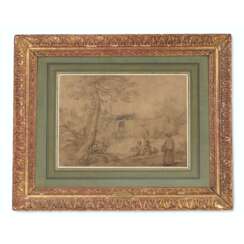

Abraham Bloemaert was a Dutch painter, draughtsman, and printmaker from the Golden Age of Dutch painting, one of the founders of the Guild of St. Luke in Utrecht. Bloemart was a caravagist. He painted mainly landscapes, mythological and biblical scenes, and pastoral works.
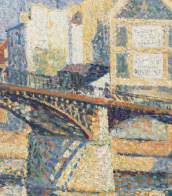


Abraham Bloemaert was a Dutch painter, draughtsman, and printmaker from the Golden Age of Dutch painting, one of the founders of the Guild of St. Luke in Utrecht. Bloemart was a caravagist. He painted mainly landscapes, mythological and biblical scenes, and pastoral works.

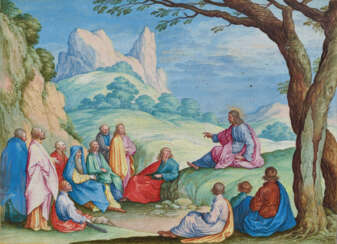

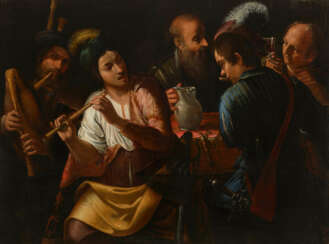

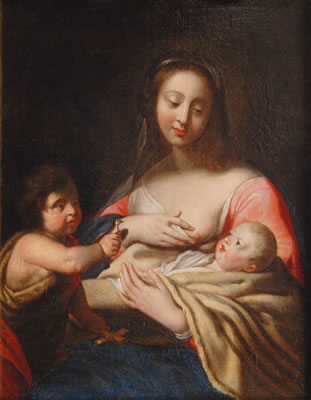

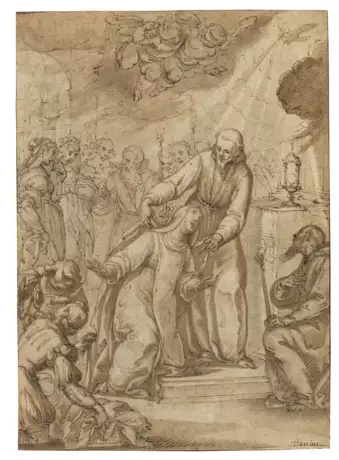
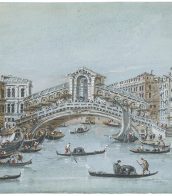
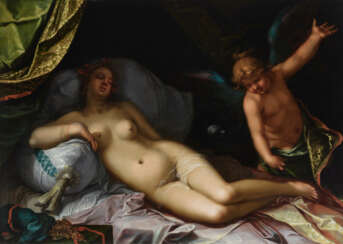

Abraham Bloemaert was a Dutch painter, draughtsman, and printmaker from the Golden Age of Dutch painting, one of the founders of the Guild of St. Luke in Utrecht. Bloemart was a caravagist. He painted mainly landscapes, mythological and biblical scenes, and pastoral works.


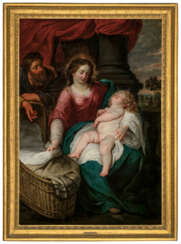

Jan van den Hoecke (Dutch: Jan van den Hoecke, Johannes van den Hoecke) was a Flemish Baroque painter, a pupil of Rubens.
The young artist was trained in the studio of Rubens, where he was one of the main assistants of the famous painter. Then lived and worked in Italy, in Vienna at the court of the Holy Roman Emperor Ferdinand III Habsburg. After returning to Antwerp, Hoecke was court painter to Archduke Leopold Wilhelm of Austria. Here he completed his most important and complex commission, the design of a series of 12 wall tapestries for Leopold Wilhelm around 1650, and also made several portraits of his suzerain.
Jan van den Hoecke was the author of a number of monumental paintings influenced by Rubens and A. van Dyck, such as The Triumph of David (1635). He painted pictures on biblical, mythological and allegorical subjects, altarpieces for the churches of Flanders.
His brother was the battle painter Robert van den Hoecke (1622-1668).
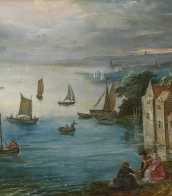


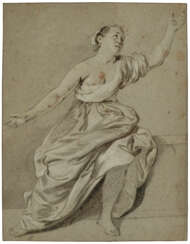

Jacob Adriaensz Backer was a prolific artist of the Dutch Golden Age, known for his dynamic portraits, religious subjects, and mythological scenes. Over a span of twenty years, Backer produced approximately 140 paintings, standing out for his quick execution and attention to detail. His ability to capture intricate details like cuffs, fur, and collars within a short period was renowned, exemplifying the Dutch wet-on-wet painting technique's success during his era.
Influenced by notable figures such as Wybrand de Geest, Peter Paul Rubens, and Abraham Bloemaert, Backer was also celebrated for his drawings of nudes, showcasing his versatile skill set. His works were a testament to the baroque movement, characterized by vivid expression and intricate detail. Notable among his works are portraits that convey the subject's essence with exceptional clarity and depth, earning him a distinguished place among his contemporaries in Amsterdam.
Despite his significant contributions to Dutch art, Backer led a life focused solely on his art, never marrying or purchasing a home, possibly sharing his living quarters with relatives. He was deeply embedded in the artistic milieu of Amsterdam, having been one of the most independent pupils of Rembrandt between 1632 and 1634, absorbing and reflecting the master's style in his works.
For collectors and experts in art and antiques, Jacob Adriaensz Backer's work offers an insight into the Dutch Golden Age's rich cultural and artistic landscape. His legacy continues to be celebrated in major museums and collections worldwide, including the Rijksmuseum in Amsterdam and the National Museum in Warsaw, where his influence on portrait and genre painting remains undisputed.
To stay updated on exhibitions, sales, and auctions related to Jacob Adriaensz Backer, subscribing to newsletters from reputable art galleries and auction houses is advisable. This ensures you receive timely information on opportunities to engage with the works of this masterful Dutch Golden Age painter.
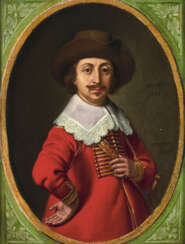

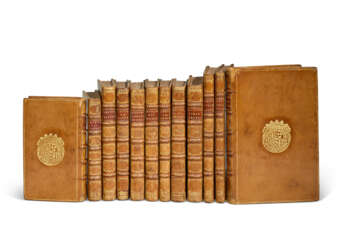
![[FÉNELON, Francois de Salignac de la Mothe (1651-1715)] - Jean-Guillaume MOITTE (1764 - 1810)](/assets/image/picture_4257778/ce267/822212ecb2f8da38212e43b0c46a07d31729065600jpg__fix_374_244.jpeg)
![[FÉNELON, Francois de Salignac de la Mothe (1651-1715)] - Jean-Guillaume MOITTE (1764 - 1810)](https://veryimportantlot.com/assets/image/picture_4257778/ce267/822212ecb2f8da38212e43b0c46a07d31729065600jpg__fix_374_244.jpeg)

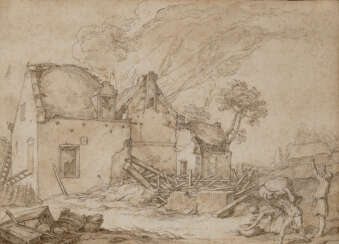

Abraham Bloemaert was a Dutch painter, draughtsman, and printmaker from the Golden Age of Dutch painting, one of the founders of the Guild of St. Luke in Utrecht. Bloemart was a caravagist. He painted mainly landscapes, mythological and biblical scenes, and pastoral works.