656


 de Heusch.jpg)
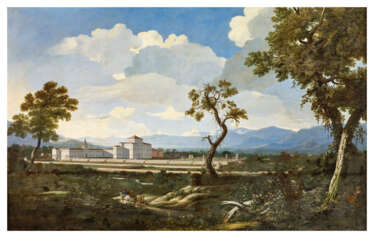
Jacob de Heusch was a Dutch painter of the Golden Age of Dutch painting. He is known for his Italian landscapes and vedutas.
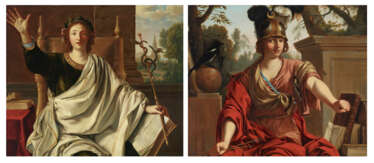

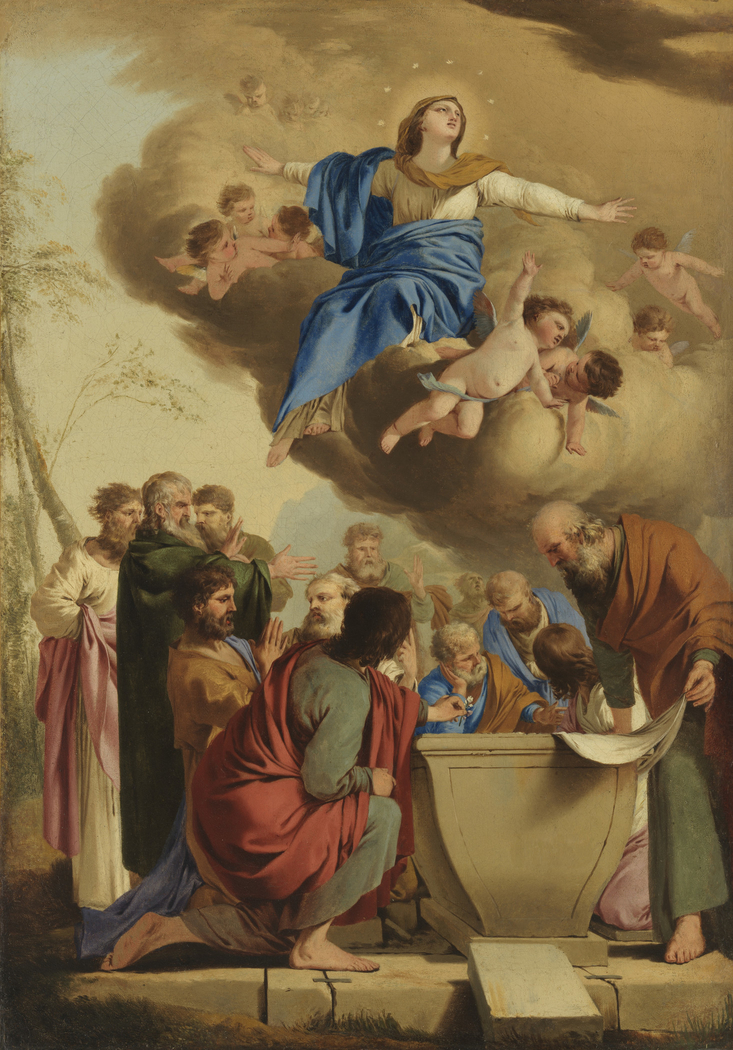
Laurent de La Hyre, a prominent French Baroque painter born in Paris in 1606, is celebrated for his mastery in landscape and allegorical paintings. Throughout his career, La Hyre exhibited a profound influence from the Italian artists who visited Paris, studying under Georges Lallemand and drawing inspiration from Primaticcio at Fontainebleau. Despite never traveling to Italy himself, La Hyre’s work was characterized by a captivating use of color and the delicate composition of figures, marking him as a key figure in the transitional period leading up to the French Baroque era introduced by Simon Vouet.
La Hyre’s paintings are notable for their gravity, simplicity, and dignity, qualities that resonated with the neoclassical style of Parisian Atticism he championed. His early works are particularly recognized for their painterly style and storytelling prowess, often depicting subjects rarely seen in his contemporaries' work. One of his most significant contributions was to the Capuchin friars of the Marais, with the painting of Pope Nicholas V discovering the corpse of St. Francis of Assisi, now housed in the Louvre alongside eight other works by La Hyre. Museums in Strasbourg, Rouen, and Le Mans also boast collections of his work, showcasing his broad appeal and the versatility of his subject matter.
In 1648, La Hyre's status in the art world was further cemented by his role as one of the founding members of the French Royal Academy of Painting and Sculpture, highlighting his influence and prominence in French art history. Despite his fame, La Hyre’s legacy underwent periods of reevaluation, particularly towards the end of the 17th century when his work received less favorable comparisons to contemporaries like Vouet, Champaigne, and Le Sueur. Nonetheless, his impact on the French Baroque movement and his contribution to the Academy underline the significance of his work and his role in the development of French art.
La Hyre's oeuvre spans a wide range of themes, from mythological and biblical scenes to allegories of the liberal arts, demonstrating his versatility and innovative approach to art. Among his notable works are the allegorical representations of the Seven Liberal Arts, designed as a series and showcasing disciplines like Astronomy, Grammar, and Music as personified figures, reflecting the intellectual and cultural values of his time.
Collectors and experts in art and antiques appreciate La Hyre not only for the aesthetic and historical value of his paintings but also for the insights they provide into the cultural and intellectual currents of 17th-century France. His works, preserved in prestigious museums and galleries, continue to be celebrated for their artistic merit and historical significance.
For those keen on exploring the rich tapestry of Baroque art and the contributions of Laurent de La Hyre to this period, signing up for updates on new product sales and auction events related to La Hyre is an invaluable opportunity. This subscription ensures that enthusiasts and collectors are well-informed about the latest discoveries and offerings related to this influential artist, without the intrusion of unrelated content.
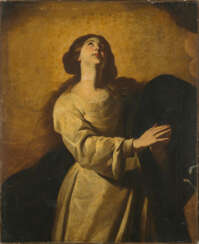

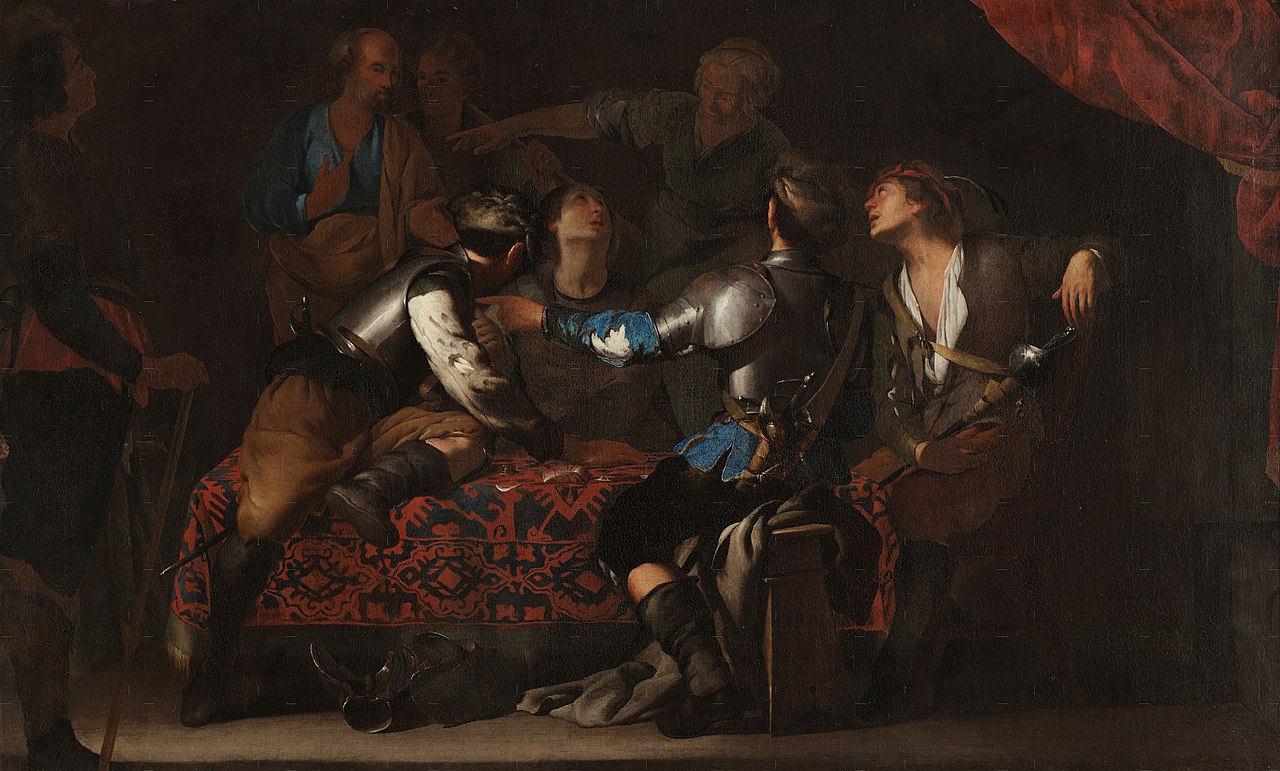
Bernardo Cavallino was an Italian painter and draughtsman. He is regarded as one of the most original painters active in Naples during the first half of the 17th century.

Jan Josephsz. van Goyen was a Dutch landscape painter and draftsman of the Golden Age, a member of the Guild of St. Luke of Leiden, and a representative of the so-called tonal landscape. Van Goyen specialized in landscape painting and left many paintings depicting forest paths, rivers, lakes, and canals. He also painted peasant huts and the outskirts of towns.
Jan van Goin was one of the most prolific painters of the 17th century: some 1,200 paintings he created and some 800 drawings have survived.
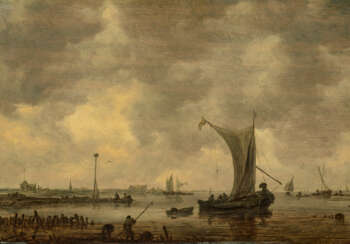

Jan Josephsz. van Goyen was a Dutch landscape painter and draftsman of the Golden Age, a member of the Guild of St. Luke of Leiden, and a representative of the so-called tonal landscape. Van Goyen specialized in landscape painting and left many paintings depicting forest paths, rivers, lakes, and canals. He also painted peasant huts and the outskirts of towns.
Jan van Goin was one of the most prolific painters of the 17th century: some 1,200 paintings he created and some 800 drawings have survived.
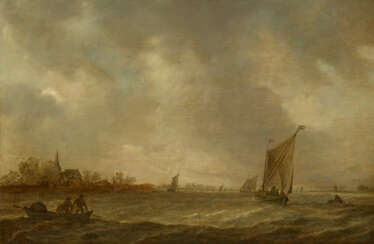

Jan Josephsz. van Goyen was a Dutch landscape painter and draftsman of the Golden Age, a member of the Guild of St. Luke of Leiden, and a representative of the so-called tonal landscape. Van Goyen specialized in landscape painting and left many paintings depicting forest paths, rivers, lakes, and canals. He also painted peasant huts and the outskirts of towns.
Jan van Goin was one of the most prolific painters of the 17th century: some 1,200 paintings he created and some 800 drawings have survived.
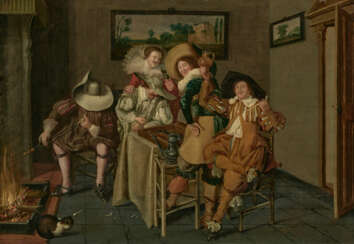

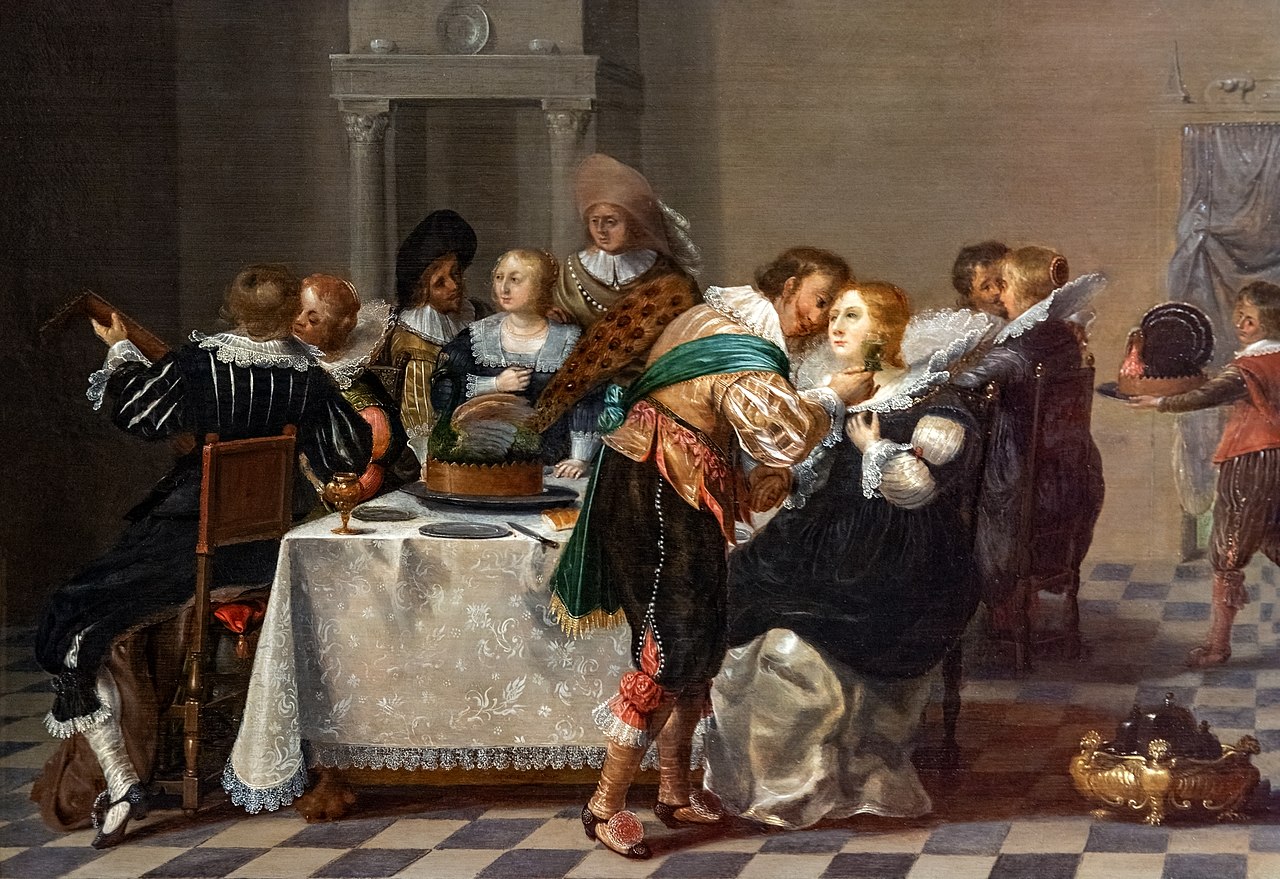
Dirck Hals was a Dutch Golden Age painter of merry company scenes, festivals and ballroom scenes. He played a role in the development of these types of genre painting. He was somewhat influenced by his elder brother Frans Hals, but painted few portraits.
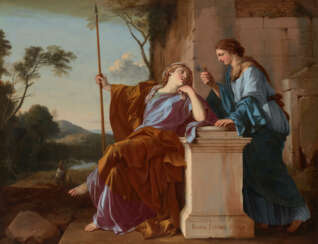

Laurent de La Hyre, a prominent French Baroque painter born in Paris in 1606, is celebrated for his mastery in landscape and allegorical paintings. Throughout his career, La Hyre exhibited a profound influence from the Italian artists who visited Paris, studying under Georges Lallemand and drawing inspiration from Primaticcio at Fontainebleau. Despite never traveling to Italy himself, La Hyre’s work was characterized by a captivating use of color and the delicate composition of figures, marking him as a key figure in the transitional period leading up to the French Baroque era introduced by Simon Vouet.
La Hyre’s paintings are notable for their gravity, simplicity, and dignity, qualities that resonated with the neoclassical style of Parisian Atticism he championed. His early works are particularly recognized for their painterly style and storytelling prowess, often depicting subjects rarely seen in his contemporaries' work. One of his most significant contributions was to the Capuchin friars of the Marais, with the painting of Pope Nicholas V discovering the corpse of St. Francis of Assisi, now housed in the Louvre alongside eight other works by La Hyre. Museums in Strasbourg, Rouen, and Le Mans also boast collections of his work, showcasing his broad appeal and the versatility of his subject matter.
In 1648, La Hyre's status in the art world was further cemented by his role as one of the founding members of the French Royal Academy of Painting and Sculpture, highlighting his influence and prominence in French art history. Despite his fame, La Hyre’s legacy underwent periods of reevaluation, particularly towards the end of the 17th century when his work received less favorable comparisons to contemporaries like Vouet, Champaigne, and Le Sueur. Nonetheless, his impact on the French Baroque movement and his contribution to the Academy underline the significance of his work and his role in the development of French art.
La Hyre's oeuvre spans a wide range of themes, from mythological and biblical scenes to allegories of the liberal arts, demonstrating his versatility and innovative approach to art. Among his notable works are the allegorical representations of the Seven Liberal Arts, designed as a series and showcasing disciplines like Astronomy, Grammar, and Music as personified figures, reflecting the intellectual and cultural values of his time.
Collectors and experts in art and antiques appreciate La Hyre not only for the aesthetic and historical value of his paintings but also for the insights they provide into the cultural and intellectual currents of 17th-century France. His works, preserved in prestigious museums and galleries, continue to be celebrated for their artistic merit and historical significance.
For those keen on exploring the rich tapestry of Baroque art and the contributions of Laurent de La Hyre to this period, signing up for updates on new product sales and auction events related to La Hyre is an invaluable opportunity. This subscription ensures that enthusiasts and collectors are well-informed about the latest discoveries and offerings related to this influential artist, without the intrusion of unrelated content.
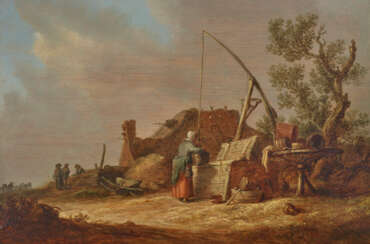

Jan Josephsz. van Goyen was a Dutch landscape painter and draftsman of the Golden Age, a member of the Guild of St. Luke of Leiden, and a representative of the so-called tonal landscape. Van Goyen specialized in landscape painting and left many paintings depicting forest paths, rivers, lakes, and canals. He also painted peasant huts and the outskirts of towns.
Jan van Goin was one of the most prolific painters of the 17th century: some 1,200 paintings he created and some 800 drawings have survived.
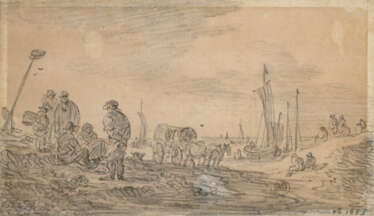

Jan Josephsz. van Goyen was a Dutch landscape painter and draftsman of the Golden Age, a member of the Guild of St. Luke of Leiden, and a representative of the so-called tonal landscape. Van Goyen specialized in landscape painting and left many paintings depicting forest paths, rivers, lakes, and canals. He also painted peasant huts and the outskirts of towns.
Jan van Goin was one of the most prolific painters of the 17th century: some 1,200 paintings he created and some 800 drawings have survived.
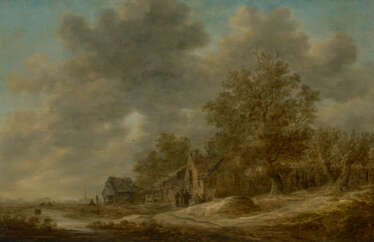

Jan Josephsz. van Goyen was a Dutch landscape painter and draftsman of the Golden Age, a member of the Guild of St. Luke of Leiden, and a representative of the so-called tonal landscape. Van Goyen specialized in landscape painting and left many paintings depicting forest paths, rivers, lakes, and canals. He also painted peasant huts and the outskirts of towns.
Jan van Goin was one of the most prolific painters of the 17th century: some 1,200 paintings he created and some 800 drawings have survived.
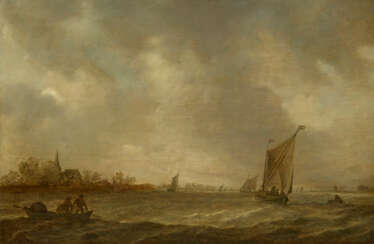

Jan Josephsz. van Goyen was a Dutch landscape painter and draftsman of the Golden Age, a member of the Guild of St. Luke of Leiden, and a representative of the so-called tonal landscape. Van Goyen specialized in landscape painting and left many paintings depicting forest paths, rivers, lakes, and canals. He also painted peasant huts and the outskirts of towns.
Jan van Goin was one of the most prolific painters of the 17th century: some 1,200 paintings he created and some 800 drawings have survived.
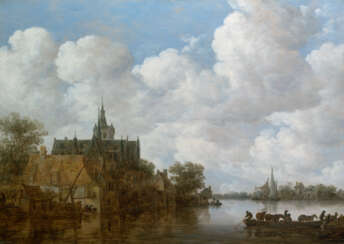

Jan Josephsz. van Goyen was a Dutch landscape painter and draftsman of the Golden Age, a member of the Guild of St. Luke of Leiden, and a representative of the so-called tonal landscape. Van Goyen specialized in landscape painting and left many paintings depicting forest paths, rivers, lakes, and canals. He also painted peasant huts and the outskirts of towns.
Jan van Goin was one of the most prolific painters of the 17th century: some 1,200 paintings he created and some 800 drawings have survived.
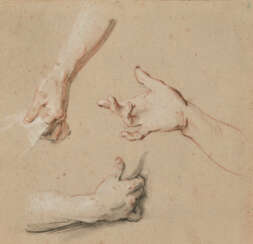

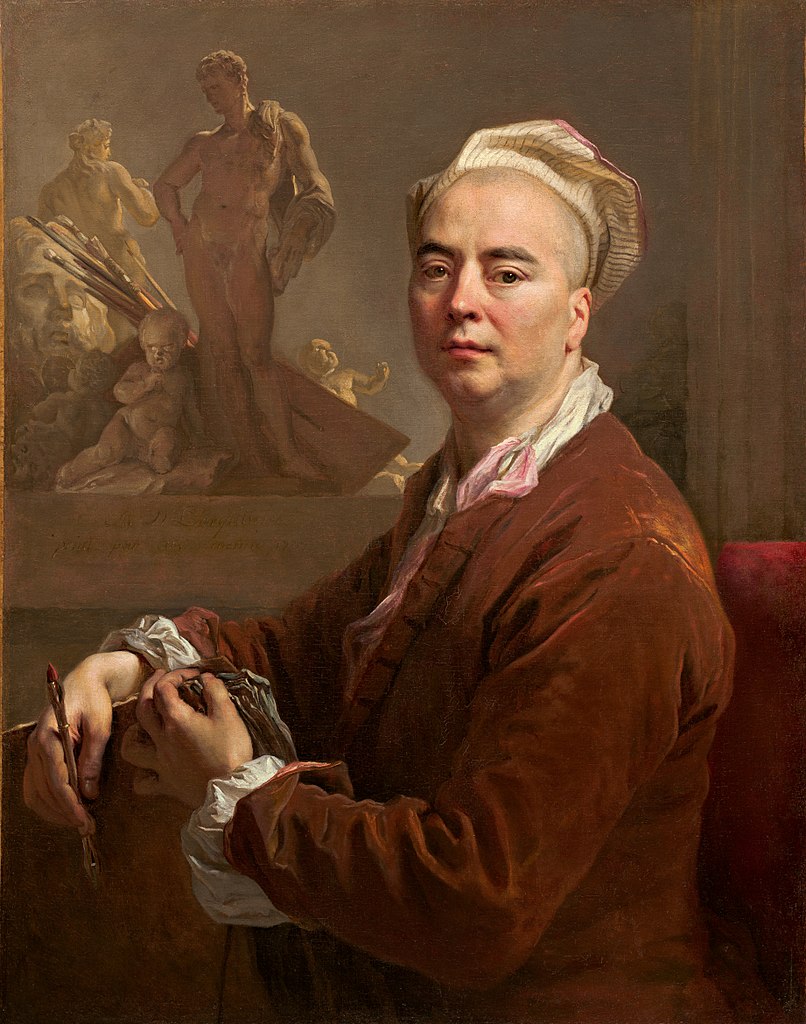
Nicolas de Largillière was a French painter of the Rococo period. Along with Hyacinthe Rigaud, he is considered the first portraitist of his time in France.
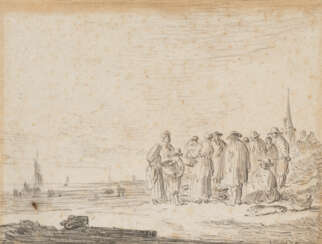

Jan Josephsz. van Goyen was a Dutch landscape painter and draftsman of the Golden Age, a member of the Guild of St. Luke of Leiden, and a representative of the so-called tonal landscape. Van Goyen specialized in landscape painting and left many paintings depicting forest paths, rivers, lakes, and canals. He also painted peasant huts and the outskirts of towns.
Jan van Goin was one of the most prolific painters of the 17th century: some 1,200 paintings he created and some 800 drawings have survived.


Jan Josephsz. van Goyen was a Dutch landscape painter and draftsman of the Golden Age, a member of the Guild of St. Luke of Leiden, and a representative of the so-called tonal landscape. Van Goyen specialized in landscape painting and left many paintings depicting forest paths, rivers, lakes, and canals. He also painted peasant huts and the outskirts of towns.
Jan van Goin was one of the most prolific painters of the 17th century: some 1,200 paintings he created and some 800 drawings have survived.


Jan Josephsz. van Goyen was a Dutch landscape painter and draftsman of the Golden Age, a member of the Guild of St. Luke of Leiden, and a representative of the so-called tonal landscape. Van Goyen specialized in landscape painting and left many paintings depicting forest paths, rivers, lakes, and canals. He also painted peasant huts and the outskirts of towns.
Jan van Goin was one of the most prolific painters of the 17th century: some 1,200 paintings he created and some 800 drawings have survived.

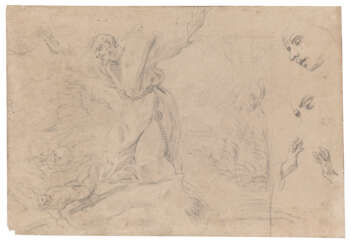

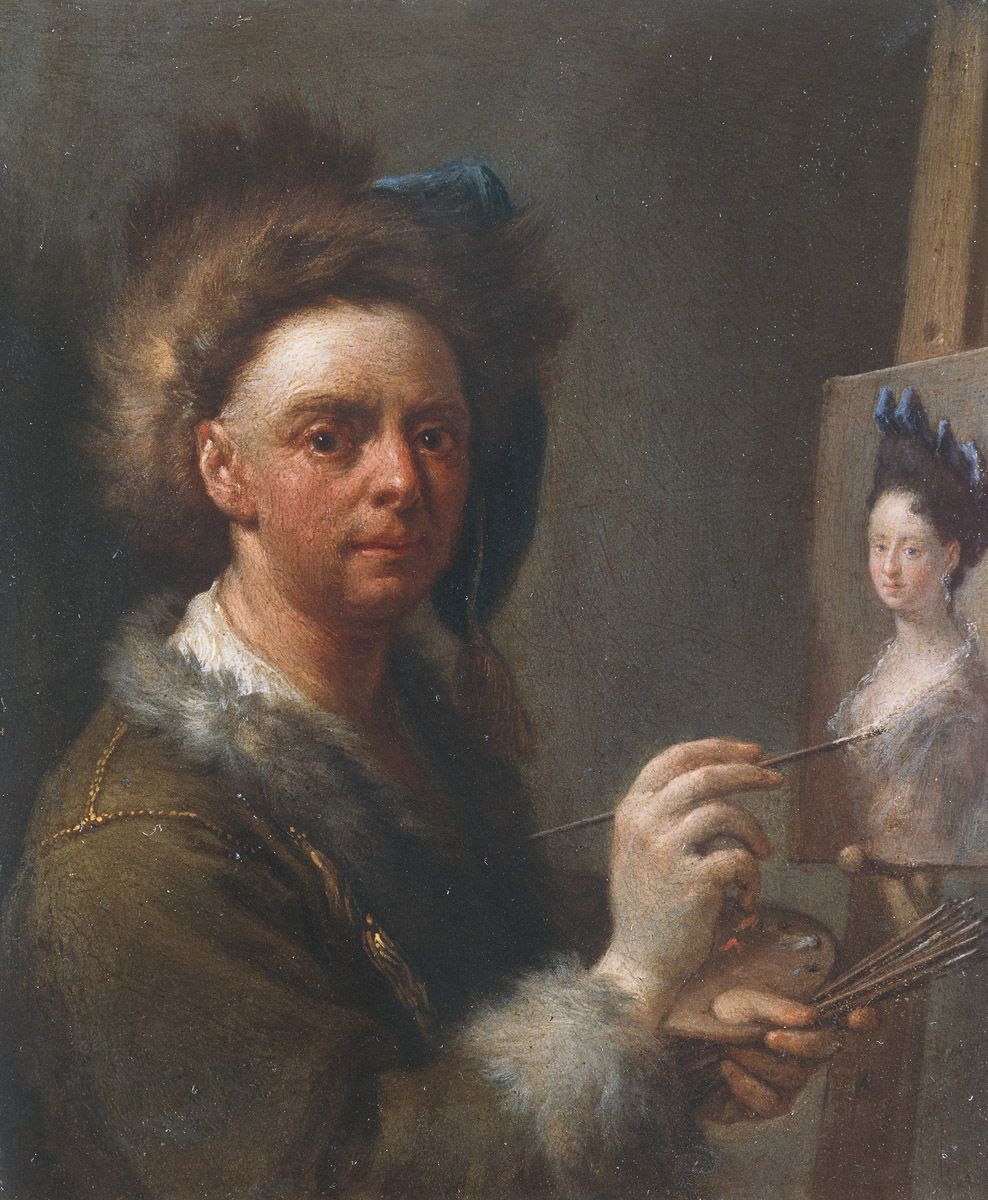
Francesco Trevisani was an Italian painter, celebrated for his contributions to the early Rococo or late Baroque periods. Born in Capodistria, he moved to Venice for training and later settled in Rome, where he gained prominence after the death of Carlo Maratta, becoming a leading figure in Roman art circles. Trevisani's art is known for its vibrant color palette and emotional depth, aligning with Maratta's style but with a distinct sweetness and colorfulness.
Francesco Trevisani's body of work includes frescoes, altarpieces, devotional and mythological scenes, and portraits. Notable works include "The Agony in the Garden" and "The Baptism of Christ," housed in Glasgow Museums and Leeds Museums and Galleries, respectively. His painting "Dead Christ Supported by Angels" reflects his ability to evoke deep religious sentiment, showcasing his skill in capturing the divine intertwined with human emotion.
Francesco Trevisani's influence extended across Europe, with his works being a testament to the religious and cultural narratives of his time. His ability to blend dramatic expression with delicate detailing won him accolades and recognition, making his works sought after by collectors and art enthusiasts alike.
For those interested in the fusion of religious narrative and artistic expression, Francesco Trevisani's works offer a compelling study. His legacy continues to inspire and attract admiration, making him a significant figure in the history of Italian art.
To stay updated on sales and auction events related to Francesco Trevisani, sign up for our newsletter. This subscription is your gateway to the latest updates on available pieces and upcoming events, ensuring you stay informed about opportunities to acquire works by this renowned artist.
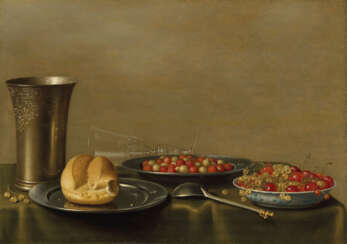

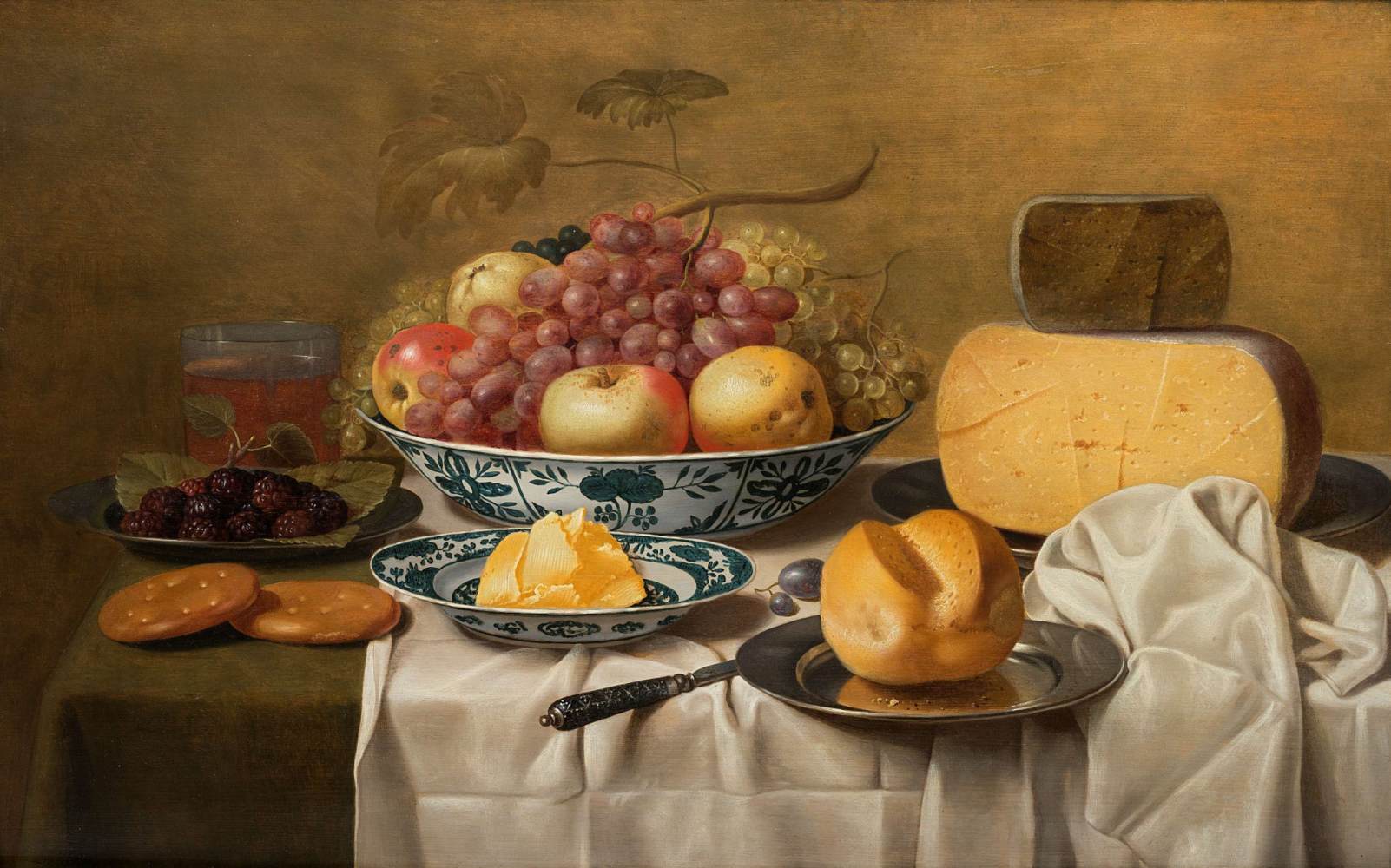
Floris Gerritsz van Schooten or Floris van Schooten was a Dutch painter who practised in a broad range of still life genres including breakfast pieces, fruit pieces, market scenes and large kitchen pieces.


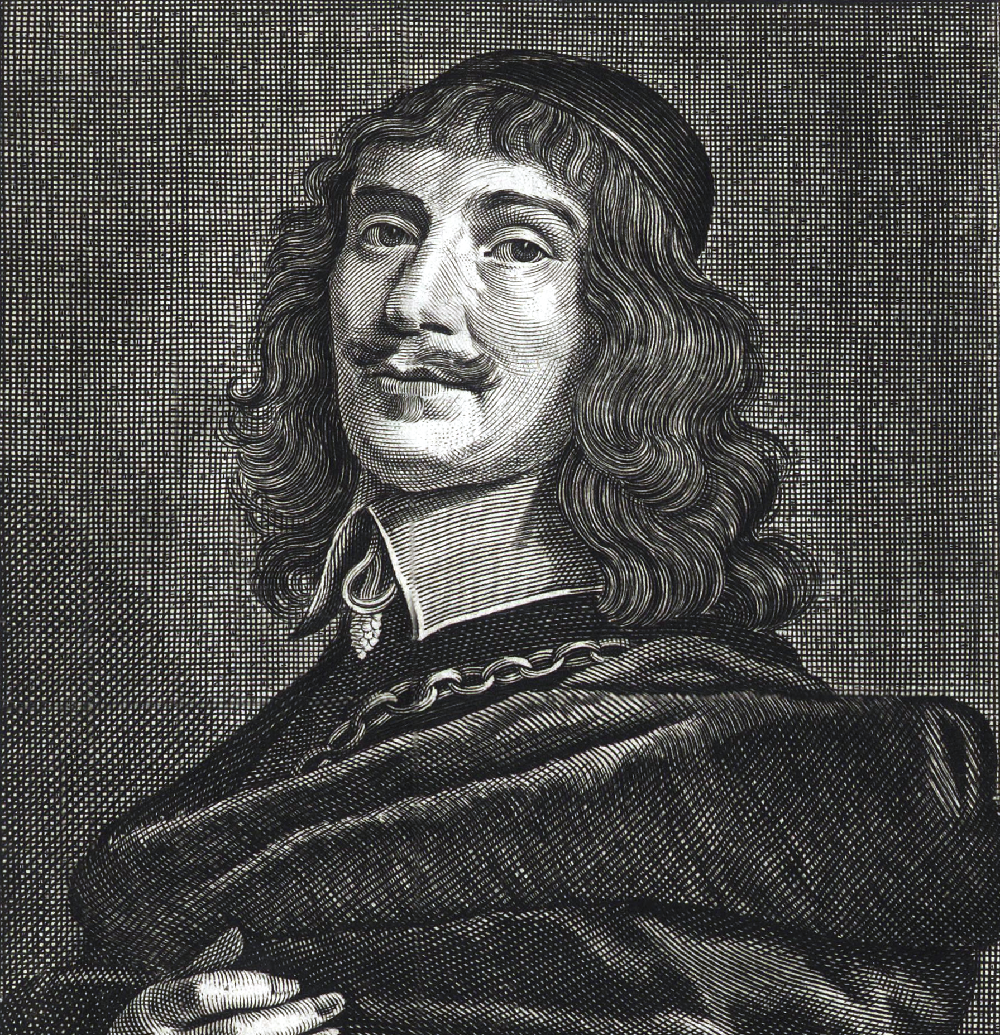
Gerard van Honthorst (Dutch: Gerrit van Honthorst) was a Dutch Golden Age painter who became known for his depiction of artificially lit scenes, eventually receiving the nickname Gherardo delle Notti ("Gerard of the Nights"). Early in his career he visited Rome, where he had great success painting in a style influenced by Caravaggio. Following his return to the Netherlands he became a leading portrait painter.


Laurent de La Hyre, a prominent French Baroque painter born in Paris in 1606, is celebrated for his mastery in landscape and allegorical paintings. Throughout his career, La Hyre exhibited a profound influence from the Italian artists who visited Paris, studying under Georges Lallemand and drawing inspiration from Primaticcio at Fontainebleau. Despite never traveling to Italy himself, La Hyre’s work was characterized by a captivating use of color and the delicate composition of figures, marking him as a key figure in the transitional period leading up to the French Baroque era introduced by Simon Vouet.
La Hyre’s paintings are notable for their gravity, simplicity, and dignity, qualities that resonated with the neoclassical style of Parisian Atticism he championed. His early works are particularly recognized for their painterly style and storytelling prowess, often depicting subjects rarely seen in his contemporaries' work. One of his most significant contributions was to the Capuchin friars of the Marais, with the painting of Pope Nicholas V discovering the corpse of St. Francis of Assisi, now housed in the Louvre alongside eight other works by La Hyre. Museums in Strasbourg, Rouen, and Le Mans also boast collections of his work, showcasing his broad appeal and the versatility of his subject matter.
In 1648, La Hyre's status in the art world was further cemented by his role as one of the founding members of the French Royal Academy of Painting and Sculpture, highlighting his influence and prominence in French art history. Despite his fame, La Hyre’s legacy underwent periods of reevaluation, particularly towards the end of the 17th century when his work received less favorable comparisons to contemporaries like Vouet, Champaigne, and Le Sueur. Nonetheless, his impact on the French Baroque movement and his contribution to the Academy underline the significance of his work and his role in the development of French art.
La Hyre's oeuvre spans a wide range of themes, from mythological and biblical scenes to allegories of the liberal arts, demonstrating his versatility and innovative approach to art. Among his notable works are the allegorical representations of the Seven Liberal Arts, designed as a series and showcasing disciplines like Astronomy, Grammar, and Music as personified figures, reflecting the intellectual and cultural values of his time.
Collectors and experts in art and antiques appreciate La Hyre not only for the aesthetic and historical value of his paintings but also for the insights they provide into the cultural and intellectual currents of 17th-century France. His works, preserved in prestigious museums and galleries, continue to be celebrated for their artistic merit and historical significance.
For those keen on exploring the rich tapestry of Baroque art and the contributions of Laurent de La Hyre to this period, signing up for updates on new product sales and auction events related to La Hyre is an invaluable opportunity. This subscription ensures that enthusiasts and collectors are well-informed about the latest discoveries and offerings related to this influential artist, without the intrusion of unrelated content.


Gerard van Honthorst (Dutch: Gerrit van Honthorst) was a Dutch Golden Age painter who became known for his depiction of artificially lit scenes, eventually receiving the nickname Gherardo delle Notti ("Gerard of the Nights"). Early in his career he visited Rome, where he had great success painting in a style influenced by Caravaggio. Following his return to the Netherlands he became a leading portrait painter.
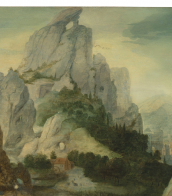


Floris Gerritsz van Schooten or Floris van Schooten was a Dutch painter who practised in a broad range of still life genres including breakfast pieces, fruit pieces, market scenes and large kitchen pieces.
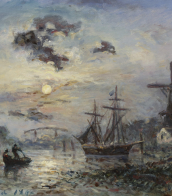
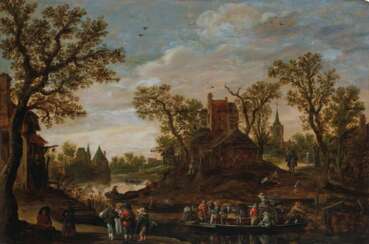

Jan Josephsz. van Goyen was a Dutch landscape painter and draftsman of the Golden Age, a member of the Guild of St. Luke of Leiden, and a representative of the so-called tonal landscape. Van Goyen specialized in landscape painting and left many paintings depicting forest paths, rivers, lakes, and canals. He also painted peasant huts and the outskirts of towns.
Jan van Goin was one of the most prolific painters of the 17th century: some 1,200 paintings he created and some 800 drawings have survived.
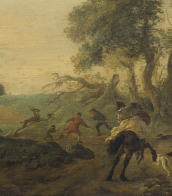
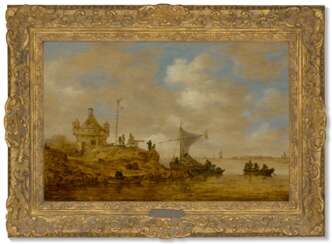

Jan Josephsz. van Goyen was a Dutch landscape painter and draftsman of the Golden Age, a member of the Guild of St. Luke of Leiden, and a representative of the so-called tonal landscape. Van Goyen specialized in landscape painting and left many paintings depicting forest paths, rivers, lakes, and canals. He also painted peasant huts and the outskirts of towns.
Jan van Goin was one of the most prolific painters of the 17th century: some 1,200 paintings he created and some 800 drawings have survived.
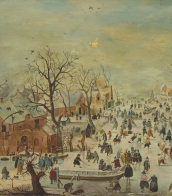


Gerard van Honthorst (Dutch: Gerrit van Honthorst) was a Dutch Golden Age painter who became known for his depiction of artificially lit scenes, eventually receiving the nickname Gherardo delle Notti ("Gerard of the Nights"). Early in his career he visited Rome, where he had great success painting in a style influenced by Caravaggio. Following his return to the Netherlands he became a leading portrait painter.
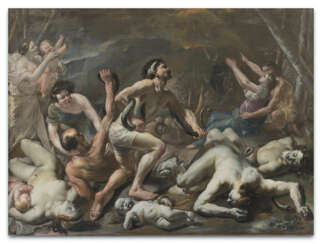

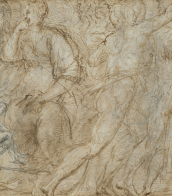



Jan Josephsz. van Goyen was a Dutch landscape painter and draftsman of the Golden Age, a member of the Guild of St. Luke of Leiden, and a representative of the so-called tonal landscape. Van Goyen specialized in landscape painting and left many paintings depicting forest paths, rivers, lakes, and canals. He also painted peasant huts and the outskirts of towns.
Jan van Goin was one of the most prolific painters of the 17th century: some 1,200 paintings he created and some 800 drawings have survived.