904
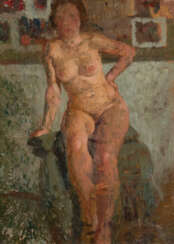

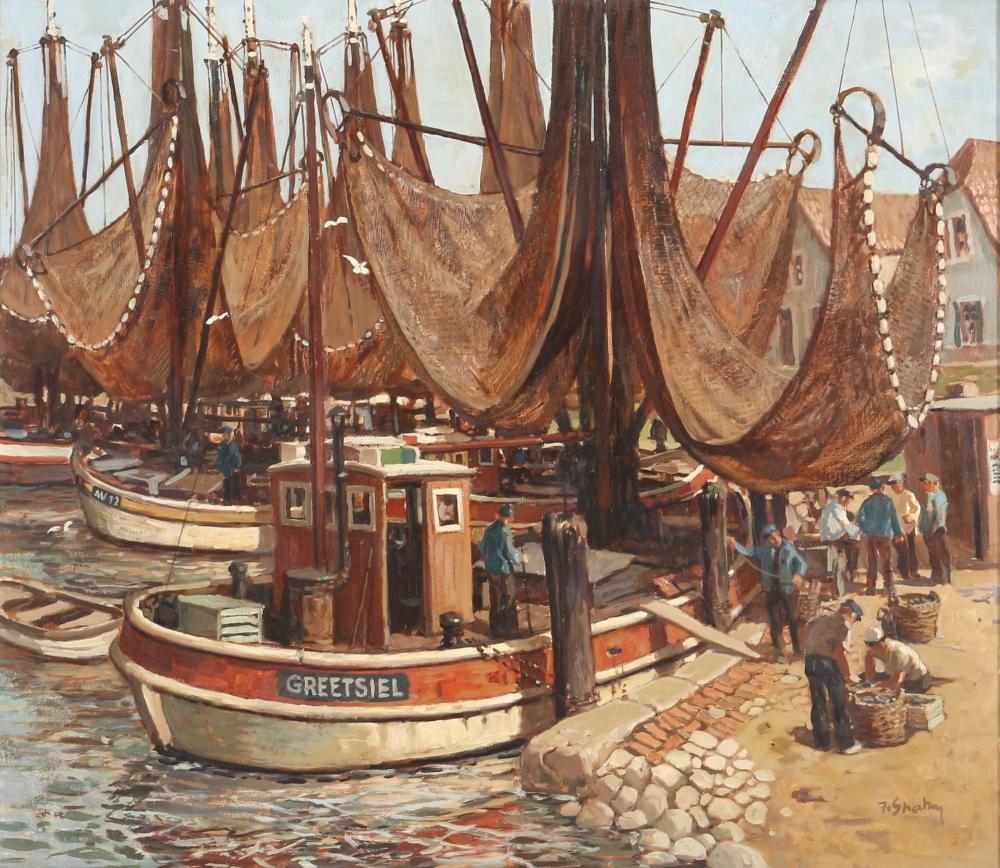
Peter Josef Strahn was a 20th century German painter. He represents the Dusseldorf School of painting.
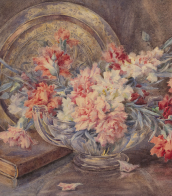
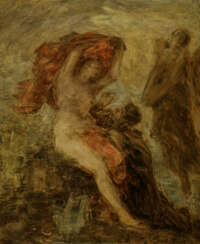

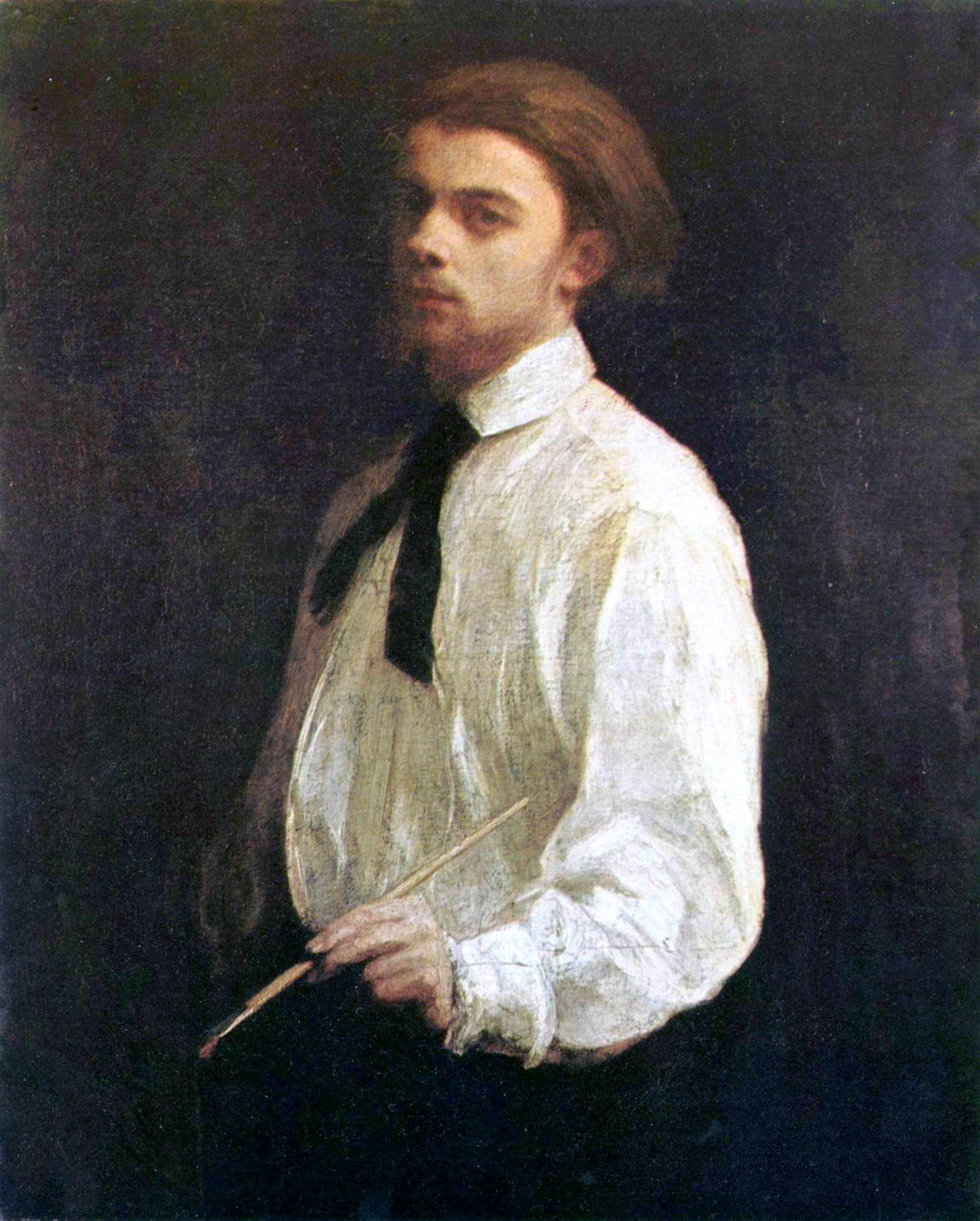
Henri Fantin-Latour was a French painter and lithographer renowned for his exquisite flower paintings and insightful group portraits of Parisian artists and writers. His artistic journey began in Grenoble, where he was born in 1836, but it flourished in Paris, where he moved at a young age to study art. Despite his associations with Impressionists like Édouard Manet and Claude Monet, Fantin-Latour carved his unique path, focusing on still life and portraiture rather than adopting the Impressionist style.
Henri Fantin-Latour's knack for capturing the essence of his subjects is evident in his group portraits, which were not just mere representations but insightful depictions of the artistic and literary circles of his time. His notable works like "A Studio at Les Batignolles" illustrate the camaraderie among artists like Manet, Renoir, and Monet, offering a window into the vibrant Parisian art scene of the 19th century. His still lifes, particularly his flower paintings, are celebrated for their realism and delicate precision, making them a favorite among collectors and art enthusiasts.
In addition to his painting, Henri Fantin-Latour's lithographs, inspired by classical music and imbued with a poetic and symbolic quality, reveal another dimension of his talent, showcasing his ability to transcend the boundaries of realism and delve into the realm of imagination.
For art collectors and experts, Henri Fantin-Latour's works offer a blend of technical mastery and a deep understanding of the interplay between art, music, and literature. His contributions to the art world are remembered and celebrated in museums around the globe, where his works continue to inspire and captivate audiences.
For those interested in exploring more about Henri Fantin-Latour's life and works, visiting exhibitions or keeping abreast of auctions featuring his art can provide valuable insights into his creative genius. To stay updated on related events and opportunities, consider subscribing to updates from art institutions or galleries specializing in 19th-century French art.
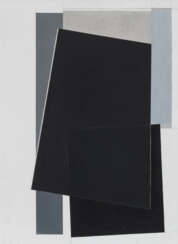

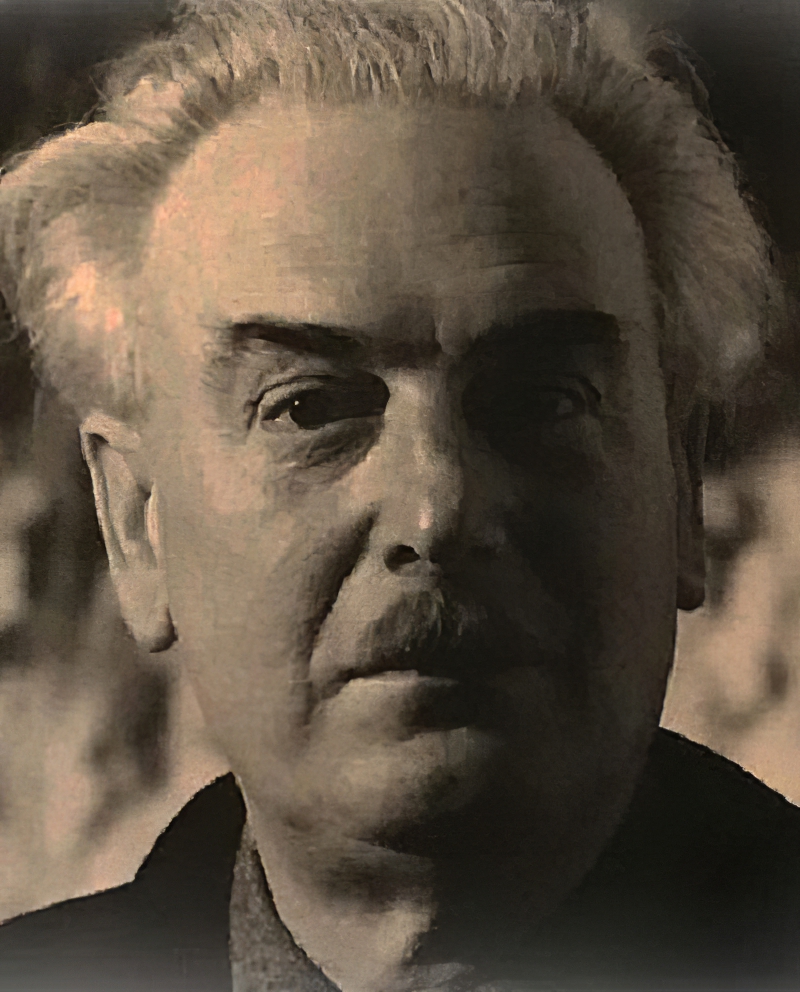
Heinrich Siepmann was a painter and belonged to the second generation of Constructivism.
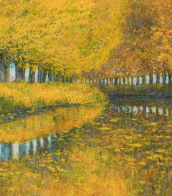
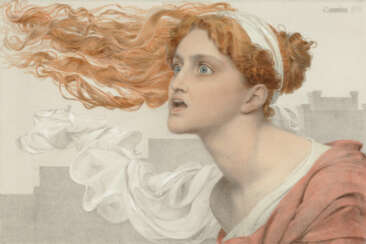

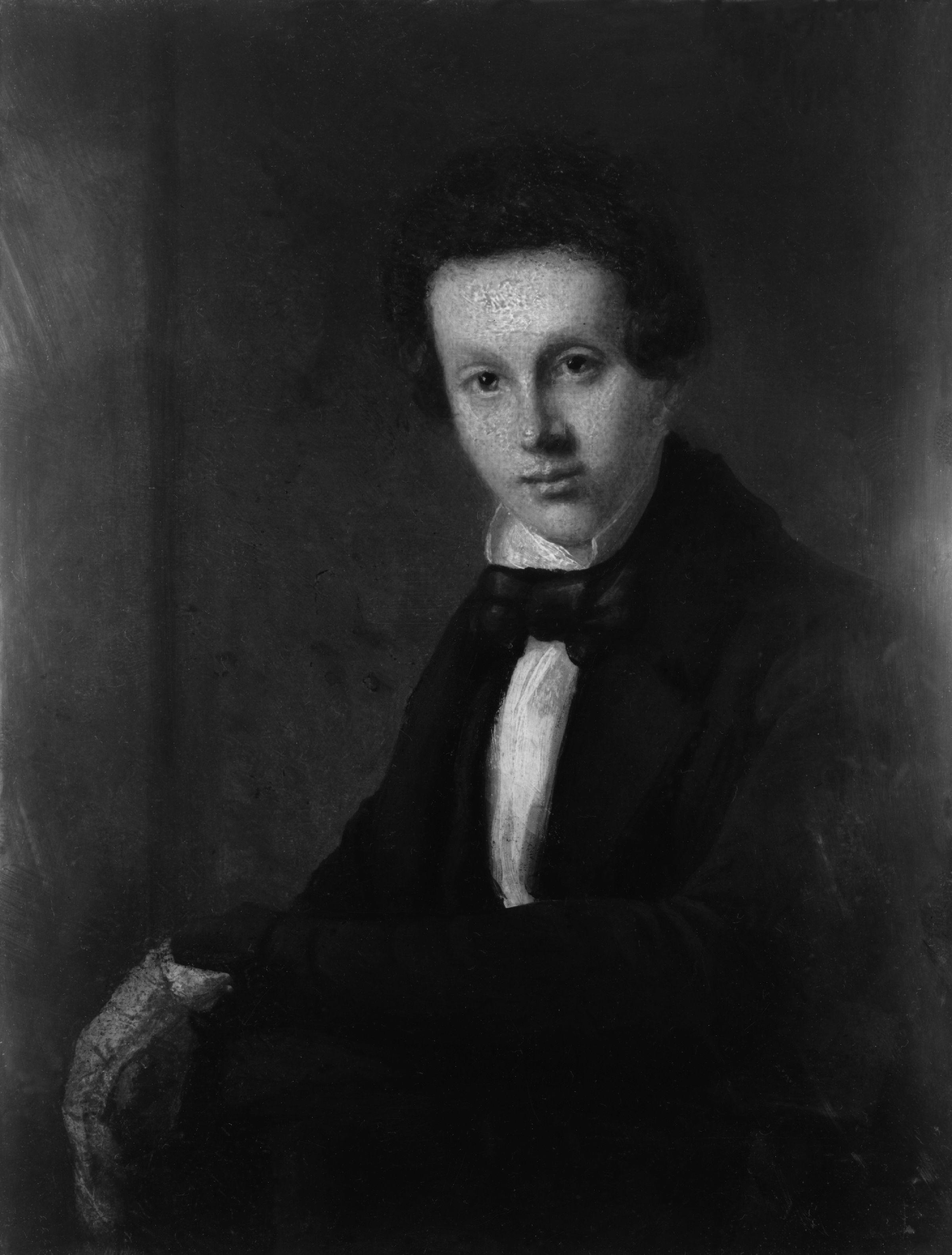
Anthony Frederick Augustus Sandys was a British painter, illustrator, and draughtsman, associated with the Pre-Raphaelites. He was also associated with the Norwich School of painters.
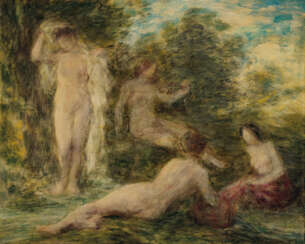

Henri Fantin-Latour was a French painter and lithographer renowned for his exquisite flower paintings and insightful group portraits of Parisian artists and writers. His artistic journey began in Grenoble, where he was born in 1836, but it flourished in Paris, where he moved at a young age to study art. Despite his associations with Impressionists like Édouard Manet and Claude Monet, Fantin-Latour carved his unique path, focusing on still life and portraiture rather than adopting the Impressionist style.
Henri Fantin-Latour's knack for capturing the essence of his subjects is evident in his group portraits, which were not just mere representations but insightful depictions of the artistic and literary circles of his time. His notable works like "A Studio at Les Batignolles" illustrate the camaraderie among artists like Manet, Renoir, and Monet, offering a window into the vibrant Parisian art scene of the 19th century. His still lifes, particularly his flower paintings, are celebrated for their realism and delicate precision, making them a favorite among collectors and art enthusiasts.
In addition to his painting, Henri Fantin-Latour's lithographs, inspired by classical music and imbued with a poetic and symbolic quality, reveal another dimension of his talent, showcasing his ability to transcend the boundaries of realism and delve into the realm of imagination.
For art collectors and experts, Henri Fantin-Latour's works offer a blend of technical mastery and a deep understanding of the interplay between art, music, and literature. His contributions to the art world are remembered and celebrated in museums around the globe, where his works continue to inspire and captivate audiences.
For those interested in exploring more about Henri Fantin-Latour's life and works, visiting exhibitions or keeping abreast of auctions featuring his art can provide valuable insights into his creative genius. To stay updated on related events and opportunities, consider subscribing to updates from art institutions or galleries specializing in 19th-century French art.


Henri Fantin-Latour was a French painter and lithographer renowned for his exquisite flower paintings and insightful group portraits of Parisian artists and writers. His artistic journey began in Grenoble, where he was born in 1836, but it flourished in Paris, where he moved at a young age to study art. Despite his associations with Impressionists like Édouard Manet and Claude Monet, Fantin-Latour carved his unique path, focusing on still life and portraiture rather than adopting the Impressionist style.
Henri Fantin-Latour's knack for capturing the essence of his subjects is evident in his group portraits, which were not just mere representations but insightful depictions of the artistic and literary circles of his time. His notable works like "A Studio at Les Batignolles" illustrate the camaraderie among artists like Manet, Renoir, and Monet, offering a window into the vibrant Parisian art scene of the 19th century. His still lifes, particularly his flower paintings, are celebrated for their realism and delicate precision, making them a favorite among collectors and art enthusiasts.
In addition to his painting, Henri Fantin-Latour's lithographs, inspired by classical music and imbued with a poetic and symbolic quality, reveal another dimension of his talent, showcasing his ability to transcend the boundaries of realism and delve into the realm of imagination.
For art collectors and experts, Henri Fantin-Latour's works offer a blend of technical mastery and a deep understanding of the interplay between art, music, and literature. His contributions to the art world are remembered and celebrated in museums around the globe, where his works continue to inspire and captivate audiences.
For those interested in exploring more about Henri Fantin-Latour's life and works, visiting exhibitions or keeping abreast of auctions featuring his art can provide valuable insights into his creative genius. To stay updated on related events and opportunities, consider subscribing to updates from art institutions or galleries specializing in 19th-century French art.


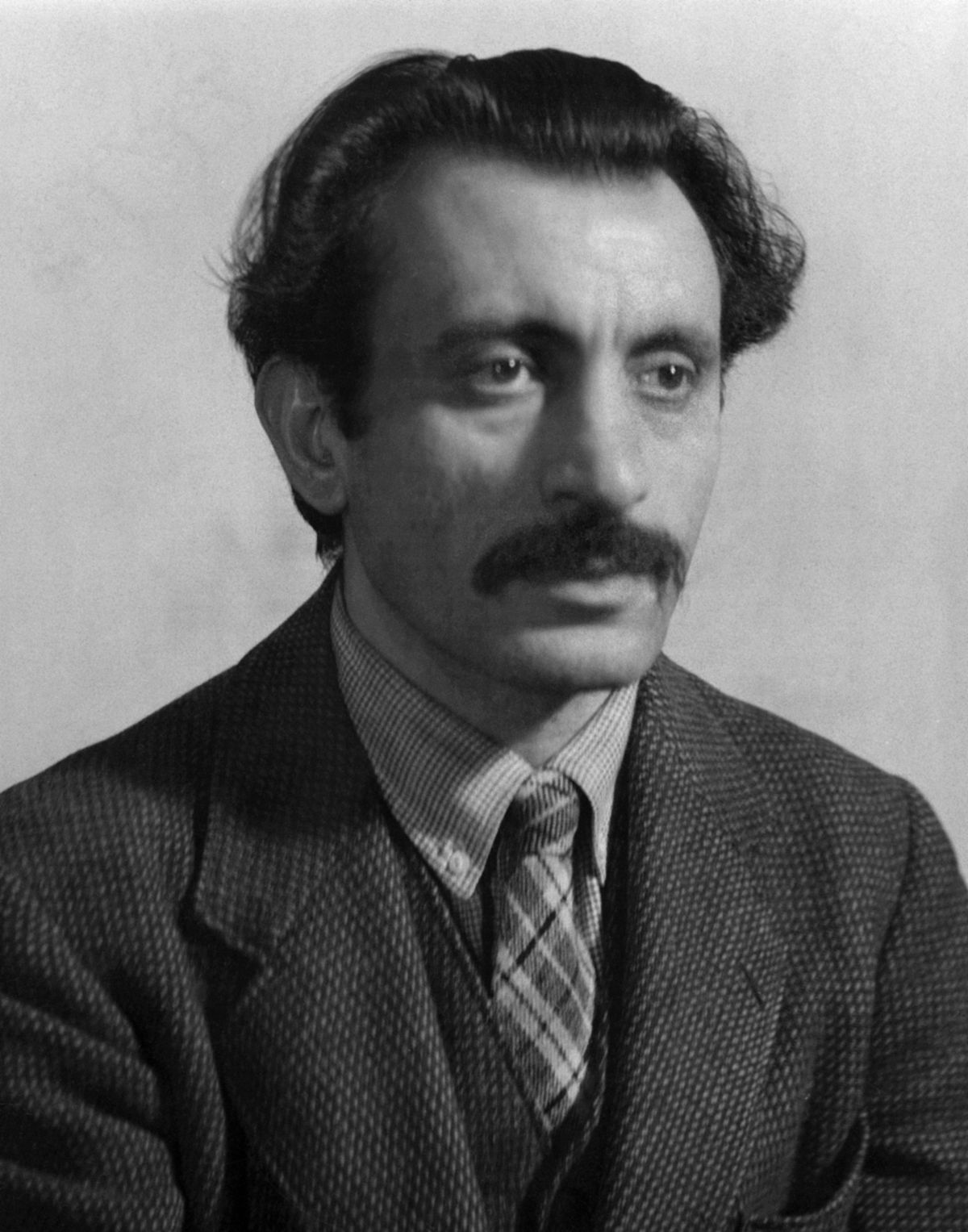
Arshile Gorky was an Armenian-American painter who had a seminal influence on Abstract Expressionism. He spent the last years of his life as a national of the United States. Along with Mark Rothko, Jackson Pollock and Willem de Kooning, Gorky has been hailed as one of the most powerful American painters of the 20th century. The suffering and loss he experienced in the Armenian genocide had crucial influence at Gorky’s development as an artist.
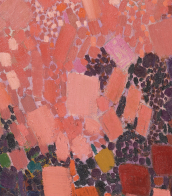
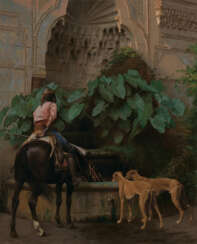

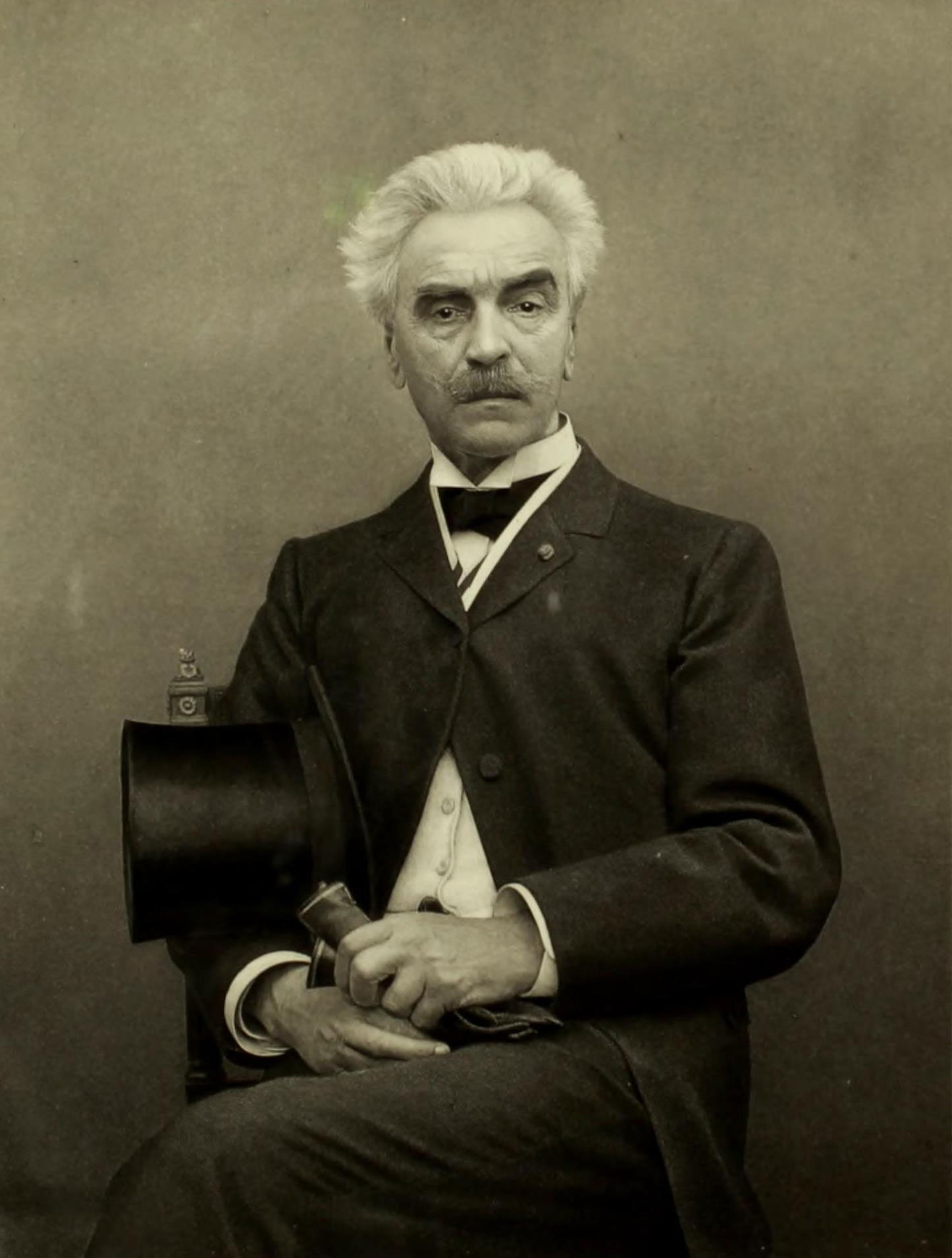
Jean-Léon Gérôme was a prominent 19th-century French painter, a representative of the academic school of painting. His paintings are notable for their impeccable composition and exquisite colour palette.
Jean-Léon Gérôme did not accept the work of the Impressionists, whom he considered to be the ignominy of French art. This has earned him a controversial reputation as a fierce supporter of academism and a persecutor of new movements.
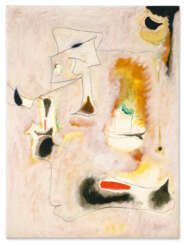

Arshile Gorky was an Armenian-American painter who had a seminal influence on Abstract Expressionism. He spent the last years of his life as a national of the United States. Along with Mark Rothko, Jackson Pollock and Willem de Kooning, Gorky has been hailed as one of the most powerful American painters of the 20th century. The suffering and loss he experienced in the Armenian genocide had crucial influence at Gorky’s development as an artist.
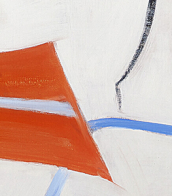


Jean-Léon Gérôme was a prominent 19th-century French painter, a representative of the academic school of painting. His paintings are notable for their impeccable composition and exquisite colour palette.
Jean-Léon Gérôme did not accept the work of the Impressionists, whom he considered to be the ignominy of French art. This has earned him a controversial reputation as a fierce supporter of academism and a persecutor of new movements.
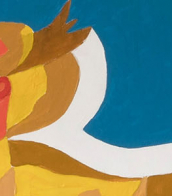
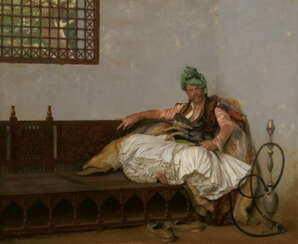

Jean-Léon Gérôme was a prominent 19th-century French painter, a representative of the academic school of painting. His paintings are notable for their impeccable composition and exquisite colour palette.
Jean-Léon Gérôme did not accept the work of the Impressionists, whom he considered to be the ignominy of French art. This has earned him a controversial reputation as a fierce supporter of academism and a persecutor of new movements.

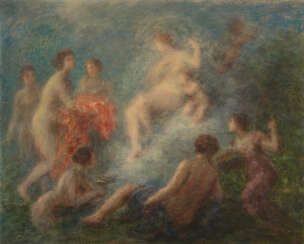

Henri Fantin-Latour was a French painter and lithographer renowned for his exquisite flower paintings and insightful group portraits of Parisian artists and writers. His artistic journey began in Grenoble, where he was born in 1836, but it flourished in Paris, where he moved at a young age to study art. Despite his associations with Impressionists like Édouard Manet and Claude Monet, Fantin-Latour carved his unique path, focusing on still life and portraiture rather than adopting the Impressionist style.
Henri Fantin-Latour's knack for capturing the essence of his subjects is evident in his group portraits, which were not just mere representations but insightful depictions of the artistic and literary circles of his time. His notable works like "A Studio at Les Batignolles" illustrate the camaraderie among artists like Manet, Renoir, and Monet, offering a window into the vibrant Parisian art scene of the 19th century. His still lifes, particularly his flower paintings, are celebrated for their realism and delicate precision, making them a favorite among collectors and art enthusiasts.
In addition to his painting, Henri Fantin-Latour's lithographs, inspired by classical music and imbued with a poetic and symbolic quality, reveal another dimension of his talent, showcasing his ability to transcend the boundaries of realism and delve into the realm of imagination.
For art collectors and experts, Henri Fantin-Latour's works offer a blend of technical mastery and a deep understanding of the interplay between art, music, and literature. His contributions to the art world are remembered and celebrated in museums around the globe, where his works continue to inspire and captivate audiences.
For those interested in exploring more about Henri Fantin-Latour's life and works, visiting exhibitions or keeping abreast of auctions featuring his art can provide valuable insights into his creative genius. To stay updated on related events and opportunities, consider subscribing to updates from art institutions or galleries specializing in 19th-century French art.
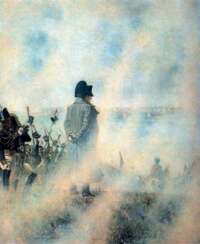

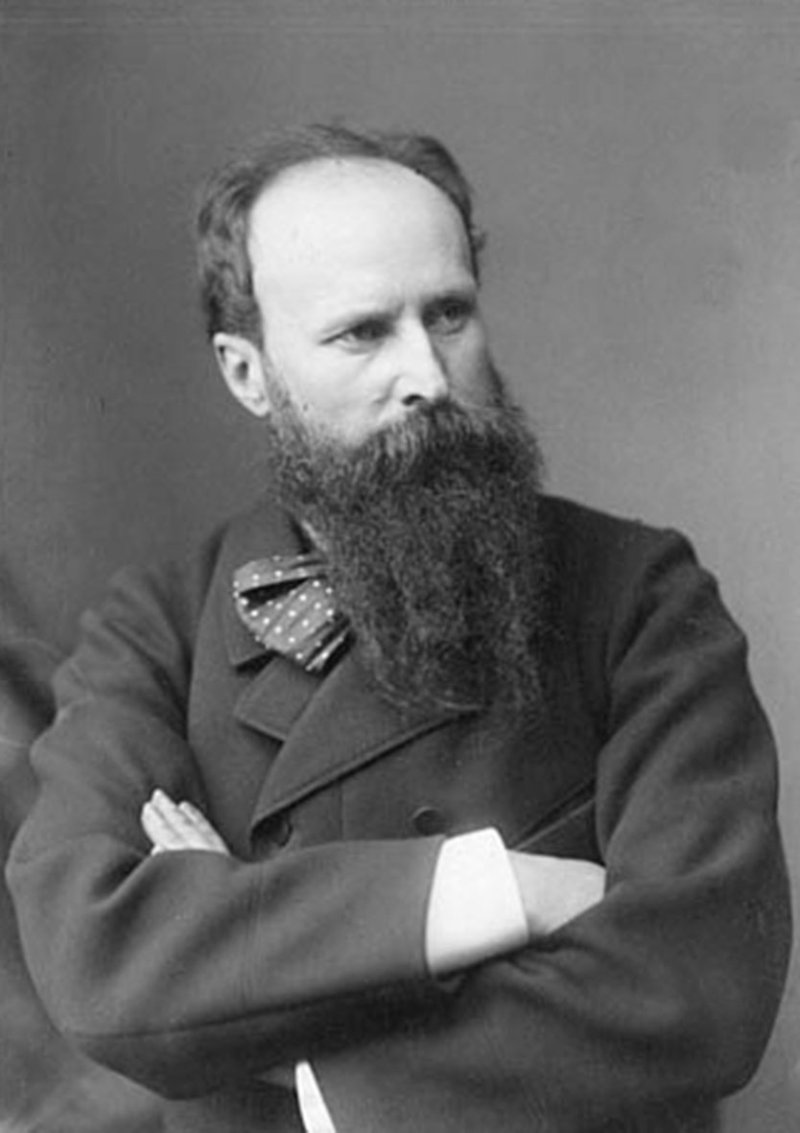
Vasily Vasilievich Vereshchagin (Russian: Васи́лий Васи́льевич Вереща́гин) was a Russian painter, known for his poignant and realistic depictions of war. He was born in 1842 in Cherepovets, Russia, and is celebrated for his dramatic and often controversial paintings that depicted the brutal realities of warfare.
Vereshchagin’s work stands out for its unflinching portrayal of the human cost of conflict. Unlike many of his contemporaries, he focused on the devastating consequences of war rather than glorifying it. His series of paintings from the Russo-Turkish War and his iconic piece, "The Apotheosis of War," are housed in prestigious institutions like the Tretyakov Gallery in Moscow and the Russian Museum in Saint Petersburg.
Collectors and art experts value Vereshchagin’s works for their historical significance and emotional depth. His paintings not only serve as powerful artistic statements but also as historical documents that provide insight into the wars of his time. For those interested in acquiring or learning more about Vereshchagin’s works, subscribing to updates about upcoming sales and auction events can be incredibly valuable.
Sign up to receive updates on new product sales and auction events related to Vasily Vasilievich Vereshchagin.


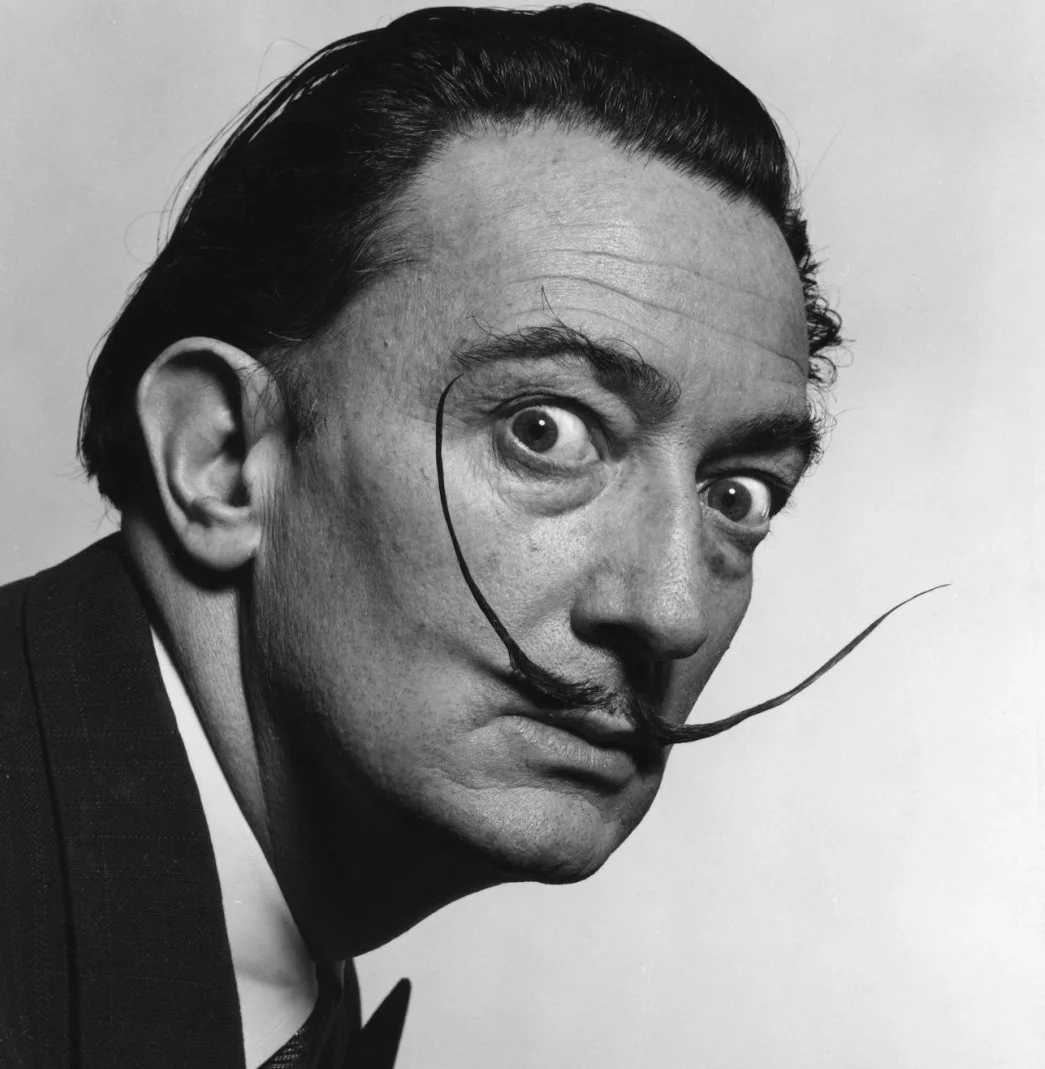
Salvador Dalí, a Spanish Surrealist painter and printmaker, is celebrated for his vivid and imaginative works that delve into subconscious imagery. Born on May 11, 1904, in Figueres, Catalonia, Spain, Dalí's early exposure to Impressionism and Renaissance masters significantly influenced his artistic development. His education in fine arts in Madrid further shaped his style, leading him to experiment with Cubism and avant-garde movements. In the late 1920s, Dalí embraced Surrealism, joining the Surrealist group in 1929 and rapidly becoming one of its most prominent figures.
Dalí's most famous work, "The Persistence of Memory," completed in 1931, epitomizes the Surrealist movement with its iconic melting clocks symbolizing the fluidity of time. His artistic repertoire was diverse, including painting, graphic arts, film, sculpture, design, and photography, often incorporating themes of dreams, the subconscious, sexuality, religion, and science. Despite his remarkable artistic contributions, Dalí's eccentric and flamboyant public persona often overshadowed his work. He faced criticism for his public support of the Francoist regime and the authenticity of some of his late works.
Dalí's legacy is preserved in major museums, notably the Dalí Theatre-Museum in Figueres and the Salvador Dalí Museum in St. Petersburg, Florida. These institutions showcase his extensive and varied body of work, illustrating his profound impact on Surrealism, pop art, and contemporary artists.
If you're captivated by the surreal world of Salvador Dalí and want to stay informed about new sales and auction events featuring his works, sign up for our updates. Our service is tailored specifically for art collectors and experts, providing timely information and insights into the vibrant market of Dalí's art. Remember, this subscription is focused solely on bringing you the latest in product sales and auction events related to Salvador Dalí. Don't miss out on the opportunity to enrich your collection with pieces from one of the most influential surrealists of all time. Sign up now and be the first to know about these exclusive events.


Salvador Dalí, a Spanish Surrealist painter and printmaker, is celebrated for his vivid and imaginative works that delve into subconscious imagery. Born on May 11, 1904, in Figueres, Catalonia, Spain, Dalí's early exposure to Impressionism and Renaissance masters significantly influenced his artistic development. His education in fine arts in Madrid further shaped his style, leading him to experiment with Cubism and avant-garde movements. In the late 1920s, Dalí embraced Surrealism, joining the Surrealist group in 1929 and rapidly becoming one of its most prominent figures.
Dalí's most famous work, "The Persistence of Memory," completed in 1931, epitomizes the Surrealist movement with its iconic melting clocks symbolizing the fluidity of time. His artistic repertoire was diverse, including painting, graphic arts, film, sculpture, design, and photography, often incorporating themes of dreams, the subconscious, sexuality, religion, and science. Despite his remarkable artistic contributions, Dalí's eccentric and flamboyant public persona often overshadowed his work. He faced criticism for his public support of the Francoist regime and the authenticity of some of his late works.
Dalí's legacy is preserved in major museums, notably the Dalí Theatre-Museum in Figueres and the Salvador Dalí Museum in St. Petersburg, Florida. These institutions showcase his extensive and varied body of work, illustrating his profound impact on Surrealism, pop art, and contemporary artists.
If you're captivated by the surreal world of Salvador Dalí and want to stay informed about new sales and auction events featuring his works, sign up for our updates. Our service is tailored specifically for art collectors and experts, providing timely information and insights into the vibrant market of Dalí's art. Remember, this subscription is focused solely on bringing you the latest in product sales and auction events related to Salvador Dalí. Don't miss out on the opportunity to enrich your collection with pieces from one of the most influential surrealists of all time. Sign up now and be the first to know about these exclusive events.

Salvador Dalí, a Spanish Surrealist painter and printmaker, is celebrated for his vivid and imaginative works that delve into subconscious imagery. Born on May 11, 1904, in Figueres, Catalonia, Spain, Dalí's early exposure to Impressionism and Renaissance masters significantly influenced his artistic development. His education in fine arts in Madrid further shaped his style, leading him to experiment with Cubism and avant-garde movements. In the late 1920s, Dalí embraced Surrealism, joining the Surrealist group in 1929 and rapidly becoming one of its most prominent figures.
Dalí's most famous work, "The Persistence of Memory," completed in 1931, epitomizes the Surrealist movement with its iconic melting clocks symbolizing the fluidity of time. His artistic repertoire was diverse, including painting, graphic arts, film, sculpture, design, and photography, often incorporating themes of dreams, the subconscious, sexuality, religion, and science. Despite his remarkable artistic contributions, Dalí's eccentric and flamboyant public persona often overshadowed his work. He faced criticism for his public support of the Francoist regime and the authenticity of some of his late works.
Dalí's legacy is preserved in major museums, notably the Dalí Theatre-Museum in Figueres and the Salvador Dalí Museum in St. Petersburg, Florida. These institutions showcase his extensive and varied body of work, illustrating his profound impact on Surrealism, pop art, and contemporary artists.
If you're captivated by the surreal world of Salvador Dalí and want to stay informed about new sales and auction events featuring his works, sign up for our updates. Our service is tailored specifically for art collectors and experts, providing timely information and insights into the vibrant market of Dalí's art. Remember, this subscription is focused solely on bringing you the latest in product sales and auction events related to Salvador Dalí. Don't miss out on the opportunity to enrich your collection with pieces from one of the most influential surrealists of all time. Sign up now and be the first to know about these exclusive events.

Salvador Dalí, a Spanish Surrealist painter and printmaker, is celebrated for his vivid and imaginative works that delve into subconscious imagery. Born on May 11, 1904, in Figueres, Catalonia, Spain, Dalí's early exposure to Impressionism and Renaissance masters significantly influenced his artistic development. His education in fine arts in Madrid further shaped his style, leading him to experiment with Cubism and avant-garde movements. In the late 1920s, Dalí embraced Surrealism, joining the Surrealist group in 1929 and rapidly becoming one of its most prominent figures.
Dalí's most famous work, "The Persistence of Memory," completed in 1931, epitomizes the Surrealist movement with its iconic melting clocks symbolizing the fluidity of time. His artistic repertoire was diverse, including painting, graphic arts, film, sculpture, design, and photography, often incorporating themes of dreams, the subconscious, sexuality, religion, and science. Despite his remarkable artistic contributions, Dalí's eccentric and flamboyant public persona often overshadowed his work. He faced criticism for his public support of the Francoist regime and the authenticity of some of his late works.
Dalí's legacy is preserved in major museums, notably the Dalí Theatre-Museum in Figueres and the Salvador Dalí Museum in St. Petersburg, Florida. These institutions showcase his extensive and varied body of work, illustrating his profound impact on Surrealism, pop art, and contemporary artists.
If you're captivated by the surreal world of Salvador Dalí and want to stay informed about new sales and auction events featuring his works, sign up for our updates. Our service is tailored specifically for art collectors and experts, providing timely information and insights into the vibrant market of Dalí's art. Remember, this subscription is focused solely on bringing you the latest in product sales and auction events related to Salvador Dalí. Don't miss out on the opportunity to enrich your collection with pieces from one of the most influential surrealists of all time. Sign up now and be the first to know about these exclusive events.
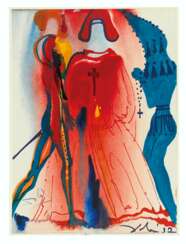

Salvador Dalí, a Spanish Surrealist painter and printmaker, is celebrated for his vivid and imaginative works that delve into subconscious imagery. Born on May 11, 1904, in Figueres, Catalonia, Spain, Dalí's early exposure to Impressionism and Renaissance masters significantly influenced his artistic development. His education in fine arts in Madrid further shaped his style, leading him to experiment with Cubism and avant-garde movements. In the late 1920s, Dalí embraced Surrealism, joining the Surrealist group in 1929 and rapidly becoming one of its most prominent figures.
Dalí's most famous work, "The Persistence of Memory," completed in 1931, epitomizes the Surrealist movement with its iconic melting clocks symbolizing the fluidity of time. His artistic repertoire was diverse, including painting, graphic arts, film, sculpture, design, and photography, often incorporating themes of dreams, the subconscious, sexuality, religion, and science. Despite his remarkable artistic contributions, Dalí's eccentric and flamboyant public persona often overshadowed his work. He faced criticism for his public support of the Francoist regime and the authenticity of some of his late works.
Dalí's legacy is preserved in major museums, notably the Dalí Theatre-Museum in Figueres and the Salvador Dalí Museum in St. Petersburg, Florida. These institutions showcase his extensive and varied body of work, illustrating his profound impact on Surrealism, pop art, and contemporary artists.
If you're captivated by the surreal world of Salvador Dalí and want to stay informed about new sales and auction events featuring his works, sign up for our updates. Our service is tailored specifically for art collectors and experts, providing timely information and insights into the vibrant market of Dalí's art. Remember, this subscription is focused solely on bringing you the latest in product sales and auction events related to Salvador Dalí. Don't miss out on the opportunity to enrich your collection with pieces from one of the most influential surrealists of all time. Sign up now and be the first to know about these exclusive events.
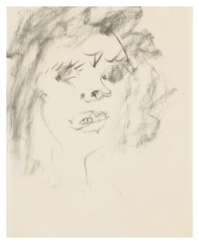

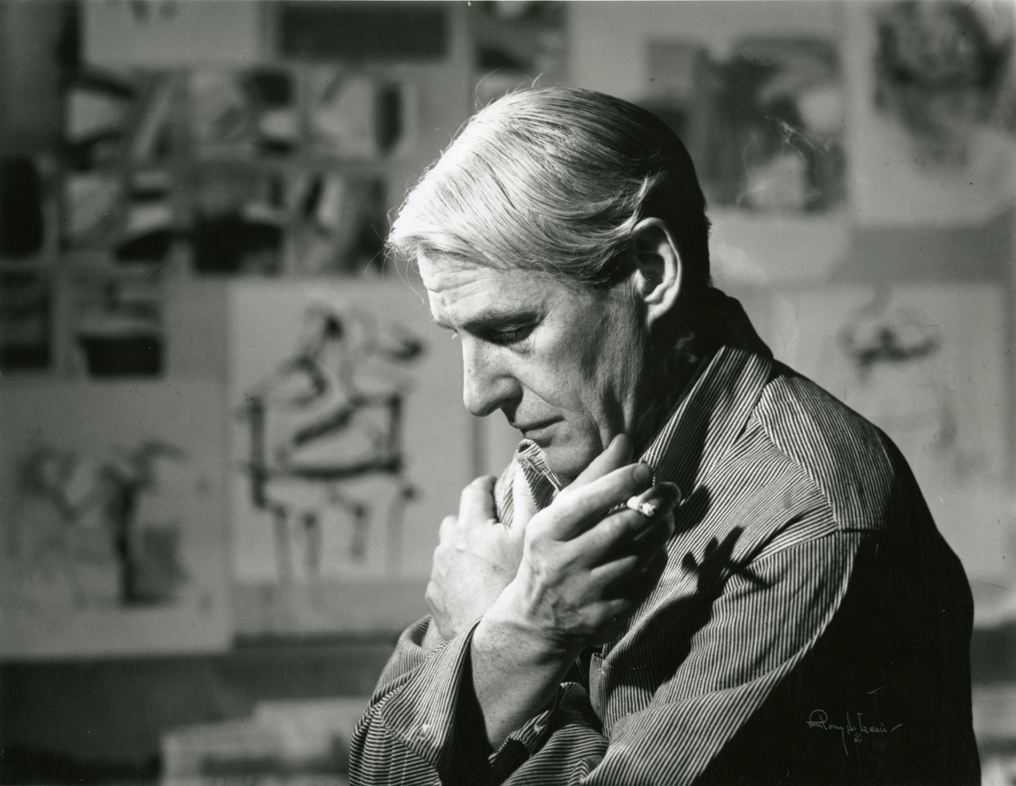
Willem de Kooning was a Dutch-American abstract expressionist painter. Born in Rotterdam, Netherlands, he moved to the United States in 1926, becoming a U.S. citizen in 1962. He was a leading figure in the Abstract Expressionism movement, known for his dramatic and often energetic style. He gained prominence between 1948 and 1953, creating some of his most iconic works, including the Woman series.
De Kooning's paintings combined abstraction with elements of Cubism, Surrealism, and Expressionism. His style evolved over time, with works that ranged from figurative to more abstract pieces. Among his most notable works are "Woman I" (1950-52) and "Excavation" (1950), which reflect his unique approach to painting, characterized by vigorous brushstrokes, bold colors, and complex textures.
Despite his success, de Kooning faced challenges, including personal struggles with alcoholism and deteriorating health due to Alzheimer's disease in his later years. His artwork has had a lasting impact on modern art, and his pieces can be found in major museums and galleries worldwide, such as the Museum of Modern Art (MoMA) and the Smithsonian American Art Museum.
Stay updated on new releases and auction events featuring works by Willem de Kooning by signing up for our exclusive email notifications. Get insider information and never miss a chance to add to your art collection.


Willem de Kooning was a Dutch-American abstract expressionist painter. Born in Rotterdam, Netherlands, he moved to the United States in 1926, becoming a U.S. citizen in 1962. He was a leading figure in the Abstract Expressionism movement, known for his dramatic and often energetic style. He gained prominence between 1948 and 1953, creating some of his most iconic works, including the Woman series.
De Kooning's paintings combined abstraction with elements of Cubism, Surrealism, and Expressionism. His style evolved over time, with works that ranged from figurative to more abstract pieces. Among his most notable works are "Woman I" (1950-52) and "Excavation" (1950), which reflect his unique approach to painting, characterized by vigorous brushstrokes, bold colors, and complex textures.
Despite his success, de Kooning faced challenges, including personal struggles with alcoholism and deteriorating health due to Alzheimer's disease in his later years. His artwork has had a lasting impact on modern art, and his pieces can be found in major museums and galleries worldwide, such as the Museum of Modern Art (MoMA) and the Smithsonian American Art Museum.
Stay updated on new releases and auction events featuring works by Willem de Kooning by signing up for our exclusive email notifications. Get insider information and never miss a chance to add to your art collection.


Willem de Kooning was a Dutch-American abstract expressionist painter. Born in Rotterdam, Netherlands, he moved to the United States in 1926, becoming a U.S. citizen in 1962. He was a leading figure in the Abstract Expressionism movement, known for his dramatic and often energetic style. He gained prominence between 1948 and 1953, creating some of his most iconic works, including the Woman series.
De Kooning's paintings combined abstraction with elements of Cubism, Surrealism, and Expressionism. His style evolved over time, with works that ranged from figurative to more abstract pieces. Among his most notable works are "Woman I" (1950-52) and "Excavation" (1950), which reflect his unique approach to painting, characterized by vigorous brushstrokes, bold colors, and complex textures.
Despite his success, de Kooning faced challenges, including personal struggles with alcoholism and deteriorating health due to Alzheimer's disease in his later years. His artwork has had a lasting impact on modern art, and his pieces can be found in major museums and galleries worldwide, such as the Museum of Modern Art (MoMA) and the Smithsonian American Art Museum.
Stay updated on new releases and auction events featuring works by Willem de Kooning by signing up for our exclusive email notifications. Get insider information and never miss a chance to add to your art collection.
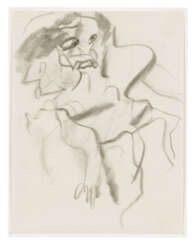

Willem de Kooning was a Dutch-American abstract expressionist painter. Born in Rotterdam, Netherlands, he moved to the United States in 1926, becoming a U.S. citizen in 1962. He was a leading figure in the Abstract Expressionism movement, known for his dramatic and often energetic style. He gained prominence between 1948 and 1953, creating some of his most iconic works, including the Woman series.
De Kooning's paintings combined abstraction with elements of Cubism, Surrealism, and Expressionism. His style evolved over time, with works that ranged from figurative to more abstract pieces. Among his most notable works are "Woman I" (1950-52) and "Excavation" (1950), which reflect his unique approach to painting, characterized by vigorous brushstrokes, bold colors, and complex textures.
Despite his success, de Kooning faced challenges, including personal struggles with alcoholism and deteriorating health due to Alzheimer's disease in his later years. His artwork has had a lasting impact on modern art, and his pieces can be found in major museums and galleries worldwide, such as the Museum of Modern Art (MoMA) and the Smithsonian American Art Museum.
Stay updated on new releases and auction events featuring works by Willem de Kooning by signing up for our exclusive email notifications. Get insider information and never miss a chance to add to your art collection.

Willem de Kooning was a Dutch-American abstract expressionist painter. Born in Rotterdam, Netherlands, he moved to the United States in 1926, becoming a U.S. citizen in 1962. He was a leading figure in the Abstract Expressionism movement, known for his dramatic and often energetic style. He gained prominence between 1948 and 1953, creating some of his most iconic works, including the Woman series.
De Kooning's paintings combined abstraction with elements of Cubism, Surrealism, and Expressionism. His style evolved over time, with works that ranged from figurative to more abstract pieces. Among his most notable works are "Woman I" (1950-52) and "Excavation" (1950), which reflect his unique approach to painting, characterized by vigorous brushstrokes, bold colors, and complex textures.
Despite his success, de Kooning faced challenges, including personal struggles with alcoholism and deteriorating health due to Alzheimer's disease in his later years. His artwork has had a lasting impact on modern art, and his pieces can be found in major museums and galleries worldwide, such as the Museum of Modern Art (MoMA) and the Smithsonian American Art Museum.
Stay updated on new releases and auction events featuring works by Willem de Kooning by signing up for our exclusive email notifications. Get insider information and never miss a chance to add to your art collection.


Salvador Dalí, a Spanish Surrealist painter and printmaker, is celebrated for his vivid and imaginative works that delve into subconscious imagery. Born on May 11, 1904, in Figueres, Catalonia, Spain, Dalí's early exposure to Impressionism and Renaissance masters significantly influenced his artistic development. His education in fine arts in Madrid further shaped his style, leading him to experiment with Cubism and avant-garde movements. In the late 1920s, Dalí embraced Surrealism, joining the Surrealist group in 1929 and rapidly becoming one of its most prominent figures.
Dalí's most famous work, "The Persistence of Memory," completed in 1931, epitomizes the Surrealist movement with its iconic melting clocks symbolizing the fluidity of time. His artistic repertoire was diverse, including painting, graphic arts, film, sculpture, design, and photography, often incorporating themes of dreams, the subconscious, sexuality, religion, and science. Despite his remarkable artistic contributions, Dalí's eccentric and flamboyant public persona often overshadowed his work. He faced criticism for his public support of the Francoist regime and the authenticity of some of his late works.
Dalí's legacy is preserved in major museums, notably the Dalí Theatre-Museum in Figueres and the Salvador Dalí Museum in St. Petersburg, Florida. These institutions showcase his extensive and varied body of work, illustrating his profound impact on Surrealism, pop art, and contemporary artists.
If you're captivated by the surreal world of Salvador Dalí and want to stay informed about new sales and auction events featuring his works, sign up for our updates. Our service is tailored specifically for art collectors and experts, providing timely information and insights into the vibrant market of Dalí's art. Remember, this subscription is focused solely on bringing you the latest in product sales and auction events related to Salvador Dalí. Don't miss out on the opportunity to enrich your collection with pieces from one of the most influential surrealists of all time. Sign up now and be the first to know about these exclusive events.


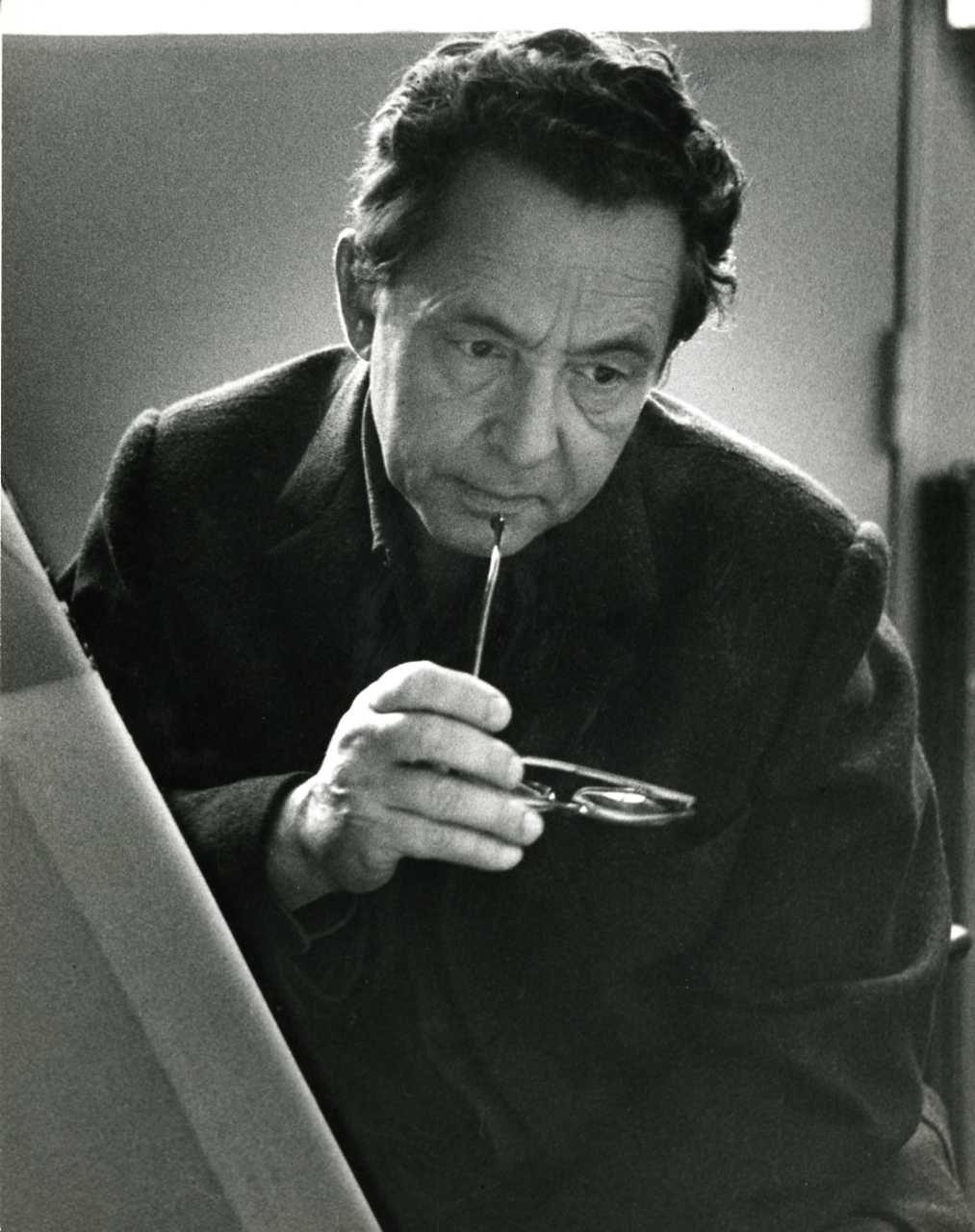
Hans Hartung was a German-French painter, known for his gestural abstract style. He was also a decorated World War II veteran of the Legion d'honneur.


Henri Fantin-Latour was a French painter and lithographer renowned for his exquisite flower paintings and insightful group portraits of Parisian artists and writers. His artistic journey began in Grenoble, where he was born in 1836, but it flourished in Paris, where he moved at a young age to study art. Despite his associations with Impressionists like Édouard Manet and Claude Monet, Fantin-Latour carved his unique path, focusing on still life and portraiture rather than adopting the Impressionist style.
Henri Fantin-Latour's knack for capturing the essence of his subjects is evident in his group portraits, which were not just mere representations but insightful depictions of the artistic and literary circles of his time. His notable works like "A Studio at Les Batignolles" illustrate the camaraderie among artists like Manet, Renoir, and Monet, offering a window into the vibrant Parisian art scene of the 19th century. His still lifes, particularly his flower paintings, are celebrated for their realism and delicate precision, making them a favorite among collectors and art enthusiasts.
In addition to his painting, Henri Fantin-Latour's lithographs, inspired by classical music and imbued with a poetic and symbolic quality, reveal another dimension of his talent, showcasing his ability to transcend the boundaries of realism and delve into the realm of imagination.
For art collectors and experts, Henri Fantin-Latour's works offer a blend of technical mastery and a deep understanding of the interplay between art, music, and literature. His contributions to the art world are remembered and celebrated in museums around the globe, where his works continue to inspire and captivate audiences.
For those interested in exploring more about Henri Fantin-Latour's life and works, visiting exhibitions or keeping abreast of auctions featuring his art can provide valuable insights into his creative genius. To stay updated on related events and opportunities, consider subscribing to updates from art institutions or galleries specializing in 19th-century French art.


Salvador Dalí, a Spanish Surrealist painter and printmaker, is celebrated for his vivid and imaginative works that delve into subconscious imagery. Born on May 11, 1904, in Figueres, Catalonia, Spain, Dalí's early exposure to Impressionism and Renaissance masters significantly influenced his artistic development. His education in fine arts in Madrid further shaped his style, leading him to experiment with Cubism and avant-garde movements. In the late 1920s, Dalí embraced Surrealism, joining the Surrealist group in 1929 and rapidly becoming one of its most prominent figures.
Dalí's most famous work, "The Persistence of Memory," completed in 1931, epitomizes the Surrealist movement with its iconic melting clocks symbolizing the fluidity of time. His artistic repertoire was diverse, including painting, graphic arts, film, sculpture, design, and photography, often incorporating themes of dreams, the subconscious, sexuality, religion, and science. Despite his remarkable artistic contributions, Dalí's eccentric and flamboyant public persona often overshadowed his work. He faced criticism for his public support of the Francoist regime and the authenticity of some of his late works.
Dalí's legacy is preserved in major museums, notably the Dalí Theatre-Museum in Figueres and the Salvador Dalí Museum in St. Petersburg, Florida. These institutions showcase his extensive and varied body of work, illustrating his profound impact on Surrealism, pop art, and contemporary artists.
If you're captivated by the surreal world of Salvador Dalí and want to stay informed about new sales and auction events featuring his works, sign up for our updates. Our service is tailored specifically for art collectors and experts, providing timely information and insights into the vibrant market of Dalí's art. Remember, this subscription is focused solely on bringing you the latest in product sales and auction events related to Salvador Dalí. Don't miss out on the opportunity to enrich your collection with pieces from one of the most influential surrealists of all time. Sign up now and be the first to know about these exclusive events.


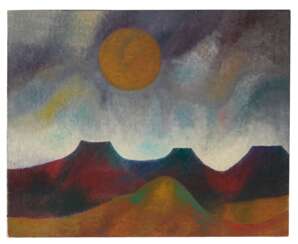


Alice Phillipot (Alice Rahon) was a French/Mexican poet and artist whose work contributed to the beginning of abstract expression in Mexico. She began as a surrealist poet in Europe but began painting in Mexico. She was a prolific artist from the late 1940s to the 1960s, exhibiting frequently in Mexico and the United States, with a wide circle of friends in these two countries. Her work remained tied to surrealism but was also innovative, including abstract elements and the use of techniques such as sgraffito and the use of sand for texture. She became isolated in her later life due to health issues, and except for retrospectives at the Palacio de Bellas Artes in 1986 and at the Museo de Arte Moderno in 2009 and 2014, she has been largely forgotten, despite her influence on Mexican modern art.