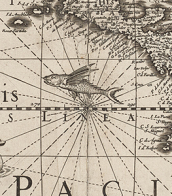
a league



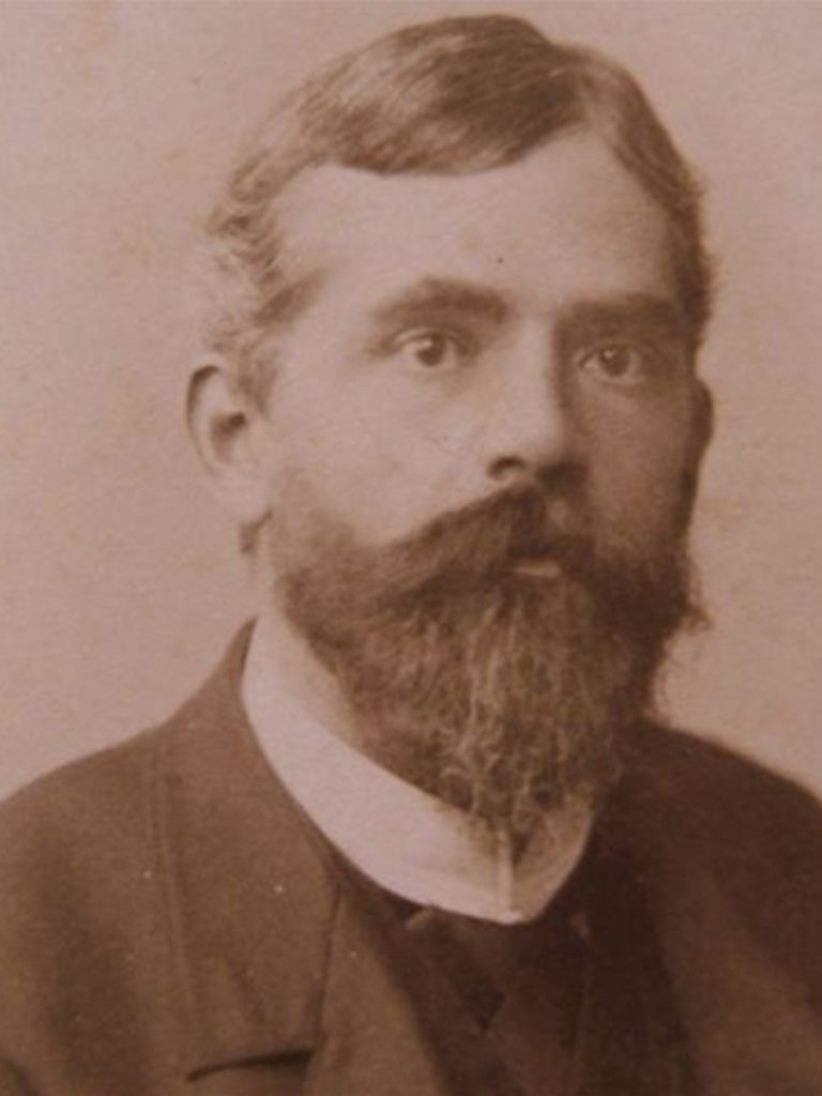
















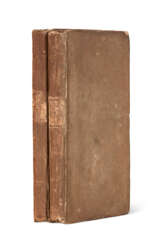

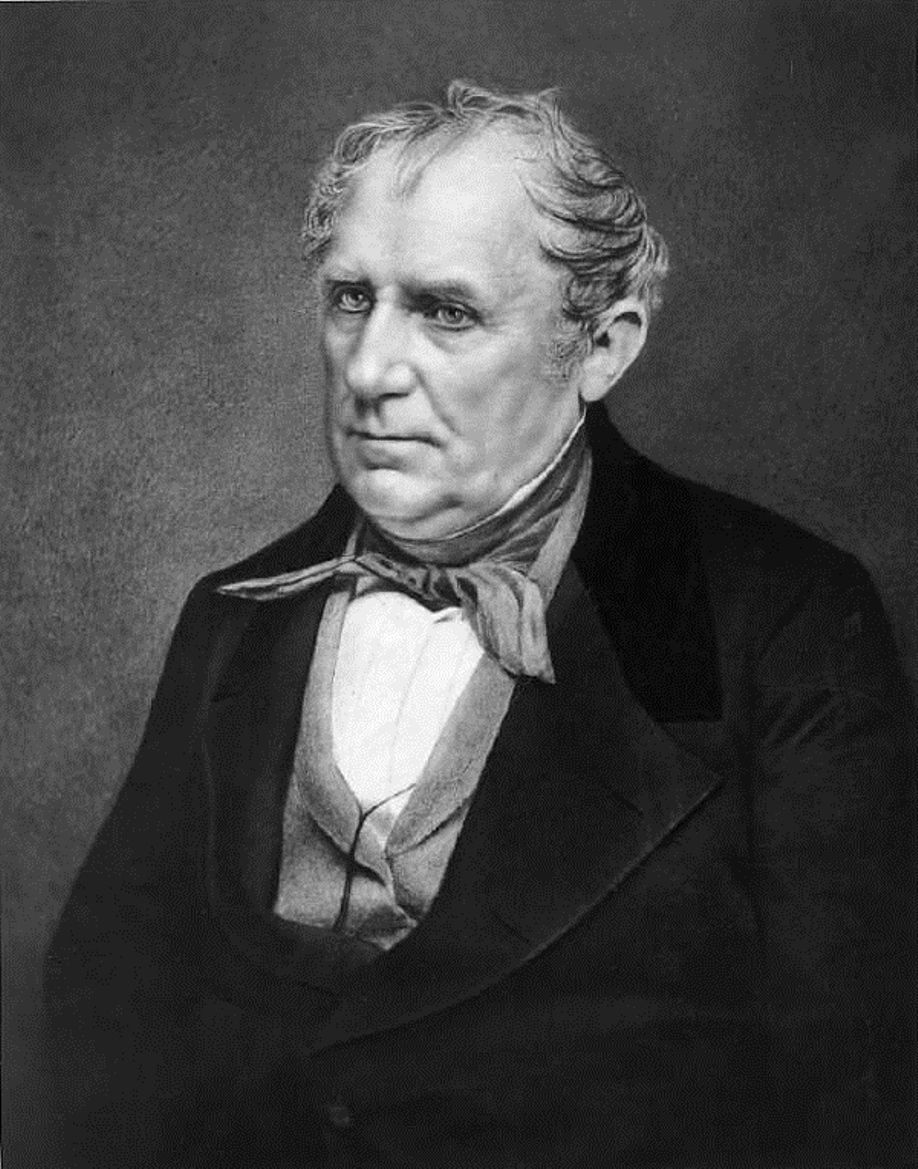
James Fenimore Cooper is an American writer and the founder of the Western genre.
Cooper is the first major American novelist, he wrote a whole series of novels from American life: "The Pioneers" (1823), "The Last of the Mohicans" (1826), "The Prairie" (1827), "The Pathfinder" (1840), "The Beastmaster, or the First Warpath" (1841). The author fascinatingly and vividly describes how Europeans waged wars among themselves on the American continent, involving Indian tribes in these strife. All of these works were a huge success in 19th century Europe and are still being reprinted today.
At the height of his popularity, Cooper spent seven years in Europe, and then returned to the United States, where he wrote works on military-historical and maritime themes until his advanced old age. Among them are "The Pilot, or Maritime History" (1823), "The Red Corsair" (1827).
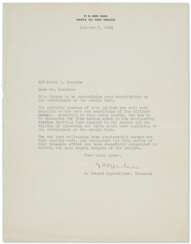
















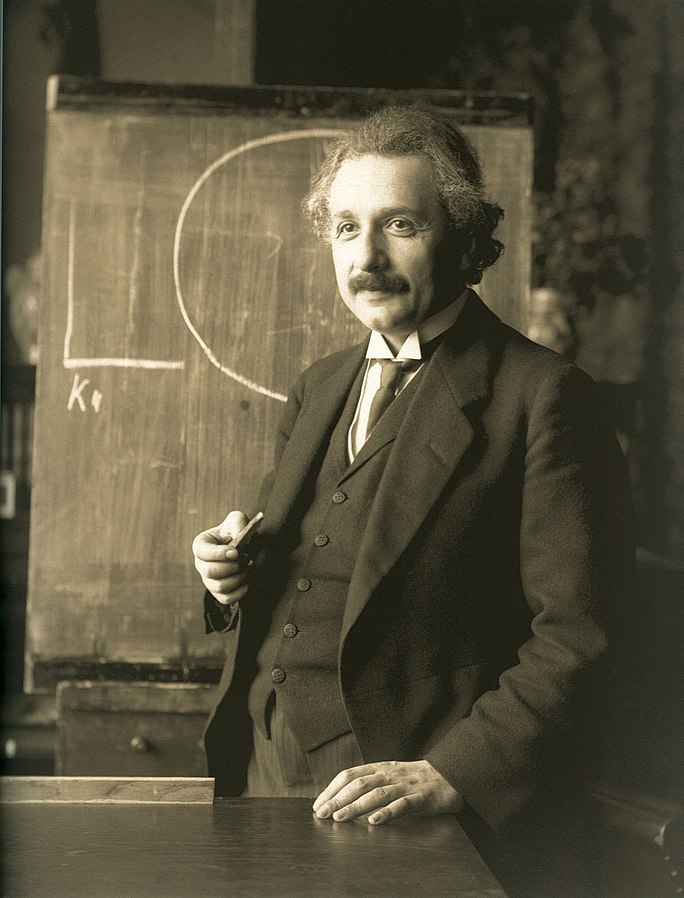
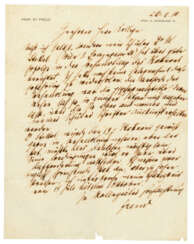
Albert Einstein was a German-born theoretical physicist, widely acknowledged to be one of the greatest and most influential physicists of all time. Einstein is best known for developing the theory of relativity, but he also made important contributions to the development of the theory of quantum mechanics. Relativity and quantum mechanics are together the two pillars of modern physics. His mass–energy equivalence formula E = mc2, which arises from relativity theory, has been dubbed "the world's most famous equation". His work is also known for its influence on the philosophy of science. He received the 1921 Nobel Prize in Physics "for his services to theoretical physics, and especially for his discovery of the law of the photoelectric effect", a pivotal step in the development of quantum theory. His intellectual achievements and originality resulted in "Einstein" becoming synonymous with "genius".








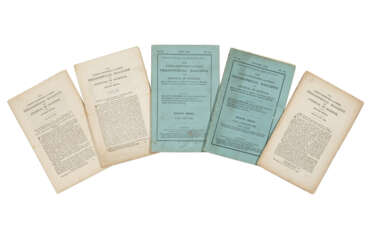

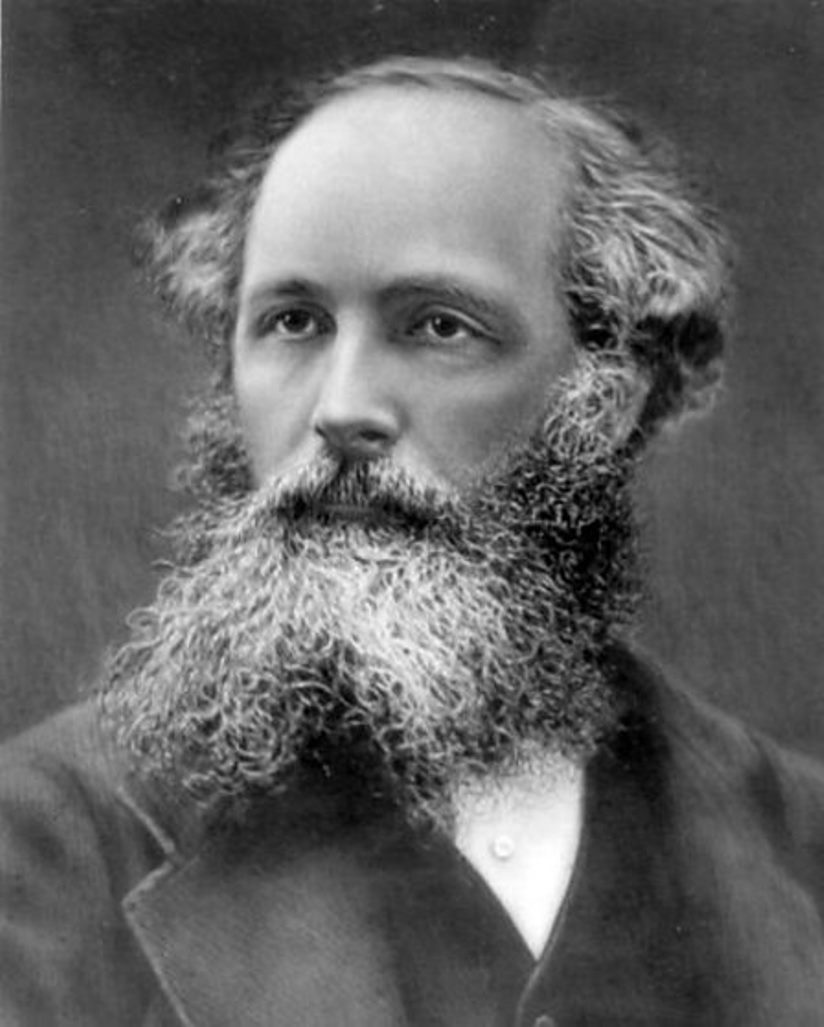
James Clerk Maxwell was a British physicist, mathematician and mechanic, and a Fellow of the Royal Society of London.
James Clerk Maxwell was one of the most influential scientists of the nineteenth century. His theoretical work on electromagnetism and light largely determined the direction physics would take in the early 20th century. Maxwell conducted research in a number of areas, but was particularly preoccupied with the nature of Saturn's rings. In 1860 he obtained a professorship at King's College, London, and it was his years there that were most fruitful. For his electromagnetic theory,
Maxwell is most often credited with fundamentally changing the course of physics. Maxwell saw electricity not just as another branch of physics, but "as an aid to the interpretation of nature." He showed the importance of electricity to physics as a whole by advancing "the important hypothesis that light and electricity are the same in their ultimate nature." This theory, one of the most important discoveries in nineteenth-century physics, was Maxwell's greatest achievement and laid the foundation for Einstein's theory of relativity.