art history






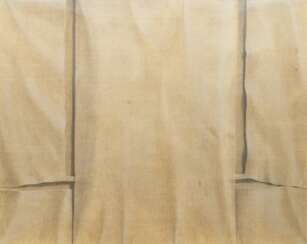

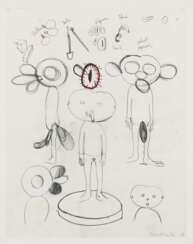

Paul McCarthy is a contemporary artist who lives and works in Los Angeles, California.
McCarthy's works include performance, sculpture, installation, film and "painting as action". His points of reference are rooted, on the one hand, in things typically American, such as Disneyland, B-Movies, Soap Operas and Comics – he is a critical analyst of the mass media and consumer-driven American society and its hypocrisy, double standards and repression. On the other hand, it is European avant-garde art that has had the most influence on his artistic form language. Such influences include the Lost Art Movement, Joseph Beuys, Sigmund Freud, Samuel Beckett, and the Viennese Actionism.




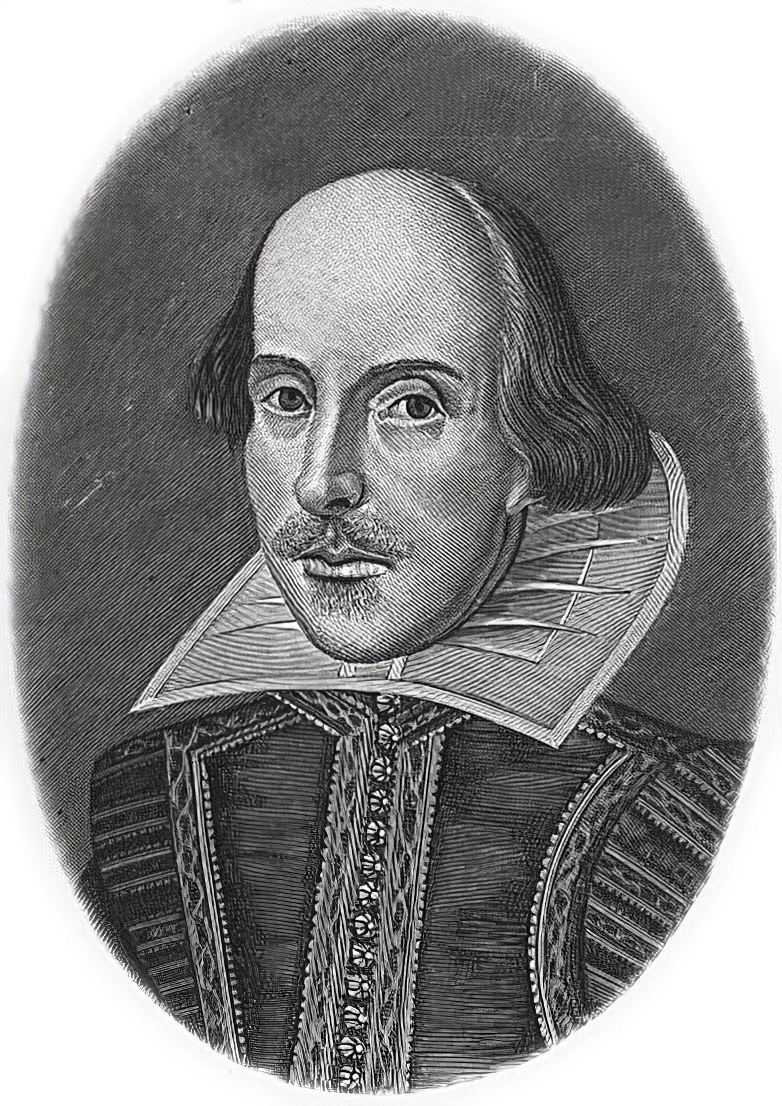
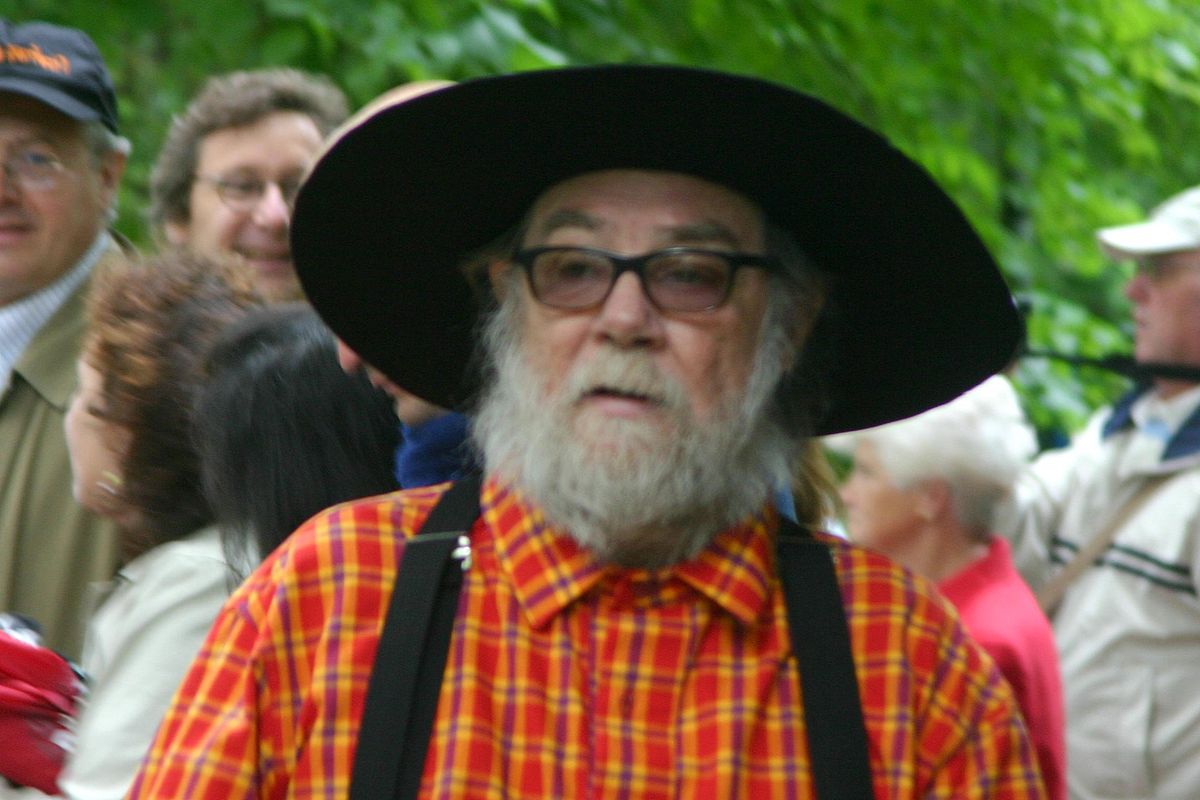
William Shakespeare was a British poet and playwright and writer.
William's father, John Shakespeare, was a merchant and official in Stratford. There are reports that he was a sailor for a time before joining a theater company in London. Beginning in the 1590s, Shakespeare began writing plays, and in 1593 he published a poem, Venus and Adonis, which became popular. He dedicated it to the Duke of Southampton, who was a philanthropist and patron of talent, and soon his business was booming.
From 1592 to 1600 Shakespeare wrote his dramas and romantic comedies "Richard III", "The Taming of the Shrew", "Romeo and Juliet", "A Midsummer Night's Dream" and "The Merchant of Venice", as well as the comedies "Much Ado About Nothing", "Twelfth Night" and the tragedy "Julius Caesar". The playwright's business was so successful that he even bought a large house in Stratford. In 1599, Shakespeare became one of the owners, playwright and actor of the new theater "Globe". In 1603 King James took Shakespeare's troupe under his direct patronage. In the mature period, the great playwright turned to tragedies, there were "Hamlet", "Othello", "King Lear", "Macbeth" and others.
Although in the 19th century researchers had some doubts about the authorship of many of these works, William Shakespeare is considered the greatest English playwright, one of the best playwrights in the world. His plays have been translated into all major languages and to this day form the basis of the world theatrical repertoire, most of them have been screened many times. According to the Guinness Book of Records, Shakespeare remains the world's best-selling playwright, and his plays and poems have sold more than 4 billion copies in the nearly 400 years since his death.




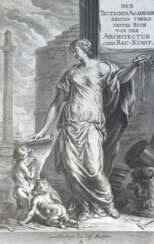

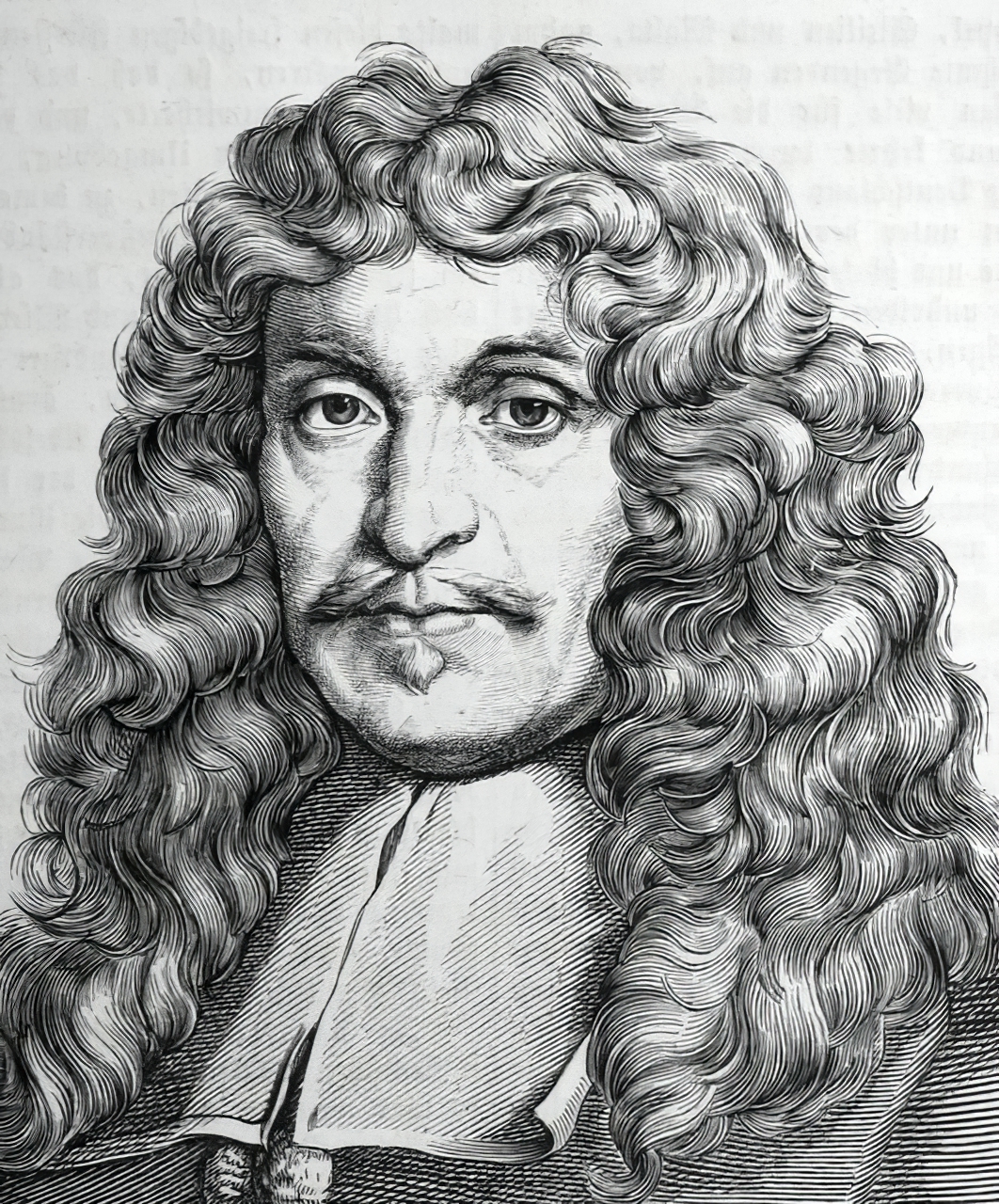
Joachim von Sandrart was a German Baroque art-historian and painter, active in Amsterdam during the Dutch Golden Age. He is most significant for his collection of biographies of Dutch and German artists the Teutsche Academie, published between 1675 and 1680.
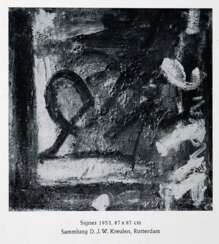

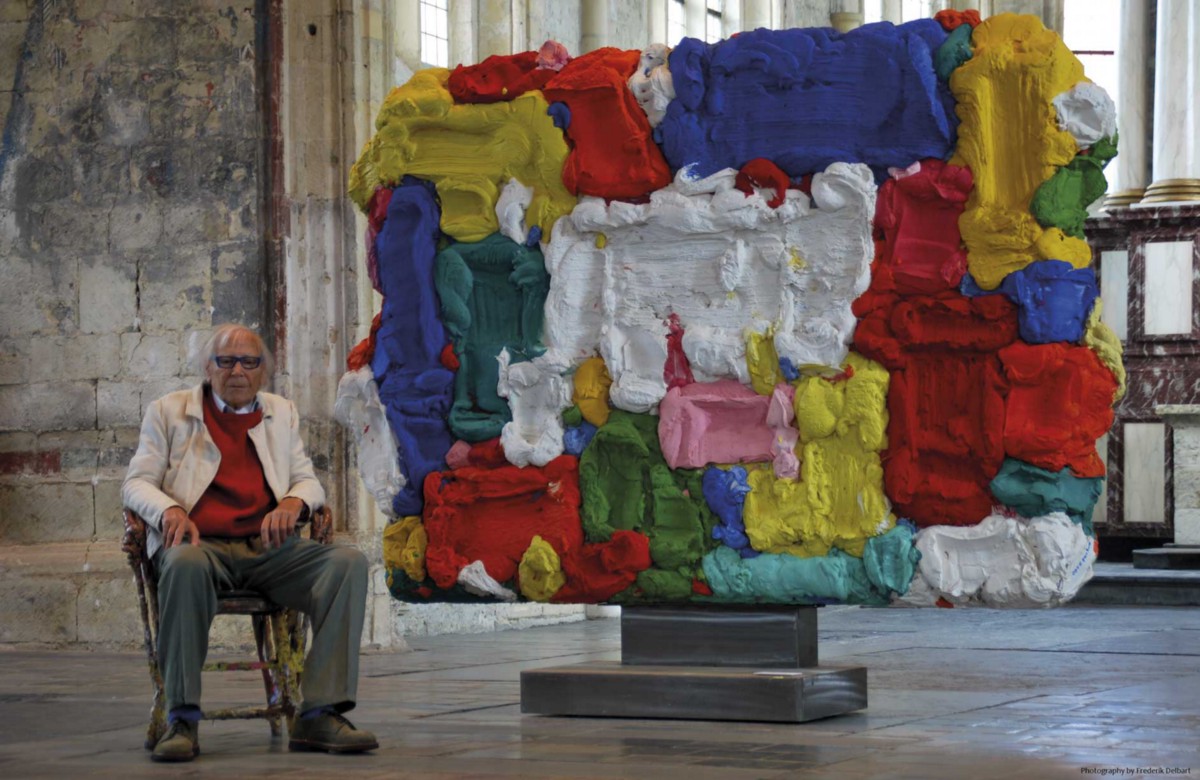
Bram Bogart was a Belgian expressionist painter most closely associated with the COBRA group.


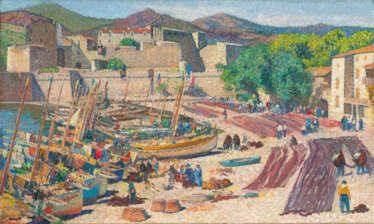

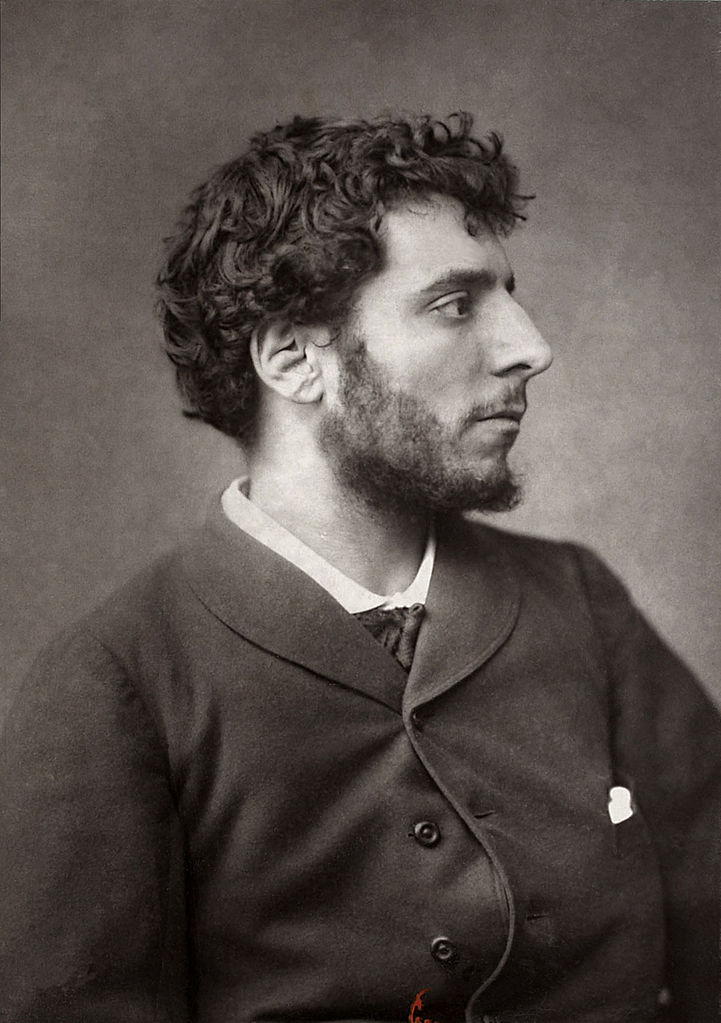
Henri-Jean Guillaume Martin was a French painter. Elected to the Académie des Beaux-Arts in 1917, he is known for his early 1920s work on the walls of the Salle de l'Assemblée générale, where the members of the Conseil d'État meet in the Palais-Royal in Paris. Other notable institutions that have featured his Post-Impressionist paintings in their halls through public procurement include the Élysée Palace, Sorbonne, Hôtel de Ville de Paris, Palais de Justice de Paris, as well as Capitole de Toulouse, although the Musée des Beaux-Arts de Bordeaux and Musée des Augustins also have sizeable public collections.
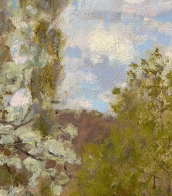
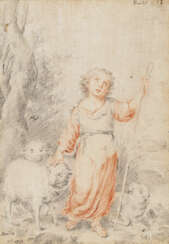

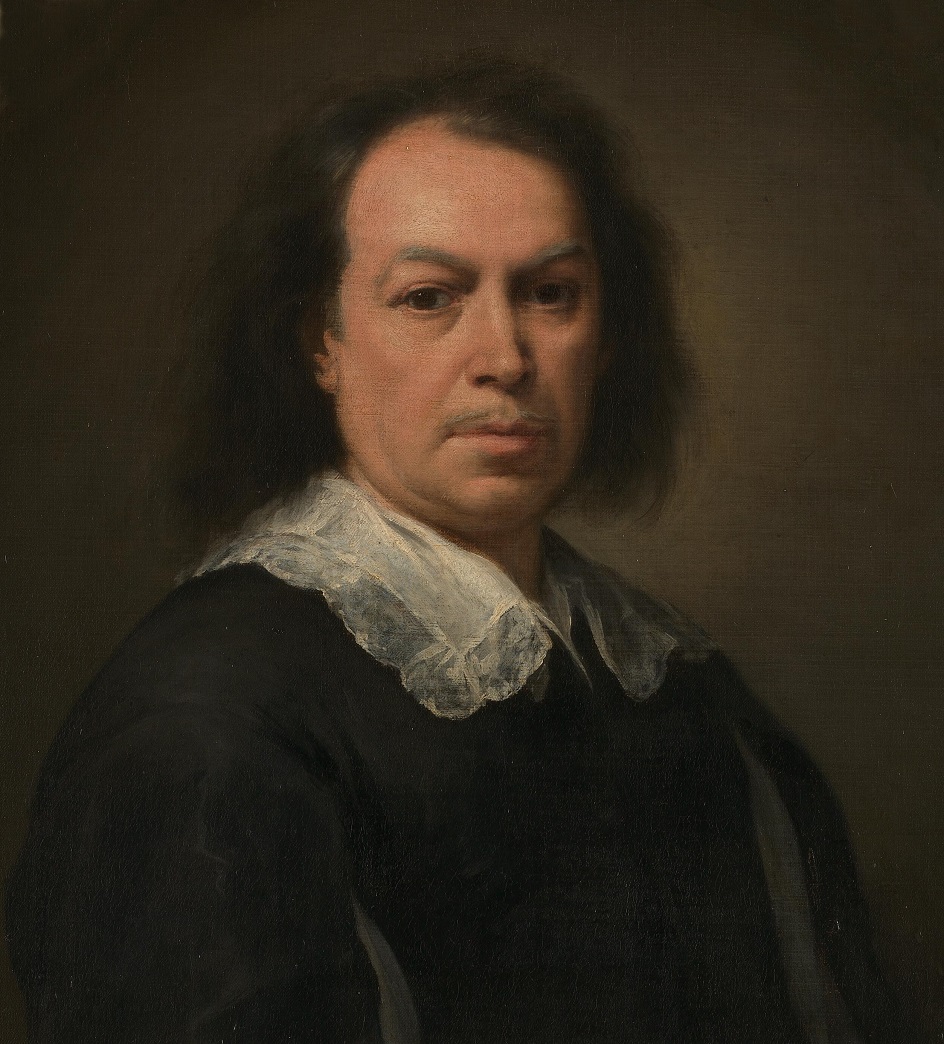
Bartolomé Esteban Murillo was a Spanish painter, renowned for his contributions to the world of art and culture. Born in Seville, Spain, in the 17th century, Murillo specialized in religious and genre painting, leaving a lasting impact on the art world.
Murillo is known for his remarkable ability to infuse his paintings with deep emotion and realism. His works often depicted scenes from everyday life, as well as religious subjects. One of his notable specialties was his exceptional skill in capturing the innocence of children in his artwork. His use of soft colors and delicate brushwork gave his paintings a unique and timeless quality.
One of Murillo's most famous works is the series of paintings known as the "Immaculate Conception." These paintings, which depict the Virgin Mary as a young girl, have been praised for their beauty and devotion. Many of his works are housed in museums and galleries around the world, attracting art enthusiasts and collectors.
For collectors and art experts, Murillo's works hold a special place in the art world, with their ability to evoke powerful emotions and capture the essence of the human experience. To stay updated on the latest news and events related to Bartolomé Esteban Murillo's paintings and exhibitions, consider subscribing to our newsletter. We'll keep you informed about new product sales and auction events featuring this exceptional artist's works. Join us in celebrating the legacy of Bartolomé Esteban Murillo and his invaluable contributions to the world of art.


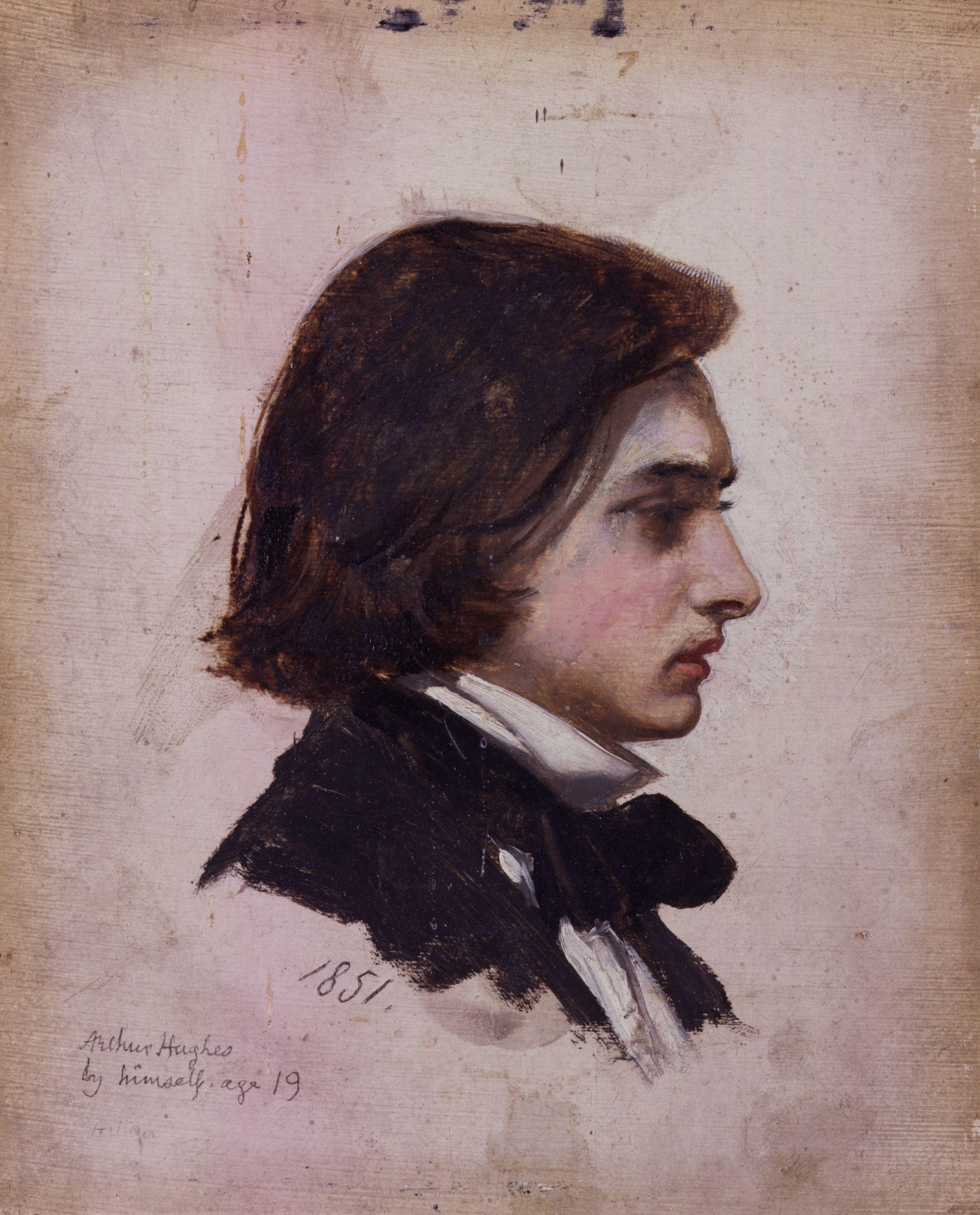
Arthur Hughes was an English painter and illustrator associated with the Pre-Raphaelite Brotherhood.
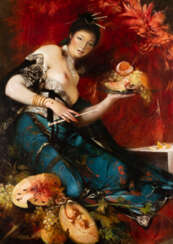

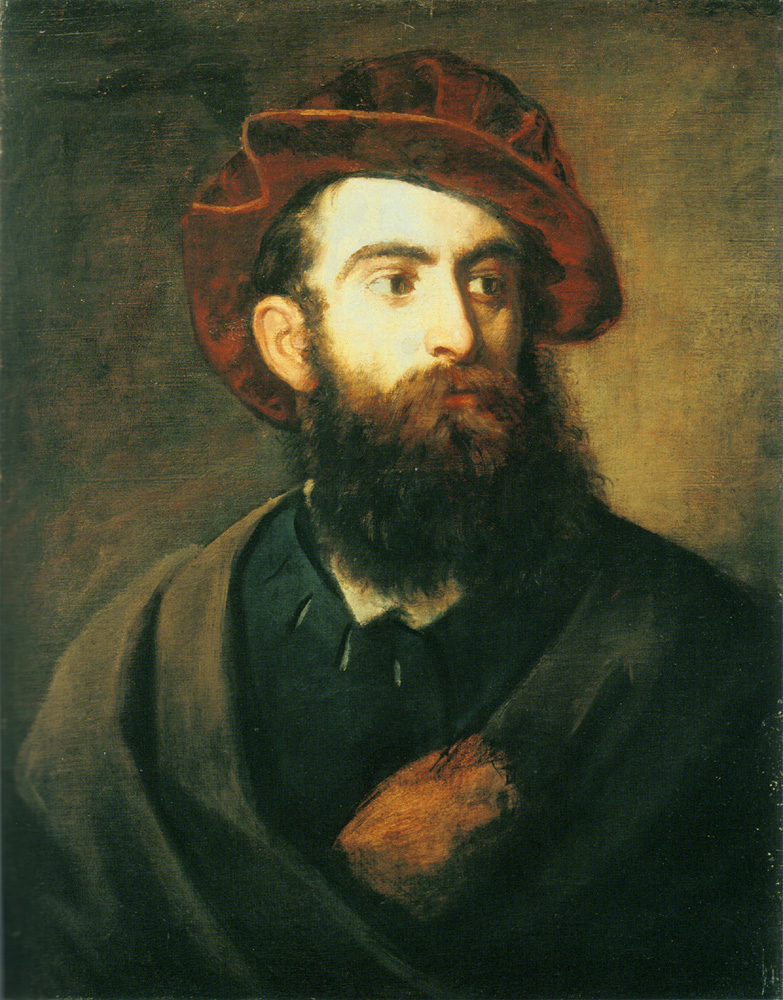
Hans Makart was an Austrian painter of the second half of the 19th century. He became famous as a master of historical painting, still life, allegory, landscape, and portrait. Most of his paintings were painted in the academic style. Makart was also a sought-after stage decorator, costume designer, furniture and interior designer.
Hans Makart was very popular in Vienna, and his studio was a place of attraction for the cream of Vienna's society. After the artist was even named a separate style of art with its characteristic flowing forms and bright colors - "Makartstil". Makart constantly organized grand festivals in his studio, which were willingly attended by members of the imperial family. He made it ultra fashionable to have a new style of interior and soon most of the apartments of wealthy citizens of Vienna were furnished on the model of his salon.
Makart was a professor of historical painting at the Vienna Academy of Fine Arts and head of the Künstlerhaus, the largest exhibition complex in the Austrian capital. In 1879, on the occasion of the silver wedding of the imperial couple, Makart organized a grandiose theatrical performance, the sketches for which have survived to this day.
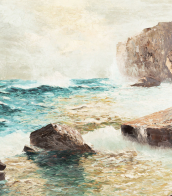
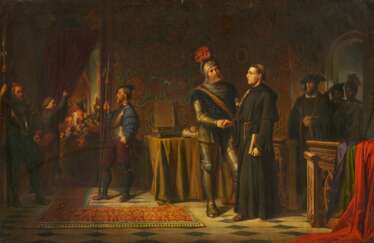

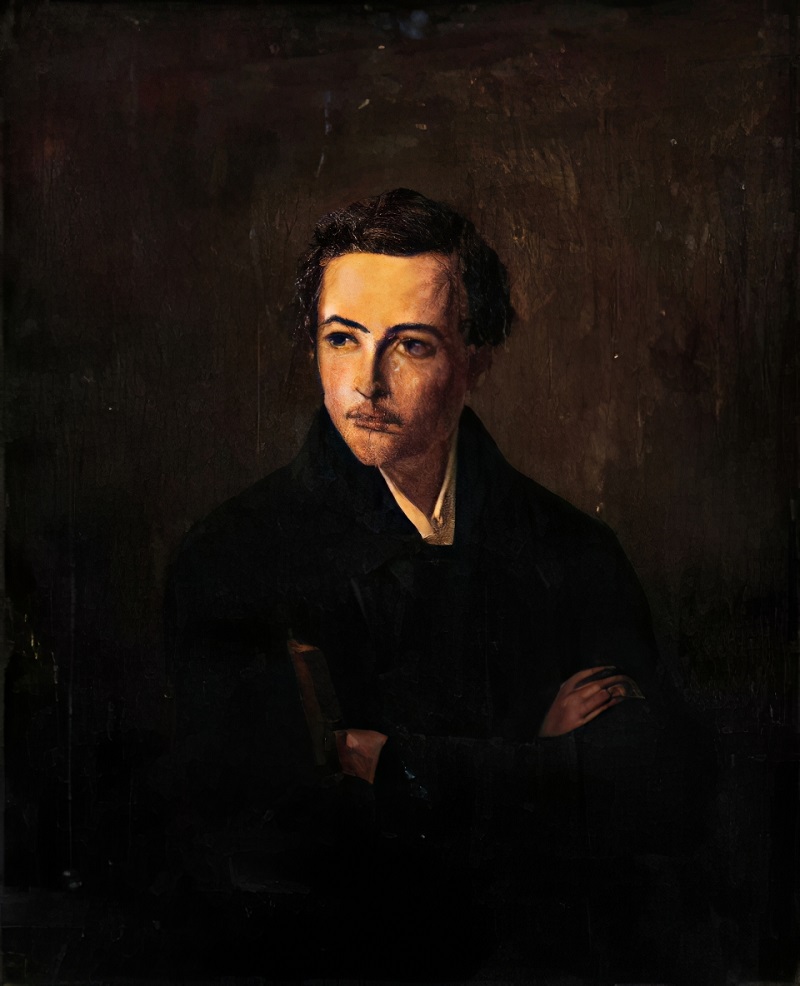
Friedrich Wilhelm Heinrich Martersteig was a German historical and genre painter and drawing teacher. From 1828 to 1834 he studied at the Dresden Academy of Art under Ludwig Richter. Afterwards he spent four years at the academy in Dusseldorf and was a pupil of Carl Ferdinand Sohn, Theodor Hildebrandt and Friedrich Wilhelm von Schadow.
Friedrich Martersteig was a member and professor of the Prussian Academy of Arts.
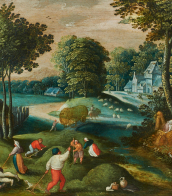
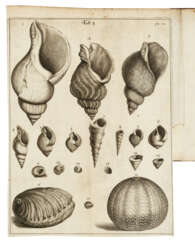

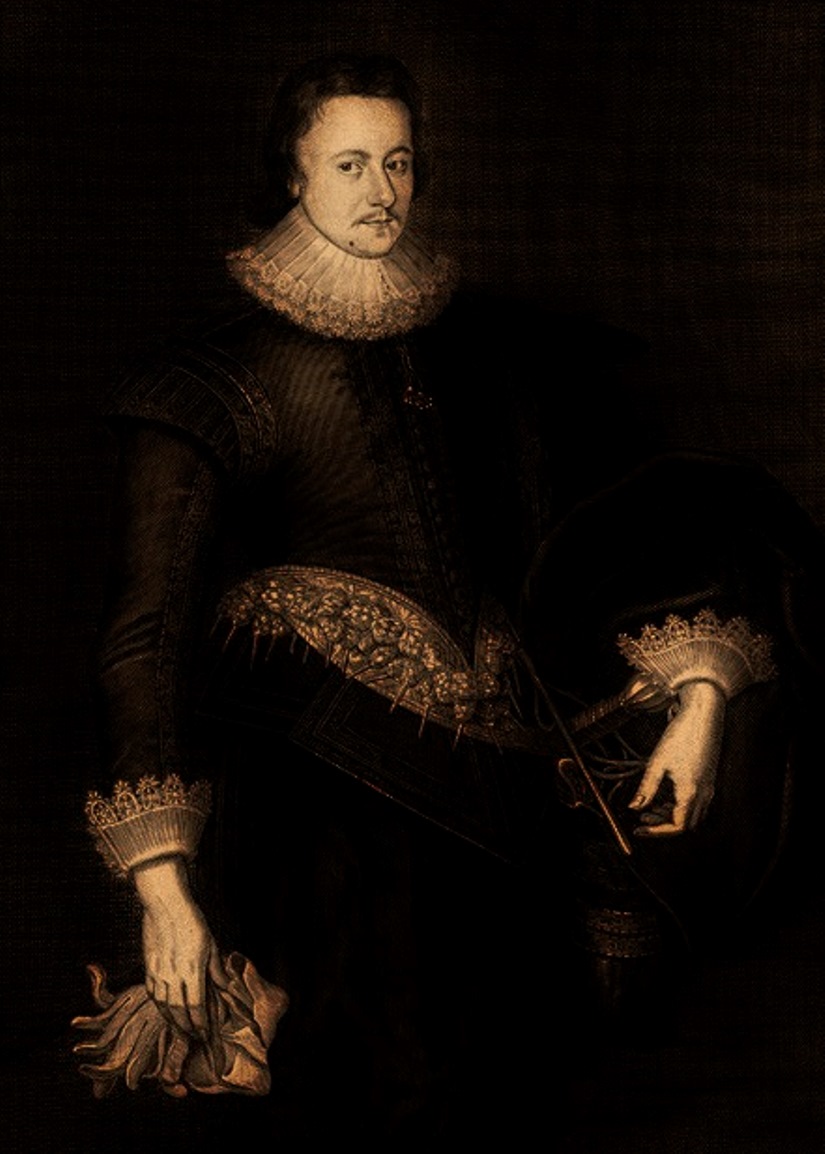
Martin Lister was a British naturalist and physician.
It could be argued that Lister founded two fields of natural history: arachnology (the study of spiders) and conchology (the study of the shells of organisms). He wrote more than 60 articles in the Philosophical Transactions of the Royal Society of London, published several volumes on natural history, speculated on the mysterious nature of fossils, and was successful as a physician.
Lister employed his artist daughters to illustrate his books on insects and molluscs - the names of Susanna and Anne appear on the title pages of the volumes. The Lister family published Historiæ Conchyliorum between 1685 and 1692.




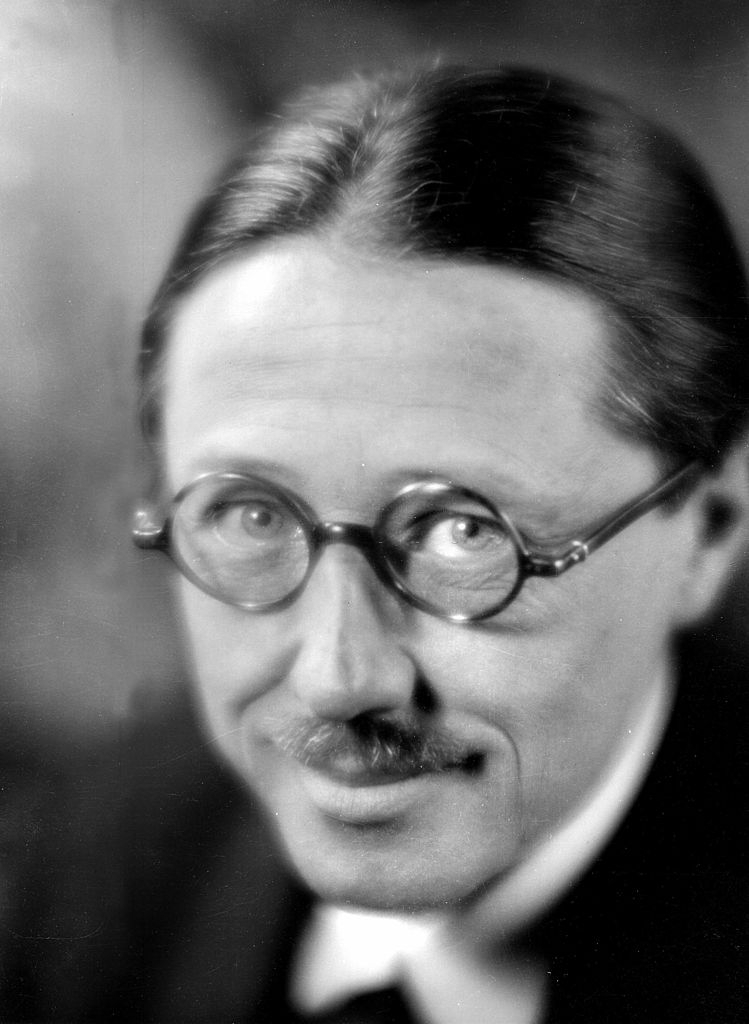
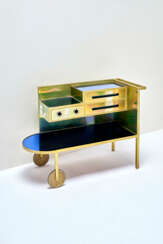
Émile-Jacques Ruhlmann, (sometimes called Jacques-Émile Ruhlmann), was a French furniture designer and interior decorator, who was one of the most important figures in the Art Deco movement. His furniture featured sleek designs, expensive and exotic materials and extremely fine craftsmanship, and became a symbol of the luxury and modernity of Art Deco. It also produced a reaction from other designers and architects, such as Le Corbusier, who called for simpler, functional furniture.





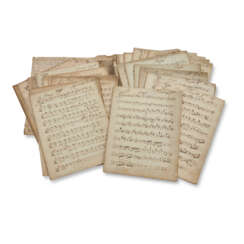

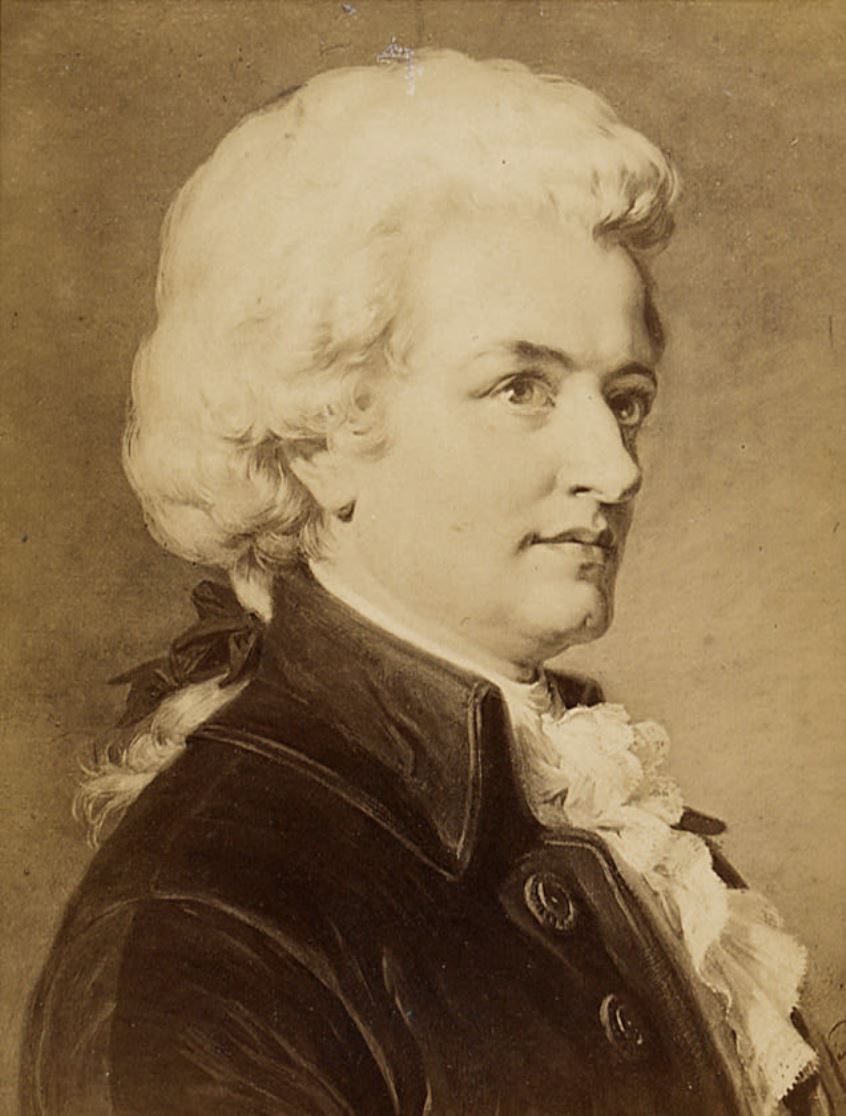
Wolfgang Amadeus Mozart, full name Johann Chrysostomus Wolfgang Amadeus Mozart, was an Austrian composer and virtuoso musician. Mozart is one of the greatest composers in music history on par with Beethoven and Haydn.
Wolfgang was born into the family of violinist and composer Leopold Mozart (1719-1787), at the age of five he had already begun composing and gave his first public performance. His older sister Maria Anna (1751-1829) was also a prodigy, and from 1763 Leopold and his children began traveling around Europe with performances.
Mozart had a phenomenal musical ear, memory and was a superb improviser. Unlike any other composer in music history, he was versatile and wrote in all musical genres of his time. During his short life, Mozart composed more than 800 works, many of which are recognized as the pinnacle of the symphonic, concert, chamber, opera and choral repertoire. The general public is familiar with the composer's three operas: The Marriage of Figaro, Don Giovanni and The Magic Flute.
Society did not immediately appreciate the scale of Mozart's genius. It was only many years later that the vivid image of a prodigy, a refined salon composer who could miraculously think through an entire work in his head, gave way to the image of a serious, meticulous and brilliant creator of music.
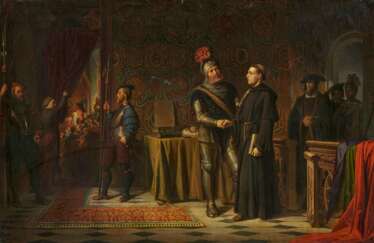

Friedrich Wilhelm Heinrich Martersteig was a German historical and genre painter and drawing teacher. From 1828 to 1834 he studied at the Dresden Academy of Art under Ludwig Richter. Afterwards he spent four years at the academy in Dusseldorf and was a pupil of Carl Ferdinand Sohn, Theodor Hildebrandt and Friedrich Wilhelm von Schadow.
Friedrich Martersteig was a member and professor of the Prussian Academy of Arts.
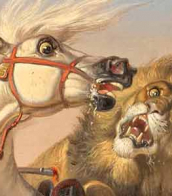
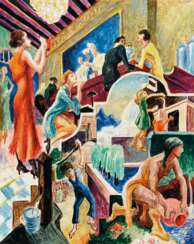

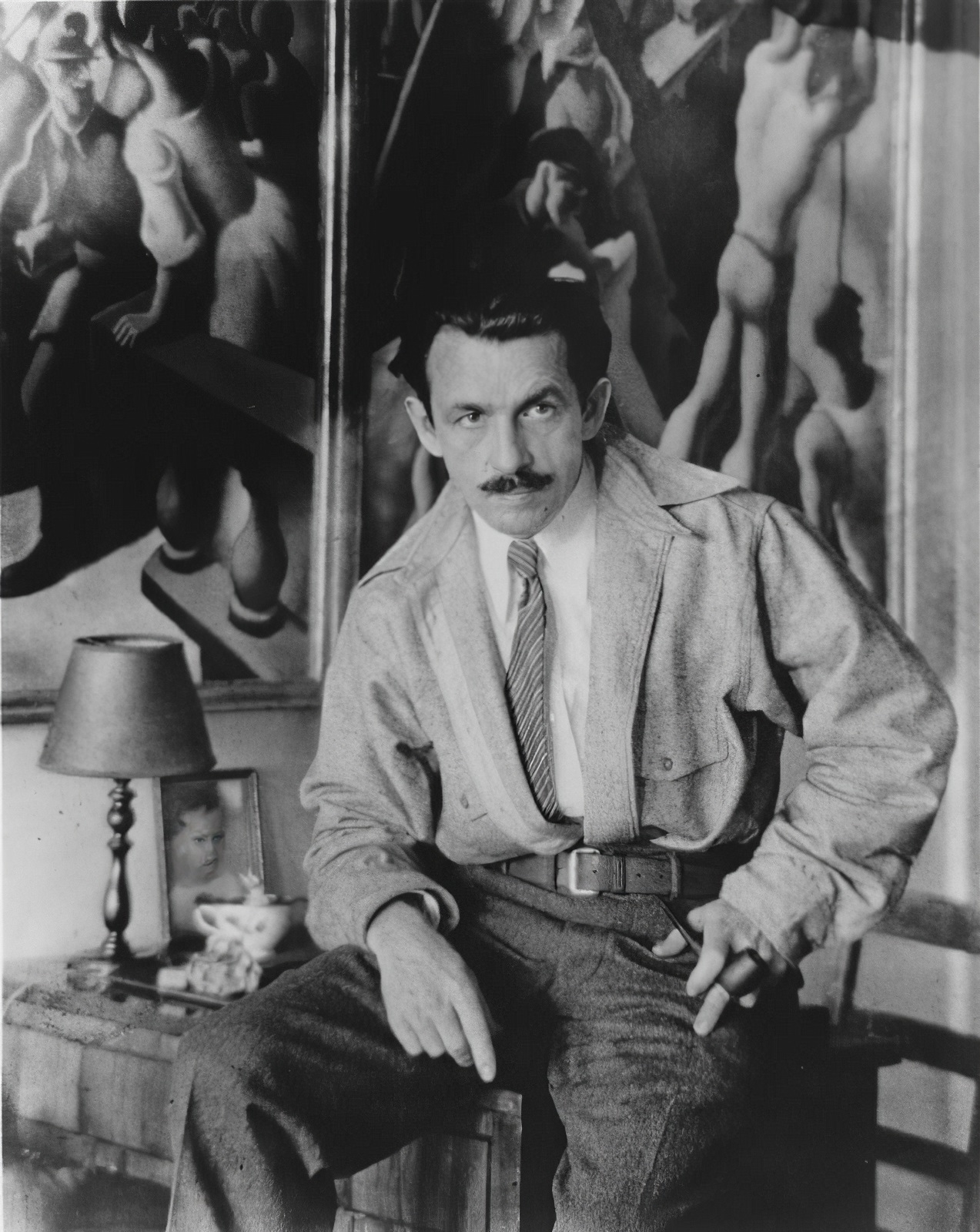
Thomas Hart Benton was an American artist renowned for his role in defining the Regionalist art movement, which emphasized scenes of everyday life in the United States. Born in Neosho, Missouri, in 1889, Benton came from a family deeply rooted in politics, but he chose to channel his energies into art, moving away from his prescribed path in politics to a more creative and influential trajectory in the visual arts.
Benton's work often carried a narrative quality, depicting the lives and struggles of working-class Americans with a focus on the Midwest. His major works include large-scale murals such as America Today and The Arts of Life in America, which showcased his unique blend of detailed realism and dynamic composition. Benton's ability to convey profound social messages through his art made his works both celebrated and controversial during his time.
Many of Benton's pieces are displayed in prominent museums across the United States. Notable among these are his murals in the Metropolitan Museum of Art and the powerful scenes captured in his final major work, The Sources of Country Music, at the Country Music Hall of Fame in Nashville. This work, completed towards the end of his life, encapsulates the essence of American cultural history that Benton so loved.
If you're passionate about the dynamic and storytelling art of Thomas Hart Benton, consider signing up for updates. You'll receive news on new product sales and auction events specifically related to Benton's art. This is a wonderful opportunity for collectors and experts in art and antiques to stay informed about one of America's defining Regionalist painters.


Martin Lister was a British naturalist and physician.
It could be argued that Lister founded two fields of natural history: arachnology (the study of spiders) and conchology (the study of the shells of organisms). He wrote more than 60 articles in the Philosophical Transactions of the Royal Society of London, published several volumes on natural history, speculated on the mysterious nature of fossils, and was successful as a physician.
Lister employed his artist daughters to illustrate his books on insects and molluscs - the names of Susanna and Anne appear on the title pages of the volumes. The Lister family published Historiæ Conchyliorum between 1685 and 1692.
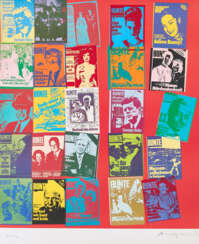

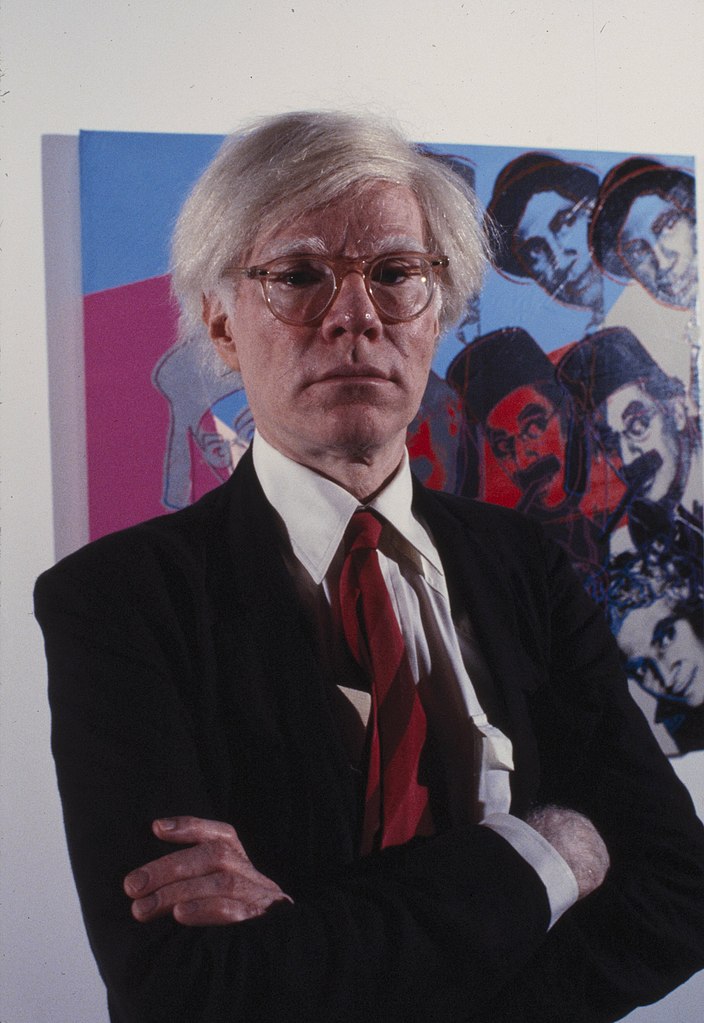
Andy Warhol, born as Andrew Warhola Jr., was an American visual artist, film director, and producer, who played a pivotal role in the development of the Pop Art movement. His art delved into the interplay between artistic expression, advertising, and celebrity culture, especially prevalent in the 1960s. Warhol was renowned for his diverse range of media, which included painting, silkscreening, photography, film, and sculpture.
Warhol's journey began in Pittsburgh, where he was born and raised, initially making a name for himself as a commercial illustrator. His New York studio, "The Factory," became a famous hub for intellectuals, celebrities, and various artistic minds. He was known for creating the notion of "Warhol superstars" and popularized the phrase "15 minutes of fame."
His contribution to the art world is significant, with notable works like "Campbell's Soup Cans" (1962) and "Marilyn Diptych" (1962), as well as his experimental films like "Empire" (1964) and "Chelsea Girls" (1966). These works not only define his career but also underscore the essence of the Pop Art movement.
Warhol's influence extended beyond his artwork. He managed and produced the experimental rock band The Velvet Underground, founded Interview magazine, and wrote several books, including "The Philosophy of Andy Warhol" and "Popism: The Warhol Sixties." Living openly as a gay man before the gay liberation movement, Warhol's personal life was as influential as his professional endeavors.
Tragically, Warhol's life was nearly cut short in 1968 when he was shot by radical feminist Valerie Solanas. He eventually passed away in 1987 due to cardiac arrhythmia following gallbladder surgery. His legacy continues, with The Andy Warhol Museum in Pittsburgh standing as the largest U.S. museum dedicated to a single artist.
Warhol's art remains highly collectible and valuable. His works, like the "Silver Car Crash (Double Disaster)" and "Shot Sage Blue Marilyn," have fetched staggering amounts at auctions, signifying his enduring impact on the art market.
For art collectors and experts, Andy Warhol's work represents a crucial intersection of pop culture and fine art, offering a unique perspective on consumerism and celebrity. His pieces are not just art; they are historical landmarks that capture a transformative era in both art and society.
To stay updated on new products, sales, and auction events related to Andy Warhol, sign up for our updates. This subscription will keep you informed about all things Warhol without overwhelming you with unnecessary information.

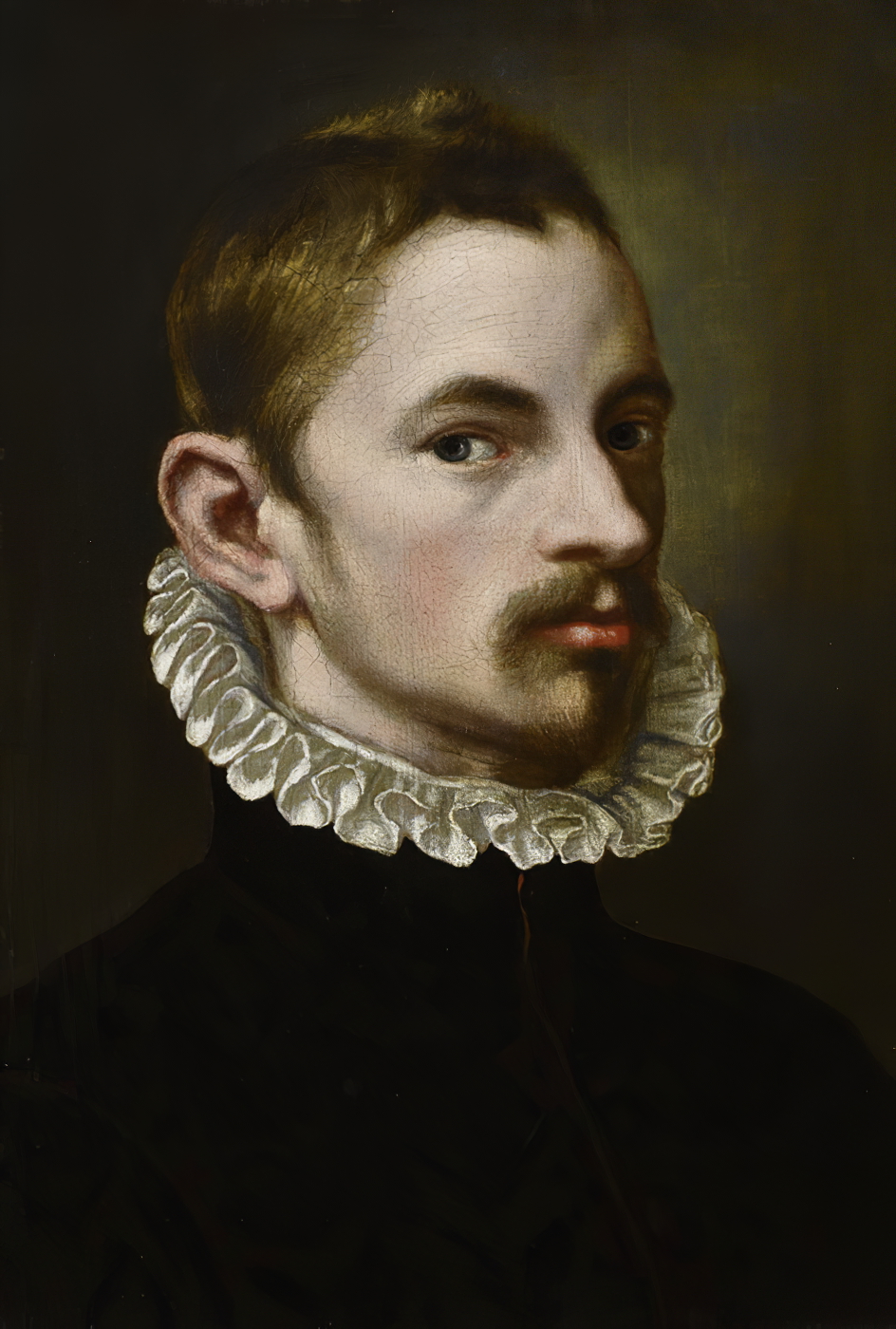
Bartolomeo Passerotti was an Italian painter of the mannerist period, who worked mainly in his native Bologna.
He influenced many Bolognese who would later play a role in the rise of the Baroque. Annibale Carracci (whose brother Agostino studied with Passerotti) was influenced by Passerotti's genre scenes in a select set of paintings (such as The Beaneater and The Butcher's Shop, the latter being originally attributed to Passerotti). Lucio Massari and Francesco Brizzi were among his pupils. Three of Passerotti's sons, including Ventura (1566–1618), Aurelio (1560–1609) and Tiburzio, were painters.