

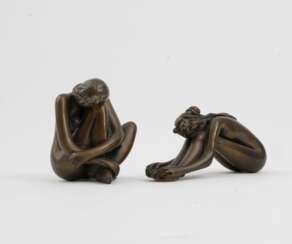
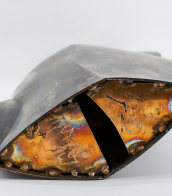
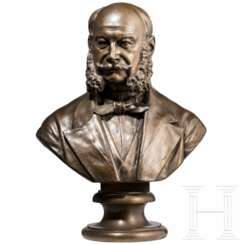
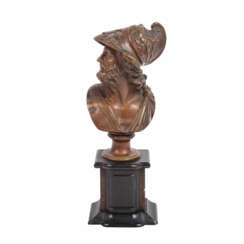
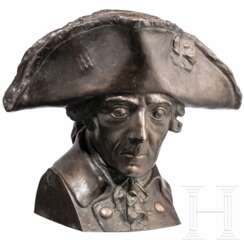
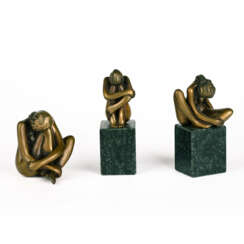
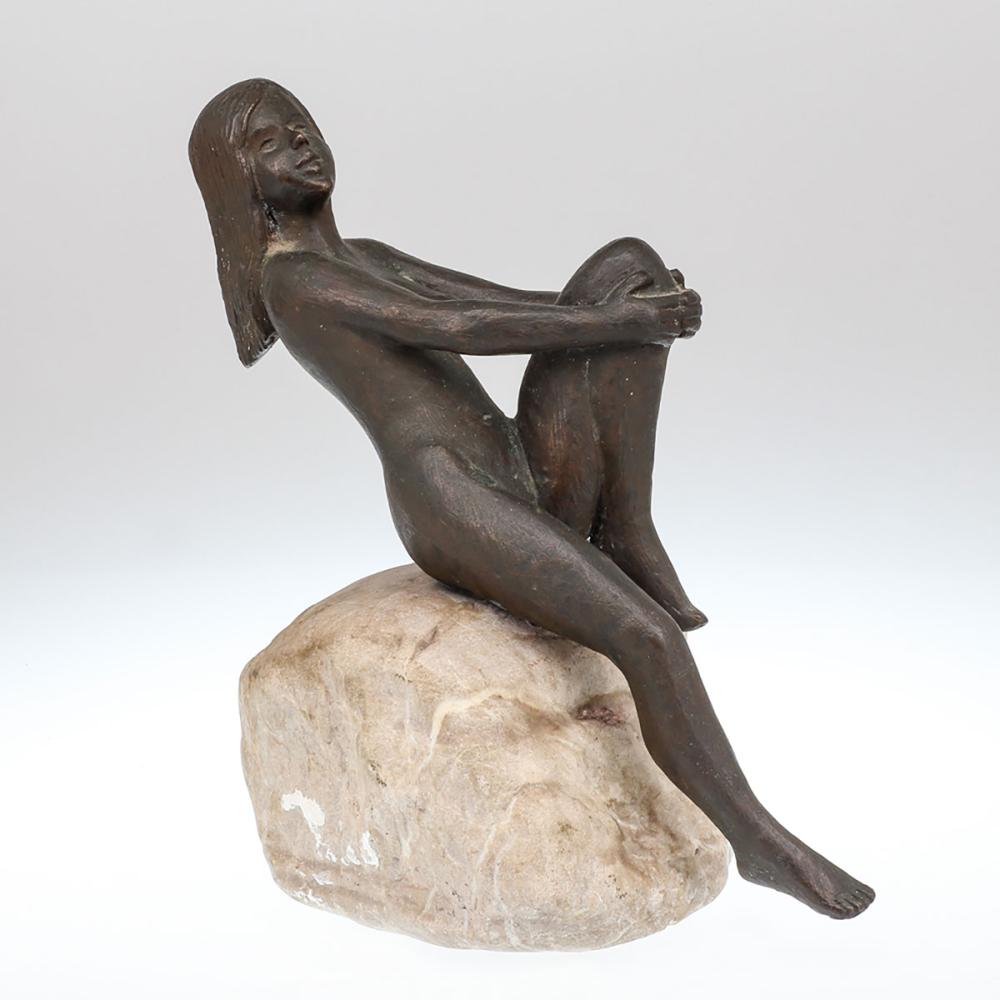
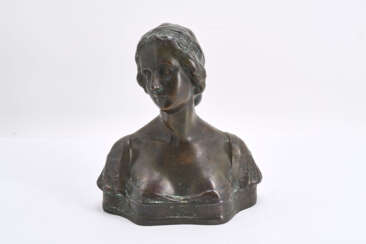
bronze, brown patinated
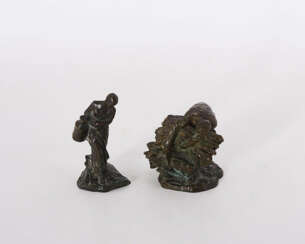

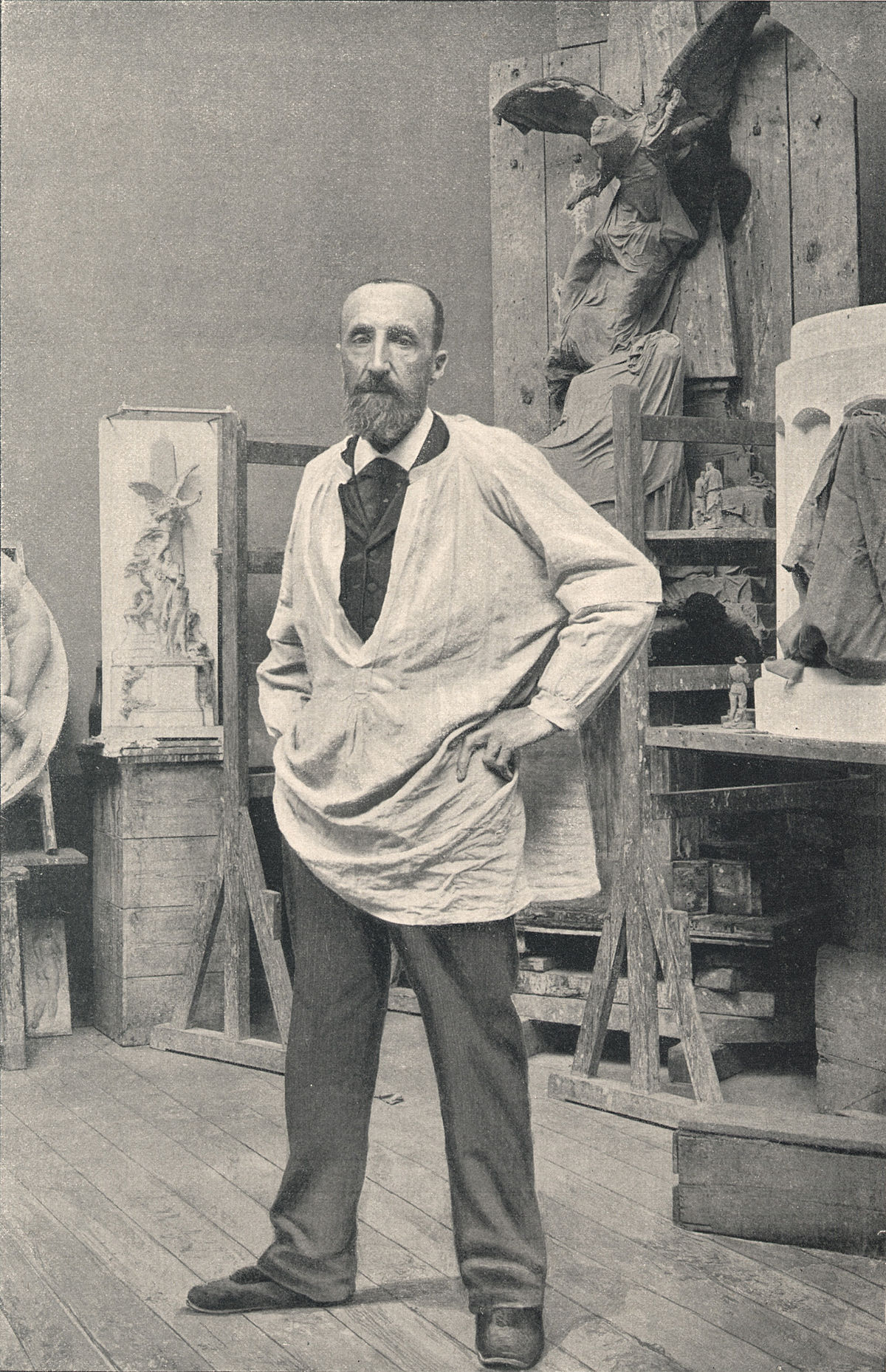
Aimé-Jules Dalou was a 19th century French sculptor. He went down in history as a supporter of realism in world art. Dalou was famous for creating monumental bronze monuments, most of which are located in Paris.
Aimé-Jules Dalou, brought up by his parents in the spirit of rejection of social injustice, throughout his career expressed in his work sympathy for the working class. The heroes of his works were often ordinary French toilers, and the master himself was a lifelong supporter of the ideas of republican socialism, because of which he was persecuted.
In the career of Dalou's downs were replaced by ups. The sculptor was awarded the French Order of the Legion of Honor in three degrees and at the World Exhibition of 1899 he received the main prize for the monument "Triumph of the Republic. In addition, the artist was one of the founders of the Société Nationale des Beaux-Arts and the first head of the sculpture department in this creative association.
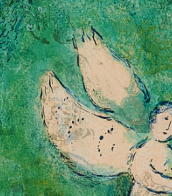
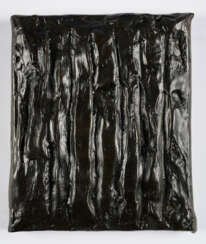

Günther Förg was a German painter, graphic designer, sculptor and photographer. His abstract style was influenced by American abstract painting.

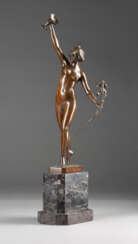

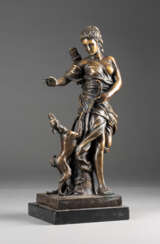

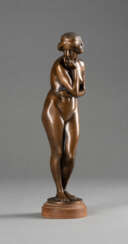

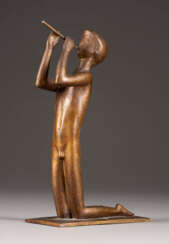




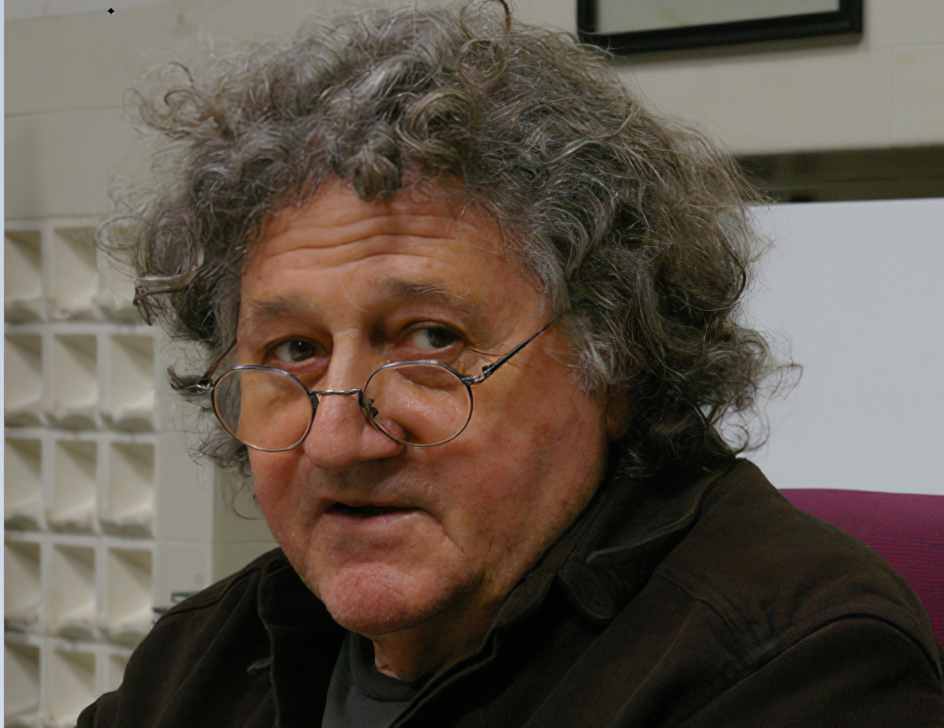
Bruno Bruni senior is an Italian lithographer, graphic artist, painter and sculptor. He became commercially successful in the 1970s. In 1977, he won the International Senefeld award for Lithography. He has since become one of the most successful Italian artists in Germany and one of Germany's best known lithographers.
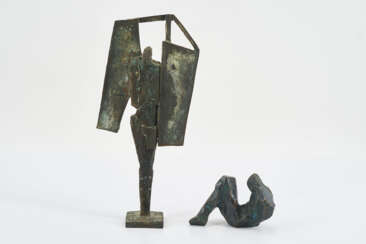













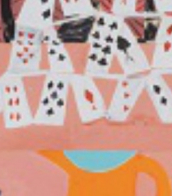
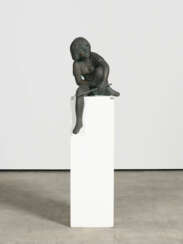




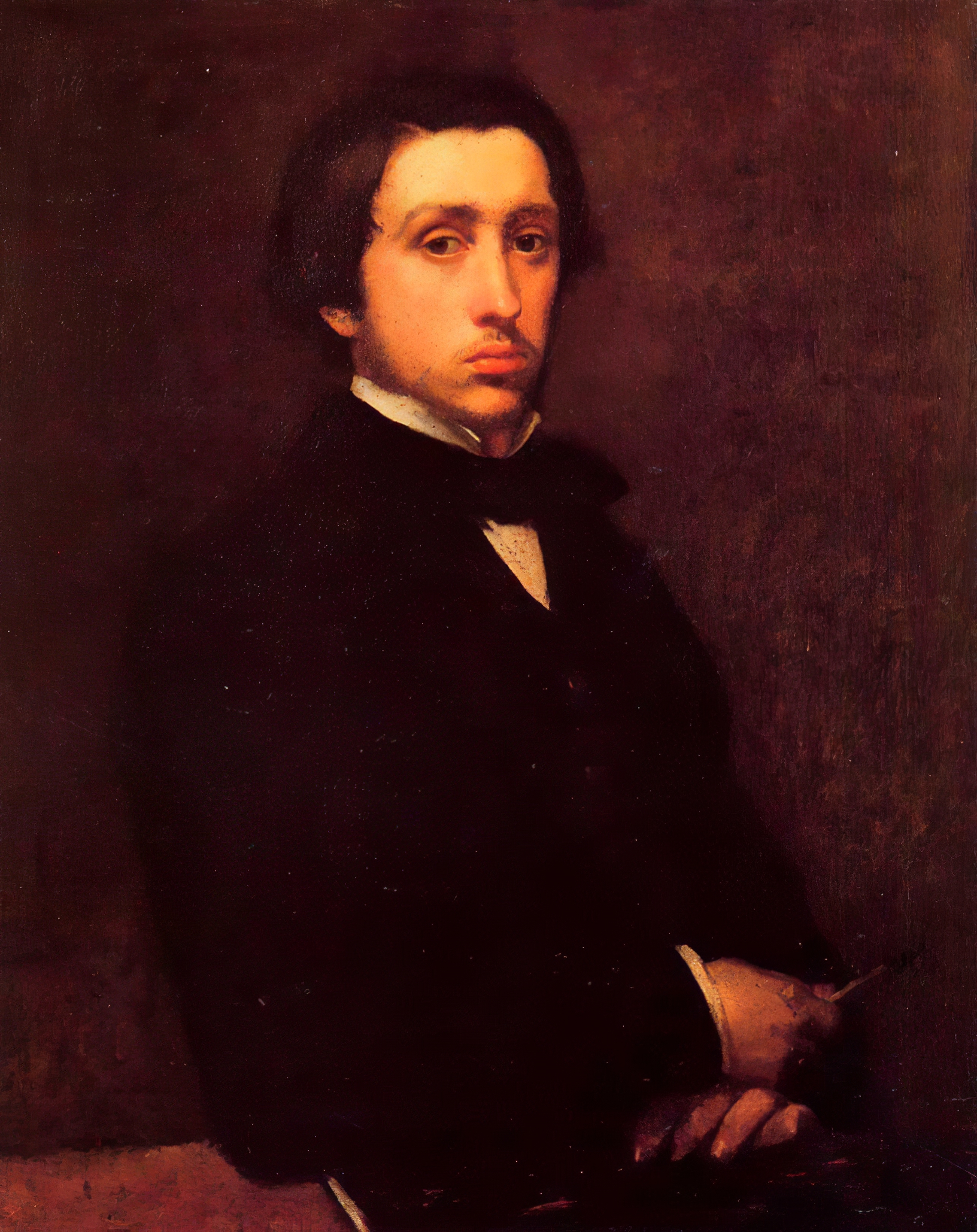
Edgar Degas, a French artist, was a master of painting, sculpture, and drawing, celebrated for his profound influence on the Impressionist movement despite his preference for being called a realist. Degas was born into a well-off family in Paris, France, and demonstrated a keen interest in art from an early age, eventually shaping his path to become one of the most sophisticated draftsmen of his time. His rigorous academic training and close study of classical art initially aimed him towards a career in history painting, but Degas soon pivoted towards contemporary subject matter, thus cementing his role as a classical painter of modern life.
Degas is renowned for his dynamic portrayals of movement, particularly in his depictions of dancers, racehorses, and everyday Parisian life. His works are characterized by their psychological depth and the isolation of his figures, showcasing his unique ability to capture the essence of his subjects with both empathy and critical distance. More than half of his oeuvre focuses on dancers, reflecting not only his fascination with the ballet but also his innovative approach to composition and form. This focus on the human figure, explored in various media including oil, pastel, and sculpture, underscores Degas's commitment to studying the nuances of human movement and expression.
Degas's artistic career is marked by his experimentation with various techniques and materials, as seen in his bronze sculptures and pastel nudes. One of his most famous sculptures, the study of the young ballet student Marie van Goethem, showcases his pioneering use of real objects in sculpture, a practice that prefigured later artistic innovations. Despite the controversies that sometimes surrounded his work, particularly in his depictions of the female nude, Degas's legacy as an artist who bridged the gap between traditional academic art and the modern movements of the early 20th century remains undisputed.
For collectors and experts in art and antiques, Degas's work offers a fascinating study in the evolution of modern art, highlighting the artist's deep engagement with the cultural and social dynamics of his time. His pieces, whether in the form of paintings, sculptures, or prints, continue to captivate audiences with their complexity, beauty, and innovative spirit.
If you are keen to stay updated on sales and auction events related to Edgar Degas, signing up for updates is a prudent choice. This subscription service ensures that you remain informed about new opportunities to acquire works by this pivotal figure in the art world, without overwhelming you with unnecessary information.




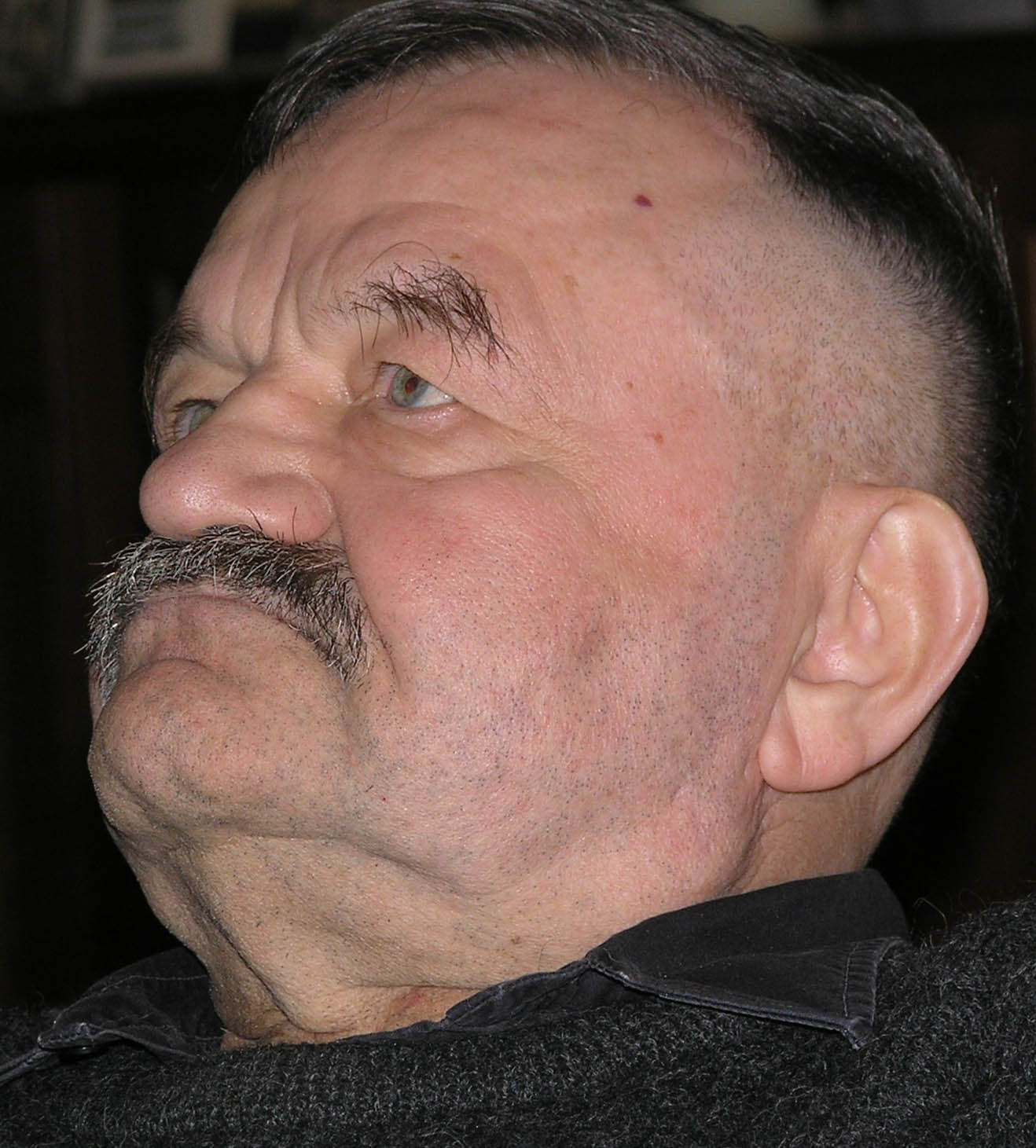
Alfred Hrdlicka was an Austrian sculptor, painter, and professor. His surname is sometimes written Hrdlička.
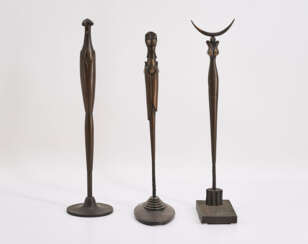

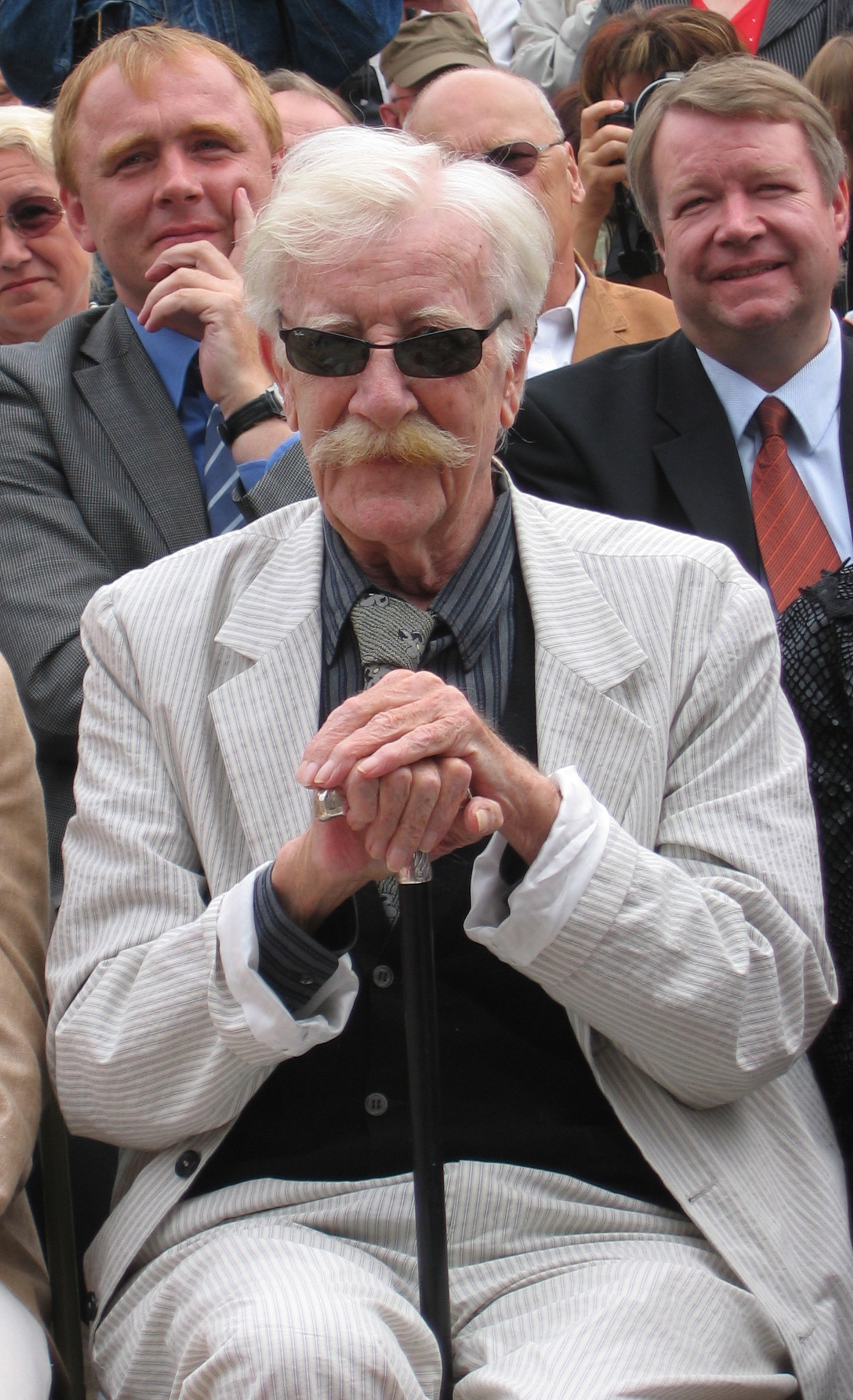
Paul Wunderlich was a German painter, sculptor and graphic artist. He designed Surrealist paintings and erotic sculptures. He often created paintings which referred to mythological legends.
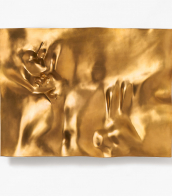
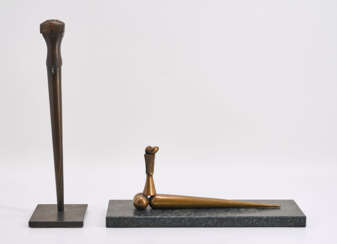

Paul Wunderlich was a German painter, sculptor and graphic artist. He designed Surrealist paintings and erotic sculptures. He often created paintings which referred to mythological legends.


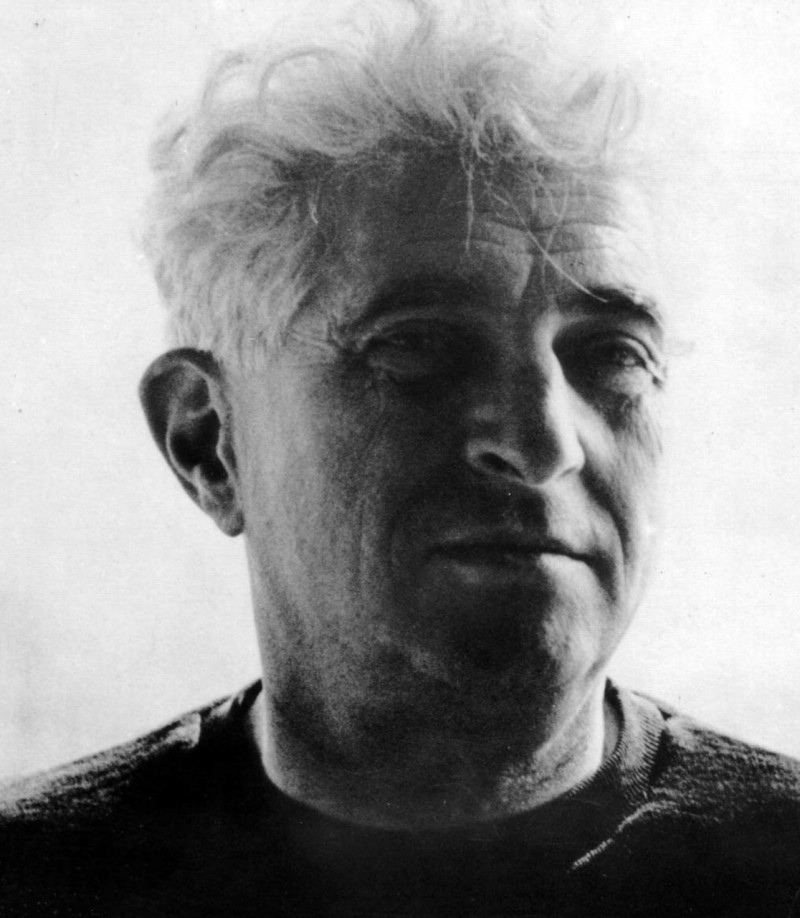
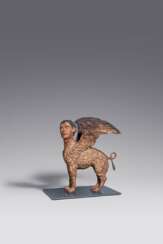

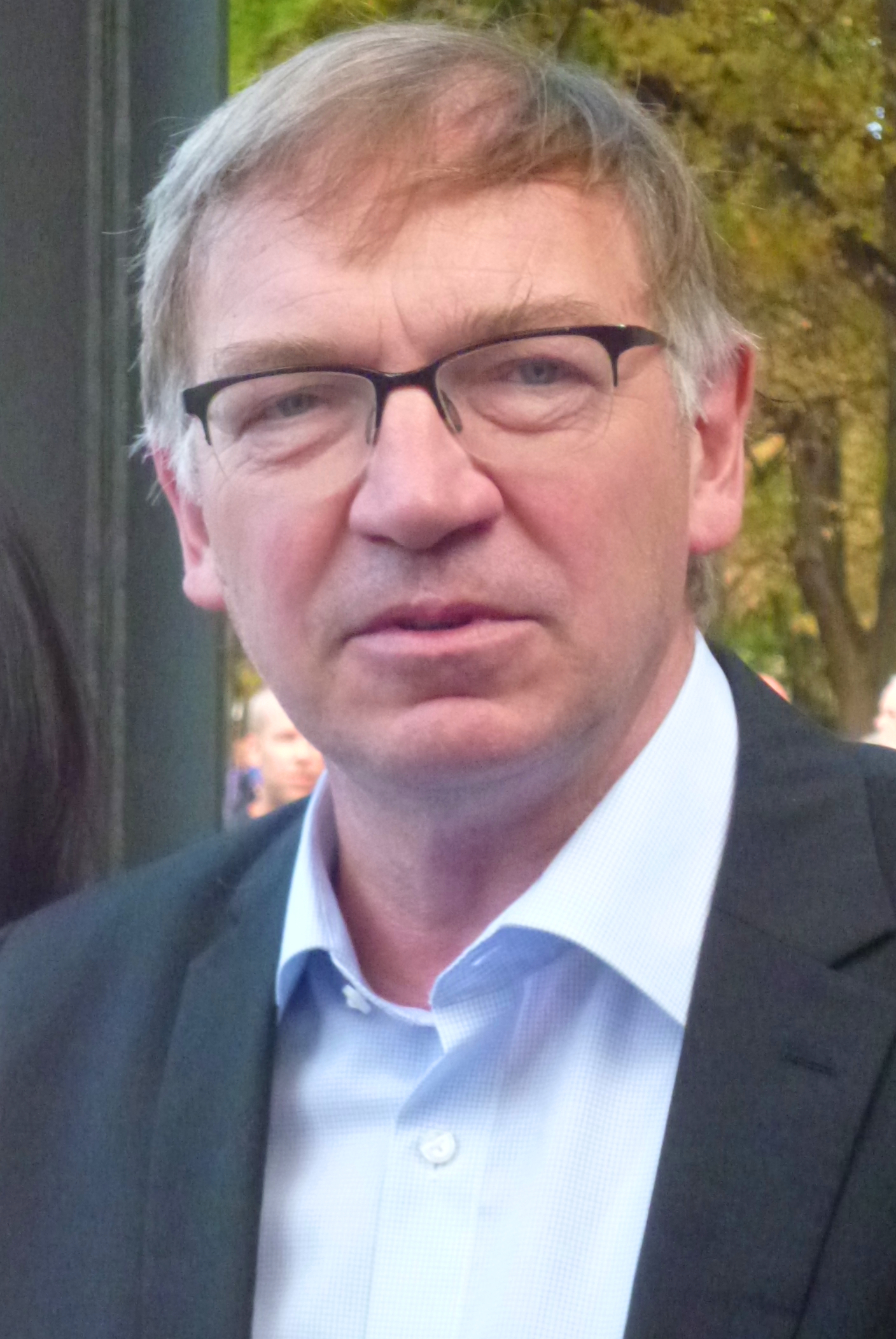
Stephan Balkenhol is a German artist known for his sculptures capturing the human form. Based in France and Germany, he specializes in wood sculptures, reliefs, drawings, and graphic techniques like lithography, woodcuts, and stencils. His distinct style features roughly carved and vibrantly painted wooden sculptures, often depicting people, animals, and architecture.
Balkenhol's subjects lack emotions, often gazing into emptiness, resulting in a distant and enigmatic aura. Wood is his primary medium, with softer woods allowing precise facial details while maintaining imperfections like chips, knots, and tool marks. The artist adds paint as a finishing touch, accentuating anatomy and vitality. The textured surfaces beneath the paint layer amplify the sense of life in Balkenhol's works.
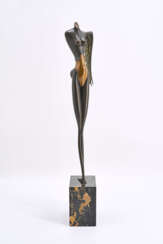

Paul Wunderlich was a German painter, sculptor and graphic artist. He designed Surrealist paintings and erotic sculptures. He often created paintings which referred to mythological legends.


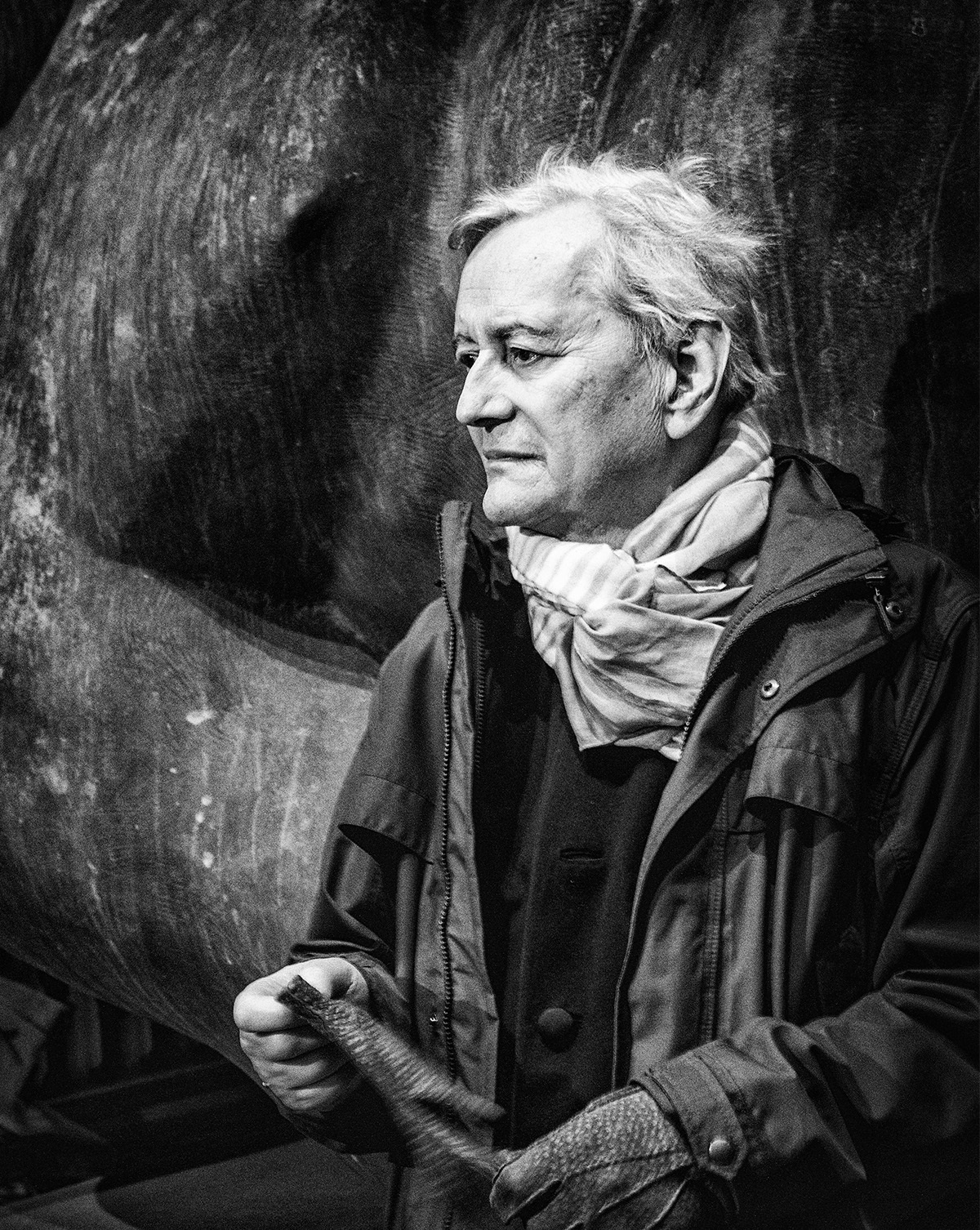
Igor Mitoraj, a renowned Polish sculptor, was celebrated for his unique approach to sculptural art, which combined classical techniques with modernist interpretations. Igor Mitoraj's artistic journey led him across Europe, studying under notable figures such as Tadeusz Kantor at the Krakow Academy of Fine Arts before expanding his horizons in Paris and Italy.
Igor Mitoraj's works are distinguished by their classical inspiration, often focusing on the human body's beauty and fragility. Yet, he introduced a contemporary twist by presenting his figures as fragmented or truncated, a nod to the imperfections and vulnerabilities inherent in human nature. This stylistic choice not only set him apart in the art world but also allowed him to explore deeper themes of human experience and existential reflection.
His sculptures, often large-scale, are displayed in public spaces across the globe, from the streets of European cities to the ruins of Pompeii, where his piece "Daedalus" stands as a testament to his artistic legacy. Igor Mitoraj's influence extends beyond public installations, with his works featured in various prestigious exhibitions and collections, illustrating a career marked by a commitment to exploring the human condition through art.
For art collectors and enthusiasts interested in Mitoraj's work, staying informed about upcoming sales and auction events can provide unique opportunities to acquire pieces by this influential artist. Subscribing to updates related to Igor Mitoraj can ensure you're always in the know about new offerings and events celebrating his artistic contributions.

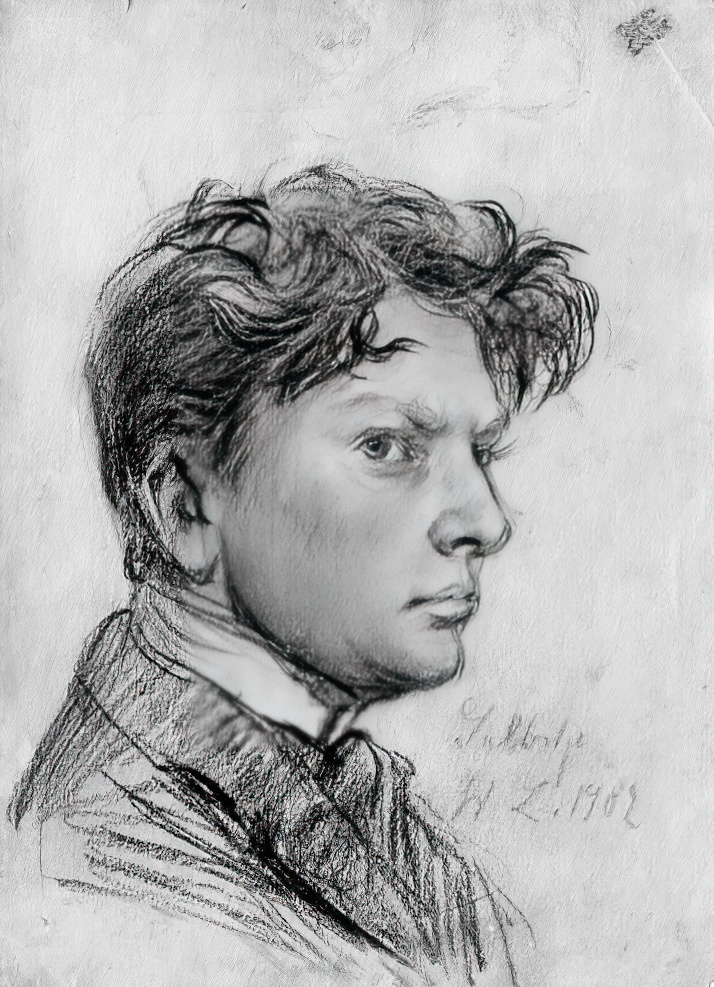
Wilhelm Lehmbruck was a German sculptor, graphic artist and medallist.


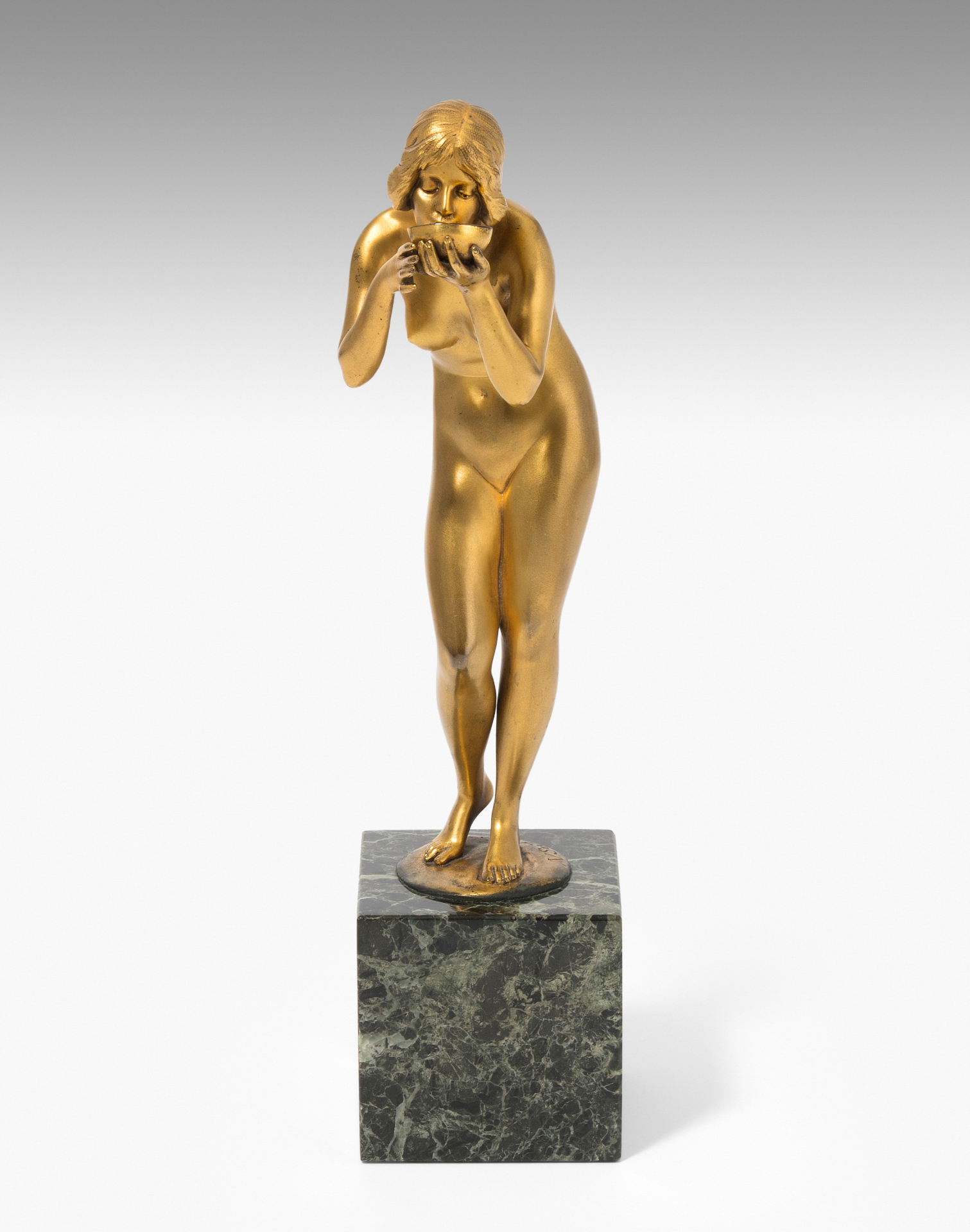
Victor Heinrich Seifert was an Austrian sculptor.
Seifert studied first at the University of Applied Arts in Vienna and later at the Berlin Academy of Art. After the end of World War I, he created many war memorials for German cities and towns, for which he became famous. Seifert also worked on classical nude sculptures in bronze.