cahier d
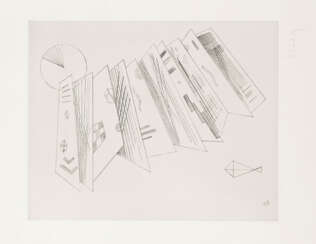

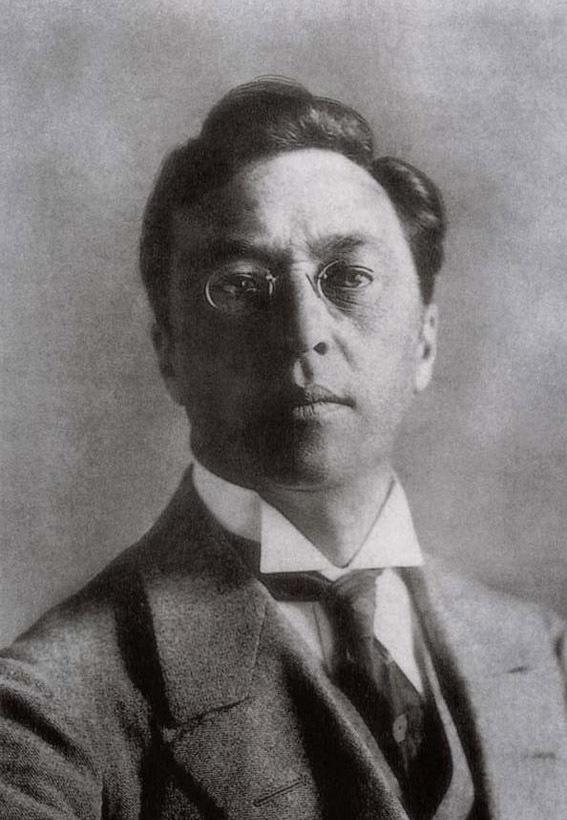
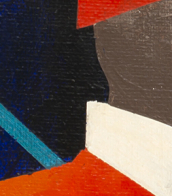
Wassily Wassilyevich Kandinsky (Russian: Василий Васильевич Кандинский) was a trailblazer in the art world, known for his pioneering role in the development of abstract art. Born in Moscow, Russia, in 1866, Kandinsky embarked on a journey that would take him from the study of law and economics to becoming one of the most influential artists of his time. His journey into the arts began at 30, a significant shift from a promising career in law to attending the Academy of Fine Arts in Munich. This decision marked the start of a profound exploration of color, form, and the spiritual in art.
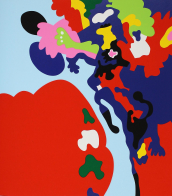
Kandinsky's work is celebrated for its innovative use of color and abstract forms, with notable pieces such as "Composition VII" and "On White II" showcasing his ability to evoke emotional resonance through non-representational means. His art was not just about visual aesthetics but also aimed to touch the spiritual and emotional realms of the viewer. He often compared his method of painting to composing music, emphasizing the emotional power of abstract forms and colors. This philosophy was reflected in his theoretical writings, notably in "Concerning the Spiritual in Art," where he laid out his beliefs about the role of art and the artist in society.
Throughout his career, Kandinsky was involved with several avant-garde groups, including Der Blaue Reiter and Die Blaue Vier, collaborating with other influential artists of the time like Paul Klee and Alexej Jawlensky. After the Bauhaus school, where he taught, was closed by the Nazis, Kandinsky moved to France, where he spent the remainder of his life, continuing to evolve his style and contribute to the art world until his death in Neuilly-sur-Seine in 1944.
Kandinsky's legacy is not only in his artworks, which are held in esteemed collections worldwide, such as the Solomon R. Guggenheim Museum in New York, but also in his impact on the course of modern art. He opened up new possibilities for artists by demonstrating that art could venture beyond the representational and delve into the purely abstract, exploring the inner emotional and spiritual life through form and color.
For those captivated by Kandinsky's revolutionary approach to art and interested in the evolution of abstract expression, signing up for updates on new product sales and auction events related to Kandinsky's work is an excellent way to stay informed. This subscription service is tailored for collectors and art experts, ensuring you are the first to know about opportunities to acquire pieces by or related to this groundbreaking artist.




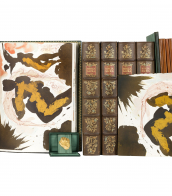
![[AUBIGNÉ, Théodore Agrippa d' (1552-1630)] Les Avantures du ...](/assets/image/picture_1080043/ea117/wr4vn5oxq0xww03mw-ryckgrlfzh2hjs8-jgglnh2utgl5bxyjdjkmq6gdgq2bx1602251647jpg__fix_374_244.jpeg)
![[AUBIGNÉ, Théodore Agrippa d' (1552-1630)] Les Avantures du ...](https://veryimportantlot.com/assets/image/picture_1080043/ea117/wr4vn5oxq0xww03mw-ryckgrlfzh2hjs8-jgglnh2utgl5bxyjdjkmq6gdgq2bx1602251647jpg__fix_374_244.jpeg)



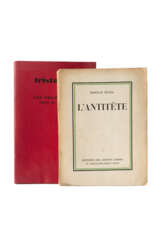





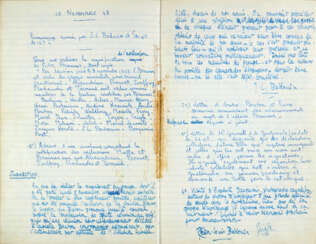

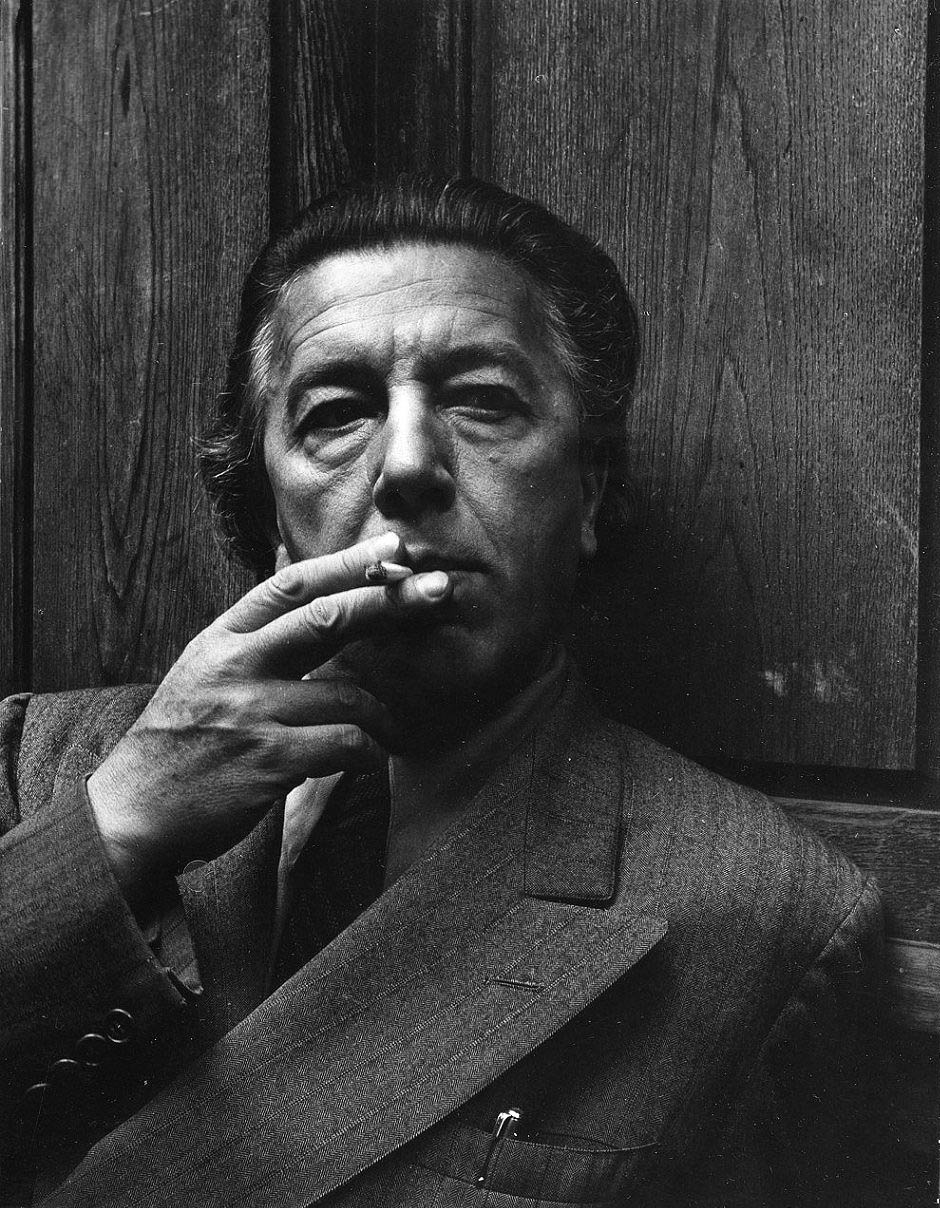
André Breton was a French writer, poet, and anti-fascist, renowned as the principal founder and leading theorist of Surrealism, an influential movement that sought to release the creative potential of the unconscious mind. Born in Tinchebray, France, in 1896, Breton's work was deeply influenced by the theories of Sigmund Freud and was characterized by a fascination with dreams, the irrational, and the workings of the mind. As a cultural icon, his contributions extended beyond literature into the realms of art, sculpture, and painting, making him a pivotal figure in 20th-century artistic movements.
Breton's seminal work, the "Manifesto of Surrealism" (1924), outlined the principles of the movement, advocating for the expression of the subconscious and the importance of dreams as a source of artistic inspiration. His leadership and writings not only shaped Surrealism but also had a lasting impact on the broader culture of art, influencing countless artists, painters, and sculptors. Breton's ability to merge poetry with visual arts led to collaborations with prominent artists like Salvador Dalí, Max Ernst, and Joan Miró, further cementing his legacy as a central figure in modern art.
Notably, André Breton's works and personal collection, which included art pieces and surreal objects, have been displayed in museums and galleries worldwide, showcasing his eclectic taste and profound influence on the art world. His Paris apartment was a gathering place for artists and intellectuals, becoming a hub of Surrealist activity and thought. For collectors and experts in art and antiques, Breton's contributions represent a fascinating intersection of literary prowess and visual creativity, highlighting the enduring relevance of Surrealism.
For those interested in exploring the depths of Surrealism and André Breton's groundbreaking contributions, signing up for updates can provide exclusive access to new product sales and auction events related to this pivotal artist and thinker. This subscription is an invaluable resource for collectors and enthusiasts keen to deepen their understanding of Breton's influence and the broader cultural movements he shaped.

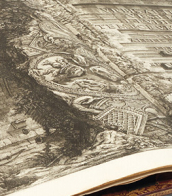
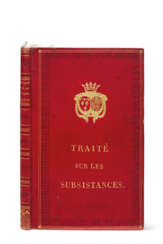

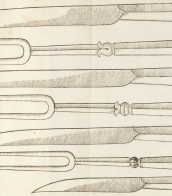


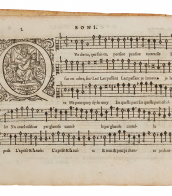
![[RONSARD, Pierre de (1524-1585)]. Les Plaisirs de la vie rustique – Le voyage d’Hercueil. [relié avec] BINET, Claude (15 ??-1600?). Les Plaisirs de la vie rustique et solitaire. Par Cl. Binet. [relié avec] RAPIN, Nicolas (1535-1608). Les Plaisir](/assets/image/picture_1320896/31555/8436297ffba22a66c0d33faa06ecfe941616454000jpg__fix_374_244.jpeg)
![[RONSARD, Pierre de (1524-1585)]. Les Plaisirs de la vie rustique – Le voyage d’Hercueil. [relié avec] BINET, Claude (15 ??-1600?). Les Plaisirs de la vie rustique et solitaire. Par Cl. Binet. [relié avec] RAPIN, Nicolas (1535-1608). Les Plaisir](https://veryimportantlot.com/assets/image/picture_1320896/31555/8436297ffba22a66c0d33faa06ecfe941616454000jpg__fix_374_244.jpeg)


Wassily Wassilyevich Kandinsky (Russian: Василий Васильевич Кандинский) was a trailblazer in the art world, known for his pioneering role in the development of abstract art. Born in Moscow, Russia, in 1866, Kandinsky embarked on a journey that would take him from the study of law and economics to becoming one of the most influential artists of his time. His journey into the arts began at 30, a significant shift from a promising career in law to attending the Academy of Fine Arts in Munich. This decision marked the start of a profound exploration of color, form, and the spiritual in art.
Kandinsky's work is celebrated for its innovative use of color and abstract forms, with notable pieces such as "Composition VII" and "On White II" showcasing his ability to evoke emotional resonance through non-representational means. His art was not just about visual aesthetics but also aimed to touch the spiritual and emotional realms of the viewer. He often compared his method of painting to composing music, emphasizing the emotional power of abstract forms and colors. This philosophy was reflected in his theoretical writings, notably in "Concerning the Spiritual in Art," where he laid out his beliefs about the role of art and the artist in society.
Throughout his career, Kandinsky was involved with several avant-garde groups, including Der Blaue Reiter and Die Blaue Vier, collaborating with other influential artists of the time like Paul Klee and Alexej Jawlensky. After the Bauhaus school, where he taught, was closed by the Nazis, Kandinsky moved to France, where he spent the remainder of his life, continuing to evolve his style and contribute to the art world until his death in Neuilly-sur-Seine in 1944.
Kandinsky's legacy is not only in his artworks, which are held in esteemed collections worldwide, such as the Solomon R. Guggenheim Museum in New York, but also in his impact on the course of modern art. He opened up new possibilities for artists by demonstrating that art could venture beyond the representational and delve into the purely abstract, exploring the inner emotional and spiritual life through form and color.
For those captivated by Kandinsky's revolutionary approach to art and interested in the evolution of abstract expression, signing up for updates on new product sales and auction events related to Kandinsky's work is an excellent way to stay informed. This subscription service is tailored for collectors and art experts, ensuring you are the first to know about opportunities to acquire pieces by or related to this groundbreaking artist.






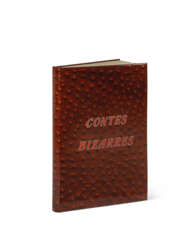

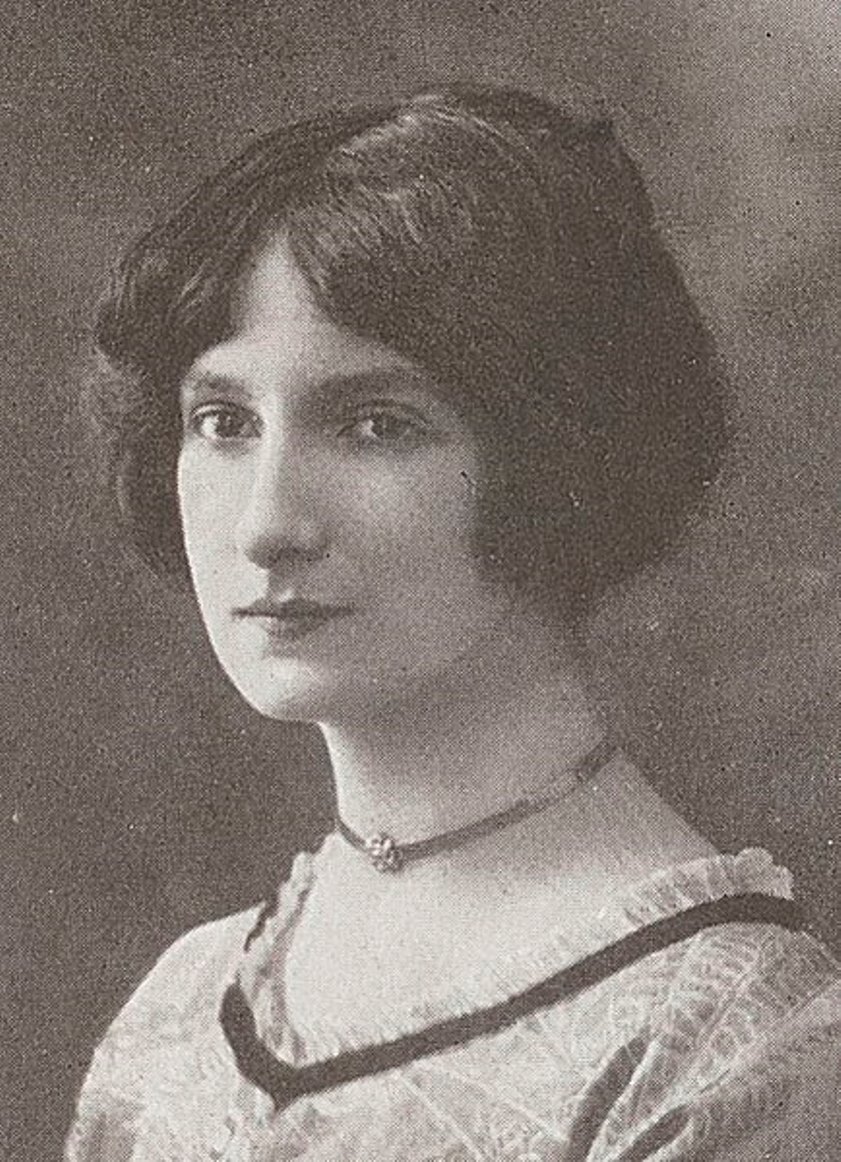
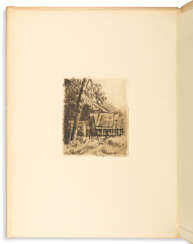

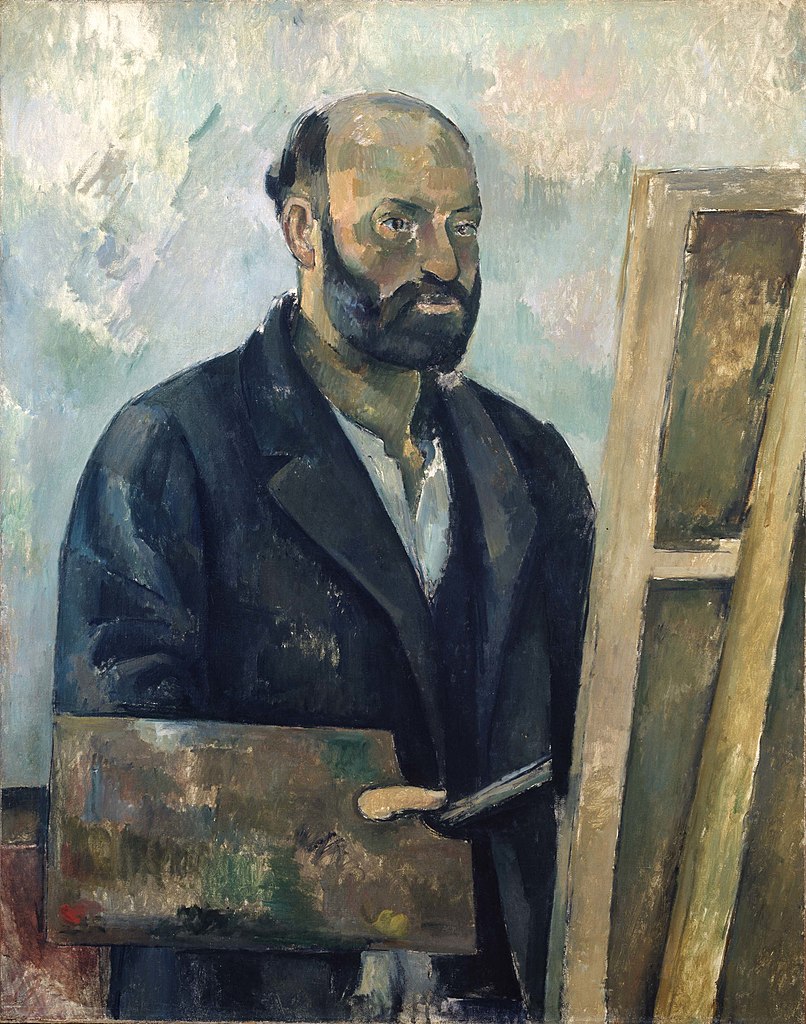
Paul Cézanne, a French Post-Impressionist painter, was pivotal in shaping the transition from 19th-century art to a new, revolutionary approach in the 20th century. His unique and exploratory brushstrokes, utilizing planes of color to form complex fields, made his work instantly recognizable and influential in the development of Cubism.
Cézanne’s early works, influenced by Romanticism and Realism, evolved into a groundbreaking artistic language. He challenged traditional perspective and academic art rules, focusing on objects' structural aspects and art's formal qualities. This approach led to a renewed emphasis on impressionistic color space and modulation principles.
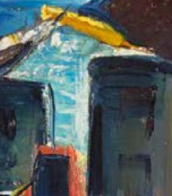
His most notable works, like “Mont Sainte-Victoire,” “The Card Players,” and “The Bathers,” display his mastery in creating depth and dimension through color gradations. These paintings, initially met with skepticism, eventually cemented Cézanne’s reputation as a pioneering artist. His exhibitions, particularly the one-man show by dealer Ambroise Vollard in 1895, played a critical role in his recognition.
Cézanne’s impact on art history is profound, with greats like Henri Matisse and Pablo Picasso acknowledging him as a significant influence. His exploration of geometric forms and innovative use of light and color laid the groundwork for subsequent movements, particularly Cubism.
For collectors and art experts, Cézanne's works are more than just paintings; they are pivotal chapters in the narrative of modern art. His creations, bridging Impressionism and Cubism, continue to inspire and challenge contemporary artists.
To stay updated on new product sales and auction events related to Paul Cézanne, sign up for our updates. This subscription ensures you remain informed about the latest developments in the world of this revolutionary artist.





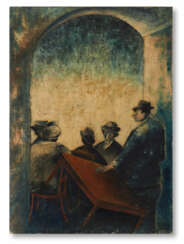

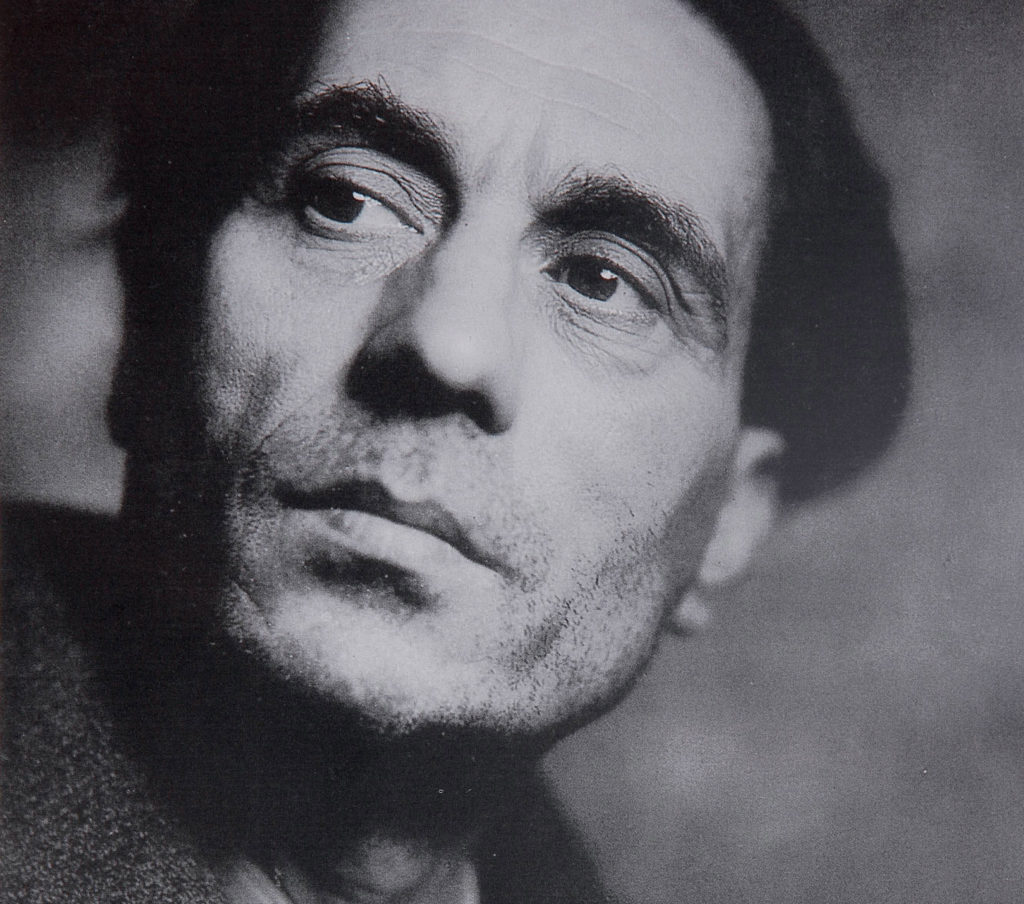
Ottone Rosai was an Italian futurist and representative of the Novecento. He studied painting at the Academy of Fine Arts in Florence.


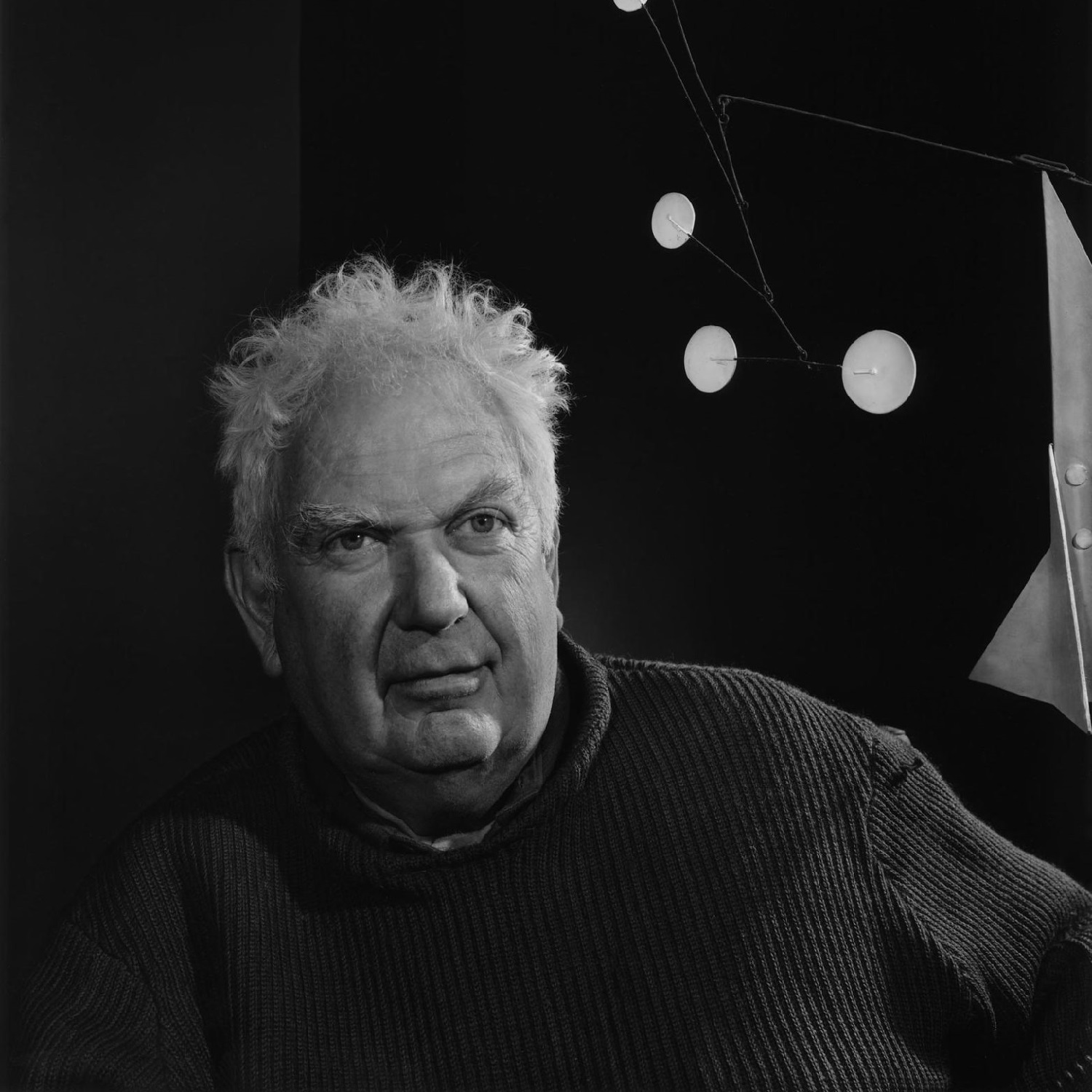
Alexander Calder was an American artist celebrated for his revolutionary contributions to modern sculpture, including his invention of the mobile. Born into a family of artists on July 22, 1898, in Lawnton, Pennsylvania, and passing away on November 11, 1976, in New York, Calder harnessed his background in mechanical engineering to create kinetic sculptures that moved with air currents, alongside his monumental stationary sculptures known as "stabiles".
Calder's early life was marked by his creation of toys and various objects, showcasing his inherent talent and creativity from a young age. Despite initially pursuing a career in mechanical engineering, Calder's true calling in the arts was undeniable. He moved to New York City, where he enrolled at the Art Students League, laying the groundwork for his iconic artistic style. In 1926, Calder relocated to Paris, which became a pivotal moment in his career, leading to the creation of "Calder's Circus," a whimsical assembly of wire figures that gained him entry into the avant-garde art circles of Europe.
Throughout the 1930s and beyond, Calder's work evolved from figurative painting to abstract sculptures that brought motion into the realm of art, a transition influenced by his visit to Piet Mondrian's studio. His innovative mobiles and stabiles were celebrated for their ingenuity and aesthetic appeal, earning Calder international recognition and numerous accolades. Among his well-known public commissions are the .125 mobile for John F. Kennedy Airport and the monumental red-painted steel stabile, "Flamingo," for the Federal Center Plaza in Chicago.
Calder's legacy extends far beyond his sculptures; his work encompassed painting, printmaking, jewelry design, and even set and costume design for theatre productions. His influence on modern art is profound, inspiring future generations of artists to explore the kinetic possibilities of sculpture.
For art enthusiasts and collectors interested in Alexander Calder's groundbreaking work, staying informed about upcoming sales and auctions is essential. Sign up for updates to never miss an opportunity to own a piece by this influential American sculptor, highlighting his unique contributions to the art world.