

conversion vans


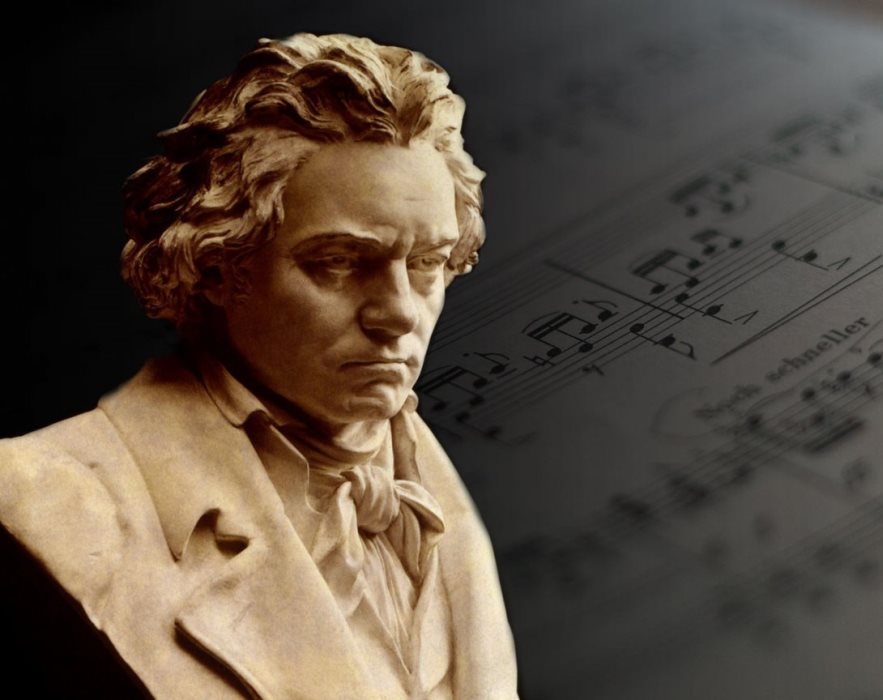
Ludwig van Beethoven was a German composer, pianist, and conductor, one of the most famous and celebrated composers in world history.
Beethoven showed an aptitude for music at a very early age; from the age of four his father began to teach him. Beethoven's early works - piano sonatas and symphonies - were composed under the strong influence of the music of the great classical composers Joseph Haydn and Wolfgang Amadeus Mozart. As Beethoven matured, however, he began to experiment with new forms and harmonic sequences, and his music became more complex and emotionally charged.
Unfortunately, at the height of his talent, Beethoven began to gradually lose his hearing, to the point of complete deafness by the end of his life. Despite this, he continued to compose and conduct, using special devices to feel the vibrations of the music.
Beethoven's work is considered pivotal in classical music and is a bridge between the classical and Romantic eras. His works vividly express a wide range of emotions, from triumph and joy to sadness and despair. Beethoven was also one of the first composers to include soloists and chorus in his symphonies. Beethoven's best-known works include nine symphonies, 32 piano sonatas, 16 string quartets and the heroic opera Fidelio. These and many other works have cemented Beethoven's place in music history as one of the greatest composers of all time. His music continues to be played and studied by musicians and music lovers around the world.
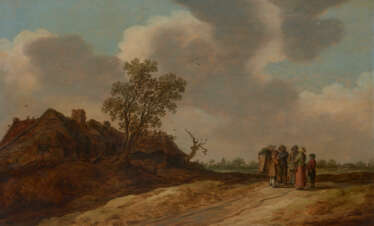

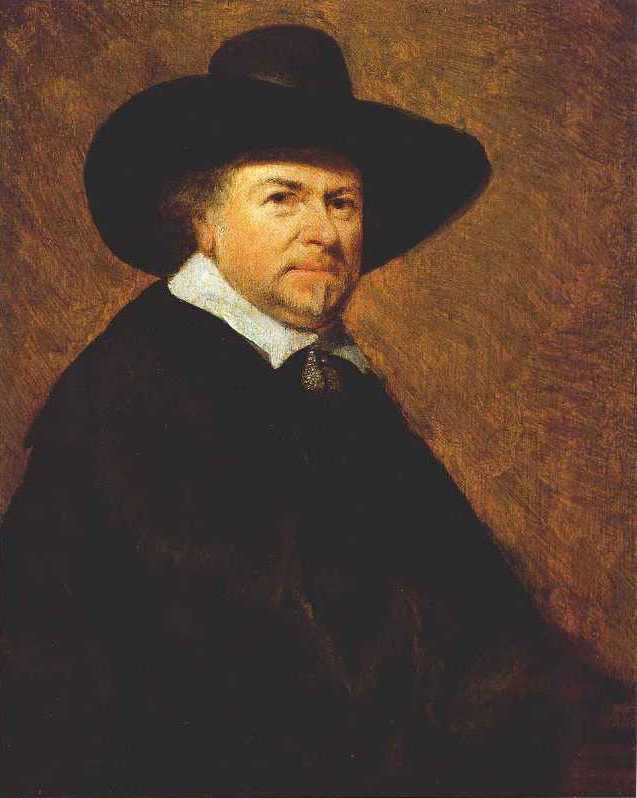
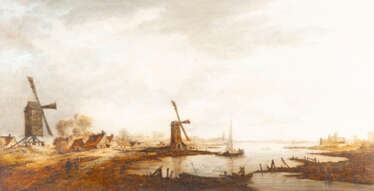
Jan Josephsz. van Goyen was a Dutch landscape painter and draftsman of the Golden Age, a member of the Guild of St. Luke of Leiden, and a representative of the so-called tonal landscape. Van Goyen specialized in landscape painting and left many paintings depicting forest paths, rivers, lakes, and canals. He also painted peasant huts and the outskirts of towns.
Jan van Goin was one of the most prolific painters of the 17th century: some 1,200 paintings he created and some 800 drawings have survived.
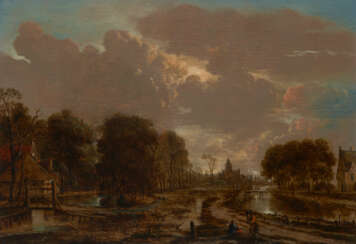

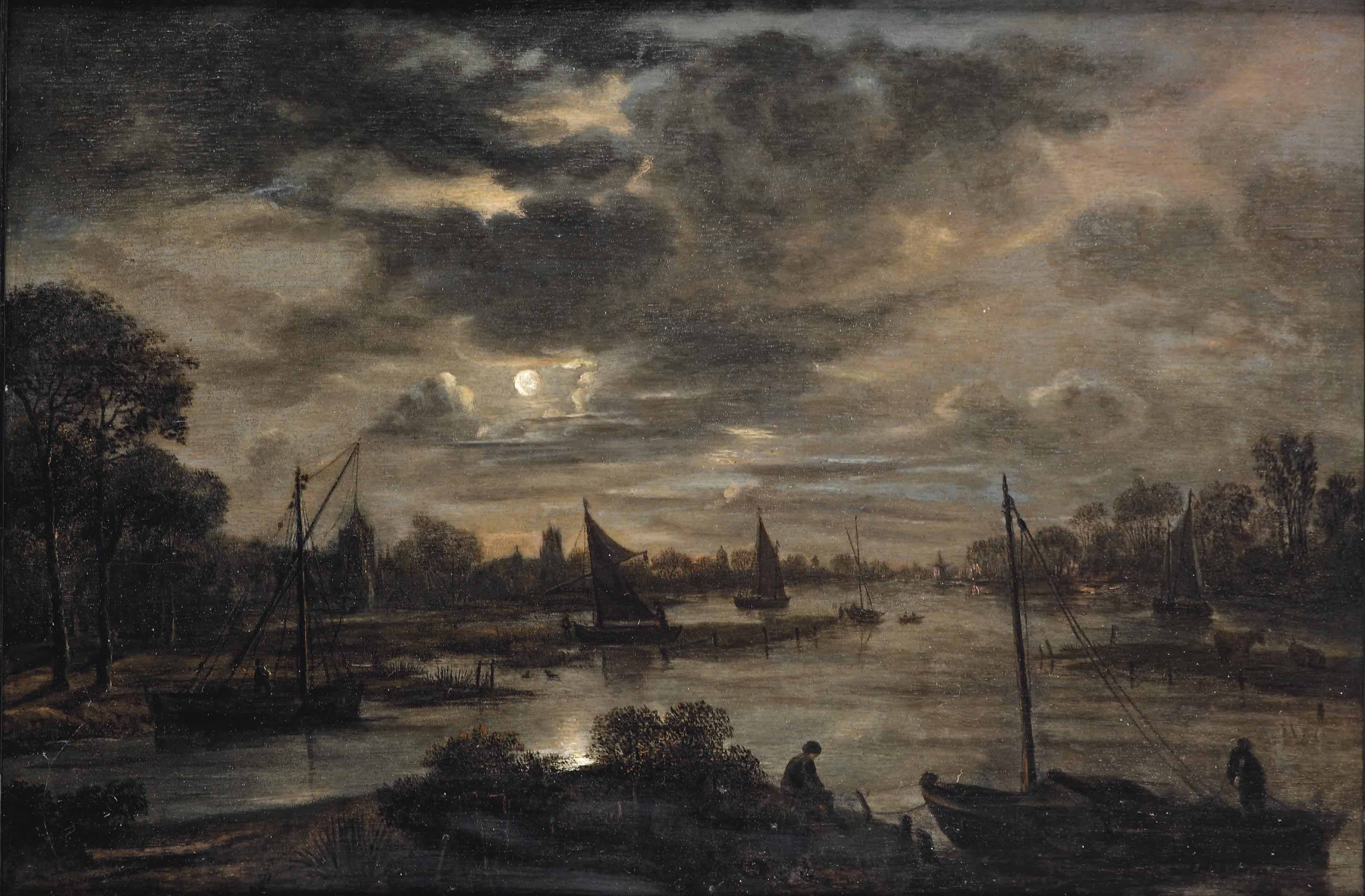
Aert van der Neer was a Dutch painter of the Gilded Age.
Van der Neer is considered a pioneer of the night landscape because of his successful solutions to lighting issues in his works. He painted many pictures of winter landscapes, including nighttime fires.

_-_Portrait_of_a_Family_in_a_Garden_-_1679.jpg)
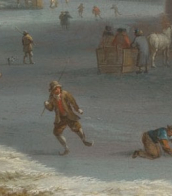


Rembrandt Harmenszoon van Rijn, a Dutch Baroque painter and printmaker, was born on July 15, 1606, in Leiden, Netherlands, and died on October 4, 1669, in Amsterdam. He is celebrated as one of the greatest storytellers in art history, acclaimed for his adept portrayal of human emotions and dramatic narratives. Rembrandt's extensive oeuvre includes portraits, self-portraits, landscapes, genre scenes, allegorical, historical, and biblical themes, as well as animal studies. His artistry shined during the Dutch Golden Age, a period marked by cultural and scientific achievements in the Netherlands.
Rembrandt's education in art began around the age of 10 when he left the Latin School in Leiden to train as an artist. He apprenticed with artists like Jacob van Swanenburg and Pieter Lastman, mastering various aspects of painting. He opened his own studio in Leiden around 1624 or 1625, sharing it with his colleague Jan Lievens. By 1631, he had moved to Amsterdam, where he achieved significant success and trained many important Dutch painters.
Among Rembrandt's notable works are "The Anatomy Lesson of Dr. Nicolaes Tulp" (1632), "The Night Watch" (1642), and "The Syndics of the Amsterdam Drapers’ Guild" (1662). He was also renowned for his self-portraits, creating around 80 over his lifetime, more than any other artist until the 20th century. These self-portraits were not just artistic endeavors but also experiments with facial expressions and lighting effects. Additionally, Rembrandt was a master etcher, transforming etching from a reproductive technique into an art form.
Rembrandt's painting style is characterized by its dramatic use of light and shadow, known as chiaroscuro. His ability to depict materials realistically was unparalleled; his portrayal of metals and fabrics was so lifelike that they appeared to glow and be tangible. He was also known for his impasto technique, applying paint thickly to the canvas, adding a three-dimensional quality to his works.
Despite his artistic prowess, Rembrandt faced financial difficulties and personal tragedies throughout his life. He declared bankruptcy in 1656, a downfall attributed partly to his extensive collection of art objects and curiosities. His masterpieces, however, continued to garner appreciation and influence generations of artists that followed.
For collectors and experts in art and antiques, Rembrandt's works represent a pinnacle of artistic achievement in the Dutch Golden Age. His mastery in portraying the human condition and his innovative techniques in painting and etching make his works highly prized and influential in the art world.
To stay updated on new product sales and auction events related to Rembrandt van Rijn, sign up for our updates. This subscription service is dedicated exclusively to news and events concerning works related to this unparalleled master of the Dutch Golden Age.
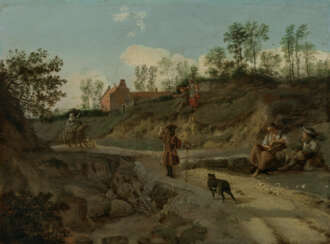

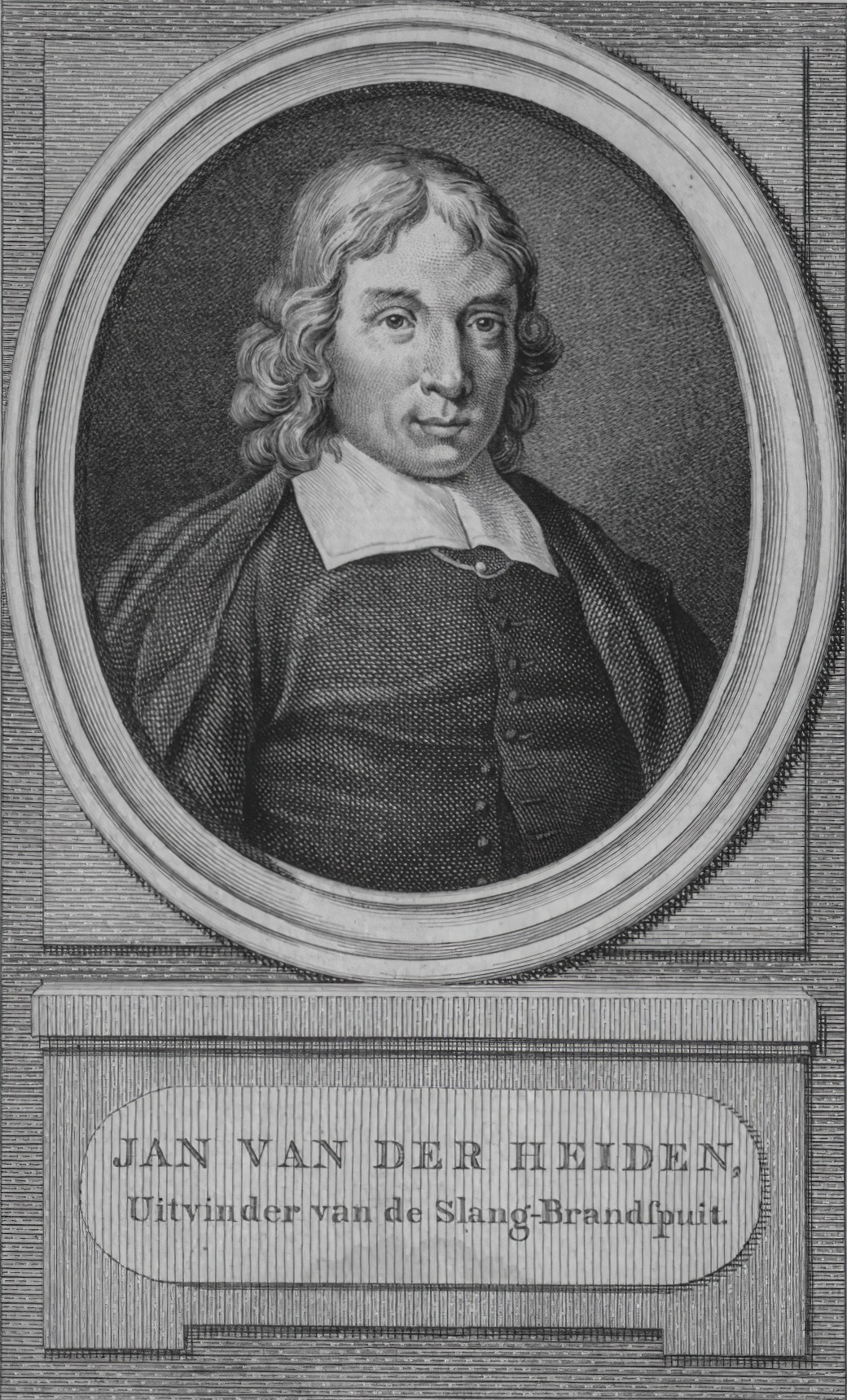
Jan van der Heyden was a Dutch Baroque-era painter, glass painter, draughtsman and printmaker. Van der Heyden was one of the first Dutch painters to specialize in townscapes and became one of the leading architectural painters of the Dutch Golden Age. He painted a number of still lifes in the beginning and at the end of his career.
Jan van der Heyden was also an engineer and inventor who made significant contributions to contemporary firefighting technology. Together with his brother Nicolaes, who was a hydraulic engineer, he invented an improvement of the fire hose in 1672. He modified the manual fire engine, reorganised the volunteer fire brigade (1685) and wrote and illustrated the first firefighting manual (Brandspuiten-boek). A comprehensive street lighting scheme for Amsterdam, designed and implemented by van der Heyden, remained in operation from 1669 until 1840 and was adopted as a model by many other towns and abroad.
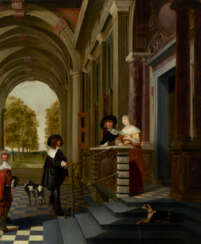

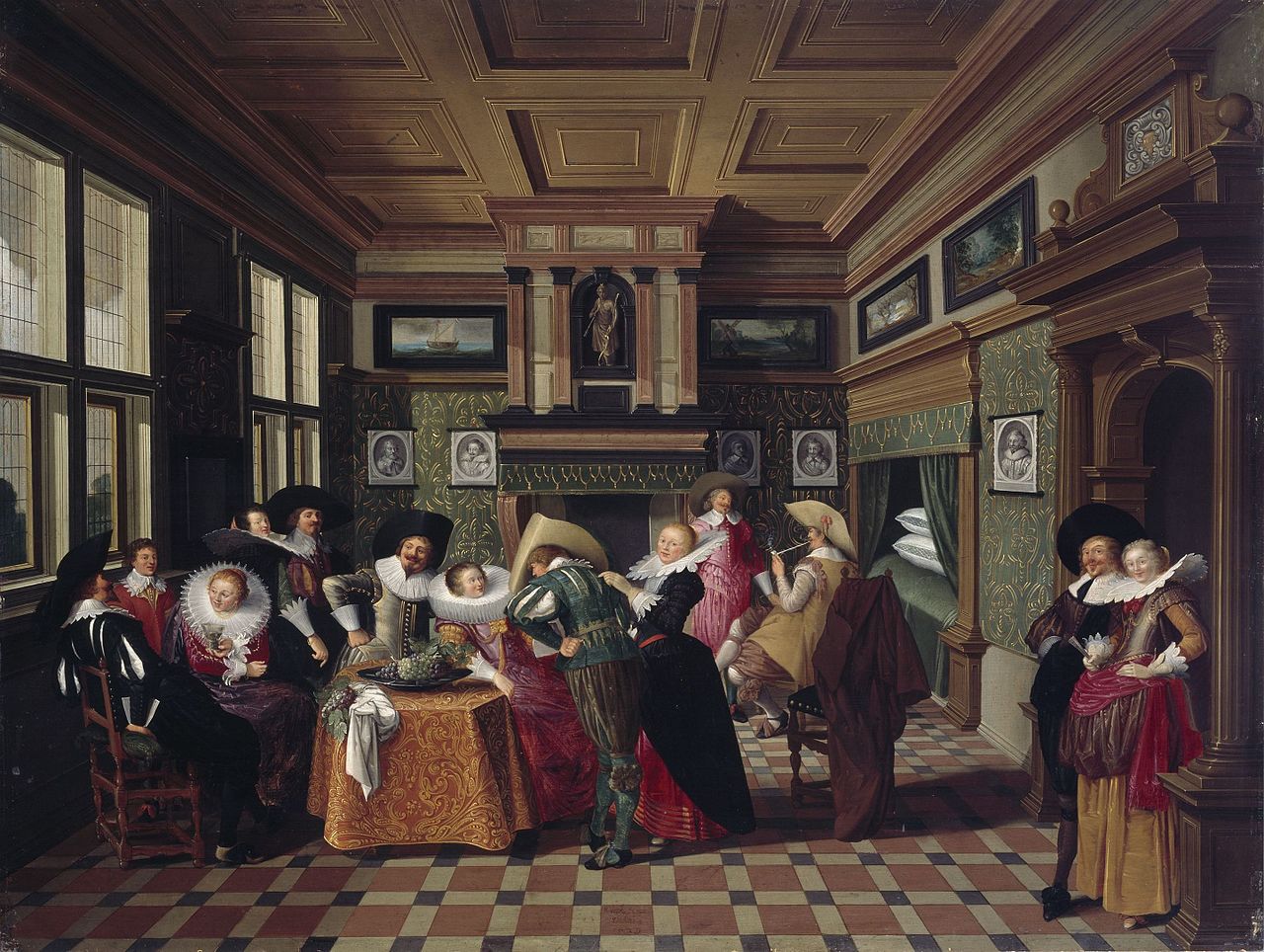
Dirck van Delen or Dirck Christiaensz van Delen was a Dutch painter who specialized exclusively in architectural paintings, principally depicting palace perspectives and church interiors.
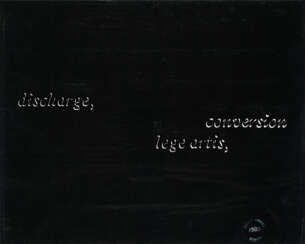

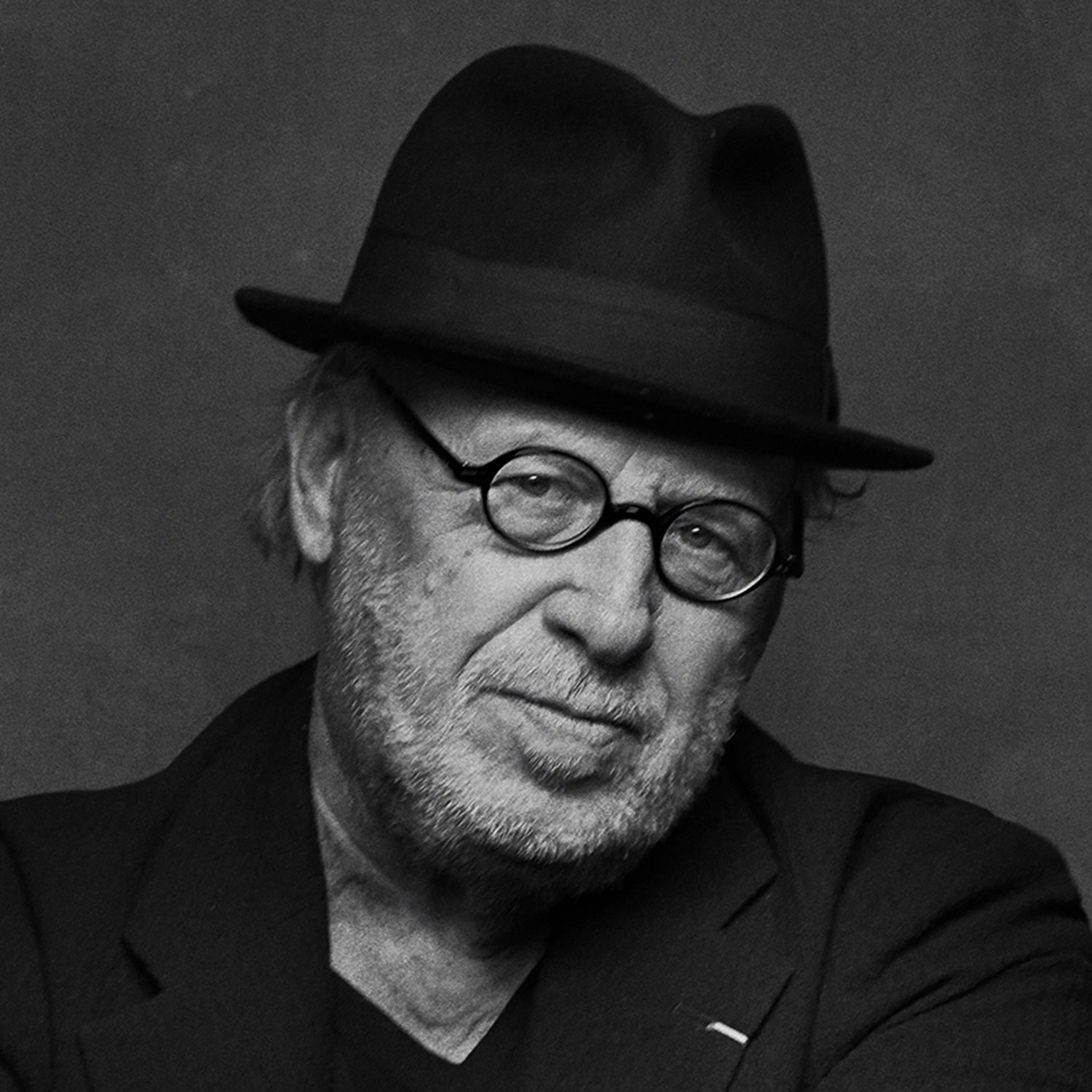
Joseph Kosuth an American conceptual artist, lives in New York and London, after having resided in various cities in Europe, including Ghent and Rome.
Kosuth belongs to a broadly international generation of conceptual artists that began to emerge in the mid-1960s, stripping art of personal emotion, reducing it to nearly pure information or idea and greatly playing down the art object. Along with Lawrence Weiner, On Kawara, Hanne Darboven and others, Kosuth gives special prominence to language. His art generally strives to explore the nature of art rather than producing what is traditionally called "art". Kosuth's works are frequently self-referential.





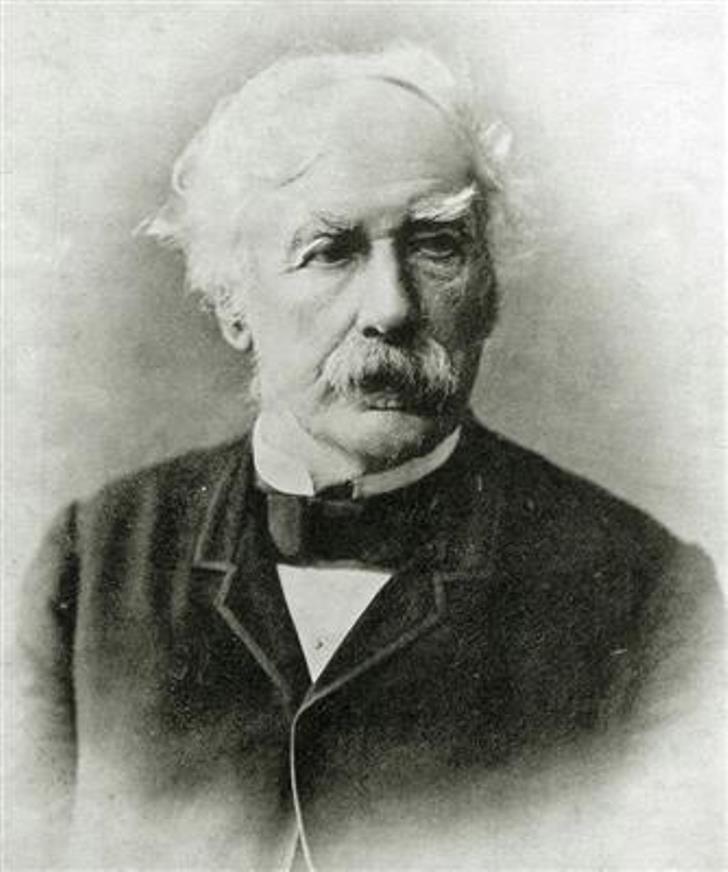
Hermann David Salomon Corrodi was an Italian painter of landscapes and orientalist scenes.
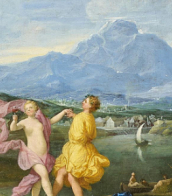
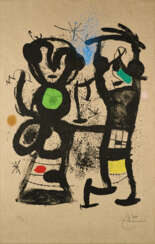

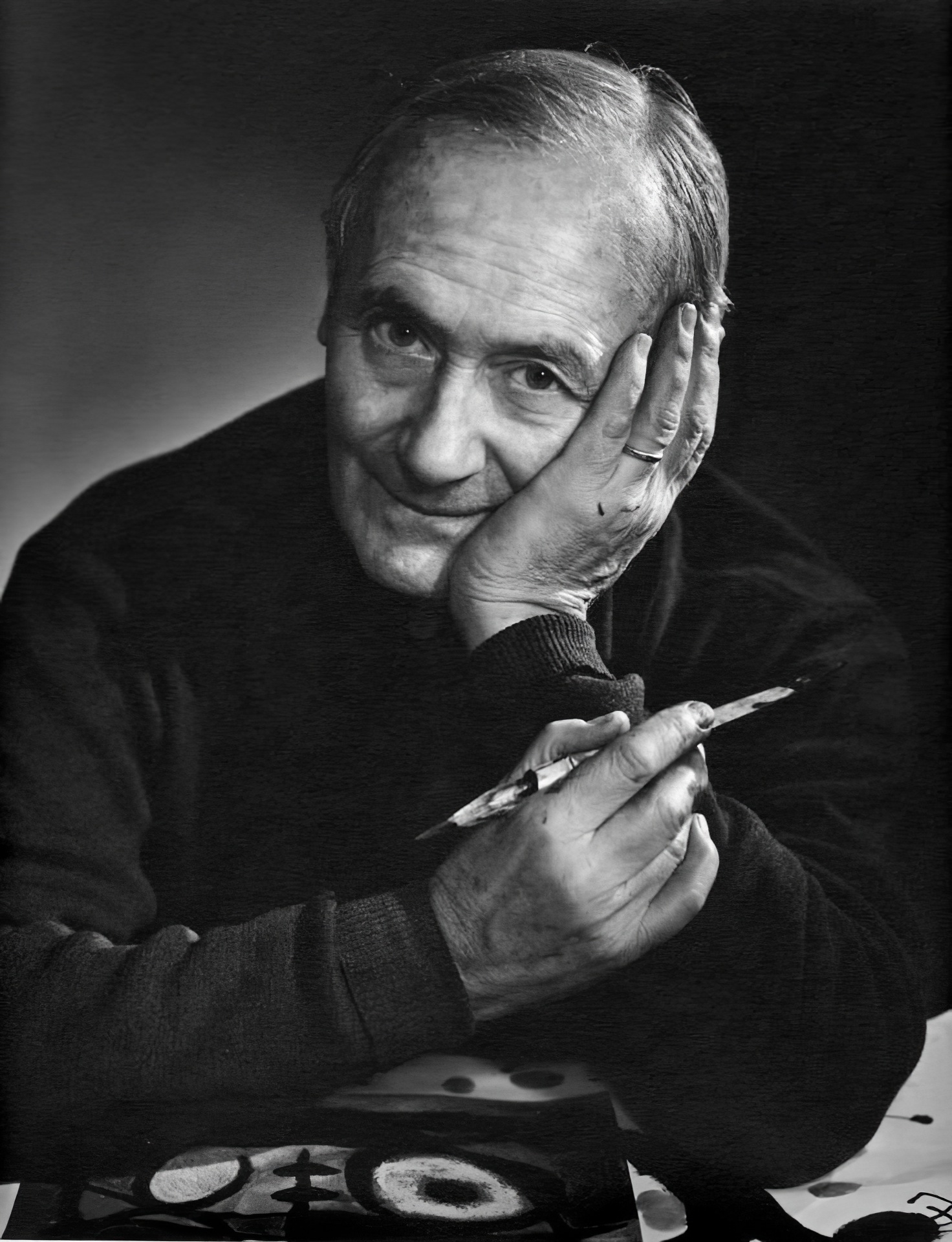
Joan Miró, a celebrated Spanish artist, was a master in painting, sculpture, and ceramics, renowned for his unique style that blurred the lines between Surrealism, Fauvism, and Expressionism. Born in Barcelona to a family of a goldsmith and a watchmaker, Miró grew up immersed in the rich cultural heritage of the Barri Gòtic neighborhood. His artistic journey began with drawing classes at the age of seven and continued at the prestigious La Llotja art academy. Despite an initial venture into the business world, Miró's passion for art prevailed, leading him to abandon his clerical career after a nervous breakdown.
Miró's work is noted for its exploration of the subconscious, often depicting a childlike perspective. This approach was both a critique of traditional painting methods and a means of expressing Catalan pride. His art, challenging to categorize, often featured symbolic elements and nationalistic qualities. One of his notable early works, "The Farm," reflects a transition to a more individual style, blending elements of his Catalan roots with broader artistic influences. This piece, later purchased by Ernest Hemingway, encapsulated the essence of Spain in its imagery.
In Paris, Miró joined the Surrealist movement in 1924, where his work began to reflect the influence of automatism, emphasizing spontaneous, automatic, or subconscious creation. He experimented with various mediums, including painting-poetry and collage, and even ventured into set and costume design for Sergei Diaghilev's Ballets Russes.
During World War II, Miró remained in Spain, and his work from this period, including the 22 Constellations series, reflected an interest in the night, music, and stars. His forms became increasingly abstracted, and he experimented with various techniques, often incorporating primary colors and evocative titles.
Miró's career spanned several decades, during which he continually evolved his style and explored new mediums. His contributions to art were recognized with numerous awards and retrospectives, including a major career retrospective at MoMA in 1941 and the Spanish Gold Medal for Fine Arts in 1980. Among his last major works was a tapestry for the World Trade Center in New York City, created in 1974.
For art collectors and enthusiasts, Joan Miró remains a figure of immense interest, not only for his distinct style and contributions to Surrealism but also for his ability to blend poetic imagery with political commentary. To stay updated on new product sales and auction events related to Joan Miró, sign up for our updates and immerse yourself in the world of this extraordinary artist.


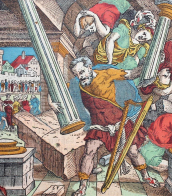


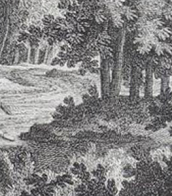


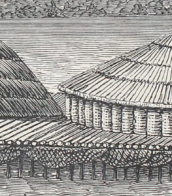


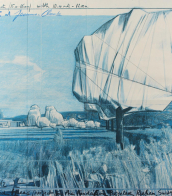


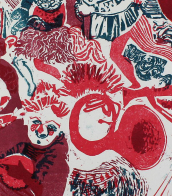
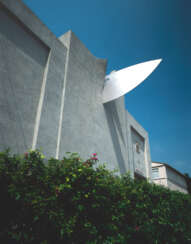

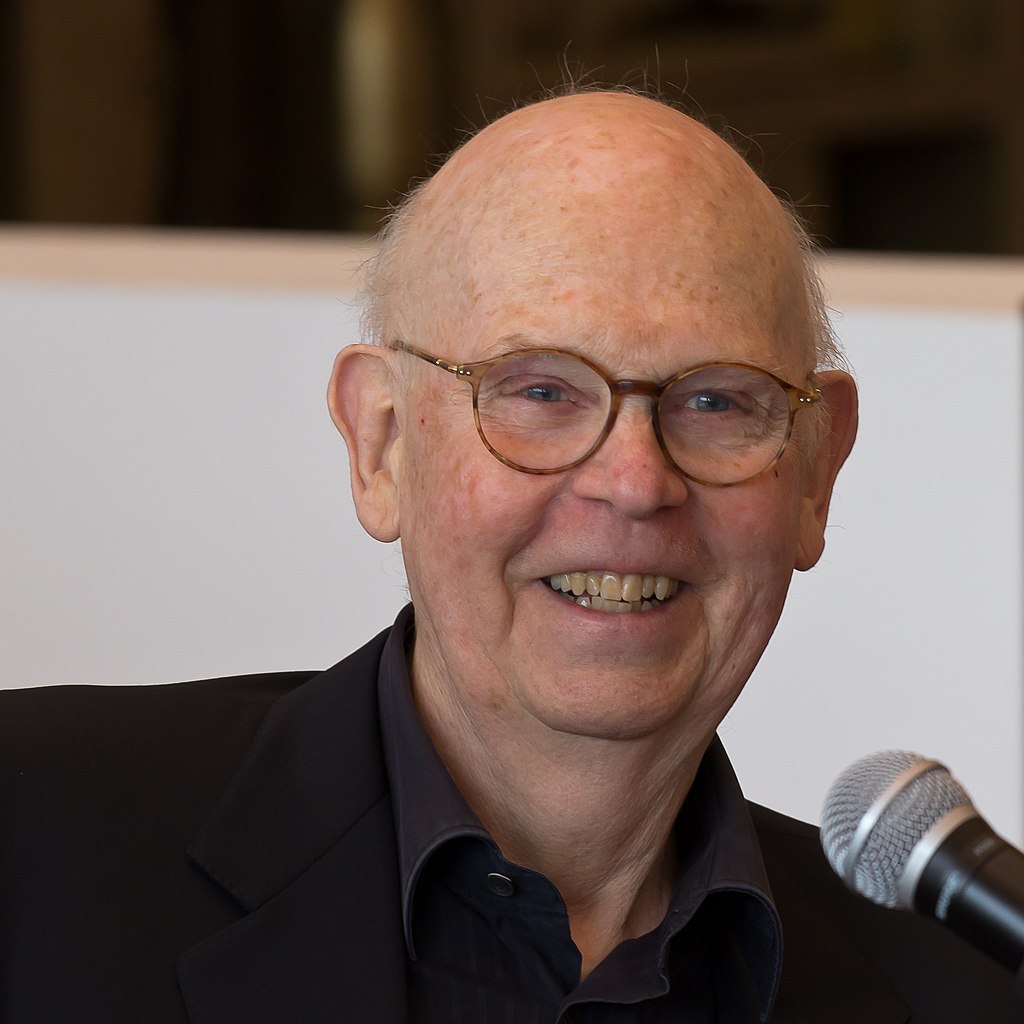
Claes Oldenburg was a Swedish-born American sculptor, celebrated for his groundbreaking contributions to the field of public art and sculpture. With a career spanning over several decades, Oldenburg redefined the boundaries between sculpture and everyday objects, bringing a whimsical yet profound commentary on consumer culture and the urban environment. His talent for transforming the mundane into the monumental made his work not only iconic but also a vital part of the conversation about the role of art in public spaces.
Oldenburg's sculptures are characterized by their colossal scale and imaginative designs, often inspired by everyday items. Perhaps his most famous works include "Clothespin" in Philadelphia and "Spoonbridge and Cherry" in Minneapolis. These pieces are emblematic of his unique approach to sculpture, where familiar objects are reimagined in unexpected contexts, challenging viewers to see the world around them in new ways. His ability to blur the lines between art and life, combined with his playful exploration of form and material, has left an indelible mark on the art world.
For collectors and experts in art and antiques, Oldenburg's works represent not just significant artistic achievements but also compelling investments. His sculptures and installations continue to be celebrated in museums and galleries worldwide, testament to his enduring influence and relevance in the contemporary art scene. For those interested in the intersection of culture, art, and urban life, Oldenburg's legacy offers rich insights and inspiration.
To stay informed about new product sales and auction events related to Claes Oldenburg, we invite you to sign up for updates. This subscription service is designed for collectors and art enthusiasts eager to keep abreast of the latest developments and opportunities in the world of art and antiques. Join us in exploring the remarkable contributions of Claes Oldenburg to the art world.




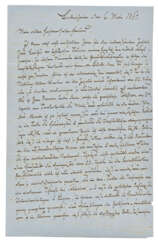

Ludwig van Beethoven was a German composer, pianist, and conductor, one of the most famous and celebrated composers in world history.
Beethoven showed an aptitude for music at a very early age; from the age of four his father began to teach him. Beethoven's early works - piano sonatas and symphonies - were composed under the strong influence of the music of the great classical composers Joseph Haydn and Wolfgang Amadeus Mozart. As Beethoven matured, however, he began to experiment with new forms and harmonic sequences, and his music became more complex and emotionally charged.
Unfortunately, at the height of his talent, Beethoven began to gradually lose his hearing, to the point of complete deafness by the end of his life. Despite this, he continued to compose and conduct, using special devices to feel the vibrations of the music.
Beethoven's work is considered pivotal in classical music and is a bridge between the classical and Romantic eras. His works vividly express a wide range of emotions, from triumph and joy to sadness and despair. Beethoven was also one of the first composers to include soloists and chorus in his symphonies. Beethoven's best-known works include nine symphonies, 32 piano sonatas, 16 string quartets and the heroic opera Fidelio. These and many other works have cemented Beethoven's place in music history as one of the greatest composers of all time. His music continues to be played and studied by musicians and music lovers around the world.
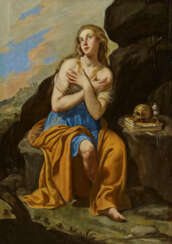

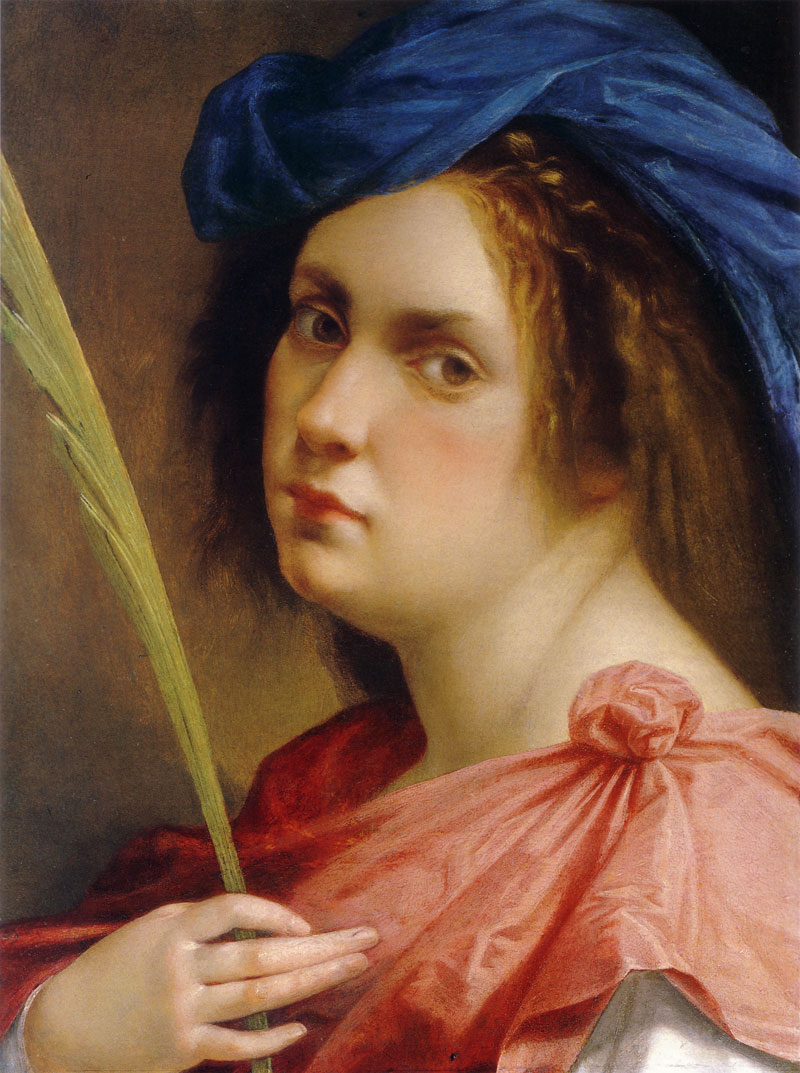
Artemisia Gentileschi was a pioneering Italian painter of the Baroque era, celebrated for her vivid portrayals of dramatic scenes and strong female figures drawn from mythology, allegory, and the Bible. Born in Rome in 1593, Gentileschi broke through the gender barriers of her time to become one of the first women to achieve fame as an artist. Her early exposure to painting came through her father, Orazio Gentileschi, a follower of Caravaggio, whose influence is evident in Artemisia's use of chiaroscuro and realistic, emotional expression.
Gentileschi's artistry is particularly noted for its naturalism and the dynamic use of color, which she employed to convey depth and drama. Among her most renowned works are "Susanna and the Elders" (1610), showcasing her skill in portraying the vulnerability and dignity of its subject, and "Judith Slaying Holofernes" (c. 1614–1620), a vivid depiction of strength and determination, housed in the Uffizi Gallery. These works, along with others like "Judith and Her Maidservant" (1625) in the Detroit Institute of Arts, highlight her unique ability to present female subjects not just as objects of beauty, but as agents of power and action.
The complexity of Gentileschi's life, including her survival of rape by Agostino Tassi and the subsequent trial, has often overshadowed her artistic achievements. However, modern scholarship and exhibitions, such as those at the National Gallery in London, have reevaluated her contributions, positioning her as a significant figure in art history for both her mastery of Baroque painting techniques and her role in challenging the era's gender norms.
For art collectors and experts, Gentileschi's works are emblematic of the Baroque spirit and a testament to the resilience and talent of women artists in a male-dominated field. Her paintings are not only valuable for their aesthetic and historical significance but also for their inspirational narrative of overcoming personal and societal challenges.
To stay updated on new product sales and auction events related to Artemisia Gentileschi, signing up for updates is recommended. This subscription ensures you remain informed about opportunities to acquire pieces related to this groundbreaking artist, without any pomp or unnecessary fluff, focusing purely on her incredible legacy in the realms of culture, art, and painting.




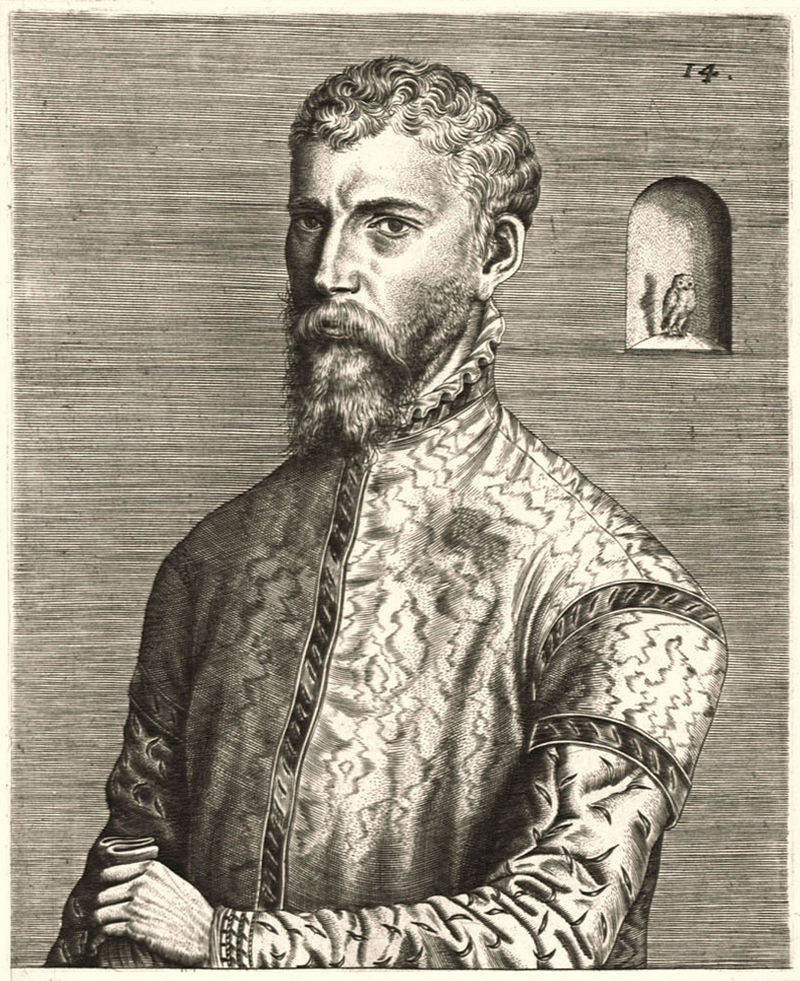
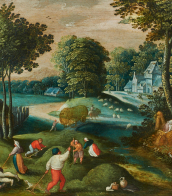
Herri met de Bles is a Flemish artist, along with Joachim Patinir, one of the founders of European landscape painting. He painted mainly landscapes with multi-figured compositions. Like Patinir, his style is characterized by stylized images of rocks and a careful rendering of aerial perspective.


Joseph Kosuth an American conceptual artist, lives in New York and London, after having resided in various cities in Europe, including Ghent and Rome.
Kosuth belongs to a broadly international generation of conceptual artists that began to emerge in the mid-1960s, stripping art of personal emotion, reducing it to nearly pure information or idea and greatly playing down the art object. Along with Lawrence Weiner, On Kawara, Hanne Darboven and others, Kosuth gives special prominence to language. His art generally strives to explore the nature of art rather than producing what is traditionally called "art". Kosuth's works are frequently self-referential.
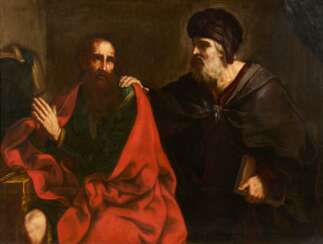

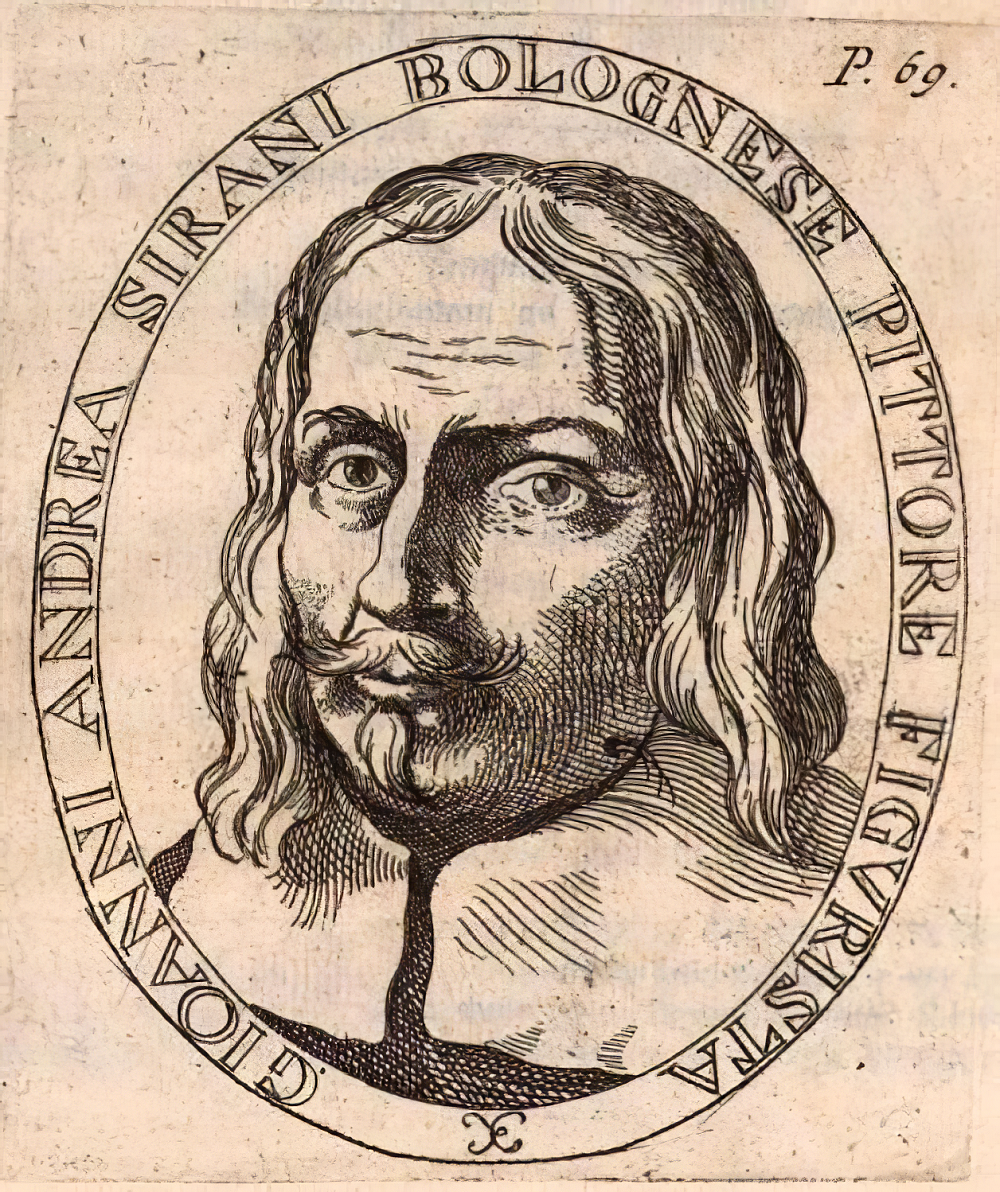
Giovanni Andrea Sirani was an Italian Baroque painter and printmaker, father of Elisabetta Sirani and the lesser known Anna Maria Sirani.
Giovanni Andrea Sirani began his artistic education through a brief apprenticeship in the studio of Giacomo Cavedone, only to join the school of Guido Reni, becoming a favourite pupil of the maestro.
Sirani's paintings can be found in various Bolognese churches. His recent works show the influence of the Venetian school.

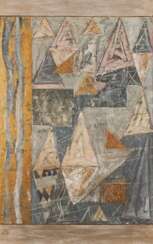

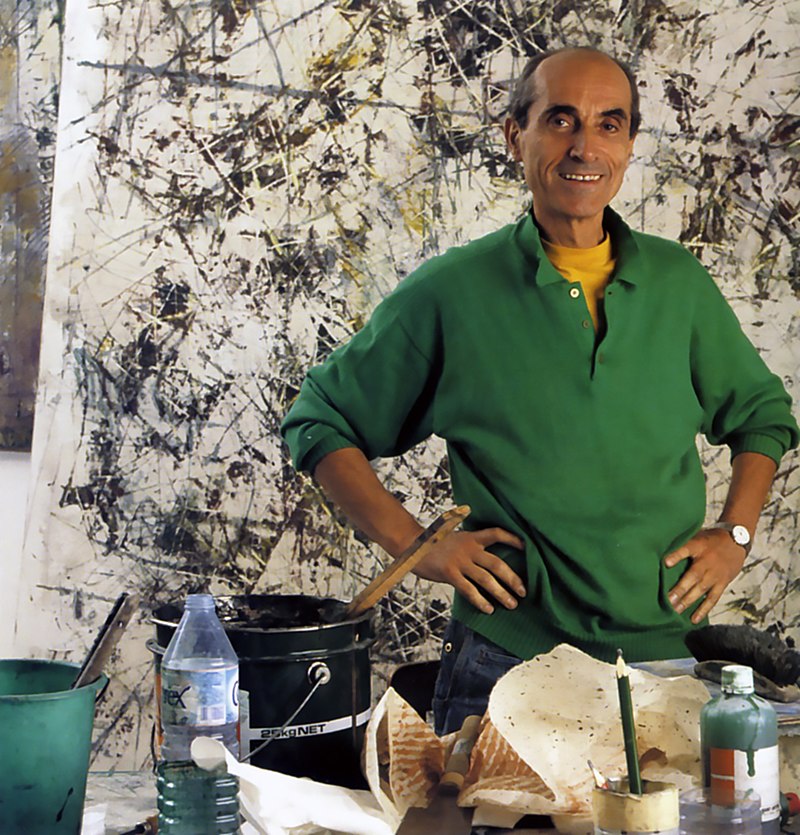
Georges Noël was a French artist, a representative of French informel.
In the mid-1950s he moved to the United States and began to create works in impasto, or, as he called them, palimpsests.
Palimpsests are old handwritten pages that have been partially scraped and then reused. Georges Noël uses the concept of palimpsest and creates his canvases with sand, crushed silica and raw pigment, giving each work a three-dimensional and energetic feel.
Georges Noël was a professor at the Minneapolis School of Art before returning to Paris.


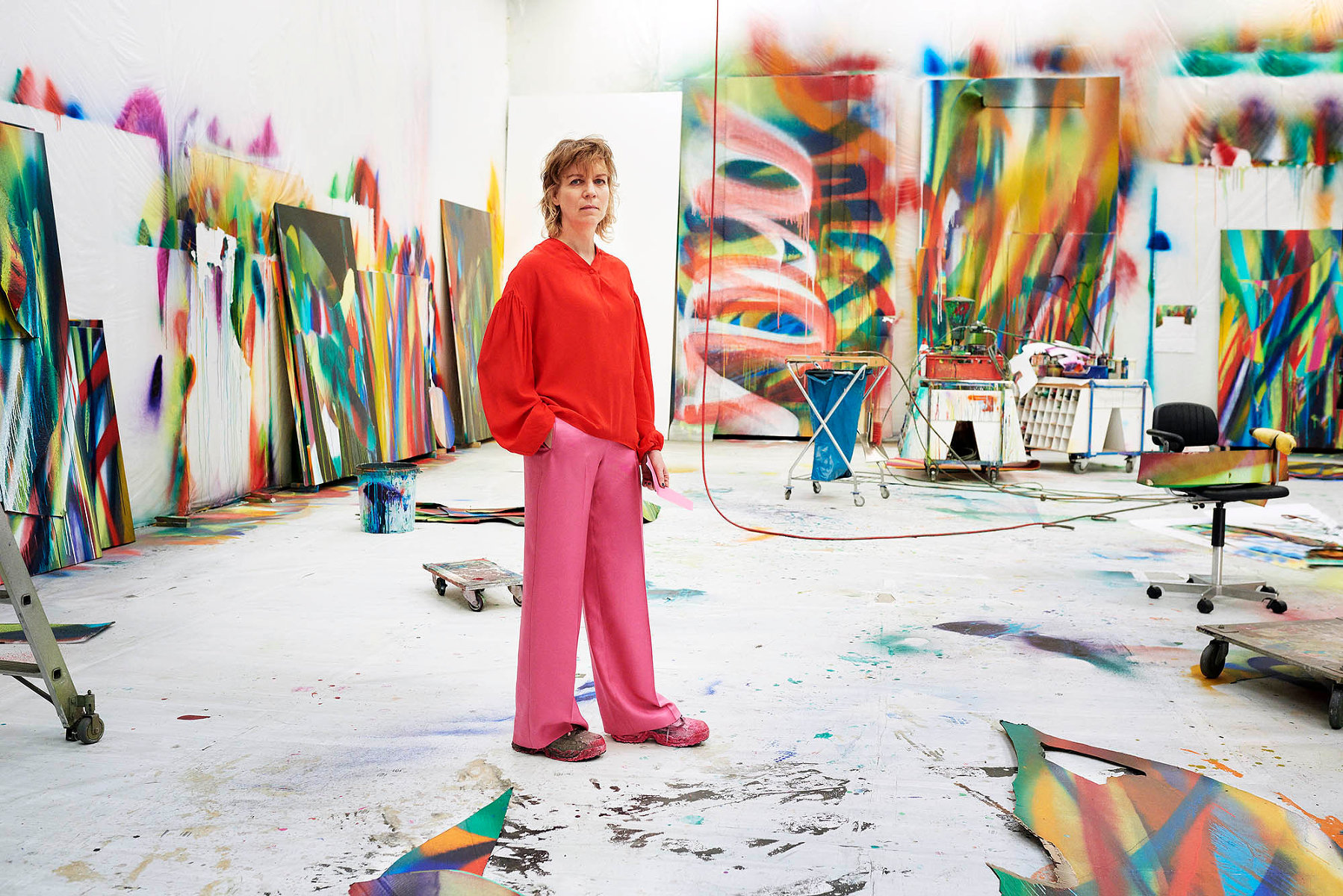
Katharina Grosse is a German artist. As an artist, Grosse's work employs a use of architecture, sculpture and painting. She is known for her large-scale, site-related installations to create immersive visual experiences. She has been using an industrial paint-sprayer to apply prismatic swaths of color to a variety of surfaces since the late 1990s, and often uses bright, unmixed sprayed-on acrylic paints to create both large-scale sculptural elements and smaller wall works.


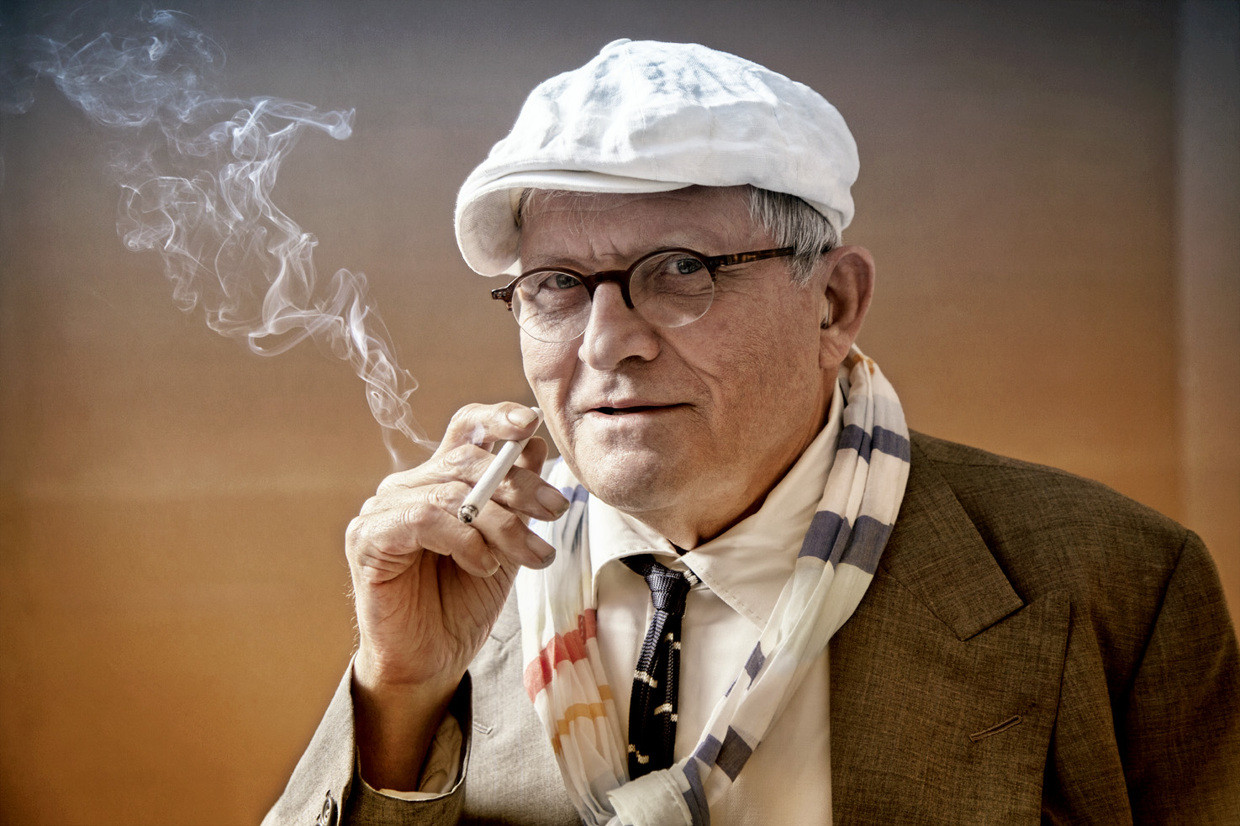
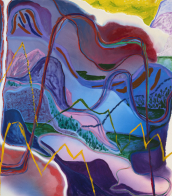
David Hockney, a British artist, has been a prominent figure in the art world for over six decades, renowned for his contributions to painting, drawing, printmaking, photography, and video art. His exploration of these mediums has made significant impacts on the Pop Art movement and beyond, making him one of the most influential artists of the 20th and 21st centuries. Hockney's work is celebrated for its vibrant color palette, emotional depth, and innovative use of technology in art.
One of Hockney's most distinctive features is his ability to blend traditional techniques with modern technology, notably in his iPad drawings and photographic collages. This fusion not only showcases his skillful adaptation to contemporary mediums but also highlights his ongoing quest to explore the nature of seeing and representation in art. Hockney's landscapes and portraits, characterized by their bright colors and meticulous detail, invite viewers to see the world through his unique perspective.
Significant works by Hockney, such as "A Bigger Splash" and "Portrait of an Artist (Pool with Two Figures)," are housed in major museums and galleries worldwide, attesting to his global influence and appeal. These pieces, among others, demonstrate Hockney's mastery over space, light, and narrative, securing his position as a pivotal figure in modern and contemporary art.
For collectors and experts in art and antiques, Hockney's oeuvre presents a fascinating study in the evolution of visual arts. His work not only offers insight into the artist's personal vision but also reflects broader cultural and technological shifts in society. As interest in Hockney's art continues to grow, keeping abreast of new sales and auction events becomes increasingly valuable.
To stay informed about the latest David Hockney sales and auction events, sign up for our updates. This subscription ensures that you receive timely notifications about new product sales and auction events related to David Hockney, offering unique opportunities for collectors and enthusiasts alike.
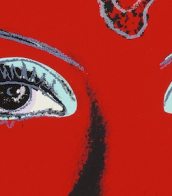


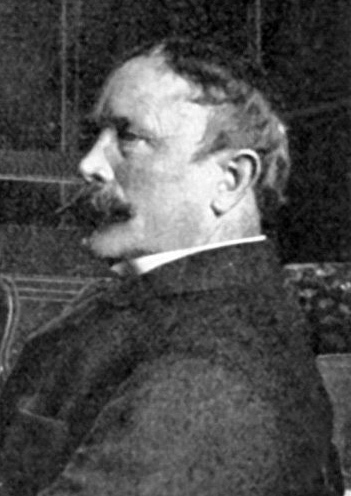
Eduard von Grützner was a German painter of the late 19th and early 20th centuries. He went down in the history of European art as a portrait painter and a brilliant master of genre.
Eduard von Grützner in most of his paintings depicted the life of monks, who usually appear to the audience in the images of merry rioters, leading a not ideal lifestyle. The public liked the original humorous style of the painter, and Grützner's work had many admirers.
Grützner was awarded the Royal Order of St. Michael and also received the title of honorary professor at the Munich Academy of Fine Arts. He also became a Knight of the Order of Civil Merit of the Bavarian Crown and received the title of nobleman, with the prefix "von" added to his last name.
Von Grützner is also known as a collector of art and antiques. For many years he collected masterpieces of the Gothic and Renaissance masters, and towards the end of his life he became interested in Far Eastern art.