

dane
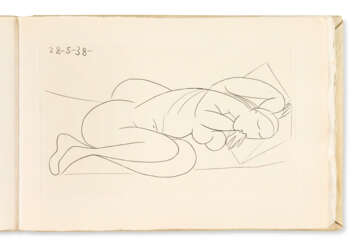

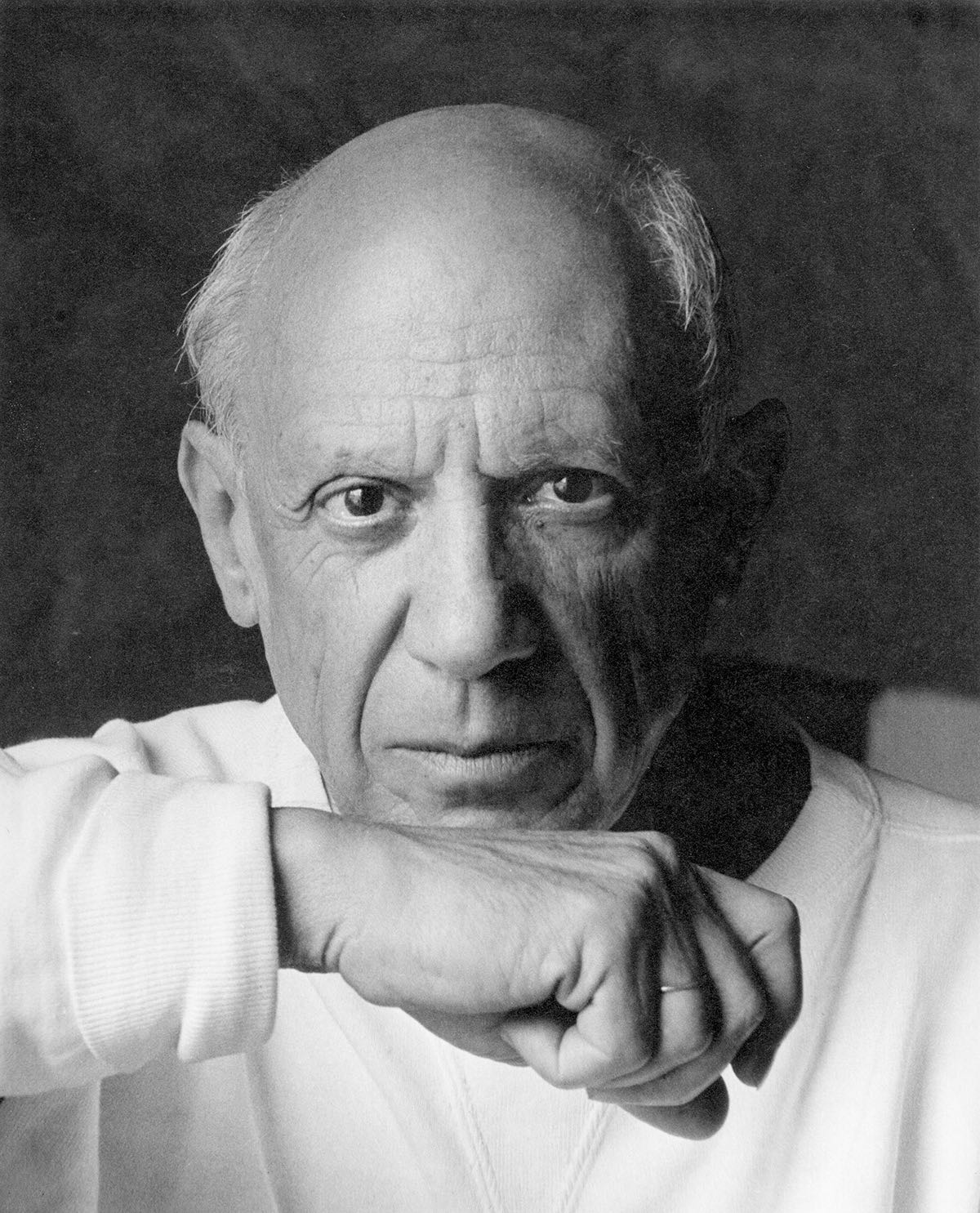
Pablo Ruiz Picasso, a Spanish artist renowned for his revolutionary contributions to the 20th-century art scene, is a figure that resonates profoundly with collectors and art experts. His unique blend of talents in painting, sculpture, printmaking, and ceramic art, infused with his time in France, positioned him as a pivotal character in modern art history.
Picasso's artistic journey was marked by distinct periods, each showcasing his evolving style and genius. His early years were characterized by the Blue Period (1901-1904), followed by the Rose Period (1904-1906), and then the African-influenced Period (1907-1909). Picasso's name is synonymous with Cubism, a movement he co-founded, which significantly altered artistic perspectives and methods. Works like "Les Demoiselles d'Avignon" (1907) and "Guernica" (1937) are emblematic of his cubist legacy, the latter being a poignant anti-war statement that remains influential.
His later years saw a return to more traditional styles, with neoclassical and surrealist influences becoming evident. Works from these phases reflect a deep engagement with mythological themes, as seen in "Faun with Stars" (1955), symbolizing his late-life romance with Jacqueline Roque, his second wife.
Picasso's prolific output and innovative spirit made him a legend in his own time, a status that only grew after his death. His works, housed in major museums and private collections worldwide, continue to captivate and inspire.
As a collector or expert in art and antiques, staying informed about Picasso's works, their auction events, and sales is essential. To stay updated on the latest developments and opportunities related to Pablo Picasso, sign up for our specialized updates. Rest assured, this subscription will focus solely on new product sales and auction events pertaining to Picasso's art, ensuring that you receive only the most relevant and valuable information.
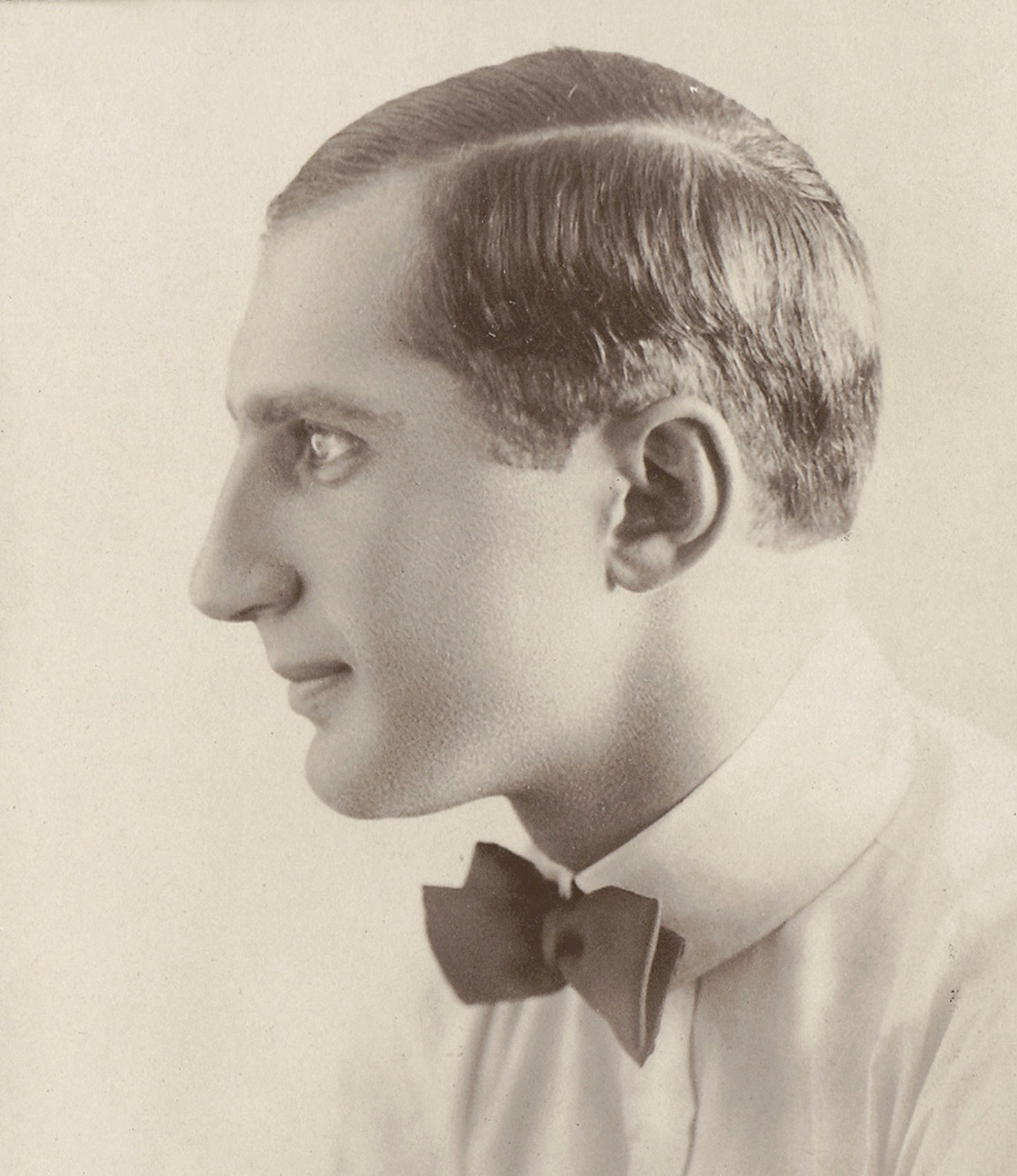


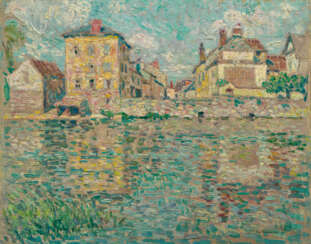

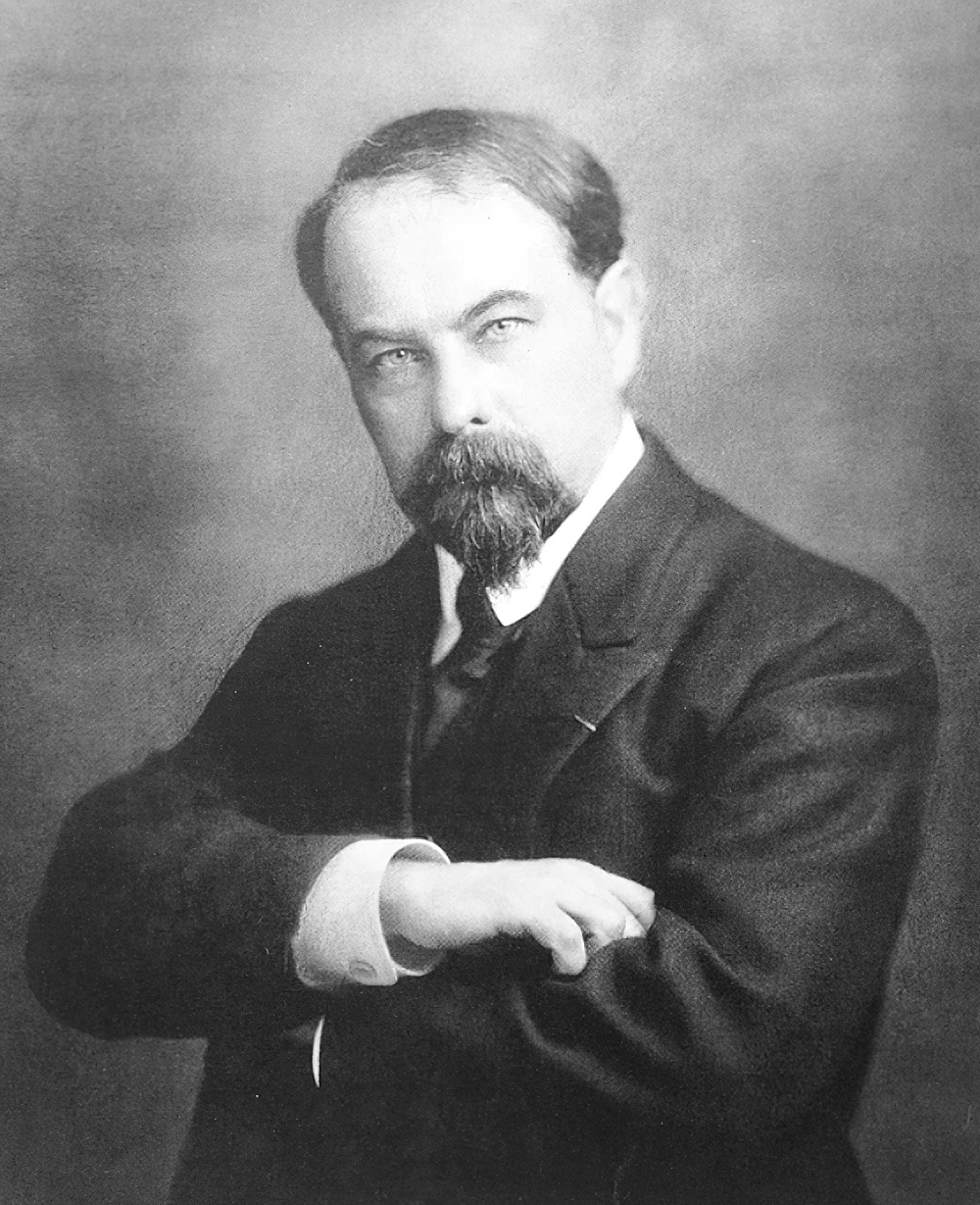
Henri Eugène Le Sidaner was a French painter known for his intimate, atmospheric landscapes and still-life paintings. He was born in Port Louis, Mauritius, but grew up in northern France and studied art at the École des Beaux-Arts in Paris.
Le Sidaner's early work was influenced by the Impressionists, but he later developed his own distinctive style characterized by a subdued palette, soft brushwork, and a focus on capturing the effects of light and atmosphere. His paintings often depict gardens, parks, and rural landscapes, as well as interiors and still-life arrangements.
Le Sidaner was also known for his use of light and shadow, which he used to create a sense of depth and mood in his paintings. He was particularly interested in the way that light and shadow interacted in interior spaces, and many of his paintings depict quiet, contemplative scenes bathed in a soft, diffuse light.
Le Sidaner's work was widely exhibited during his lifetime, and he received many awards and honors, including the Legion of Honor in France. His paintings are now included in many important collections, including the Musée d'Orsay in Paris and the Metropolitan Museum of Art in New York.
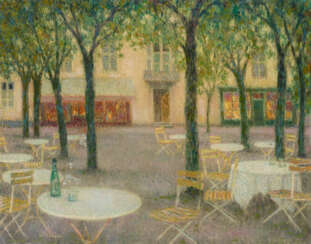

Henri Eugène Le Sidaner was a French painter known for his intimate, atmospheric landscapes and still-life paintings. He was born in Port Louis, Mauritius, but grew up in northern France and studied art at the École des Beaux-Arts in Paris.
Le Sidaner's early work was influenced by the Impressionists, but he later developed his own distinctive style characterized by a subdued palette, soft brushwork, and a focus on capturing the effects of light and atmosphere. His paintings often depict gardens, parks, and rural landscapes, as well as interiors and still-life arrangements.
Le Sidaner was also known for his use of light and shadow, which he used to create a sense of depth and mood in his paintings. He was particularly interested in the way that light and shadow interacted in interior spaces, and many of his paintings depict quiet, contemplative scenes bathed in a soft, diffuse light.
Le Sidaner's work was widely exhibited during his lifetime, and he received many awards and honors, including the Legion of Honor in France. His paintings are now included in many important collections, including the Musée d'Orsay in Paris and the Metropolitan Museum of Art in New York.


Henri Eugène Le Sidaner was a French painter known for his intimate, atmospheric landscapes and still-life paintings. He was born in Port Louis, Mauritius, but grew up in northern France and studied art at the École des Beaux-Arts in Paris.
Le Sidaner's early work was influenced by the Impressionists, but he later developed his own distinctive style characterized by a subdued palette, soft brushwork, and a focus on capturing the effects of light and atmosphere. His paintings often depict gardens, parks, and rural landscapes, as well as interiors and still-life arrangements.
Le Sidaner was also known for his use of light and shadow, which he used to create a sense of depth and mood in his paintings. He was particularly interested in the way that light and shadow interacted in interior spaces, and many of his paintings depict quiet, contemplative scenes bathed in a soft, diffuse light.
Le Sidaner's work was widely exhibited during his lifetime, and he received many awards and honors, including the Legion of Honor in France. His paintings are now included in many important collections, including the Musée d'Orsay in Paris and the Metropolitan Museum of Art in New York.
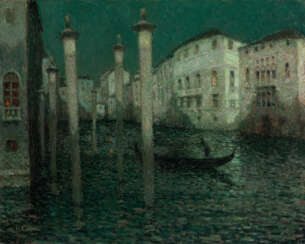

Henri Eugène Le Sidaner was a French painter known for his intimate, atmospheric landscapes and still-life paintings. He was born in Port Louis, Mauritius, but grew up in northern France and studied art at the École des Beaux-Arts in Paris.
Le Sidaner's early work was influenced by the Impressionists, but he later developed his own distinctive style characterized by a subdued palette, soft brushwork, and a focus on capturing the effects of light and atmosphere. His paintings often depict gardens, parks, and rural landscapes, as well as interiors and still-life arrangements.
Le Sidaner was also known for his use of light and shadow, which he used to create a sense of depth and mood in his paintings. He was particularly interested in the way that light and shadow interacted in interior spaces, and many of his paintings depict quiet, contemplative scenes bathed in a soft, diffuse light.
Le Sidaner's work was widely exhibited during his lifetime, and he received many awards and honors, including the Legion of Honor in France. His paintings are now included in many important collections, including the Musée d'Orsay in Paris and the Metropolitan Museum of Art in New York.
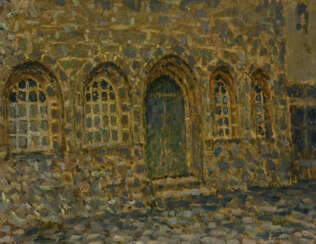

Henri Eugène Le Sidaner was a French painter known for his intimate, atmospheric landscapes and still-life paintings. He was born in Port Louis, Mauritius, but grew up in northern France and studied art at the École des Beaux-Arts in Paris.
Le Sidaner's early work was influenced by the Impressionists, but he later developed his own distinctive style characterized by a subdued palette, soft brushwork, and a focus on capturing the effects of light and atmosphere. His paintings often depict gardens, parks, and rural landscapes, as well as interiors and still-life arrangements.
Le Sidaner was also known for his use of light and shadow, which he used to create a sense of depth and mood in his paintings. He was particularly interested in the way that light and shadow interacted in interior spaces, and many of his paintings depict quiet, contemplative scenes bathed in a soft, diffuse light.
Le Sidaner's work was widely exhibited during his lifetime, and he received many awards and honors, including the Legion of Honor in France. His paintings are now included in many important collections, including the Musée d'Orsay in Paris and the Metropolitan Museum of Art in New York.
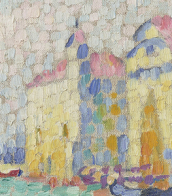
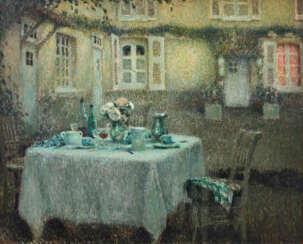

Henri Eugène Le Sidaner was a French painter known for his intimate, atmospheric landscapes and still-life paintings. He was born in Port Louis, Mauritius, but grew up in northern France and studied art at the École des Beaux-Arts in Paris.
Le Sidaner's early work was influenced by the Impressionists, but he later developed his own distinctive style characterized by a subdued palette, soft brushwork, and a focus on capturing the effects of light and atmosphere. His paintings often depict gardens, parks, and rural landscapes, as well as interiors and still-life arrangements.
Le Sidaner was also known for his use of light and shadow, which he used to create a sense of depth and mood in his paintings. He was particularly interested in the way that light and shadow interacted in interior spaces, and many of his paintings depict quiet, contemplative scenes bathed in a soft, diffuse light.
Le Sidaner's work was widely exhibited during his lifetime, and he received many awards and honors, including the Legion of Honor in France. His paintings are now included in many important collections, including the Musée d'Orsay in Paris and the Metropolitan Museum of Art in New York.
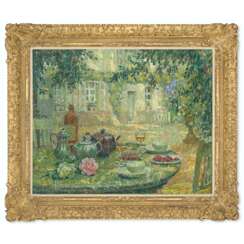

Henri Eugène Le Sidaner was a French painter known for his intimate, atmospheric landscapes and still-life paintings. He was born in Port Louis, Mauritius, but grew up in northern France and studied art at the École des Beaux-Arts in Paris.
Le Sidaner's early work was influenced by the Impressionists, but he later developed his own distinctive style characterized by a subdued palette, soft brushwork, and a focus on capturing the effects of light and atmosphere. His paintings often depict gardens, parks, and rural landscapes, as well as interiors and still-life arrangements.
Le Sidaner was also known for his use of light and shadow, which he used to create a sense of depth and mood in his paintings. He was particularly interested in the way that light and shadow interacted in interior spaces, and many of his paintings depict quiet, contemplative scenes bathed in a soft, diffuse light.
Le Sidaner's work was widely exhibited during his lifetime, and he received many awards and honors, including the Legion of Honor in France. His paintings are now included in many important collections, including the Musée d'Orsay in Paris and the Metropolitan Museum of Art in New York.
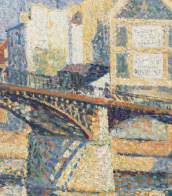
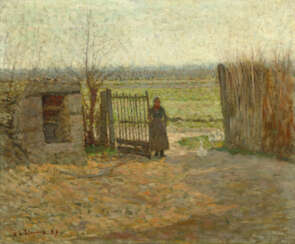

Henri Eugène Le Sidaner was a French painter known for his intimate, atmospheric landscapes and still-life paintings. He was born in Port Louis, Mauritius, but grew up in northern France and studied art at the École des Beaux-Arts in Paris.
Le Sidaner's early work was influenced by the Impressionists, but he later developed his own distinctive style characterized by a subdued palette, soft brushwork, and a focus on capturing the effects of light and atmosphere. His paintings often depict gardens, parks, and rural landscapes, as well as interiors and still-life arrangements.
Le Sidaner was also known for his use of light and shadow, which he used to create a sense of depth and mood in his paintings. He was particularly interested in the way that light and shadow interacted in interior spaces, and many of his paintings depict quiet, contemplative scenes bathed in a soft, diffuse light.
Le Sidaner's work was widely exhibited during his lifetime, and he received many awards and honors, including the Legion of Honor in France. His paintings are now included in many important collections, including the Musée d'Orsay in Paris and the Metropolitan Museum of Art in New York.
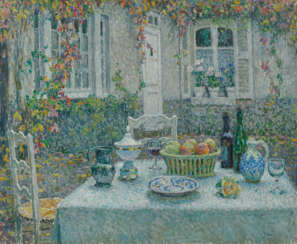

Henri Eugène Le Sidaner was a French painter known for his intimate, atmospheric landscapes and still-life paintings. He was born in Port Louis, Mauritius, but grew up in northern France and studied art at the École des Beaux-Arts in Paris.
Le Sidaner's early work was influenced by the Impressionists, but he later developed his own distinctive style characterized by a subdued palette, soft brushwork, and a focus on capturing the effects of light and atmosphere. His paintings often depict gardens, parks, and rural landscapes, as well as interiors and still-life arrangements.
Le Sidaner was also known for his use of light and shadow, which he used to create a sense of depth and mood in his paintings. He was particularly interested in the way that light and shadow interacted in interior spaces, and many of his paintings depict quiet, contemplative scenes bathed in a soft, diffuse light.
Le Sidaner's work was widely exhibited during his lifetime, and he received many awards and honors, including the Legion of Honor in France. His paintings are now included in many important collections, including the Musée d'Orsay in Paris and the Metropolitan Museum of Art in New York.
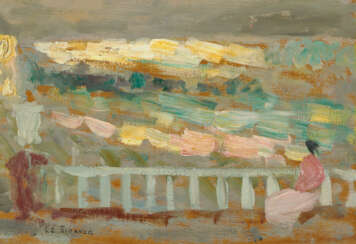

Henri Eugène Le Sidaner was a French painter known for his intimate, atmospheric landscapes and still-life paintings. He was born in Port Louis, Mauritius, but grew up in northern France and studied art at the École des Beaux-Arts in Paris.
Le Sidaner's early work was influenced by the Impressionists, but he later developed his own distinctive style characterized by a subdued palette, soft brushwork, and a focus on capturing the effects of light and atmosphere. His paintings often depict gardens, parks, and rural landscapes, as well as interiors and still-life arrangements.
Le Sidaner was also known for his use of light and shadow, which he used to create a sense of depth and mood in his paintings. He was particularly interested in the way that light and shadow interacted in interior spaces, and many of his paintings depict quiet, contemplative scenes bathed in a soft, diffuse light.
Le Sidaner's work was widely exhibited during his lifetime, and he received many awards and honors, including the Legion of Honor in France. His paintings are now included in many important collections, including the Musée d'Orsay in Paris and the Metropolitan Museum of Art in New York.
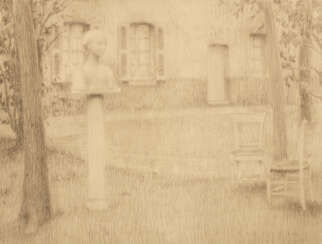

Henri Eugène Le Sidaner was a French painter known for his intimate, atmospheric landscapes and still-life paintings. He was born in Port Louis, Mauritius, but grew up in northern France and studied art at the École des Beaux-Arts in Paris.
Le Sidaner's early work was influenced by the Impressionists, but he later developed his own distinctive style characterized by a subdued palette, soft brushwork, and a focus on capturing the effects of light and atmosphere. His paintings often depict gardens, parks, and rural landscapes, as well as interiors and still-life arrangements.
Le Sidaner was also known for his use of light and shadow, which he used to create a sense of depth and mood in his paintings. He was particularly interested in the way that light and shadow interacted in interior spaces, and many of his paintings depict quiet, contemplative scenes bathed in a soft, diffuse light.
Le Sidaner's work was widely exhibited during his lifetime, and he received many awards and honors, including the Legion of Honor in France. His paintings are now included in many important collections, including the Musée d'Orsay in Paris and the Metropolitan Museum of Art in New York.
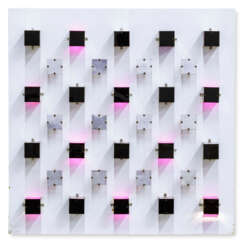


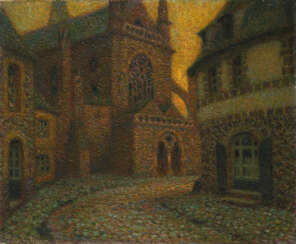

Henri Eugène Le Sidaner was a French painter known for his intimate, atmospheric landscapes and still-life paintings. He was born in Port Louis, Mauritius, but grew up in northern France and studied art at the École des Beaux-Arts in Paris.
Le Sidaner's early work was influenced by the Impressionists, but he later developed his own distinctive style characterized by a subdued palette, soft brushwork, and a focus on capturing the effects of light and atmosphere. His paintings often depict gardens, parks, and rural landscapes, as well as interiors and still-life arrangements.
Le Sidaner was also known for his use of light and shadow, which he used to create a sense of depth and mood in his paintings. He was particularly interested in the way that light and shadow interacted in interior spaces, and many of his paintings depict quiet, contemplative scenes bathed in a soft, diffuse light.
Le Sidaner's work was widely exhibited during his lifetime, and he received many awards and honors, including the Legion of Honor in France. His paintings are now included in many important collections, including the Musée d'Orsay in Paris and the Metropolitan Museum of Art in New York.
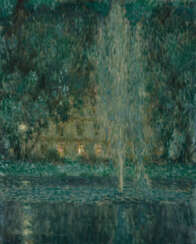

Henri Eugène Le Sidaner was a French painter known for his intimate, atmospheric landscapes and still-life paintings. He was born in Port Louis, Mauritius, but grew up in northern France and studied art at the École des Beaux-Arts in Paris.
Le Sidaner's early work was influenced by the Impressionists, but he later developed his own distinctive style characterized by a subdued palette, soft brushwork, and a focus on capturing the effects of light and atmosphere. His paintings often depict gardens, parks, and rural landscapes, as well as interiors and still-life arrangements.
Le Sidaner was also known for his use of light and shadow, which he used to create a sense of depth and mood in his paintings. He was particularly interested in the way that light and shadow interacted in interior spaces, and many of his paintings depict quiet, contemplative scenes bathed in a soft, diffuse light.
Le Sidaner's work was widely exhibited during his lifetime, and he received many awards and honors, including the Legion of Honor in France. His paintings are now included in many important collections, including the Musée d'Orsay in Paris and the Metropolitan Museum of Art in New York.
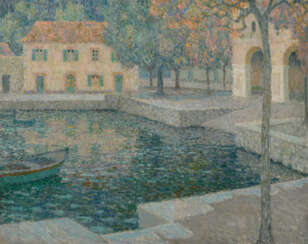

Henri Eugène Le Sidaner was a French painter known for his intimate, atmospheric landscapes and still-life paintings. He was born in Port Louis, Mauritius, but grew up in northern France and studied art at the École des Beaux-Arts in Paris.
Le Sidaner's early work was influenced by the Impressionists, but he later developed his own distinctive style characterized by a subdued palette, soft brushwork, and a focus on capturing the effects of light and atmosphere. His paintings often depict gardens, parks, and rural landscapes, as well as interiors and still-life arrangements.
Le Sidaner was also known for his use of light and shadow, which he used to create a sense of depth and mood in his paintings. He was particularly interested in the way that light and shadow interacted in interior spaces, and many of his paintings depict quiet, contemplative scenes bathed in a soft, diffuse light.
Le Sidaner's work was widely exhibited during his lifetime, and he received many awards and honors, including the Legion of Honor in France. His paintings are now included in many important collections, including the Musée d'Orsay in Paris and the Metropolitan Museum of Art in New York.


Henri Eugène Le Sidaner was a French painter known for his intimate, atmospheric landscapes and still-life paintings. He was born in Port Louis, Mauritius, but grew up in northern France and studied art at the École des Beaux-Arts in Paris.
Le Sidaner's early work was influenced by the Impressionists, but he later developed his own distinctive style characterized by a subdued palette, soft brushwork, and a focus on capturing the effects of light and atmosphere. His paintings often depict gardens, parks, and rural landscapes, as well as interiors and still-life arrangements.
Le Sidaner was also known for his use of light and shadow, which he used to create a sense of depth and mood in his paintings. He was particularly interested in the way that light and shadow interacted in interior spaces, and many of his paintings depict quiet, contemplative scenes bathed in a soft, diffuse light.
Le Sidaner's work was widely exhibited during his lifetime, and he received many awards and honors, including the Legion of Honor in France. His paintings are now included in many important collections, including the Musée d'Orsay in Paris and the Metropolitan Museum of Art in New York.
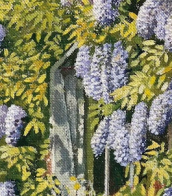


Henri Eugène Le Sidaner was a French painter known for his intimate, atmospheric landscapes and still-life paintings. He was born in Port Louis, Mauritius, but grew up in northern France and studied art at the École des Beaux-Arts in Paris.
Le Sidaner's early work was influenced by the Impressionists, but he later developed his own distinctive style characterized by a subdued palette, soft brushwork, and a focus on capturing the effects of light and atmosphere. His paintings often depict gardens, parks, and rural landscapes, as well as interiors and still-life arrangements.
Le Sidaner was also known for his use of light and shadow, which he used to create a sense of depth and mood in his paintings. He was particularly interested in the way that light and shadow interacted in interior spaces, and many of his paintings depict quiet, contemplative scenes bathed in a soft, diffuse light.
Le Sidaner's work was widely exhibited during his lifetime, and he received many awards and honors, including the Legion of Honor in France. His paintings are now included in many important collections, including the Musée d'Orsay in Paris and the Metropolitan Museum of Art in New York.
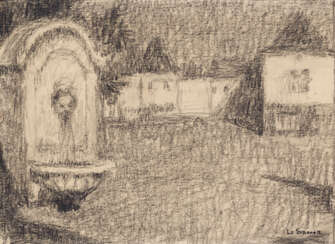

Henri Eugène Le Sidaner was a French painter known for his intimate, atmospheric landscapes and still-life paintings. He was born in Port Louis, Mauritius, but grew up in northern France and studied art at the École des Beaux-Arts in Paris.
Le Sidaner's early work was influenced by the Impressionists, but he later developed his own distinctive style characterized by a subdued palette, soft brushwork, and a focus on capturing the effects of light and atmosphere. His paintings often depict gardens, parks, and rural landscapes, as well as interiors and still-life arrangements.
Le Sidaner was also known for his use of light and shadow, which he used to create a sense of depth and mood in his paintings. He was particularly interested in the way that light and shadow interacted in interior spaces, and many of his paintings depict quiet, contemplative scenes bathed in a soft, diffuse light.
Le Sidaner's work was widely exhibited during his lifetime, and he received many awards and honors, including the Legion of Honor in France. His paintings are now included in many important collections, including the Musée d'Orsay in Paris and the Metropolitan Museum of Art in New York.
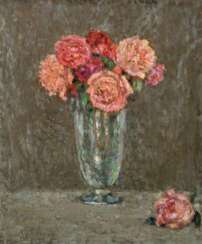

Henri Eugène Le Sidaner was a French painter known for his intimate, atmospheric landscapes and still-life paintings. He was born in Port Louis, Mauritius, but grew up in northern France and studied art at the École des Beaux-Arts in Paris.
Le Sidaner's early work was influenced by the Impressionists, but he later developed his own distinctive style characterized by a subdued palette, soft brushwork, and a focus on capturing the effects of light and atmosphere. His paintings often depict gardens, parks, and rural landscapes, as well as interiors and still-life arrangements.
Le Sidaner was also known for his use of light and shadow, which he used to create a sense of depth and mood in his paintings. He was particularly interested in the way that light and shadow interacted in interior spaces, and many of his paintings depict quiet, contemplative scenes bathed in a soft, diffuse light.
Le Sidaner's work was widely exhibited during his lifetime, and he received many awards and honors, including the Legion of Honor in France. His paintings are now included in many important collections, including the Musée d'Orsay in Paris and the Metropolitan Museum of Art in New York.
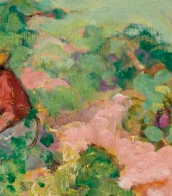
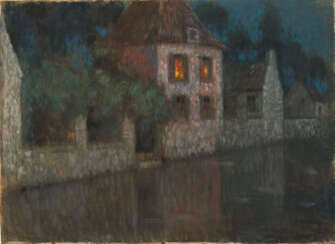

Henri Eugène Le Sidaner was a French painter known for his intimate, atmospheric landscapes and still-life paintings. He was born in Port Louis, Mauritius, but grew up in northern France and studied art at the École des Beaux-Arts in Paris.
Le Sidaner's early work was influenced by the Impressionists, but he later developed his own distinctive style characterized by a subdued palette, soft brushwork, and a focus on capturing the effects of light and atmosphere. His paintings often depict gardens, parks, and rural landscapes, as well as interiors and still-life arrangements.
Le Sidaner was also known for his use of light and shadow, which he used to create a sense of depth and mood in his paintings. He was particularly interested in the way that light and shadow interacted in interior spaces, and many of his paintings depict quiet, contemplative scenes bathed in a soft, diffuse light.
Le Sidaner's work was widely exhibited during his lifetime, and he received many awards and honors, including the Legion of Honor in France. His paintings are now included in many important collections, including the Musée d'Orsay in Paris and the Metropolitan Museum of Art in New York.
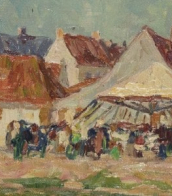
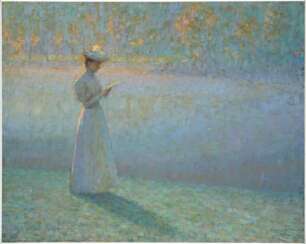

Henri Eugène Le Sidaner was a French painter known for his intimate, atmospheric landscapes and still-life paintings. He was born in Port Louis, Mauritius, but grew up in northern France and studied art at the École des Beaux-Arts in Paris.
Le Sidaner's early work was influenced by the Impressionists, but he later developed his own distinctive style characterized by a subdued palette, soft brushwork, and a focus on capturing the effects of light and atmosphere. His paintings often depict gardens, parks, and rural landscapes, as well as interiors and still-life arrangements.
Le Sidaner was also known for his use of light and shadow, which he used to create a sense of depth and mood in his paintings. He was particularly interested in the way that light and shadow interacted in interior spaces, and many of his paintings depict quiet, contemplative scenes bathed in a soft, diffuse light.
Le Sidaner's work was widely exhibited during his lifetime, and he received many awards and honors, including the Legion of Honor in France. His paintings are now included in many important collections, including the Musée d'Orsay in Paris and the Metropolitan Museum of Art in New York.
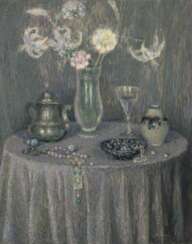

Henri Eugène Le Sidaner was a French painter known for his intimate, atmospheric landscapes and still-life paintings. He was born in Port Louis, Mauritius, but grew up in northern France and studied art at the École des Beaux-Arts in Paris.
Le Sidaner's early work was influenced by the Impressionists, but he later developed his own distinctive style characterized by a subdued palette, soft brushwork, and a focus on capturing the effects of light and atmosphere. His paintings often depict gardens, parks, and rural landscapes, as well as interiors and still-life arrangements.
Le Sidaner was also known for his use of light and shadow, which he used to create a sense of depth and mood in his paintings. He was particularly interested in the way that light and shadow interacted in interior spaces, and many of his paintings depict quiet, contemplative scenes bathed in a soft, diffuse light.
Le Sidaner's work was widely exhibited during his lifetime, and he received many awards and honors, including the Legion of Honor in France. His paintings are now included in many important collections, including the Musée d'Orsay in Paris and the Metropolitan Museum of Art in New York.
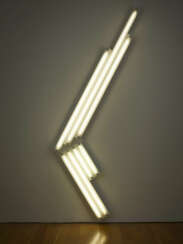

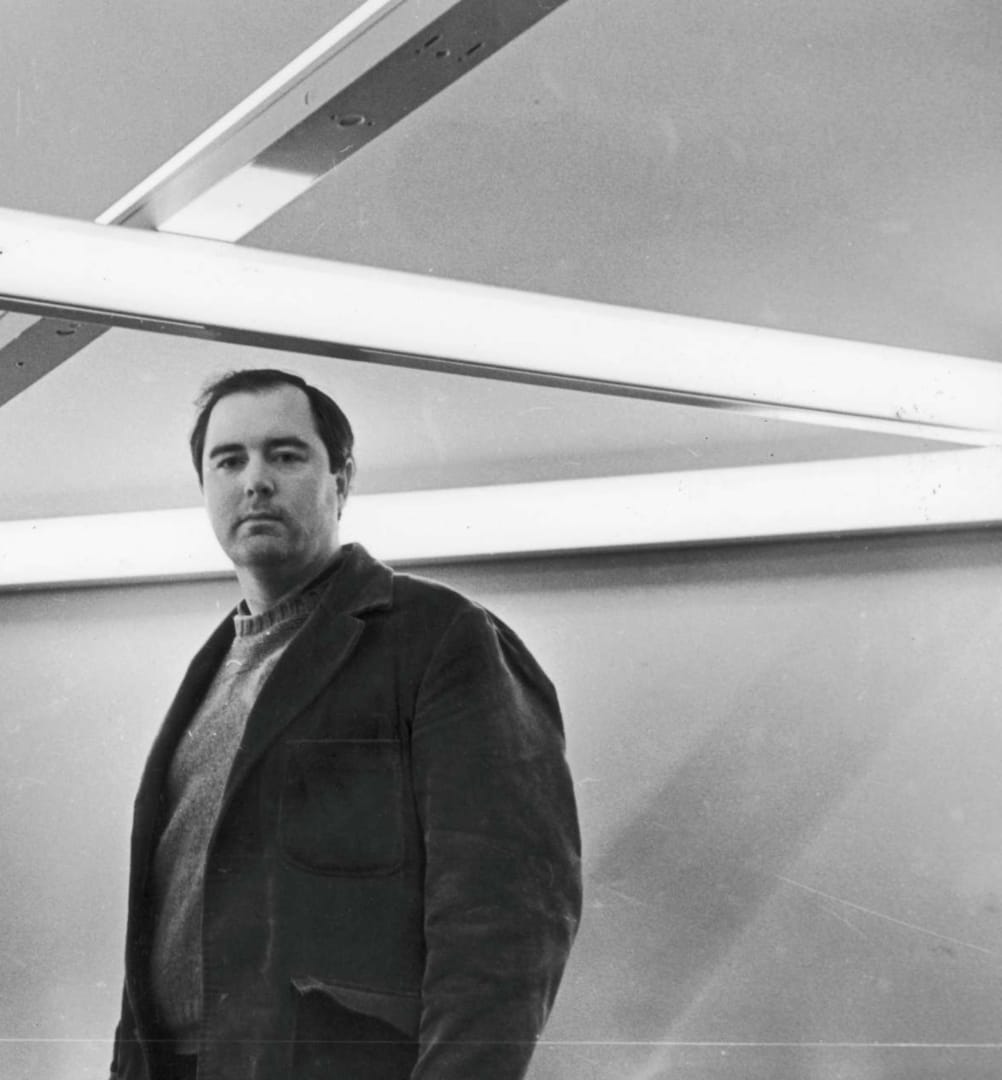
Dan Flavin was an American minimalist artist known for his use of fluorescent light as a medium. Flavin's work explored the aesthetic possibilities of industrial materials and the interaction between light, space, and color.
Flavin studied art at Columbia University. He began creating his iconic light installations in the 1960s, using commercial fluorescent tubes of various sizes and colors to create complex arrangements of light and shadow.
Many of Flavin's works were site-specific, designed to respond to the architecture and spatial dynamics of the exhibition space. Some of his most famous installations include "Monument for V. Tatlin" (1969), a tribute to the Russian Constructivist artist Vladimir Tatlin, and "Untitled (Marfa Project)" (1996), a permanent installation of colored fluorescent light in Marfa, Texas.
Flavin's work was recognized with numerous awards and honors, including the Guggenheim Fellowship and the Skowhegan Medal for Sculpture. He exhibited his work extensively in the United States and Europe, and his installations continue to be celebrated as seminal examples of minimalist and conceptual art.
Flavin's legacy as a pioneering artist continues to inspire new generations of artists working with light and other non-traditional materials.
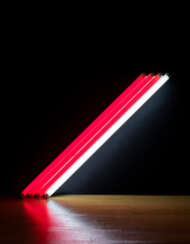

Dan Flavin was an American minimalist artist known for his use of fluorescent light as a medium. Flavin's work explored the aesthetic possibilities of industrial materials and the interaction between light, space, and color.
Flavin studied art at Columbia University. He began creating his iconic light installations in the 1960s, using commercial fluorescent tubes of various sizes and colors to create complex arrangements of light and shadow.
Many of Flavin's works were site-specific, designed to respond to the architecture and spatial dynamics of the exhibition space. Some of his most famous installations include "Monument for V. Tatlin" (1969), a tribute to the Russian Constructivist artist Vladimir Tatlin, and "Untitled (Marfa Project)" (1996), a permanent installation of colored fluorescent light in Marfa, Texas.
Flavin's work was recognized with numerous awards and honors, including the Guggenheim Fellowship and the Skowhegan Medal for Sculpture. He exhibited his work extensively in the United States and Europe, and his installations continue to be celebrated as seminal examples of minimalist and conceptual art.
Flavin's legacy as a pioneering artist continues to inspire new generations of artists working with light and other non-traditional materials.
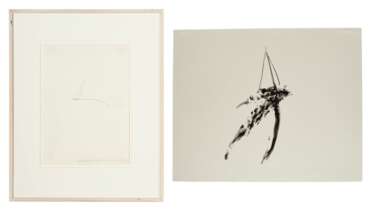

Dan Flavin was an American minimalist artist known for his use of fluorescent light as a medium. Flavin's work explored the aesthetic possibilities of industrial materials and the interaction between light, space, and color.
Flavin studied art at Columbia University. He began creating his iconic light installations in the 1960s, using commercial fluorescent tubes of various sizes and colors to create complex arrangements of light and shadow.
Many of Flavin's works were site-specific, designed to respond to the architecture and spatial dynamics of the exhibition space. Some of his most famous installations include "Monument for V. Tatlin" (1969), a tribute to the Russian Constructivist artist Vladimir Tatlin, and "Untitled (Marfa Project)" (1996), a permanent installation of colored fluorescent light in Marfa, Texas.
Flavin's work was recognized with numerous awards and honors, including the Guggenheim Fellowship and the Skowhegan Medal for Sculpture. He exhibited his work extensively in the United States and Europe, and his installations continue to be celebrated as seminal examples of minimalist and conceptual art.
Flavin's legacy as a pioneering artist continues to inspire new generations of artists working with light and other non-traditional materials.
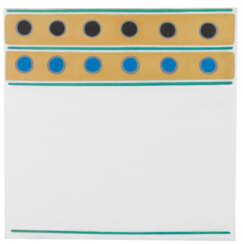

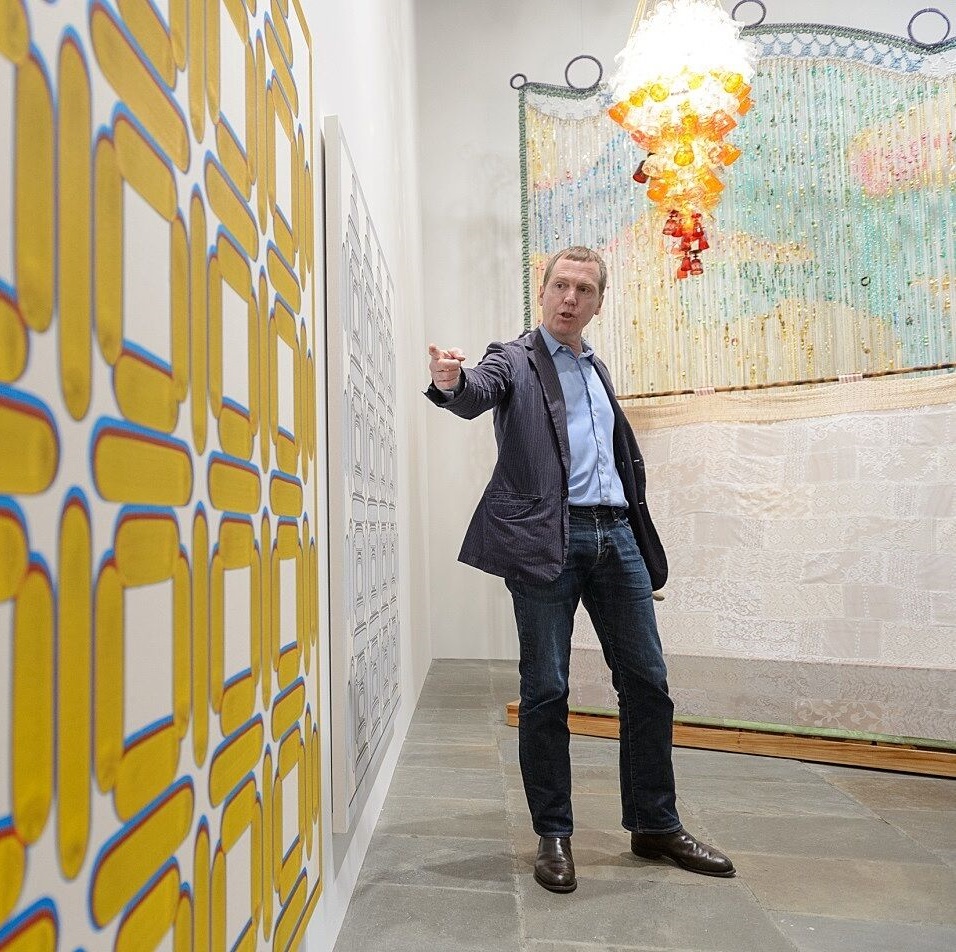
Dan Walsh is a painter, printmaker and bookmaker based in New York.
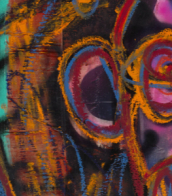
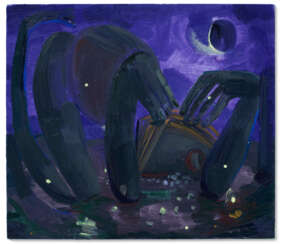


Dana Schutz is an American artist who lives and works in Brooklyn, New York. Schutz is known for her gestural, figurative paintings that often take on specific subjects or narrative situations as a point of departure.
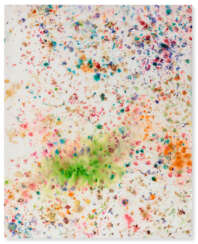

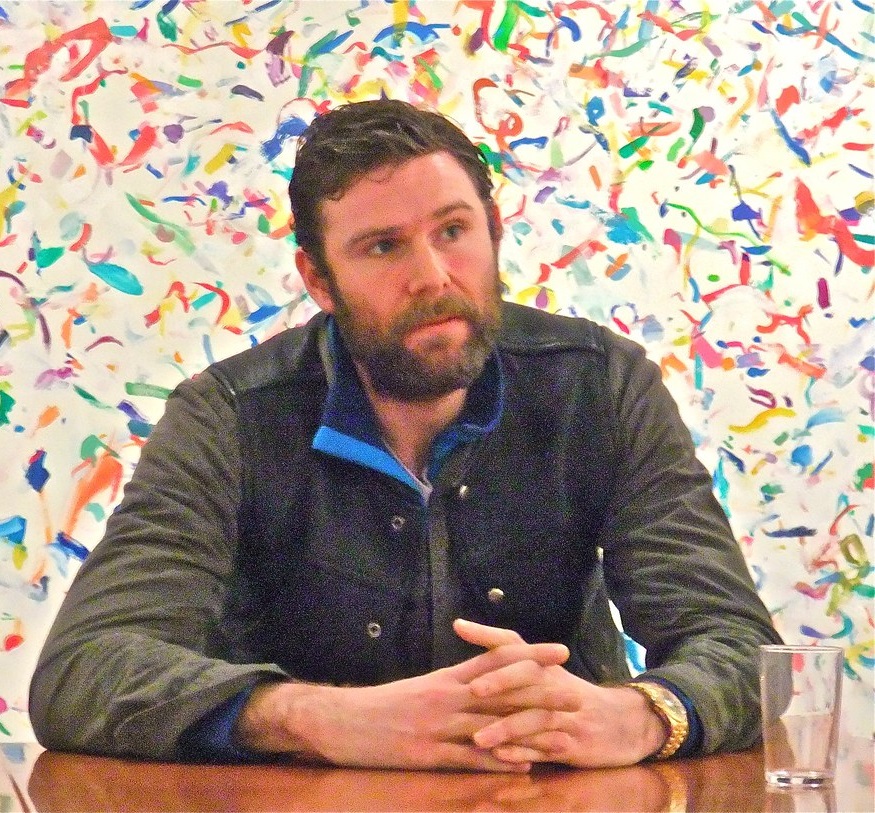
Dan Colen is an American artist based in New York. His work consists of painted sculptures appropriating low-cultural ephemera, graffiti-inspired paintings of text executed in paint, and installations.