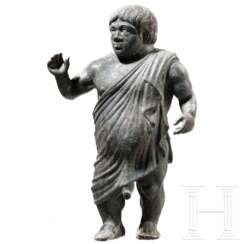
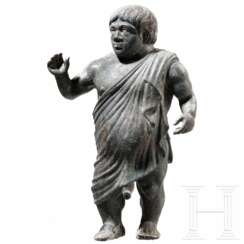
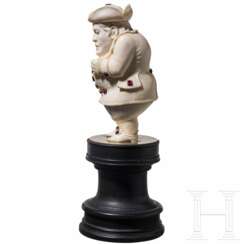
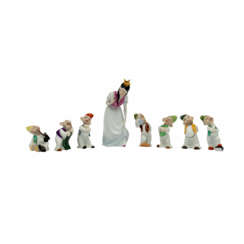
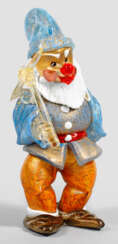
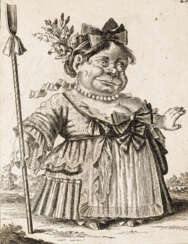
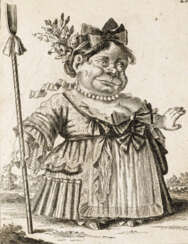
dwarf

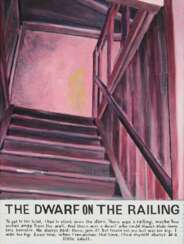

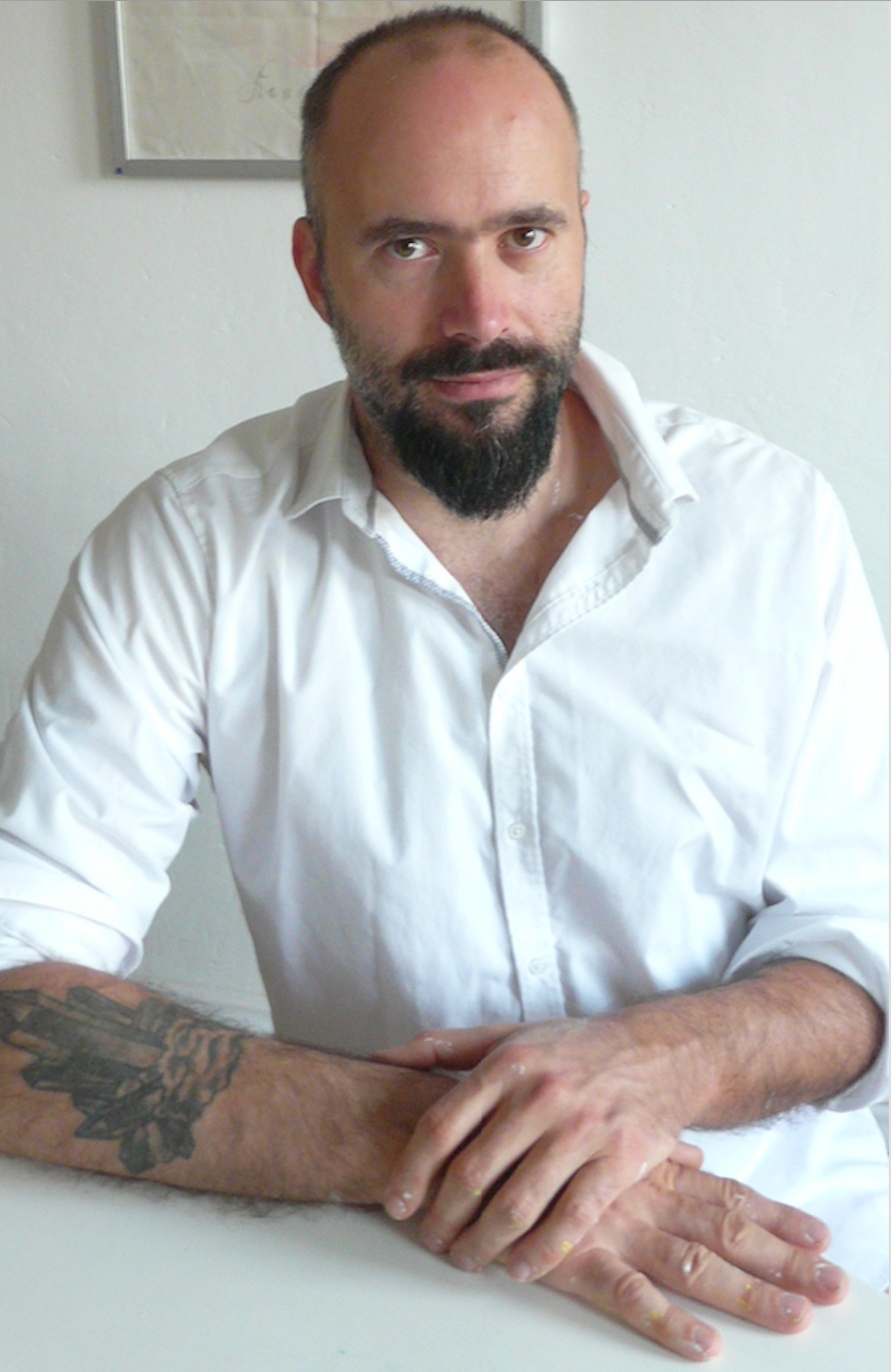
Paule Hammer is a visual artist who lives in Leipzig. He belongs to the younger generation of painters of the New Leipzig School.
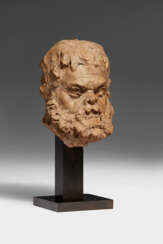

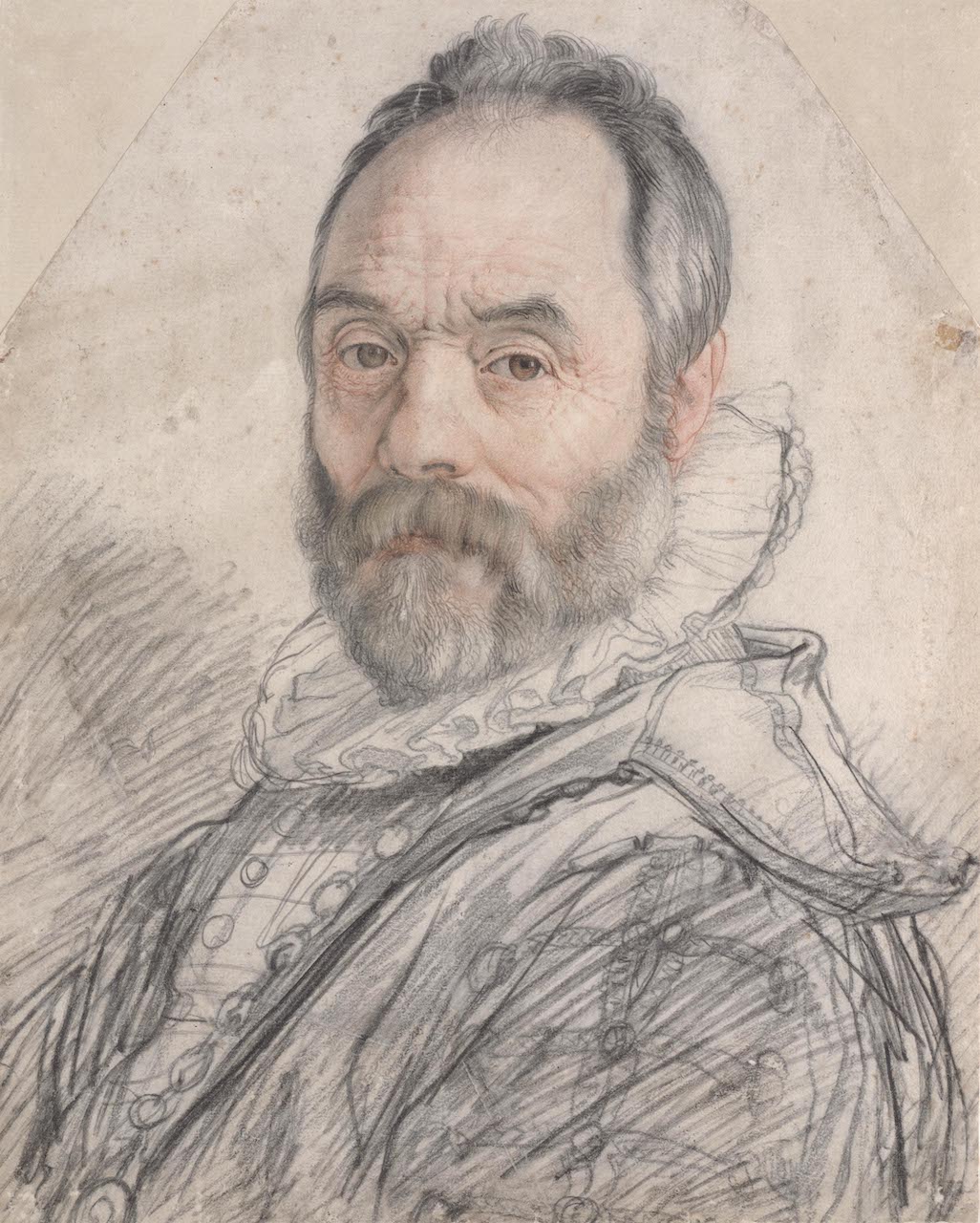
Giovanni da Bologna, also known as Jean de Boulogne (French), Giambologna (Italian), Fiammingo (Italian) and Jehan Boulongne (Flemish), was the last significant Italian Renaissance sculptor, with a large workshop producing large and small works in bronze and marble in a late Mannerist style.








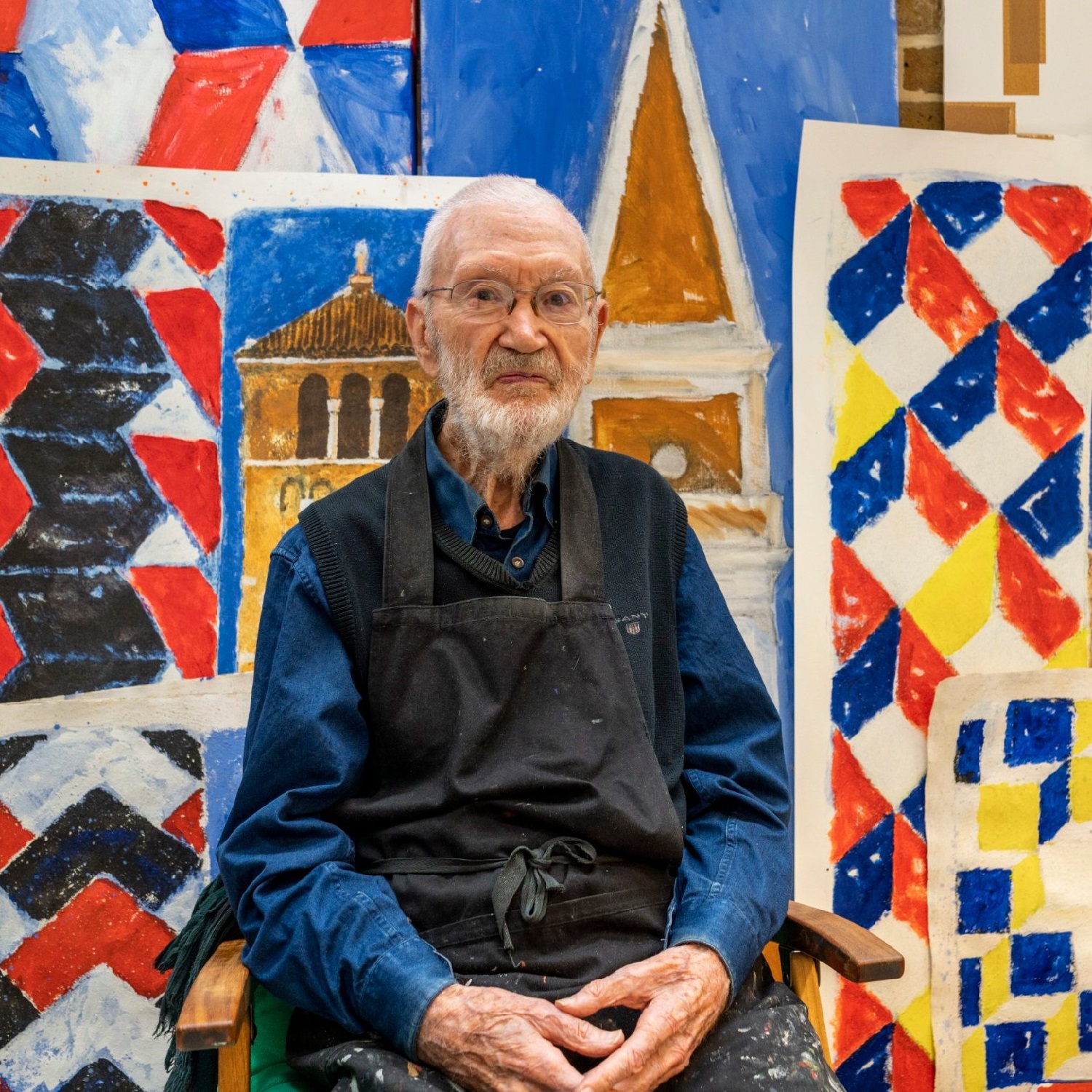
Joseph Charles Tilson is a British artist and fellow of the Royal Academy. He was involved in the Pop Art movement in the 1960s; he has made paintings, prints and constructions.









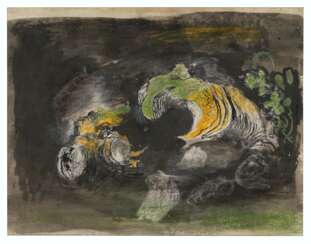





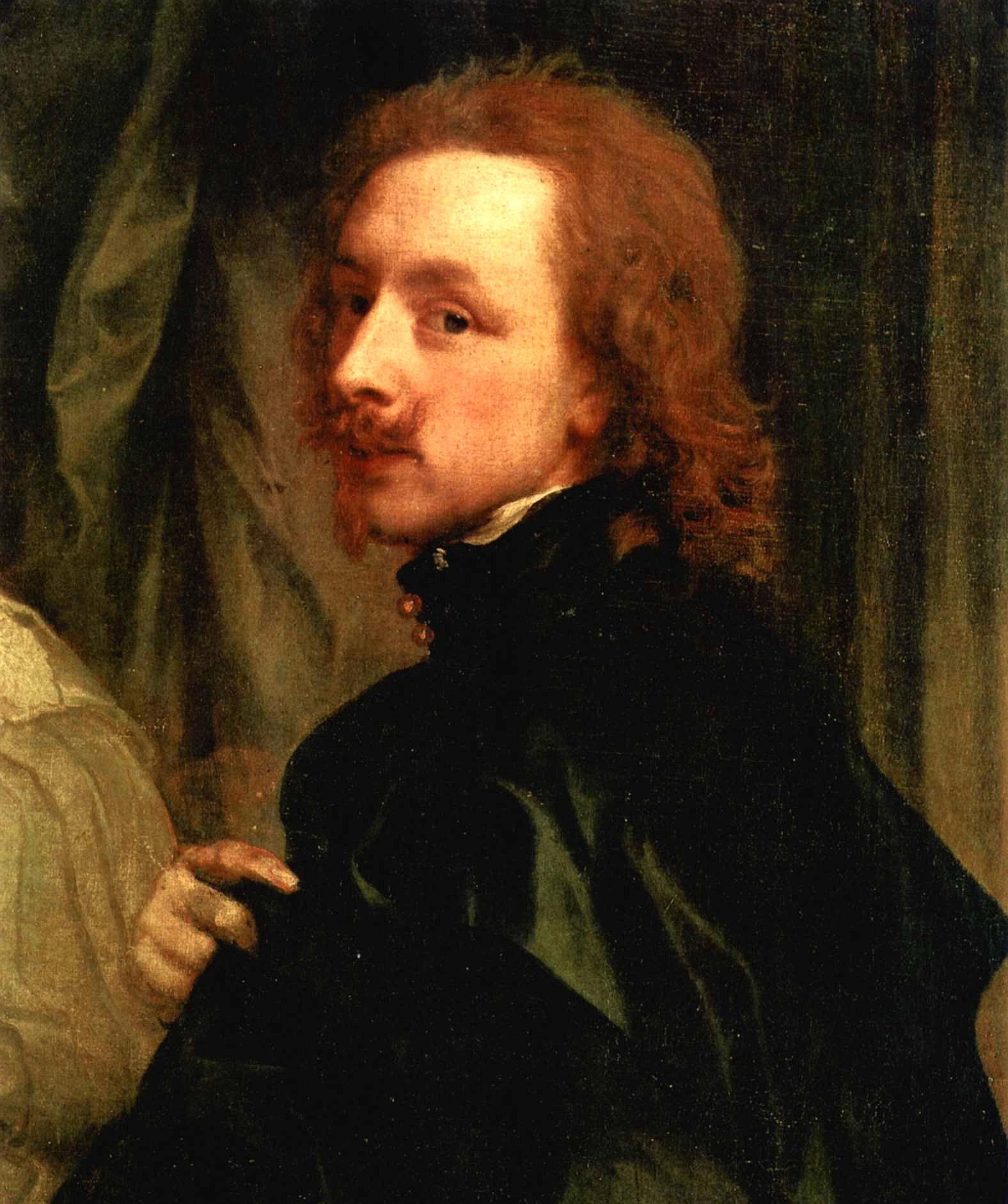
Anthony van Dyck, a Flemish painter born in 1599 in Antwerp and passed away in 1641 in London, is celebrated as one of the foremost Baroque painters of the 17th century. His notable contributions to the art world include his exceptional portraits of European aristocracy, as well as his religious and mythological paintings. Van Dyck's early exposure to art was influenced significantly by his apprenticeship with Hendrik van Balen and later, by the profound impact of working alongside Peter Paul Rubens. His mastery was recognized early on, leading him to set up his own workshop by the age of 15.
Van Dyck's journey to Italy in 1621 marked a pivotal phase in his career, allowing him to immerse himself in studying the Italian masters and commencing his successful stint as a portraitist. His style evolved under the influence of Titian, evident from his vibrant use of color and refined modeling of form. Van Dyck's Italian period not only honed his artistic skills but also established his reputation as a painter of consequence.
Upon returning to Antwerp, van Dyck's portraits became highly sought after, leading to commissions from notable figures such as Archduchess Isabella and Queen Mother Maria de' Medici. His role as a court painter further solidified in England under the patronage of King Charles I, where he was knighted and appointed as the principal painter, profoundly shaping the aristocratic character of Charles I's reign through his portraits.
Van Dyck's legacy extends beyond his death, having influenced English portrait painting for over a century. His innovative techniques in watercolour and etching, along with his sophisticated portrayal of subjects, continue to be admired. His art not only showcases his technical prowess but also reflects the cultural and social nuances of his era, making his work a significant study for collectors and art historians alike.
For enthusiasts eager to explore the intersections of art, history, and culture through the lens of Anthony van Dyck's work, staying informed about new discoveries and auction events is essential. Signing up for updates can provide exclusive insights into the world of one of the most influential figures in Flemish art. This subscription ensures that collectors and experts are well-informed of any developments related to van Dyck's oeuvre, enhancing their understanding and appreciation of his contributions to the art world.











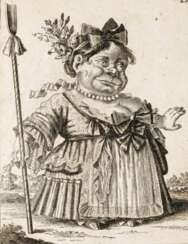


Jacques Callot was a baroque printmaker and draftsman from the Duchy of Lorraine (an independent state on the north-eastern border of France, southwestern border of Germany and overlapping the southern Netherlands). He is an important person in the development of the old master print. He made more than 1,400 etchings that chronicled the life of his period, featuring soldiers, clowns, drunkards, Gypsies, beggars, as well as court life. He also etched many religious and military images, and many prints featured extensive landscapes in their background.