en préséance








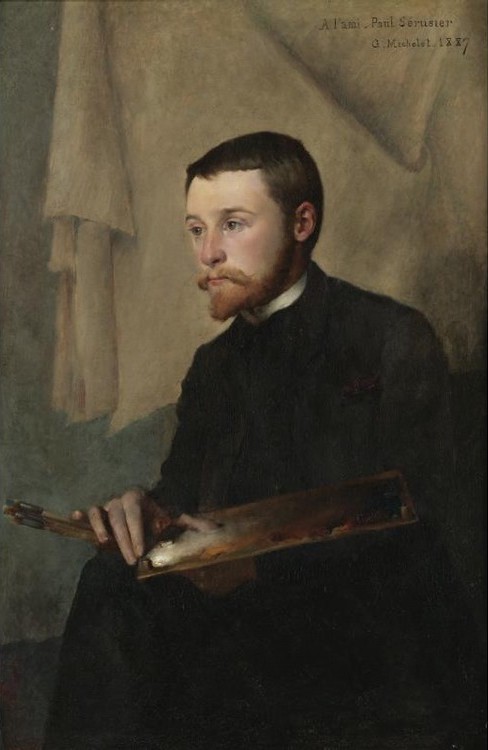
Paul Sérusier was a French Post-Impressionist painter and theorist, notable for his significant contributions to the art movement known as the Nabis. Born in Paris on November 9, 1864, Sérusier's work is characterized by its expressive use of color and pattern, inspired by the techniques of Paul Gauguin. He is best known for his exploration of color, sensation, and abstraction, particularly evident in works like "Le Talisman, the Aven River at the Bois d'Amour" (1888). This painting marks a departure from the Impressionists' more faithful representation of observed reality, focusing instead on translating sensations onto the canvas with vibrant brushstrokes and an emphasis on emotional expression over visual accuracy.
Sérusier's paintings often feature the landscapes and people of Brittany, notable for their contemplative mood achieved through firm contours and blocks of unmodulated color. His style evolved under the influence of Synthetism and Cloisonnism, favoring flattened forms and large swathes of color, as seen in "Farmhouse at le Pouldu" (1890). This approach reflects a decorative organization of objects, emphasizing the craft and execution of the scene.
Some of Sérusier's notable works are housed in prestigious museums such as the Musée d'Orsay in Paris, including "Portrait of Paul Ranson in Nabi Costume" (1890) and "Landscape" (1912). His legacy extends beyond his own artworks; he was a key figure in the formation of the Nabis movement, and his theoretical contributions have had a lasting impact on the art world.
For collectors and experts in art and antiques, Sérusier's work represents a unique blend of post-impressionist and symbolist styles, making his pieces highly valued both for their historical significance and their aesthetic appeal. To stay updated on new product sales and auction events related to Paul Sérusier, sign up for our updates. This subscription service is exclusively focused on providing information related to Sérusier's work, ensuring you remain informed about opportunities to acquire pieces by this influential artist.
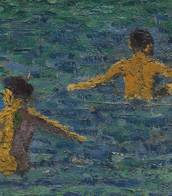
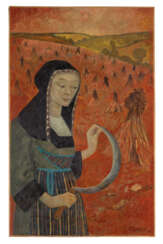

Paul Sérusier was a French Post-Impressionist painter and theorist, notable for his significant contributions to the art movement known as the Nabis. Born in Paris on November 9, 1864, Sérusier's work is characterized by its expressive use of color and pattern, inspired by the techniques of Paul Gauguin. He is best known for his exploration of color, sensation, and abstraction, particularly evident in works like "Le Talisman, the Aven River at the Bois d'Amour" (1888). This painting marks a departure from the Impressionists' more faithful representation of observed reality, focusing instead on translating sensations onto the canvas with vibrant brushstrokes and an emphasis on emotional expression over visual accuracy.
Sérusier's paintings often feature the landscapes and people of Brittany, notable for their contemplative mood achieved through firm contours and blocks of unmodulated color. His style evolved under the influence of Synthetism and Cloisonnism, favoring flattened forms and large swathes of color, as seen in "Farmhouse at le Pouldu" (1890). This approach reflects a decorative organization of objects, emphasizing the craft and execution of the scene.
Some of Sérusier's notable works are housed in prestigious museums such as the Musée d'Orsay in Paris, including "Portrait of Paul Ranson in Nabi Costume" (1890) and "Landscape" (1912). His legacy extends beyond his own artworks; he was a key figure in the formation of the Nabis movement, and his theoretical contributions have had a lasting impact on the art world.
For collectors and experts in art and antiques, Sérusier's work represents a unique blend of post-impressionist and symbolist styles, making his pieces highly valued both for their historical significance and their aesthetic appeal. To stay updated on new product sales and auction events related to Paul Sérusier, sign up for our updates. This subscription service is exclusively focused on providing information related to Sérusier's work, ensuring you remain informed about opportunities to acquire pieces by this influential artist.

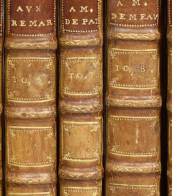
![[CAMBACÉRÈS, Jean-Jacques-Régis de (1753-1824)]](/assets/image/picture_4604869/831eb/0a3887b9effe2f6fae228bb272ebbf821747864800jpg__fix_374_244.jpeg)
![[CAMBACÉRÈS, Jean-Jacques-Régis de (1753-1824)]](https://veryimportantlot.com/assets/image/picture_4604869/831eb/0a3887b9effe2f6fae228bb272ebbf821747864800jpg__fix_374_244.jpeg)



![[VAUBAN, Sébastien Le Prestre, marquis de (1633-1707)]](/assets/image/picture_3601557/4e357/lxe2nv2jvhdppszm1zilhiurbvzx9q9vxoyxgr52ta0ogi4zdn3-n-enqqjpdx1700207013jpg__fix_374_244.jpeg)
![[VAUBAN, Sébastien Le Prestre, marquis de (1633-1707)]](https://veryimportantlot.com/assets/image/picture_3601557/4e357/lxe2nv2jvhdppszm1zilhiurbvzx9q9vxoyxgr52ta0ogi4zdn3-n-enqqjpdx1700207013jpg__fix_374_244.jpeg)


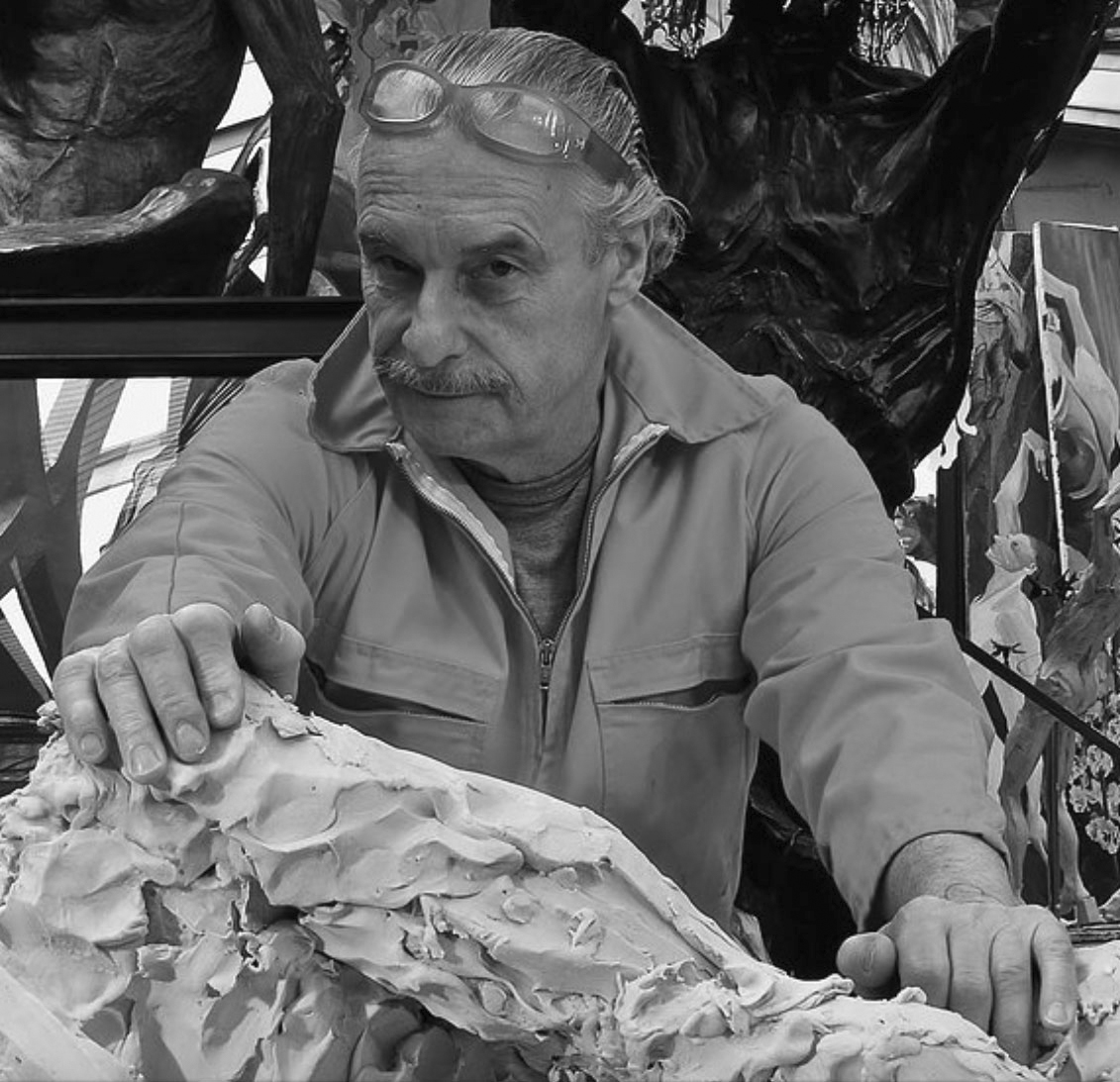
Daniel Hourdé, born in 1947 in Boulogne Billancourt, France, is a notable French artist known for his masterful bronze sculptures, paintings, and charcoal drawings. Hourdé’s artistry is characterized by its exploration of the dreamlike dimensions of human existence, often presenting figures in existential actions and blending them with everyday objects or chimerical evocations. His work embodies a mix of classic realism and the whimsicality of 1970s pop figuration, set in often incongruous contexts.
Hourdé's formal training in the School of Fine Arts in Grenoble and Paris has been pivotal in shaping his unique artistic voice. His pieces are known for their human-scale expressionistic forms, featuring realistic skeletons and skinless rippled bodies that seem to navigate between the realms of dream and nightmare. This unique blend of realism and fantasy in Hourdé's work offers a profound commentary on the human relationship with the world.
Throughout his career, Daniel Hourdé has been exhibited extensively, both in France and internationally. Some of his notable exhibitions include "Si près du Paradis" at the Chapelle Saint-Louis de la Salpêtrière in Paris, France (2019), and a retrospective at the Presbytère Saint-Jacques and Musée Conti in Bergerac, France (2017). His works have also graced public spaces, such as the "La passerelle enchantée" exhibition on the Pont des Arts in Paris (2016).
For art collectors and experts, Daniel Hourdé’s works offer a unique investment in contemporary sculpture and painting, with their deep-rooted cultural significance and innovative artistic techniques. His creations are not just visually striking but also conceptually profound, offering a rich exploration of human experiences and emotions.
If you are an art enthusiast, particularly interested in the works of Daniel Hourdé, consider signing up for updates on new artworks, sales, and exhibitions related to this remarkable artist. Stay informed about the latest developments and opportunities in the world of contemporary art.
![[BEAULIEU, Sébastien de Pontault de (1612-1674)]](/assets/image/picture_2500726/5de8b/e42fecc1921e4b57d4e1c05314c8d77a1667984400jpg__fix_374_244.jpeg)
![[BEAULIEU, Sébastien de Pontault de (1612-1674)]](https://veryimportantlot.com/assets/image/picture_2500726/5de8b/e42fecc1921e4b57d4e1c05314c8d77a1667984400jpg__fix_374_244.jpeg)
![[BUFFON, Georges-Louis Leclerc, vicomte de (1707-1788)] Jean-Gabriel PRÊTRE (1768-1849)](/assets/image/picture_2501048/3e45c/95ad26b9bba98bbb0c4deb5a6a6ea3ab1667984400jpg__fix_374_244.jpeg)
![[BUFFON, Georges-Louis Leclerc, vicomte de (1707-1788)] Jean-Gabriel PRÊTRE (1768-1849)](https://veryimportantlot.com/assets/image/picture_2501048/3e45c/95ad26b9bba98bbb0c4deb5a6a6ea3ab1667984400jpg__fix_374_244.jpeg)


.jpg)
Jean Elysée Puiforcat was a French silversmith, sculptor and designer. Miller's Antiques Encyclopedia calls Puiforcat the «most important French Art Deco silversmith».
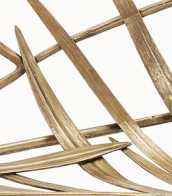






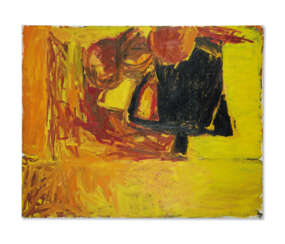

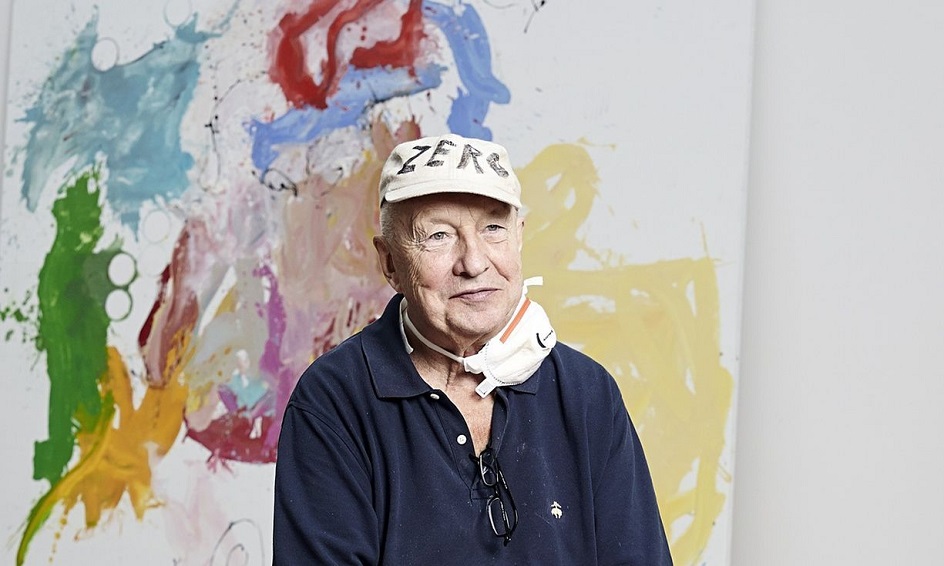
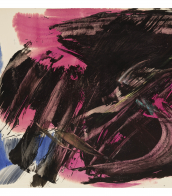
Georg Baselitz is a German painter, sculptor and graphic artist. In the 1960s he became well known for his figurative, expressive paintings. In 1969 he began painting his subjects upside down in an effort to overcome the representational, content-driven character of his earlier work and stress the artifice of painting. Drawing from myriad influences, including art of Soviet era illustration art, the Mannerist period and African sculptures, he developed his own, distinct artistic language.





.jfif)
Joseph Fernand Henri Léger was a French artist renowned for his innovative approach to Cubism and his transition towards a figurative, populist style. Born in Argentan, Orne, Lower Normandy, Léger's early career was marked by a stint as an architectural draftsman and a series of educational pursuits that eventually led him to Paris, where he embraced painting seriously. His artistic journey was significantly influenced by the bold abstractions of Cubism, characterized by geometric shapes and a vibrant palette, distinguishing his work from his contemporaries with what came to be known as "Tubism".
Léger's service in World War I profoundly impacted his artistic direction, leading him to adopt a 'mechanical' style that depicted the modern industrial world with sleek, tubular forms. This period saw creations like "Soldier with a Pipe" and "The Card Players," reflecting his war experiences and the mechanical aesthetics of the time. The post-war era encouraged Léger to explore the mechanical style further, evident in works like "The Bargeman" and "Mechanical Elements," highlighting the pace of technological advancement.
Throughout his career, Léger's work evolved, notably in the 1920s, where he aligned with Purist ideas, blending classicism with modernity. This phase is exemplified in "Woman with a Cat," showcasing a classical form with a modern, polished finish. By the 1930s, Léger's art took a more figurative, populist turn, aiming to democratize contemporary art and make it more accessible. His commitment to art education, especially for the common worker, underscored his belief in the social role of art.
For those intrigued by Joseph Fernand Henri Léger's groundbreaking contributions to modern art, his works can be found in prestigious museums worldwide. His legacy continues to inspire art collectors and enthusiasts alike. To stay updated on exhibitions and auction events featuring Léger's work, sign up for updates and embrace the unique opportunity to explore the richness of his artistic endeavors.