evolution of art
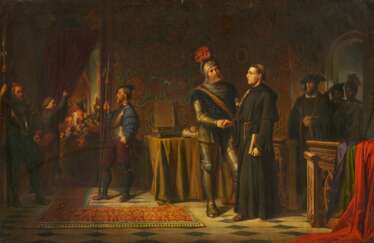

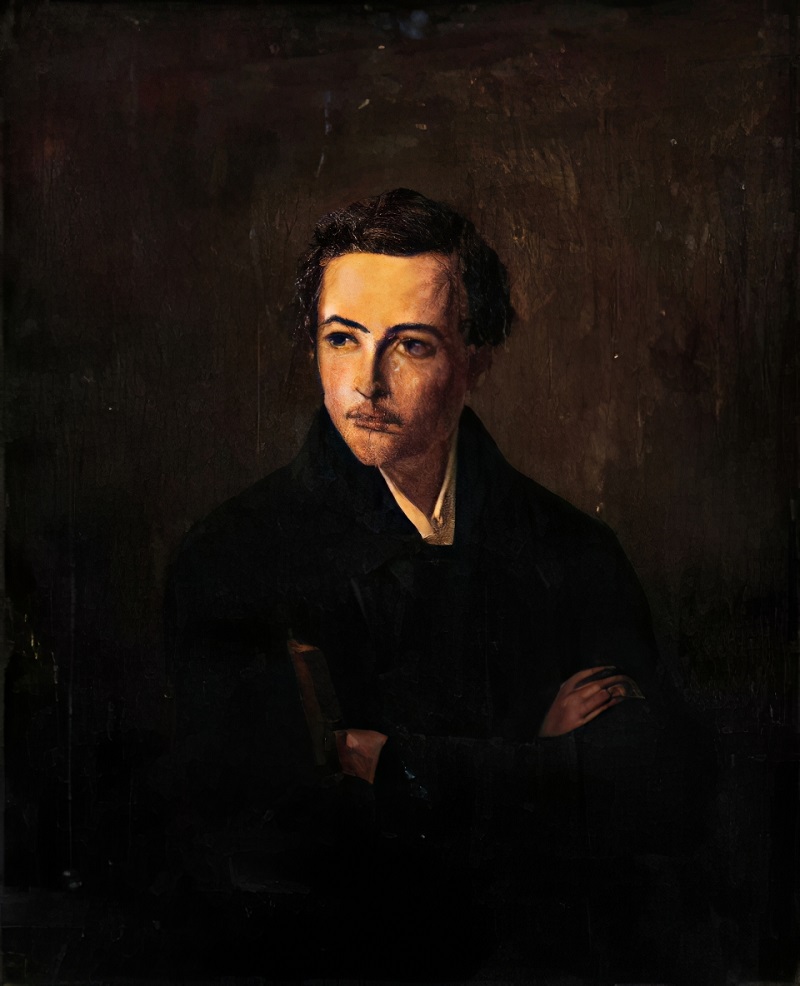
Friedrich Wilhelm Heinrich Martersteig was a German historical and genre painter and drawing teacher. From 1828 to 1834 he studied at the Dresden Academy of Art under Ludwig Richter. Afterwards he spent four years at the academy in Dusseldorf and was a pupil of Carl Ferdinand Sohn, Theodor Hildebrandt and Friedrich Wilhelm von Schadow.
Friedrich Martersteig was a member and professor of the Prussian Academy of Arts.







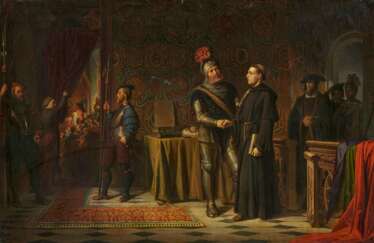

Friedrich Wilhelm Heinrich Martersteig was a German historical and genre painter and drawing teacher. From 1828 to 1834 he studied at the Dresden Academy of Art under Ludwig Richter. Afterwards he spent four years at the academy in Dusseldorf and was a pupil of Carl Ferdinand Sohn, Theodor Hildebrandt and Friedrich Wilhelm von Schadow.
Friedrich Martersteig was a member and professor of the Prussian Academy of Arts.


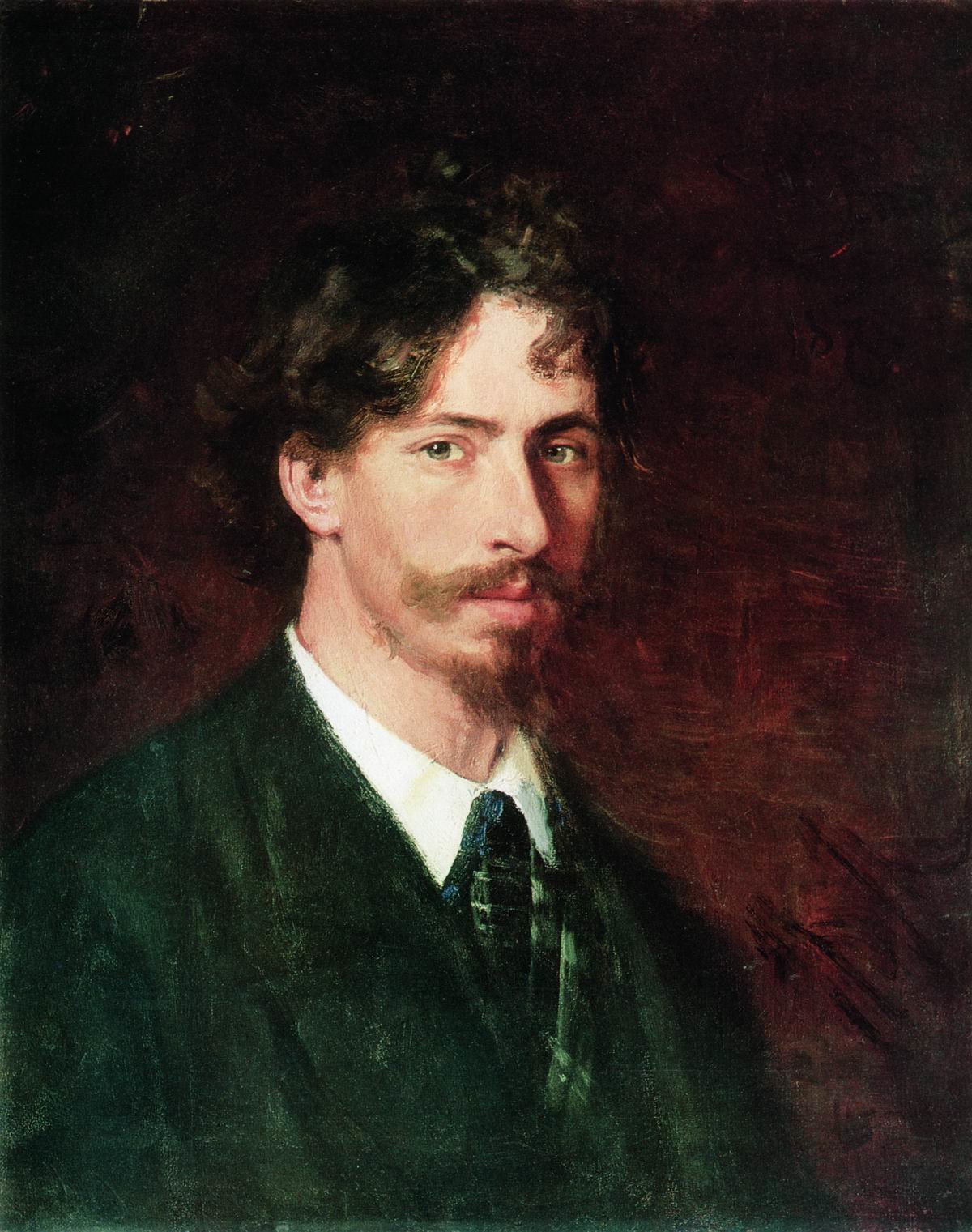
Ilya Yefimovich Repin (Russian: Илья Ефимович Репин) was a preeminent Russian artist, celebrated for his profound influence on the world of art, particularly painting. Born in 1844 in the Russian Empire, Repin distinguished himself as a pivotal figure in bringing Russian art to the forefront of the European scene. His works, characterized by their vivid realism and profound emotional depth, offer a window into the cultural, social, and historical landscapes of 19th-century Russia.
Repin's oeuvre is a testament to his exceptional skill in capturing the essence of his subjects, ranging from the peasantry to the elite, and his commitment to portraying the Russian spirit. His paintings, such as "Barge Haulers on the Volga" and "Ivan the Terrible and His Son Ivan," are lauded for their meticulous detail, dynamic compositions, and the way they convey powerful narratives and emotions. These masterpieces are housed in prestigious museums and galleries worldwide, including the State Russian Museum and the Tretyakov Gallery, affirming Repin's enduring legacy in the annals of art history.
For collectors and experts in art and antiques, Repin's works represent not only significant cultural and historical value but also a deep emotional resonance that transcends time. His ability to intertwine the beauty and tragedy of human experience with the rich tapestry of Russian culture makes his art a compelling exploration for enthusiasts and scholars alike. To stay informed about new product sales and auction events related to Ilya Yefimovich Repin, we invite you to sign up for updates. This subscription is a gateway to exclusive insights and opportunities in the realm of art and antiques, focusing solely on Repin's illustrious work.
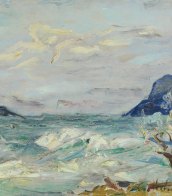
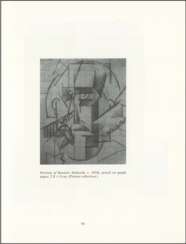

Ivan Vasilievich Kliun (Russian: Иван Васильевич Клюн) was a seminal figure in the Russian Avant-Garde movement, a painter, sculptor, and art theorist associated with Suprematism, a movement that sought to break down art into its basic geometric components. Born in Bolshiye Gorki, Kliun was deeply involved with the avant-garde circles that revolutionized Russian art in the early 20th century. His journey into the art world took him through studies in Kiev, Warsaw, and Moscow, culminating in a long-standing collaboration and friendship with Kazimir Malevich.
Kliun's artistic contributions were vast, ranging from his exploration of color theories to his pioneering Suprematist works that featured geometric shapes against stark backgrounds. Despite the changing tides of political and artistic favor in Soviet Russia, Kliun remained committed to his abstract and purist visions, even when abstraction fell out of favor with the Soviet authorities in the late 1920s.
His works, characterized by a unique integration of light and color to enhance the depth and intensity of the abstract forms, are significant for their experimental approach to Suprematism. Unlike many of his contemporaries who shifted towards Socialist Realism under state pressure, Kliun continued his abstract explorations discreetly. Today, his works are recognized for their innovation and contribution to the avant-garde movement, with pieces displayed in prestigious collections like the Costakis collection and international exhibitions.
For enthusiasts and collectors interested in the avant-garde movement and Kliun's groundbreaking work, staying updated on exhibitions and sales of his art is essential. Sign up for updates to stay informed about new product sales and auction events related to Ivan Vasilievich Kliun and explore the depths of Russian Avant-Garde art.
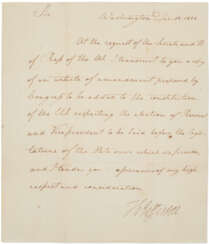

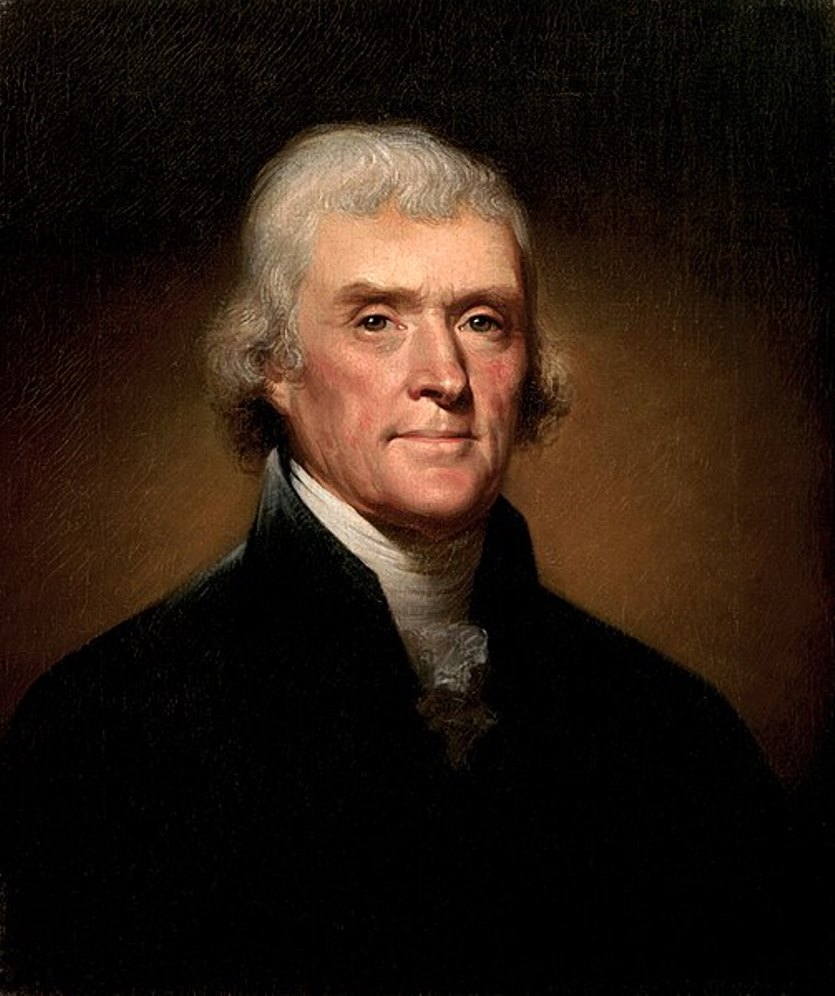
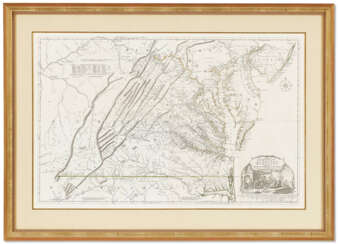
Thomas Jefferson was an American politician and statesman, the third President of the United States (March 4, 1801 - March 4, 1809).
Jefferson was the son of a planter and received a law degree. In 1774, he wrote A Summary of the Rights of British America, which attracted public attention, and he soon gained a reputation as one of the first advocates of American independence from the authority of the British Parliament. In the spring of 1775, the Virginia legislature appointed him a delegate to the Second Conference of the Continental Congress. A year later he was appointed to a committee of five, which also included Adams and Benjamin Franklin, to draft a formal statement of reasons to justify a break with Great Britain. Jefferson thus became one of the authors of the Declaration of Independence. Jefferson succeeded Benjamin Franklin as minister to France in 1785, was secretary of state (1790-1793) under Washington, and vice president (1797-1801) under John Adams.
A Democratic-Republican, Jefferson, who believed that the national government should play a limited role in the lives of citizens, was elected president in 1800. One of the most significant accomplishments of Jefferson's first administration was the purchase of the Louisiana Territory from France for $15 million dollars in 1803 (from the Gulf of Mexico to present-day Canada), effectively doubling the size of the United States. During his second term, Jefferson was focused on trying to keep America out of the Napoleonic Wars in Europe. After his second term as president, he was succeeded by James Madison in 1808.
Upon leaving office, Jefferson retired to his plantation in Virginia, pursued his favorite pastimes, and helped found the University of Virginia. In addition to politics, he is known as a writer, farmer, horticulturist, inventor, book collector, art historian, architect, and scientist. He died at the age of 83 on July 4, 1826, the 50th anniversary of the Declaration of Independence.










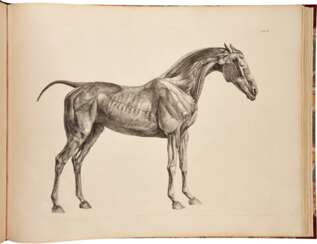

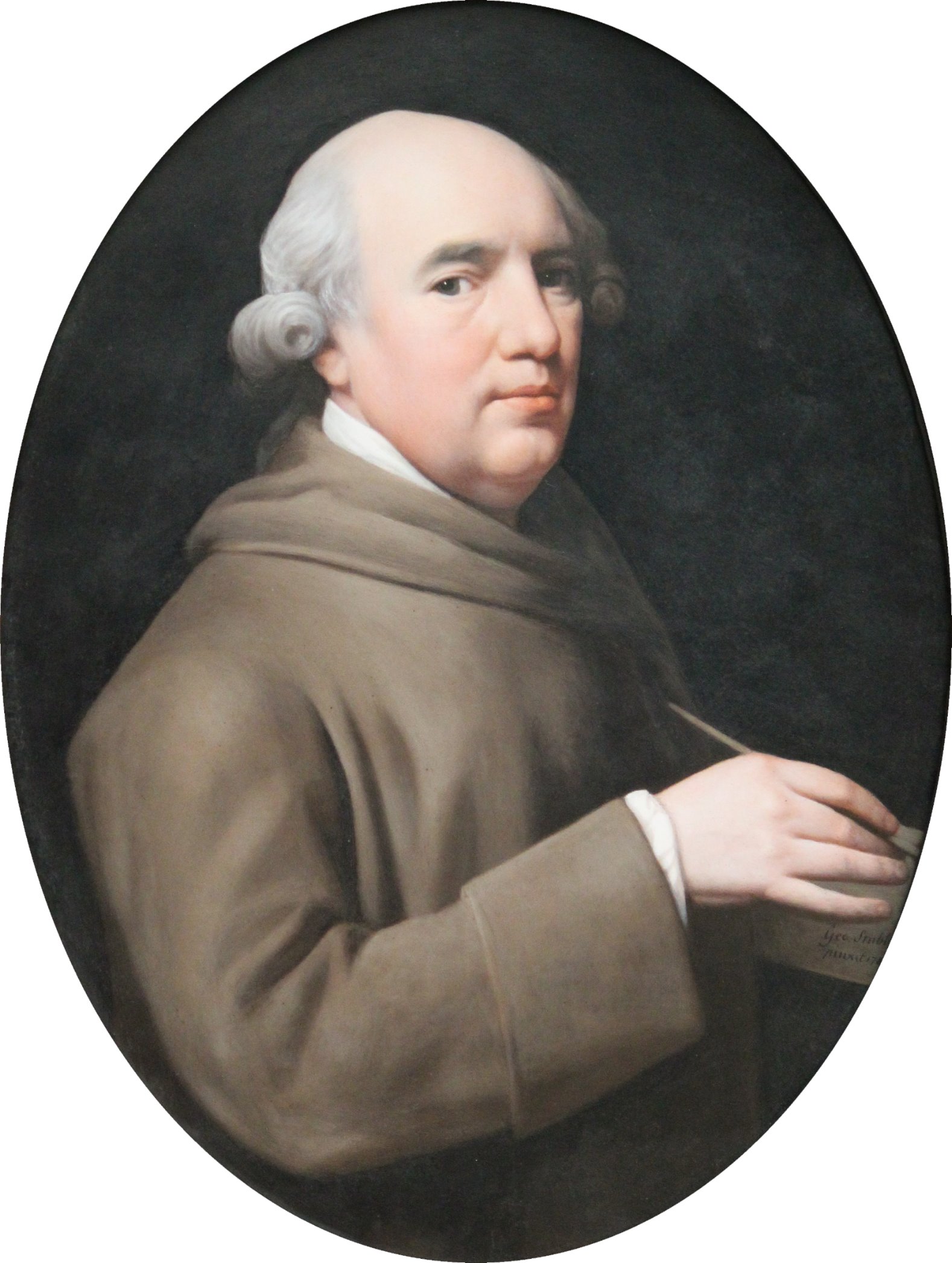
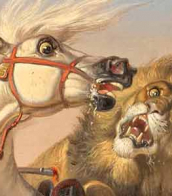
George Stubbs was an English painter, best known for his paintings of horses. Self-trained, Stubbs learnt his skills independently from other great artists of the 18th century such as Reynolds or Gainsborough. Stubbs' output includes history paintings, but his greatest skill was in painting animals, perhaps influenced by his love and study of anatomy. His series of paintings on the theme of a lion attacking a horse are early and significant examples of the Romantic movement that emerged in the late 18th century. His painting, Whistlejacket hangs in the National Gallery, London.










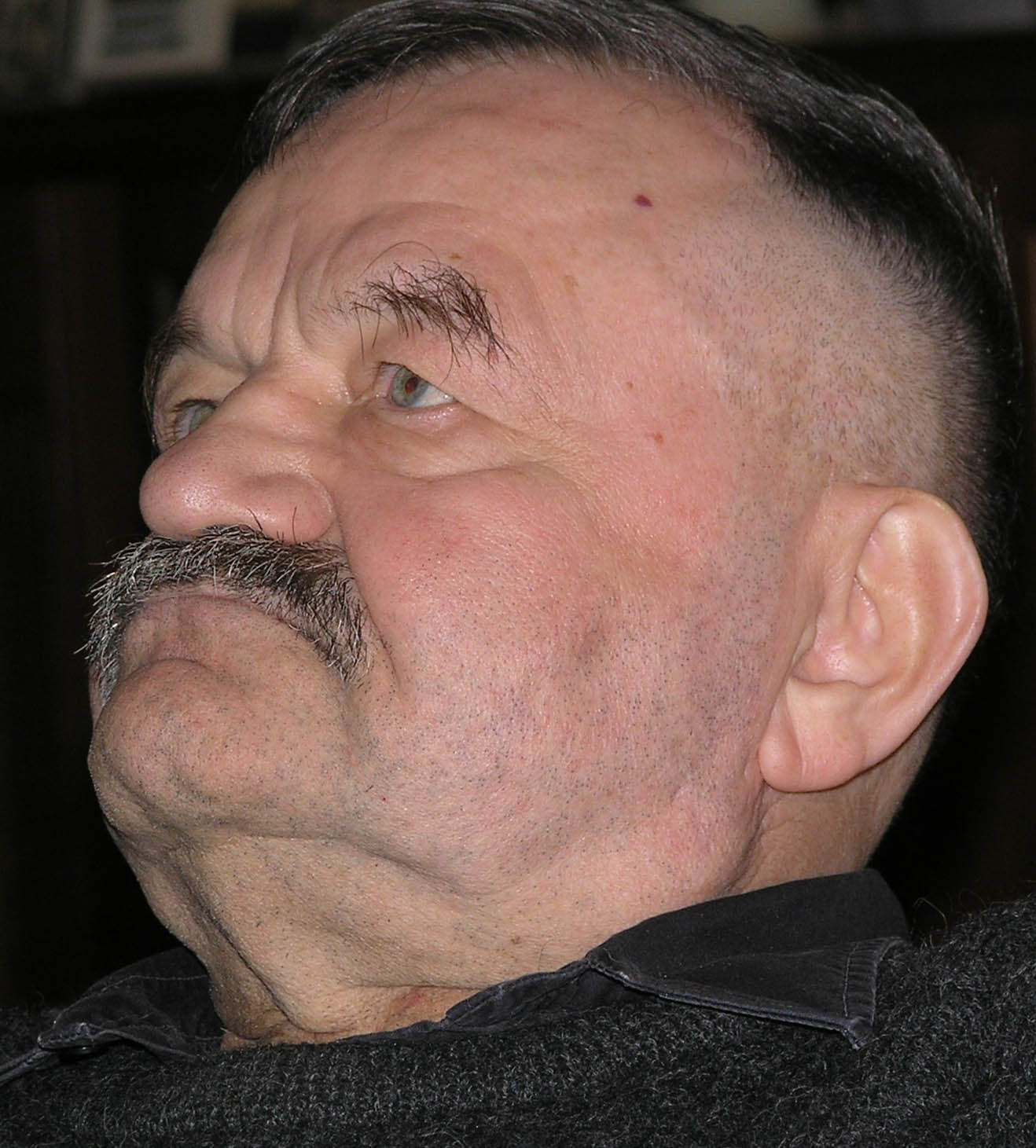
Alfred Hrdlicka was an Austrian sculptor, painter, and professor. His surname is sometimes written Hrdlička.
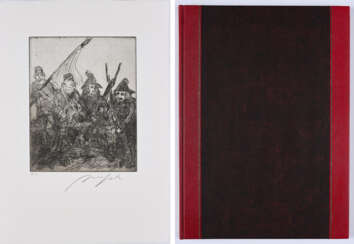

Alfred Hrdlicka was an Austrian sculptor, painter, and professor. His surname is sometimes written Hrdlička.