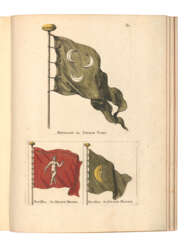
flag in illustrator



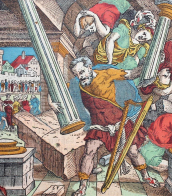













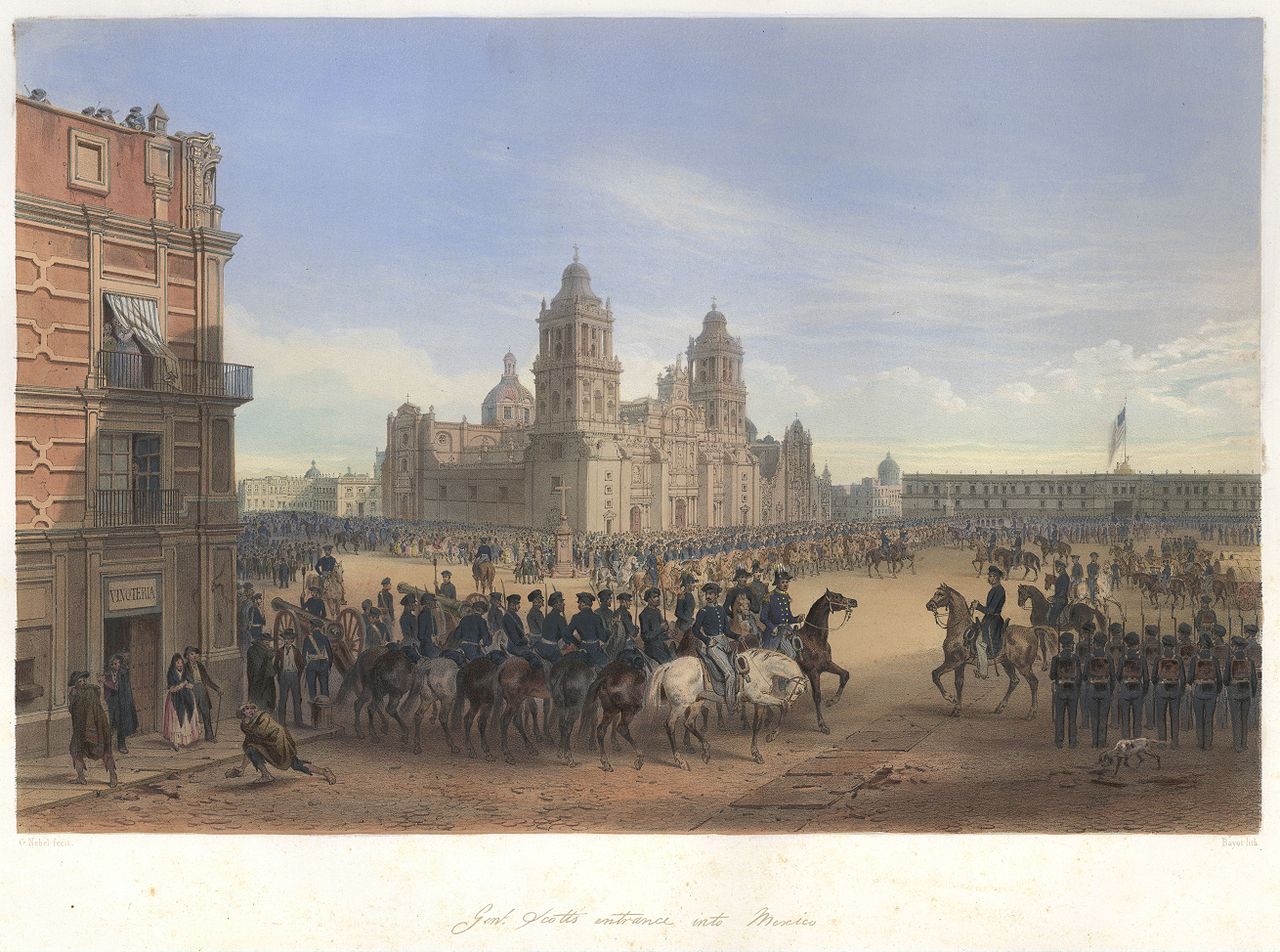
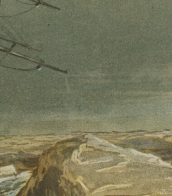
Carl Nebel was a German painter of the mid-nineteenth century. He is known as an architect, painter, graphic artist and draftsman.
Nebel became famous for his lithographs depicting various social and ethnic groups in Mexico. In 1836, he published his famous illustrated book in Paris, which included 50 lithographs of his paintings and drawings. In 1851, Nebel contributed to the publication of The War Between the United States and Mexico, which featured his battle drawings from the American-Mexican War.

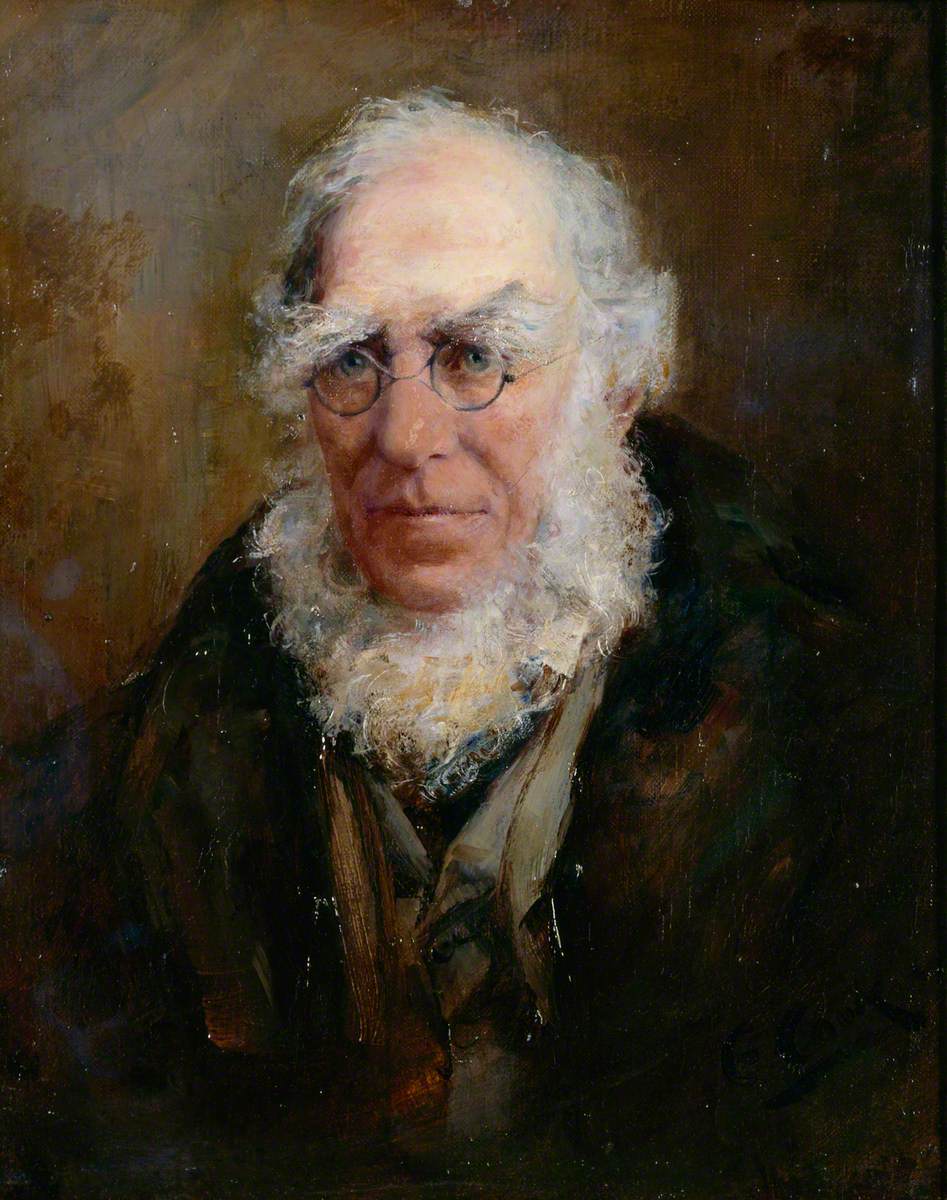



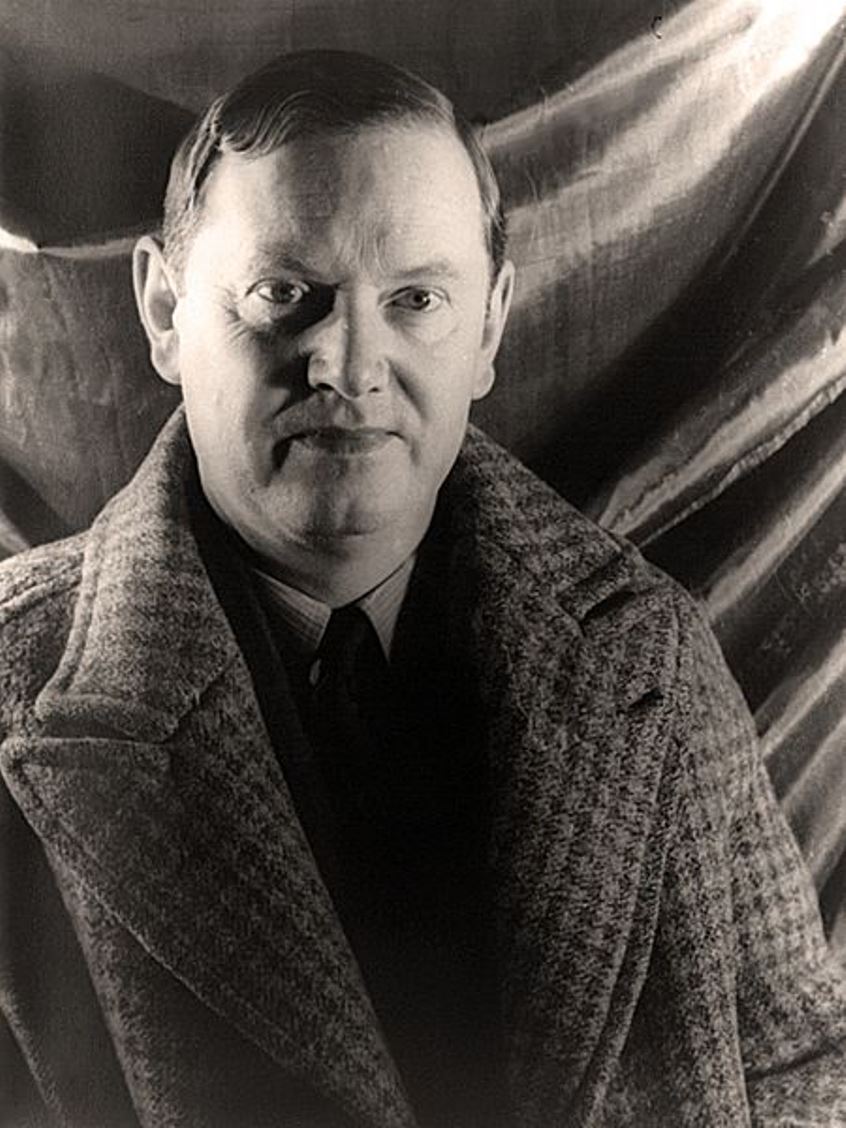
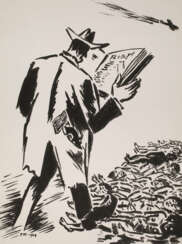
Evelyn Waugh, full name Arthur Evelyn St. John Waugh, was a British satirical writer, travel writer and historian.
Evelyn Waugh studied at Lancing College in Sussex and at Hertford College in Oxford. He then began traveling and writing, soon earning a reputation as a witty satirist. He visited Ethiopia and the Belgian Congo, and traveled to South America. His works are almost always based on personal experience; notable among the early ones are Decline and Fall (1928), Nasty Bodies (1930), Black Mischief (1932), and others.
During World War II, Evelyn Waugh served in the Royal Marines and the Royal Horse Guards. Written at this time, the novel "Return to Brideshead" (1945) is about an aristocratic English Roman Catholic family. In the trilogy "Men in Arms" (1952), "Officers and Gentlemen" (1955) and "Unconditional Surrender" (1961), the author conducted a serious analysis of the events of World War II, as an eternal struggle between good and evil, civilization and barbarism. Later on these works were filmed television series.
Evelyn Waugh also left a significant trace in journalism and literary criticism, he is considered one of the finest stylists in English prose of the XX century.
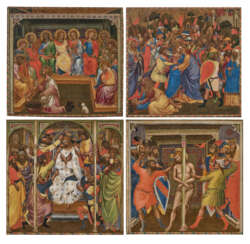

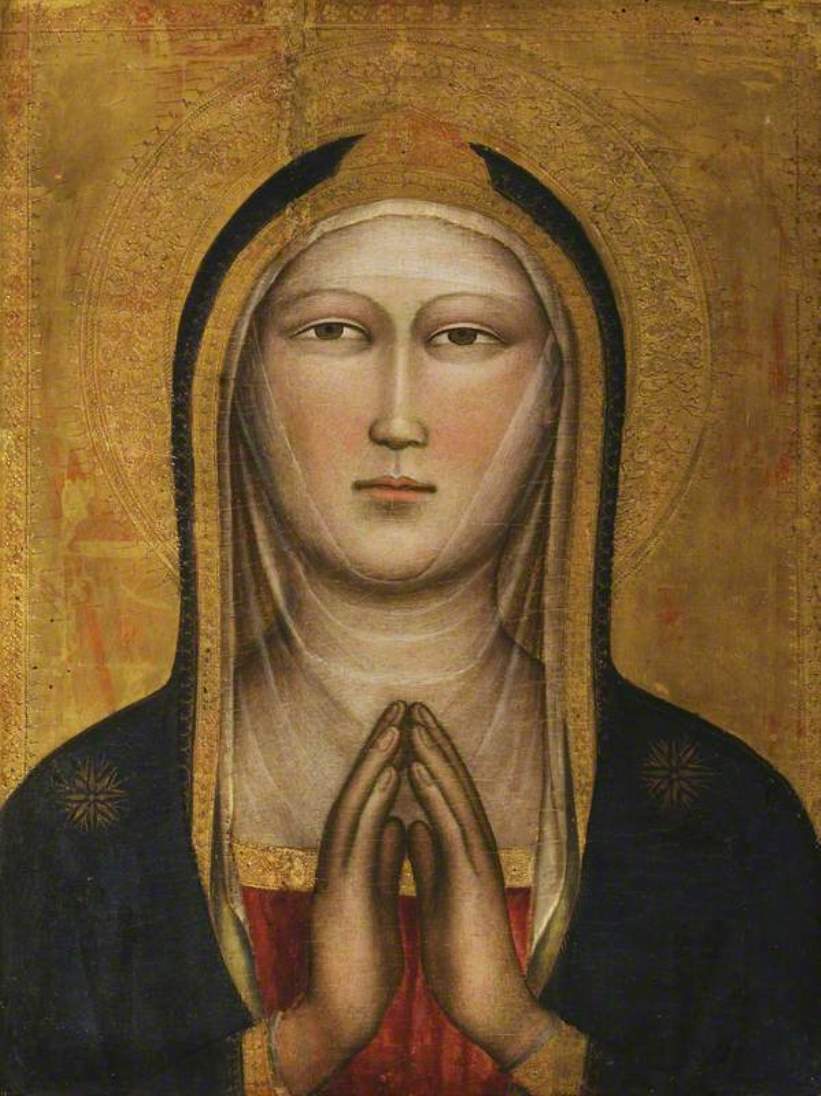
Niccolò di Pietro Gerini was a pivotal figure in the Italian art scene of the late Gothic period, celebrated for his contributions that spanned from the late 14th to the early 15th century. Born in Florence around 1340, Gerini's artistry flourished within the walls of his native city, although his talent also led him to work in Pisa and Prato. Unlike the innovative currents that swept through the art world during his time, Gerini remained faithful to traditional compositions, favoring stiff and dramatic movements in his figures.
Gerini's education and career were deeply intertwined with the artistic guilds of Florence. His father's membership in the Guild of Saint Luke in 1339 paved the way for Gerini's own entry into the Arte dei Medici e Speziali Guild by 1368, a testament to his early involvement in the city's artistic fabric. His works, marked by their large chins, sloping foreheads, and sharp noses, bore the influence of Gothic depictions, aligning him with the schools of Giotto di Bondone, Andrea di Orcagna, and Taddeo Gaddi.
Throughout his career, Gerini collaborated with notable artists like Jacopo di Cione, contributing to frescoes for the Guild hall of the Judges and Notaries in Florence and working on significant projects such as the altarpiece for the Coronation of the Virgin at San Pier Maggiore, Florence. His ability to blend architectural design with his painting skill is evident in these collaborations.
Gerini's paintings, including the triptych from 1387 housed in the National Gallery, London, and the Crucifixion, showcase his mastery over egg tempera on wood, a medium through which he conveyed religious narratives with profound solemnity and intricate detail. His works are preserved in prestigious collections, including The Hermitage, St. Petersburg, and the Alte Pinakothek, Munich, reflecting his enduring legacy in the annals of art history.
For collectors and experts in art and antiques, Gerini's oeuvre offers a rich exploration of late Gothic artistry, characterized by its adherence to traditional values while simultaneously capturing the spiritual and cultural nuances of his time. To stay informed on new discoveries and auction events related to Niccolò di Pietro Gerini, signing up for updates is a valuable resource for enthusiasts keen on this remarkable period of art history.


















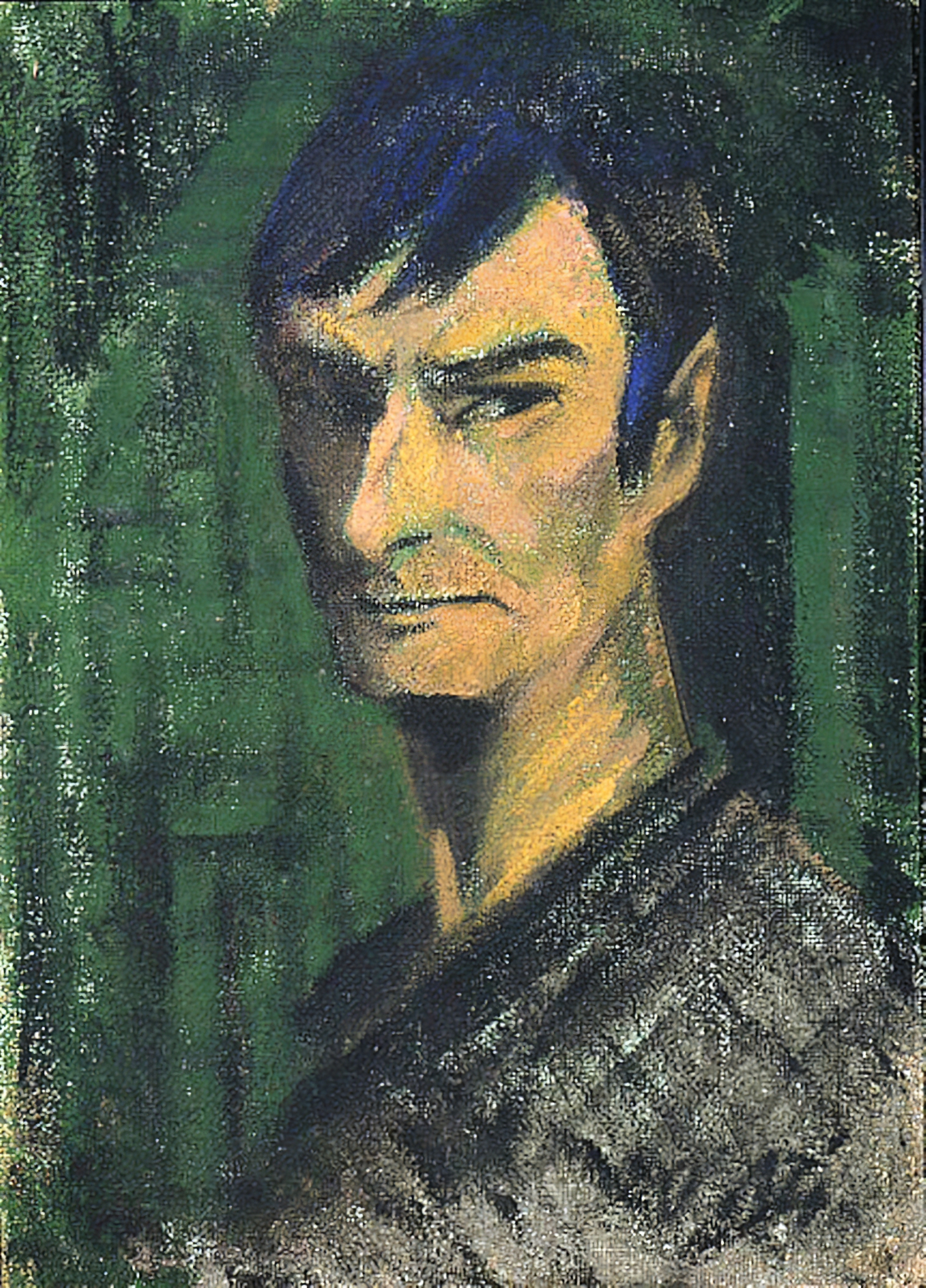
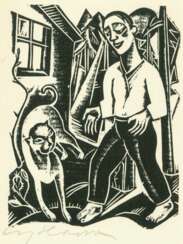
Otto Mueller was a German artist of the first third of the twentieth century. He is known as a painter, graphic artist and printmaker, a representative of German Expressionism, a member of the artists' group "Bridge".
Otto Mueller is considered one of the most lyrical German expressionist painters. His work reflected the unity of man and nature, characterized by simplification of forms, colors and contours. He became famous for his paintings of nude bodies and gypsy women, because of his fascination with which the artist was once nicknamed "Gypsy Mueller".
Mueller preferred to work in tempera on rough canvas, creating a matte surface. His artistic legacy includes 172 works, including lithographs, woodcuts and etchings.