gemälde des 2



.jpg)
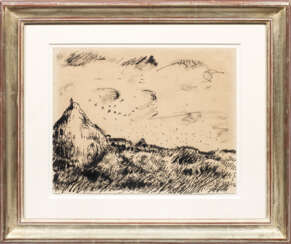
Maurice de Vlaminck was a French artist renowned for his vibrant use of color and contribution to the Fauvist movement. Born in Paris in 1876, Vlaminck's early work was marked by a passionate application of paint and a bold palette, drawing inspiration from Vincent van Gogh and Henri Matisse. His participation in the 1905 Salon d'Automne, alongside other Fauvist painters, was met with critical disdain, leading to the term "fauves" (wild beasts) being coined to describe their unorthodox use of intense color.
Vlaminck's career was characterized by a continuous exploration of color and form. Early on, he depicted scenes of daily life, landscapes, and portraits, imbuing them with a sense of motion through his dynamic brushwork. Notable works from this period include "Sur le zinc" (At the Bar) and "L'homme a la pipe" (Man Smoking a Pipe), which highlighted his departure from traditional portraiture and landscapes towards more expressive and mood-driven compositions. His landscapes, in particular, showcased a disregard for detail in favor of conveying atmosphere, a technique that was revolutionary at the time.
Throughout his life, Vlaminck's style evolved, showing influences from Post-Impressionism and later, a more monochromatic palette reminiscent of Paul Cézanne. Despite this evolution, he maintained a critical stance towards Cubism and its leading figure, Pablo Picasso, believing that Cubism had led French painting into a "wretched dead end". In his later years, Vlaminck's work adopted a darker palette and more naturalistic style, moving away from the Fauvist emphasis on color to explore the dramatic and expressive potential of landscapes and seascapes.
Vlaminck's impact on modern art is undeniable. His works are held in prestigious collections worldwide, including the Hermitage Museum in Saint Petersburg and the Minneapolis Institute of Art, attesting to his enduring influence and the continued fascination with his bold, expressive approach to painting.
For collectors and experts in art and antiques, Vlaminck's oeuvre represents a pivotal moment in the history of modern art, where the emotional intensity and visual impact of color were explored as never before. To stay informed on new product sales and auction events related to Maurice de Vlaminck, signing up for updates is recommended, offering exclusive insights into the vibrant world of Fauvism and modernist painting.
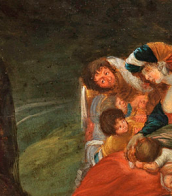
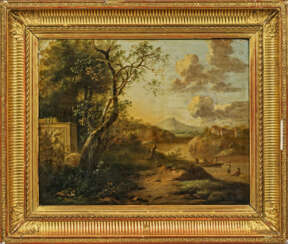

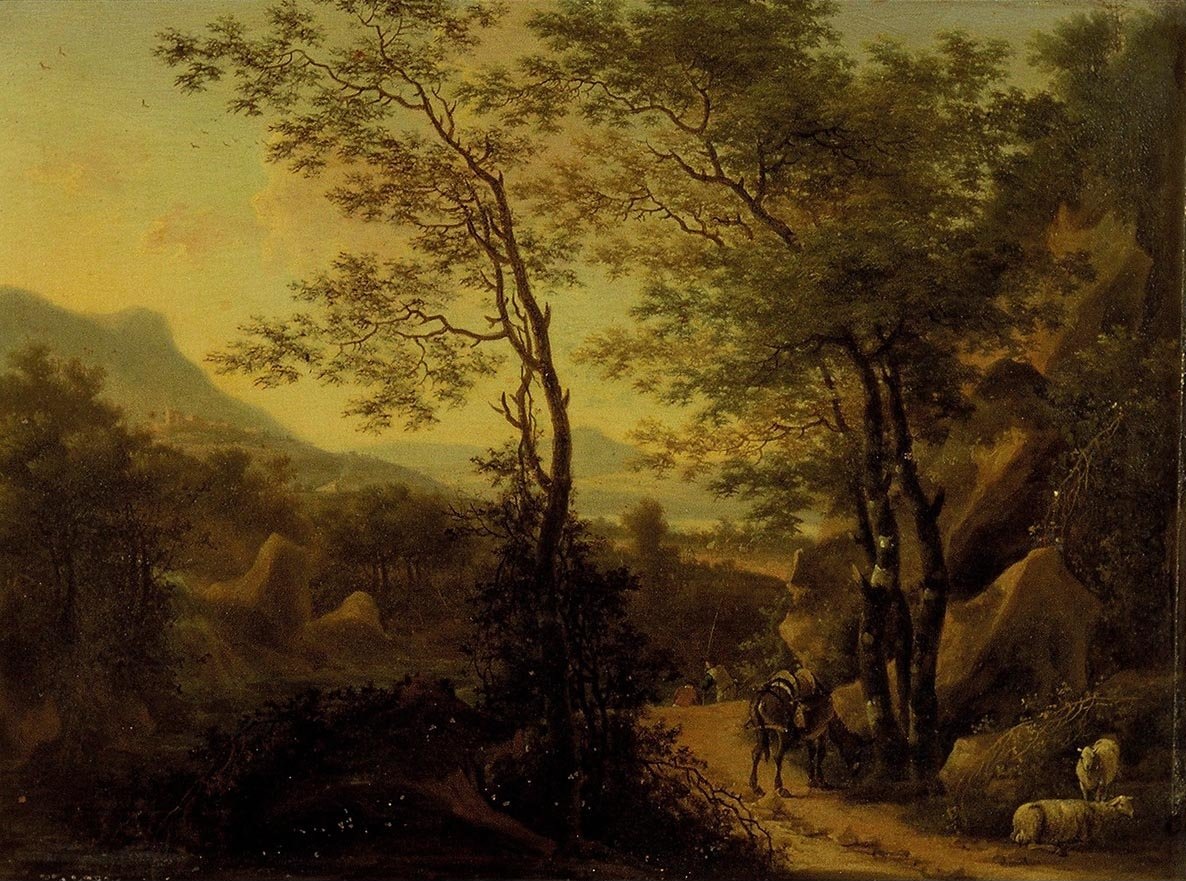
Willem de Heusch is a Dutch landscape painter and printmaker.
Willem de Heusch probably studied under Jan Both, as he later painted and etched entirely in his style. De Heusch signed his paintings with his full name beginning with a monogram.
Willem de Heusch was known for his realistic depictions of Dutch landscapes. He used a naturalistic style in his works that was characterized by his attention to detail and skilful use of light and shade.
Although Heusch's style is identical to Botha's, both masters may have been influenced by Claude Lorrain, whose Arcadian art they imitated, during their travels in Italy. Heusch sometimes sketched landscapes for the battle paintings of Jan Molenard.
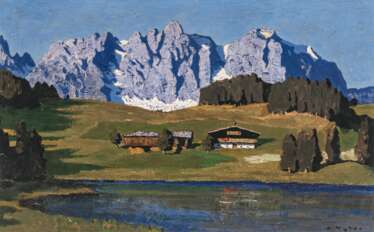

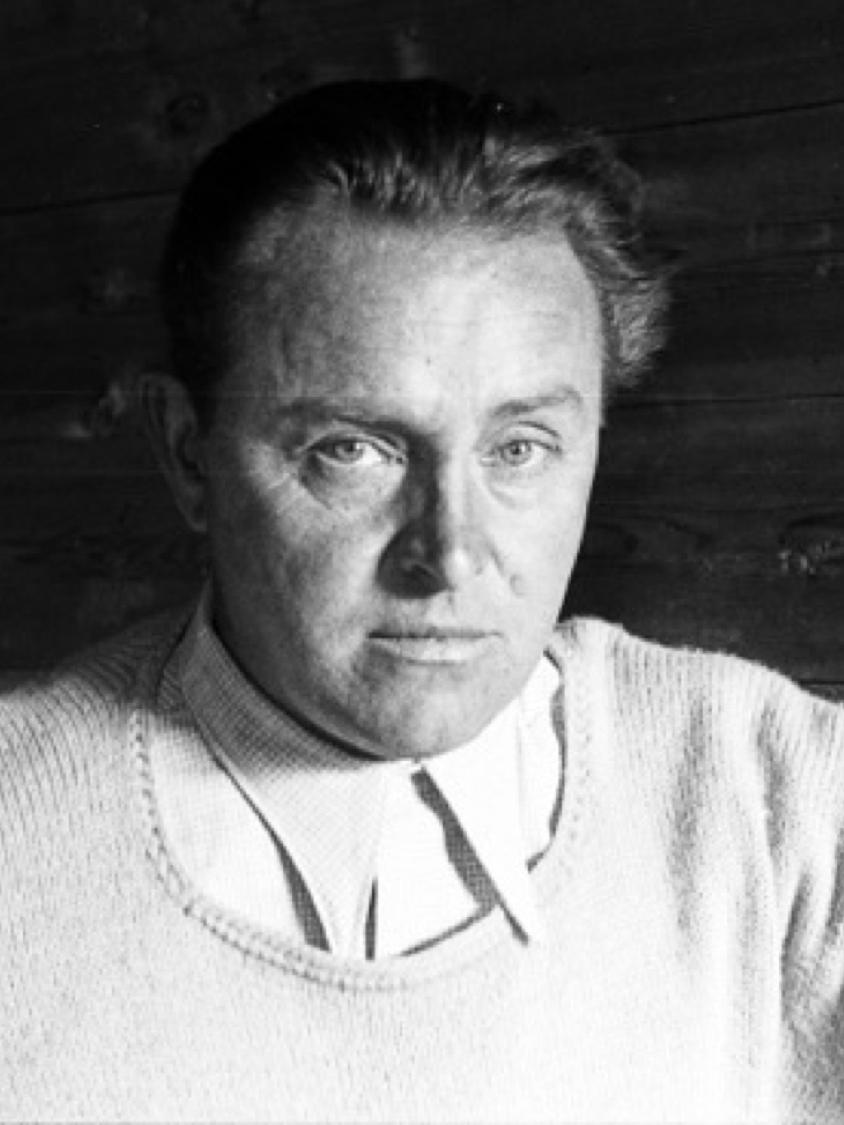
Alfons Walde was an Austrian expressionist painter and architect.
He studied architecture at the Higher Technical School in Vienna, but became interested in painting, found his muse in his native Kitzbühel Alps and became famous for his paintings of their snow-covered slopes and mountain huts. He was particularly fascinated by the dashing skiers of the time. Walde's popularity grew along with the popularity of the ski resort. Walde was also an active graphic artist and designed many posters.
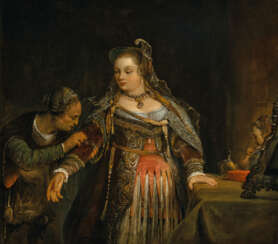

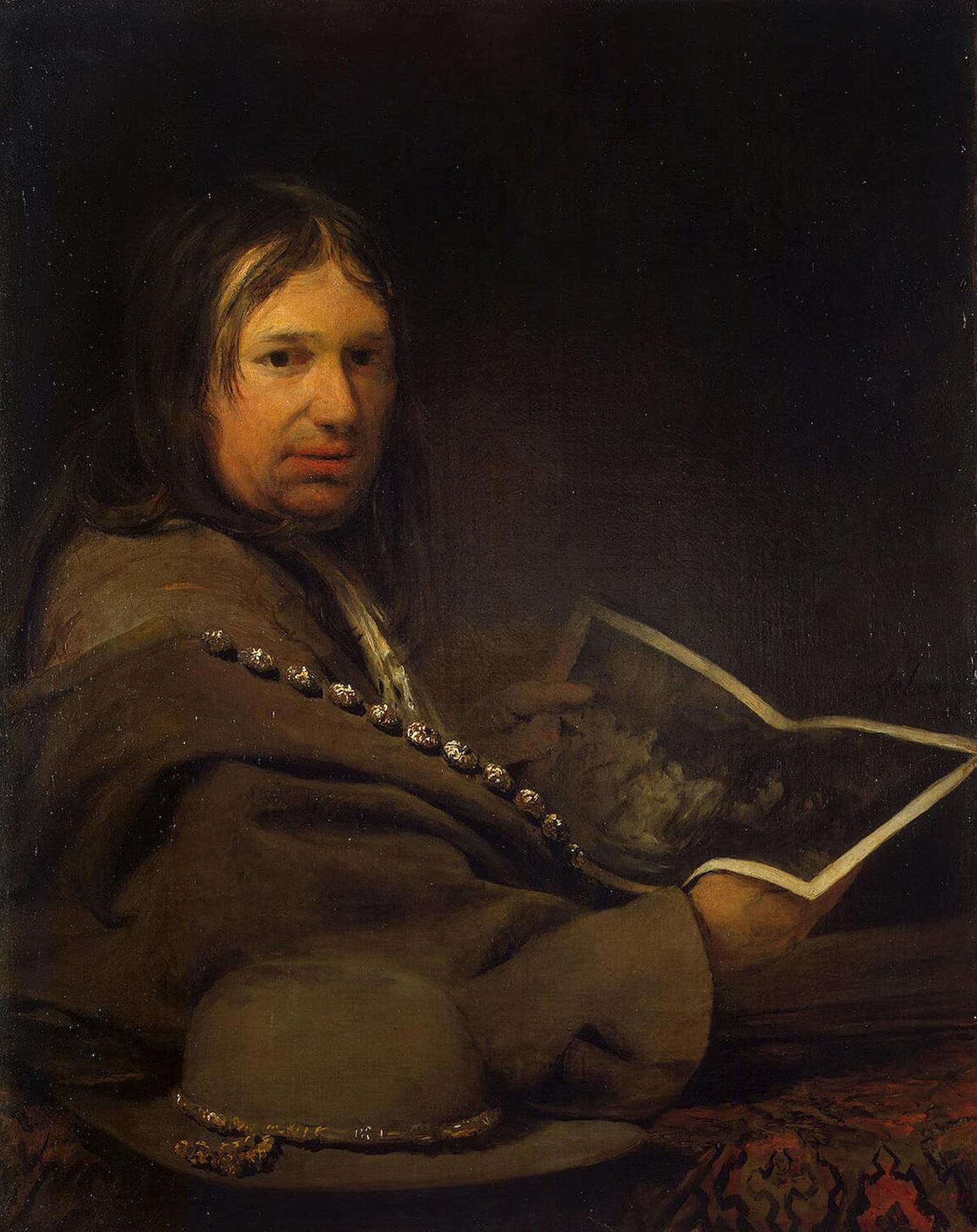
Aert de Gelder was a Dutch painter. He was the only Dutch artist to paint in the tradition of Rembrandt's late style into the 18th century.
As author of biblical scenes and portraits his style was inspired by Rembrandt's, using his artistic ideas, well into the 18th century, without being influenced by contemporary new fashions. From the artistic point of view his work can not be considered as passive imitation of the master; indeed, it stands for inventiveness in the narrative, taste for the theatrical and a strong emotional charge of the characters. All these traits made him one of the most important interpreters of Dutch painting of the late seventeenth century.
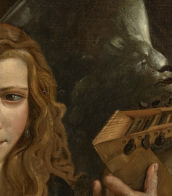
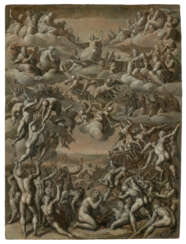

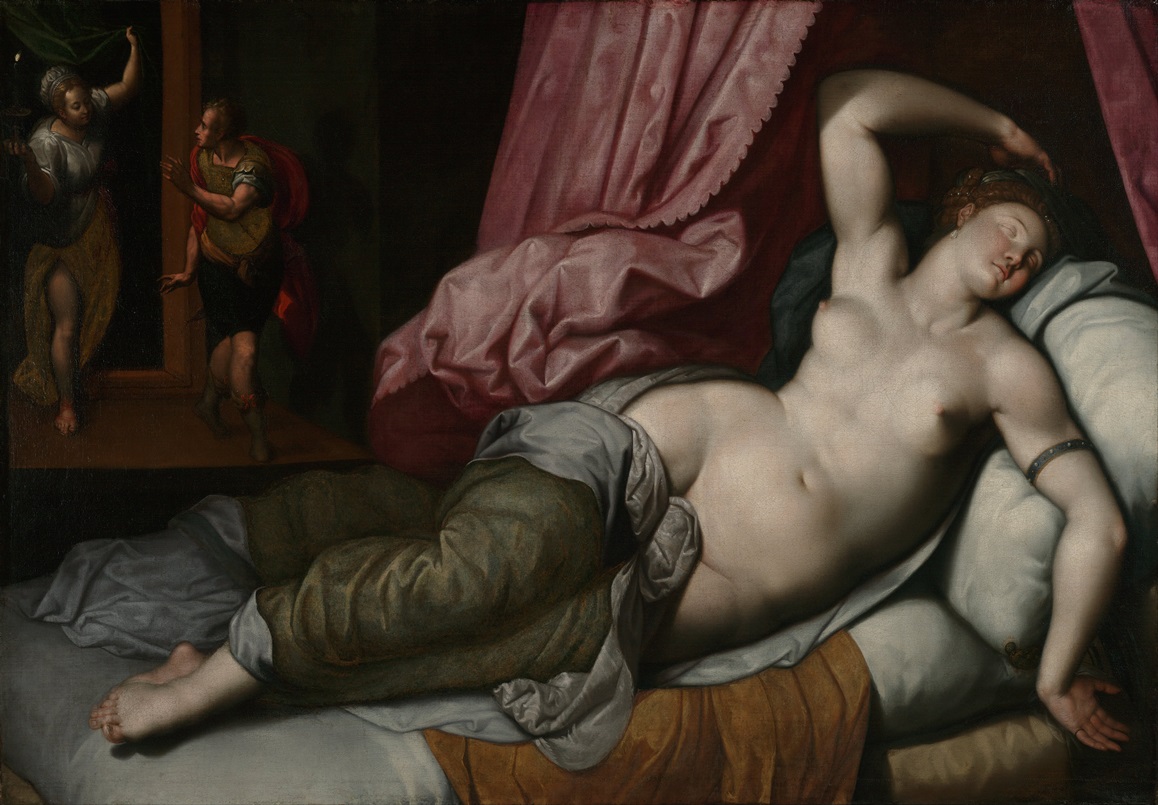
Jacob de Backer was a Flemish painter.
He is known to have worked in Antwerp between about 1571 and 1585 and was a very prolific painter. Many paintings and altarpieces in Antwerp and Italy are signed with his name. Bakker also created many elaborate compositions on allegorical subjects.
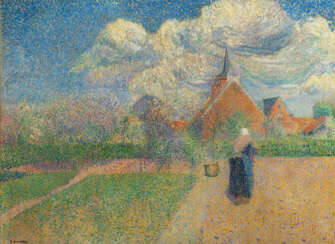

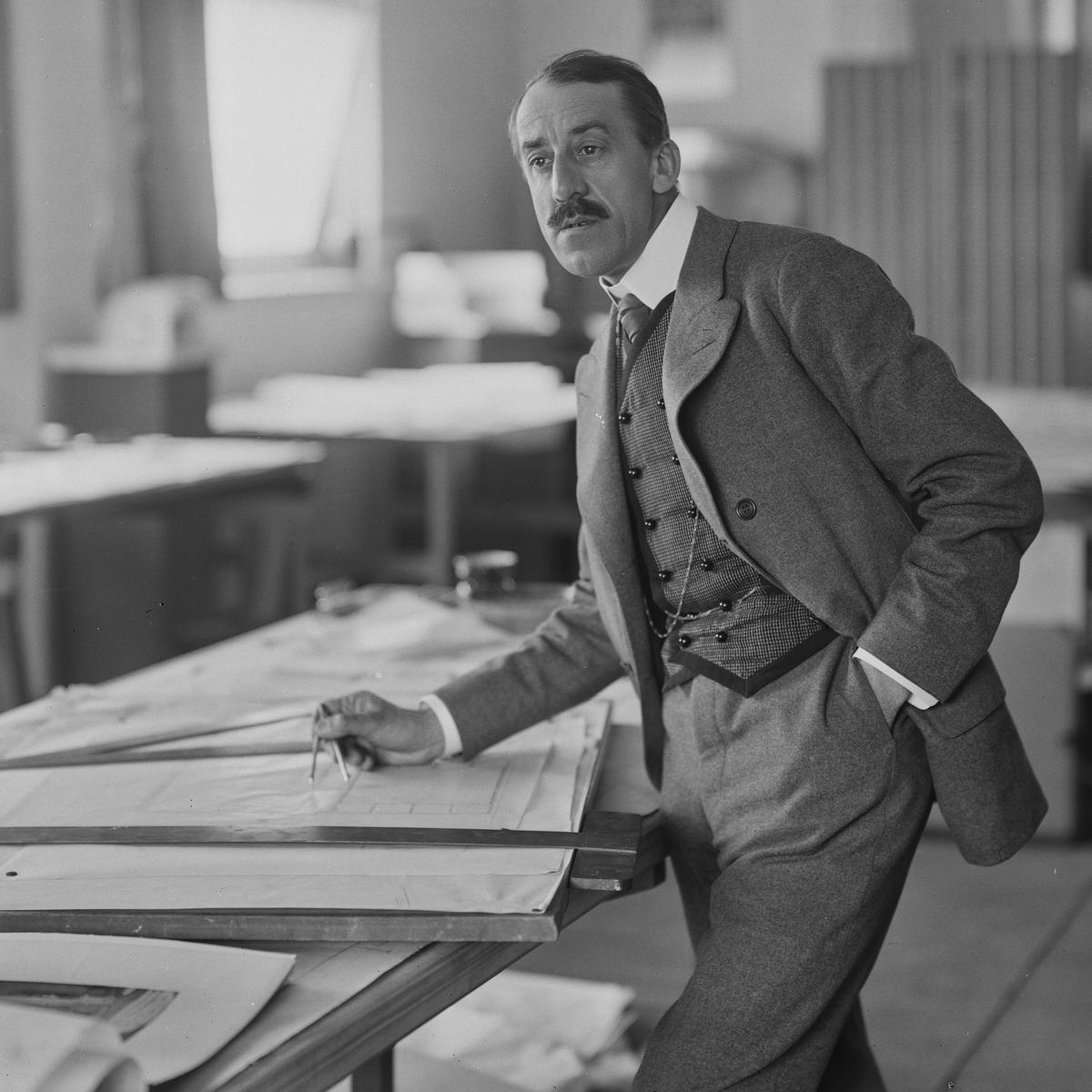
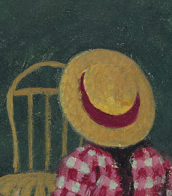
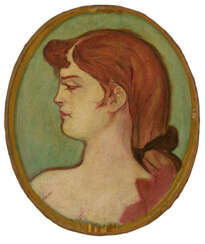

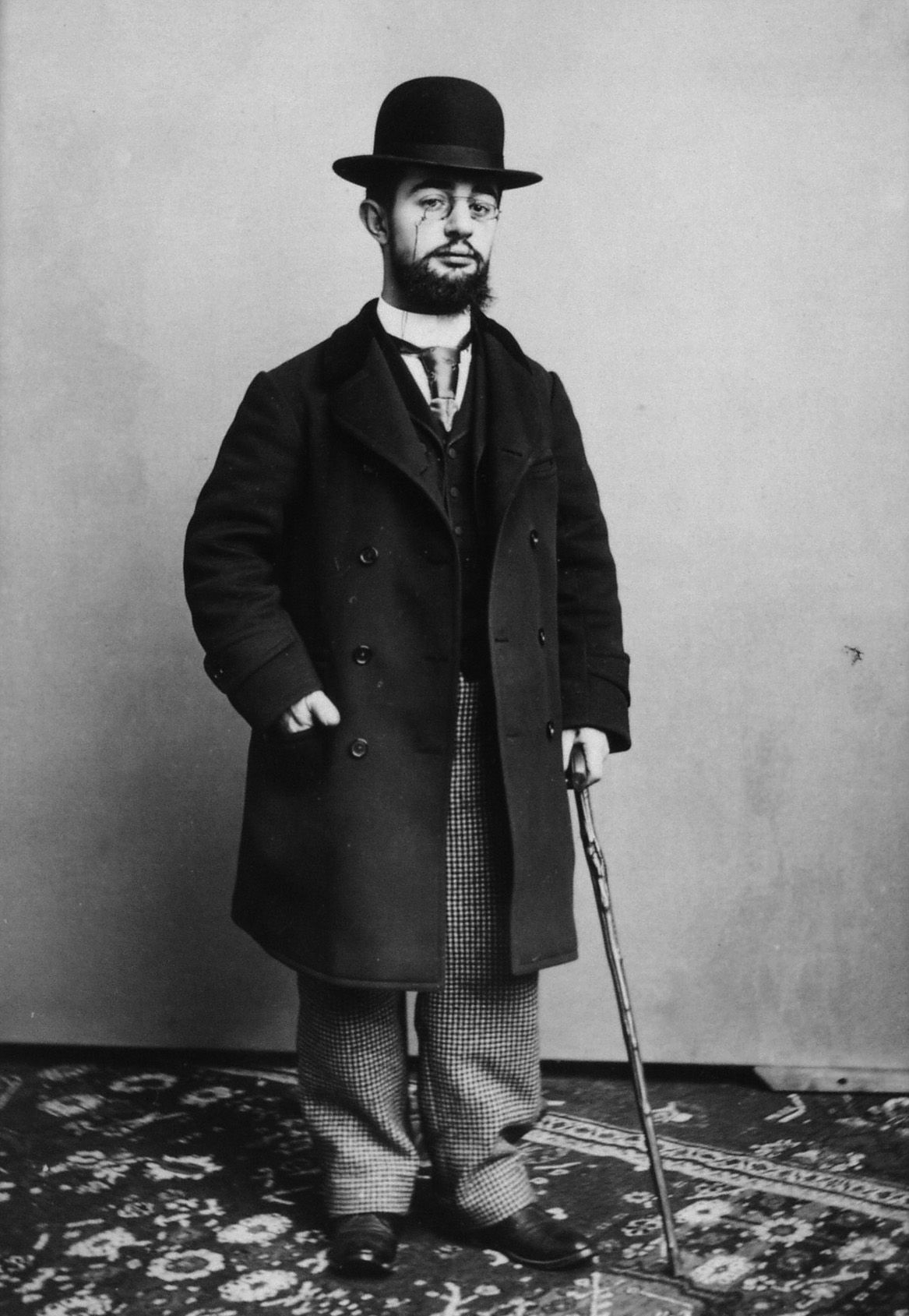
Henri de Toulouse-Lautrec was a distinguished French Post-Impressionist artist, renowned for his deep insights into Parisian nightlife and the world of entertainment in the 1890s. Born into an aristocratic family in Albi, France, Toulouse-Lautrec faced significant health challenges. He suffered from a rare condition, possibly pycnodysostosis, which stunted the growth of his legs following two fractures during his adolescence, leading to a notably short stature as an adult.
Despite his physical limitations, Toulouse-Lautrec immersed himself in art, becoming a key figure in the Post-Impressionist movement alongside artists like Paul Cézanne and Vincent van Gogh. He is particularly celebrated for his vibrant and expressive depictions of the bohemian lifestyle in late 19th-century Paris, often featuring scenes from brothels and nightlife venues. His unique style combined elements of Art Nouveau and lithography, as evidenced in famous works such as "Moulin Rouge: La Goulue" and "At the Moulin Rouge: The Dance".
Toulouse-Lautrec's work offers a window into the Parisian entertainment scene of his time, marked by a vivid use of color and a candid portrayal of his subjects. His ability to capture the essence of Parisian society, from dancers to prostitutes, in an era of great artistic and cultural dynamism, makes his work particularly valuable to art collectors and experts.
For those interested in the art and life of Henri de Toulouse-Lautrec, staying informed about sales and auction events is essential. Sign up for updates to receive the latest news on pieces by Toulouse-Lautrec available for purchase or auction. This subscription focuses exclusively on new product sales and auction events related to Toulouse-Lautrec, ensuring that enthusiasts and collectors don't miss out on any opportunity to acquire pieces from this iconic artist.

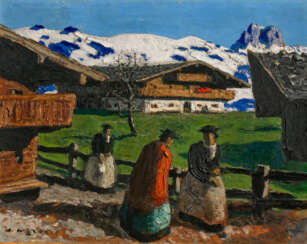

Alfons Walde was an Austrian expressionist painter and architect.
He studied architecture at the Higher Technical School in Vienna, but became interested in painting, found his muse in his native Kitzbühel Alps and became famous for his paintings of their snow-covered slopes and mountain huts. He was particularly fascinated by the dashing skiers of the time. Walde's popularity grew along with the popularity of the ski resort. Walde was also an active graphic artist and designed many posters.
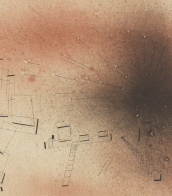
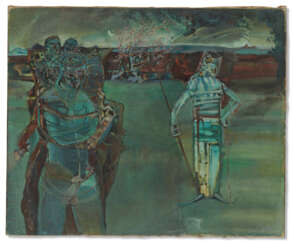

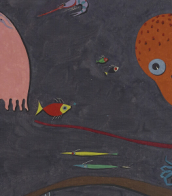
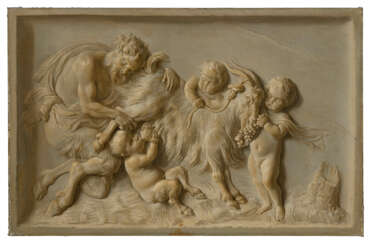

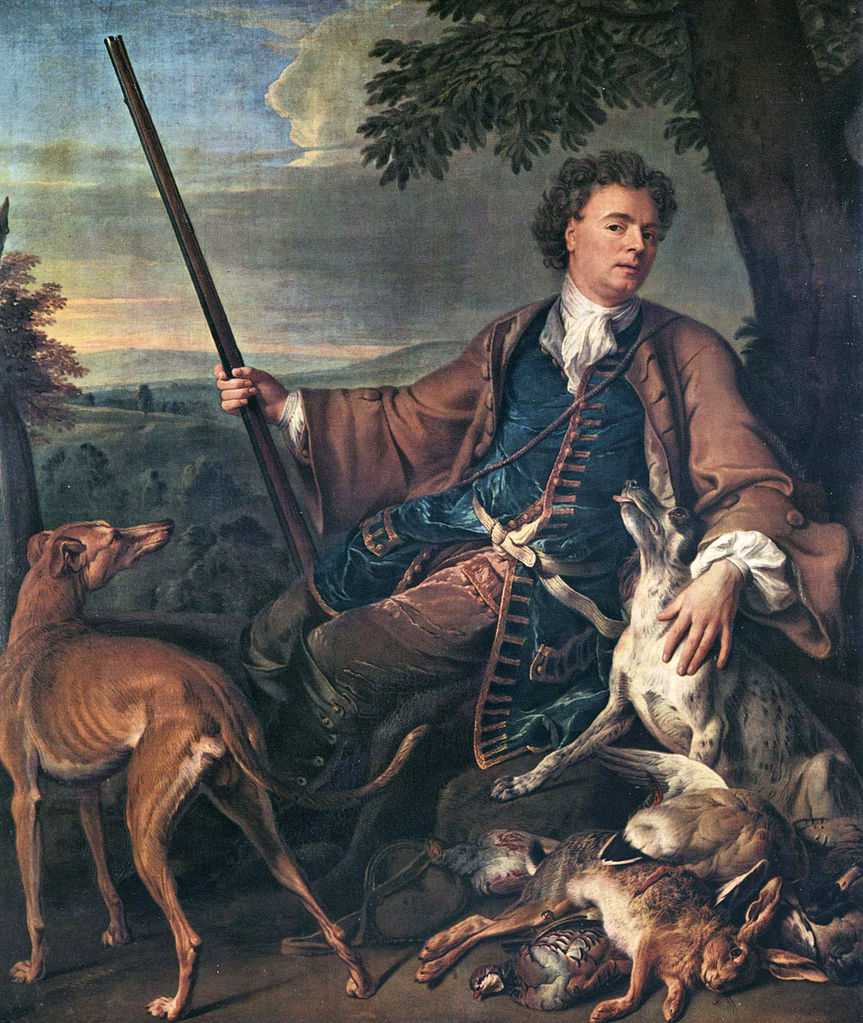
Alexandre-François Desportes was a French painter and decorative designer who specialised in animals.
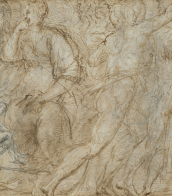
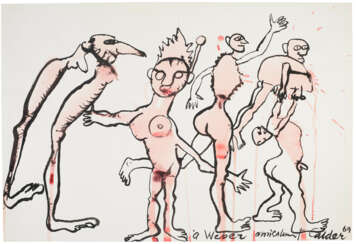

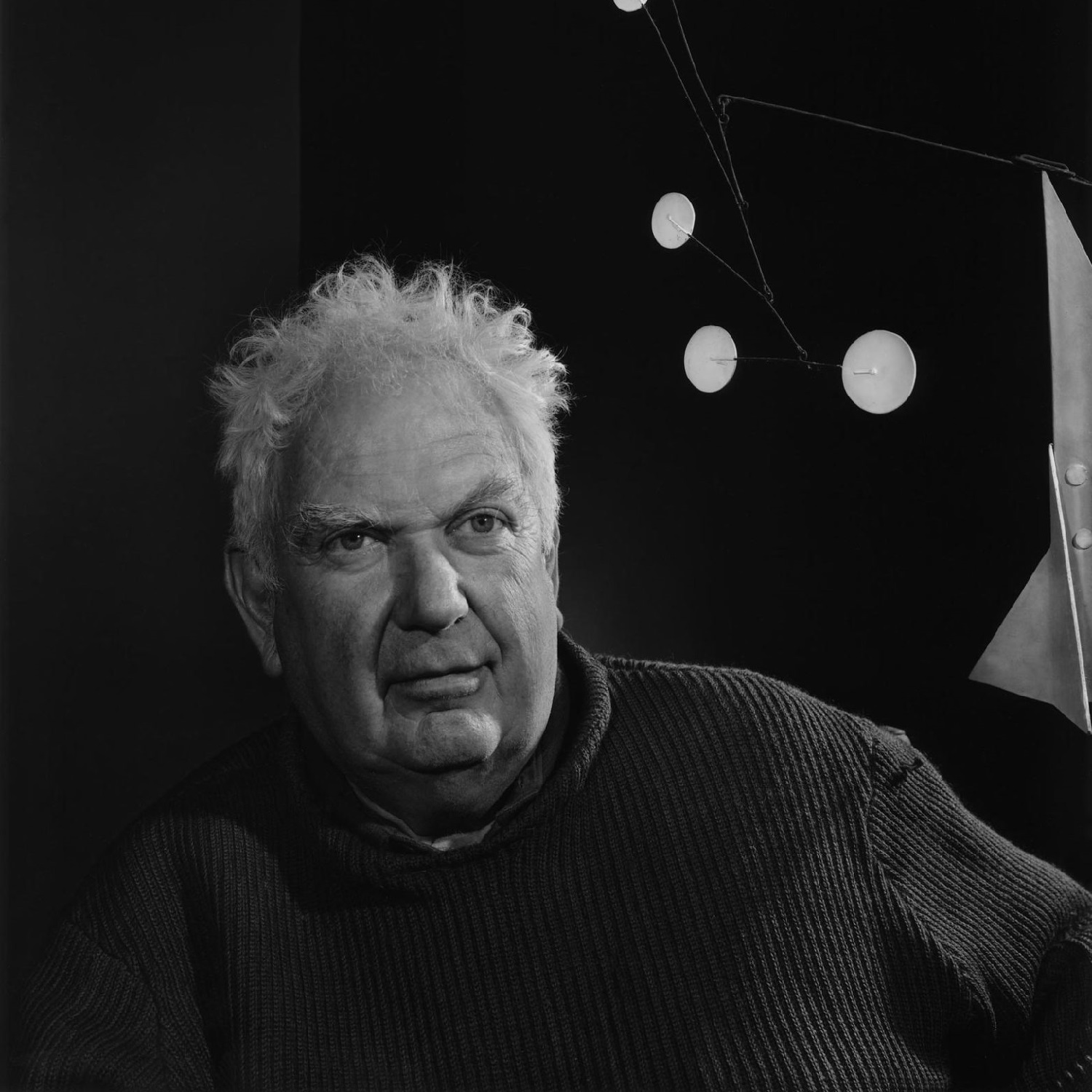
Alexander Calder was an American artist celebrated for his revolutionary contributions to modern sculpture, including his invention of the mobile. Born into a family of artists on July 22, 1898, in Lawnton, Pennsylvania, and passing away on November 11, 1976, in New York, Calder harnessed his background in mechanical engineering to create kinetic sculptures that moved with air currents, alongside his monumental stationary sculptures known as "stabiles".
Calder's early life was marked by his creation of toys and various objects, showcasing his inherent talent and creativity from a young age. Despite initially pursuing a career in mechanical engineering, Calder's true calling in the arts was undeniable. He moved to New York City, where he enrolled at the Art Students League, laying the groundwork for his iconic artistic style. In 1926, Calder relocated to Paris, which became a pivotal moment in his career, leading to the creation of "Calder's Circus," a whimsical assembly of wire figures that gained him entry into the avant-garde art circles of Europe.
Throughout the 1930s and beyond, Calder's work evolved from figurative painting to abstract sculptures that brought motion into the realm of art, a transition influenced by his visit to Piet Mondrian's studio. His innovative mobiles and stabiles were celebrated for their ingenuity and aesthetic appeal, earning Calder international recognition and numerous accolades. Among his well-known public commissions are the .125 mobile for John F. Kennedy Airport and the monumental red-painted steel stabile, "Flamingo," for the Federal Center Plaza in Chicago.
Calder's legacy extends far beyond his sculptures; his work encompassed painting, printmaking, jewelry design, and even set and costume design for theatre productions. His influence on modern art is profound, inspiring future generations of artists to explore the kinetic possibilities of sculpture.
For art enthusiasts and collectors interested in Alexander Calder's groundbreaking work, staying informed about upcoming sales and auctions is essential. Sign up for updates to never miss an opportunity to own a piece by this influential American sculptor, highlighting his unique contributions to the art world.
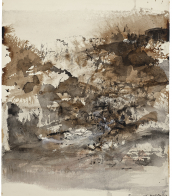


Maurice de Vlaminck was a French artist renowned for his vibrant use of color and contribution to the Fauvist movement. Born in Paris in 1876, Vlaminck's early work was marked by a passionate application of paint and a bold palette, drawing inspiration from Vincent van Gogh and Henri Matisse. His participation in the 1905 Salon d'Automne, alongside other Fauvist painters, was met with critical disdain, leading to the term "fauves" (wild beasts) being coined to describe their unorthodox use of intense color.
Vlaminck's career was characterized by a continuous exploration of color and form. Early on, he depicted scenes of daily life, landscapes, and portraits, imbuing them with a sense of motion through his dynamic brushwork. Notable works from this period include "Sur le zinc" (At the Bar) and "L'homme a la pipe" (Man Smoking a Pipe), which highlighted his departure from traditional portraiture and landscapes towards more expressive and mood-driven compositions. His landscapes, in particular, showcased a disregard for detail in favor of conveying atmosphere, a technique that was revolutionary at the time.
Throughout his life, Vlaminck's style evolved, showing influences from Post-Impressionism and later, a more monochromatic palette reminiscent of Paul Cézanne. Despite this evolution, he maintained a critical stance towards Cubism and its leading figure, Pablo Picasso, believing that Cubism had led French painting into a "wretched dead end". In his later years, Vlaminck's work adopted a darker palette and more naturalistic style, moving away from the Fauvist emphasis on color to explore the dramatic and expressive potential of landscapes and seascapes.
Vlaminck's impact on modern art is undeniable. His works are held in prestigious collections worldwide, including the Hermitage Museum in Saint Petersburg and the Minneapolis Institute of Art, attesting to his enduring influence and the continued fascination with his bold, expressive approach to painting.
For collectors and experts in art and antiques, Vlaminck's oeuvre represents a pivotal moment in the history of modern art, where the emotional intensity and visual impact of color were explored as never before. To stay informed on new product sales and auction events related to Maurice de Vlaminck, signing up for updates is recommended, offering exclusive insights into the vibrant world of Fauvism and modernist painting.
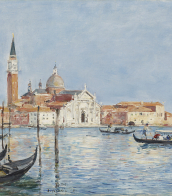
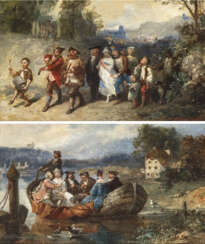


François-Louis Lanfant de Metz was a French genre painter and portraitist.
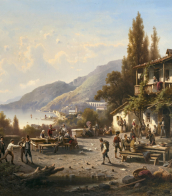
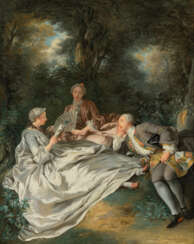

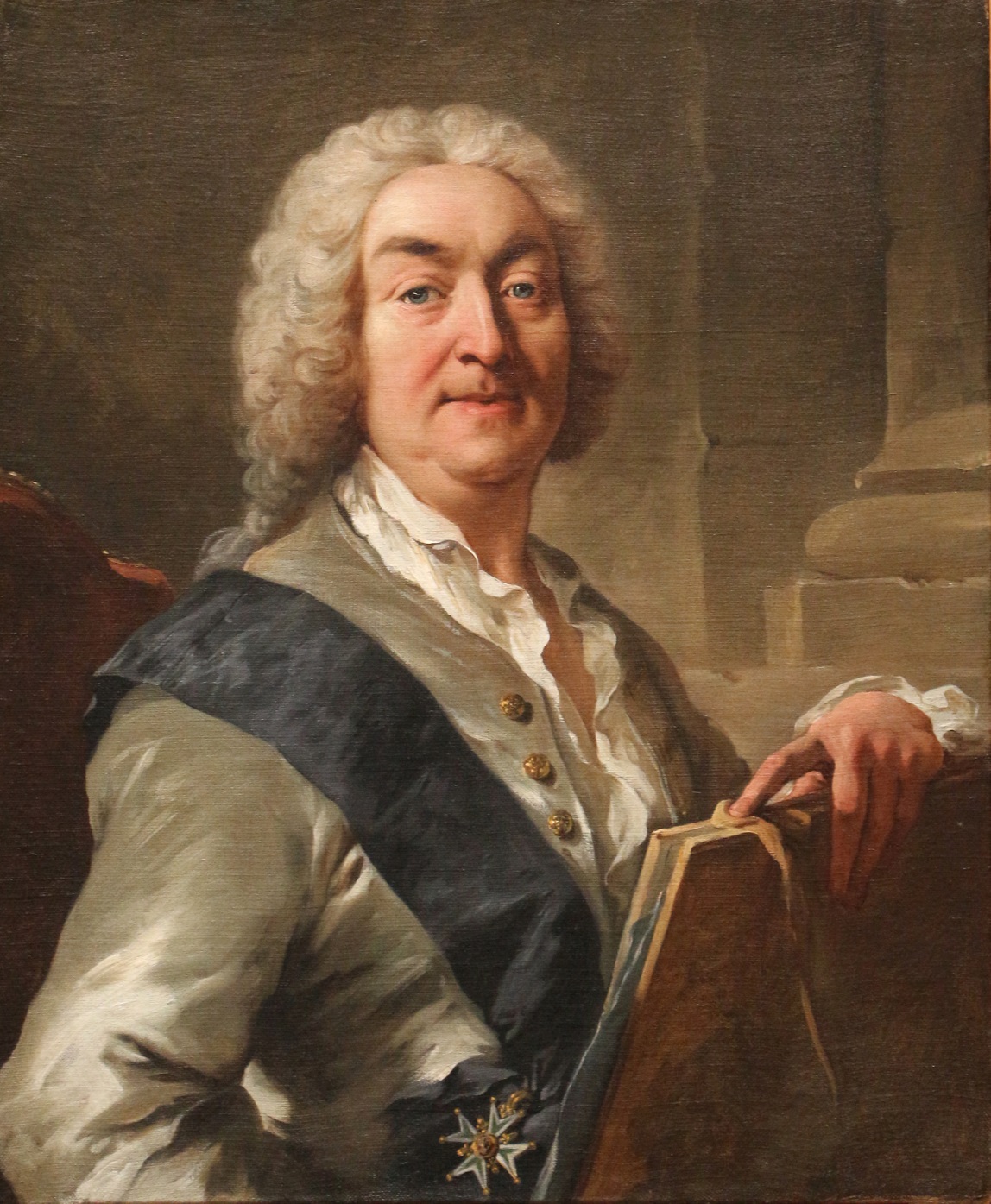
Jean-François de Troy was a French Rococo easel and fresco painter, draughtsman and tapestry designer. One of France's leading history painters in his time, he was equally successful with his decorative paintings, genre scenes and portraits. He was the inventor of the tableaux de modes ('paintings of fashions'), which attempted to provide a spirited portrayal of contemporary fashions, pastimes and manners.
He was the Director of the French Academy in Rome from 1738.


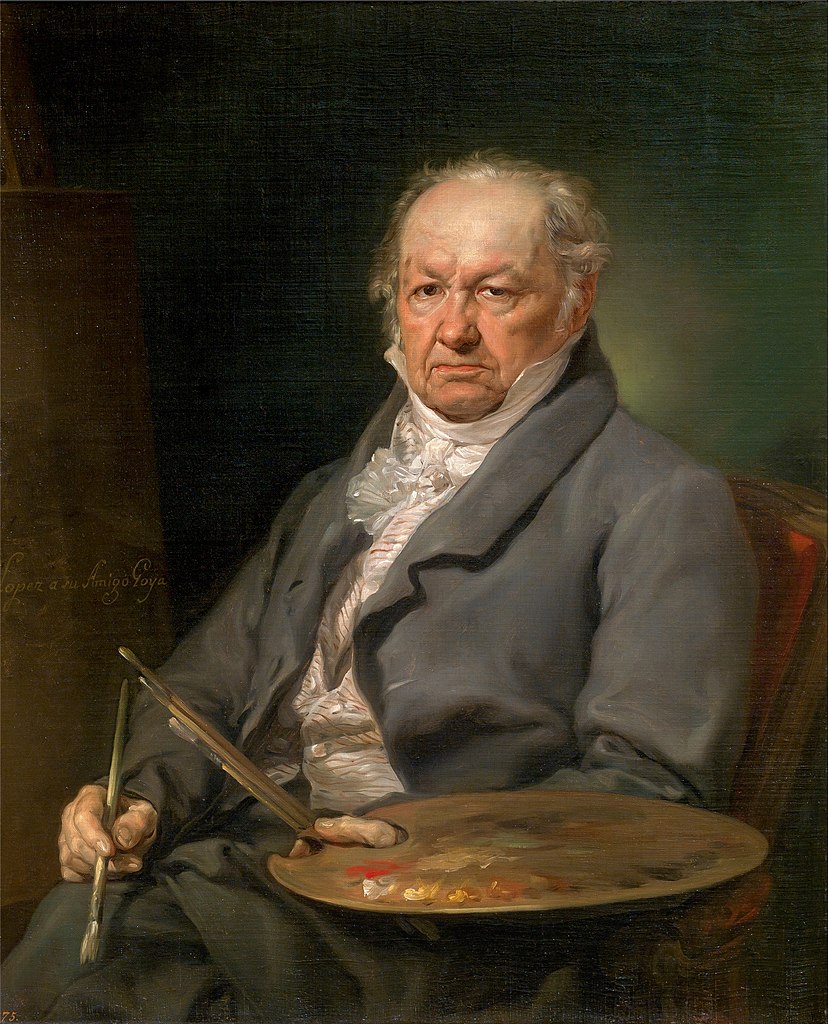
Francisco José de Goya y Lucientes was a Spanish romantic painter and printmaker, celebrated as the most pivotal Spanish artist of the late 18th and early 19th centuries. Born in Fuendetodos, Aragon, Spain, on March 30, 1746, Goya's work reflects a tumultuous period of history, intertwining the personal, political, and social upheavals of his time with a bold and innovative artistic vision. His early career was marked by portraits of the Spanish aristocracy and royalty, as well as Rococo style tapestry cartoons for the royal palace. However, following a severe illness in 1793 that left him deaf, his art took on a darker and more pessimistic tone.
Goya's oeuvre is vast, encompassing around 700 paintings, 280 prints, and several thousand drawings, through which he depicted a wide range of subjects from the whimsical to the macabre. Notable among his works are "The Naked Maja," "The Clothed Maja," "The Family of Charles IV," "The Third of May 1808: The Execution of the Defenders of Madrid," and "Saturn Eating His Children." His etchings, particularly the series "Los Caprichos" and "The Disasters of War," are celebrated for their intricate detail, emotional depth, and critical social commentary.
Goya's contribution to art goes beyond his mastery of painting and printmaking. He is often considered the bridge between the Old Masters and modern art, introducing themes and techniques that would influence countless artists in the centuries to follow. His ability to capture the essence of his era, the human condition, and the complexities of his own psyche, makes his work universally relatable and enduringly relevant.
His most famous paintings are housed in prestigious museums worldwide, including the Museo del Prado in Madrid, which holds an extensive collection of his works. The Prado's collection serves as a testament to Goya's significant impact on art and culture, offering insight into the artist's unique perspective on the world around him.
For collectors and experts in art and antiques, Francisco de Goya's legacy is a beacon of artistic innovation and historical significance. His works not only adorn the walls of museums but also continue to inspire and provoke thought among audiences across the globe.
For updates related to Francisco de Goya, including new product sales and auction events related to his works, sign up for our newsletter. Stay informed on the latest offerings and opportunities to add to your collection of this legendary artist's works.



Maurice de Vlaminck was a French artist renowned for his vibrant use of color and contribution to the Fauvist movement. Born in Paris in 1876, Vlaminck's early work was marked by a passionate application of paint and a bold palette, drawing inspiration from Vincent van Gogh and Henri Matisse. His participation in the 1905 Salon d'Automne, alongside other Fauvist painters, was met with critical disdain, leading to the term "fauves" (wild beasts) being coined to describe their unorthodox use of intense color.
Vlaminck's career was characterized by a continuous exploration of color and form. Early on, he depicted scenes of daily life, landscapes, and portraits, imbuing them with a sense of motion through his dynamic brushwork. Notable works from this period include "Sur le zinc" (At the Bar) and "L'homme a la pipe" (Man Smoking a Pipe), which highlighted his departure from traditional portraiture and landscapes towards more expressive and mood-driven compositions. His landscapes, in particular, showcased a disregard for detail in favor of conveying atmosphere, a technique that was revolutionary at the time.
Throughout his life, Vlaminck's style evolved, showing influences from Post-Impressionism and later, a more monochromatic palette reminiscent of Paul Cézanne. Despite this evolution, he maintained a critical stance towards Cubism and its leading figure, Pablo Picasso, believing that Cubism had led French painting into a "wretched dead end". In his later years, Vlaminck's work adopted a darker palette and more naturalistic style, moving away from the Fauvist emphasis on color to explore the dramatic and expressive potential of landscapes and seascapes.
Vlaminck's impact on modern art is undeniable. His works are held in prestigious collections worldwide, including the Hermitage Museum in Saint Petersburg and the Minneapolis Institute of Art, attesting to his enduring influence and the continued fascination with his bold, expressive approach to painting.
For collectors and experts in art and antiques, Vlaminck's oeuvre represents a pivotal moment in the history of modern art, where the emotional intensity and visual impact of color were explored as never before. To stay informed on new product sales and auction events related to Maurice de Vlaminck, signing up for updates is recommended, offering exclusive insights into the vibrant world of Fauvism and modernist painting.


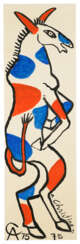

Alexander Calder was an American artist celebrated for his revolutionary contributions to modern sculpture, including his invention of the mobile. Born into a family of artists on July 22, 1898, in Lawnton, Pennsylvania, and passing away on November 11, 1976, in New York, Calder harnessed his background in mechanical engineering to create kinetic sculptures that moved with air currents, alongside his monumental stationary sculptures known as "stabiles".
Calder's early life was marked by his creation of toys and various objects, showcasing his inherent talent and creativity from a young age. Despite initially pursuing a career in mechanical engineering, Calder's true calling in the arts was undeniable. He moved to New York City, where he enrolled at the Art Students League, laying the groundwork for his iconic artistic style. In 1926, Calder relocated to Paris, which became a pivotal moment in his career, leading to the creation of "Calder's Circus," a whimsical assembly of wire figures that gained him entry into the avant-garde art circles of Europe.
Throughout the 1930s and beyond, Calder's work evolved from figurative painting to abstract sculptures that brought motion into the realm of art, a transition influenced by his visit to Piet Mondrian's studio. His innovative mobiles and stabiles were celebrated for their ingenuity and aesthetic appeal, earning Calder international recognition and numerous accolades. Among his well-known public commissions are the .125 mobile for John F. Kennedy Airport and the monumental red-painted steel stabile, "Flamingo," for the Federal Center Plaza in Chicago.
Calder's legacy extends far beyond his sculptures; his work encompassed painting, printmaking, jewelry design, and even set and costume design for theatre productions. His influence on modern art is profound, inspiring future generations of artists to explore the kinetic possibilities of sculpture.
For art enthusiasts and collectors interested in Alexander Calder's groundbreaking work, staying informed about upcoming sales and auctions is essential. Sign up for updates to never miss an opportunity to own a piece by this influential American sculptor, highlighting his unique contributions to the art world.



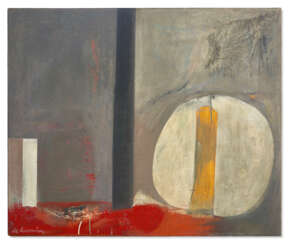

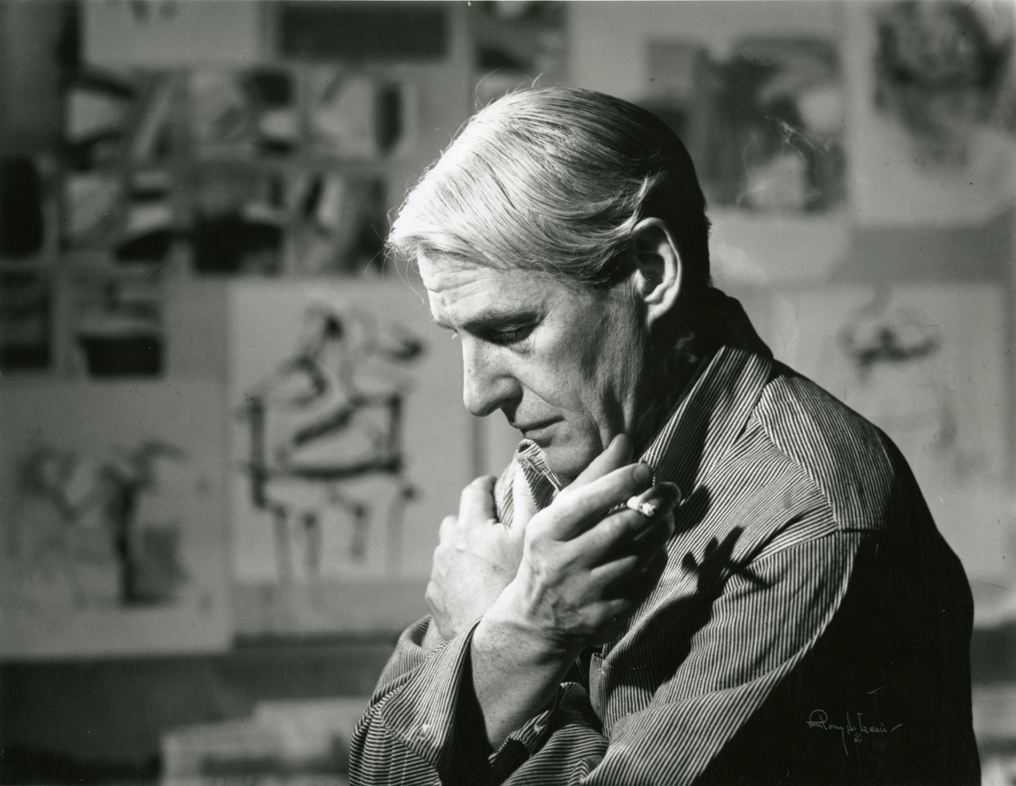
Willem de Kooning was a Dutch-American abstract expressionist painter. Born in Rotterdam, Netherlands, he moved to the United States in 1926, becoming a U.S. citizen in 1962. He was a leading figure in the Abstract Expressionism movement, known for his dramatic and often energetic style. He gained prominence between 1948 and 1953, creating some of his most iconic works, including the Woman series.
De Kooning's paintings combined abstraction with elements of Cubism, Surrealism, and Expressionism. His style evolved over time, with works that ranged from figurative to more abstract pieces. Among his most notable works are "Woman I" (1950-52) and "Excavation" (1950), which reflect his unique approach to painting, characterized by vigorous brushstrokes, bold colors, and complex textures.
Despite his success, de Kooning faced challenges, including personal struggles with alcoholism and deteriorating health due to Alzheimer's disease in his later years. His artwork has had a lasting impact on modern art, and his pieces can be found in major museums and galleries worldwide, such as the Museum of Modern Art (MoMA) and the Smithsonian American Art Museum.
Stay updated on new releases and auction events featuring works by Willem de Kooning by signing up for our exclusive email notifications. Get insider information and never miss a chance to add to your art collection.
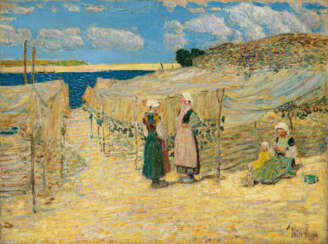

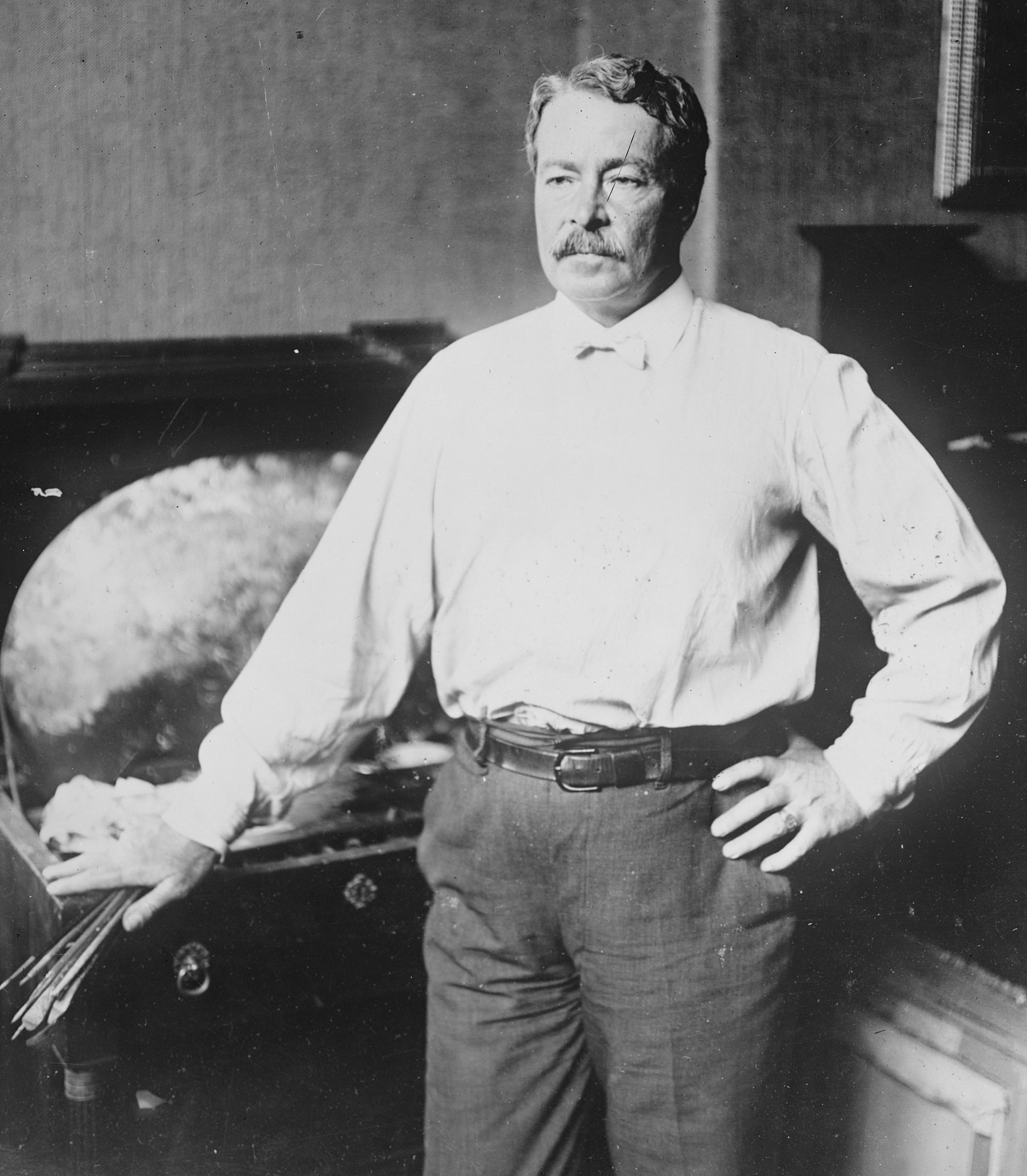
Frederick Childe Hassam was an American Impressionist painter, celebrated for his urban and coastal scenes. Born on October 17, 1859, in Dorchester, Massachusetts, Hassam was a pivotal figure in introducing French Impressionism to the American art scene. His prolific output includes over 3,000 works ranging from oils and watercolors to etchings and lithographs.
Hassam's technique was characterized by the use of light and vibrant colors, often focusing on bustling cityscapes and tranquil New England coastlines. He spent significant periods in Europe, particularly Paris, where he absorbed elements of the avant-garde styles of the time. Despite this, he often emphasized a connection to English landscape traditions over French ones.
Some of his most acclaimed works capture the essence of places like the Isles of Shoals in Maine and East Hampton in Long Island, where he later made his summer home. These settings often featured in his paintings, reflecting the picturesque and serene landscapes that contrasted with his urban subjects.
Hassam's legacy includes his influence on American collectors and institutions, helping to cultivate a taste for Impressionism in the United States. His works are held in major museums, including the Metropolitan Museum of Art and the Museum of Modern Art, ensuring his continued recognition as a key figure in American art history.
For those interested in exploring more about Hassam's life and works, signing up for updates on exhibitions and sales can provide valuable insights into his contributions to Impressionism. Subscribe for updates on new collections and auction events related to Frederick Childe Hassam's artworks.


_-_(by_Lodewijk_van_der_Helst,_1672).jpg)
Willem van de Velde the Younger was a Dutch marine painter from the van de Velde dynasty of artists.
Willem van de Velde the Younger is famous for his paintings depicting the calm sea with a magical reflection of the water surface and sea battles. His works are held in London's National Gallery and private English collections, Amsterdam's Rijksmuseum, The Hague, Berlin, Munich, Vienna and Paris. There are three paintings by Willem van de Velde the Younger in the Hermitage. In addition to paintings, he left many drawings, the number of which exceeds 8,000.


Willem van de Velde the Younger was a Dutch marine painter from the van de Velde dynasty of artists.
Willem van de Velde the Younger is famous for his paintings depicting the calm sea with a magical reflection of the water surface and sea battles. His works are held in London's National Gallery and private English collections, Amsterdam's Rijksmuseum, The Hague, Berlin, Munich, Vienna and Paris. There are three paintings by Willem van de Velde the Younger in the Hermitage. In addition to paintings, he left many drawings, the number of which exceeds 8,000.
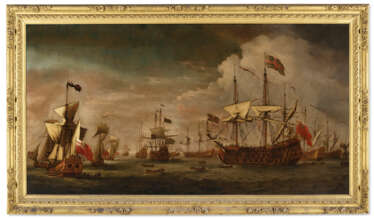

Willem van de Velde the Younger was a Dutch marine painter from the van de Velde dynasty of artists.
Willem van de Velde the Younger is famous for his paintings depicting the calm sea with a magical reflection of the water surface and sea battles. His works are held in London's National Gallery and private English collections, Amsterdam's Rijksmuseum, The Hague, Berlin, Munich, Vienna and Paris. There are three paintings by Willem van de Velde the Younger in the Hermitage. In addition to paintings, he left many drawings, the number of which exceeds 8,000.
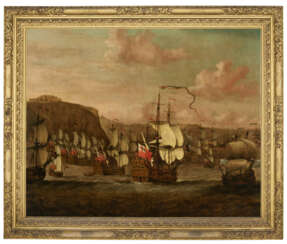

Willem van de Velde the Younger was a Dutch marine painter from the van de Velde dynasty of artists.
Willem van de Velde the Younger is famous for his paintings depicting the calm sea with a magical reflection of the water surface and sea battles. His works are held in London's National Gallery and private English collections, Amsterdam's Rijksmuseum, The Hague, Berlin, Munich, Vienna and Paris. There are three paintings by Willem van de Velde the Younger in the Hermitage. In addition to paintings, he left many drawings, the number of which exceeds 8,000.
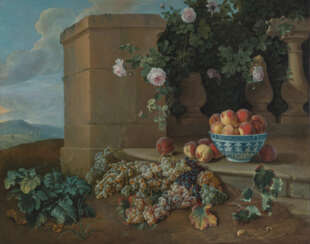

Alexandre-François Desportes was a French painter and decorative designer who specialised in animals.
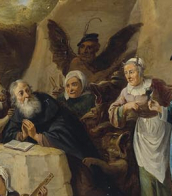
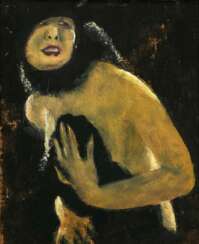

Alfons Walde was an Austrian expressionist painter and architect.
He studied architecture at the Higher Technical School in Vienna, but became interested in painting, found his muse in his native Kitzbühel Alps and became famous for his paintings of their snow-covered slopes and mountain huts. He was particularly fascinated by the dashing skiers of the time. Walde's popularity grew along with the popularity of the ski resort. Walde was also an active graphic artist and designed many posters.