810 Items by auctions and galleries:
handzeichnungen
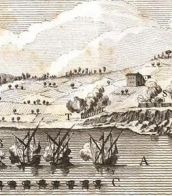
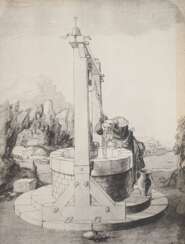

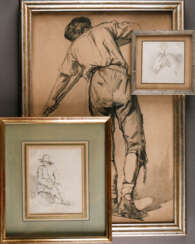




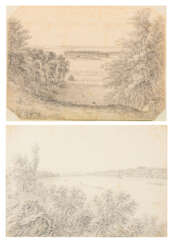

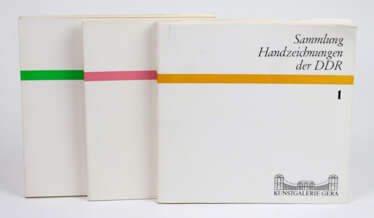

Lot 51 Handzeichnungen DDR
111th auction - art, antiques, miscellaneous - 2 days January 14/15, 2022 
Auktionshaus Bossard Im Rittergut am Barockschloss Lichtenwalde
111th auction - art, antiques, miscellaneous - 2 days January 14/15, 2022
Date: 14.01.2022 10:00 UTC +02:00
Number of lots in the catalog: 2759
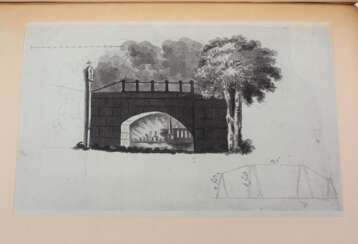

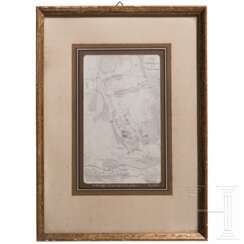
Lot 290 Handzeichnungen E.T.A. Hoffmann
111th auction - art, antiques, miscellaneous - 2 days January 14/15, 2022
Auktionshaus Bossard Im Rittergut am Barockschloss Lichtenwalde
111th auction - art, antiques, miscellaneous - 2 days January 14/15, 2022
Date: 14.01.2022 10:00 UTC +02:00
Number of lots in the catalog: 2759
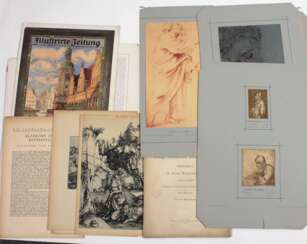

Lot 419 Mappe Handzeichnungen und Beigaben
111th auction - art, antiques, miscellaneous - 2 days January 14/15, 2022
Auktionshaus Bossard Im Rittergut am Barockschloss Lichtenwalde
111th auction - art, antiques, miscellaneous - 2 days January 14/15, 2022
Date: 14.01.2022 10:00 UTC +02:00
Number of lots in the catalog: 2759
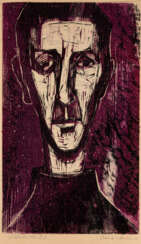

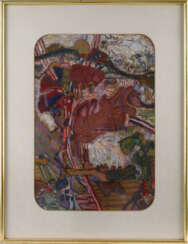
Lot 109 MARIA BEINE-HAGER KONVOLT VON 8 GRAFIKEN UND HANDZEICHNUNGEN
Maria Beine-Hager (1919 - 1991) 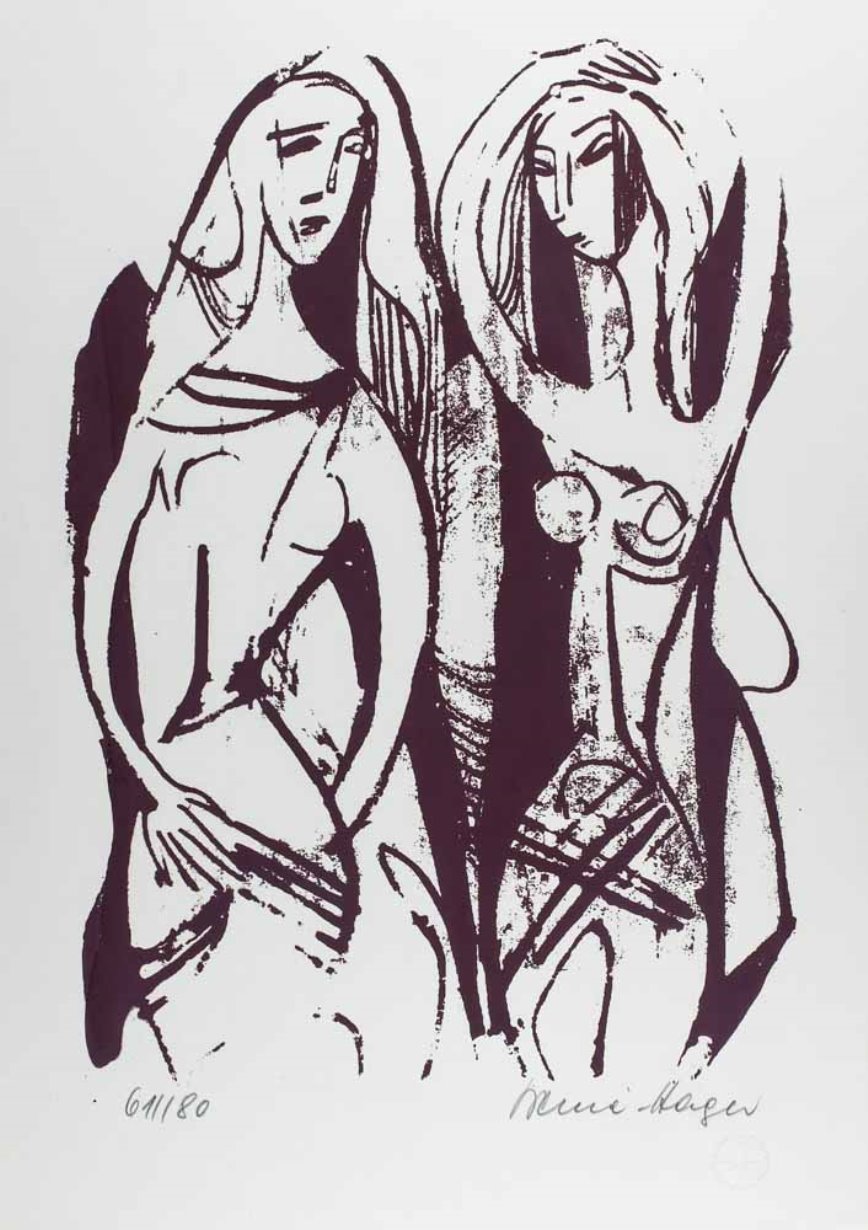 129: Modern Kunst
Maria Beine-Hager
1919 - 1991
Germany
Maria Beine-Hager was a German artist and graphic artist.
She was brought up in a convent, was widowed early and later worked as a Red Cross nurse before beginning her artistic education in postwar Germany under Soviet academy professor Leonid Bordyuk and graphic artist Norbert Hochsiedler. Beine-Hager subsequently attended the Oskar Kokoschka International Summer Academy in Salzburg and established herself as a thoughtful graphic artist and painter at exhibitions at home and abroad.
Maria Beine-Hager's art has both strong religious and political undertones.
Hargesheimer Kunstauktionen Düsseldorf
129: Modern Kunst
Date: 03.06.2023 10:00 UTC +02:00
Number of lots in the catalog: 718
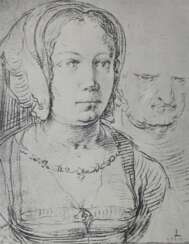

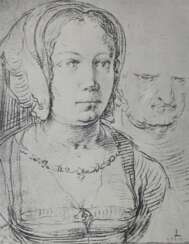

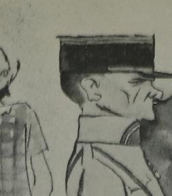
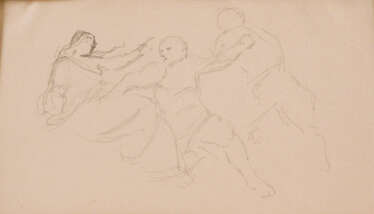

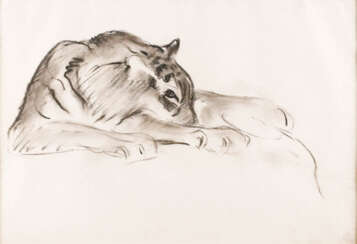

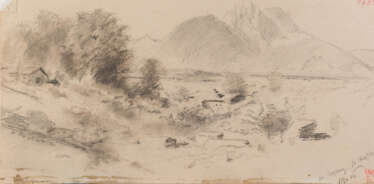

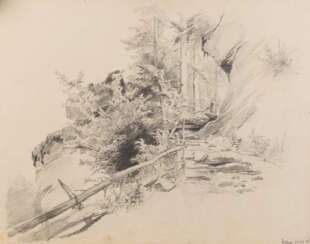

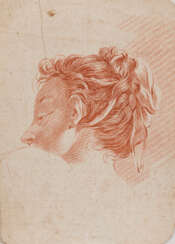

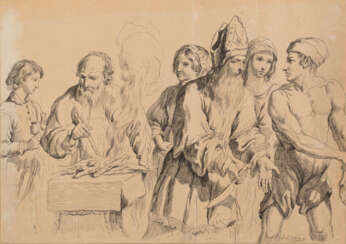

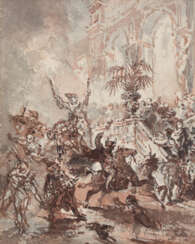



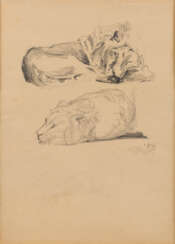

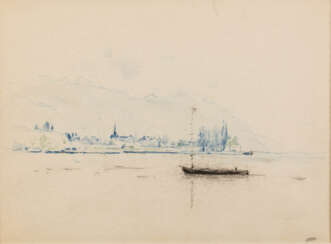

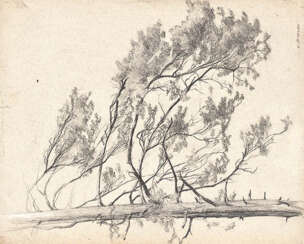


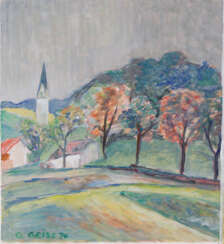



Lot 2176 "Erster Unterricht im freien Handzeichnen in Umrissen", 8 Hefte
A100: Toys, metalwork, books, graphics, miscellaneous items, sculptures, Bauhaus, furniture 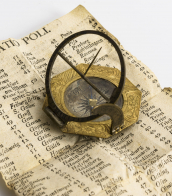
Kunst-Auktionshaus Wendl
A100: Toys, metalwork, books, graphics, miscellaneous items, sculptures, Bauhaus, furniture
Date: 25.06.2021 09:00 UTC +02:00
Number of lots in the catalog: 1100


Lot 83 Konvolut aus vier Druckgrafiken und einer Handzeichnung: "Der College", "Aus einem fränkischen Städtchen", "Jan der Spassmacher", "Der Bettler" und "Hafenarbeiter"
Friedrich Kallmorgen (1856 - 1924) 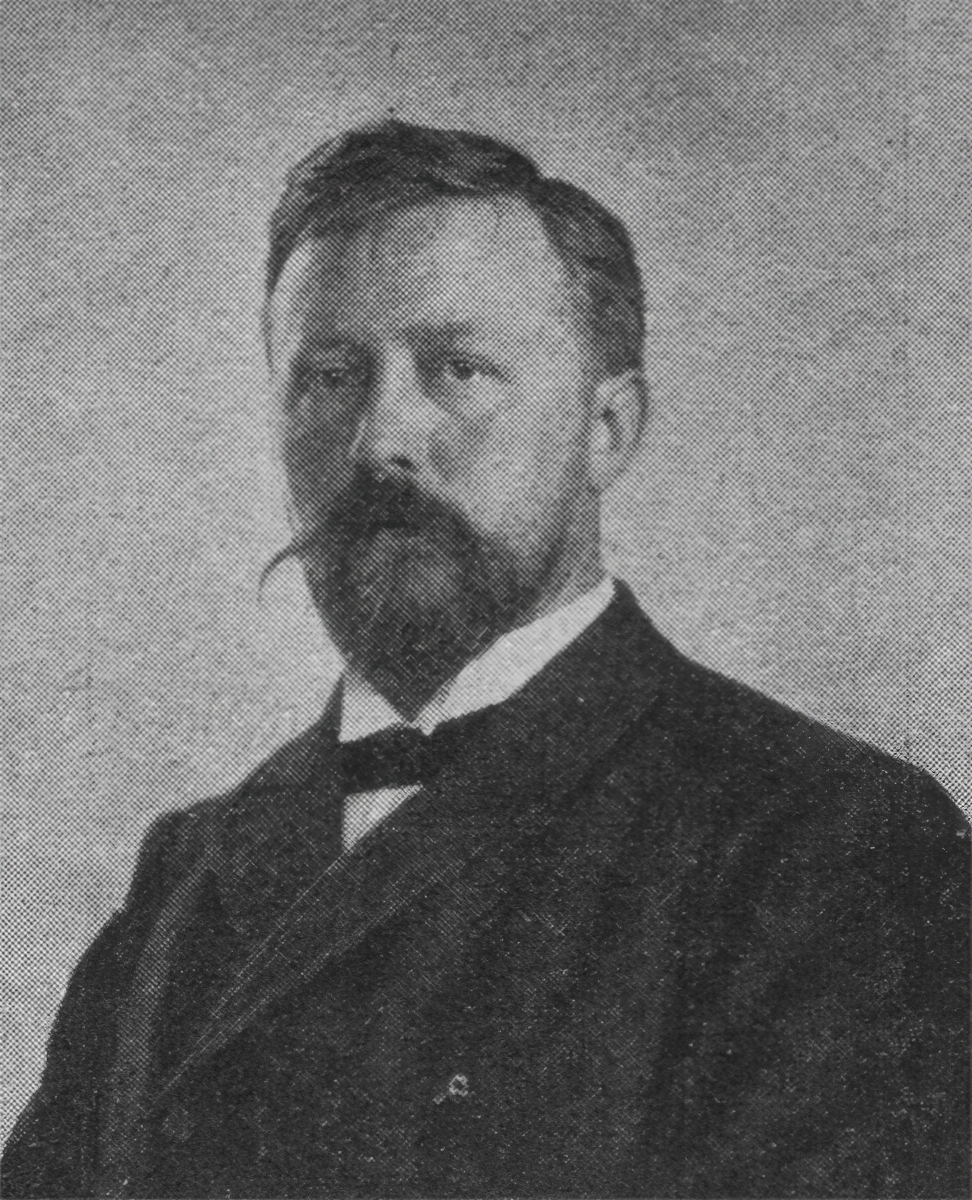 Kallmorgen: Drawings, Prints & Paintings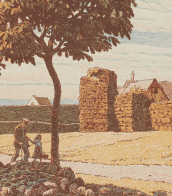
Friedrich Kallmorgen
15.11.1856 - 02.06.1924
Germany
Friedrich Kallmorgen was a German Impressionist painter who specialized in landscapes and cityscapes.
VAN HAM Kunstauktionen GmbH
Kallmorgen: Drawings, Prints & Paintings
Date: 25.11.2021 18:00 UTC +02:00
Number of lots in the catalog: 95