loa sub


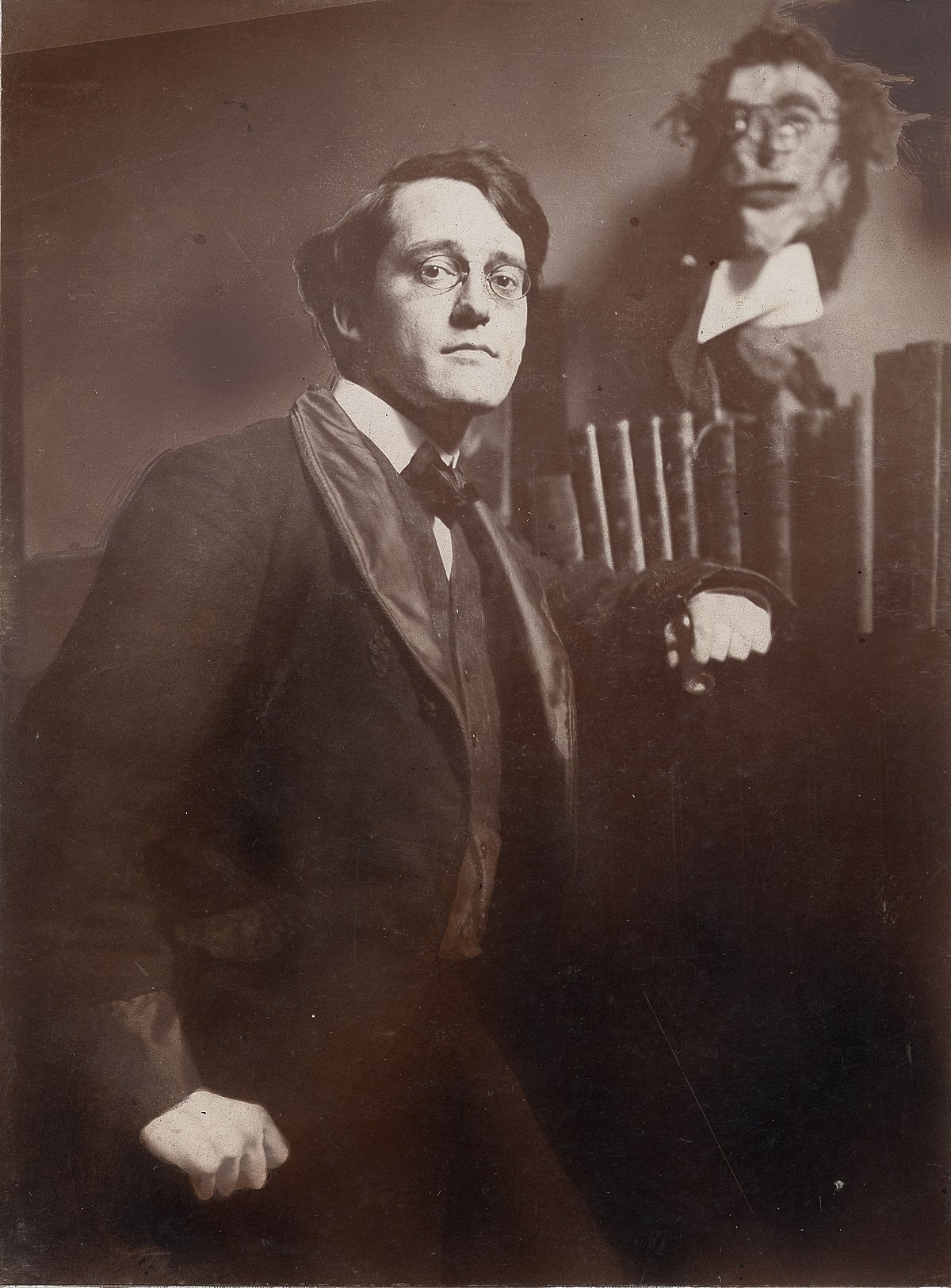
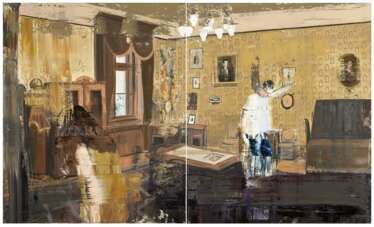
John French Sloan was an American impressionist painter, considered one of the founders of the Ashcan school of American art. He is best known for his urban, everyday genre scenes and his ability to capture the essence of New York City neighborhood life, which he observed from his studio window in Chelsea.
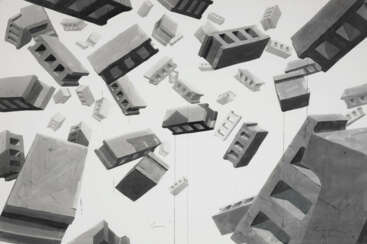

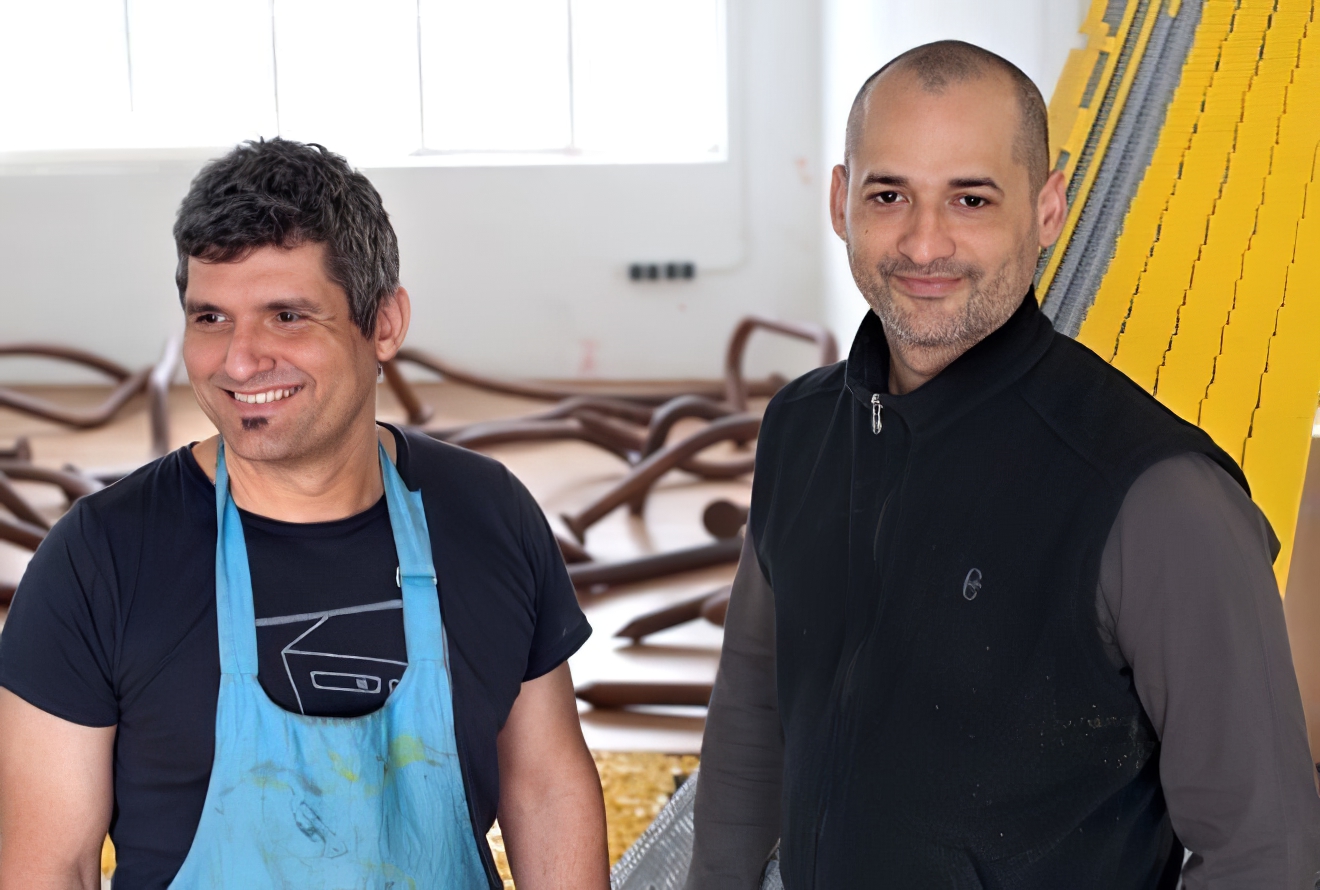
Los Carpinteros is a Cuban artist collective founded in Havana in 1992 by Marco Antonio Castillo Valdes, Dagoberto Rodriguez Sanchez, and Alexandre Arrechea (who left the group in 2003).
In their work the artists incorporate aspects of architecture, design and sculpture to create installations and drawings that “negotiate the space between the functional and the nonfunctional", where they derive their “inspiration from the physical world” and express their interest in the intersection of art and society in a humorous manner. Los Carpinteros create a response to places, spaces and objects, how they have been conceived, built, used and abandoned.
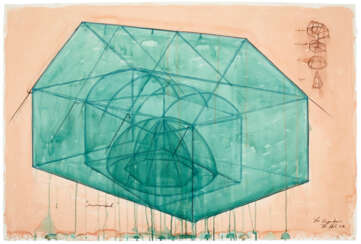

Los Carpinteros is a Cuban artist collective founded in Havana in 1992 by Marco Antonio Castillo Valdes, Dagoberto Rodriguez Sanchez, and Alexandre Arrechea (who left the group in 2003).
In their work the artists incorporate aspects of architecture, design and sculpture to create installations and drawings that “negotiate the space between the functional and the nonfunctional", where they derive their “inspiration from the physical world” and express their interest in the intersection of art and society in a humorous manner. Los Carpinteros create a response to places, spaces and objects, how they have been conceived, built, used and abandoned.
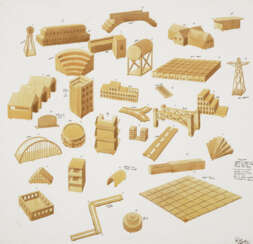

Los Carpinteros is a Cuban artist collective founded in Havana in 1992 by Marco Antonio Castillo Valdes, Dagoberto Rodriguez Sanchez, and Alexandre Arrechea (who left the group in 2003).
In their work the artists incorporate aspects of architecture, design and sculpture to create installations and drawings that “negotiate the space between the functional and the nonfunctional", where they derive their “inspiration from the physical world” and express their interest in the intersection of art and society in a humorous manner. Los Carpinteros create a response to places, spaces and objects, how they have been conceived, built, used and abandoned.
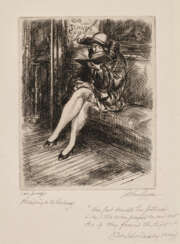

John French Sloan was an American impressionist painter, considered one of the founders of the Ashcan school of American art. He is best known for his urban, everyday genre scenes and his ability to capture the essence of New York City neighborhood life, which he observed from his studio window in Chelsea.




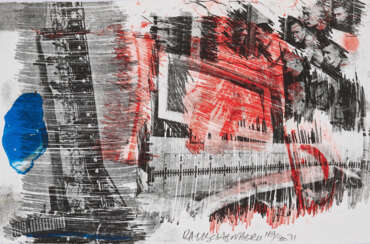

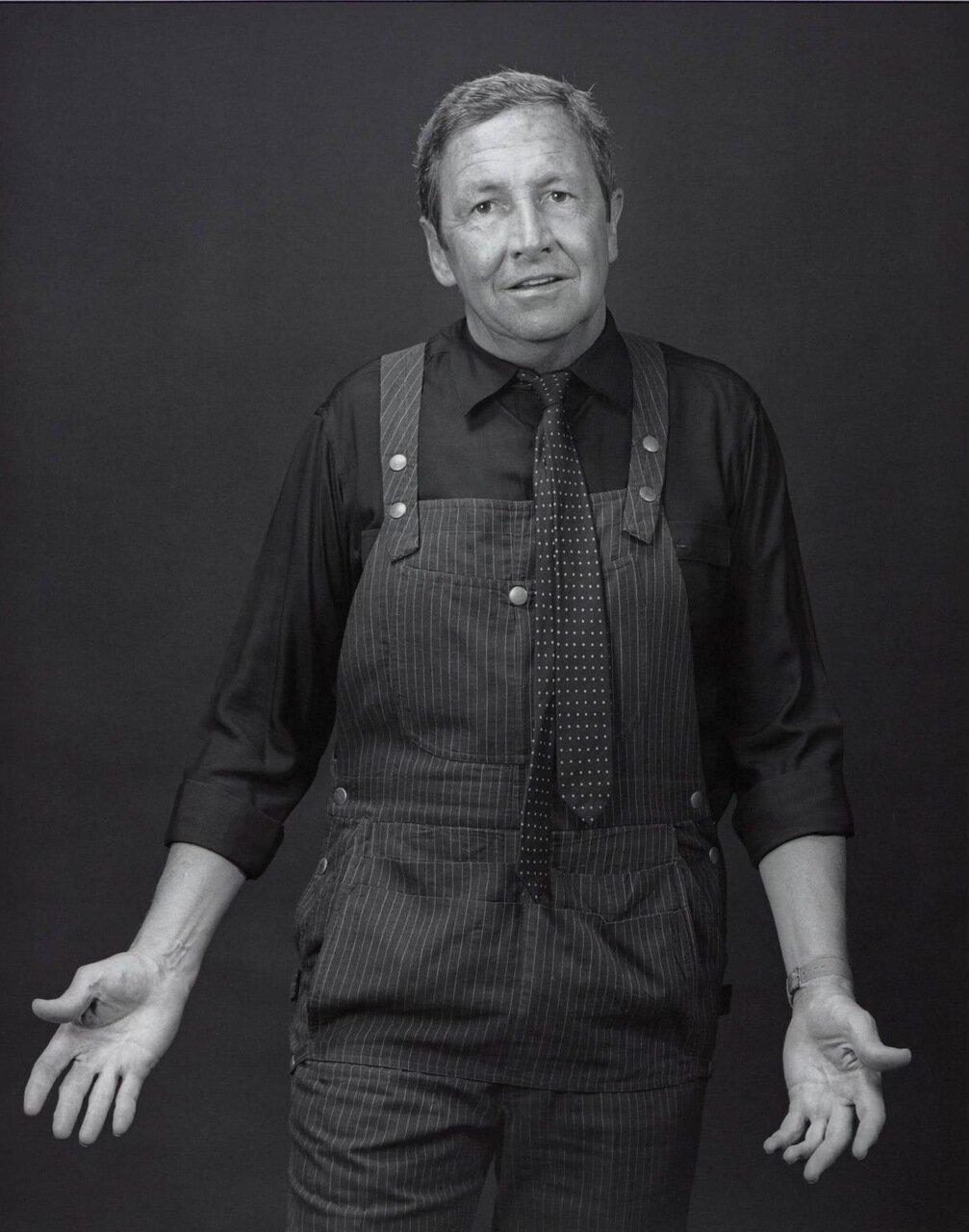
Robert Milton Ernest Rauschenberg was an American artist renowned for his pioneering work that blurred the boundaries between painting and sculpture, thereby anticipating the Pop art movement. From his early days at the Art Students League of New York to his experiments at Black Mountain College, Rauschenberg's career was marked by innovation and collaboration. His "Neo-Dadaist" approach, shared with contemporaries like Jasper Johns, questioned traditional distinctions between art objects and everyday items, drawing inspiration from Marcel Duchamp's Dadaist principles.
Rauschenberg's most notable works, such as "Erased de Kooning Drawing" and his "Combines," utilized found materials and images to create new art forms that challenged viewers' perceptions. His use of non-traditional materials like twine, soil, and even taxidermied animals, alongside traditional canvas and paint, set new precedents for what could be considered art. His groundbreaking silkscreen paintings incorporated found images, further cementing his role in the evolution toward Pop art.
The artist's work is represented in major museums and galleries worldwide, reflecting his significant impact on contemporary art. His pieces like "Canyon" and "Monogram" are celebrated for their innovative integration of sculpture and painting, while "Signs" captures the tumultuous spirit of the 1960s through its collage of cultural figures and events, housed in institutions like the Museum of Contemporary Art, San Diego, and The Minneapolis Institute of Arts.
For collectors and experts in art and antiques, Rauschenberg's oeuvre represents a critical junction in the history of modern art, where the lines between different media and disciplines were explored and often erased. His legacy is not just in the objects he created but in his bold reimagining of the art-making process itself, encouraging a dialogue between art and life that continues to inspire artists today.
For updates on new product sales and auction events related to Robert Milton Ernest Rauschenberg, consider signing up for our newsletter. This subscription service is tailored specifically for enthusiasts eager to stay informed about the latest opportunities to acquire works by or related to this transformative artist.

























.jpg)
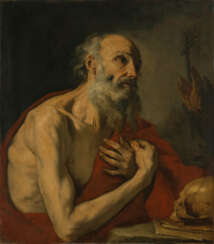
Jusepe de Ribera, a Spanish painter, etcher, and draughtsman, was a notable figure in the world of art, renowned for his distinct style and contribution to Castilian tenebrism. Born in 1591 in Játiva, near Valencia, Spain, Ribera's early life and artistic origins are somewhat shrouded in mystery, with no definitive documentation on his initial training. However, it's speculated that he might have started his artistic journey in Valencia.
Ribera's career took a significant turn when he moved to Italy, where he spent the majority of his professional life, predominantly in Naples, a Spanish territory at that time. He arrived in Naples around 1616 and soon established himself as an important artist in the city. His marriage to Caterina Azzolino, daughter of Sicilian painter Giovanni Bernardino Azzolino, in November of the same year, further solidified his connections in the Italian art scene.
Ribera was deeply influenced by Caravaggio and is often described as one of Caravaggio's followers. His early works displayed a marked tenebrism, characterized by stark chiaroscuro and a robust, scratchy handling of paint. However, Ribera's style evolved over time, moving away from this intense tenebrism to incorporate more color and softer modeling in his later works.
His body of work is diverse, including altarpieces, religious subjects, mythological themes, and portraits. Ribera had a penchant for depicting scenes of martyrdom with graphic realism, as seen in works like the celebrated "Martyrdom of St Bartholomew." Yet, he was also capable of expressing great tenderness, evident in paintings such as "The Adoration of the Shepherds." His secular subjects often depicted philosophers as beggars or vagabonds, adding a unique dimension to the Baroque repertoire.
Ribera's influence extended beyond Naples to Spain and the broader European art scene. He played a foundational role in fostering a respect for individual humanity in Spanish art, a trend that continued with artists like Velázquez and Goya. His works were widely exported to Spain and had a significant impact on both Italian and Spanish art. Ribera remains a highly respected figure in art history, and his works are featured in prominent museums and galleries worldwide, showcasing his enduring legacy in the realm of art and culture.
For art collectors and experts, Ribera's works represent a crucial chapter in the development of European art, particularly in the context of the Spanish Baroque and the evolution of tenebrism. His innovative approach to subject matter and technique continues to inspire and captivate audiences, making his works highly sought after in the world of art and antiques.
To stay updated on sales and auction events related to Jusepe de Ribera, sign up for our updates. This subscription service is tailored specifically for enthusiasts and experts in art and antiques, ensuring that you are the first to know about new opportunities to acquire works related to this influential artist.