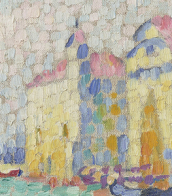
mary bruce
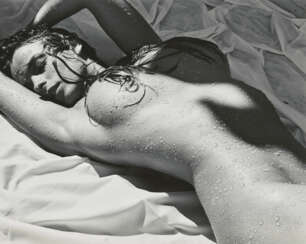


Bruce Weber is an American fashion photographer and occasional filmmaker. He has made ad campaigns for Calvin Klein, Ralph Lauren, Pirelli, Abercrombie & Fitch, Revlon, and Gianni Versace, and made work for Vogue, GQ, Vanity Fair, Elle, Life, Interview, and Rolling Stone magazines.


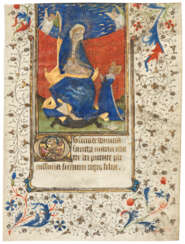

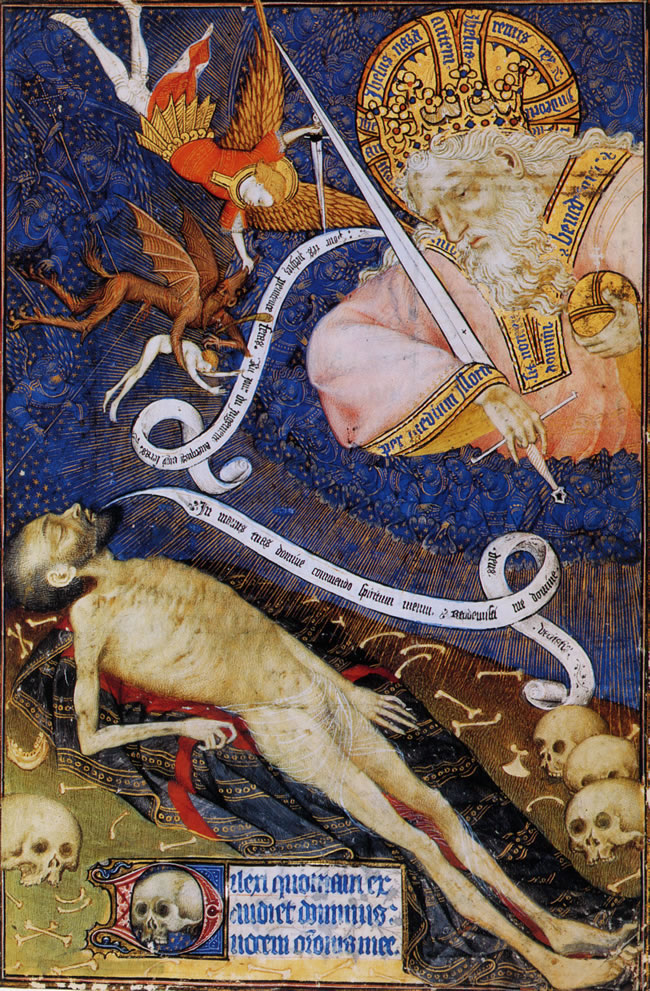
The Rohan Master is the name given to an unknown French illustrator in honor of his participation in the work on the manuscript known as the Rohan Clock.
The artist worked in the first half of the 15th century. He is known to have worked as a young man in the Champagne region of France and then moved to Paris around 1415-1420, where he established a large studio and collaborated with other illustrators. His work during this period included not only books of hours but also several secular manuscripts.
The influence of the Parisian artists of the time, Master Boucicault and the Limbur brothers, can be felt in the work of Master Rohan, but his style is characterized by an extraordinary expressiveness.

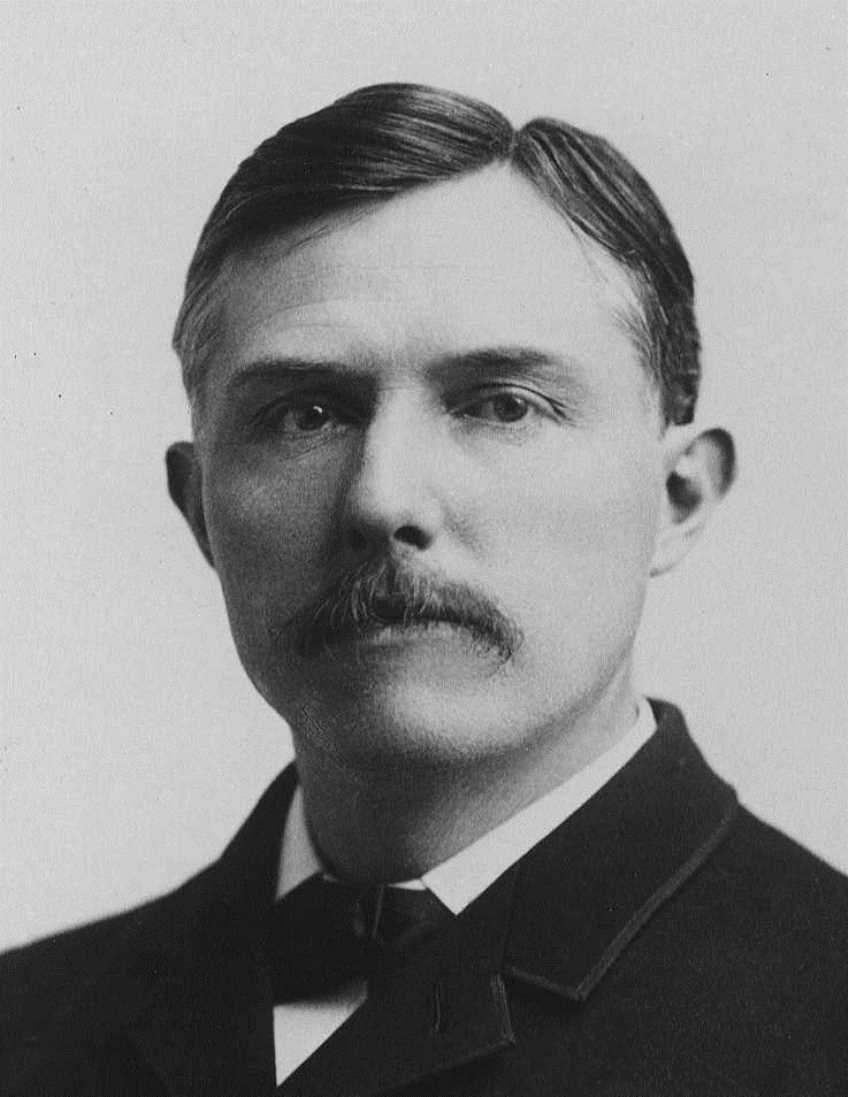


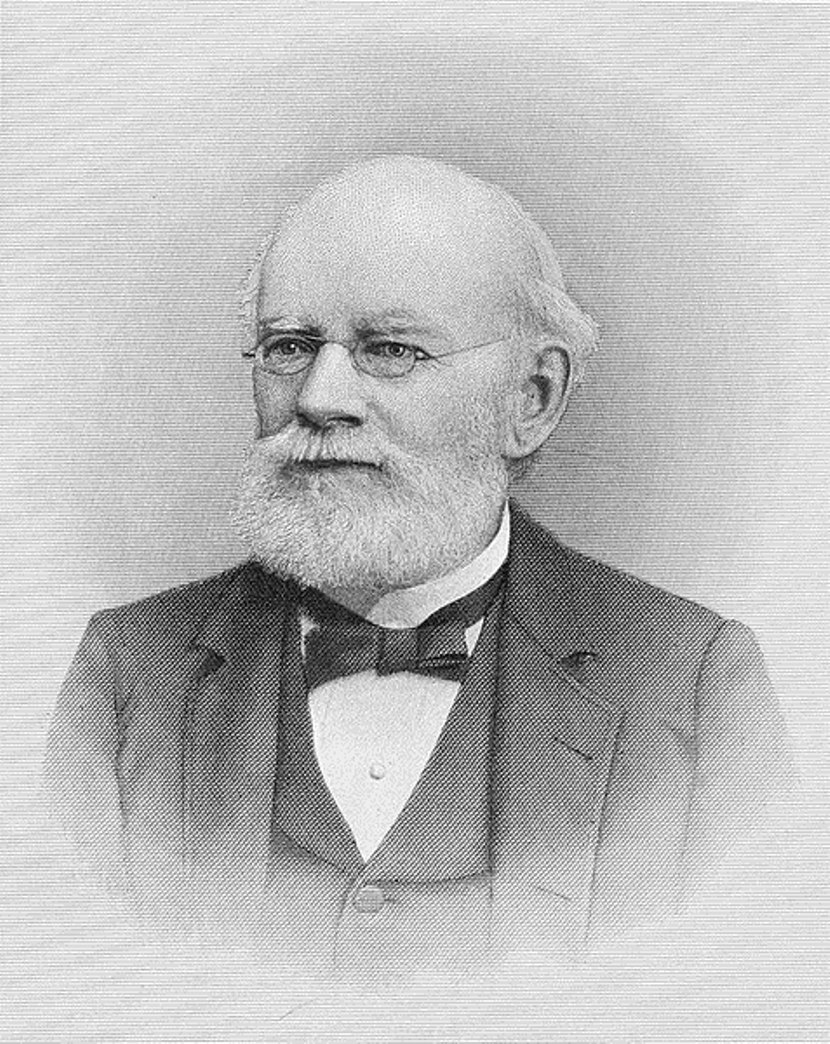
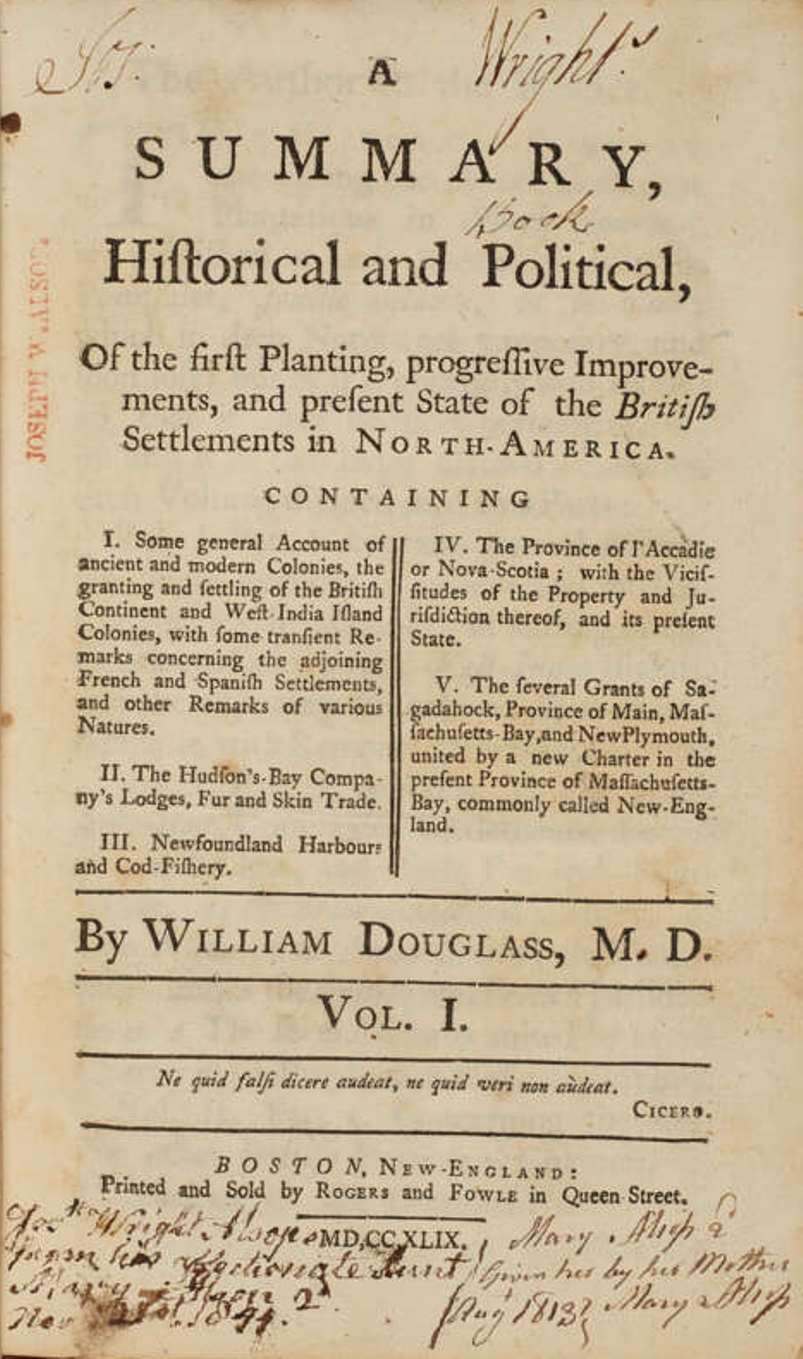
William Henry Edwards was an American amateur naturalist, entomologist, and businessman.
Edwards was a pioneer in the West Virginia coal industry, opening some of the earliest mines in the southern part of the state. He was also an accomplished naturalist and widely recognized as an authority on North American butterflies. As a businessman, he was involved in the coal industry, but the study of butterflies remained his passion.
During his lifetime he published some 250 scientific papers on scales, including a three-volume treatise, Butterflies of North America, which is highly regarded for its scholarship and the quality of its illustrations. Edwards paid great attention to the life stages of the insects in question, describing each stage in detail. The illustrations, on the other hand, were drawn by Mary Pirt, a talented Pennsylvania artist, and hand-colored by Lydia Brown.
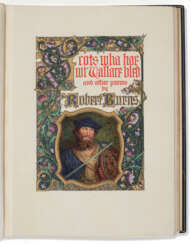

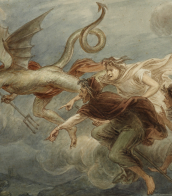


Alberto Sangorski is a British artist, illustrator, calligrapher and bookbinder.
As a young man, Alberto showed promise as a painter, but began working as a secretary for a jewelry firm in the City of London. When his younger brother Francis Sangorski founded the bookbinding firm of Sangorski & Sutcliffe in London in 1901, Alberto often visited the workshop and helped the firm with its bookkeeping. Around 1905 he became interested in this work and after a little technical training from his brother, he became an accomplished calligrapher and illustrator.
The firm of Sangorski & Sutcliffe was known in the 1920s for its luxurious gem-embellished bindings, with real gold and gemstones used in the covers. This bindery was considered the leading bindery in London and was highly successful, surviving both wars and economic depressions.
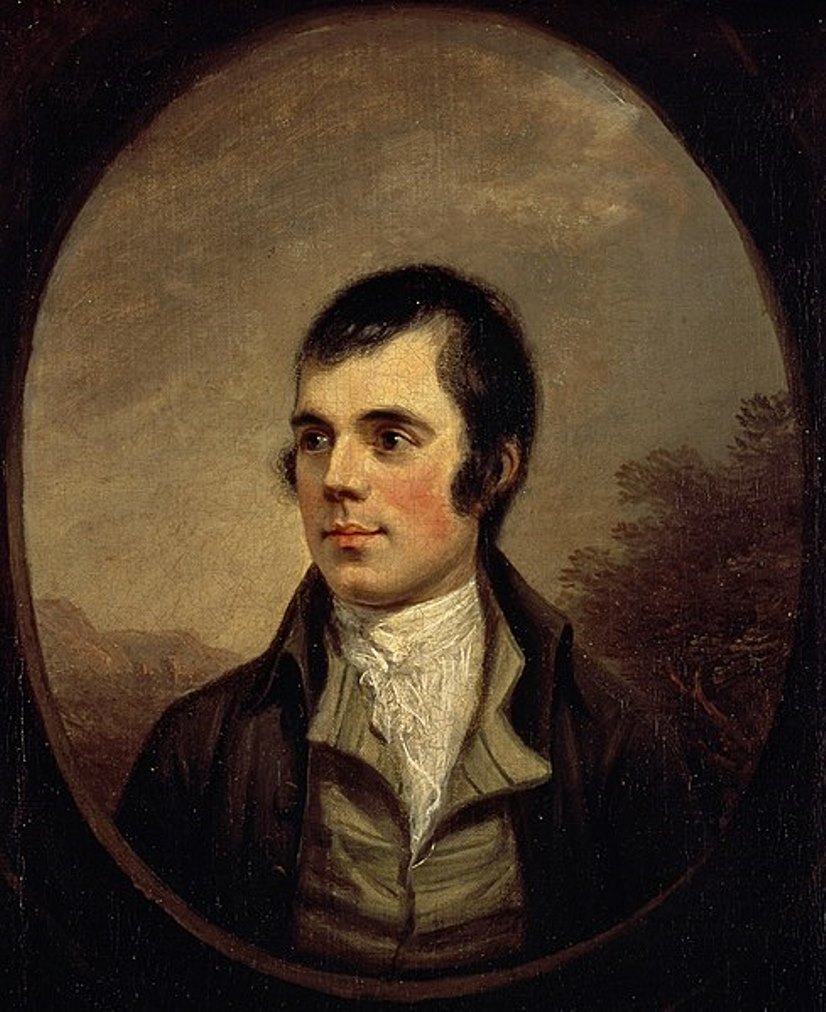
Robert Burns (Gaelic: Raibeart Burns or Rabbie Burns) was a Scottish poet, folklorist, and bard.
The hard farm life of his father significantly influenced Robert's outlook. Education of the novice poet received a sketchy, reread all English writers, knew Latin and French. In time, he became an opponent of the social order of his time and a satirist of all forms of religious and political thought that lead to inhumanity.
Burns' first book, entitled Poems, mostly in the Scottish dialect, was published in 1786. It was well received by the public, and the elated author traveled to Edinburgh, where he met James Johnson, a keen collector of Scottish songs. Together they produced a book, The Scottish Musical Museum. This and a similar book, George Thomson's Selected Collection of Original Scottish Songs for Voice (1793-1818), contain the bulk of Burns' songs.
Robert Burns was torn between his farming background and the much higher status of many of the intellectuals with whom he socialized and corresponded closely. Although he obtained a position in the excise office, this did little to satisfy the ambitions of the somewhat naive poet.
Having gained a reputation as a writer of poems and songs in Scottish and English, Burns went on to collect and adapt Scottish folk songs and created one of his major works, Tam of Shanter (1791), a narrative poem based on a folk legend. Even today Burns is honored as Scotland's national poet and is considered a pioneer of the Romantic movement in England.



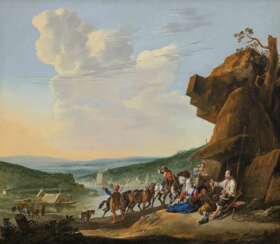

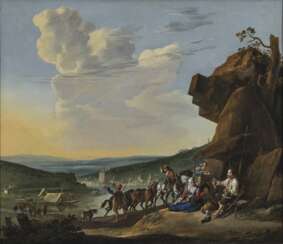

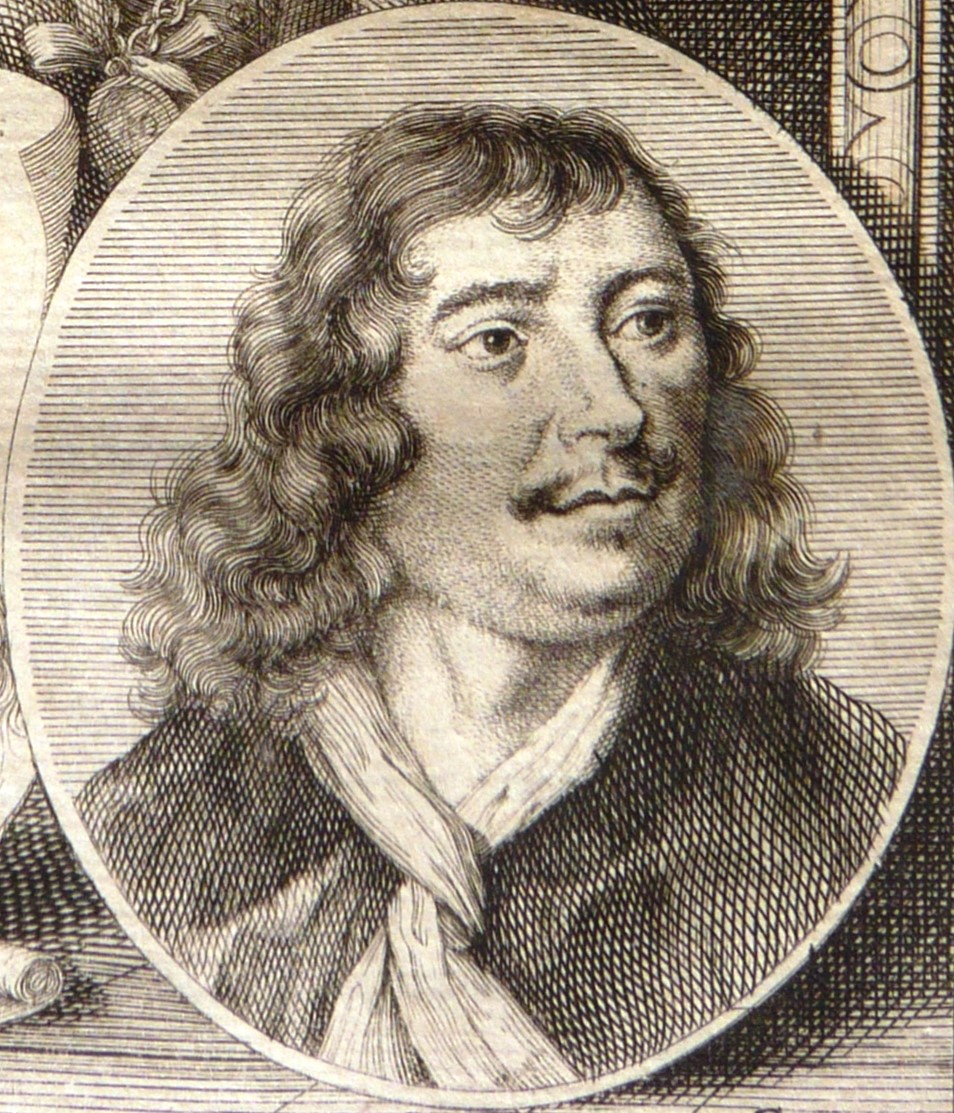
Johann(es) Lingelbach was a Dutch Golden Age artist who worked in the bamboochade genre.
He first studied painting in Holland, from 1642 in Paris and from 1644 in Rome. The influence of Philippe Vovermann is noticeable in Johannes works. He is known for his numerous landscapes and war scenes, in which the influence of Italian painting is perceptible. He worked for other painters as well, painting their canvases with different details, backgrounds and animals.
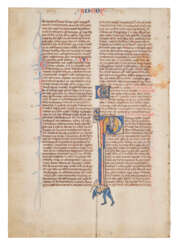


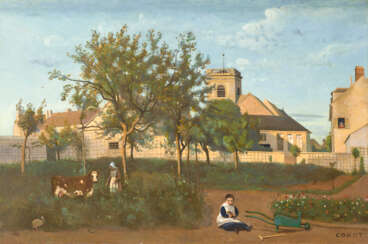

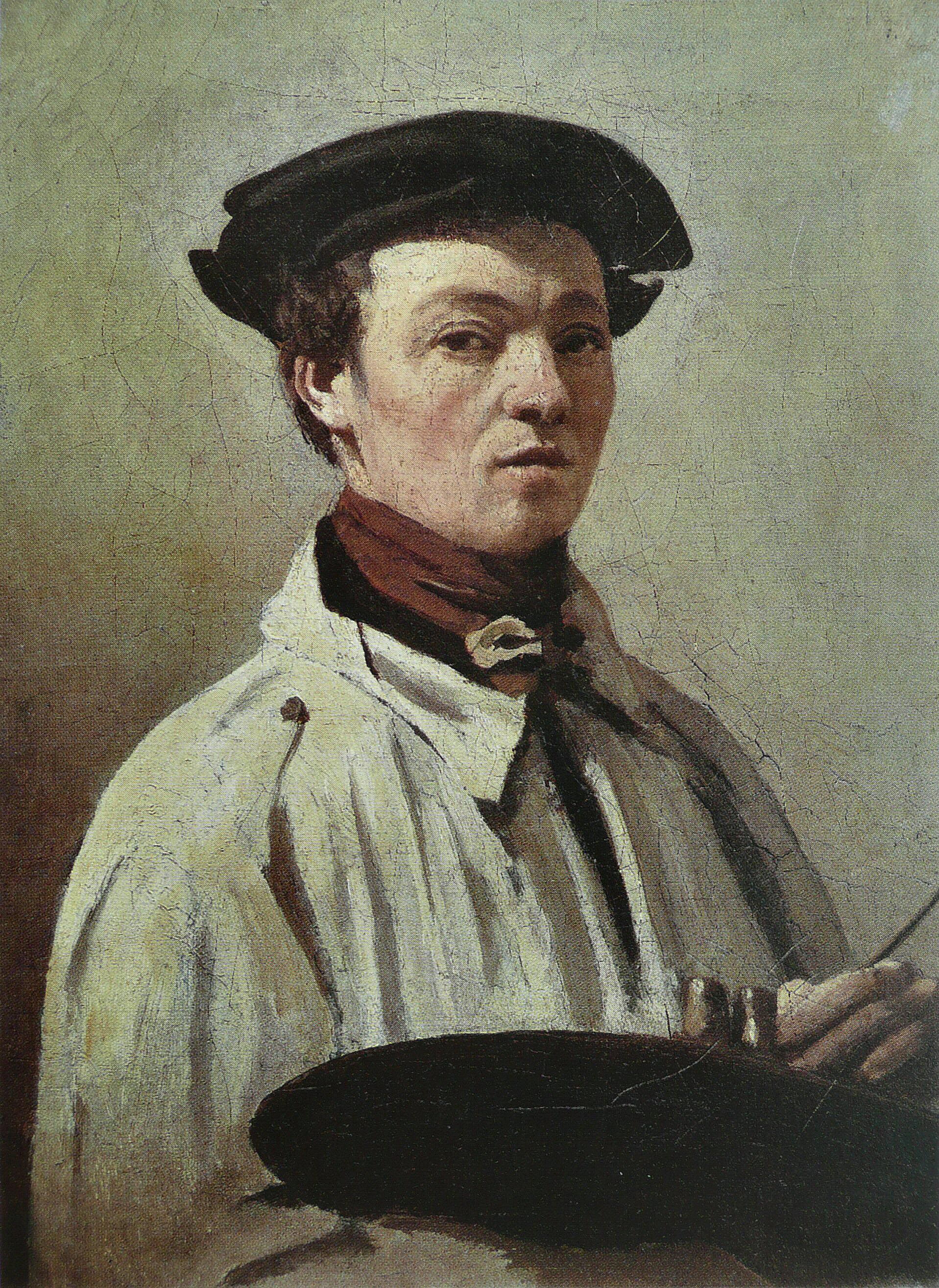
Jean-Baptiste-Camille Corot was a French landscape and portrait painter as well as a printmaker in etching. He is a pivotal figure in landscape painting and his vast output simultaneously referenced the Neo-Classical tradition and anticipated the plein-air innovations of Impressionism.

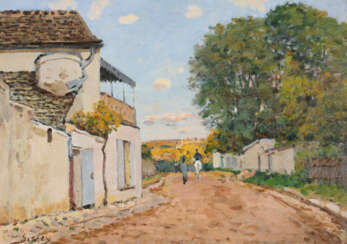

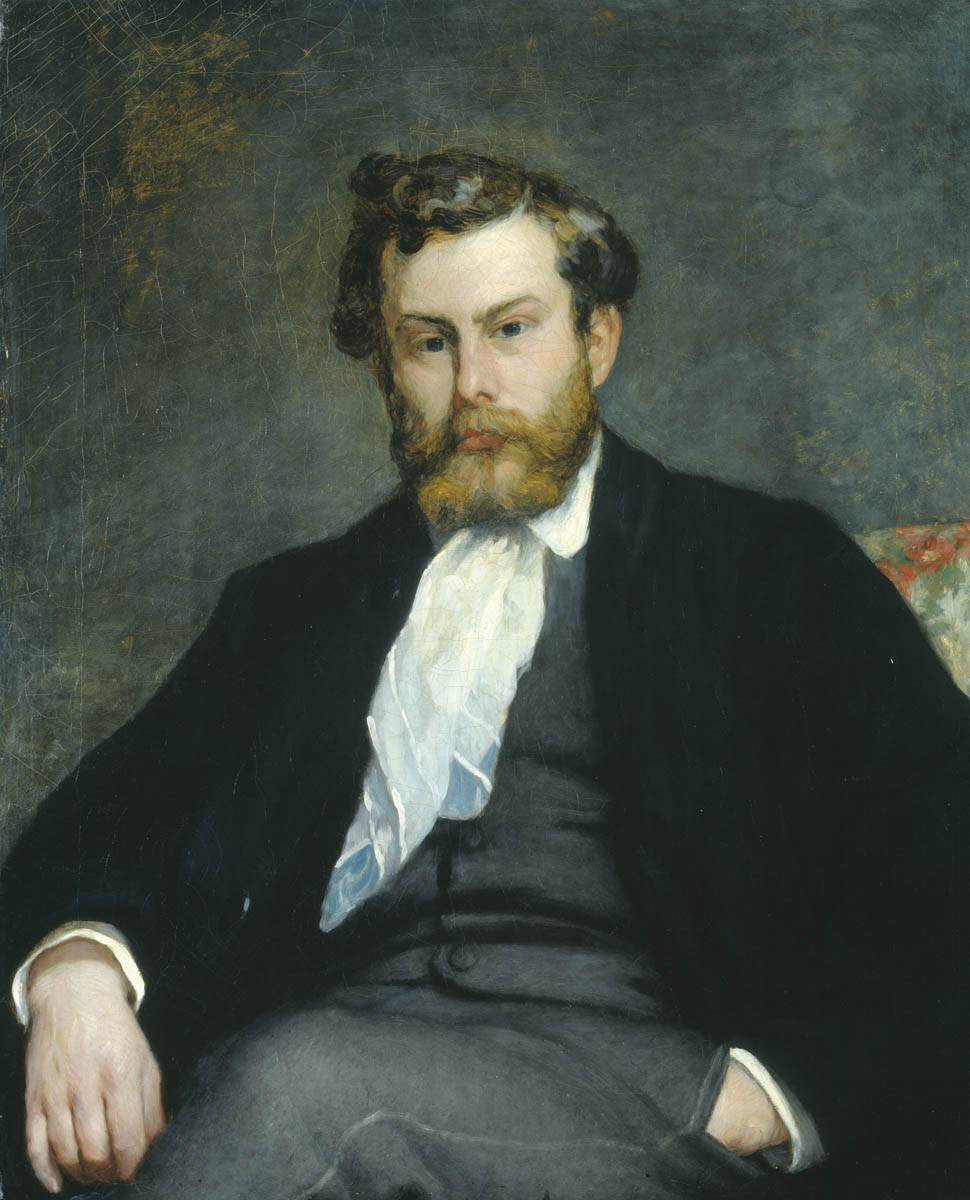
Alfred Sisley was a Franco-British painter, celebrated as a key figure in the Impressionist movement. Born in Paris to British parents, Sisley dedicated his artistic career to capturing the tranquil landscapes of his adopted France, particularly the areas around Paris and Moret-sur-Loing, where he spent his later years.
From the beginning, Alfred Sisley was a devoted landscape artist, preferring to work en plein air to capture the subtle shifts in the atmosphere and light of his surroundings. Unlike some of his contemporaries who explored urban scenes or human figures, Sisley's works predominantly feature rural settings, quiet streets, and serene river scenes, often devoid of people. His approach was deeply influenced by earlier landscape painters like Jean-Baptiste-Camille Corot, yet his style embodies the quintessential Impressionist focus on light and color.
Despite his dedication and prolific output, Alfred Sisley's work did not gain significant recognition or financial success during his lifetime. It was only posthumously that his paintings began to receive the acclaim they deserved, with his canvases now held in prestigious collections worldwide, including the Musée d'Orsay and the National Gallery.
For collectors and experts in art and antiques, Alfred Sisley's works represent a poignant chapter in the history of Impressionism, characterized by a gentle yet profound rendering of the natural world. His paintings not only reflect the beauty of the French countryside but also encapsulate the fleeting moments of light and weather, making them timeless masterpieces of Impressionist art.
For those interested in the serene beauty of Alfred Sisley's landscapes and updates on exhibitions or sales of his works, signing up for specialized newsletters can provide invaluable insights and opportunities.