master of the game

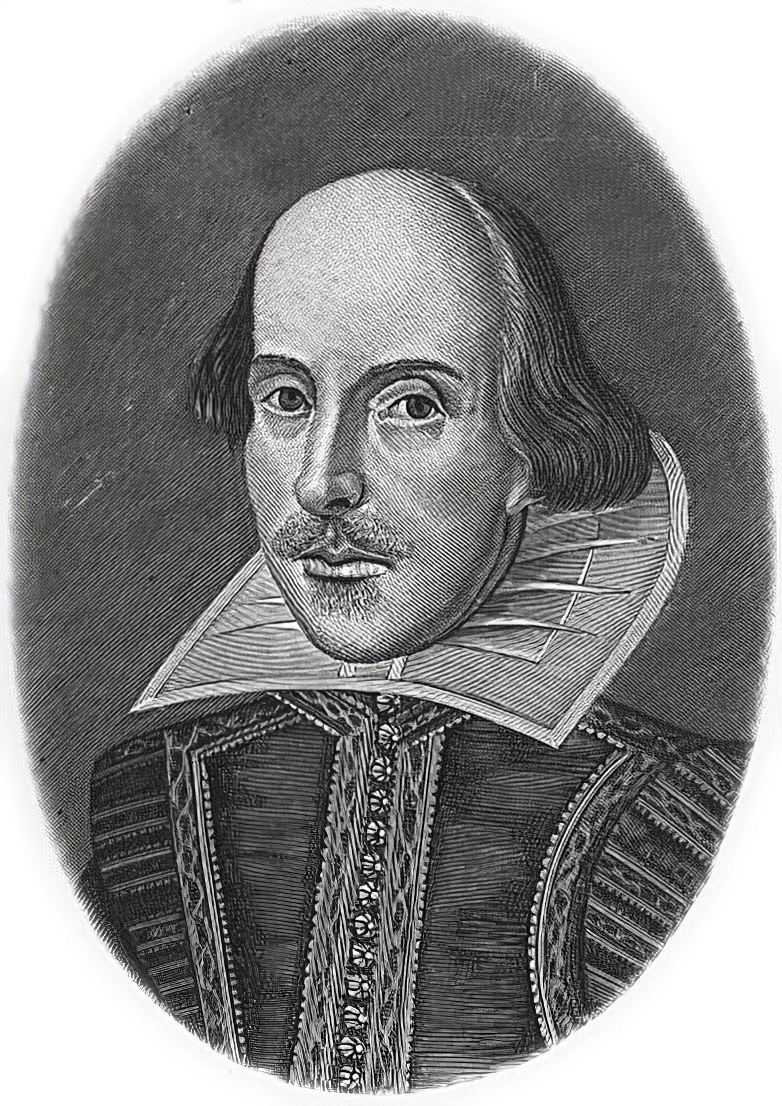
William Shakespeare was a British poet and playwright and writer.
William's father, John Shakespeare, was a merchant and official in Stratford. There are reports that he was a sailor for a time before joining a theater company in London. Beginning in the 1590s, Shakespeare began writing plays, and in 1593 he published a poem, Venus and Adonis, which became popular. He dedicated it to the Duke of Southampton, who was a philanthropist and patron of talent, and soon his business was booming.
From 1592 to 1600 Shakespeare wrote his dramas and romantic comedies "Richard III", "The Taming of the Shrew", "Romeo and Juliet", "A Midsummer Night's Dream" and "The Merchant of Venice", as well as the comedies "Much Ado About Nothing", "Twelfth Night" and the tragedy "Julius Caesar". The playwright's business was so successful that he even bought a large house in Stratford. In 1599, Shakespeare became one of the owners, playwright and actor of the new theater "Globe". In 1603 King James took Shakespeare's troupe under his direct patronage. In the mature period, the great playwright turned to tragedies, there were "Hamlet", "Othello", "King Lear", "Macbeth" and others.
Although in the 19th century researchers had some doubts about the authorship of many of these works, William Shakespeare is considered the greatest English playwright, one of the best playwrights in the world. His plays have been translated into all major languages and to this day form the basis of the world theatrical repertoire, most of them have been screened many times. According to the Guinness Book of Records, Shakespeare remains the world's best-selling playwright, and his plays and poems have sold more than 4 billion copies in the nearly 400 years since his death.

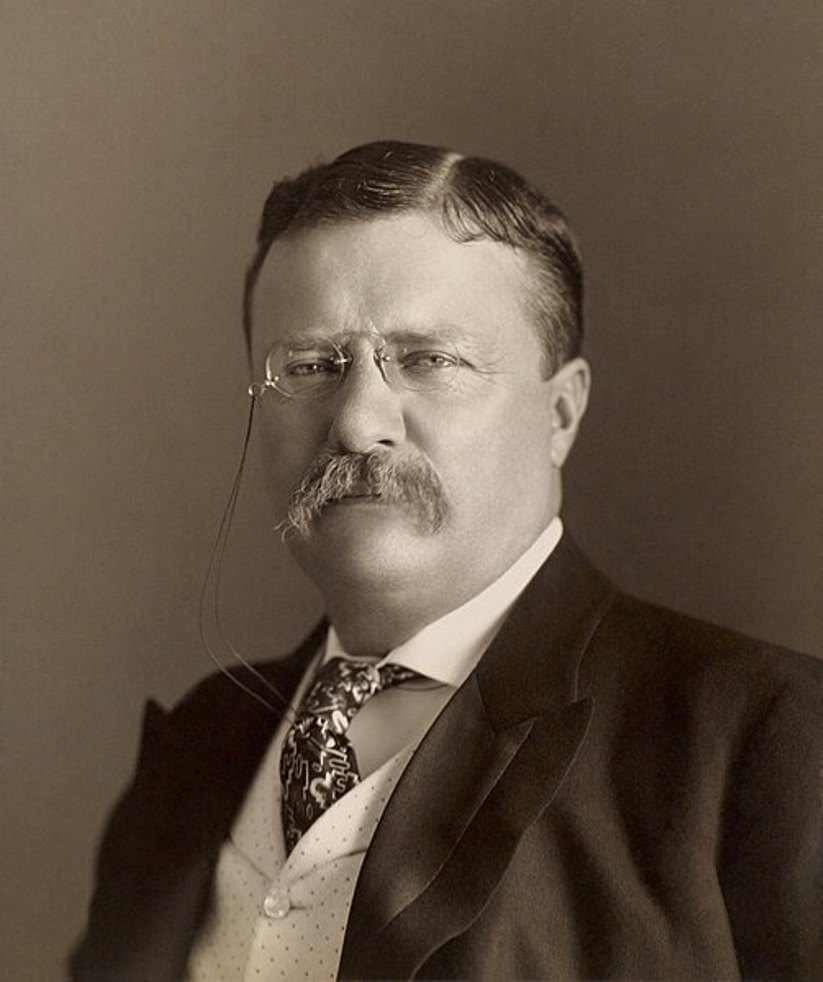
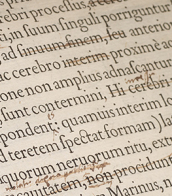


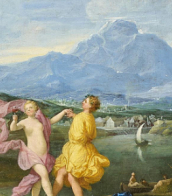


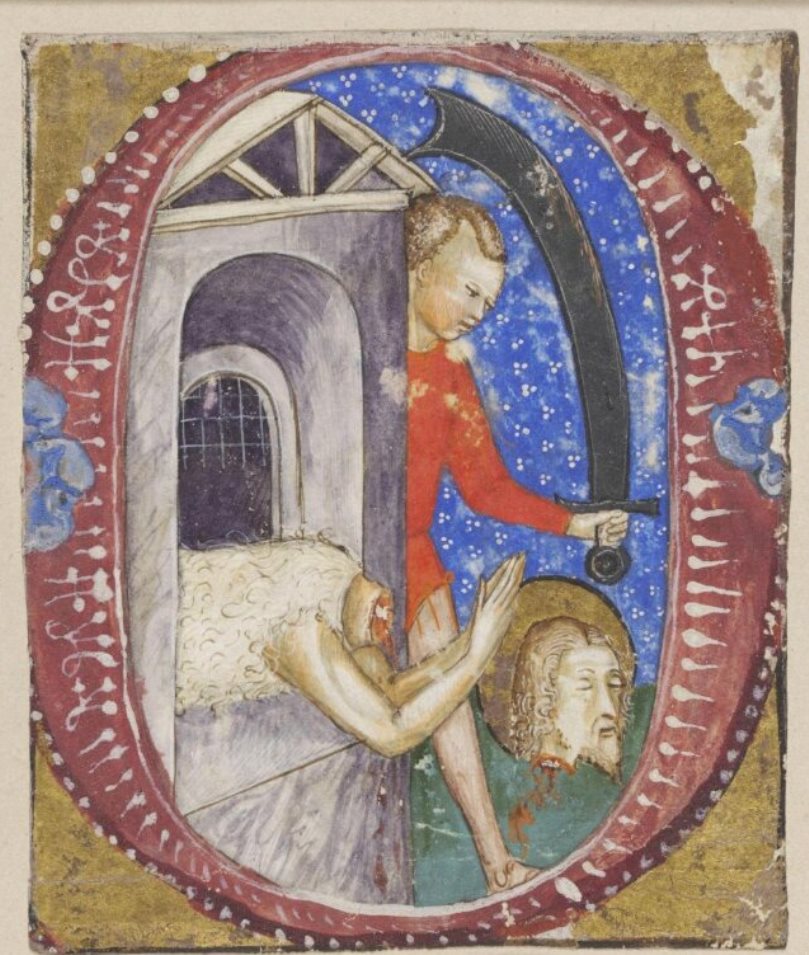
Tomasino da Vimercate was an Italian miniaturist. He worked in Milan from 1390 to 1415.
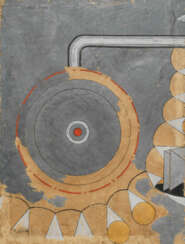

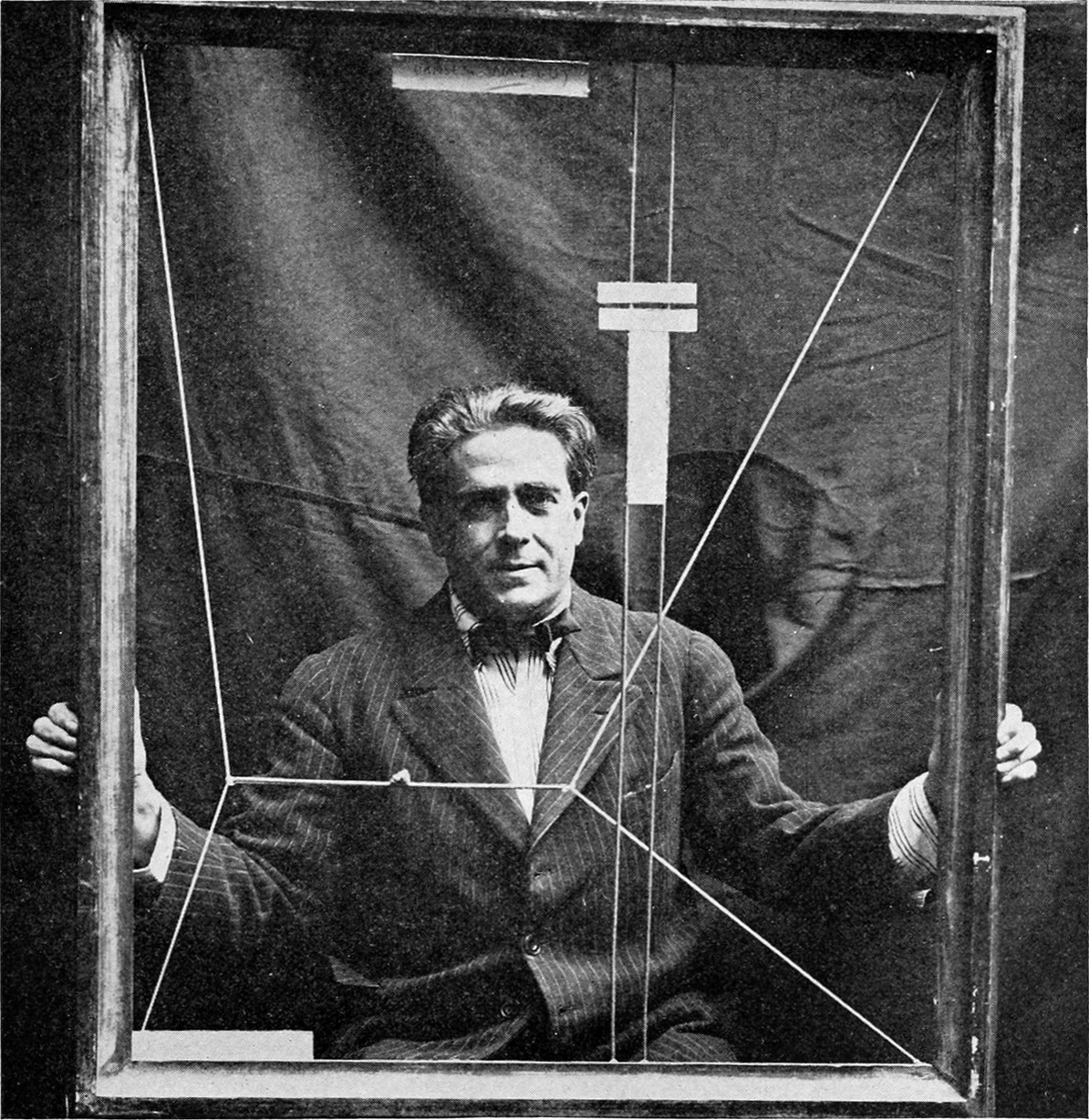
Francis Picabia, born Francis-Marie Martinez de Picabia, was a French avant-garde painter, poet, and typographist, whose work is celebrated for its diversity and innovation. His journey through various art movements, including Impressionism, Cubism, Dadaism, and Surrealism, showcases his refusal to be confined by any one style. Picabia's art is known for its eclectic nature, often blending mechanical elements with organic forms, thereby challenging traditional perceptions of art and beauty.
Picabia's significant contribution to the art world lies not just in his varied artistic output but also in his philosophical approach to creation. He believed in the freedom of expression, often using his art to critique societal norms and the art establishment itself. This rebellious spirit made him a pivotal figure in the Dada movement, where his works were celebrated for their irony and disdain for conventional art values.
Among his notable works, "Amorous Parade" and "I See Again in Memory My Dear Udnie" stand out, housed in prestigious institutions like the Museum of Modern Art in New York. These pieces exemplify Picabia's mastery over blending different elements of art movements, creating works that remain influential to this day. His legacy is not just in the pieces he created but also in his attitude towards art, encouraging future generations to challenge and redefine the boundaries of creativity.
For collectors and experts in art and antiques, Picabia's works represent not only significant artistic achievements but also valuable insights into the evolution of modern art. To stay informed about new product sales and auction events related to Francis Picabia, sign up for updates. This subscription is an essential resource for enthusiasts looking to enrich their collections with pieces from one of the most innovative artists of the 20th century.






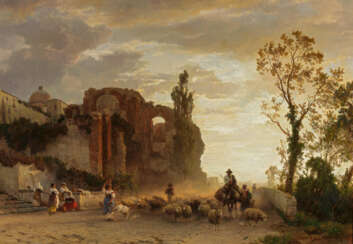

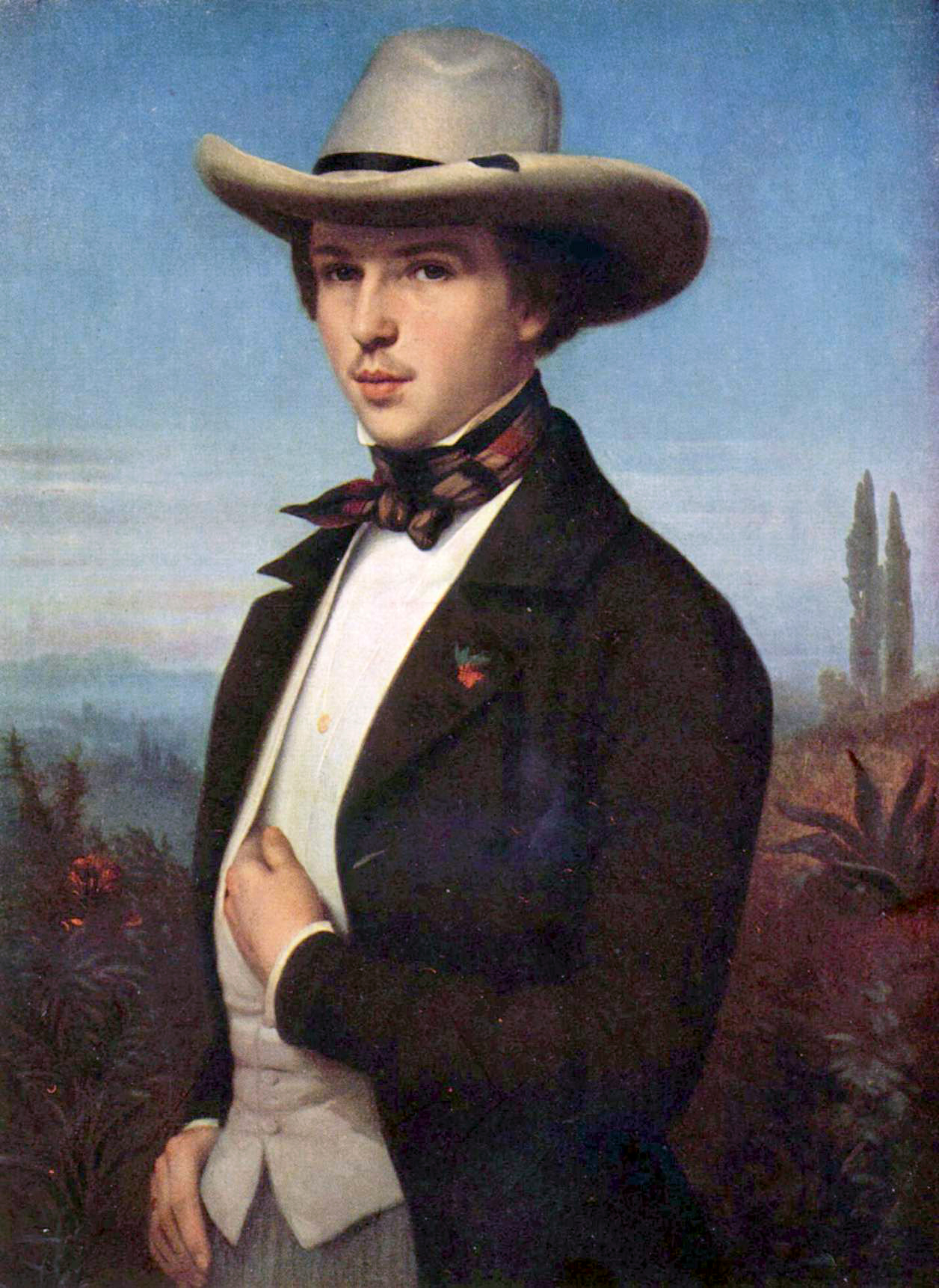
Oswald Achenbach was a German painter associated with the Düsseldorf school of painting. Though little known today, during his lifetime he was counted among the most important landscape painters of Europe. Through his teaching activities, he influenced the Kunstakademie Düsseldorf. His brother, Andreas Achenbach, who was twelve years older, was also among the most important German landscape painters of the 19th century. The two brothers were humorously called "the A and O of Landscapes" (a reference to their initials matching a common German reference to the Alpha and Omega).
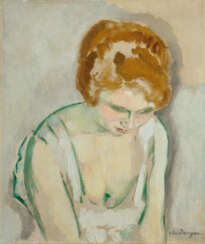

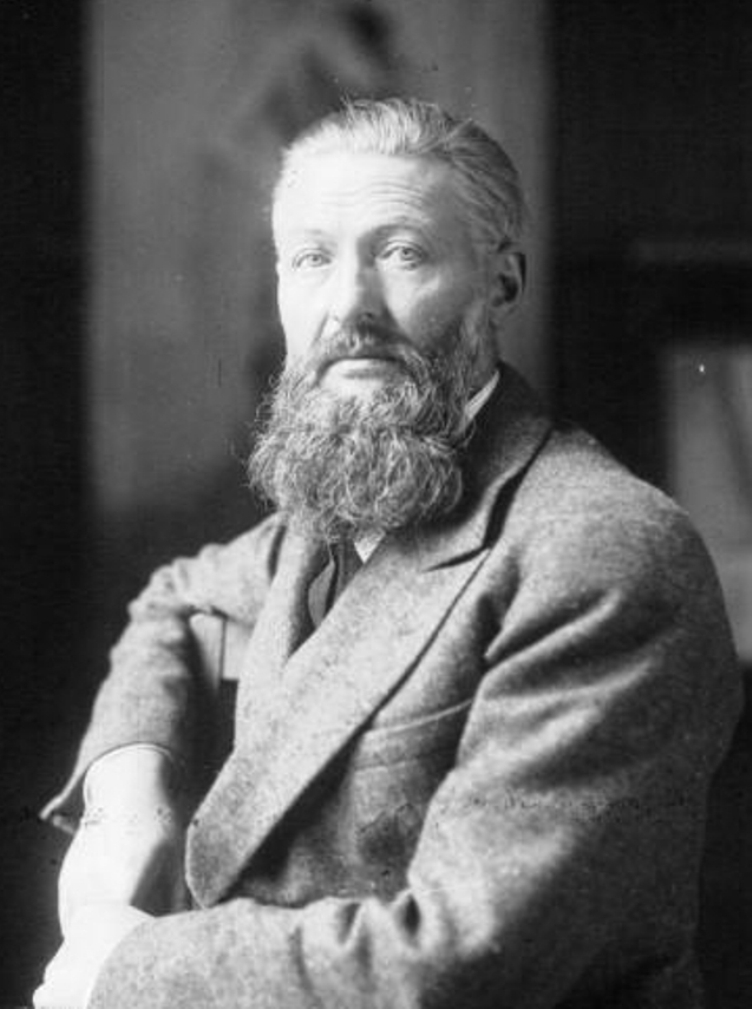
Kees van Dongen was a Dutch-French painter renowned for his vivid and expressive works that placed him at the forefront of the Fauvist movement. Born in 1877 in Delfshaven, Netherlands, van Dongen's journey into the art world began with his education at the Akademie voor Beeldende Kunsten in Rotterdam. His move to Paris in 1897 marked a pivotal moment in his career, immersing him in the bustling avant-garde scene and connecting him with influential circles, including Pablo Picasso and the Fauves. Van Dongen's art, characterized by its striking use of color and bold brushwork, captured the essence of his subjects with a unique blend of realism and abstraction.
Van Dongen's work evolved significantly over time, initially influenced by the dark tones of his Dutch heritage and the works of Rembrandt. His encounter with Fauvism around 1906 brought a dramatic shift towards brighter, more vibrant colors, marking his most iconic phase. His ability to capture the sensuousness and personality of his subjects made him a sought-after portraitist among the French bourgeoisie and celebrities of his time. Notable works include "Femme aux bas noirs" (Woman with Black Stockings), "Les lutteuses" (Lutteuses du Tabarin), and "The Dancer Anita," showcasing his fascination with the human figure, particularly sensuous depictions of women.
Beyond his remarkable contributions to Fauvism, van Dongen's ventures into illustration and his role as a society portraitist underscore his diverse talents and adaptability to the changing tastes of the art market. His works are celebrated in major collections worldwide, including the Hermitage Museum and the National Gallery of Denmark, affirming his lasting impact on the art world.
Collectors and art experts continue to appreciate van Dongen's work for its bold experimentation with color, form, and the evocative portrayal of his subjects. His legacy lives on as a testament to the vibrancy and dynamism of early 20th-century modern art.
For those keen to explore van Dongen's captivating works further and stay informed about new discoveries, exhibitions, and auction events related to his art, signing up for updates is a must. This ensures direct access to the latest sales and scholarly insights into the painter's rich oeuvre, a valuable resource for collectors and enthusiasts alike.

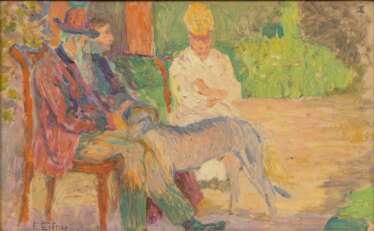

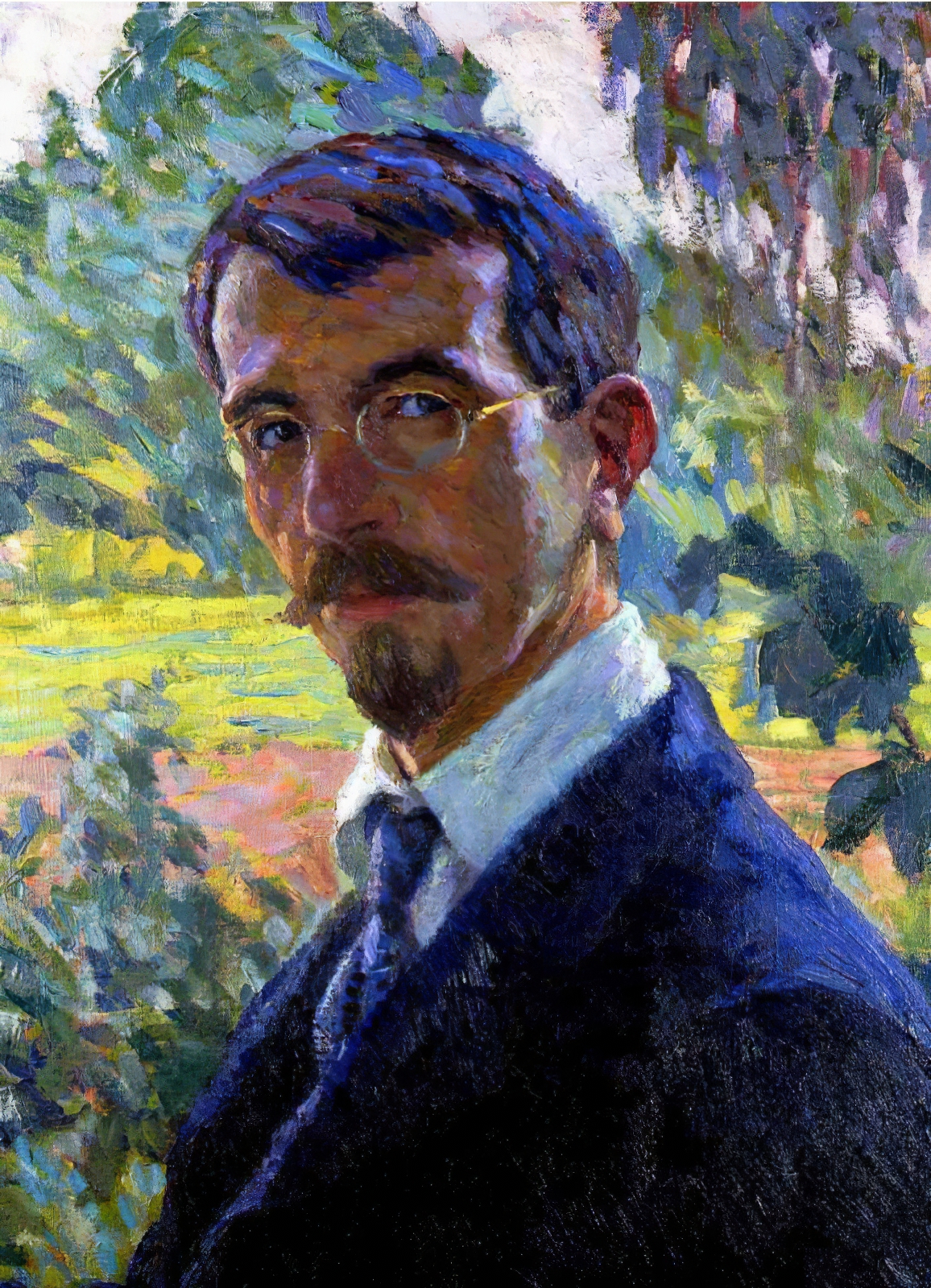
Wilhelm Heinrich Ernst Eitner was a German painter of the late nineteenth and first half of the twentieth centuries. He is known as an impressionist painter and teacher.
Eitner produced portraits, landscapes, and woodcuts in a style reminiscent of Japanese art. Despite initial rejection in German society of his impressionist style of painting, over the years he gained recognition and even the title "Claude Monet of the North." Eitner was a member of numerous art associations. His works are preserved in the Hamburg Kunsthalle.
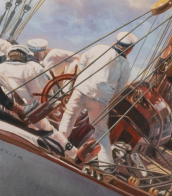
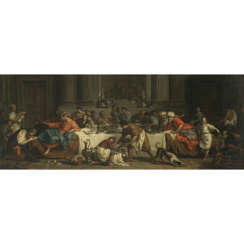

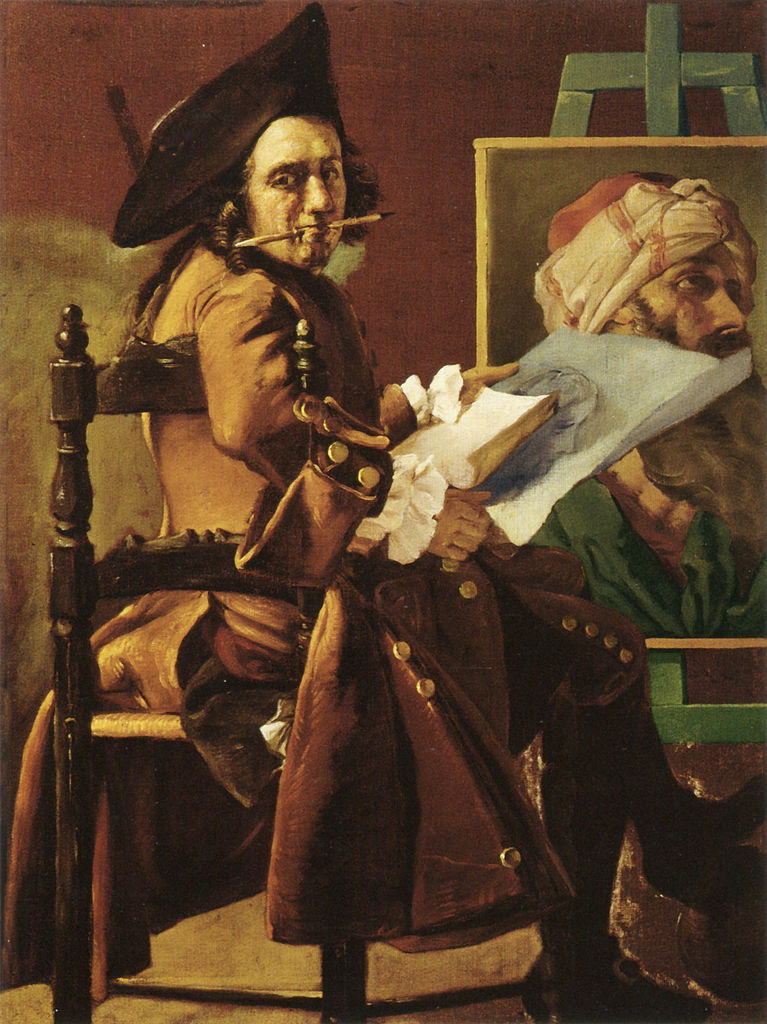
Pierre Subleyras was a French painter renowned for his work during the late Baroque and early Neoclassical periods, mainly active in Italy. Born on November 25, 1699, in Saint-Gilles-du-Gard, France, Pierre Subleyras moved to Rome in 1728 after winning the French Academy's grand prix, a scholarship that allowed him to study in the city. In Rome, he created several significant works, including "Christ's Visit to the House of Simon the Pharisee" and "The Mass of St. Basil," which are celebrated for their detailed depiction and emotional depth.
Pierre Subleyras's paintings were appreciated for their religious themes and portraiture, with his work "The Mass of Saint Basil" being one of his most famous pieces, showcasing his skill in depicting complex religious scenes with emotional resonance. The Metropolitan Museum of Art provides a detailed analysis of "The Mass of Saint Basil," highlighting its historical context and the technical aspects of Subleyras's painting style.
For collectors and experts in art and antiques, Pierre Subleyras's works offer a glimpse into the transition between the Baroque and Neoclassical periods, reflecting the cultural and artistic shifts of the 18th century. His paintings can be found in various prestigious museums, including the Louvre and the State Hermitage Museum.
To stay updated on news and events related to Pierre Subleyras and his works, consider subscribing for updates. This way, you'll receive notifications about new product sales and auction events featuring Pierre Subleyras's art, ensuring you don't miss out on opportunities to engage with the legacy of this influential painter.






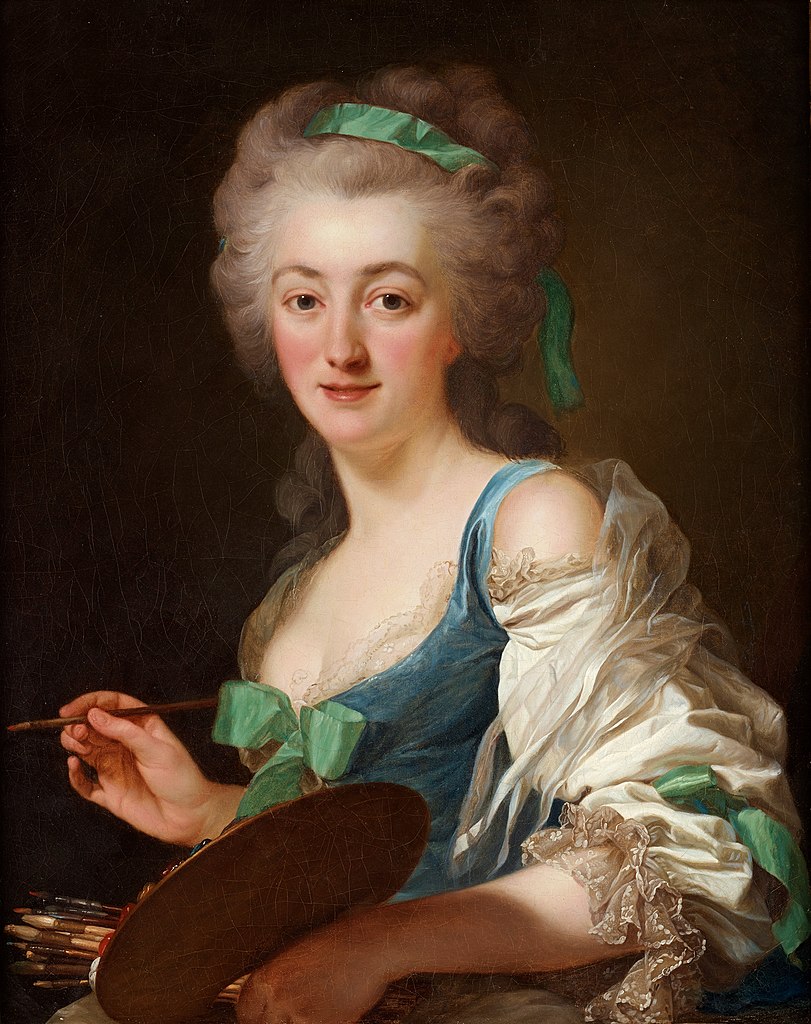
Anne Vallayer-Coster was a renowned French artist, celebrated for her exceptional still-life paintings that captivated 18th-century art enthusiasts, including the French Queen Marie Antoinette. Born into an artistic family in 1744, Vallayer-Coster's talent was evident early on, leading to her unanimous election into the prestigious Académie Royale at just 26 years old. Her works, characterized by their vibrant color, meticulous detail, and textural precision, often depicted bowls of fruit, game, shells, and flowers, showcasing the opulence of French aristocracy before the Revolution.
Vallayer-Coster's career was notable not only for her artistic achievements but also for her ability to navigate the male-dominated art world of her time. Despite the societal constraints on women artists, she gained the patronage of influential figures like Marie Antoinette and was one of the few women admitted to the Royal Academy of Painting and Sculpture. Her work received critical acclaim at the Salon, where she exhibited regularly from 1771 until 1817, and her still-lifes were praised for their sensuality, illusionistic perfection, and the rich, indulgent luxury they portrayed.
One of Vallayer-Coster's most ambitious works, Still Life with Flowers in an Alabaster Vase and Fruit (1783), exemplifies her unparalleled skill in capturing the soft textures of flowers and their harmonious arrangement. This masterpiece was hailed as such at the Salon of 1783 and is considered by Vallayer-Coster herself as her finest painting. Lost for nearly two centuries, it was recently rediscovered in an almost pristine state and is now part of the National Gallery of Art's collection, highlighting Vallayer-Coster's significant contributions to European art history.
Throughout her career, Vallayer-Coster produced more than 120 still lifes, always with a distinctive brilliance in color, earning her a place among the elite artists of her time. Despite facing challenges during the French Revolution due to her close association with the monarchy, she continued to exhibit her work and contribute to the art world until her death in 1818.
For collectors and experts in art and antiques, Anne Vallayer-Coster's legacy is a testament to her skill, resilience, and the impact of her work on the history of art. To stay updated on new product sales and auction events related to Anne Vallayer-Coster, sign up for updates that focus solely on this exceptional artist's contributions to the art world.
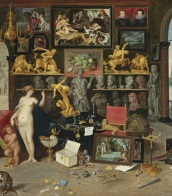
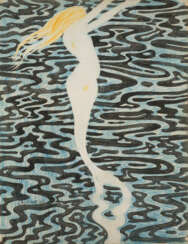

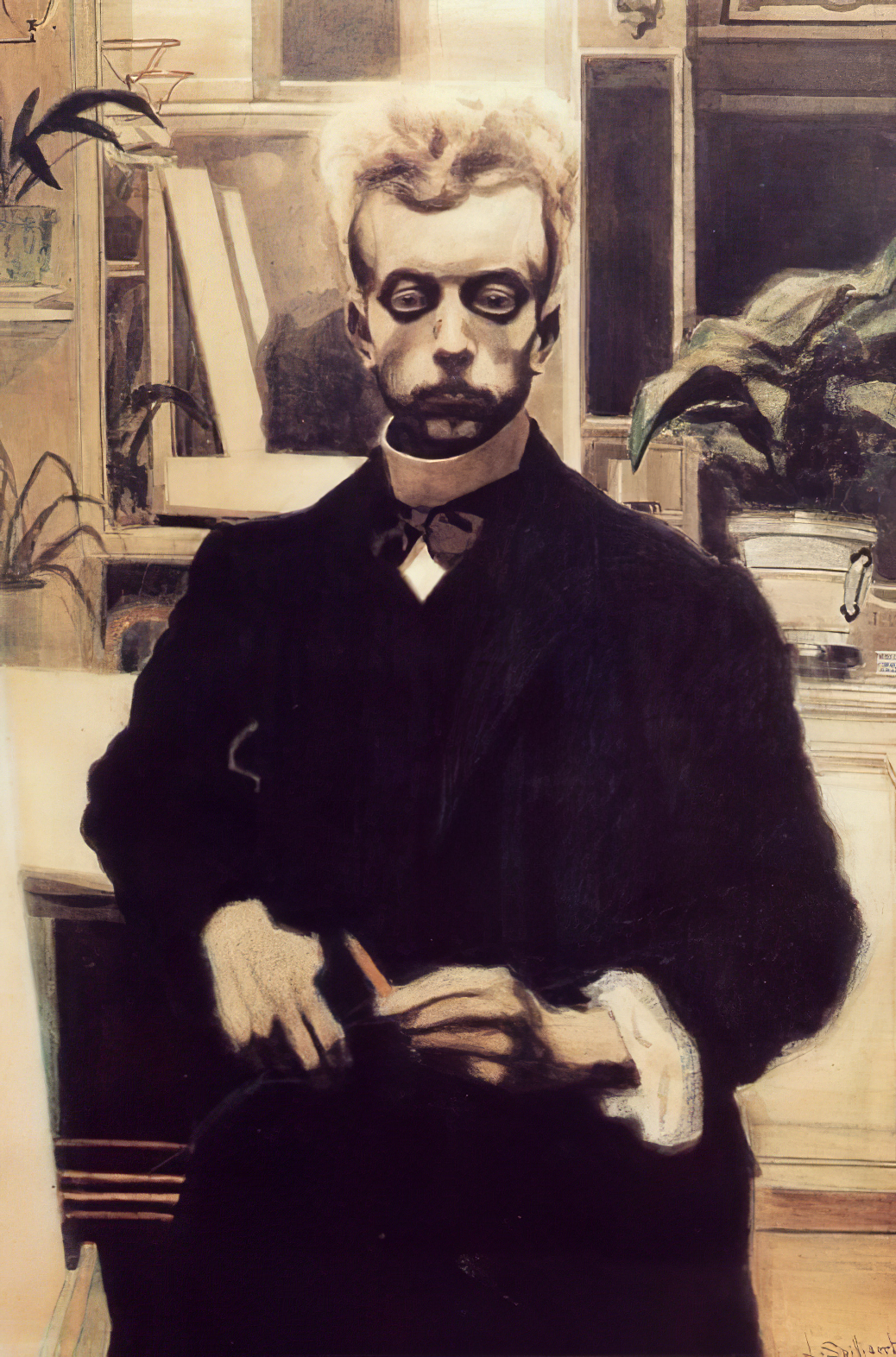
Léon Spilliaert was a Belgian artist. He is known for his unique style of symbolism, with many of his works featuring dream-like landscapes, eerie still lifes, and enigmatic figures.
Spilliaert grew up in a wealthy family, and he initially studied architecture before turning to art. He was largely self-taught, and his work was heavily influenced by the Belgian symbolist movement, as well as the works of artists such as James Ensor and Edvard Munch.
Spilliaert was particularly interested in exploring the mysteries of the human psyche, and many of his works reflect a sense of unease or uncertainty. He often used strong contrasts of light and shadow to create a sense of drama and tension in his works, and his use of color was often muted and subdued.
Despite his success as an artist, Spilliaert was a deeply private individual, and he rarely exhibited his work during his lifetime. He continued to work throughout his life, however, producing a large body of haunting and enigmatic works that continue to captivate audiences today.


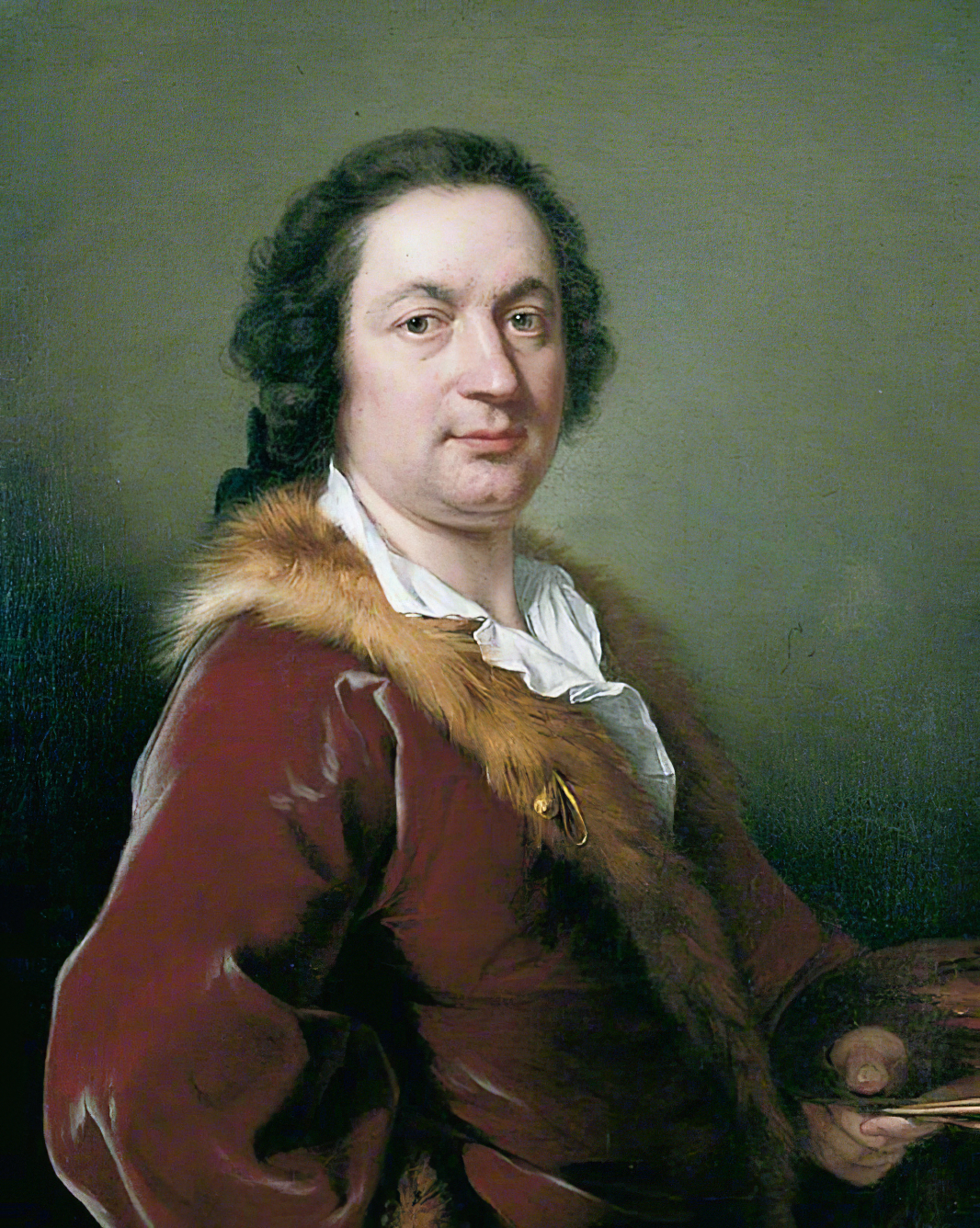
Andrea Soldi was an Italian portraitist active in Britain.

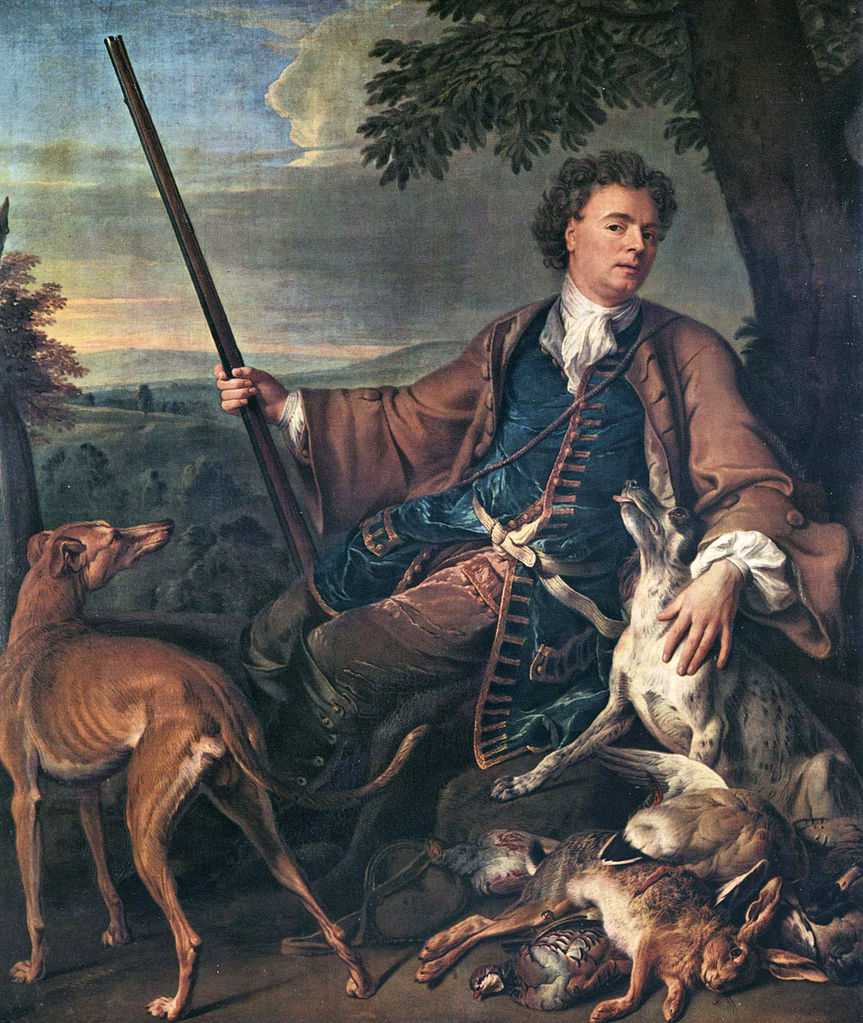
Alexandre-François Desportes was a French painter and decorative designer who specialised in animals.
![[ALKEN, Henry Thomas (1785-1851)]](/assets/image/picture_2943185/3ef6c/e87c92f54b5f5c9875792986c39061fc1689199200jpg__fix_374_244.jpeg)
![[ALKEN, Henry Thomas (1785-1851)]](https://veryimportantlot.com/assets/image/picture_2943185/3ef6c/e87c92f54b5f5c9875792986c39061fc1689199200jpg__fix_374_244.jpeg)
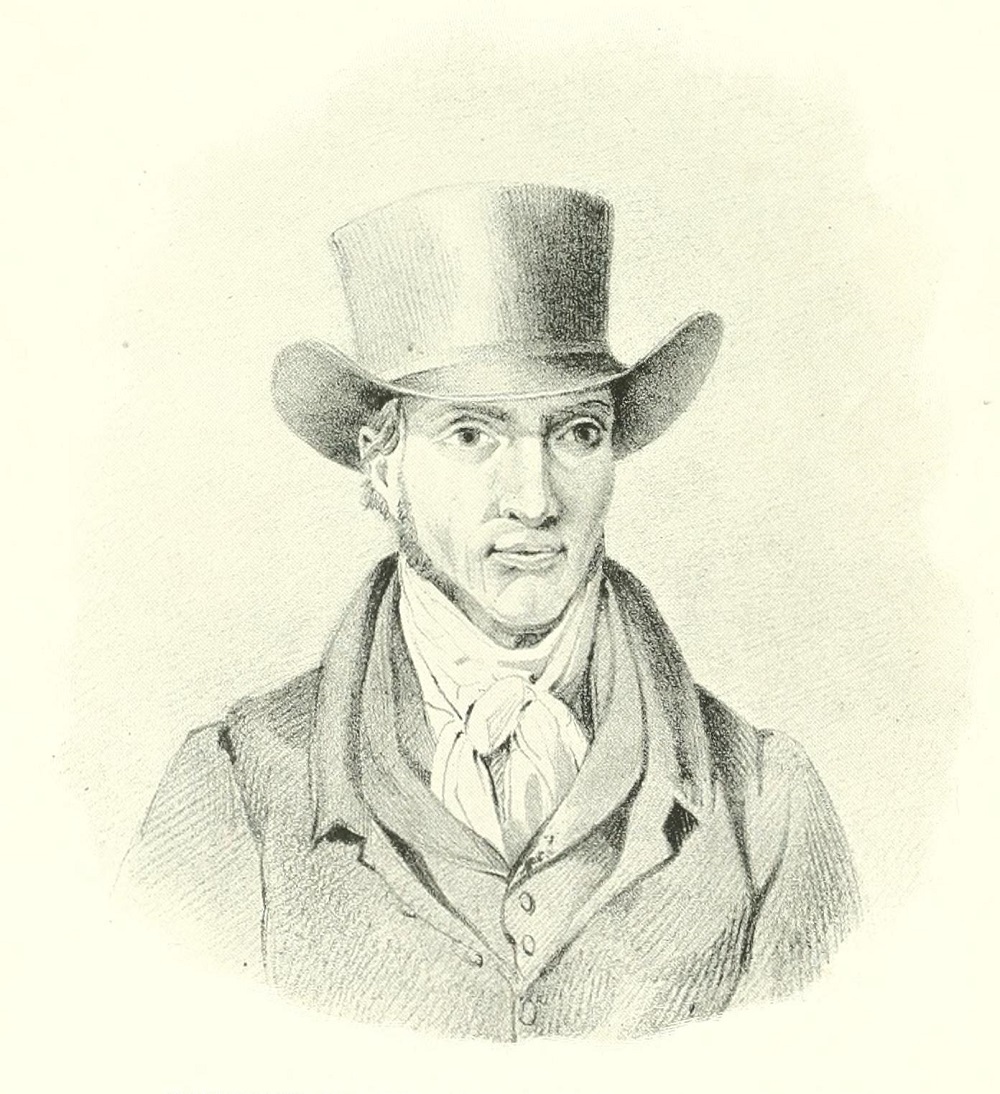
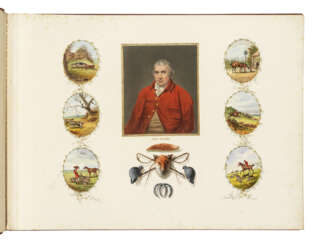
Henry Thomas Alcken was an English painter and engraver chiefly known as a caricaturist and illustrator of sporting subjects and coaching scenes. His most prolific period of painting and drawing occurred between 1816 and 1831.
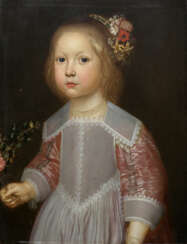



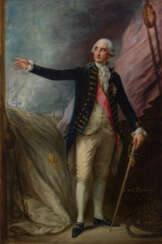

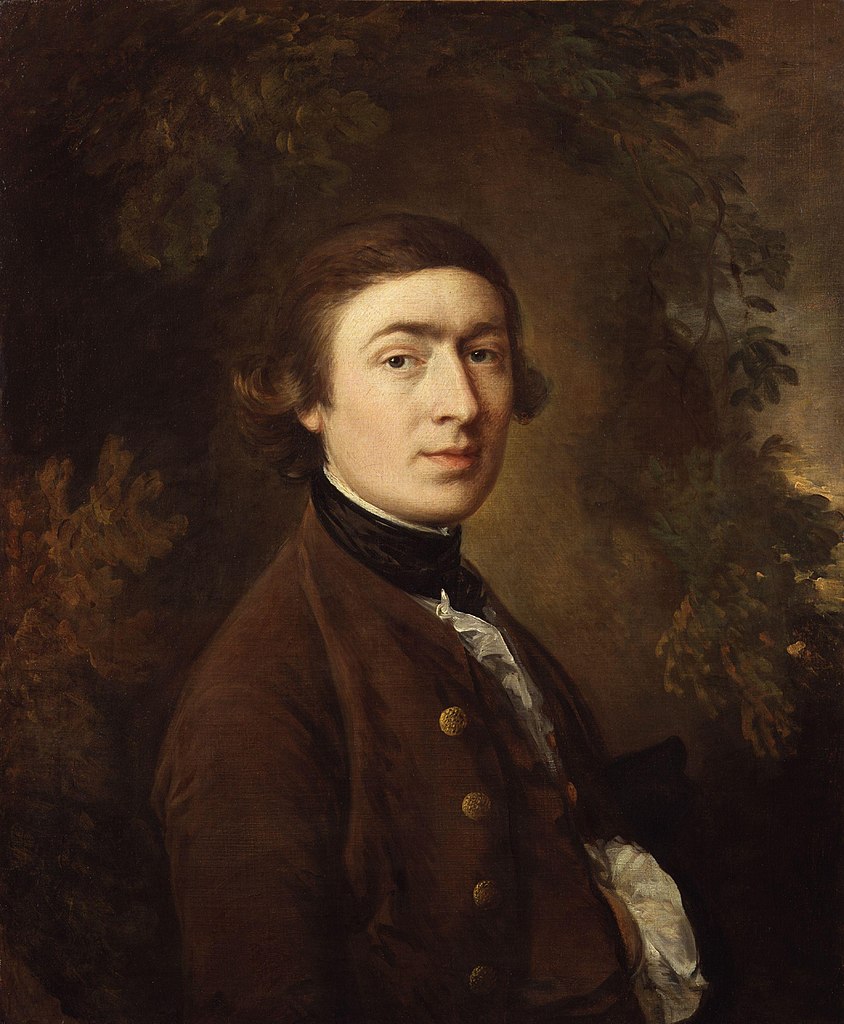
Thomas Gainsborough was an English painter, renowned for his mastery in both portraiture and landscape art, active during the 18th century. Born in Sudbury, Suffolk, Gainsborough displayed early artistic talent, which led him to London to study art seriously. He is often celebrated for his fluid and expressive brushwork and his innovative approach to portrait and landscape painting. Gainsborough was notably influenced by Dutch landscape paintings and the Rococo style, which is evident in his delicate and evocative use of color and light.
Thomas Gainsborough's career gained significant momentum when he moved to Bath, where he attracted a fashionable clientele. This period was marked by his creation of portraits that seamlessly integrated the sitters into lush, idyllic landscapes. Despite his success with portraits, Gainsborough preferred painting landscapes, often expressing a desire to escape the demands of portrait commissions to focus on these scenic representations.
Some of his most famous works include "The Blue Boy" and "Mr. and Mrs. Andrews." "The Blue Boy" is particularly noted for its vibrant blue costume and has been a hallmark of Gainsborough's style in capturing the personality and elegance of the youth. His works are held in high esteem and are part of collections across major museums globally, such as the National Gallery, Tate Britain, and the Huntington Library, to name a few.
For those interested in exploring Thomas Gainsborough's contributions to art, his paintings offer a glimpse into the social fabric and the natural beauty of 18th-century England, making him a pivotal figure in the English school of painting. His ability to convey character and atmosphere in his portraits and landscapes alike ensures his continued relevance and admiration in the art world today.
If you are keen on updates related to Thomas Gainsborough's art pieces, sales, and auctions, consider signing up for specialized newsletters or alerts that focus on his works and their presence in modern collections and sales events.
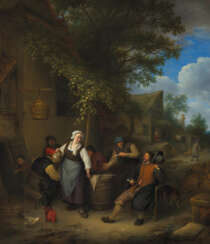

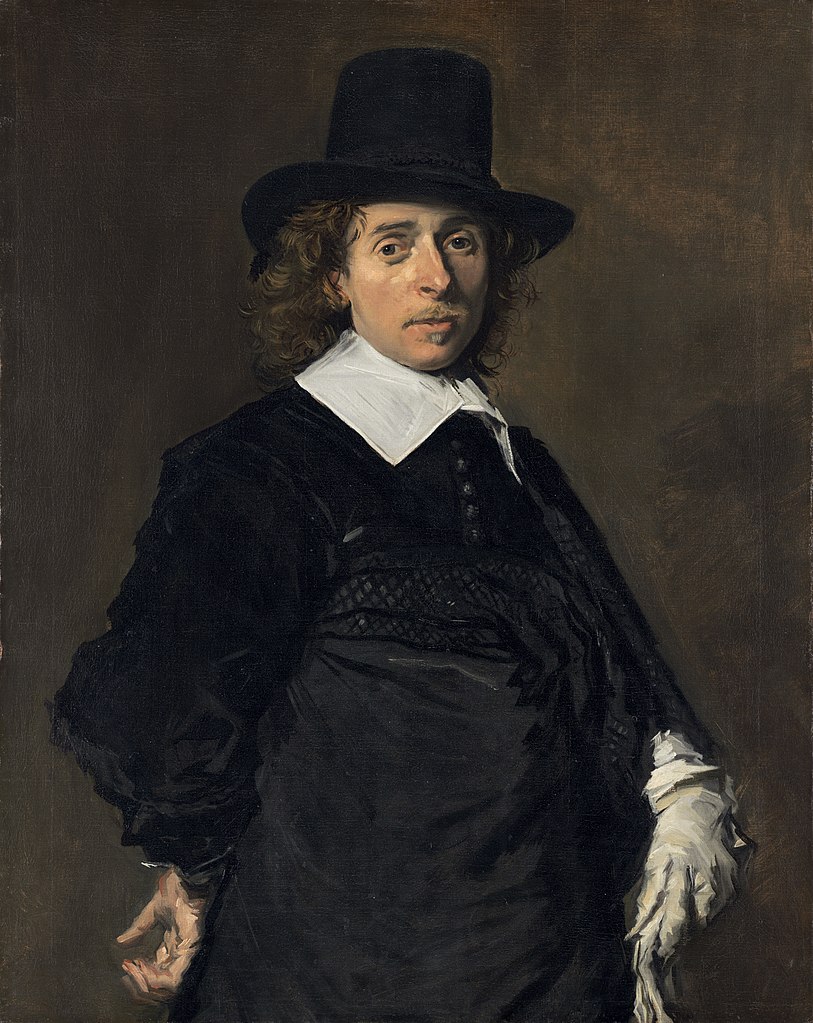
Adriaen van Ostade was a Dutch Golden Age painter of genre works, showing everyday life of ordinary men and women.




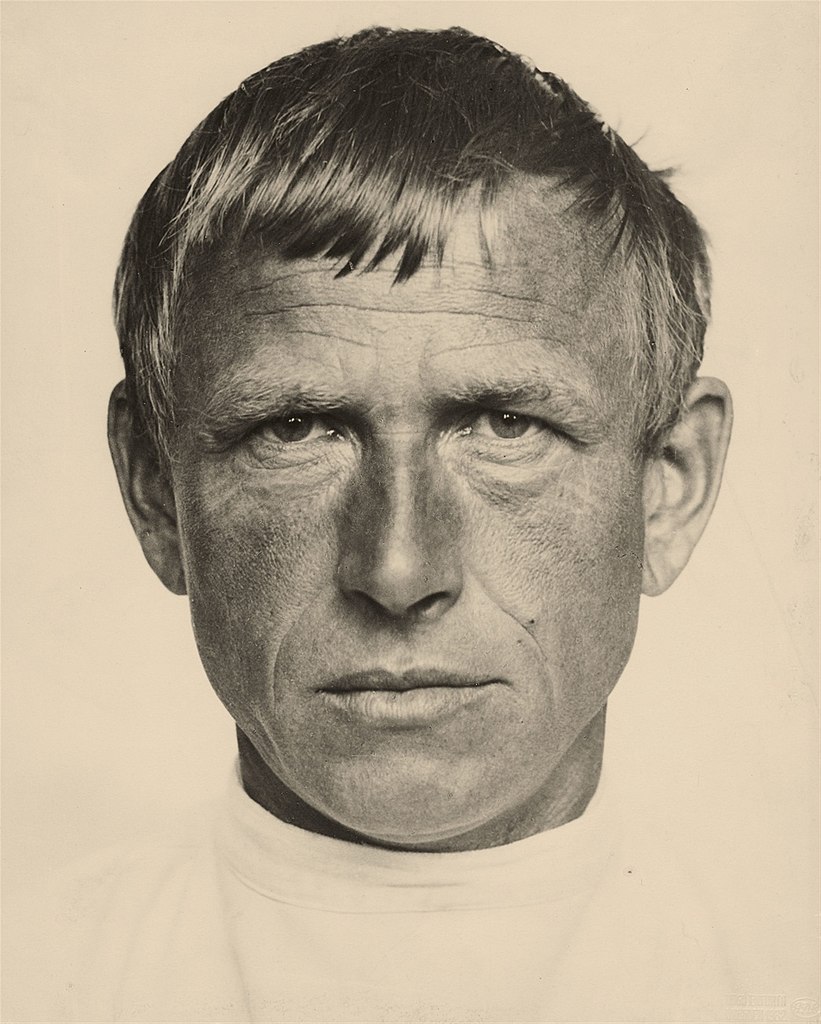
Wilhelm Heinrich Otto Dix was a German artist whose work stands as a stark, unyielding reflection of the societal tumult and trauma of the early 20th century. Born in 1891 in Untermhaus, Germany, Dix's early life was steeped in the arts, his ambition to become an artist nurtured by both familial influence and formal education in Dresden. His experiences as a soldier in World War I deeply influenced his artistic direction, leading him to vividly depict the horrors of war and the decay of the Weimar Republic with a brutal realism that became his signature style.
Dix's association with the Dada movement and the New Objectivity (Neue Sachlichkeit) further honed his critical, often cynical portrayal of post-war society. His works, such as "The Trench" and "War Cripples," expose the visceral aftermath of conflict, while his engagement with the Dadaists imbued his art with a disruptive, confrontational energy against societal norms and the art establishment.
Perhaps most notable is Dix's ability to capture the psychological depth and societal critiques through his portraits and landscapes, which ranged from the grotesque to the surreal. Paintings like "Portrait of the Journalist Sylvia von Harden" and the triptychs "Metropolis" and "War" are emblematic of his keen observation and stark depiction of the era's social and political unrest.
Despite facing significant adversity, including being labeled a degenerate artist by the Nazi regime and facing professional and personal setbacks, Dix's legacy as a painter and printmaker endures. His works are not only historical documents but also profound reflections on humanity, war, and society, resonating with collectors and art experts alike.
For enthusiasts of culture, art, and history, Dix's oeuvre offers an unflinching look into the human condition under the strain of societal and political upheaval. His contributions to painting and printmaking continue to be celebrated in museums and galleries worldwide, underscoring the enduring relevance of his work.
For those interested in exploring the profound depth and historical significance of Otto Dix's work, signing up for updates on new product sales and auction events related to his art can provide invaluable insights. This subscription is a gateway to staying informed about opportunities to engage with the tangible pieces of Dix's enduring legacy.