nice to paris
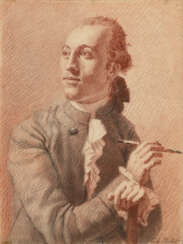

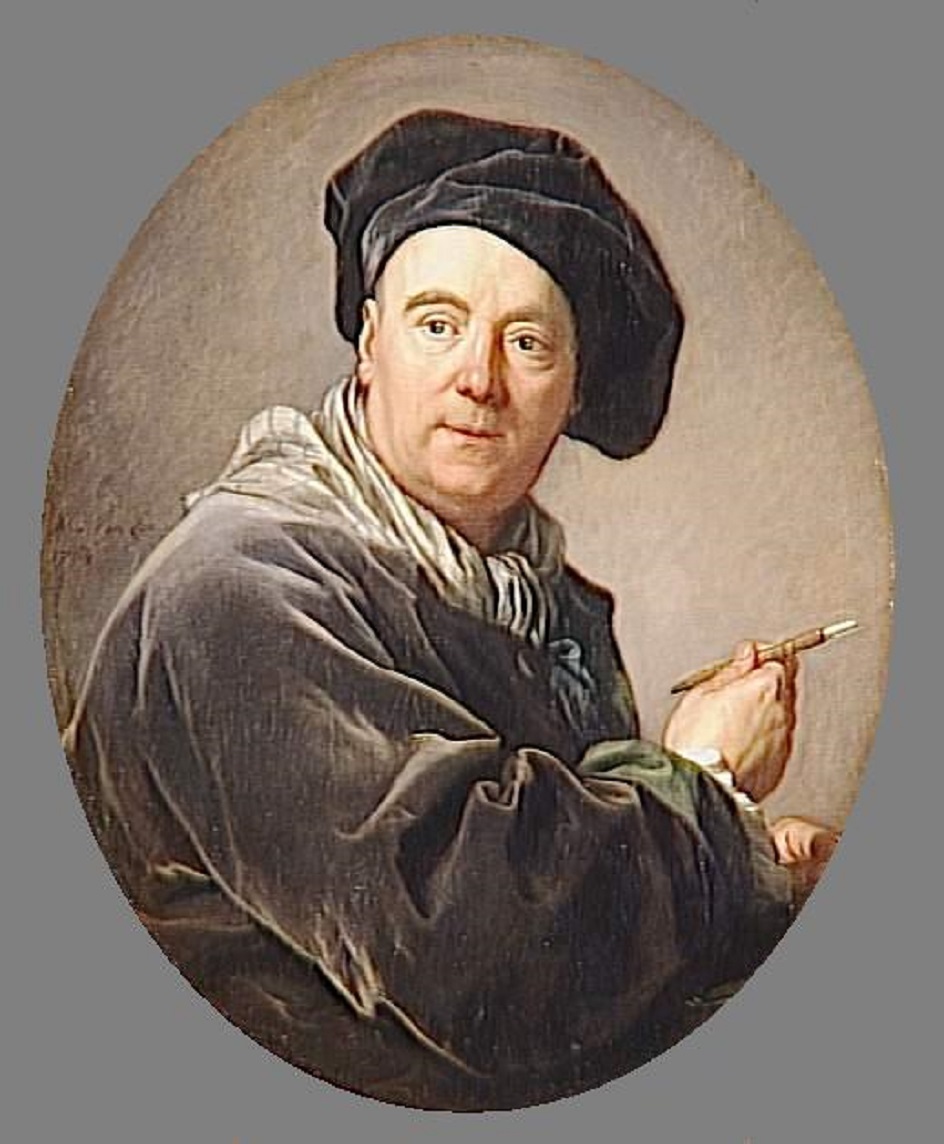
Charles-André Van Loo, a celebrated French painter, remains an iconic figure in the world of art and culture. Born in 1705 in Nice, then part of the Duchy of Savoy, Van Loo's journey in art began under the tutelage of Benedetto Luti and Pierre Le Gros in Rome. His skills were honed further at the Académie Royale in Paris, where he achieved first prize for drawing in 1723 and for historical painting in 1727. This early success, crowned with the prestigious Prix de Rome, marked the onset of a flourishing career.
Charles-André Van Loo's work, characterized by simplicity of style and correctness of design, was greatly influenced by the great Italian masters. This influence played a significant role in refining the modern French school of painting. His oeuvre encompassed various genres, including religion, history, mythology, and portraiture, showcasing his versatility. He gained the patronage of the French court, notably Madame de Pompadour, and was honored with the Order of Saint Michael. In 1762, his exceptional talent led to his appointment as the First Painter to King Louis XV of France.
Among his notable works, "The Marriage of the Virgin" finds a prestigious place in the Louvre, Paris. His paintings are also displayed in other renowned institutions, such as the Legion of Honor in San Francisco, which houses his works from 1752-1753, including "Painting," "Architecture," "Sculpture," and "Music." Additionally, his portraits of European royalty and prominent figures, like Empress Elizabeth Petrovna and Madame de Pompadour, further cemented his legacy.
Despite his success, Charles-André Van Loo's critical reception has varied over the centuries. While his ability and the quality of his work are still admired, the excessive praise once bestowed upon his creations is now deemed disproportionate. Nonetheless, his contributions to the art world are undeniable.
For collectors and experts in art and antiques, Van Loo's work offers a window into the elegance and sophistication of 18th-century Rococo art. His paintings not only depict the artistic preferences of his era but also provide insights into the cultural and social milieu of the French court.
To stay updated on new product sales and auction events related to Charles-André Van Loo, sign up for our updates. This subscription is your gateway to the world of this illustrious artist, ensuring you never miss an opportunity to explore and acquire pieces linked to his legacy.


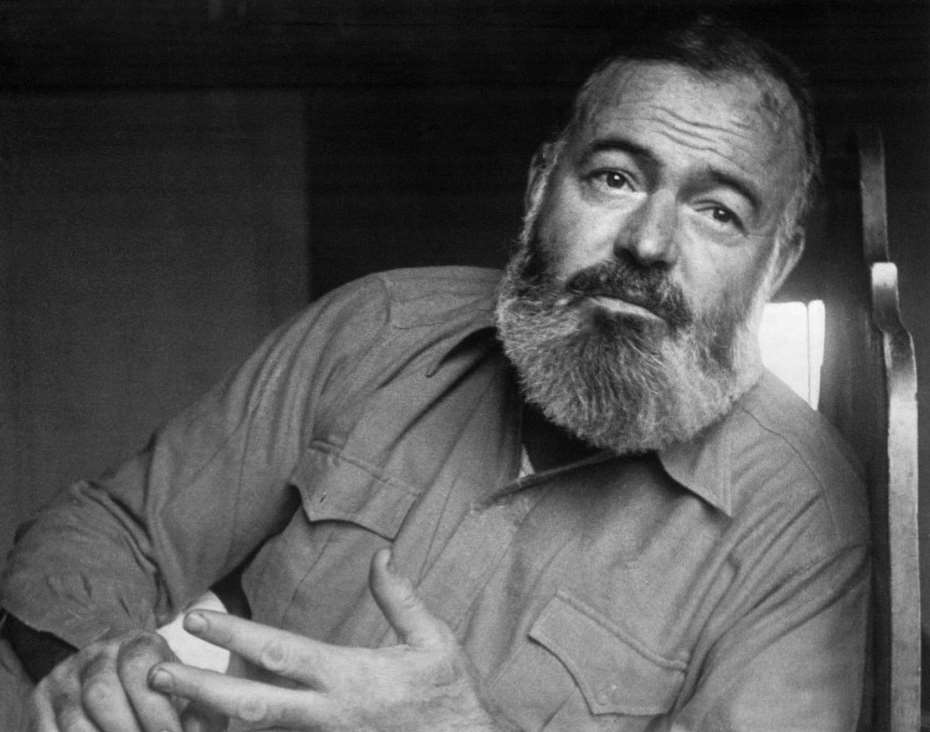




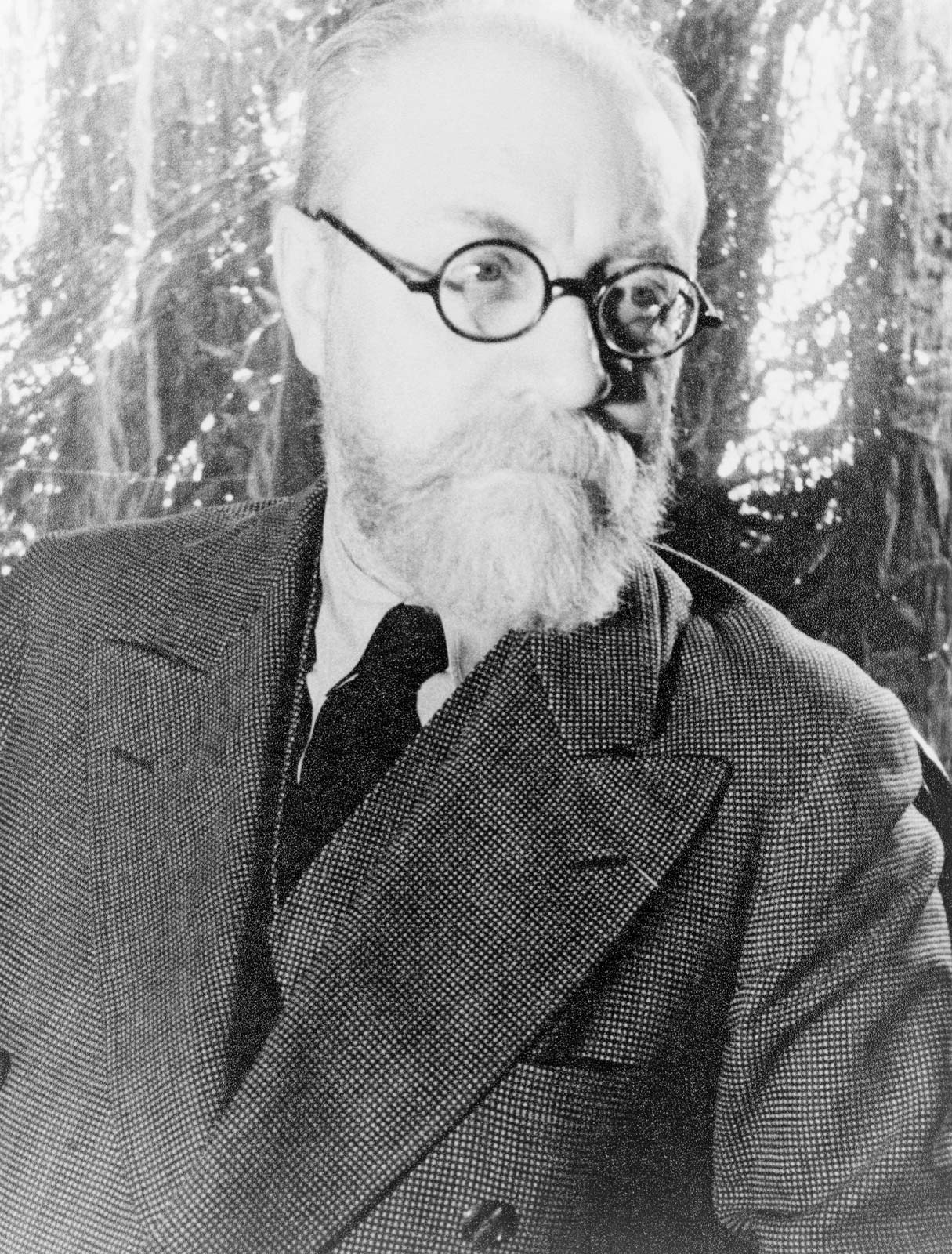
Henri Matisse, a renowned French visual artist, was celebrated for his vibrant use of color and fluid, original draughtsmanship. Born on December 31, 1869, in Le Cateau-Cambrésis, France, Matisse initially pursued a career in law before turning to art. He first began painting in 1889, a change inspired by convalescence art supplies his mother provided. This marked the beginning of a journey that would see him become a leading figure in modern art.
Matisse's career is notable for its stylistic evolution yet consistent aim to capture the "essential character of things." His early works, characterized by intense colorism, earned him recognition as one of the Fauves, or "wild beasts." The period from 1908 to 1913 was marked by significant developments, with works like "Reclining Odalisque" and "The Red Studio" showcasing his mastery in balance and serenity. In the 1920s, his style evolved to more relaxed forms, with a focus on light, color, and decorative patterns in paintings like his odalisque series.
Matisse's exploration of various mediums, including sculpture and paper collage, reflects his innovative spirit. His later years were dominated by cut paper collages, as health challenges limited his ability to paint. These works, alongside his bold drawings and sculptures, cemented his status as a pioneer in visual art.
For collectors and art experts, Matisse's work remains a testament to creative evolution and expressive use of color and form. His masterpieces can be found in prominent museums and galleries worldwide, continuing to inspire and fascinate art enthusiasts.
To stay updated on new product sales and auction events related to Henri Matisse's art, sign up for our updates. This subscription will keep you informed about opportunities to appreciate and acquire works connected to this iconic artist.
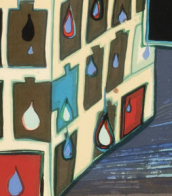
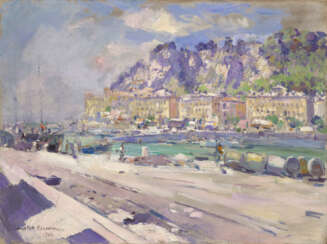



Charles-André Van Loo, a celebrated French painter, remains an iconic figure in the world of art and culture. Born in 1705 in Nice, then part of the Duchy of Savoy, Van Loo's journey in art began under the tutelage of Benedetto Luti and Pierre Le Gros in Rome. His skills were honed further at the Académie Royale in Paris, where he achieved first prize for drawing in 1723 and for historical painting in 1727. This early success, crowned with the prestigious Prix de Rome, marked the onset of a flourishing career.
Charles-André Van Loo's work, characterized by simplicity of style and correctness of design, was greatly influenced by the great Italian masters. This influence played a significant role in refining the modern French school of painting. His oeuvre encompassed various genres, including religion, history, mythology, and portraiture, showcasing his versatility. He gained the patronage of the French court, notably Madame de Pompadour, and was honored with the Order of Saint Michael. In 1762, his exceptional talent led to his appointment as the First Painter to King Louis XV of France.
Among his notable works, "The Marriage of the Virgin" finds a prestigious place in the Louvre, Paris. His paintings are also displayed in other renowned institutions, such as the Legion of Honor in San Francisco, which houses his works from 1752-1753, including "Painting," "Architecture," "Sculpture," and "Music." Additionally, his portraits of European royalty and prominent figures, like Empress Elizabeth Petrovna and Madame de Pompadour, further cemented his legacy.
Despite his success, Charles-André Van Loo's critical reception has varied over the centuries. While his ability and the quality of his work are still admired, the excessive praise once bestowed upon his creations is now deemed disproportionate. Nonetheless, his contributions to the art world are undeniable.
For collectors and experts in art and antiques, Van Loo's work offers a window into the elegance and sophistication of 18th-century Rococo art. His paintings not only depict the artistic preferences of his era but also provide insights into the cultural and social milieu of the French court.
To stay updated on new product sales and auction events related to Charles-André Van Loo, sign up for our updates. This subscription is your gateway to the world of this illustrious artist, ensuring you never miss an opportunity to explore and acquire pieces linked to his legacy.
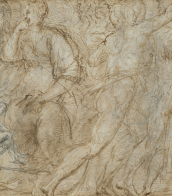
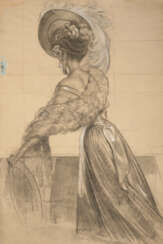

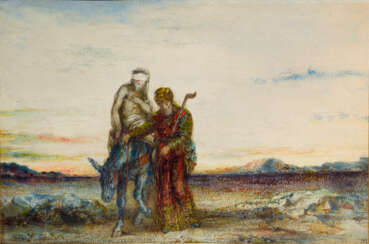

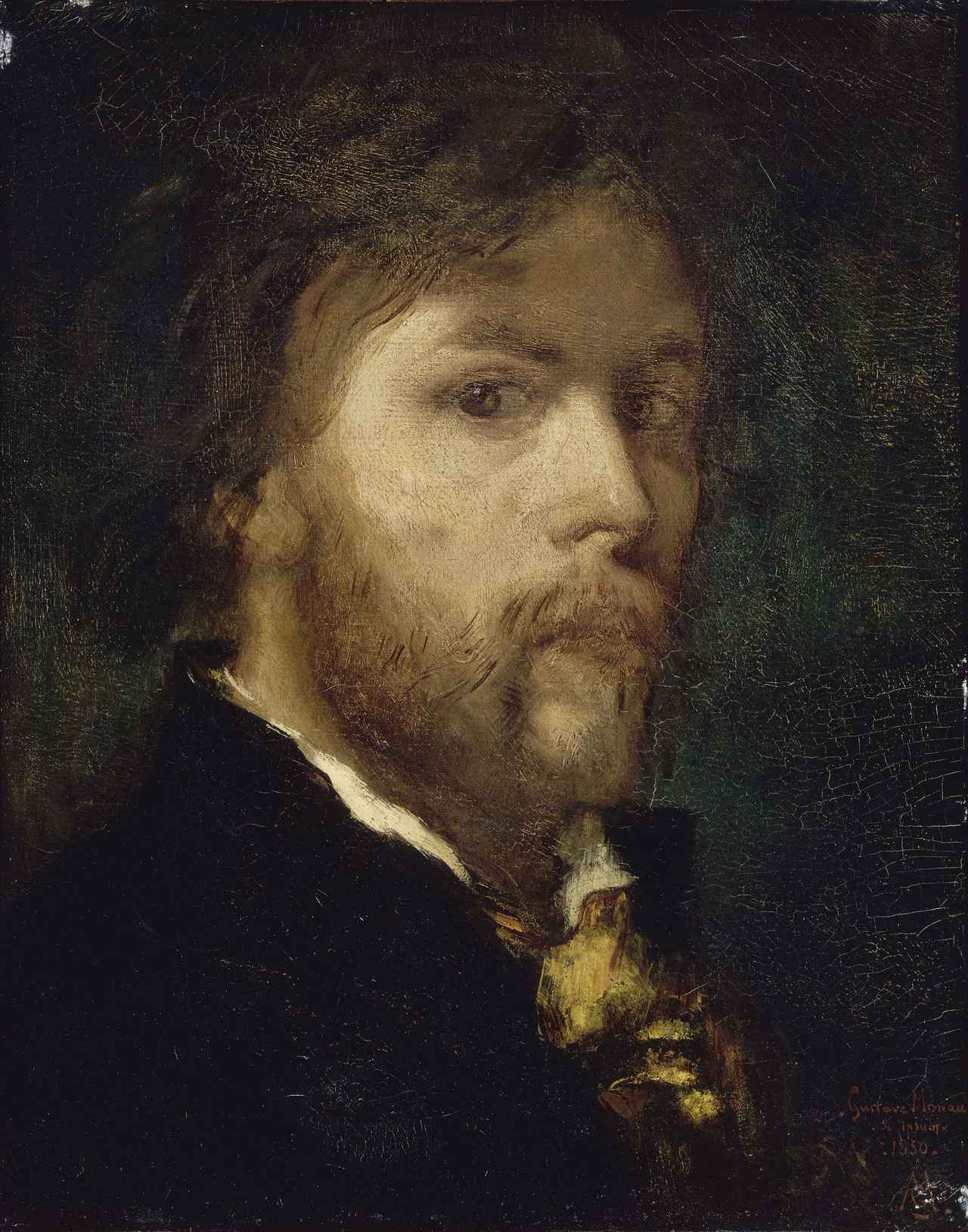
Gustave Moreau was a French artist and an important figure in the Symbolist movement. Jean Cassou called him "the Symbolist painter par excellence". He was an influential forerunner of symbolism in the visual arts in the 1860s, and at the height of the symbolist movement in the 1890s, he was among the most significant painters.
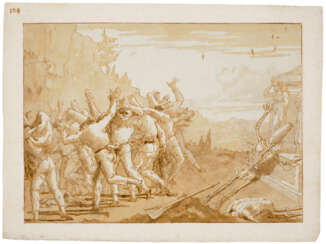

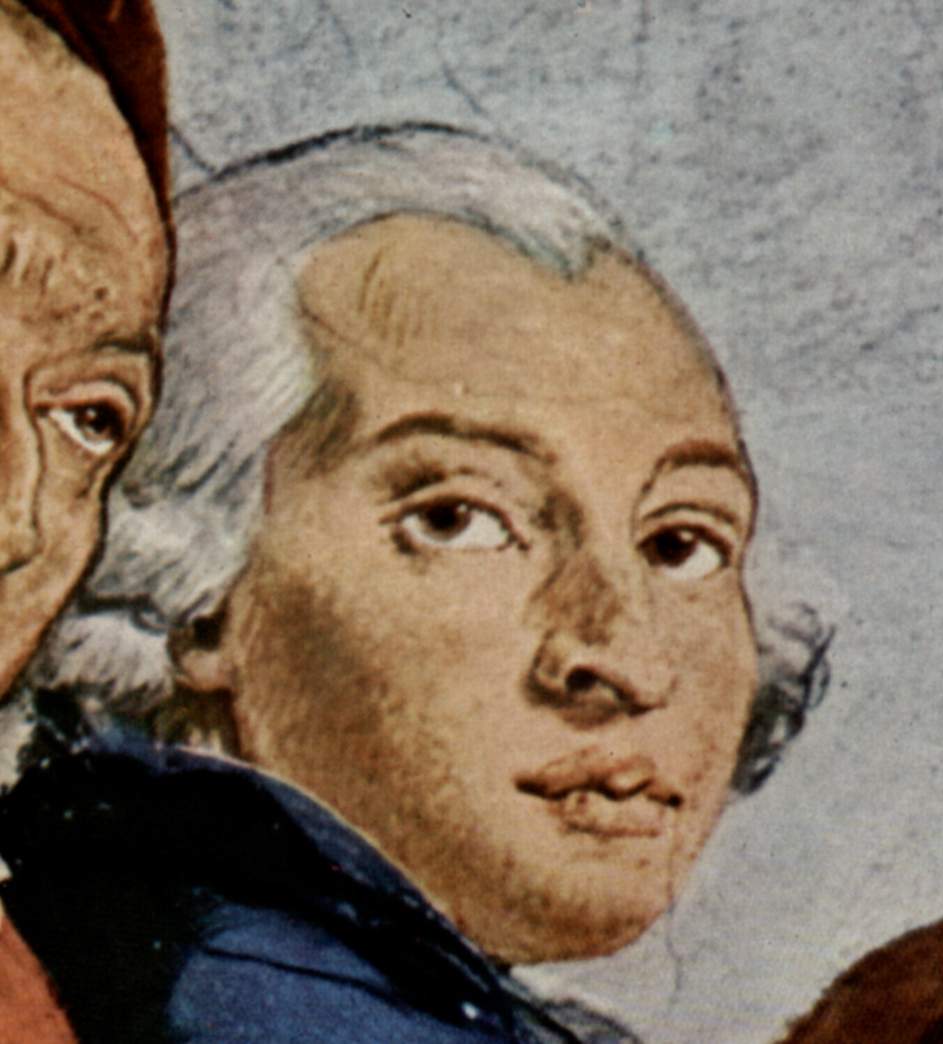
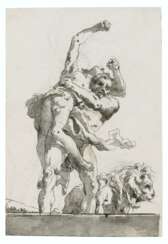
Giovanni Domenico Tiepolo, an Italian painter, was a remarkable figure in the 18th-century art world. The eldest surviving son of the famed Giovanni Battista Tiepolo, Domenico not only assisted his father but also carved out his own niche in the realms of painting and etching. His work, encompassing a broad array of subjects from religious themes to lively genre scenes and character sketches, reflects a blend of the allegorical grandeur inherited from his father and his own more grounded and observational approach.
Domenico Tiepolo's artistic legacy includes a significant contribution to printmaking, particularly in etching, where he reproduced both his and his father's paintings, alongside original compositions. Among these, the series of twenty-four illustrations of the "Flight into Egypt" and a set depicting the "Stations of the Cross" stand out as notable examples of his originality and skill in capturing narrative depth. His works are held in prestigious collections worldwide, such as the Prado Museum, The Art Gallery of New South Wales, and the National Gallery in London, underscoring his international acclaim and the enduring appeal of his art.
Despite being somewhat overshadowed by his father, Giovanni Domenico Tiepolo's contributions to the art world are significant. His ability to infuse his works with a sense of immediacy and emotional depth, while still engaging with the theatricality and elegance characteristic of the period, marks him as a pivotal figure in the transition from the grandiose Baroque to a more intimate and observant Rococo style. This duality is perhaps best represented in his genre scenes and character studies, which offer a glimpse into the daily life and cultural milieu of 18th-century Venice.
For collectors and experts in art and antiques, Domenico Tiepolo's works represent a fascinating intersection of historical significance and artistic merit. His prints and paintings not only reflect the cultural and artistic vibrancy of his era but also offer insights into the personal and professional dynamics within one of the most celebrated artistic families of the time.
To stay updated on sales and auction events related to Giovanni Domenico Tiepolo's works, signing up for newsletters from relevant art institutions and auction houses is recommended. These updates can provide valuable information for collectors and enthusiasts eager to enhance their collections with pieces by this distinguished artist.
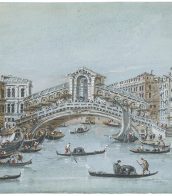
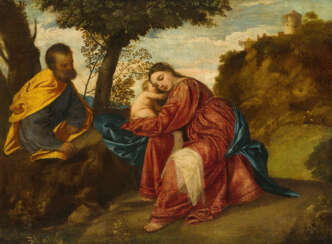

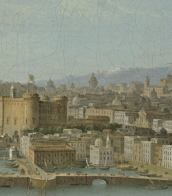
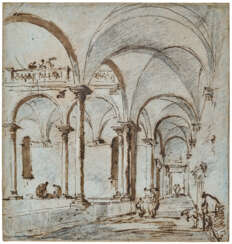





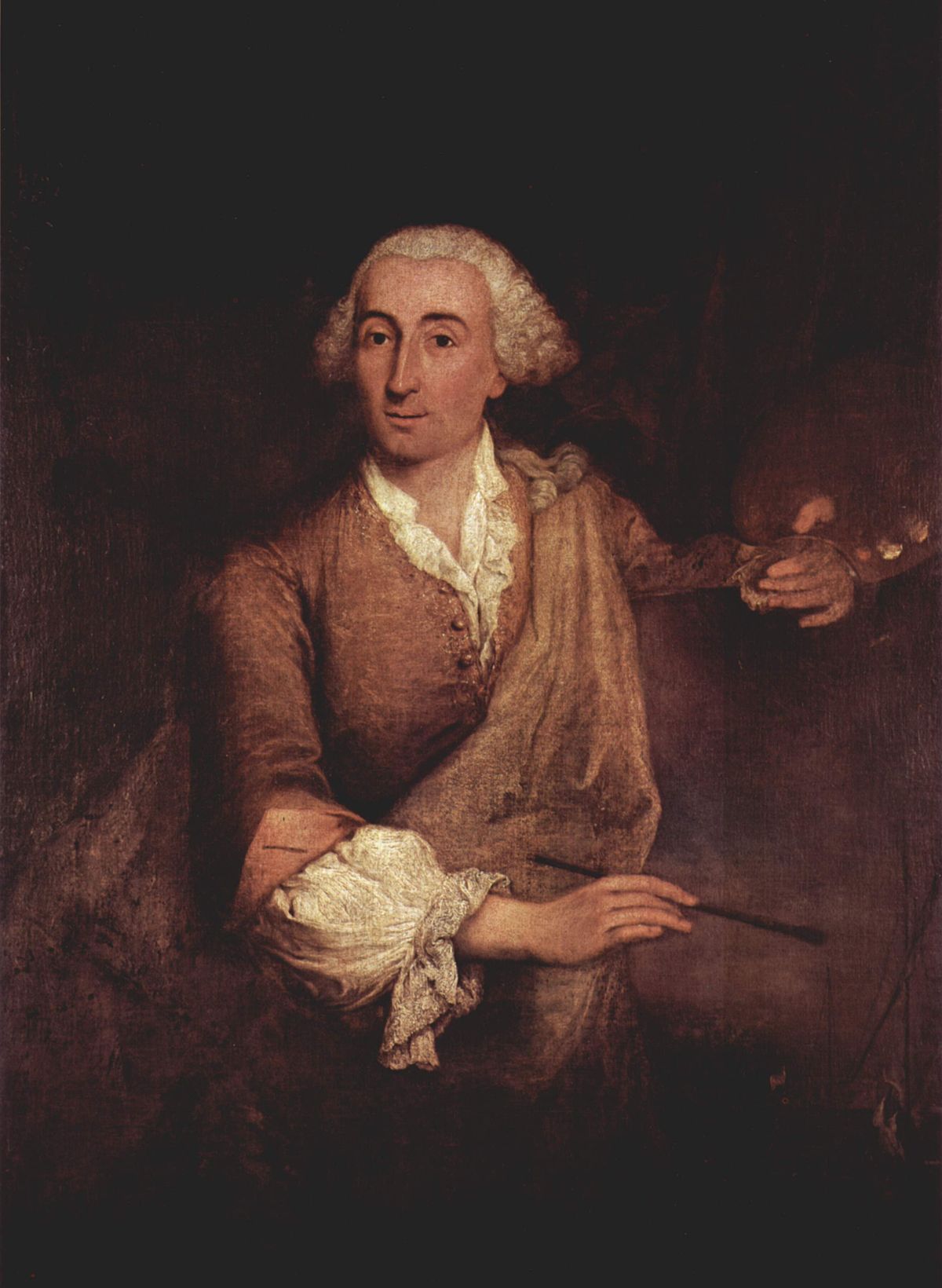
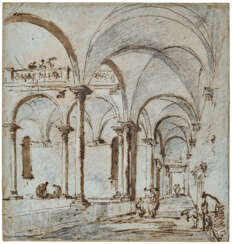
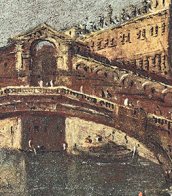
Francesco Lazzaro Guardi was an Italian painter, nobleman, and a member of the Venetian School. He is considered to be among the last practitioners, along with his brothers, of the classic Venetian school of painting.
In the early part of his career he collaborated with his older brother Gian Antonio in the production of religious paintings. After Gian Antonio's death in 1760, Francesco concentrated on vedute. The earliest of these show the influence of Canaletto, but he gradually adopted a looser style characterized by spirited brush-strokes and freely imagined architecture.
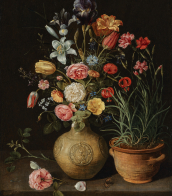


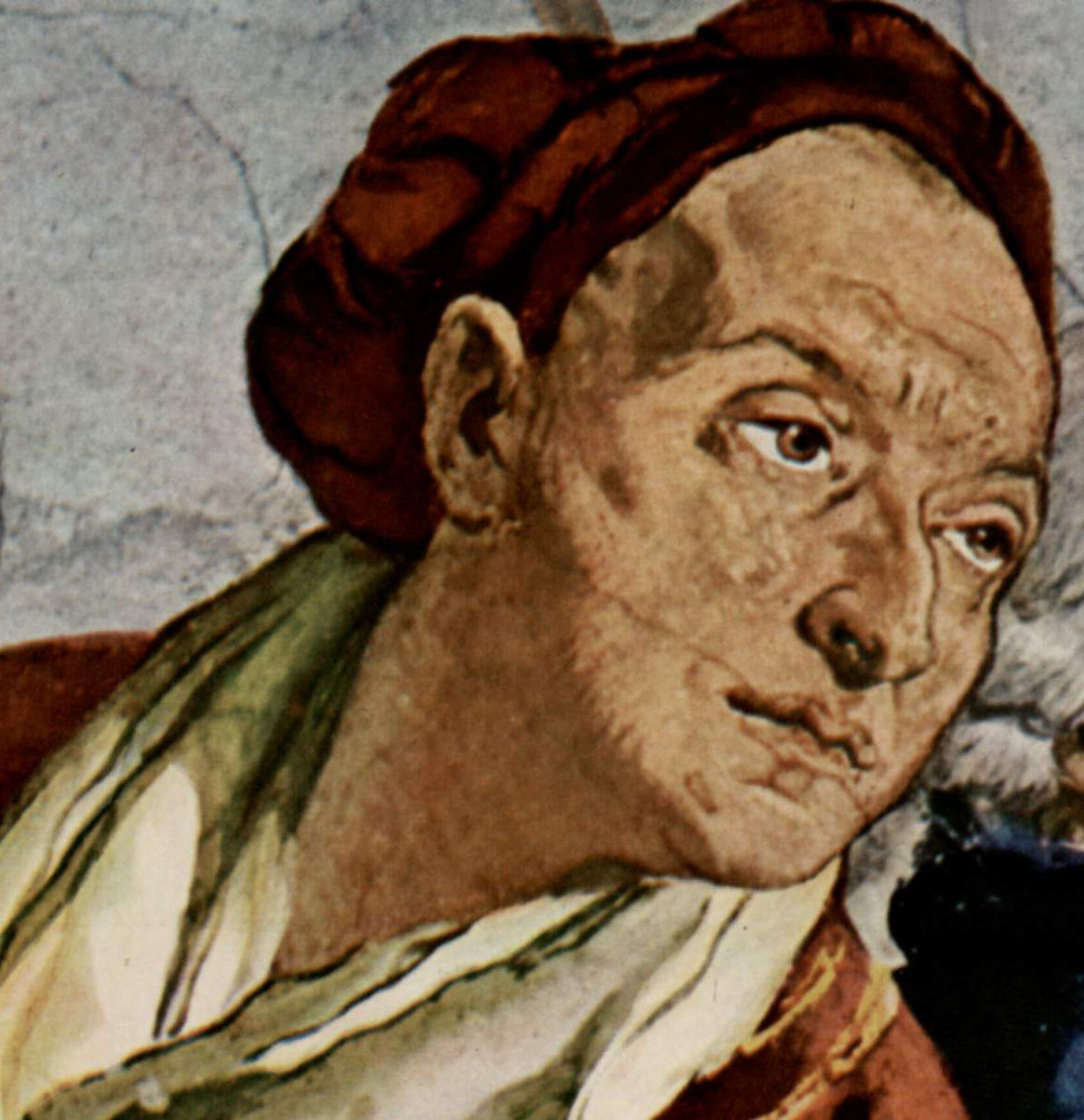
Giovanni Battista Tiepolo, an illustrious Italian painter of the 18th century, is renowned for his radiant and poetic frescoes that beautifully extend the tradition of Baroque ceiling decoration, encapsulating the essence of the Rococo period. Born in Venice, Tiepolo was significantly influenced by his contemporaries and predecessors, such as Piazzetta, Ricci, Tintoretto, and Veronese, which is evident in his dynamic and vibrant works.
Giovanni Battista Tiepolo's expertise in creating grand frescoed ceilings for churches, villas, and palaces across Italy, Germany, and Spain is particularly noteworthy. His work at the Würzburg Residenz, where he painted a vast ceiling depicting Apollo and the continents, is considered a high point of his career. This masterpiece demonstrates his skill in creating spatial illusions and integrating multiple perspectives to enhance the viewer's experience.
In addition to his frescoes, Giovanni Battista Tiepolo's prowess as a draftsman and printmaker was widely acclaimed. His prints, characterized by imaginative and sometimes enigmatic imagery, enjoyed widespread popularity and may have influenced subsequent artists like Francisco de Goya.
Throughout his career, Giovanni Battista Tiepolo received numerous commissions across Europe, reflecting his international fame. His later works in Spain, where he moved with his sons to serve the Spanish monarchy, showcase a quieter yet profound style, focusing on religious and allegorical themes.
For collectors and experts in art and antiques, Giovanni Battista Tiepolo's legacy represents an essential chapter in the history of art, offering insights into the interplay of light, color, and narrative in 18th-century European painting. His works, housed in various museums and collections worldwide, continue to captivate and inspire audiences with their elegance and grandeur.
If you wish to stay updated on new product sales and auction events related to Giovanni Battista Tiepolo, signing up for updates is an excellent way to ensure you don't miss out on any valuable information.


Francesco Lazzaro Guardi was an Italian painter, nobleman, and a member of the Venetian School. He is considered to be among the last practitioners, along with his brothers, of the classic Venetian school of painting.
In the early part of his career he collaborated with his older brother Gian Antonio in the production of religious paintings. After Gian Antonio's death in 1760, Francesco concentrated on vedute. The earliest of these show the influence of Canaletto, but he gradually adopted a looser style characterized by spirited brush-strokes and freely imagined architecture.
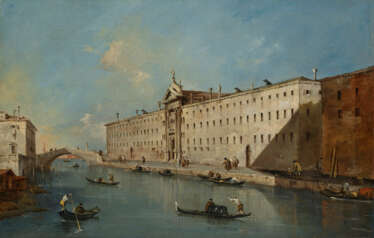

Francesco Lazzaro Guardi was an Italian painter, nobleman, and a member of the Venetian School. He is considered to be among the last practitioners, along with his brothers, of the classic Venetian school of painting.
In the early part of his career he collaborated with his older brother Gian Antonio in the production of religious paintings. After Gian Antonio's death in 1760, Francesco concentrated on vedute. The earliest of these show the influence of Canaletto, but he gradually adopted a looser style characterized by spirited brush-strokes and freely imagined architecture.
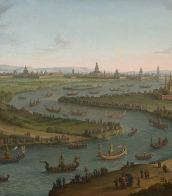
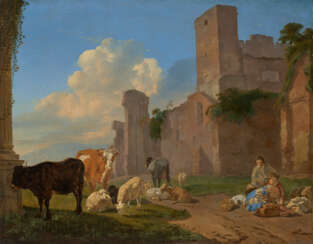

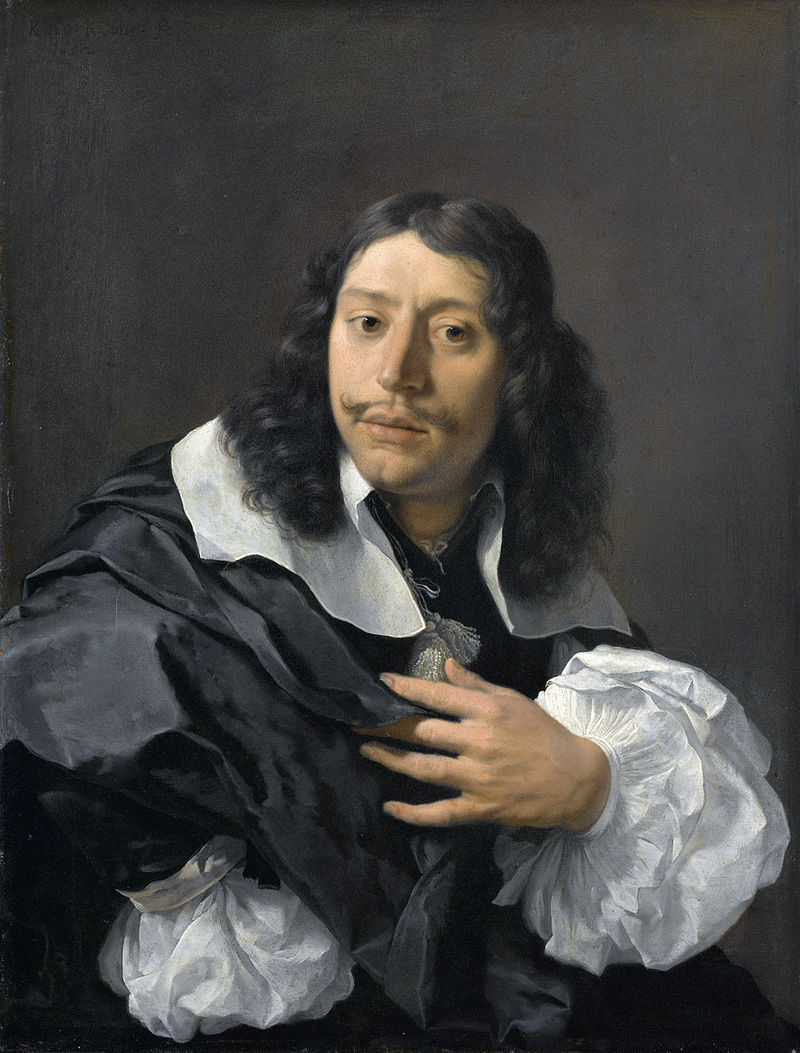
Karel Dujardin was a Dutch painter and printmaker of the Golden Age of Dutch painting.
He studied with Klaas Berchem and Paulus Potter, traveled to Italy, and lived in Lyon. In 1656 he participated in the founding of the Pictura Society in The Hague.
Dujardin painted mostly Italian landscapes, genre scenes, including scenes from rural life, portraits of elegant people and historical paintings.
Many of Dujardin's works are in the Louvre, the Hermitage (St. Petersburg), as well as in Amsterdam, The Hague, Kassel, and Berlin.


Francesco Lazzaro Guardi was an Italian painter, nobleman, and a member of the Venetian School. He is considered to be among the last practitioners, along with his brothers, of the classic Venetian school of painting.
In the early part of his career he collaborated with his older brother Gian Antonio in the production of religious paintings. After Gian Antonio's death in 1760, Francesco concentrated on vedute. The earliest of these show the influence of Canaletto, but he gradually adopted a looser style characterized by spirited brush-strokes and freely imagined architecture.
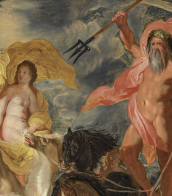


Giovanni Domenico Tiepolo, an Italian painter, was a remarkable figure in the 18th-century art world. The eldest surviving son of the famed Giovanni Battista Tiepolo, Domenico not only assisted his father but also carved out his own niche in the realms of painting and etching. His work, encompassing a broad array of subjects from religious themes to lively genre scenes and character sketches, reflects a blend of the allegorical grandeur inherited from his father and his own more grounded and observational approach.
Domenico Tiepolo's artistic legacy includes a significant contribution to printmaking, particularly in etching, where he reproduced both his and his father's paintings, alongside original compositions. Among these, the series of twenty-four illustrations of the "Flight into Egypt" and a set depicting the "Stations of the Cross" stand out as notable examples of his originality and skill in capturing narrative depth. His works are held in prestigious collections worldwide, such as the Prado Museum, The Art Gallery of New South Wales, and the National Gallery in London, underscoring his international acclaim and the enduring appeal of his art.
Despite being somewhat overshadowed by his father, Giovanni Domenico Tiepolo's contributions to the art world are significant. His ability to infuse his works with a sense of immediacy and emotional depth, while still engaging with the theatricality and elegance characteristic of the period, marks him as a pivotal figure in the transition from the grandiose Baroque to a more intimate and observant Rococo style. This duality is perhaps best represented in his genre scenes and character studies, which offer a glimpse into the daily life and cultural milieu of 18th-century Venice.
For collectors and experts in art and antiques, Domenico Tiepolo's works represent a fascinating intersection of historical significance and artistic merit. His prints and paintings not only reflect the cultural and artistic vibrancy of his era but also offer insights into the personal and professional dynamics within one of the most celebrated artistic families of the time.
To stay updated on sales and auction events related to Giovanni Domenico Tiepolo's works, signing up for newsletters from relevant art institutions and auction houses is recommended. These updates can provide valuable information for collectors and enthusiasts eager to enhance their collections with pieces by this distinguished artist.
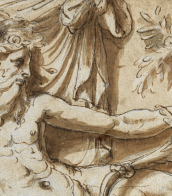


Giovanni Domenico Tiepolo, an Italian painter, was a remarkable figure in the 18th-century art world. The eldest surviving son of the famed Giovanni Battista Tiepolo, Domenico not only assisted his father but also carved out his own niche in the realms of painting and etching. His work, encompassing a broad array of subjects from religious themes to lively genre scenes and character sketches, reflects a blend of the allegorical grandeur inherited from his father and his own more grounded and observational approach.
Domenico Tiepolo's artistic legacy includes a significant contribution to printmaking, particularly in etching, where he reproduced both his and his father's paintings, alongside original compositions. Among these, the series of twenty-four illustrations of the "Flight into Egypt" and a set depicting the "Stations of the Cross" stand out as notable examples of his originality and skill in capturing narrative depth. His works are held in prestigious collections worldwide, such as the Prado Museum, The Art Gallery of New South Wales, and the National Gallery in London, underscoring his international acclaim and the enduring appeal of his art.
Despite being somewhat overshadowed by his father, Giovanni Domenico Tiepolo's contributions to the art world are significant. His ability to infuse his works with a sense of immediacy and emotional depth, while still engaging with the theatricality and elegance characteristic of the period, marks him as a pivotal figure in the transition from the grandiose Baroque to a more intimate and observant Rococo style. This duality is perhaps best represented in his genre scenes and character studies, which offer a glimpse into the daily life and cultural milieu of 18th-century Venice.
For collectors and experts in art and antiques, Domenico Tiepolo's works represent a fascinating intersection of historical significance and artistic merit. His prints and paintings not only reflect the cultural and artistic vibrancy of his era but also offer insights into the personal and professional dynamics within one of the most celebrated artistic families of the time.
To stay updated on sales and auction events related to Giovanni Domenico Tiepolo's works, signing up for newsletters from relevant art institutions and auction houses is recommended. These updates can provide valuable information for collectors and enthusiasts eager to enhance their collections with pieces by this distinguished artist.


Giovanni Domenico Tiepolo, an Italian painter, was a remarkable figure in the 18th-century art world. The eldest surviving son of the famed Giovanni Battista Tiepolo, Domenico not only assisted his father but also carved out his own niche in the realms of painting and etching. His work, encompassing a broad array of subjects from religious themes to lively genre scenes and character sketches, reflects a blend of the allegorical grandeur inherited from his father and his own more grounded and observational approach.
Domenico Tiepolo's artistic legacy includes a significant contribution to printmaking, particularly in etching, where he reproduced both his and his father's paintings, alongside original compositions. Among these, the series of twenty-four illustrations of the "Flight into Egypt" and a set depicting the "Stations of the Cross" stand out as notable examples of his originality and skill in capturing narrative depth. His works are held in prestigious collections worldwide, such as the Prado Museum, The Art Gallery of New South Wales, and the National Gallery in London, underscoring his international acclaim and the enduring appeal of his art.
Despite being somewhat overshadowed by his father, Giovanni Domenico Tiepolo's contributions to the art world are significant. His ability to infuse his works with a sense of immediacy and emotional depth, while still engaging with the theatricality and elegance characteristic of the period, marks him as a pivotal figure in the transition from the grandiose Baroque to a more intimate and observant Rococo style. This duality is perhaps best represented in his genre scenes and character studies, which offer a glimpse into the daily life and cultural milieu of 18th-century Venice.
For collectors and experts in art and antiques, Domenico Tiepolo's works represent a fascinating intersection of historical significance and artistic merit. His prints and paintings not only reflect the cultural and artistic vibrancy of his era but also offer insights into the personal and professional dynamics within one of the most celebrated artistic families of the time.
To stay updated on sales and auction events related to Giovanni Domenico Tiepolo's works, signing up for newsletters from relevant art institutions and auction houses is recommended. These updates can provide valuable information for collectors and enthusiasts eager to enhance their collections with pieces by this distinguished artist.



,_by_Johann_Baptist_II_Lampi.jpg)
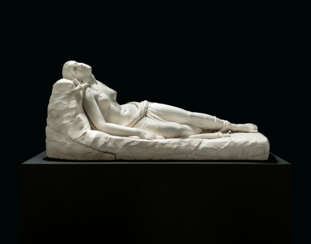
Antonio Canova was an Italian sculptor of the late 18th and early 19th centuries. He is known as a bright representative of neoclassicism in European fine art. Canova was a follower of traditions of artists of antiquity and Renaissance. Among admirers of his creativity there were many representatives of ruling dynasties of Europe.
Antonio Canova himself created more than 50 statues, and together with his assistants - about 180 works. He gained influential patrons and had a reputation as the most important European sculptor of his time. Among his customers was Napoleon Bonaparte, whose statue Canova carved from marble, depicting the emperor as Mars.
Most of Canova's works today decorate the expositions of the world's leading museums, such as the halls of the Louvre and the Hermitage.


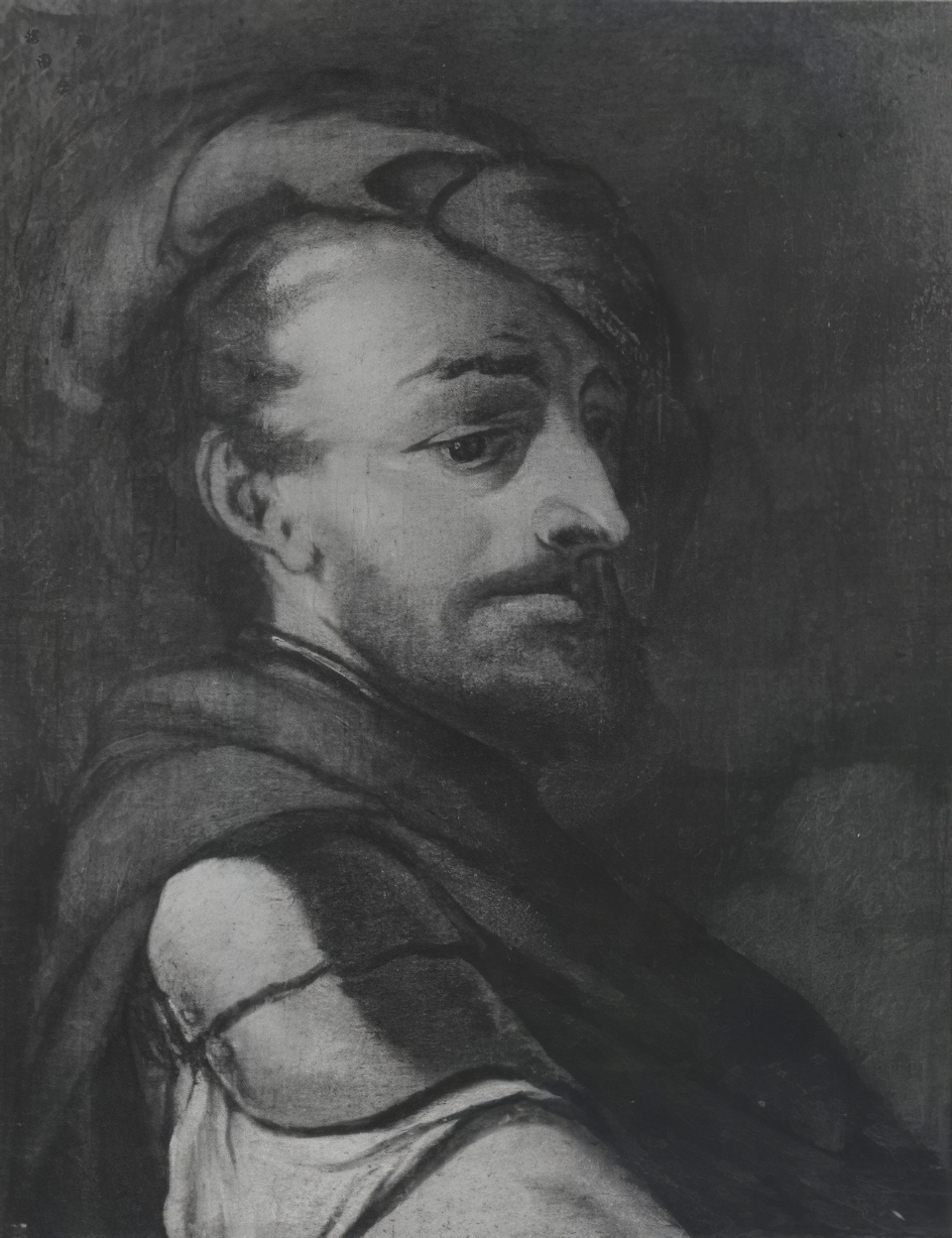
Giulio Carpioni was an Italian Baroque painter, etcher, and a significant figure in the early Baroque period, primarily associated with Venice and Vicenza. His artistic journey began under the mentorship of Alessandro Varotari, known as Il Padovanino. Carpioni's work was influenced by various artists and styles, including the realism and objectivity characteristic of Saraceni and Jean Leclerc, as well as Lombard painting, which he encountered during a trip to Bergamo.
Giulio Carpioni's oeuvre includes a mix of religious and mythological subjects, demonstrating a penchant for narrative and allegory, often depicted with a distinctive graphic line and a warm tonal palette. Noteworthy works include the Apotheosis of the Dolfin family and the Allegory of the Grimani Family, showcasing his ability to blend mythological themes with a vibrant expression of Baroque aesthetics.
His bacchanal scenes, such as the one described in a detailed analysis on the Museo Nacional Thyssen-Bornemisza's website, exhibit his skill in composition and use of color to create dynamic, engaging scenes. Giulio Carpioni's influence extended through his etchings and collaborative works, contributing significantly to the art culture of his time.
For collectors and art enthusiasts interested in Carpioni's work, staying informed about exhibitions, sales, and auctions is essential. Signing up for updates can provide access to the latest information on Giulio Carpioni's pieces, ensuring you don't miss out on new discoveries or opportunities to add to your collection.


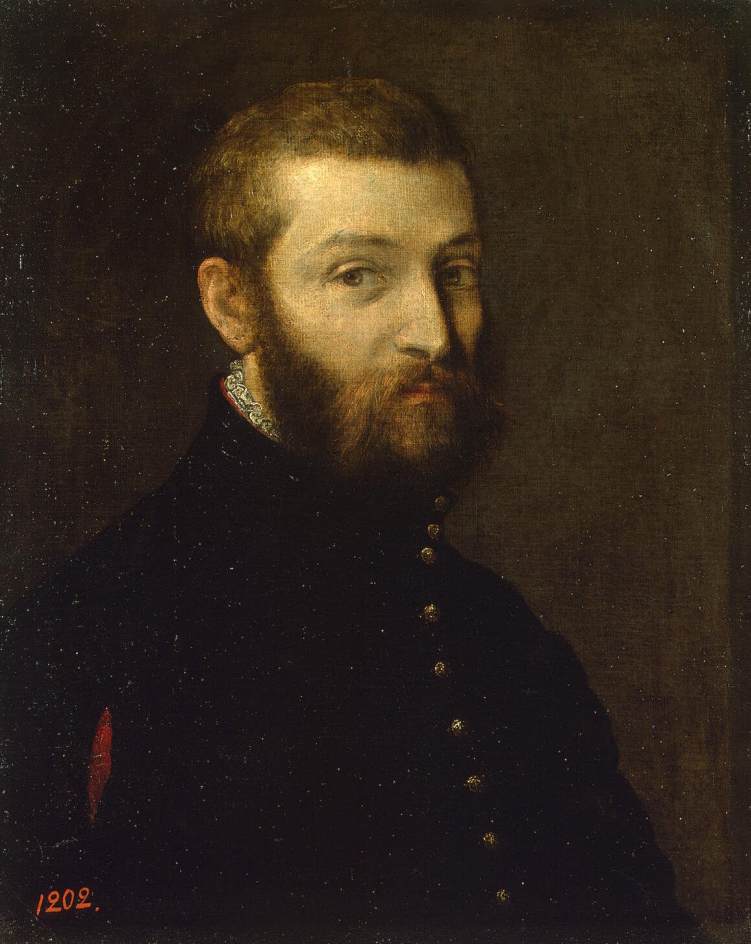
Paolo Veronese, born Paolo Caliari, was a distinguished painter of the 16th-century Venetian school. Renowned for his vibrant use of color and majestic compositions, Veronese's artworks often depicted allegorical, biblical, or historical subjects set within grandiose settings of Renaissance architecture. His mastery in color and illusionary compositions that expand beyond the canvas' confines made him a pivotal figure in the Venetian Renaissance.
His early years were marked by an apprenticeship with Antonio Badile, leading to a significant influence from Mannerist artists and a development of his unique style, characterized by radiant palettes and elegant figures. Paolo Veronese's works, including major altarpieces and large-scale feast scenes, were celebrated for their elaborate detail and classical harmony, reflecting influences from artists like Titian, Raphael, and Parmigianino.
One of Paolo Veronese's specialties was grand scenes of feasts, such as "The Wedding at Cana" and "The Feast in the House of Levi," which showcased his ability to blend narrative with ornate details, often sparking controversy and admiration alike. His significant contributions to the art world, from the full-scale decoration of the Venetian church of S. Sebastiano to the splendid ceiling and wall paintings for the library of S. Marco, left an indelible mark on the Renaissance art scene.
For collectors and experts in art and antiques, Paolo Veronese's works represent a blend of classical beauty, innovative use of color, and narrative depth, making his paintings a significant focus for art historical study and appreciation.
To stay informed about exhibitions and auction events featuring Paolo Veronese's works, art enthusiasts are encouraged to subscribe to updates from reputable art institutions.
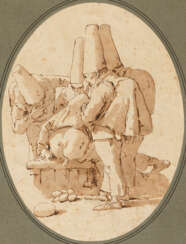

Giovanni Domenico Tiepolo, an Italian painter, was a remarkable figure in the 18th-century art world. The eldest surviving son of the famed Giovanni Battista Tiepolo, Domenico not only assisted his father but also carved out his own niche in the realms of painting and etching. His work, encompassing a broad array of subjects from religious themes to lively genre scenes and character sketches, reflects a blend of the allegorical grandeur inherited from his father and his own more grounded and observational approach.
Domenico Tiepolo's artistic legacy includes a significant contribution to printmaking, particularly in etching, where he reproduced both his and his father's paintings, alongside original compositions. Among these, the series of twenty-four illustrations of the "Flight into Egypt" and a set depicting the "Stations of the Cross" stand out as notable examples of his originality and skill in capturing narrative depth. His works are held in prestigious collections worldwide, such as the Prado Museum, The Art Gallery of New South Wales, and the National Gallery in London, underscoring his international acclaim and the enduring appeal of his art.
Despite being somewhat overshadowed by his father, Giovanni Domenico Tiepolo's contributions to the art world are significant. His ability to infuse his works with a sense of immediacy and emotional depth, while still engaging with the theatricality and elegance characteristic of the period, marks him as a pivotal figure in the transition from the grandiose Baroque to a more intimate and observant Rococo style. This duality is perhaps best represented in his genre scenes and character studies, which offer a glimpse into the daily life and cultural milieu of 18th-century Venice.
For collectors and experts in art and antiques, Domenico Tiepolo's works represent a fascinating intersection of historical significance and artistic merit. His prints and paintings not only reflect the cultural and artistic vibrancy of his era but also offer insights into the personal and professional dynamics within one of the most celebrated artistic families of the time.
To stay updated on sales and auction events related to Giovanni Domenico Tiepolo's works, signing up for newsletters from relevant art institutions and auction houses is recommended. These updates can provide valuable information for collectors and enthusiasts eager to enhance their collections with pieces by this distinguished artist.
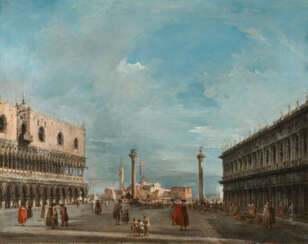

Francesco Lazzaro Guardi was an Italian painter, nobleman, and a member of the Venetian School. He is considered to be among the last practitioners, along with his brothers, of the classic Venetian school of painting.
In the early part of his career he collaborated with his older brother Gian Antonio in the production of religious paintings. After Gian Antonio's death in 1760, Francesco concentrated on vedute. The earliest of these show the influence of Canaletto, but he gradually adopted a looser style characterized by spirited brush-strokes and freely imagined architecture.