période che




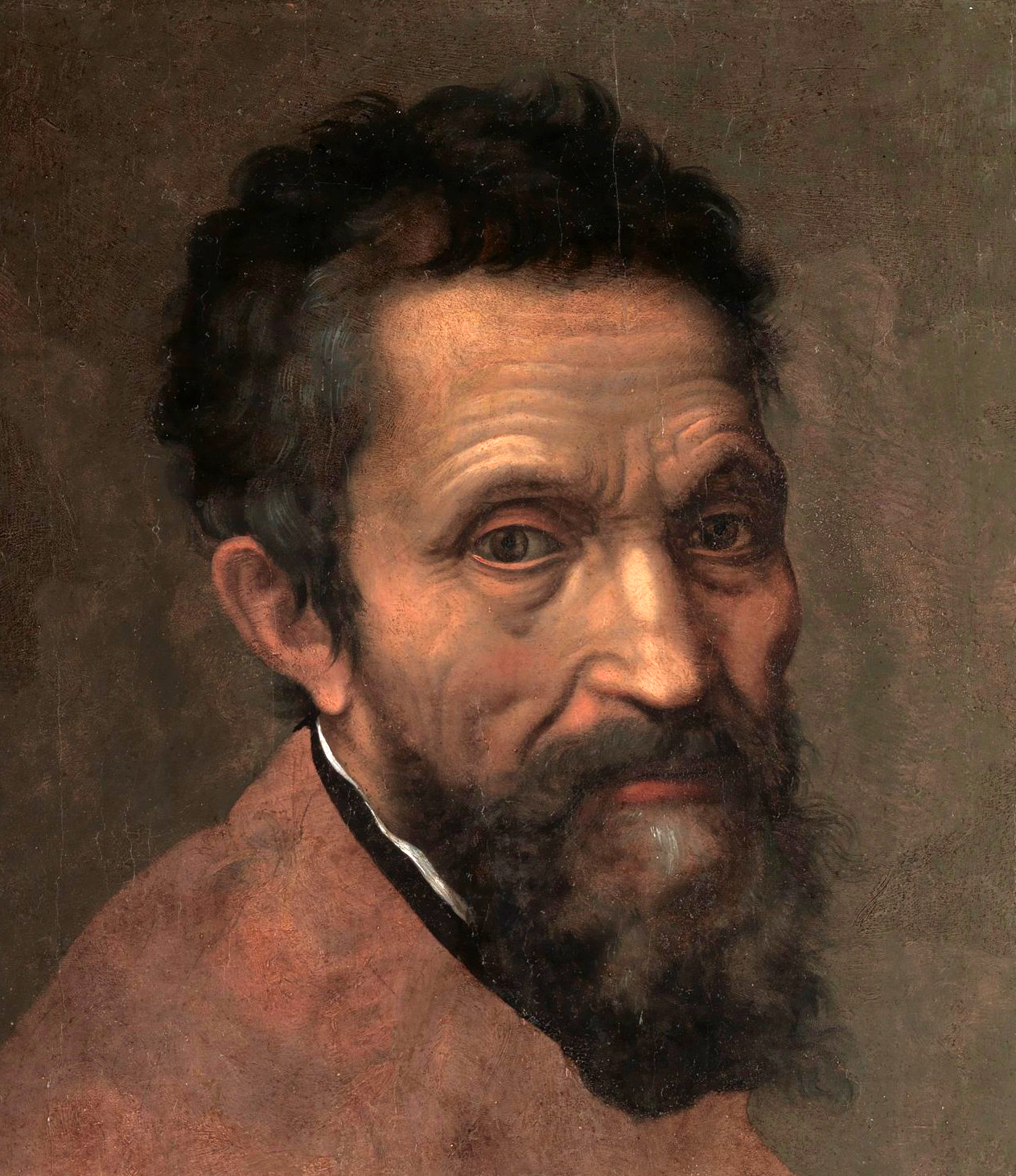
Michelangelo di Lodovico Buonarroti Simoni, known simply as Michelangelo, was an Italian sculptor, painter, architect, and poet who played a significant role in the High Renaissance period. Born on March 6, 1475, in Caprese, Italy, Michelangelo's works are a testament to his mastery in various artistic realms, defining him as a quintessential Renaissance man.
Michelangelo's fame began early in his career, most notably with his sculptures "Pietà" (1499) and "David" (1501), both completed before he turned thirty. Despite his self-perception primarily as a sculptor, Michelangelo made an indelible mark in painting, particularly with the frescoes in the Sistine Chapel. These works include the scenes from Genesis on the chapel's ceiling and "The Last Judgment" on its altar wall, showcasing his innovative use of physical realism and psychological tension.
Among his most famous works, the "David" statue, now housed in the Accademia Gallery in Florence, and the "Pietà," located in St. Peter's Basilica, stand out for their intricate detail and emotional depth. Michelangelo's ability to imbue life into marble and his thoughtful consideration of light and shadow in painting were revolutionary. His techniques in fresco painting, such as the buon fresco method used in the Sistine Chapel, where he painted on wet plaster, were groundbreaking for their time.
Despite his temperamental nature, Michelangelo was deeply religious and dedicated to his art, often eschewing the use of assistants. His works were not only recognized and admired in Italy but also attracted attention from abroad, including the Ottoman Empire. Michelangelo's influence extended beyond his lifetime, significantly impacting the development of Mannerism and the Baroque style.
For art collectors and experts, Michelangelo's works remain a pinnacle of artistic achievement. His ability to blend realism with expressive physicality in both sculpture and painting set new standards in art. His works in major museums and galleries worldwide continue to inspire and awe viewers, reflecting the enduring legacy of his genius.
For those interested in the world of art and antiques, staying informed about Michelangelo's works and their influence on modern art is essential. To receive updates on new product sales and auction events related to Michelangelo, sign up for our newsletter. This subscription is an excellent opportunity for enthusiasts and experts alike to stay connected with the ongoing legacy of one of history's greatest artists.
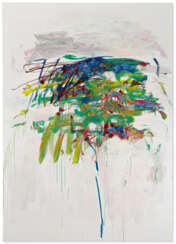

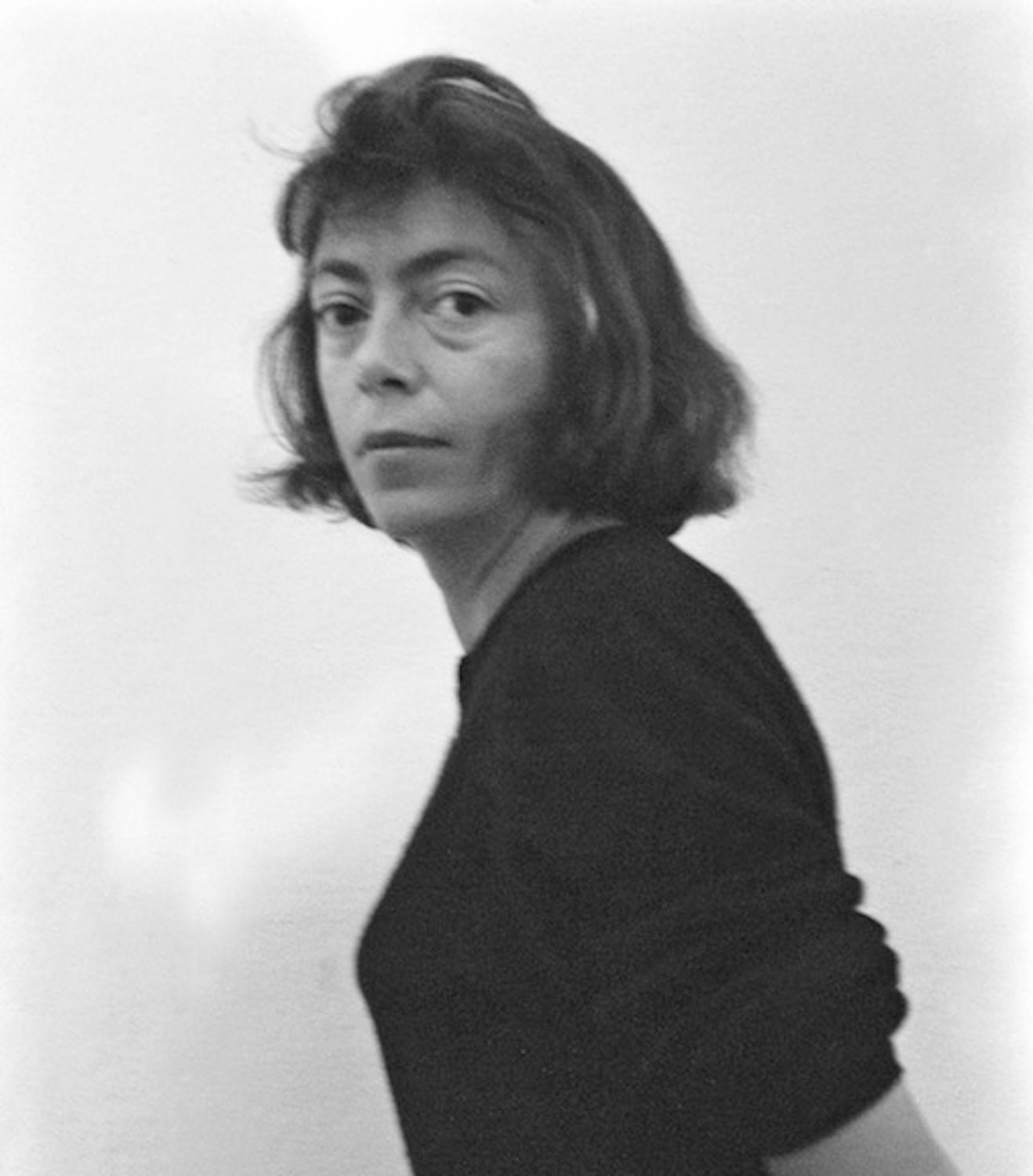
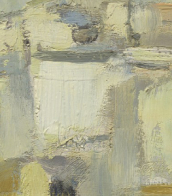
Joan Mitchell was an American painter, celebrated for her pivotal role in the Abstract Expressionist movement. Born in Chicago in 1925, Mitchell's work transcends the traditional boundaries of art, blending intense emotion with a deeply personal use of color and gesture. Her canvases are vast arenas where light, color, and texture merge to evoke landscapes, memories, and emotions. Unlike many of her contemporaries, Mitchell's art was not just about the act of painting but about capturing the essence of her experiences and emotions, making her a unique voice in 20th-century art.
Mitchell's paintings, characterized by their vibrant colors and dynamic brushstrokes, have been exhibited in some of the world's most prestigious museums and galleries. Notable works like "Hudson River Day Line" and "Bracket" found homes in institutions such as the Denver Art Museum and the San Francisco Museum of Modern Art (SFMOMA), respectively. These pieces exemplify Mitchell's ability to convey the complexity of nature and emotion, bridging the gap between abstract expressionism and the lyrical landscapes that inspired her.
Despite her critical acclaim, Mitchell's work was initially overshadowed by her male peers, selling for a fraction of their value. However, the 21st century has seen a significant reassessment of her contributions, with her paintings now commanding millions at auction. This shift is part of a broader reevaluation of women and minority artists in the art historical canon, reflecting changing perspectives on gender and creativity. Collectors and experts in art and antiques now recognize Joan Mitchell as a titan of post-war American painting, whose works continue to inspire and captivate audiences worldwide.
For those intrigued by the legacy of Joan Mitchell and the dynamic world of abstract expressionism, we invite you to sign up for updates. Our subscription service will keep you informed about new product sales and auction events related to Joan Mitchell's art, offering exclusive insights into one of the most influential artists of the 20th century.

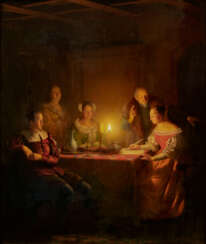

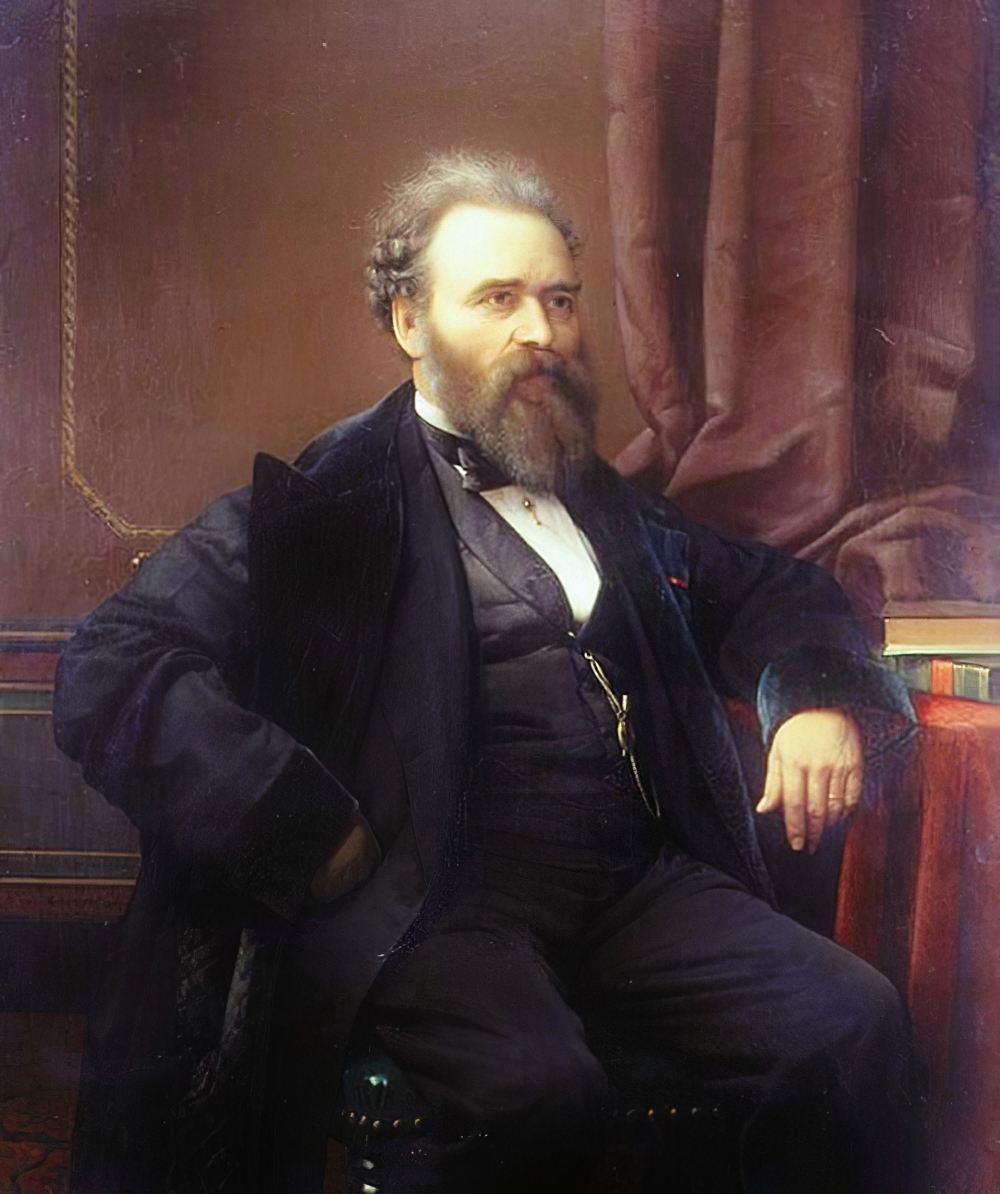
Petrus van Schendel was a Dutch-Belgian genre painter in the Romantic style who specialized in nighttime scenes, lit by lamps or candles. This led to him being known as "Monsieur Chandelle".



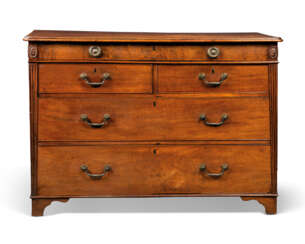



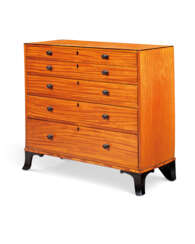

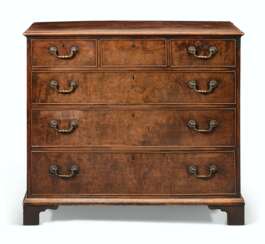

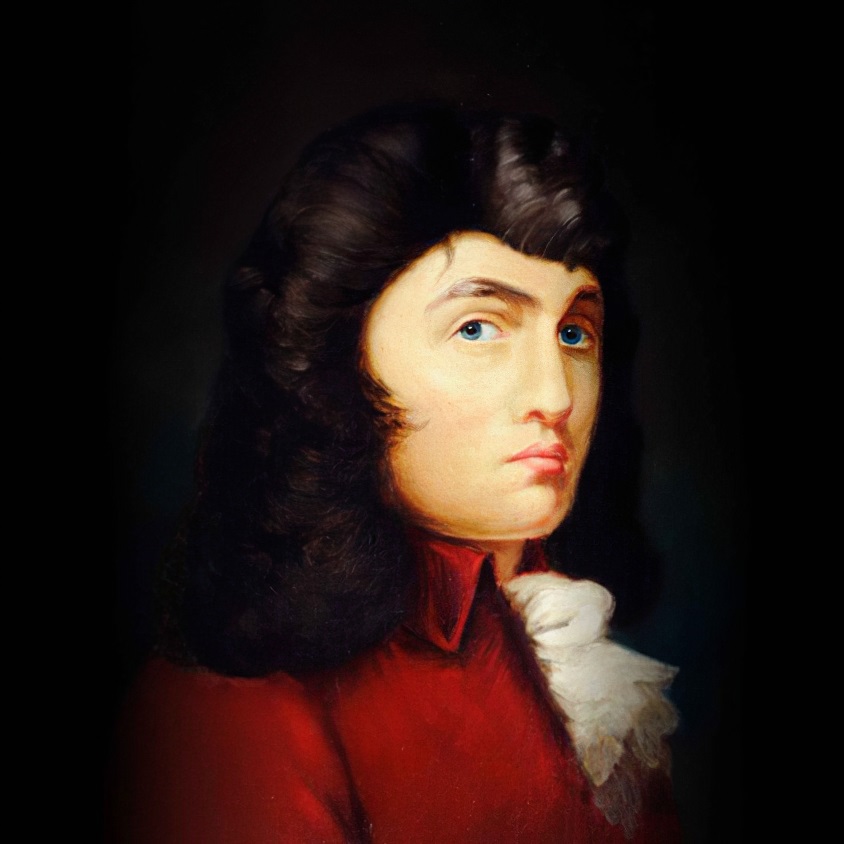
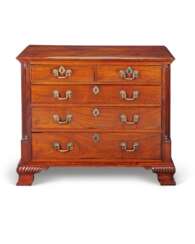
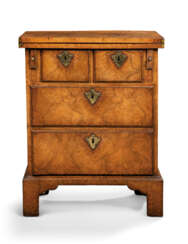
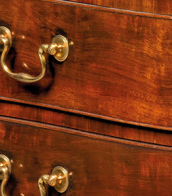
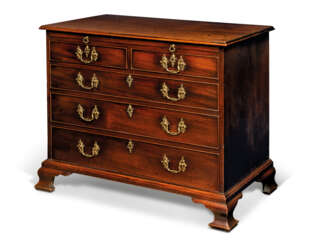
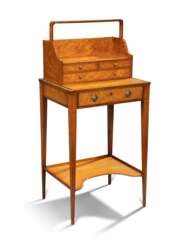
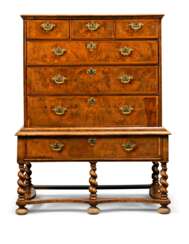
Thomas Chippendale was a cabinet-maker in London, designing furniture in the mid-Georgian, English Rococo, and Neoclassical styles. In 1754 he published a book of his designs in a trade catalogue titled The Gentleman and Cabinet Maker's Director — the most important collection of furniture designs published in England to that point which created a mass market for furniture—upon which success he became renowned. According to the Victoria and Albert Museum, «so influential were his designs, in Britain and throughout Europe and America, that "Chippendale" became a shorthand description for any furniture similar to his Director designs».













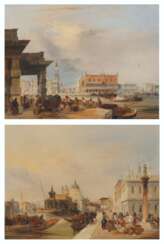

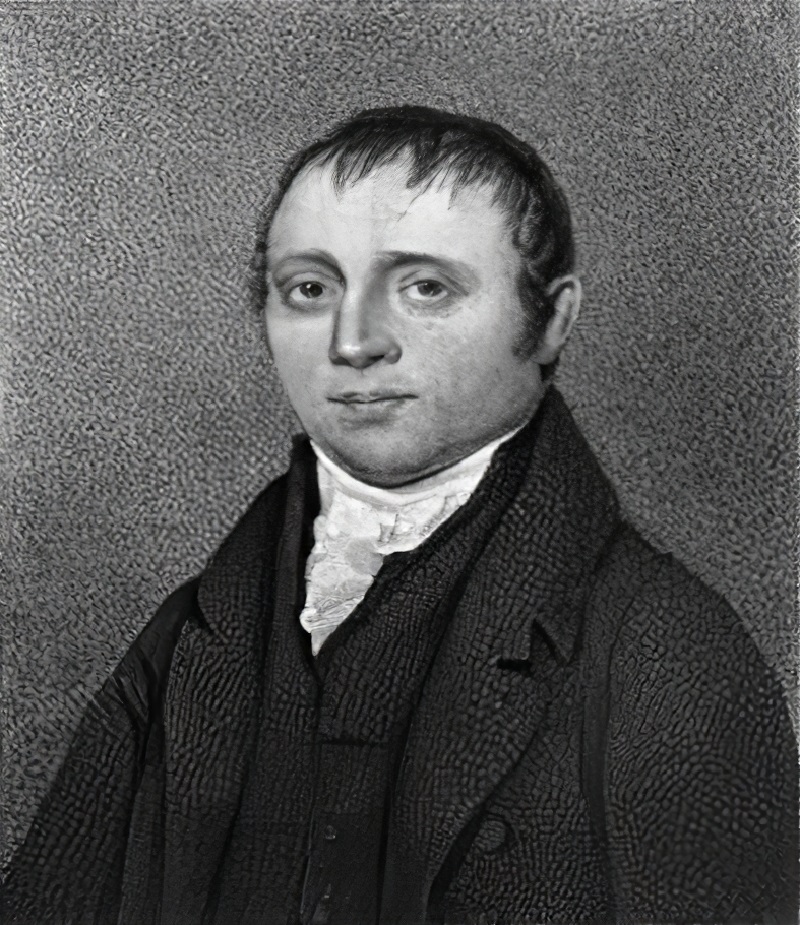
Edward Pritchett was a nineteenth-century English painter and man of mystery.
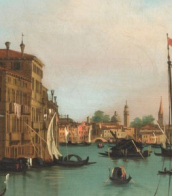
Little is known of Pritchett's life; he has appropriately been described as "elusive." Pritchett spent periods over three decades living and working in Venice, producing admirable views of the city; he was one of a group of English artists who produced notable records of the scenes of northern Italy, a group that included John Wharlton Bunney, James Holland, the brothers-in-law Luke Fildes and Henry Woods, and, in a later generation, William Logsdail.
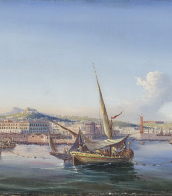


Edward Pritchett was a nineteenth-century English painter and man of mystery.
Little is known of Pritchett's life; he has appropriately been described as "elusive." Pritchett spent periods over three decades living and working in Venice, producing admirable views of the city; he was one of a group of English artists who produced notable records of the scenes of northern Italy, a group that included John Wharlton Bunney, James Holland, the brothers-in-law Luke Fildes and Henry Woods, and, in a later generation, William Logsdail.


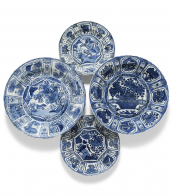
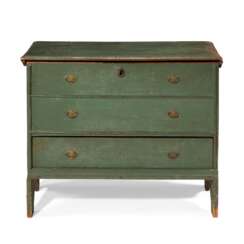

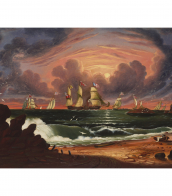
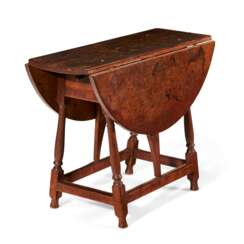

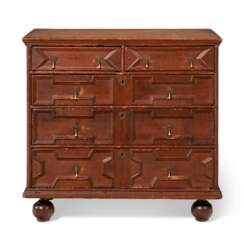

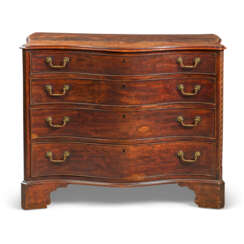

Thomas Chippendale was a cabinet-maker in London, designing furniture in the mid-Georgian, English Rococo, and Neoclassical styles. In 1754 he published a book of his designs in a trade catalogue titled The Gentleman and Cabinet Maker's Director — the most important collection of furniture designs published in England to that point which created a mass market for furniture—upon which success he became renowned. According to the Victoria and Albert Museum, «so influential were his designs, in Britain and throughout Europe and America, that "Chippendale" became a shorthand description for any furniture similar to his Director designs».