

pierre à



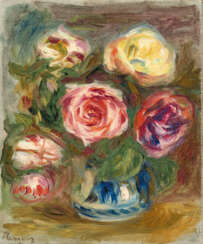

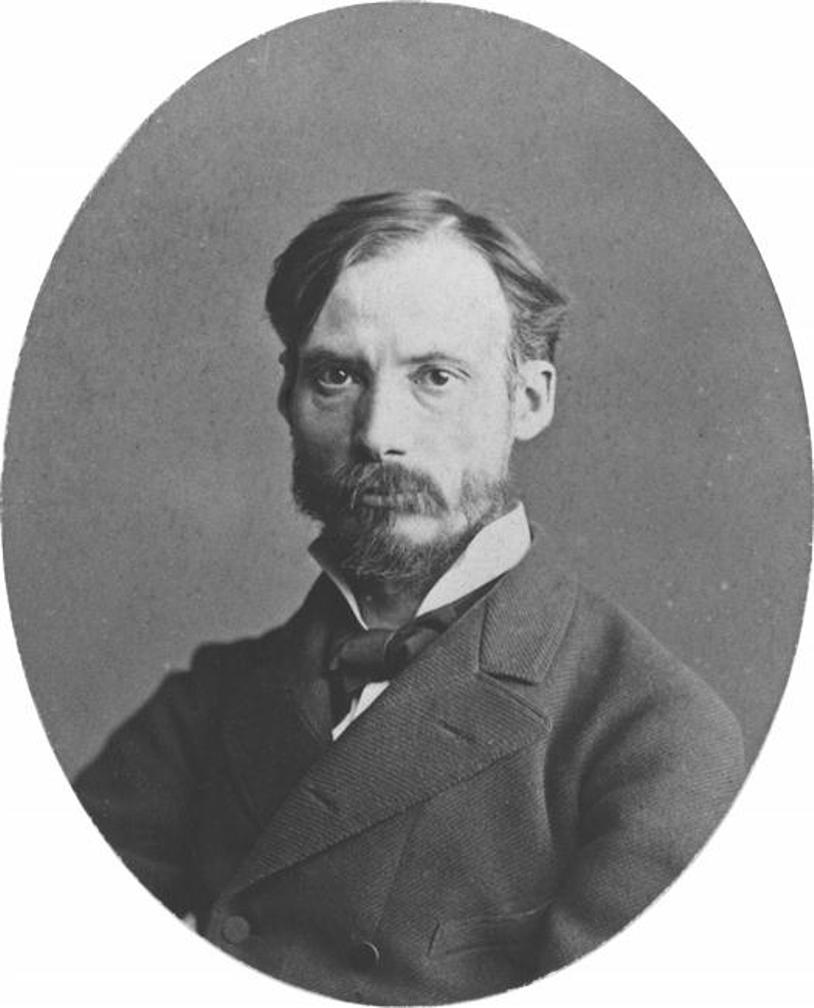
Pierre-Auguste Renoir was a French artist, celebrated as a pivotal figure in the development of the Impressionist movement. Born in Limoges, France, in 1841, Renoir's early experiences in Paris and his apprenticeship as a porcelain painter laid the foundation for his illustrious career in art. His transition to painting was marked by an early fascination with the play of light and color, which became a hallmark of his work. Renoir's paintings are renowned for their vibrant light and saturated color, often focusing on people in intimate and candid compositions. This focus on beauty and a particular affinity for capturing the sensuality of the female form distinguished his work from his contemporaries.
Renoir's contributions to Impressionism were significant, characterized by his use of bright colors and a technique that captured the movement and luminosity of the scene. His evolution as an artist saw him experimenting with a more linear and classical style, especially after his travels to Italy, where he was deeply influenced by the Renaissance masters. Despite facing personal challenges, including severe rheumatoid arthritis in his later years, Renoir's passion for painting never waned. His determination saw him adapting his painting technique to his physical limitations, ensuring that his creative output remained prolific until his death in 1919.
Among Renoir's notable works are "Bal du moulin de la Galette" (1876), "Luncheon of the Boating Party" (1880), and "Girls at the Piano" (1892). These masterpieces exemplify the essence of Impressionist art with their depiction of light, movement, and everyday life. Renoir's works are housed in prestigious museums around the world, serving as a testament to his enduring legacy in the realm of art.
For art collectors and experts, Renoir's oeuvre represents an essential segment of the Impressionist movement, offering insights into the evolution of modern art. His mastery in portraying the beauty of the moment and the depth of human emotion continues to captivate and inspire audiences worldwide.
If you are passionate about collecting or studying the works of Pierre-Auguste Renoir, we invite you to sign up for updates on new product sales and auction events related to this iconic artist. Stay informed about the opportunity to own a piece of art history and deepen your appreciation for the rich tapestry of culture and art that Renoir helped weave.


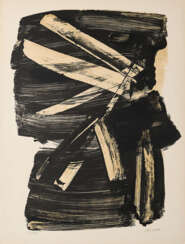

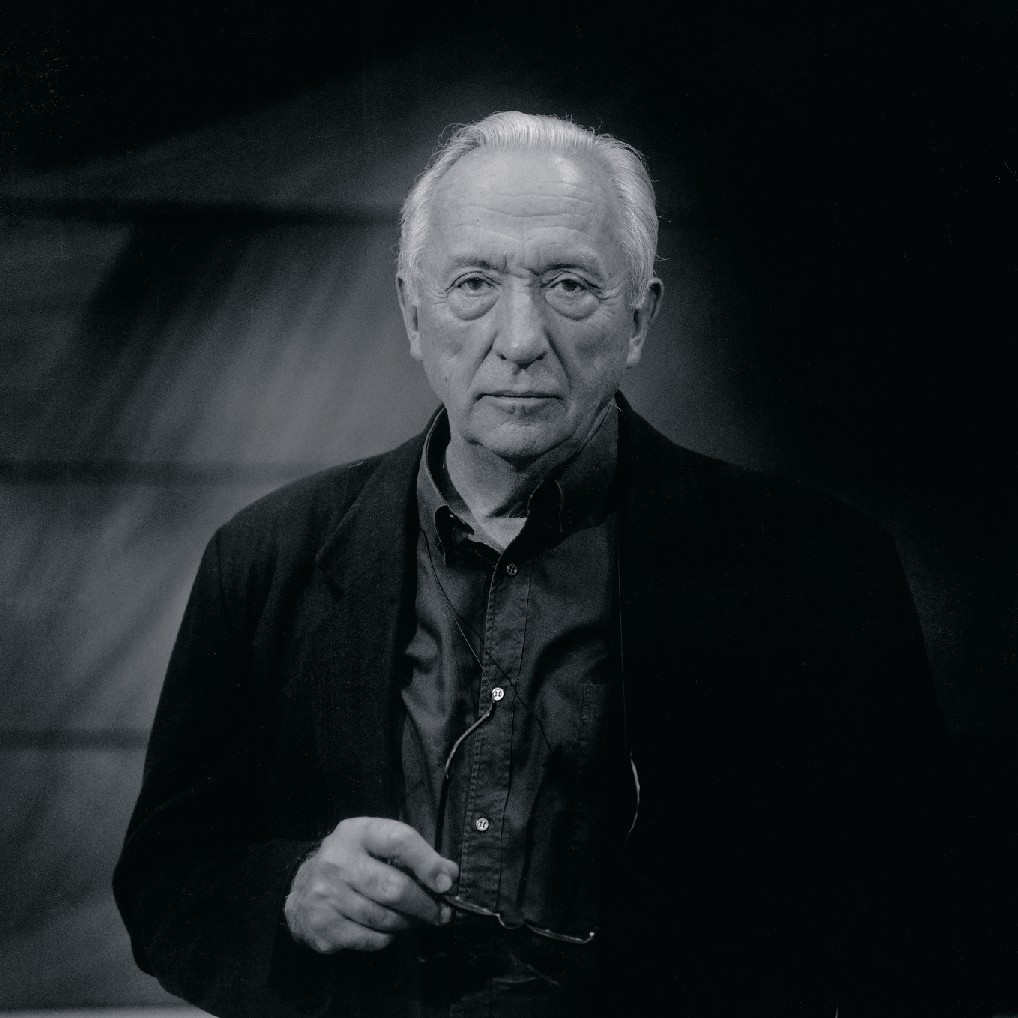
Pierre Soulages was a French painter, printmaker, and sculptor. In 2014, François Hollande described him as "the world's greatest living artist."
Soulages is known as "the painter of black," owing to his interest in the colour "both as a colour and a non-colour. When light is reflected on black, it transforms and transmutes it. It opens a mental field all its own." He saw light as a work material; striations of the black surface of his paintings enable him to reflect light, allowing the black to come out of darkness and into brightness, thus becoming a luminous colour.
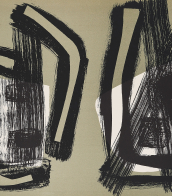
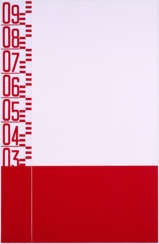

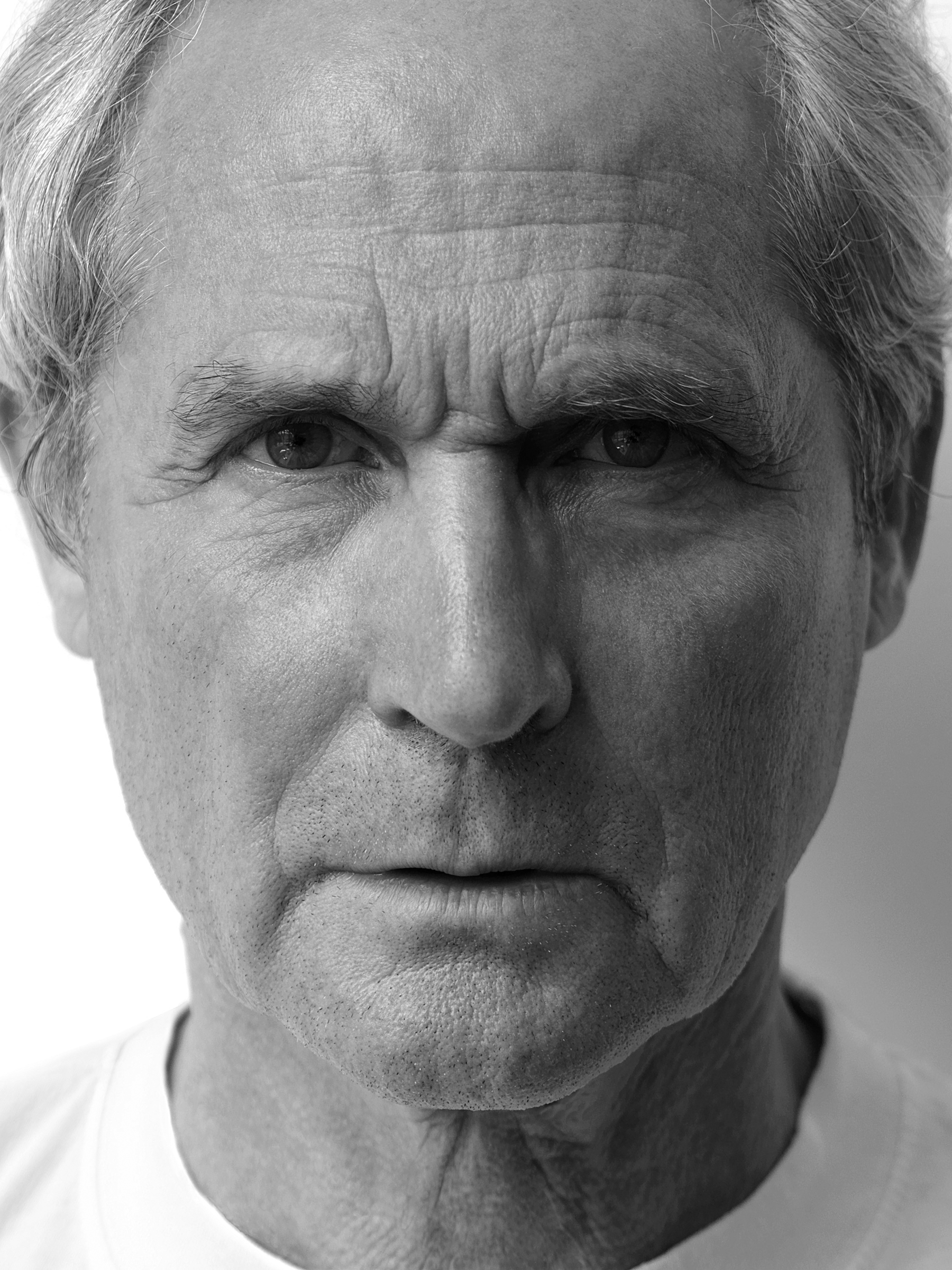
Jean Pierre Raynaud is a French visual artist and sculptor.
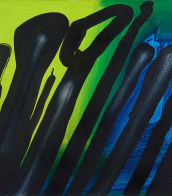
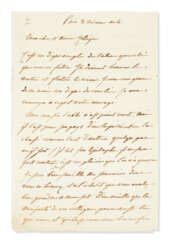

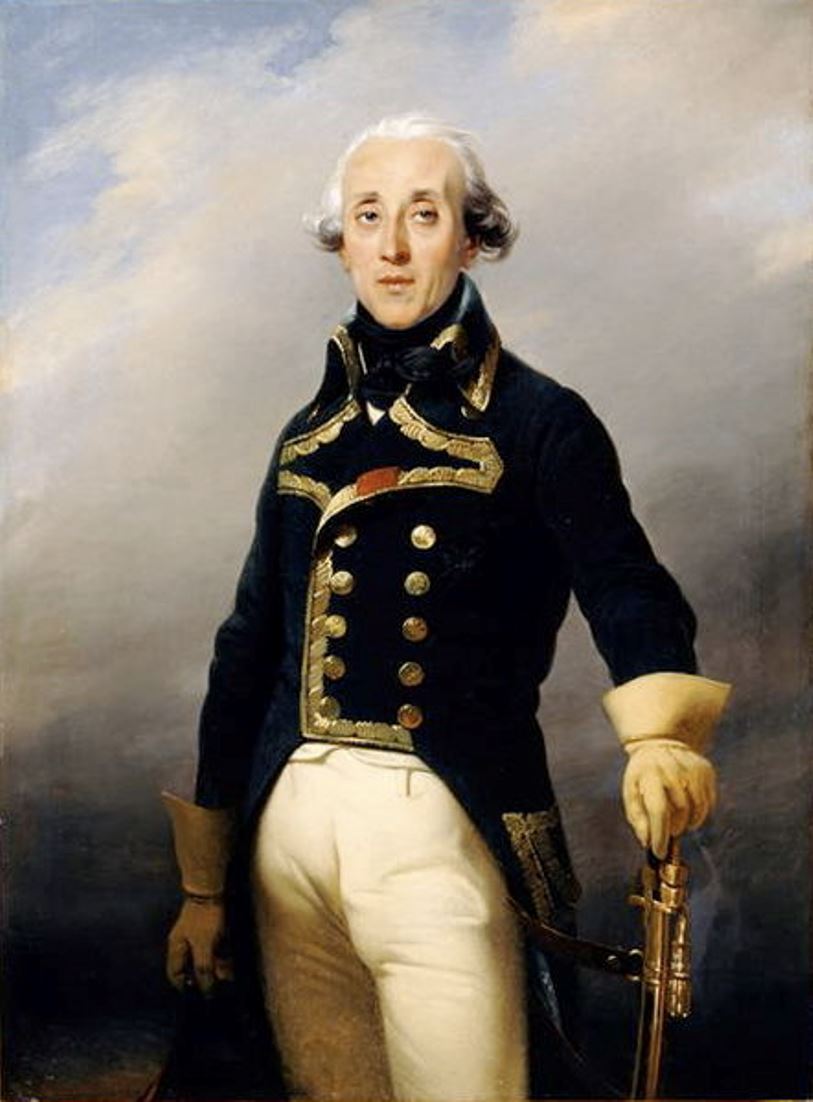


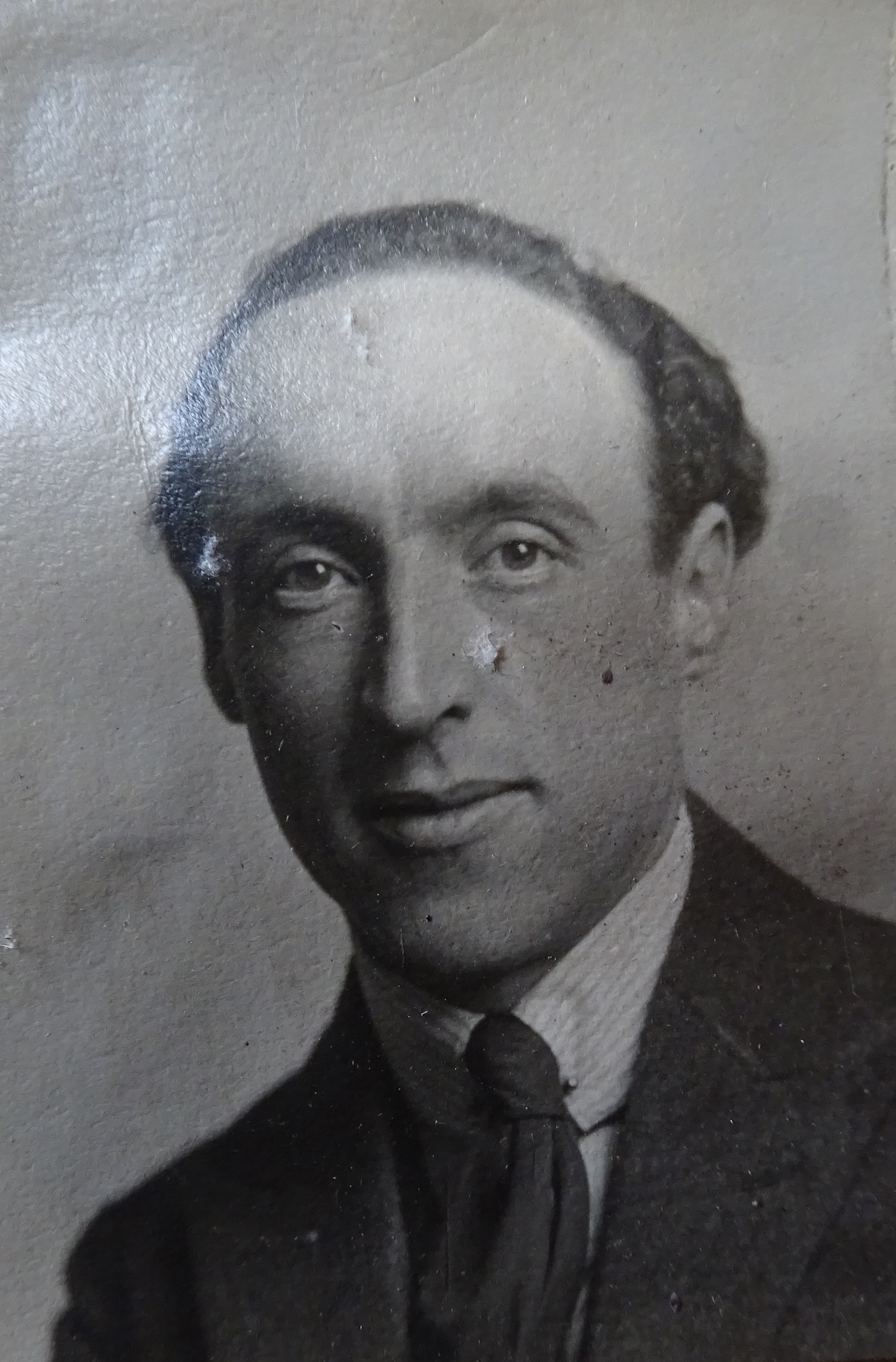
Pierre Camille Marie le Faguays — is a French sculptor in the Art Deco style.
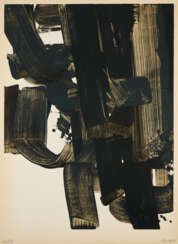

Pierre Soulages was a French painter, printmaker, and sculptor. In 2014, François Hollande described him as "the world's greatest living artist."
Soulages is known as "the painter of black," owing to his interest in the colour "both as a colour and a non-colour. When light is reflected on black, it transforms and transmutes it. It opens a mental field all its own." He saw light as a work material; striations of the black surface of his paintings enable him to reflect light, allowing the black to come out of darkness and into brightness, thus becoming a luminous colour.
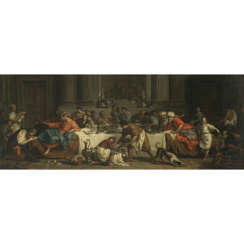

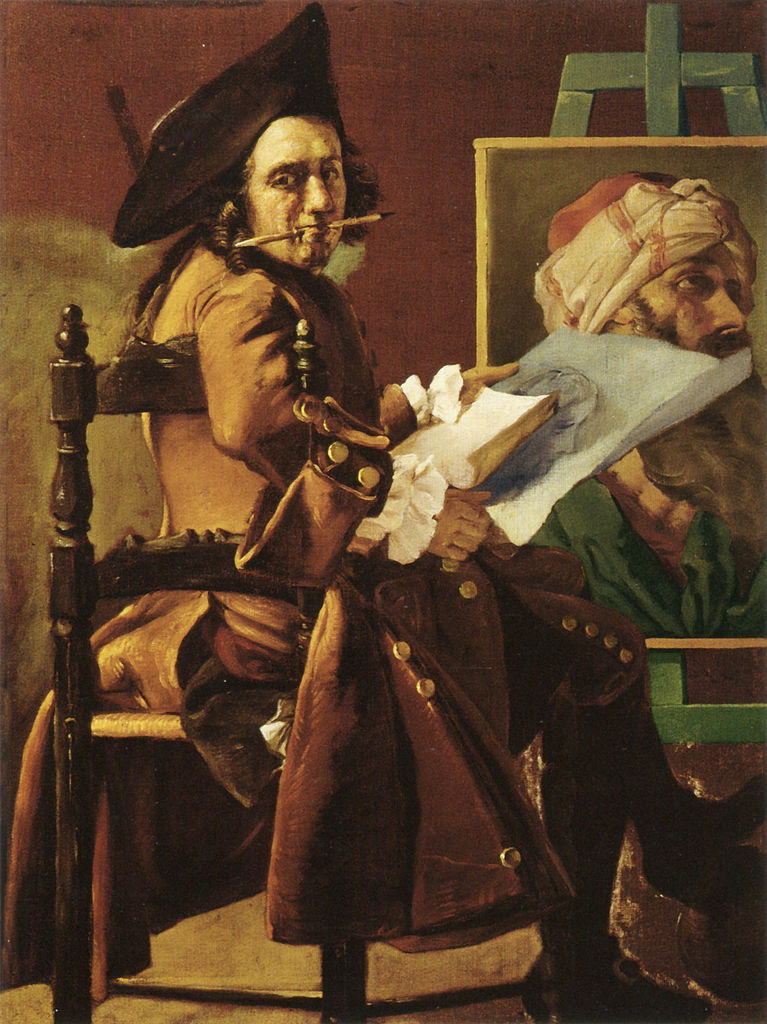
Pierre Subleyras was a French painter renowned for his work during the late Baroque and early Neoclassical periods, mainly active in Italy. Born on November 25, 1699, in Saint-Gilles-du-Gard, France, Pierre Subleyras moved to Rome in 1728 after winning the French Academy's grand prix, a scholarship that allowed him to study in the city. In Rome, he created several significant works, including "Christ's Visit to the House of Simon the Pharisee" and "The Mass of St. Basil," which are celebrated for their detailed depiction and emotional depth.
Pierre Subleyras's paintings were appreciated for their religious themes and portraiture, with his work "The Mass of Saint Basil" being one of his most famous pieces, showcasing his skill in depicting complex religious scenes with emotional resonance. The Metropolitan Museum of Art provides a detailed analysis of "The Mass of Saint Basil," highlighting its historical context and the technical aspects of Subleyras's painting style.
For collectors and experts in art and antiques, Pierre Subleyras's works offer a glimpse into the transition between the Baroque and Neoclassical periods, reflecting the cultural and artistic shifts of the 18th century. His paintings can be found in various prestigious museums, including the Louvre and the State Hermitage Museum.
To stay updated on news and events related to Pierre Subleyras and his works, consider subscribing for updates. This way, you'll receive notifications about new product sales and auction events featuring Pierre Subleyras's art, ensuring you don't miss out on opportunities to engage with the legacy of this influential painter.
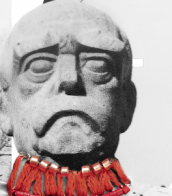
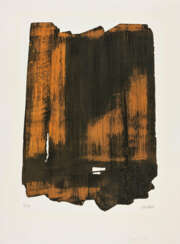

Pierre Soulages was a French painter, printmaker, and sculptor. In 2014, François Hollande described him as "the world's greatest living artist."
Soulages is known as "the painter of black," owing to his interest in the colour "both as a colour and a non-colour. When light is reflected on black, it transforms and transmutes it. It opens a mental field all its own." He saw light as a work material; striations of the black surface of his paintings enable him to reflect light, allowing the black to come out of darkness and into brightness, thus becoming a luminous colour.
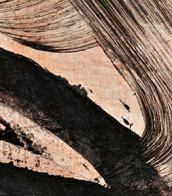
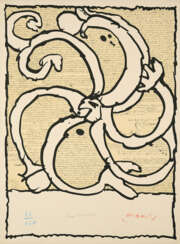

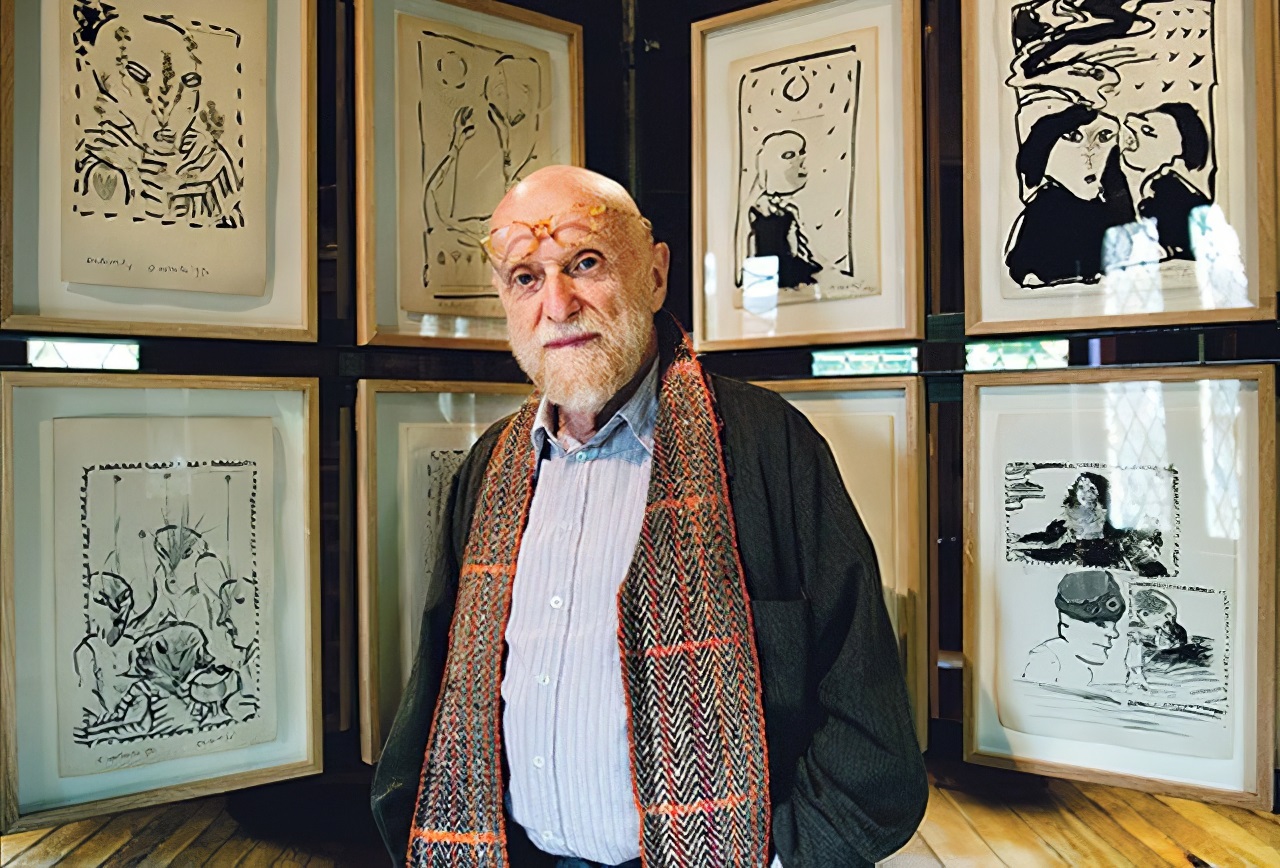
Pierre Alechinsky is a Belgian artist. He has lived and worked in France since 1951. His work is related to tachisme, abstract expressionism, and lyrical abstraction.
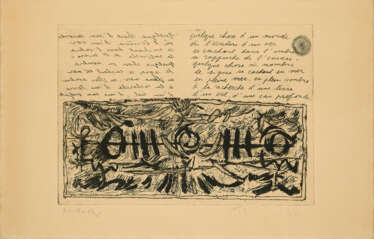

Pierre Alechinsky is a Belgian artist. He has lived and worked in France since 1951. His work is related to tachisme, abstract expressionism, and lyrical abstraction.
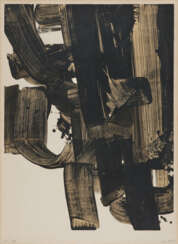

Pierre Soulages was a French painter, printmaker, and sculptor. In 2014, François Hollande described him as "the world's greatest living artist."
Soulages is known as "the painter of black," owing to his interest in the colour "both as a colour and a non-colour. When light is reflected on black, it transforms and transmutes it. It opens a mental field all its own." He saw light as a work material; striations of the black surface of his paintings enable him to reflect light, allowing the black to come out of darkness and into brightness, thus becoming a luminous colour.

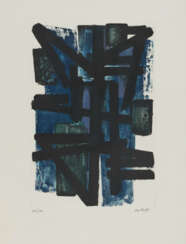

Pierre Soulages was a French painter, printmaker, and sculptor. In 2014, François Hollande described him as "the world's greatest living artist."
Soulages is known as "the painter of black," owing to his interest in the colour "both as a colour and a non-colour. When light is reflected on black, it transforms and transmutes it. It opens a mental field all its own." He saw light as a work material; striations of the black surface of his paintings enable him to reflect light, allowing the black to come out of darkness and into brightness, thus becoming a luminous colour.


Pierre Soulages was a French painter, printmaker, and sculptor. In 2014, François Hollande described him as "the world's greatest living artist."
Soulages is known as "the painter of black," owing to his interest in the colour "both as a colour and a non-colour. When light is reflected on black, it transforms and transmutes it. It opens a mental field all its own." He saw light as a work material; striations of the black surface of his paintings enable him to reflect light, allowing the black to come out of darkness and into brightness, thus becoming a luminous colour.
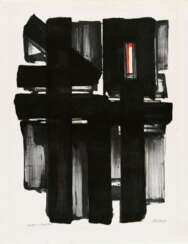

Pierre Soulages was a French painter, printmaker, and sculptor. In 2014, François Hollande described him as "the world's greatest living artist."
Soulages is known as "the painter of black," owing to his interest in the colour "both as a colour and a non-colour. When light is reflected on black, it transforms and transmutes it. It opens a mental field all its own." He saw light as a work material; striations of the black surface of his paintings enable him to reflect light, allowing the black to come out of darkness and into brightness, thus becoming a luminous colour.
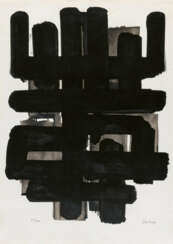

Pierre Soulages was a French painter, printmaker, and sculptor. In 2014, François Hollande described him as "the world's greatest living artist."
Soulages is known as "the painter of black," owing to his interest in the colour "both as a colour and a non-colour. When light is reflected on black, it transforms and transmutes it. It opens a mental field all its own." He saw light as a work material; striations of the black surface of his paintings enable him to reflect light, allowing the black to come out of darkness and into brightness, thus becoming a luminous colour.


Pierre Soulages was a French painter, printmaker, and sculptor. In 2014, François Hollande described him as "the world's greatest living artist."
Soulages is known as "the painter of black," owing to his interest in the colour "both as a colour and a non-colour. When light is reflected on black, it transforms and transmutes it. It opens a mental field all its own." He saw light as a work material; striations of the black surface of his paintings enable him to reflect light, allowing the black to come out of darkness and into brightness, thus becoming a luminous colour.
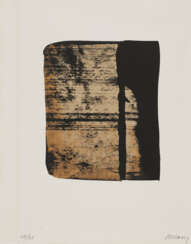

Pierre Soulages was a French painter, printmaker, and sculptor. In 2014, François Hollande described him as "the world's greatest living artist."
Soulages is known as "the painter of black," owing to his interest in the colour "both as a colour and a non-colour. When light is reflected on black, it transforms and transmutes it. It opens a mental field all its own." He saw light as a work material; striations of the black surface of his paintings enable him to reflect light, allowing the black to come out of darkness and into brightness, thus becoming a luminous colour.

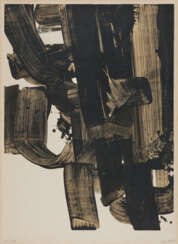

Pierre Soulages was a French painter, printmaker, and sculptor. In 2014, François Hollande described him as "the world's greatest living artist."
Soulages is known as "the painter of black," owing to his interest in the colour "both as a colour and a non-colour. When light is reflected on black, it transforms and transmutes it. It opens a mental field all its own." He saw light as a work material; striations of the black surface of his paintings enable him to reflect light, allowing the black to come out of darkness and into brightness, thus becoming a luminous colour.
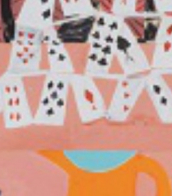
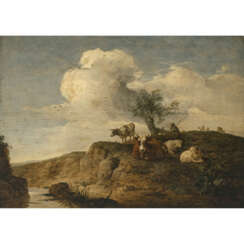

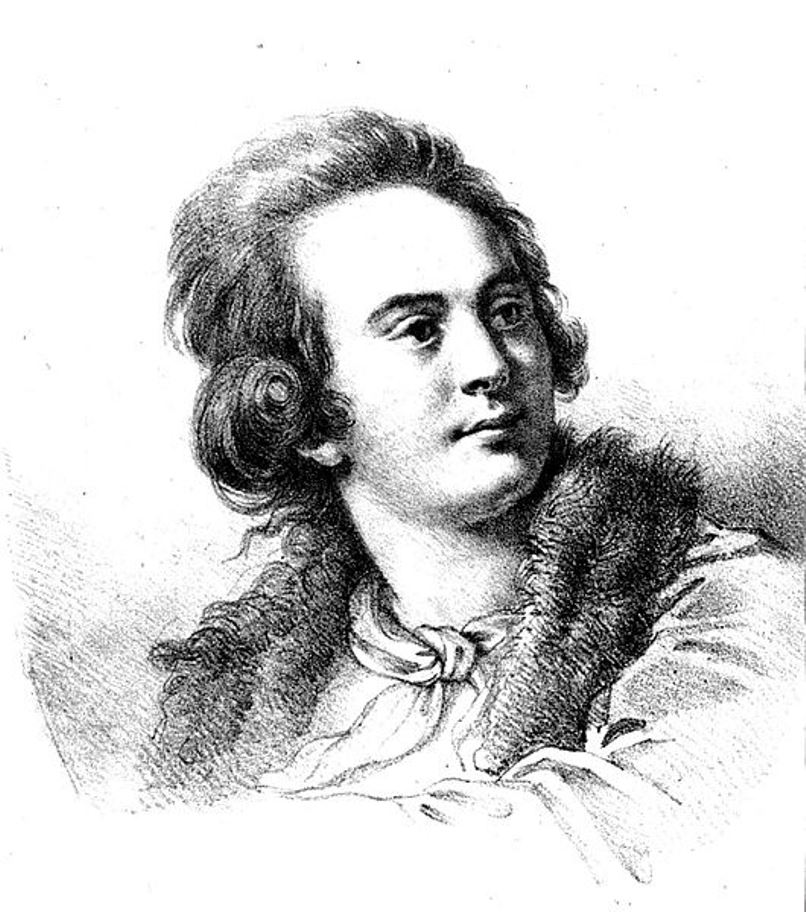
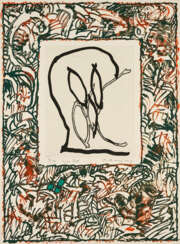

Pierre Alechinsky is a Belgian artist. He has lived and worked in France since 1951. His work is related to tachisme, abstract expressionism, and lyrical abstraction.


 Пьер Боннар. «Автопортрет», 1889.jpg)
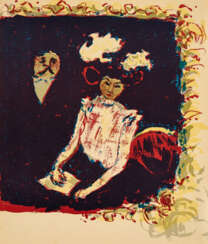
Pierre Bonnard was a distinguished French painter and printmaker, recognized as one of the foremost colorists of modern art. Born on October 3, 1867, in Fontenay-aux-Roses, France, Bonnard initially pursued law studies before embracing his true calling in art. He attended the École des Beaux-Arts and the Académie Julian, where his journey as an artist began in earnest.
Bonnard's art is characterized by its vibrant use of color and the portrayal of intimate, sunlit domestic interiors and gardens. His works often include scenes populated with friends and family, creating a narrative that is both personal and relatable. His distinctive style was influenced by Japanese prints, evident in his use of bold patterns and flat color planes. This influence earned him the nickname "Le Nabi très japonard" among his peers in the Les Nabis group, an avant-garde artists' group he joined in his twenties.
His early work, such as "Woman in Checkered Dress" (1890), showcases the influence of Japanese prints. Bonnard's talent was evident from the beginning of his career, with Claude Roger-Marx noting in 1893 his ability to capture fleeting poses and expressions. His work evolved over time, moving towards a style that resonated with the Intimists' focus on personal and intimate spaces.
Bonnard's wife, Marthe, was a recurring subject in his paintings, often depicted in everyday scenarios. Their relationship, spanning several decades, was a significant influence on his work. His paintings, such as "Dining Room on the Garden" and "Landscape at Le Cannet," demonstrate his mastery in capturing light and color, creating a sense of warmth and intimacy.
Bonnard's work remains influential and celebrated, with his paintings held in esteemed collections worldwide. His ability to transform everyday scenes into vibrant, color-filled canvases has made him a beloved figure in the world of modern art.
Art collectors and experts in the field will find Bonnard's work a study in the transformative power of color and composition. For those interested in staying updated on sales and auction events related to Pierre Bonnard's works, signing up for updates would provide valuable insights into this remarkable artist's enduring legacy.
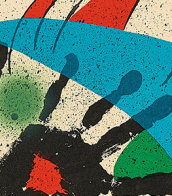
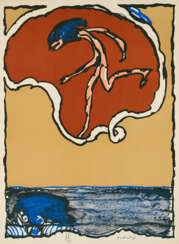

Pierre Alechinsky is a Belgian artist. He has lived and worked in France since 1951. His work is related to tachisme, abstract expressionism, and lyrical abstraction.
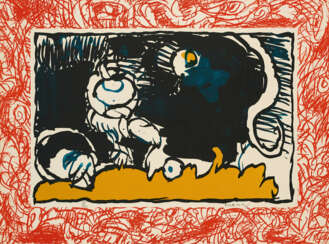

Pierre Alechinsky is a Belgian artist. He has lived and worked in France since 1951. His work is related to tachisme, abstract expressionism, and lyrical abstraction.
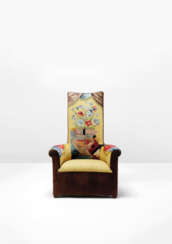

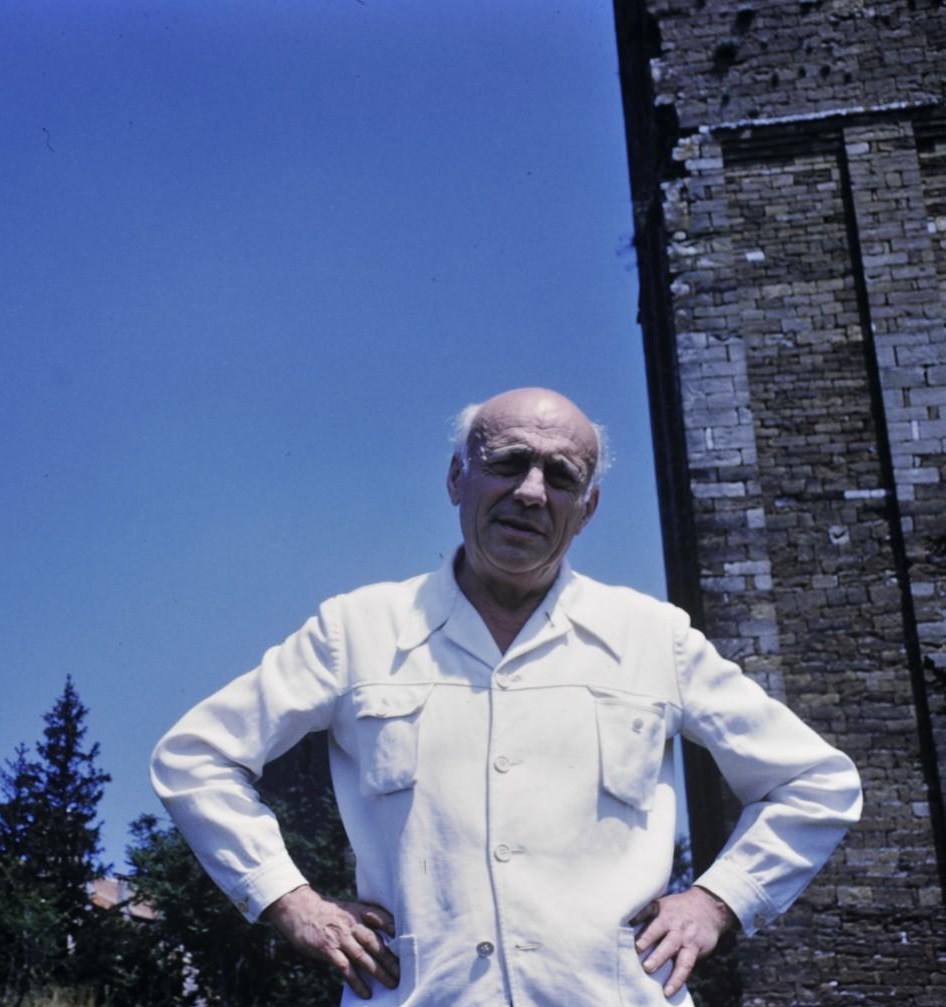
Jean Lurçat was a French artist noted for his role in the revival of contemporary tapestry.
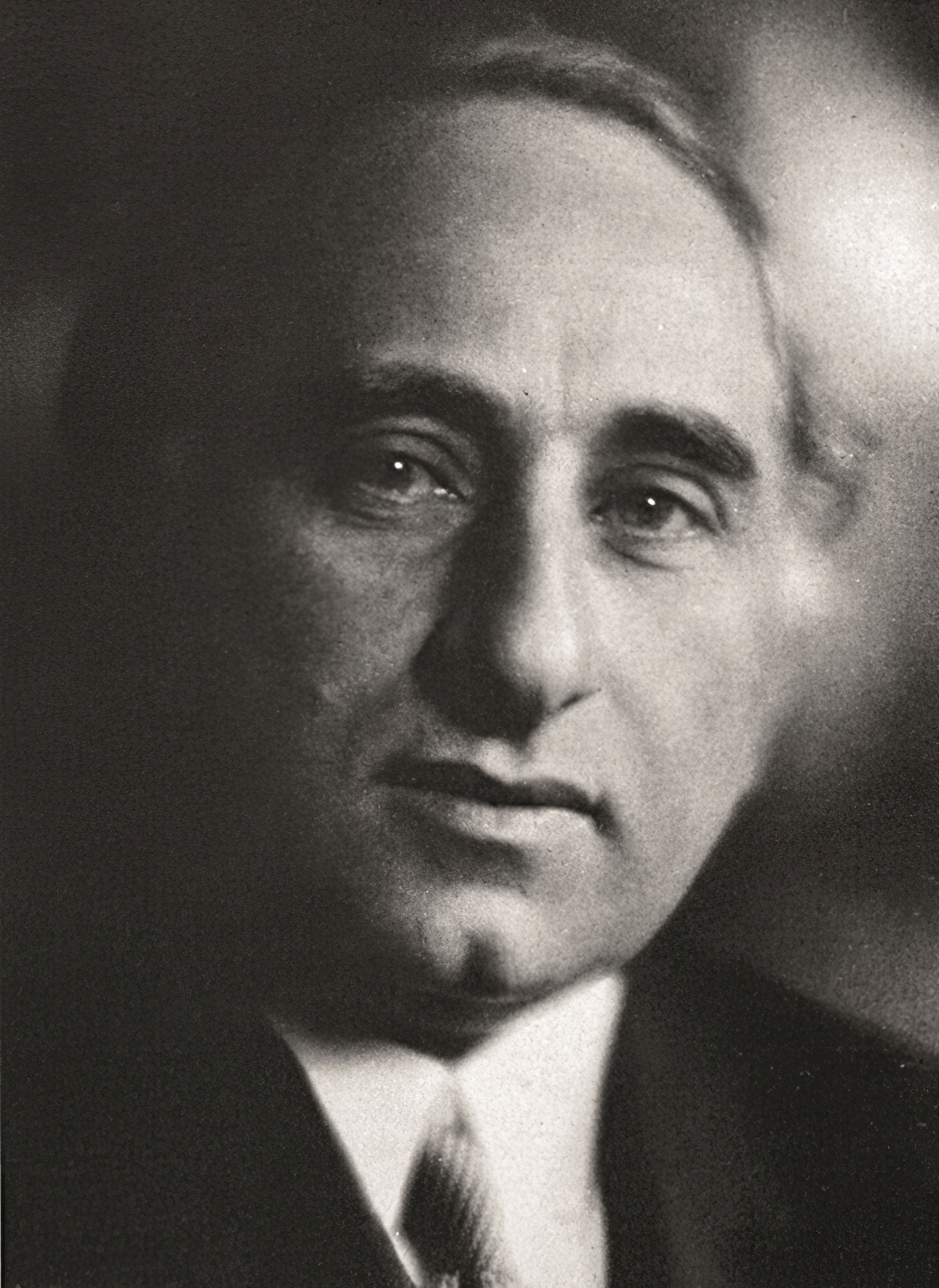
Pierre Chareau was a French architect and designer.
Chareau designed the first house in France made of steel and glass, the Maison de Verre.
Chareau was a member of Congrès International d'Architecture Moderne.

Pierre Chareau was a French architect and designer.
Chareau designed the first house in France made of steel and glass, the Maison de Verre.
Chareau was a member of Congrès International d'Architecture Moderne.