pte de texture

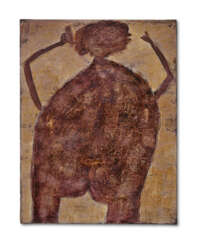

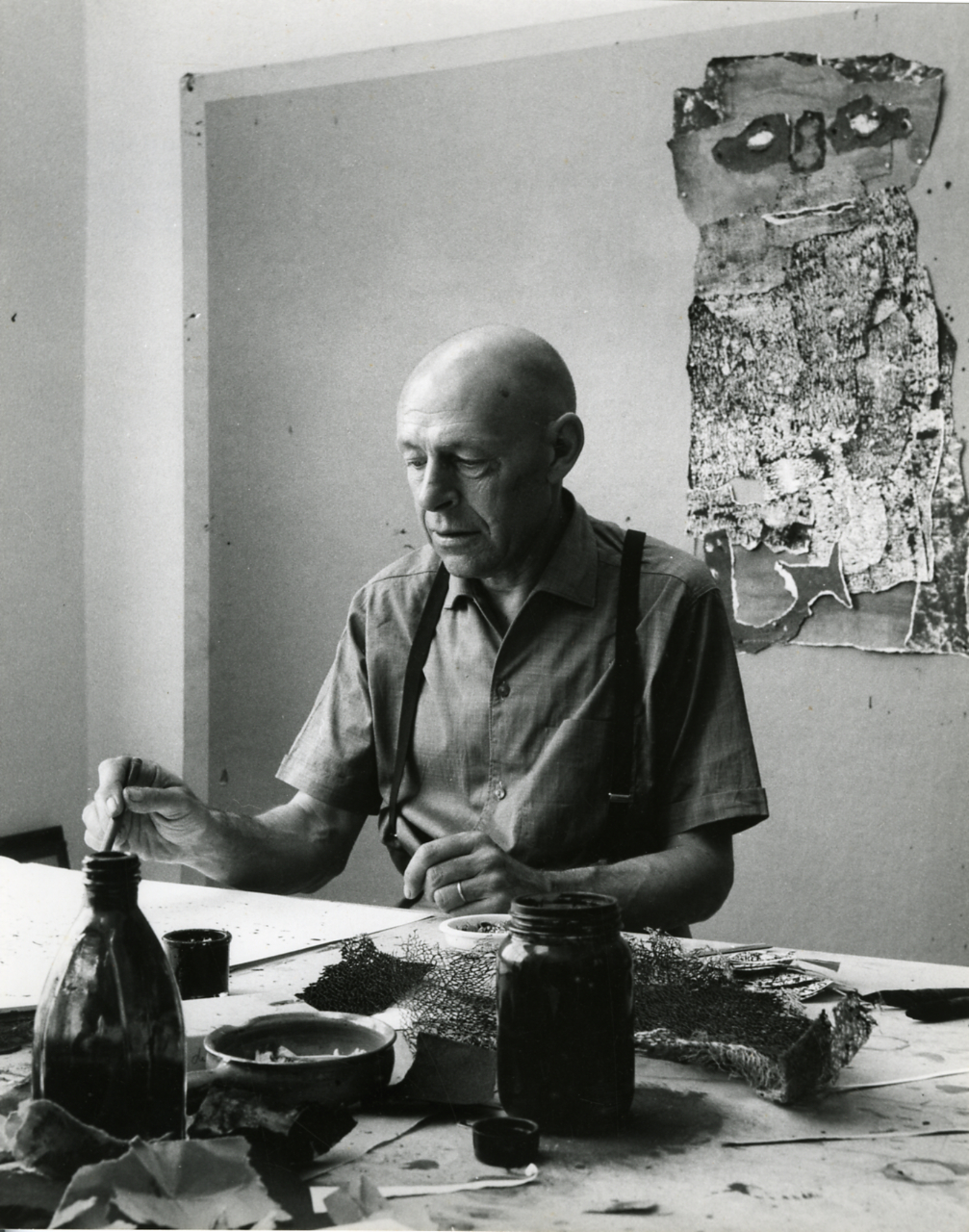
Jean Philippe Arthur Dubuffet, a pioneering French painter and sculptor, revolutionized the post-war art scene with his radical Matterism movement. He defied the conventional aesthetics of his time, championing "low art" and propelling a more genuine, humanistic image-making approach.
Dubuffet, born in Le Havre, France, in 1901, was a prominent figure at the Ecole de Paris and an advocate for Art Brut, or "raw art", which sought to capture art's purest form. His works were characterized by a rough, unrefined aesthetic, which eschewed academic norms in favor of spontaneity and authenticity.
Art enthusiasts and experts can view Dubuffet's innovative works at institutions like the Museum of Modern Art, where his legacy as a groundbreaking artist continues to be celebrated. His Matterism philosophy has left an indelible mark on the art world, inspiring generations of artists to embrace the beauty in the unconventional.
For those interested in the avant-garde and the legacy of Jean Philippe Arthur Dubuffet, sign up for our exclusive updates. This service is designed for connoisseurs and professionals in the art and antique sector, promising alerts on new insights and events strictly related to Dubuffet's profound influence.
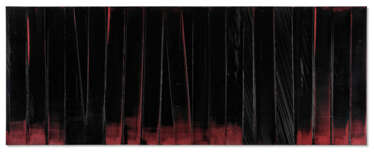

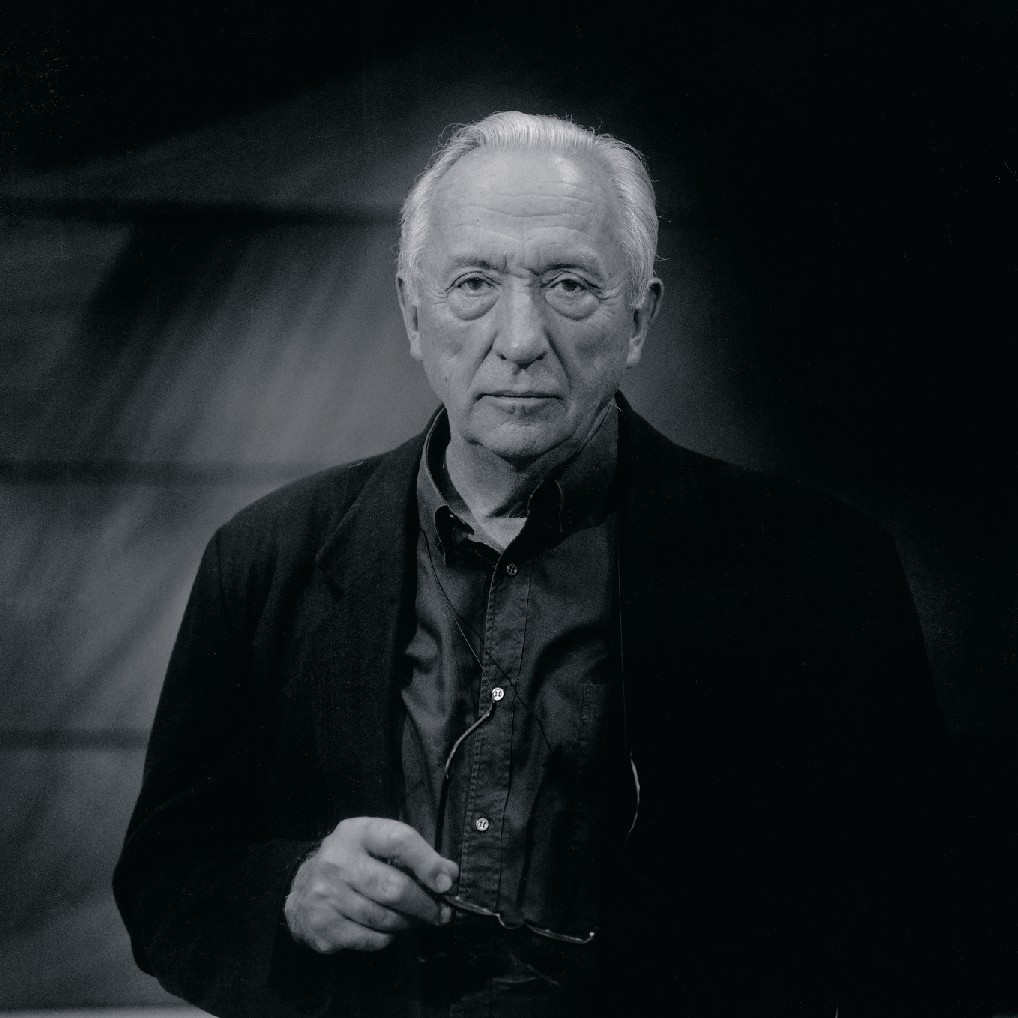
Pierre Soulages was a French painter, printmaker, and sculptor. In 2014, François Hollande described him as "the world's greatest living artist."
Soulages is known as "the painter of black," owing to his interest in the colour "both as a colour and a non-colour. When light is reflected on black, it transforms and transmutes it. It opens a mental field all its own." He saw light as a work material; striations of the black surface of his paintings enable him to reflect light, allowing the black to come out of darkness and into brightness, thus becoming a luminous colour.
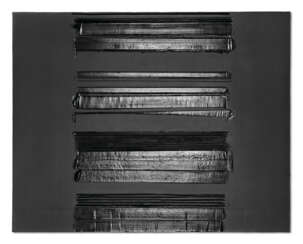

Pierre Soulages was a French painter, printmaker, and sculptor. In 2014, François Hollande described him as "the world's greatest living artist."
Soulages is known as "the painter of black," owing to his interest in the colour "both as a colour and a non-colour. When light is reflected on black, it transforms and transmutes it. It opens a mental field all its own." He saw light as a work material; striations of the black surface of his paintings enable him to reflect light, allowing the black to come out of darkness and into brightness, thus becoming a luminous colour.




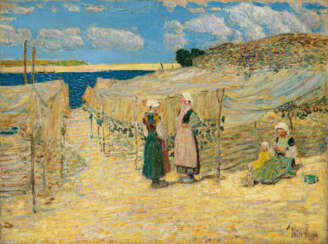

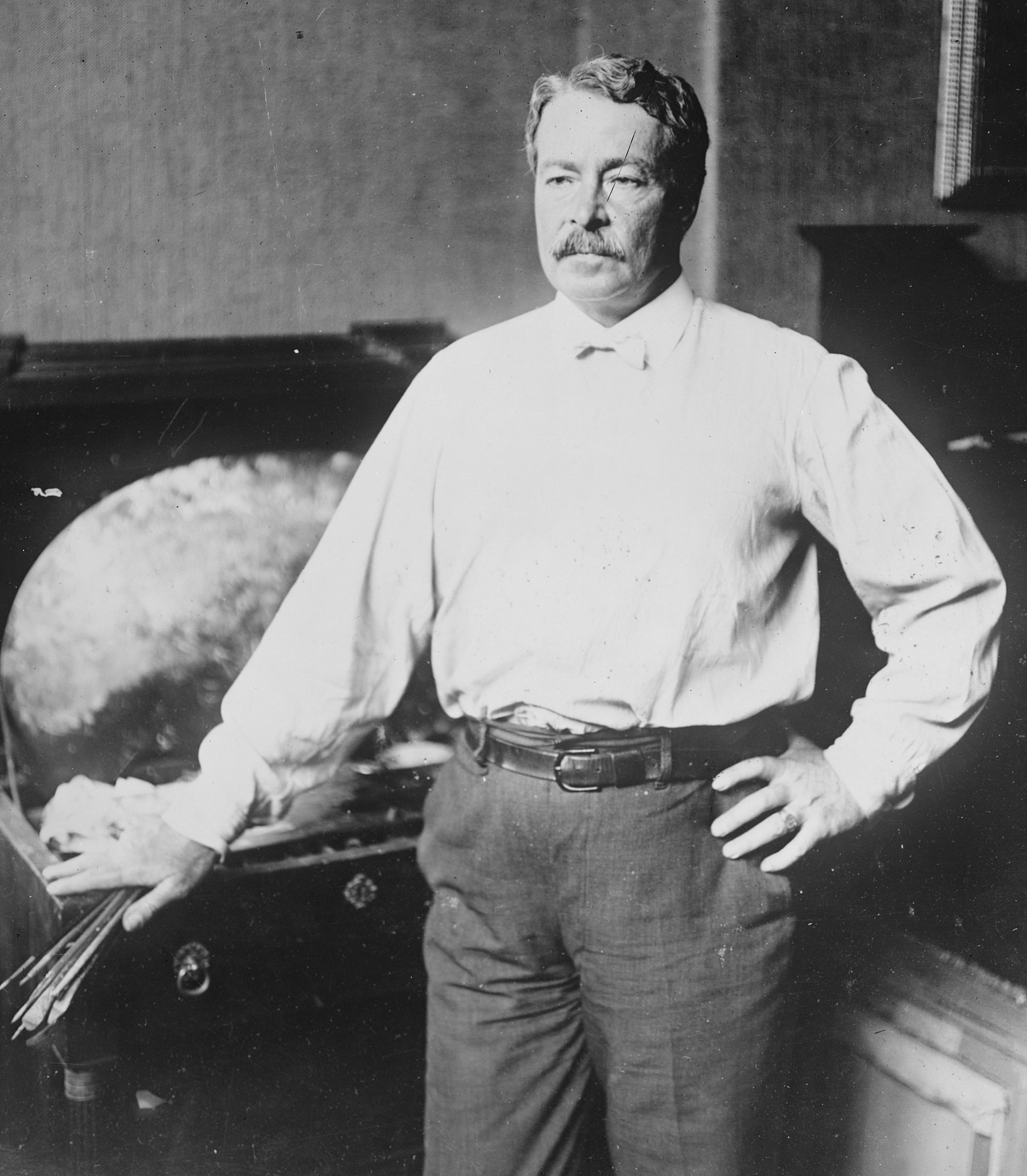
Frederick Childe Hassam was an American Impressionist painter, celebrated for his urban and coastal scenes. Born on October 17, 1859, in Dorchester, Massachusetts, Hassam was a pivotal figure in introducing French Impressionism to the American art scene. His prolific output includes over 3,000 works ranging from oils and watercolors to etchings and lithographs.
Hassam's technique was characterized by the use of light and vibrant colors, often focusing on bustling cityscapes and tranquil New England coastlines. He spent significant periods in Europe, particularly Paris, where he absorbed elements of the avant-garde styles of the time. Despite this, he often emphasized a connection to English landscape traditions over French ones.
Some of his most acclaimed works capture the essence of places like the Isles of Shoals in Maine and East Hampton in Long Island, where he later made his summer home. These settings often featured in his paintings, reflecting the picturesque and serene landscapes that contrasted with his urban subjects.
Hassam's legacy includes his influence on American collectors and institutions, helping to cultivate a taste for Impressionism in the United States. His works are held in major museums, including the Metropolitan Museum of Art and the Museum of Modern Art, ensuring his continued recognition as a key figure in American art history.
For those interested in exploring more about Hassam's life and works, signing up for updates on exhibitions and sales can provide valuable insights into his contributions to Impressionism. Subscribe for updates on new collections and auction events related to Frederick Childe Hassam's artworks.
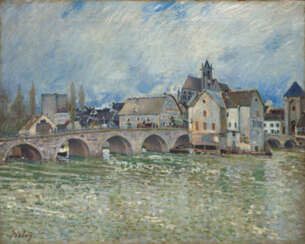

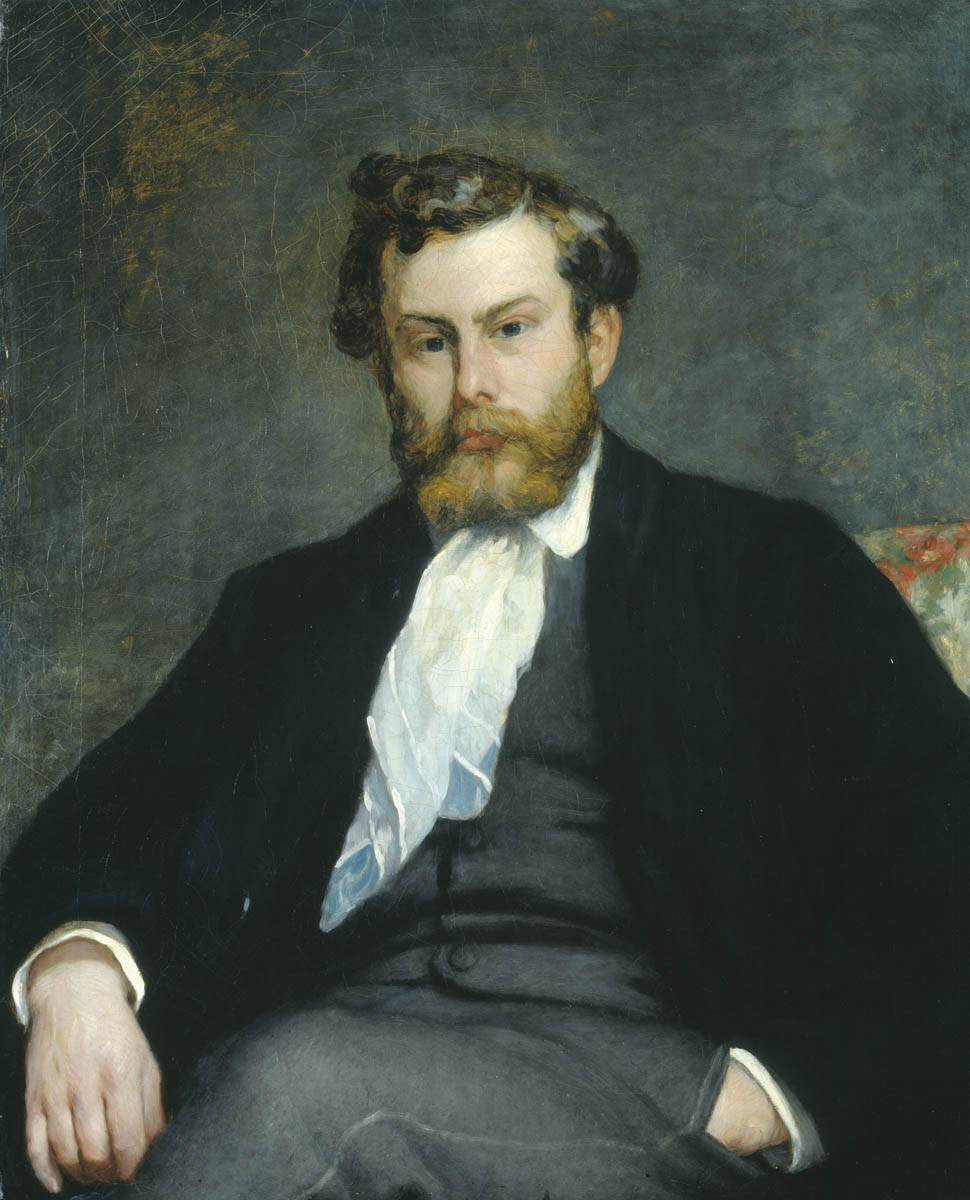
Alfred Sisley was a Franco-British painter, celebrated as a key figure in the Impressionist movement. Born in Paris to British parents, Sisley dedicated his artistic career to capturing the tranquil landscapes of his adopted France, particularly the areas around Paris and Moret-sur-Loing, where he spent his later years.
From the beginning, Alfred Sisley was a devoted landscape artist, preferring to work en plein air to capture the subtle shifts in the atmosphere and light of his surroundings. Unlike some of his contemporaries who explored urban scenes or human figures, Sisley's works predominantly feature rural settings, quiet streets, and serene river scenes, often devoid of people. His approach was deeply influenced by earlier landscape painters like Jean-Baptiste-Camille Corot, yet his style embodies the quintessential Impressionist focus on light and color.
Despite his dedication and prolific output, Alfred Sisley's work did not gain significant recognition or financial success during his lifetime. It was only posthumously that his paintings began to receive the acclaim they deserved, with his canvases now held in prestigious collections worldwide, including the Musée d'Orsay and the National Gallery.
For collectors and experts in art and antiques, Alfred Sisley's works represent a poignant chapter in the history of Impressionism, characterized by a gentle yet profound rendering of the natural world. His paintings not only reflect the beauty of the French countryside but also encapsulate the fleeting moments of light and weather, making them timeless masterpieces of Impressionist art.
For those interested in the serene beauty of Alfred Sisley's landscapes and updates on exhibitions or sales of his works, signing up for specialized newsletters can provide invaluable insights and opportunities.
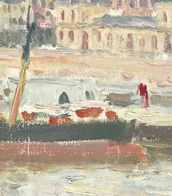
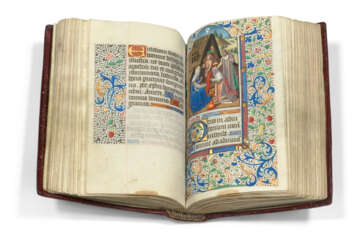

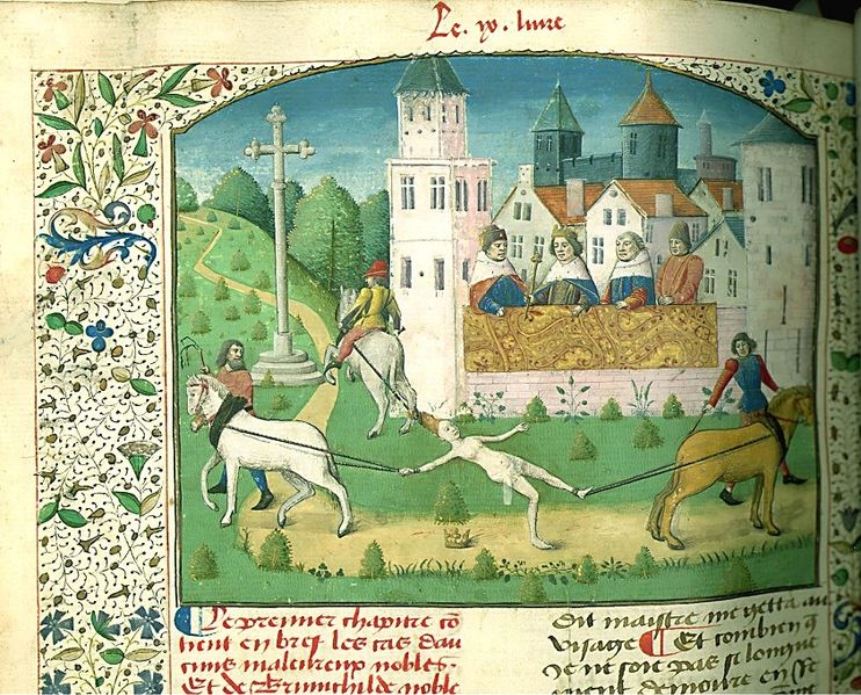
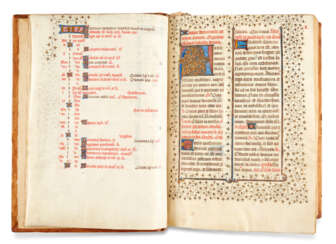
Maître François was a French illustrator who worked in Paris in the 1460s-1480s.
The identity of Maître François as an artist is first mentioned in a letter written by Robert Gauguin in 1473. Most of the prestigious commissions from the court and leading ecclesiastical figures of the time were carried out in François' studio. In Paris in the second half of the fifteenth century, one can trace the predominant style of illumination by the works of Master Jean Rolin, Maître François, and Master Jacques de Besançon. Bibliophiles close to the royal court encouraged the work of miniaturists through private commissions. In particular, Jacques d'Armagnac owned six manuscripts of Maitre Francois and his entourage.
Boccaccio's De casibus virorum illustrium was very popular in the 15th century, where the author retells the fates and downfalls of famous personalities from the Bible, antiquity and medieval history, ending with Boccaccio's own contemporaries in 14th-century Florence. For a long time this book was even more famous and successful than Boccaccio's Decameron. The text was translated into French in 1409 for Jean, Duke de Berry, by his secretary Laurent Premieffe. And the illustrations for the book were later created in the workshop of the then respected Maître François.



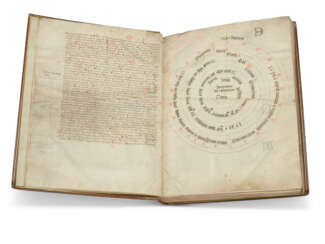



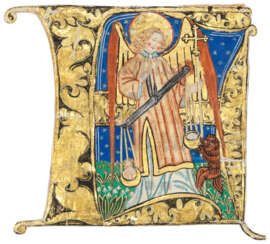

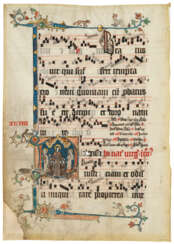

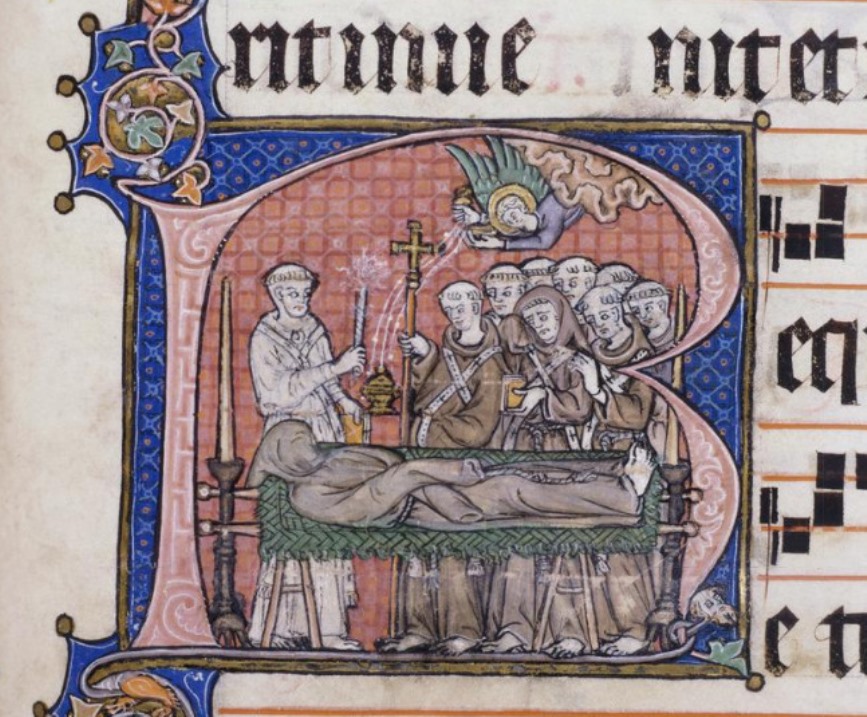
Johannes von Valkenburg was a Franciscan monk of the Friars Minor in Cologne, a calligrapher and illustrator.
He is known for having written, decorated and illustrated a manuscript for the Franciscan monastery in Cologne at the end of the 13th century and for having made two copies of it. One is in the Archdiocesan Diocesan and Cathedral Library in Cologne, the other in the University and State Library in Bonn. On the title pages of these rarities is an inscription indicating Valkenburg's authorship.


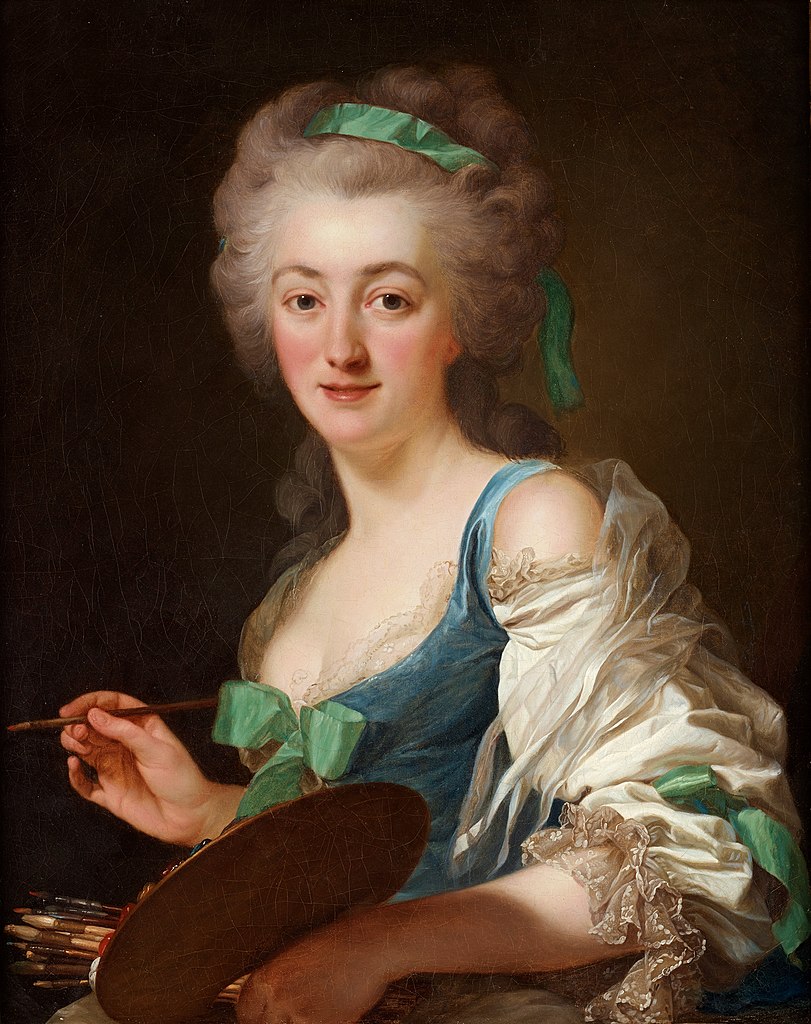
Anne Vallayer-Coster was a renowned French artist, celebrated for her exceptional still-life paintings that captivated 18th-century art enthusiasts, including the French Queen Marie Antoinette. Born into an artistic family in 1744, Vallayer-Coster's talent was evident early on, leading to her unanimous election into the prestigious Académie Royale at just 26 years old. Her works, characterized by their vibrant color, meticulous detail, and textural precision, often depicted bowls of fruit, game, shells, and flowers, showcasing the opulence of French aristocracy before the Revolution.
Vallayer-Coster's career was notable not only for her artistic achievements but also for her ability to navigate the male-dominated art world of her time. Despite the societal constraints on women artists, she gained the patronage of influential figures like Marie Antoinette and was one of the few women admitted to the Royal Academy of Painting and Sculpture. Her work received critical acclaim at the Salon, where she exhibited regularly from 1771 until 1817, and her still-lifes were praised for their sensuality, illusionistic perfection, and the rich, indulgent luxury they portrayed.
One of Vallayer-Coster's most ambitious works, Still Life with Flowers in an Alabaster Vase and Fruit (1783), exemplifies her unparalleled skill in capturing the soft textures of flowers and their harmonious arrangement. This masterpiece was hailed as such at the Salon of 1783 and is considered by Vallayer-Coster herself as her finest painting. Lost for nearly two centuries, it was recently rediscovered in an almost pristine state and is now part of the National Gallery of Art's collection, highlighting Vallayer-Coster's significant contributions to European art history.
Throughout her career, Vallayer-Coster produced more than 120 still lifes, always with a distinctive brilliance in color, earning her a place among the elite artists of her time. Despite facing challenges during the French Revolution due to her close association with the monarchy, she continued to exhibit her work and contribute to the art world until her death in 1818.
For collectors and experts in art and antiques, Anne Vallayer-Coster's legacy is a testament to her skill, resilience, and the impact of her work on the history of art. To stay updated on new product sales and auction events related to Anne Vallayer-Coster, sign up for updates that focus solely on this exceptional artist's contributions to the art world.




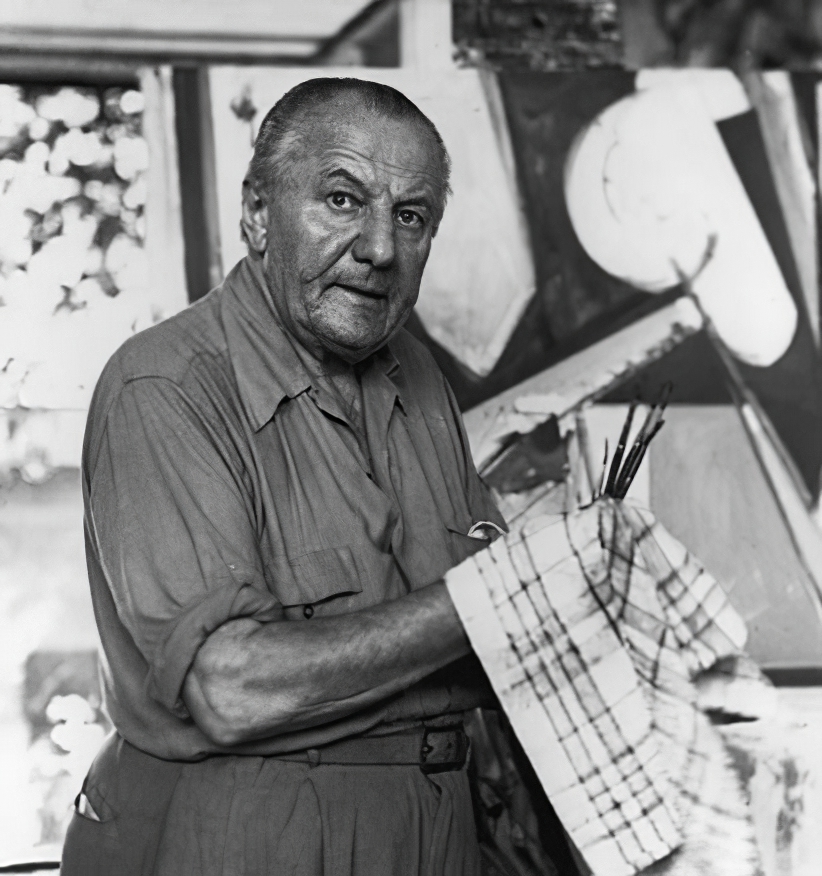
Hans Hofmann, a German-American painter, stands as a towering figure in the 20th-century art world, celebrated for his vibrant contributions to abstract expressionism. Born in Germany in 1880, Hofmann's journey in art took him across continents, from Europe to the United States, where his innovative teaching methods and bold, color-filled canvases left an indelible mark on generations of artists. His unique approach to painting, characterized by a dynamic interplay of color and form, helped bridge the gap between the European modernist traditions and the emerging American abstract art scene.
Hofmann's work is distinguished by its intense color palettes and the technique he termed "push and pull," which refers to the careful balance of color and shape to create depth and movement within the canvas. This technique not only showcased his mastery over the medium but also influenced the development of abstract expressionism, making Hofmann a pivotal figure among his contemporaries. His paintings, such as "The Gate" (1959-60), exemplify this approach and are celebrated in prestigious museums worldwide, including the Museum of Modern Art in New York and the San Francisco Museum of Modern Art.
Beyond his personal contributions as an artist, Hofmann was an esteemed educator, guiding the next generation of artists through his schools in New York and Provincetown. His teaching philosophy emphasized the importance of understanding the fundamental elements of art—color, form, and space—and their interrelation, which he believed was key to achieving harmony and expression in painting.
For collectors and experts in art and antiques, Hans Hofmann's works represent not just significant artistic achievements but also valuable pieces of cultural history. His paintings and teachings continue to inspire and influence the art world, making his pieces highly sought after in galleries and auctions.
We invite you to sign up for updates on new product sales and auction events related to Hans Hofmann. This subscription is your gateway to owning a piece of art history, ensuring you're informed of the latest opportunities to add to your collection. Join us in celebrating the legacy of a master whose work transcends time and continues to dazzle the art world.












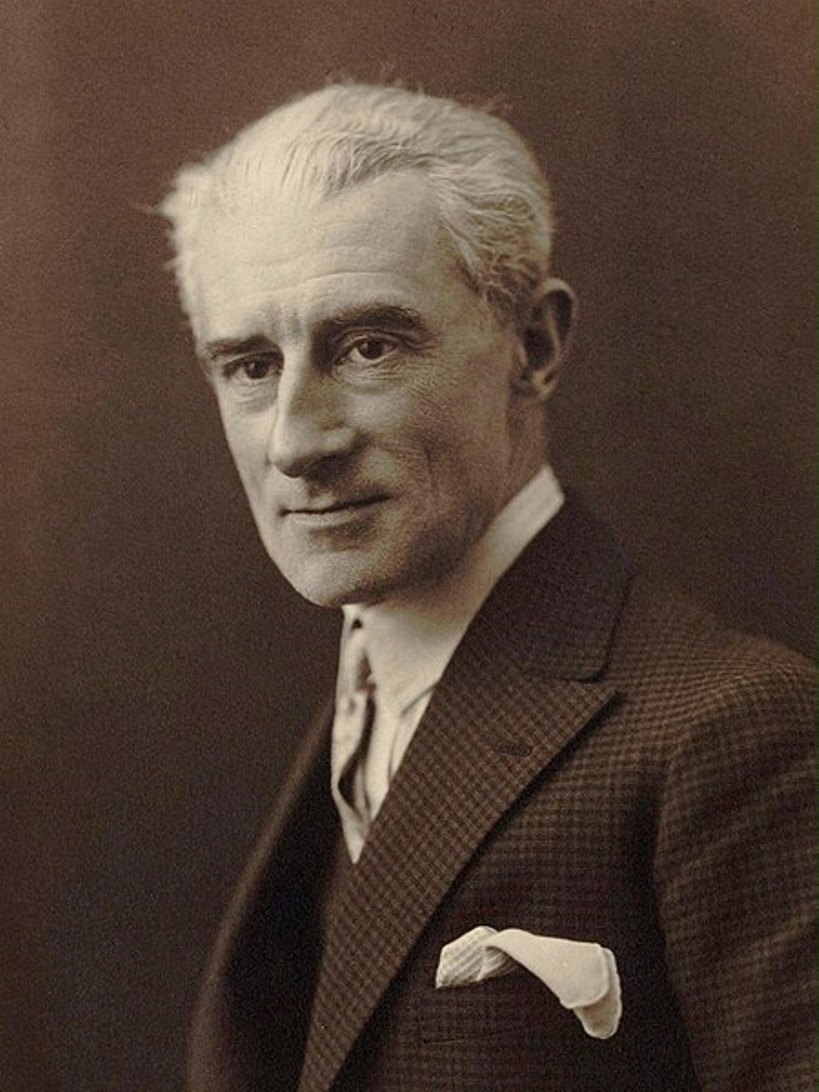
Maurice Ravel, full name Joseph Maurice Ravel, was a French composer, pianist and conductor, a representative of Impressionism in music.
At the age of 14 Maurice entered the Paris Conservatory and during his studies he composed several works. Already in these early sonatas and compositions he skillfully adapted traditional structures in music to his own personal ones, thus creating his own musical style.
Of Ravel's piano works, the virtuosic "Miroir" and "Gaspard de la Nuit" are popular, while of his orchestral works the most famous are the "Spanish Rhapsody" and Bolero. After 1905, Ravel's name is placed almost on a par with the recognized Impressionist composer Claude Debussy. Ravel met the famous Russian entrepreneur and organizer of the Russian Seasons, Sergei Diaghilev, which was a highlight in his career. He was specially commissioned by him to compose music for Mikhail Fokine's ballet Daphnis and Chloe (1912), starring the great Russian dancer Vatslav Nijinsky.
Ravel toured extensively as a pianist and conductor, performing his own works in Italy, Holland and England. In 1928, he made a successful four-month tour of Canada and the United States, where he impressed with jazz and blues compositions.
Maurice Ravel has gone down in history as one of the leading exponents of musical impressionism.


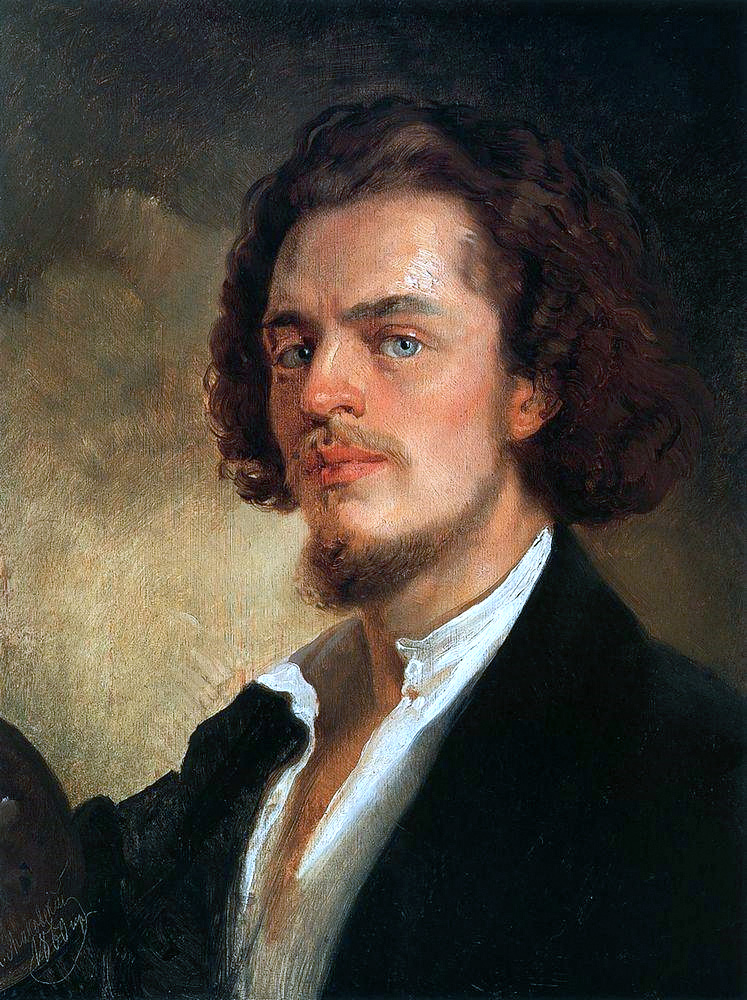
Konstantin Yegorovich Makovsky (Russian: Константин Егорович Маковский) was a renowned Russian painter, celebrated for his romantic and historical paintings that often portrayed an idealized view of Russian life in previous centuries. Born in Moscow in 1839, Makovsky became a pivotal figure in Russian art, distinguishing himself early on at the Moscow School of Painting, Sculpture and Architecture and later at the Imperial Academy of Arts in Saint Petersburg.
Makovsky was a core member of the "Peredvizhniki" or Wanderers, a group advocating for realism and social critique through art. His commitment to depicting the everyday life of old Russia won him accolades, including the Large Gold Medal at the World's Fair in Paris in 1889. Some of his notable works include "The Russian Bride's Attire" and "The Boyar Wedding Feast," which reflect his mastery in capturing the lavish and picturesque aspects of Russian history and culture.
Tragically, Makovsky's life ended in a road accident in Saint Petersburg in 1915, but his legacy lives on through his profound impact on Russian art and culture. His works continue to be highly regarded and are featured in major museums and collections worldwide.
For those interested in exploring Konstantin Makovsky's work further or acquiring pieces related to his artistic legacy, stay updated with our newsletters for announcements on sales and auction events. Sign up to not miss out on the opportunity to own a piece of Russian art history.