säbel m 52


































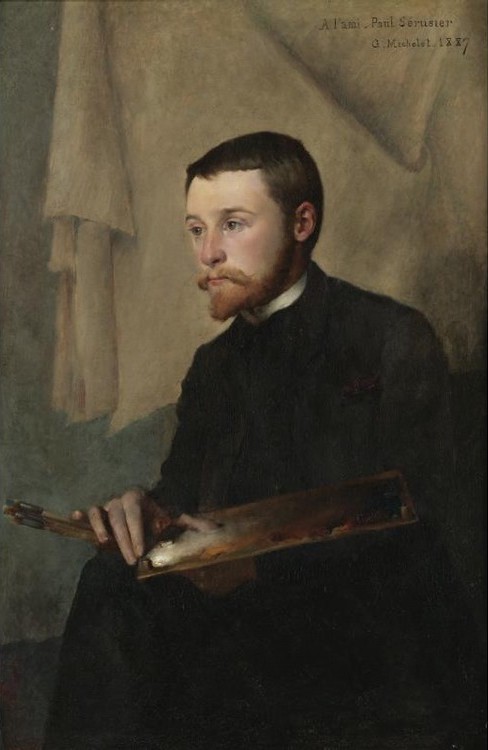
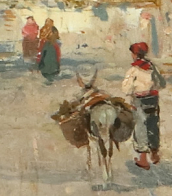
Paul Sérusier was a French Post-Impressionist painter and theorist, notable for his significant contributions to the art movement known as the Nabis. Born in Paris on November 9, 1864, Sérusier's work is characterized by its expressive use of color and pattern, inspired by the techniques of Paul Gauguin. He is best known for his exploration of color, sensation, and abstraction, particularly evident in works like "Le Talisman, the Aven River at the Bois d'Amour" (1888). This painting marks a departure from the Impressionists' more faithful representation of observed reality, focusing instead on translating sensations onto the canvas with vibrant brushstrokes and an emphasis on emotional expression over visual accuracy.
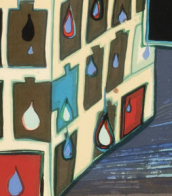
Sérusier's paintings often feature the landscapes and people of Brittany, notable for their contemplative mood achieved through firm contours and blocks of unmodulated color. His style evolved under the influence of Synthetism and Cloisonnism, favoring flattened forms and large swathes of color, as seen in "Farmhouse at le Pouldu" (1890). This approach reflects a decorative organization of objects, emphasizing the craft and execution of the scene.
Some of Sérusier's notable works are housed in prestigious museums such as the Musée d'Orsay in Paris, including "Portrait of Paul Ranson in Nabi Costume" (1890) and "Landscape" (1912). His legacy extends beyond his own artworks; he was a key figure in the formation of the Nabis movement, and his theoretical contributions have had a lasting impact on the art world.
For collectors and experts in art and antiques, Sérusier's work represents a unique blend of post-impressionist and symbolist styles, making his pieces highly valued both for their historical significance and their aesthetic appeal. To stay updated on new product sales and auction events related to Paul Sérusier, sign up for our updates. This subscription service is exclusively focused on providing information related to Sérusier's work, ensuring you remain informed about opportunities to acquire pieces by this influential artist.











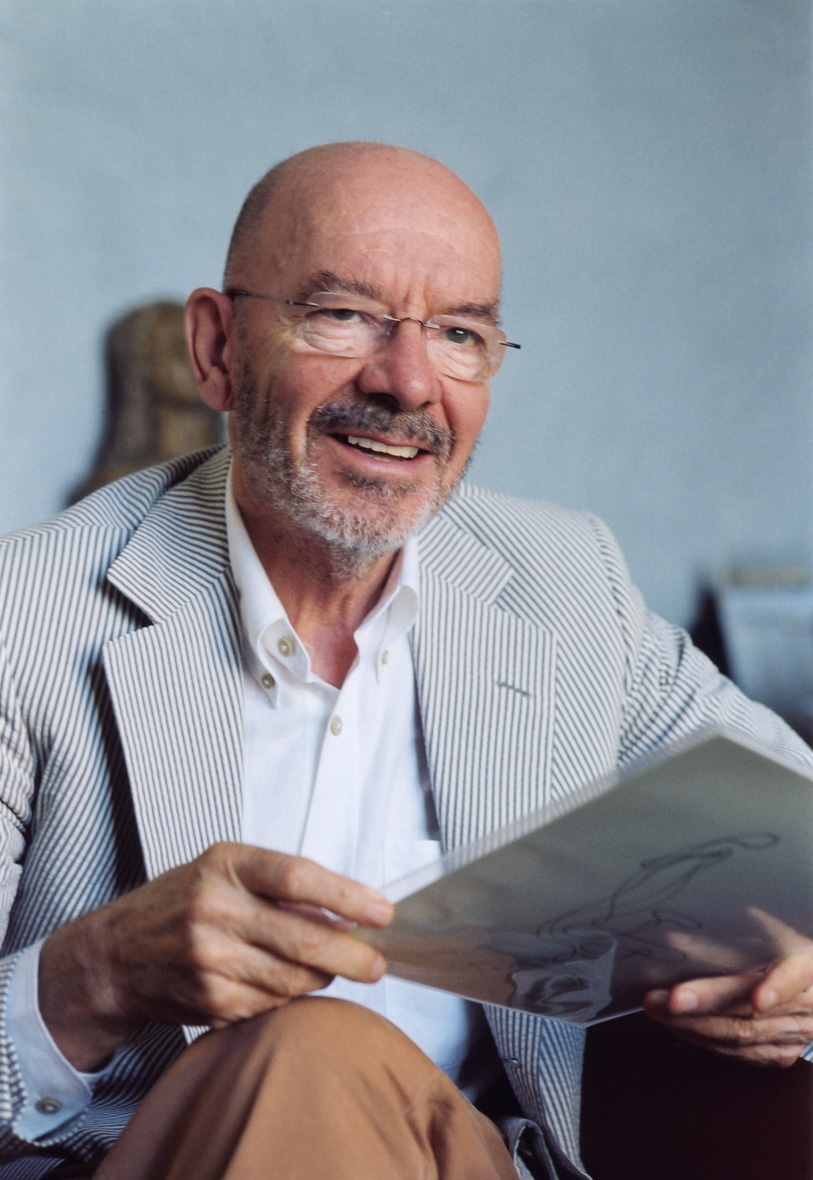
Mario Bellini is an Italian architect and designer. After graduating from the Polytechnic University of Milan in 1959, Bellini pursued a career as an architect, exhibition designer, product designer, and furniture designer, during the Italian economic boom of the late 20th century. Bellini has received several accolades in a variety of design fields, including eight Compasso d'Oro awards, and the Gold Medal for Lifetime Achievement by the Triennale di Milano. In 2019, the Italian President of the Chamber of Deputies, Roberto Fico, awarded Bellini a career medal, in recognition of his contributions to Italian architecture and design.


Mario Bellini is an Italian architect and designer. After graduating from the Polytechnic University of Milan in 1959, Bellini pursued a career as an architect, exhibition designer, product designer, and furniture designer, during the Italian economic boom of the late 20th century. Bellini has received several accolades in a variety of design fields, including eight Compasso d'Oro awards, and the Gold Medal for Lifetime Achievement by the Triennale di Milano. In 2019, the Italian President of the Chamber of Deputies, Roberto Fico, awarded Bellini a career medal, in recognition of his contributions to Italian architecture and design.










.jpg)
Jean Elysée Puiforcat was a French silversmith, sculptor and designer. Miller's Antiques Encyclopedia calls Puiforcat the «most important French Art Deco silversmith».