schulz



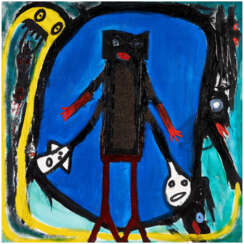

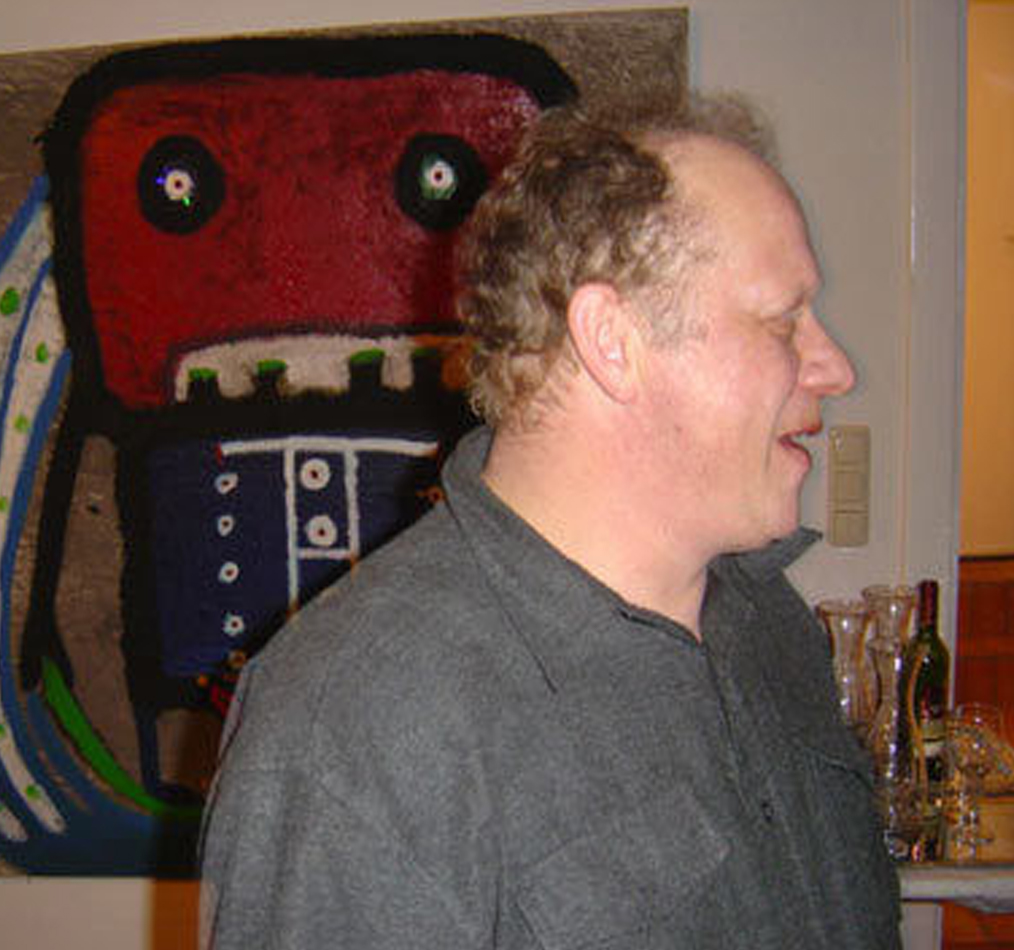
Volkmar Schulz-Rumpold is a German self-taught artist.
He began making art in 1985 and had his first exhibition at Galerie Roche in Bremen in 1986. Since 1991 he has lived and worked north of Berlin and continues to exhibit his work throughout Europe.
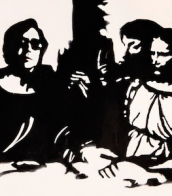


Volkmar Schulz-Rumpold is a German self-taught artist.
He began making art in 1985 and had his first exhibition at Galerie Roche in Bremen in 1986. Since 1991 he has lived and worked north of Berlin and continues to exhibit his work throughout Europe.
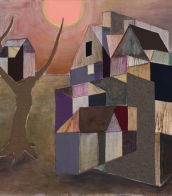


Volkmar Schulz-Rumpold is a German self-taught artist.
He began making art in 1985 and had his first exhibition at Galerie Roche in Bremen in 1986. Since 1991 he has lived and worked north of Berlin and continues to exhibit his work throughout Europe.


Volkmar Schulz-Rumpold is a German self-taught artist.
He began making art in 1985 and had his first exhibition at Galerie Roche in Bremen in 1986. Since 1991 he has lived and worked north of Berlin and continues to exhibit his work throughout Europe.
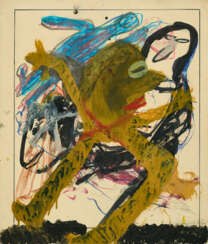

Volkmar Schulz-Rumpold is a German self-taught artist.
He began making art in 1985 and had his first exhibition at Galerie Roche in Bremen in 1986. Since 1991 he has lived and worked north of Berlin and continues to exhibit his work throughout Europe.

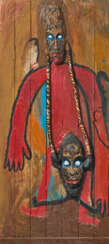

Volkmar Schulz-Rumpold is a German self-taught artist.
He began making art in 1985 and had his first exhibition at Galerie Roche in Bremen in 1986. Since 1991 he has lived and worked north of Berlin and continues to exhibit his work throughout Europe.


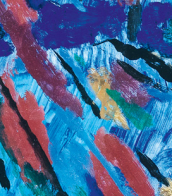


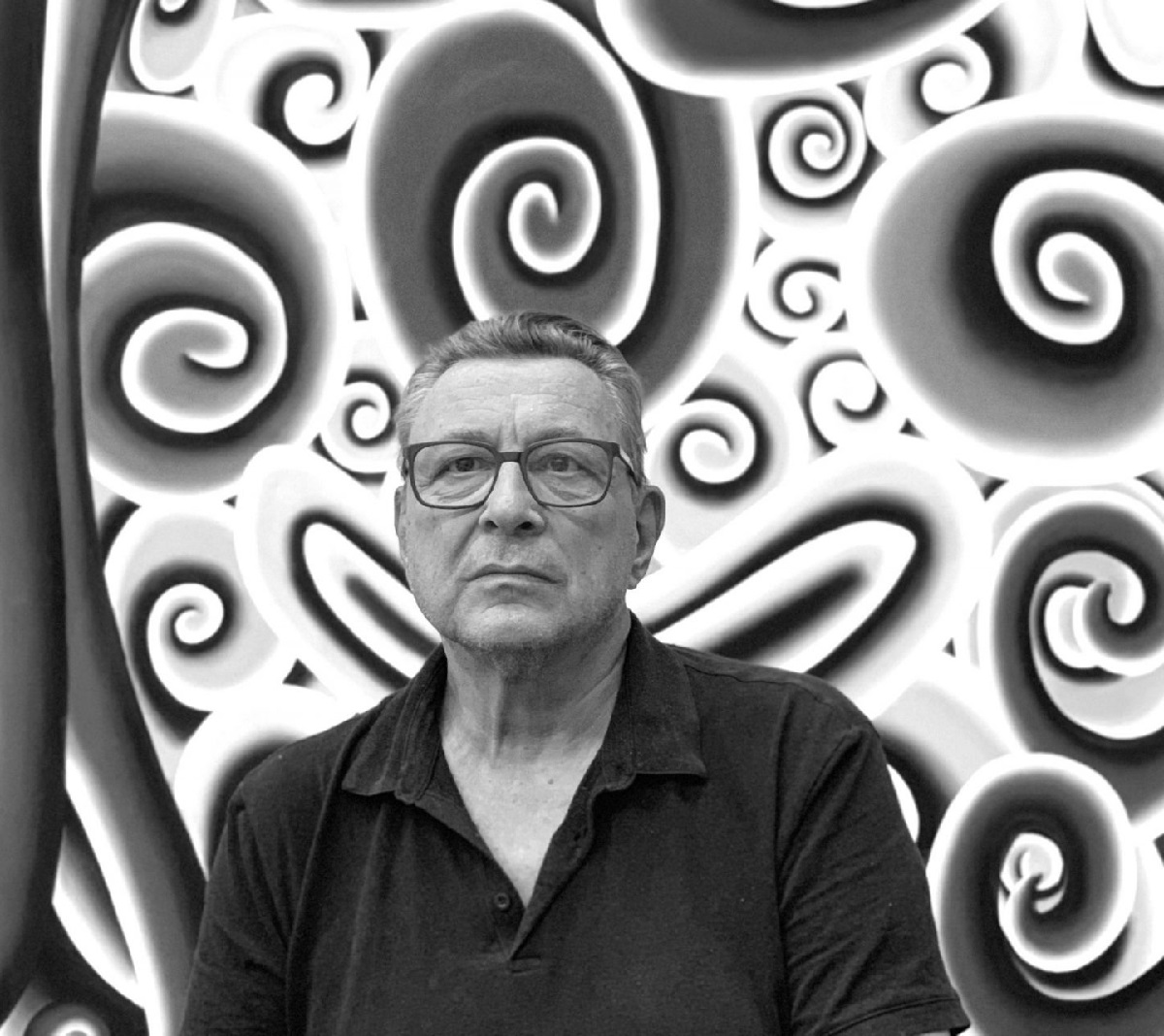
Andreas Schulze is a German painter.
Andreas Schulze first began showing alongside neo-expressionist artists in the 1980s, although his work was considerably less gestural than that of his contemporaries. The artist instead opted for more rounded forms, which he used to create a playful, humorous style of figuration. Typical subjects included the contents interior spaces — such as pillows, lamps, and furniture — which he merged with more ominous abstraction.
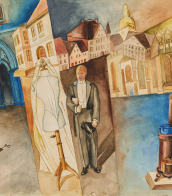
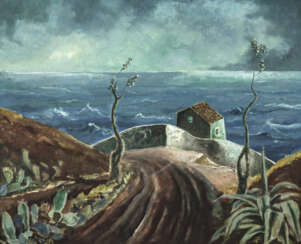

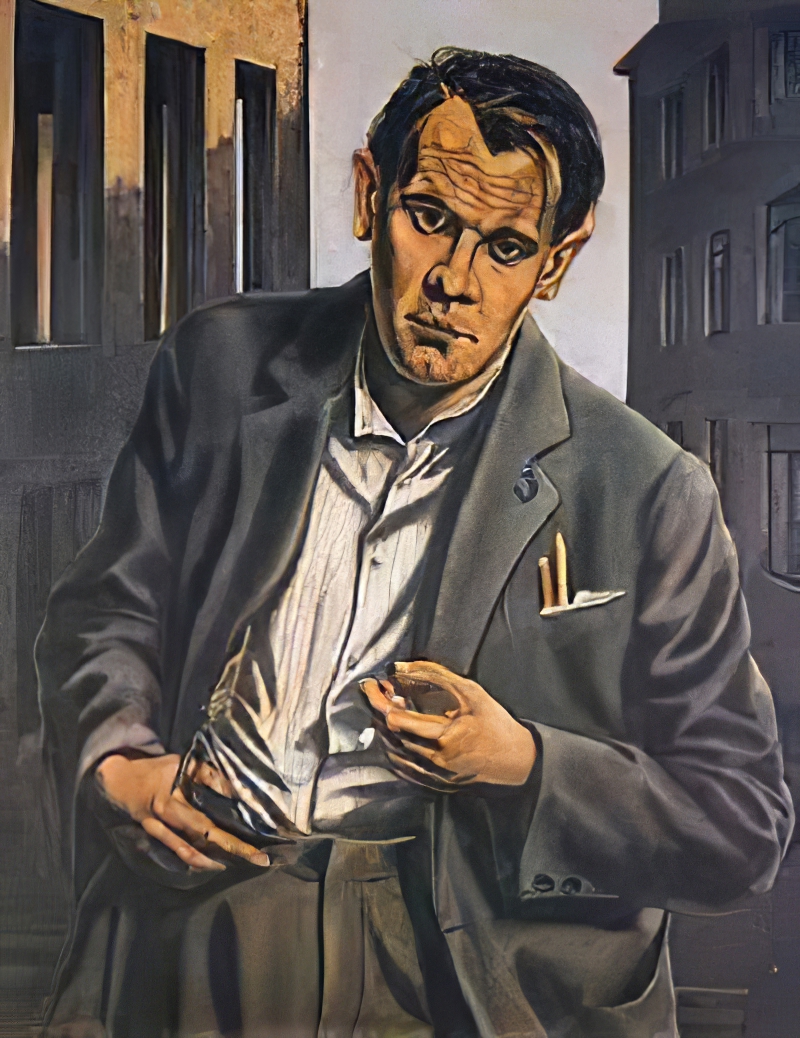
Walter Schulz-Matan was a German painter of magic realism. After training as a decorative painter, the Thuringian Walter Schulz-Matan led a life of wanderings across Europe. After military service and captivity in World War I, he lived in Munich from 1919, maintained his first studio in Munich-Schwabing from 1920 and worked as a stage painter for the "Neue Bühne". From 1930 he was one of the co-founders of the exhibition group 7 Munich painters. Schulz-Matan was also a member of the Neue Secession and the Deutscher Künstlerbund. In the New Objectivity art movement, Schulz-Matan developed his own artistic specificity in the Magic Realism movement. During the Second World War he worked as a war painter in France, then again as an artist in Munich.





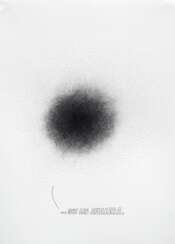

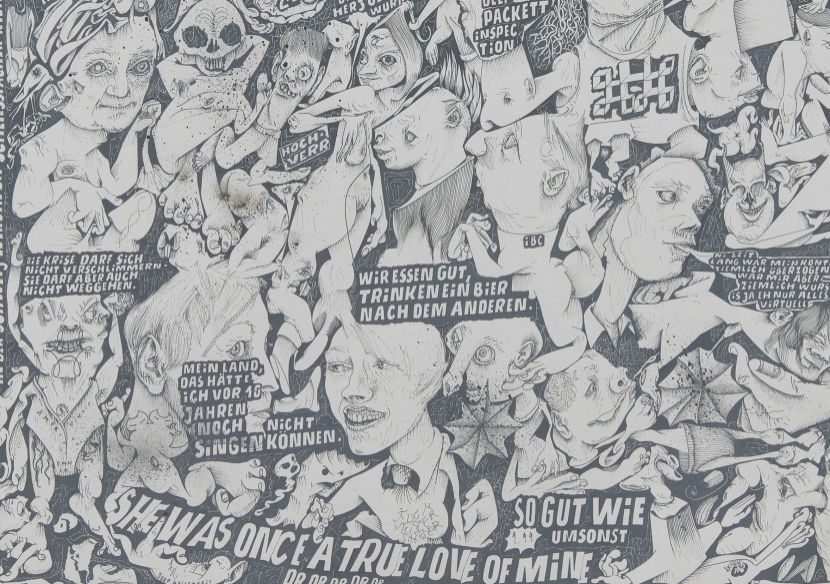
Dorothea Schulz is a German artist and graphic artist.
She reveals etymologies, finds pleasure in bar chatter and images, and discovers the Last Judgment both in pubs and in institutions of federal justice.
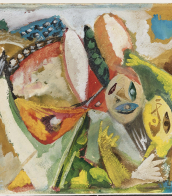
For about ten years now, Dorothea Schulz has been predominantly concerned with comprehension and communication, listening and its visual processing. The artist creates her so-called listening drawings during conversations that she accidentally hears or in which she herself actively participates. Snippets of speech are mixed with small, sometimes grotesque figurative drawings to create documents of spoken language that expose both the everyday use of language and its associative processing in the act of communication.
Dorothea Schulz became known to a wider audience after her participation in the exhibition Funny Cuts (2004) at the Staatsgalerie Stuttgart.
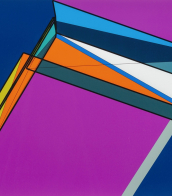


Volkmar Schulz-Rumpold is a German self-taught artist.
He began making art in 1985 and had his first exhibition at Galerie Roche in Bremen in 1986. Since 1991 he has lived and worked north of Berlin and continues to exhibit his work throughout Europe.
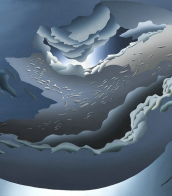
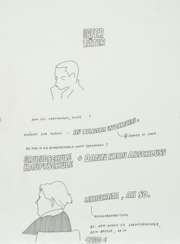

Dorothea Schulz is a German artist and graphic artist.
She reveals etymologies, finds pleasure in bar chatter and images, and discovers the Last Judgment both in pubs and in institutions of federal justice.
For about ten years now, Dorothea Schulz has been predominantly concerned with comprehension and communication, listening and its visual processing. The artist creates her so-called listening drawings during conversations that she accidentally hears or in which she herself actively participates. Snippets of speech are mixed with small, sometimes grotesque figurative drawings to create documents of spoken language that expose both the everyday use of language and its associative processing in the act of communication.
Dorothea Schulz became known to a wider audience after her participation in the exhibition Funny Cuts (2004) at the Staatsgalerie Stuttgart.
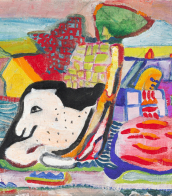



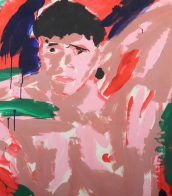
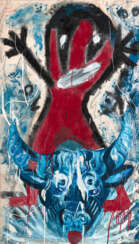

Volkmar Schulz-Rumpold is a German self-taught artist.
He began making art in 1985 and had his first exhibition at Galerie Roche in Bremen in 1986. Since 1991 he has lived and worked north of Berlin and continues to exhibit his work throughout Europe.
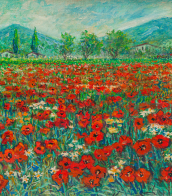
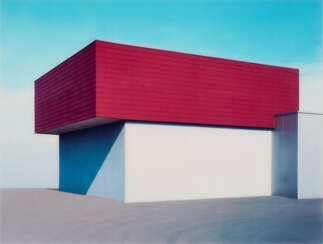


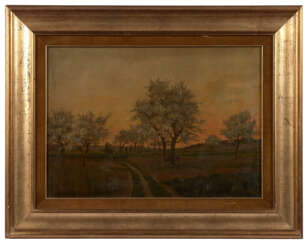

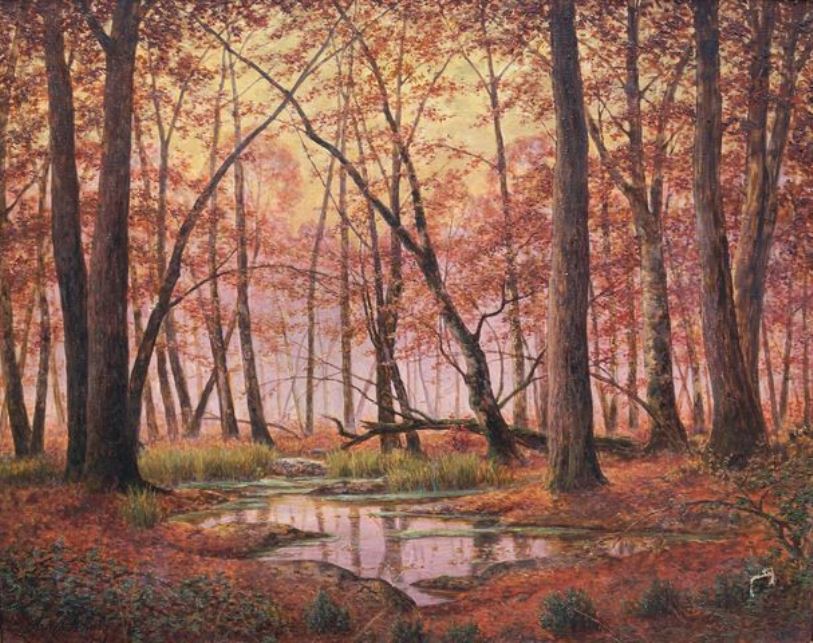
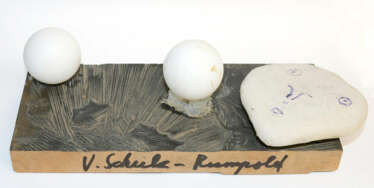

Volkmar Schulz-Rumpold is a German self-taught artist.
He began making art in 1985 and had his first exhibition at Galerie Roche in Bremen in 1986. Since 1991 he has lived and worked north of Berlin and continues to exhibit his work throughout Europe.





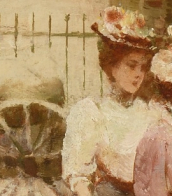


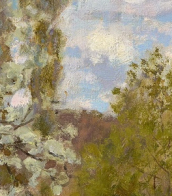


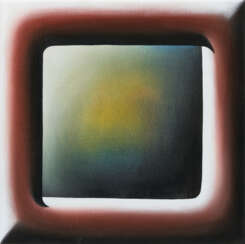

Andreas Schulze is a German painter.
Andreas Schulze first began showing alongside neo-expressionist artists in the 1980s, although his work was considerably less gestural than that of his contemporaries. The artist instead opted for more rounded forms, which he used to create a playful, humorous style of figuration. Typical subjects included the contents interior spaces — such as pillows, lamps, and furniture — which he merged with more ominous abstraction.